
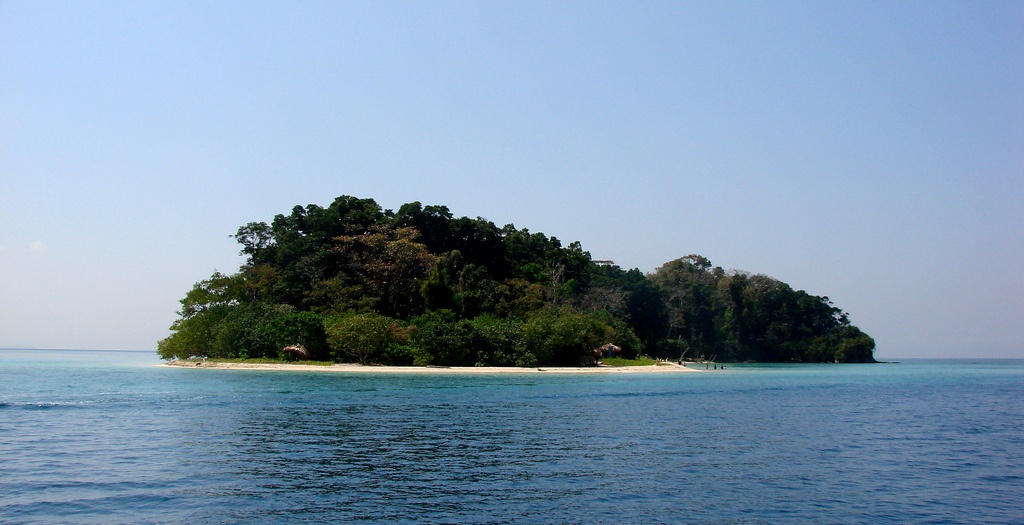
Mahatma Gandhi Marine National Park Andaman: Permits, Boat Trips & Timings

Priya Mehta
January 9, 2026
Complete guide to Mahatma Gandhi Marine National Park in Andaman: islands, snorkeling, entry fee, timings, and how to reach this marine paradise.
Mahatma Gandhi Marine National Park: Island Access, Snorkeling, and Planning Guide
Mahatma Gandhi Marine National Park is one of Andaman’s most valuable marine ecosystems, known for clear water zones, coral visibility, and island-based day trips from the Wandoor side. Many travelers visit without a clear sequence and lose time in transfer and permit queues. The park works best when planned as a focused marine day, not a rushed add-on. For stronger itinerary flow, connect this with Andaman complete travel guide, island detail pages like Jolly Buoy and Red Skin Island, plus practical beach logistics from Wandoor Beach. This guide covers activity planning, conservation etiquette, and how to avoid common mistakes.
Why This Marine Park Is Important
The park protects coral systems, shallow reef zones, and marine biodiversity that support both ecology and tourism. Visitors often focus only on surface beauty, but the site’s real value is conservation-led access. Responsible visitation helps maintain reef quality and protects species that are sensitive to disturbance.
What Activities to Expect
Snorkeling and reef viewing
Snorkeling is the main draw for most travelers. Water clarity varies by weather and island condition, so keep expectations flexible.
Glass-bottom observation
For non-swimmers and families, glass-bottom experiences can provide reef visibility without entering the water.
Island-based nature time
Some islands offer calm shoreline intervals and controlled visitor movement zones.
Best Time to Visit
Clear-weather months usually provide better sea conditions and more reliable activity schedules. Wind and rough sea can affect operations, so maintain one contingency slot in your itinerary. Morning departures are generally preferred for smoother day structuring.
| Condition | Effect on Experience | Action |
|---|---|---|
| Calm sea | Better visibility and comfort | Prioritize water activities |
| Windy day | Reduced comfort, possible delays | Keep flexible schedule |
| Peak crowd window | Longer queues | Arrive early and pre-plan |
How to Reach and Organize the Day
Most visitors start from Port Blair and move toward Wandoor-side access points. Keep documents, timing, and transport coordination ready before morning departure. If permits or operations are delayed, avoid forcing back-to-back island shifts; focus on one strong activity block instead.
- Confirm activity status one day before travel.
- Carry water, quick snacks, and sun protection.
- Use waterproof storage for phones and IDs.
- Avoid last-minute changes in island plan.

Conservation Rules That Matter
Do not touch coral, do not stand on reef surfaces, and do not throw any plastic or food waste into water. Reef damage can be irreversible. Follow crew and park instructions strictly. Respecting these rules improves both safety and ecosystem protection.
How to Combine with Other Andaman Stops
A practical route is one marine-park day plus one separate beach/city day. Pair this destination with Jolly Buoy or Red Skin, and use broader planning from Andaman guide routes. If you want extra water activity, integrate snorkeling-specific plans in a separate time block.
Common Mistakes to Avoid
- Trying to cover too many islands in one day.
- Ignoring weather and sea-condition updates.
- Under-preparing for heat and hydration needs.
- Treating reef areas as casual swimming zones.
- Skipping buffer time for transport and permissions.

Final Takeaway
Mahatma Gandhi Marine National Park delivers a high-value Andaman experience when planned with marine conditions, activity pacing, and conservation discipline in mind. Keep the day focused, protect reef etiquette, and allow timing buffers for smoother execution.
One well-organized marine day here is better than multiple rushed island hops.
Responsible choices protect the ecosystem and your travel quality.
Simple planning, early start, and flexibility are the core formula.
How to Structure a Full Marine-Park Day
A marine-park day is most successful when you avoid over-segmentation. Instead of trying multiple islands and activities in a single rush, choose one primary island zone and one secondary activity. Start with early departure, finish check-in and permits smoothly, then prioritize your core water session before crowd peaks. After that, keep a flexible buffer for weather-related delays. This simple structure prevents the two most common failures: missing snorkeling windows and rushed transfers.
Reef Etiquette and Visitor Responsibility
Marine ecosystems are fragile and slow to recover from damage. Keep your body and equipment away from coral structures, avoid kicking fins near reef beds, and never collect shells or marine fragments. If you use sunscreen, choose reef-safer options when possible. Small decisions by each traveler directly influence long-term reef health. Responsible behavior is not optional in protected zones, it is central to keeping these places visitable.
Practical Packing and Comfort Plan
- Waterproof pouch for documents and electronics.
- Quick-dry clothing and light change set.
- Hydration and low-mess food options.
- Hat, sunglasses, and non-slip footwear.
- Motion-sickness medication if needed for boat movement.
Pack light but purposefully. Overpacking makes transfers harder, while underpacking forces avoidable purchases and discomfort.
What to Do If Conditions Change
Sea conditions can change faster than visitors expect. If water visibility drops or operations pause, switch to low-risk alternatives instead of forcing the day plan. Keep one fallback option near your base route, such as a beach walk, interpretation visit, or relaxed town segment. Flexible plans are not weaker plans, they are smarter marine-day plans.
Final Planning Principle
Treat this destination as a conservation-led experience, not a checklist stop. Arrive early, stay patient with operations, and let safety and ecosystem rules guide your decisions. That approach consistently produces a better day for both travelers and the marine environment.
Extended Planning Playbook
Strong travel outcomes usually come from preparation habits, not from adding more destinations. Use a layered plan before departure: define one primary objective, one secondary objective, and one fallback option. The primary objective is what makes the day worthwhile even if weather or delays affect everything else. The secondary objective is optional and should be dropped quickly if timing slips. The fallback option should be low-risk and close to your route so you can still have a meaningful day without forcing difficult movement. This structure reduces stress and protects experience quality.
Next, map your day in realistic blocks rather than exact minute-by-minute promises. A practical approach is to assign 90-120 minute activity blocks with 20-30 minute transition buffers. Most travelers skip buffers and then rush decisions late in the day. Buffer time is not wasted time; it is decision margin. It allows for weather delays, traffic shifts, short rest stops, or queue variation without breaking the entire plan. Trips feel smoother when flexibility is built in from the start.
On-Ground Execution Rules
Once on site, run a simple three-step check before every major movement: current weather, group energy, and daylight margin. If any of these are weak, reduce scope immediately. This is the most effective way to prevent avoidable risk. Travelers often keep original plans even when conditions change, and that creates rushed exits and lower-quality experiences. Smart travel means adapting early, not reacting late.
- Hydrate at regular intervals instead of waiting for fatigue signs.
- Keep food simple and energy-stable to avoid long unplanned breaks.
- Maintain one clear group communication rule for movement timing.
- Protect return schedules, especially in low-support or mountain routes.
- Use conservative decision-making when weather uncertainty appears.
Budget and Comfort Controls
Good itineraries also control hidden costs. Carry essential basics so you are not forced into overpriced last-minute purchases. Keep a small contingency budget for transport changes and safety-driven rerouting. Comfort planning matters too: appropriate footwear, light weather layers, and power backup improve decision quality throughout the day. Small discomforts become major problems when combined with long transit and shifting weather.
Content and Photography Balance
If you are capturing photos or video, separate documentation from exploration. Spend the first pass understanding the place, and the second pass creating content. This prevents rushed, repetitive shots and reduces unsafe positioning choices. The best travel content usually comes from patient observation rather than constant motion. When the environment is dynamic, a stable viewpoint often gives better results than frequent location switching.
Post-Visit Reset
End each day with a short reset: hydrate, review what worked, and simplify the next day’s plan based on real conditions. This keeps multi-day itineraries sustainable. Travelers who do quick daily resets make better choices and avoid cumulative fatigue. The goal is not maximum checklist completion, it is high-quality, safe, and memorable travel across the full trip.
Location
Frequently Asked Questions
Q1.Where is Mahatma Gandhi Marine National Park?
Q2.What is special about Mahatma Gandhi Marine National Park?
Q3.What is the entry fee for Mahatma Gandhi Marine National Park?
Q4.How to reach Mahatma Gandhi Marine National Park?
Q5.What are the timings of Mahatma Gandhi Marine National Park?
Q6.Do we need permits for Mahatma Gandhi Marine National Park?
Q7.Is snorkeling good at Mahatma Gandhi Marine National Park?
Q8.Best time to visit Mahatma Gandhi Marine National Park?
Recommended For You
Scuba Diving in Andaman: Best Spots & Prices
Scuba diving in Andaman guide with best dive spots, price ranges, beginner safety rules, no-fly timing, and practical planning tips for Havelock and Neil.
Places to Visit in Andaman: Islands, Beaches & Planning Tips
Explore the best places to visit in Andaman with island-wise highlights, beach picks, activity ideas, and practical route planning tips.
Andaman Islands: Best Time To Visit And Things To Do
Planning your dream Andaman Islands vacation? This comprehensive guide covers essential Andaman travel tips for first-timers including best time to visit, how many days required, permits, packing list, budget breakdown, ferry booking, safety guidelines, and practical advice. Get ready for the perfect island paradise getaway with our expert tips on Port Blair, Havelock, Neil Island, water activities, and more.
Never Miss an Adventure
Get the latest trekking guides, travel tips, and exclusive offers delivered straight to your inbox.
