
Campbell Bay Andaman: How to Reach, Stay & Things to Do

Priya Mehta
January 2, 2026
Explore Campbell Bay in Great Nicobar, India's southernmost point. Discover how to reach, permits required, best time to visit, attractions, and practical travel tips.
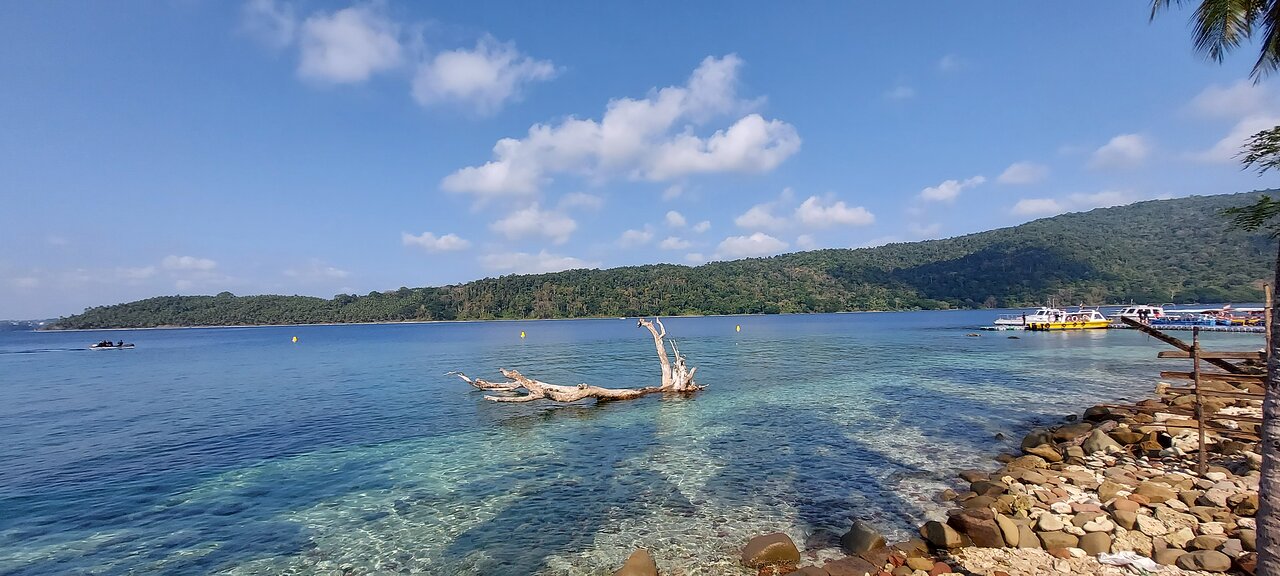
Welcome to Campbell Bay, a remote paradise nestled in the Great Nicobar Islands – India's southernmost inhabited territory. This hidden gem in the Bay of Bengal represents adventure at its rawest, where untouched beaches meet pristine tropical forests, and where the concept of 'off the beaten path' takes on a whole new meaning. For travelers seeking to explore India's last frontier, Campbell Bay offers an unparalleled opportunity to experience nature in its most authentic form.
Located approximately 540 kilometers south of Port Blair, Campbell Bay is the administrative headquarters of the Great Nicobar Island. This remote settlement stands as a testament to human resilience and nature's grandeur, surrounded by the vast expanse of the Indian Ocean on one side and dense tropical rainforests on the other. The journey here is not for the faint-hearted, but those who make the trek are rewarded with experiences that few travelers ever get to witness.
About Campbell Bay and Great Nicobar Island
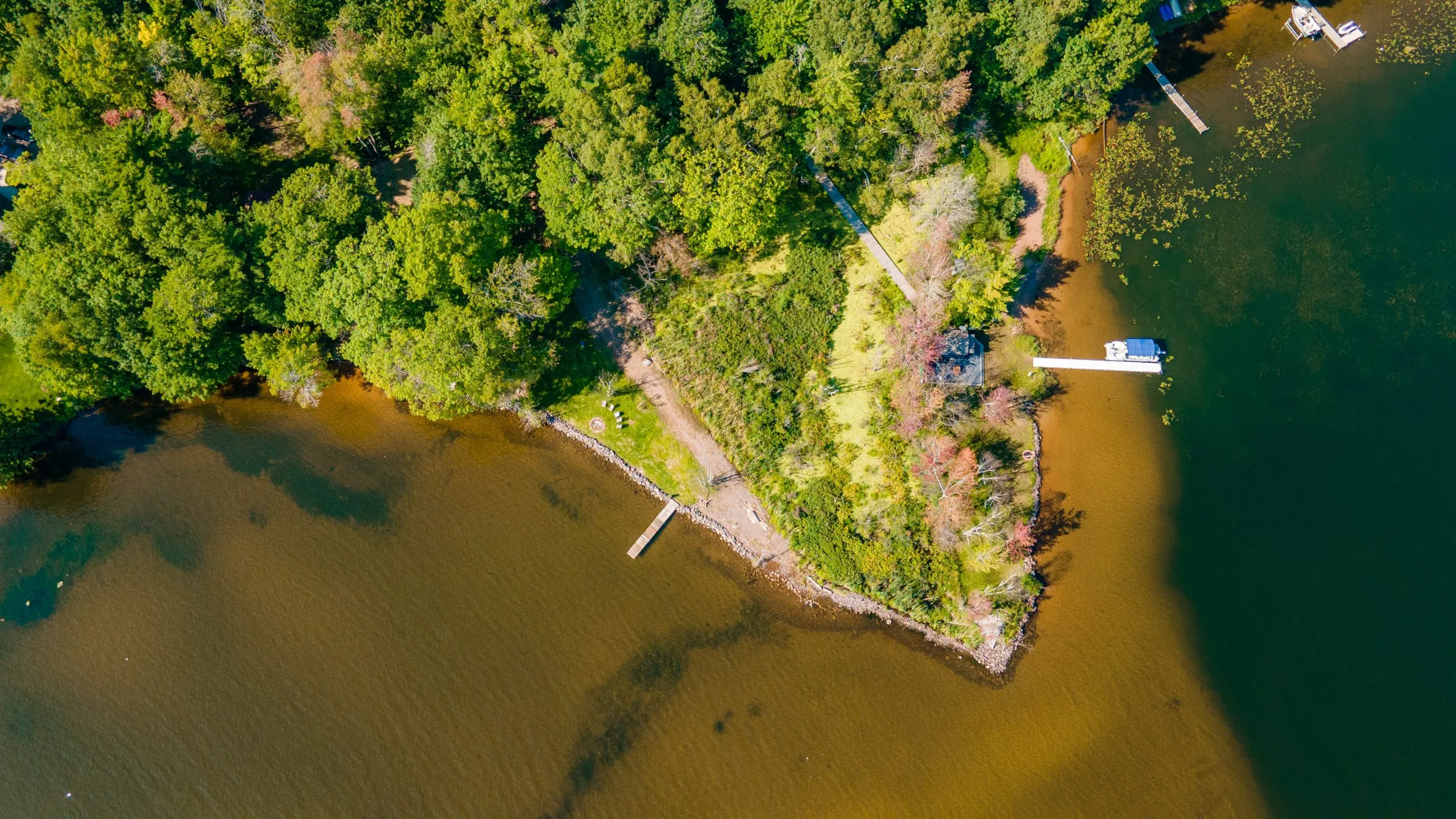
Campbell Bay serves as the gateway to Great Nicobar, the largest of the Nicobar Islands and home to some of India's most unique ecosystems. The island stretches over 1,045 square kilometers and is characterized by its diverse terrain – from coastal beaches and mangroves to undulating hills and dense evergreen forests. This geographical diversity creates a habitat for numerous endemic species, some found nowhere else on Earth.
The settlement itself is small but vibrant, with a population comprising government officials, defense personnel, and local tribal communities. The town has basic amenities including a government guest house, a hospital, schools, and a few shops. What it lacks in modern infrastructure, it more than makes up for in natural beauty and the warmth of its people. The indigenous Nicobarese tribes have inhabited these islands for centuries, maintaining their distinct culture and traditions despite the influences of modernization.
The strategic importance of Campbell Bay cannot be overstated. Located just 150 kilometers from Sumatra, Indonesia, this remote outpost plays a crucial role in India's maritime security and presence in the Indian Ocean Region. The nearby Indira Point, named after former Prime Minister Indira Gandhi, marks India's southernmost tip – a geographical landmark that holds immense significance for the nation.
Best Time to Visit Campbell Bay
Choosing the right time to visit Campbell Bay is crucial due to its remote location and the challenges involved in reaching there. The region experiences a tropical climate with distinct seasonal patterns that can significantly impact your travel experience.
October to May represents the ideal window for planning your trip to Campbell Bay. During these months, the weather remains relatively pleasant with temperatures ranging from 22°C to 30°C. The sea conditions are calmer, making ship travel safer and more predictable. This period also offers better visibility for exploration and photography, with clearer skies and comfortable humidity levels. December and January are particularly pleasant, though you might want to pack light woolens for the evenings.
February to April is perhaps the sweet spot for visiting Campbell Bay. The weather is consistently good, the seas are at their calmest, and there's minimal rainfall. This period also offers the best chances of ship schedules running on time, which is a critical consideration given the dependency on sea transport for reaching Great Nicobar.
June to September brings the southwest monsoon to the Nicobar Islands. Heavy rainfall, rough seas, and strong winds make this period extremely challenging for travel. Ship services are frequently cancelled or delayed, and many areas become inaccessible due to waterlogging. Unless you have absolutely compelling reasons and are prepared for extended stays with limited movement, it's strongly advised to avoid planning a trip during the monsoon months.
It's worth noting that weather patterns in the Bay of Bengal can be unpredictable, and sudden changes can occur even outside the monsoon season. Always check with local authorities and the shipping corporation before finalizing your travel plans, and maintain flexibility in your schedule to accommodate weather-related disruptions.
How to Reach Campbell Bay
Reaching Campbell Bay is an adventure in itself and requires careful planning. The remote location means limited connectivity, and options are primarily sea-based, though helicopter services are available for those who can afford them.
By Ship from Port Blair
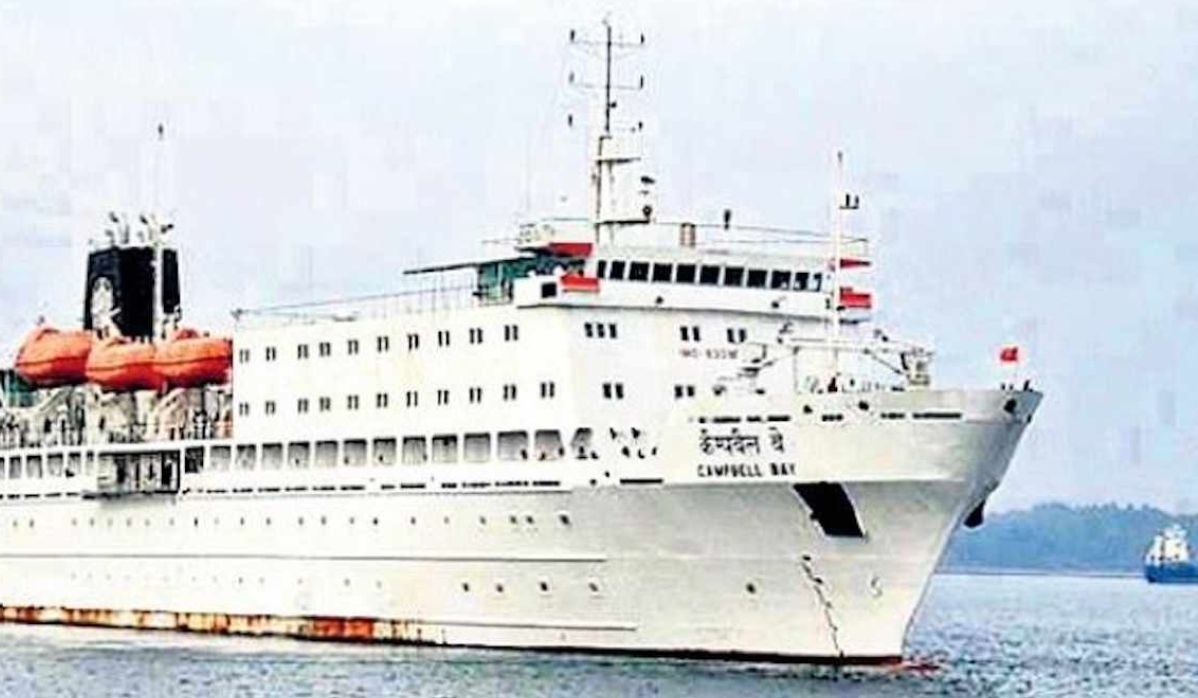
The most common and economical way to reach Campbell Bay is by ship from Port Blair. The Shipping Corporation of India operates regular passenger vessels on this route, though the frequency can be limited depending on the season and weather conditions. The journey typically takes 24-30 hours depending on the vessel and sea conditions.
Ships such as MV Nicobar, MV Nancowry, and MV Harshavardhana operate on this route. It's important to note that these are working ships, not luxury cruises – accommodations are basic, consisting of bunk beds in dormitories or simple cabins. The vessels carry essential supplies to the islands, so passenger comfort is secondary to cargo operations. However, the journey offers a unique experience, with opportunities to spot dolphins, flying fish, and if you're lucky, even whales.
Ship tickets can be booked from the Directorate of Shipping Services in Port Blair. It's highly recommended to book well in advance, especially during the peak season from December to February, as seats are limited and demand often exceeds supply. Keep in mind that ship schedules are weather-dependent and can change at short notice, so always have buffer time in your travel plans.
By Helicopter
For those who prefer speed over economy, helicopter services are available from Port Blair to Campbell Bay. Operated by Pawan Hans, the helicopter ride takes approximately 2.5 hours, offering stunning aerial views of the Andaman Sea and the Nicobar Islands. However, this option is significantly more expensive than ship travel, and services are even more weather-dependent than ships.
Helicopter flights operate only when weather conditions permit, which means frequent cancellations during cloudy or windy conditions. The seating capacity is limited, and booking can be competitive. Priority is often given to government officials and emergency cases, so tourists may need to wait for available slots. Despite the challenges, the helicopter ride offers a perspective of the islands that few get to see – a patchwork of green forests, blue waters, and pristine coastlines stretching as far as the eye can see.
Multi-Modal Journey
Some travelers choose a combination approach – taking a ship from Port Blair to Car Nicobar and then connecting to Campbell Bay via local transport or helicopter. This can sometimes be faster depending on ship schedules, but it involves more logistics and coordination. Always consult with the shipping services office in Port Blair for the most current routing options and schedules.
Permits and Entry Requirements
Visiting Campbell Bay and the Nicobar Islands requires special permits due to their strategic location and the presence of indigenous tribal reserves. Understanding and obtaining these permits is a critical part of your travel planning.
Restricted Area Permit (RAP)
All foreign nationals and Indian tourists from outside the Andaman and Nicobar Islands require a Restricted Area Permit (RAP) to visit the Nicobar Islands, including Great Nicobar. This permit is issued by the Andaman and Nicobar Administration and is different from the permit required for visiting the Andaman Islands.
The RAP for Campbell Bay is typically obtained through a registered tour operator or can be applied for directly at the Foreigners Regional Registration Office (FRRO) in Port Blair. The permit specifies the duration of your stay and the areas you're allowed to visit. It's crucial to adhere strictly to these conditions, as violations can lead to serious consequences including fines and deportation.
Indian nationals may find the permit process slightly simpler compared to foreign nationals, but it's still mandatory and requires proper documentation. The permit usually takes 2-3 working days to process, so factor this into your travel timeline.
Tribal Area Restrictions
Great Nicobar is home to indigenous tribal communities, including the Shompen and Nicobarese tribes. Large portions of the island are designated as tribal reserves where entry is strictly prohibited for non-tribal people. Campbell Bay and its immediate surroundings are excluded areas, but venturing beyond these boundaries without special permission is illegal.
These restrictions exist to protect the tribal communities from outside influence and disease, to which they have little immunity. As responsible travelers, it's our duty to respect these boundaries and the privacy of the indigenous communities. Do not attempt to enter tribal areas or photograph tribal members without explicit permission from the authorities.
Required Documents
When applying for your permit, you'll need to provide several documents including a valid passport (for foreign nationals) or voter ID/ Aadhaar card (for Indian citizens), passport-sized photographs, and details of your itinerary in the islands. You'll also need to provide information about your place of stay in Campbell Bay, so have your accommodation confirmation ready.
Always carry multiple photocopies of your permit and identification documents, as you may be required to present them at various checkpoints. Keep the originals in a safe place and hand over only photocopies when requested by authorities.
Attractions and Things to Do
While Campbell Bay may not offer the conventional tourist attractions found in more developed destinations, its natural beauty and unique location provide plenty for the adventurous traveler to explore and experience.
Indira Point
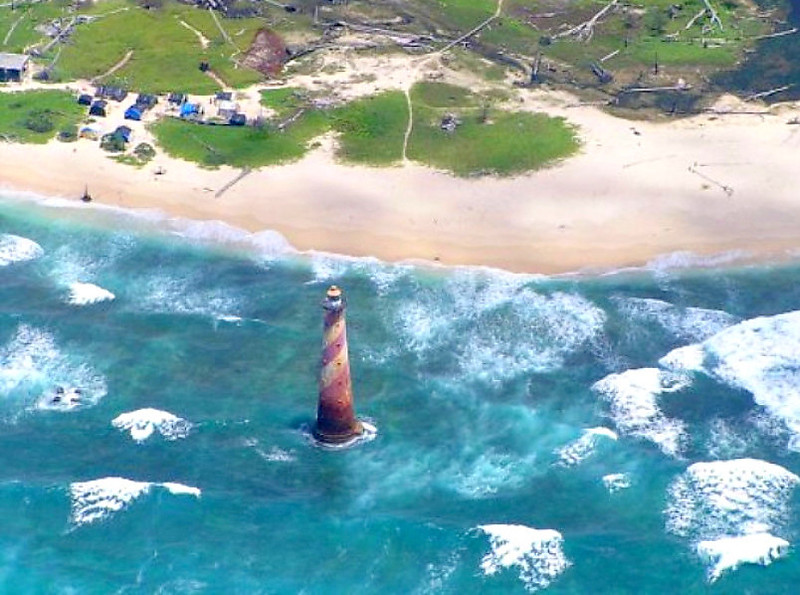
The crown jewel of Great Nicobar, Indira Point is India's southernmost point – a geographical landmark that holds immense significance. Named after former Prime Minister Indira Gandhi, this point is marked by a lighthouse that has been guiding ships through these waters for decades. The lighthouse itself is an impressive structure, and visitors can climb to the top for panoramic views of the surrounding ocean and coastline.
Standing at Indira Point is a surreal experience – you're literally at the edge of India, with nothing but ocean between you and Antarctica. The isolation and vastness of the ocean here is humbling, and it's easy to feel like you're at the end of the world. The area around the point is pristine, with untouched beaches and crystal-clear waters. However, access to Indira Point can be challenging due to road conditions and requires proper coordination with local authorities.
Galathea Bay National Park
Nature enthusiasts will appreciate a visit to the Galathea Bay National Park, located on the southeastern coast of Great Nicobar. This protected area is home to diverse ecosystems including tropical forests, mangroves, and coral reefs. The park is particularly renowned for its marine life, including giant leatherback turtles that come ashore to nest.
The park offers excellent opportunities for wildlife spotting, bird watching, and experiencing untouched tropical rainforests. However, visitors should be aware that facilities are minimal, and exploration often requires trekking through dense forest. It's advisable to hire a local guide who knows the terrain and can help navigate the challenging conditions.
Beach Exploration
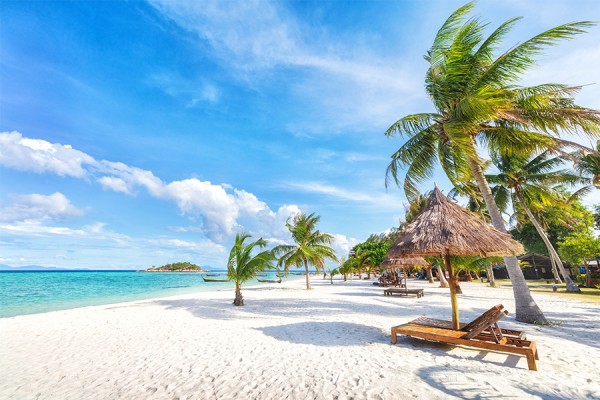
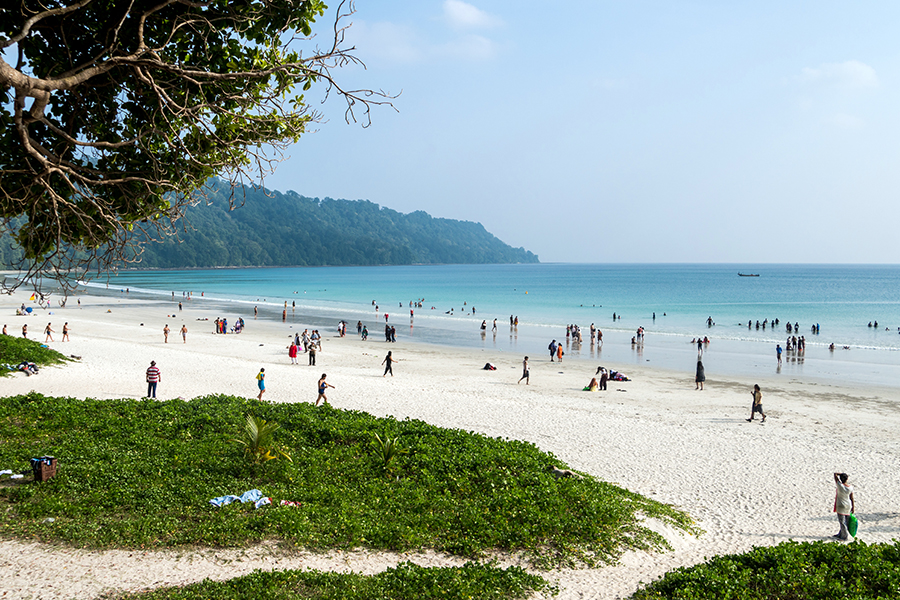
The beaches around Campbell Bay are untouched and offer a level of solitude that's increasingly rare in today's world. The lack of commercial development means you can often have entire stretches of coastline to yourself. The beaches here are characterized by golden sand, clear waters, and backed by lush coconut palms and tropical forests.
The calm waters are ideal for swimming, though visitors should always be cautious of currents and never swim alone. The beaches also offer excellent shelling opportunities, with a variety of seashells washed ashore. However, remember that live shells should never be collected – admire them in their natural habitat and leave them for others to discover.
Nature Trails and Trekking
For those who enjoy exploring on foot, the dense forests surrounding Campbell Bay offer numerous nature trails and trekking opportunities. The tropical rainforest here is home to incredible biodiversity, including numerous endemic species of birds, reptiles, and insects.
The terrain can be challenging, with uneven paths and occasional stream crossings, but the rewards are worth it. You might spot rare bird species, encounter unique flora, or discover hidden waterfalls deep in the forest. Always trek with a guide, as the dense forest can be disorienting, and let someone know your planned route before setting out.
Cultural Experience
While direct interaction with tribal communities is restricted, visitors to Campbell Bay can experience the unique culture of the Nicobarese people who live in the settlement. The indigenous community has a rich cultural heritage, with distinct traditions, music, and cuisine. Respectful engagement with local residents can provide insights into their way of life and the challenges of living in such a remote location.
The local markets offer an opportunity to see traditional handicrafts and local produce. However, be mindful that photography may not always be welcome, so always ask for permission before taking pictures of people or their property.
Accommodation Options
Accommodation in Campbell Bay is limited and basic, reflecting the remote nature of the location. Visitors should adjust their expectations accordingly – this is not a destination for luxury seekers, but for those willing to compromise on comfort for the sake of adventure.
Government Guest House
The primary accommodation option for tourists is the Government Guest House in Campbell Bay. This facility offers basic rooms with essential amenities including a bed, attached bathroom, and sometimes air conditioning. The rooms are clean but functional – don't expect frills or luxury services. The guest house often has a dining facility that serves simple meals, mostly Indian cuisine.
Booking the government guest house requires advance planning, as rooms are limited. You can make reservations through the Andaman and Nicobar Administration office in Port Blair. It's advisable to have a confirmation in writing before you travel, as showing up without a reservation can leave you stranded with limited alternatives.
Departmental Rest Houses
Various government departments operating in Campbell Bay have rest houses for their officials. Sometimes, these facilities have spare capacity and can accommodate tourists with proper permissions. These rest houses are similar to the main guest house in terms of amenities but may offer different locations or views within the settlement.
Arranging accommodation in departmental rest houses often requires networking and persistence. It helps to have contacts in the administration or to book through a reliable tour operator who has experience organizing trips to Great Nicobar.
Home Stays
A small number of local families offer home stay facilities to visitors. This option provides a more authentic experience and a chance to interact with local residents. However, facilities are very basic, and you should be prepared for simple living conditions. Home stays typically include home-cooked meals, which can be a highlight – experiencing local Nicobarese cuisine prepared traditionally.
Cultural sensitivity is crucial when staying in someone's home. Respect their customs, dietary restrictions, and privacy. Home stays should be booked in advance through reliable local contacts or tour operators.
What to Expect
Regardless of where you stay, expect intermittent electricity supply and limited internet connectivity. Mobile networks may be available, but connections can be sporadic. Hot water is not guaranteed, so be prepared for cold showers. Carry your own toiletries, towels, and any personal items you need – don't expect hotel-style amenities.
The upside of these limitations is the opportunity to disconnect from the digital world and truly immerse yourself in the natural environment. The nights are incredibly dark due to minimal light pollution, offering spectacular stargazing opportunities.
Travel Tips and Practical Information

Traveling to Campbell Bay requires careful preparation and a realistic understanding of the challenges involved. Here are some essential tips to help make your journey smoother and more enjoyable.
Cash is King
There are limited banking facilities in Campbell Bay, and card acceptance is virtually non-existent. Carry sufficient cash for your entire stay, including some emergency funds. The State Bank of India has a branch, but ATM functionality can't be relied upon. Withdraw all the cash you need in Port Blair before traveling to Campbell Bay.
Medical Facilities
While there is a hospital in Campbell Bay, facilities are basic. For serious medical emergencies, evacuation to Port Blair may be necessary, which can be complicated by weather conditions and ship schedules. Carry a comprehensive first-aid kit, any prescription medications you need, and basic medicines for common ailments like fever, diarrhea, and allergies. If you have specific medical conditions, consult your doctor before planning this trip.
Communication Challenges
Mobile connectivity is limited to BSNL, and even that can be unreliable. Internet services, where available, are slow and intermittent. Inform family and friends about limited communication before you leave. Consider carrying a satellite phone if you need to stay connected for work or emergencies, though this requires special permissions.
Packing Essentials
Pack light but smart. Include lightweight, quick-drying clothing suitable for tropical weather. A good rain jacket is essential regardless of the season, as rain showers can occur unexpectedly. Comfortable walking shoes with good grip are crucial for exploring the forest and beaches. Don't forget sunscreen, insect repellent, a hat, and sunglasses.
A headlamp or flashlight is essential due to frequent power outages and for night walks. Carry a power bank for your devices, though you may not find many opportunities to charge them. A reusable water bottle is recommended – tap water may not be safe to drink, so carry water purification tablets or a filter.
Respect Local Culture
The Nicobar Islands have a unique culture that should be respected. Dress modestly, especially when visiting local areas away from the beach. Ask for permission before photographing people or their property. Be mindful of local customs and traditions, and observe them even if they seem different from what you're used to.
Environmental Responsibility
The ecosystems in Great Nicobar are fragile and pristine. As a visitor, it's your responsibility to minimize your environmental impact. Avoid using plastic – carry a reusable water bottle and shopping bag. Don't litter, and if you see trash, consider picking it up. Don't remove shells, coral, or any natural objects from the beaches or forests.
Respect wildlife and maintain distance from animals you encounter. Don't feed wild animals or disturb their habitats. The islands are home to several endangered species, and we must do our part to protect them.
Flexibility is Key
Travel to remote areas requires patience and flexibility. Ship schedules may change, weather may disrupt plans, and facilities may not meet expectations. Accept these challenges as part of the adventure. A positive attitude and ability to adapt to changing circumstances will make your experience much more enjoyable.
Local Contacts
Before traveling to Campbell Bay, establish contact with someone local – either a tour operator, government official, or resident who can provide assistance if needed. Having a local contact can be invaluable in emergencies or when facing logistical challenges.
For additional insights on exploring the Andaman and Nicobar Islands, you might find our guide on Interview Island Andaman helpful for understanding more remote destinations in the archipelago. If you're planning broader travel to the islands, check out our comprehensive guide on places to visit in Andaman to plan your complete itinerary.
Travelers visiting during the monsoon season should also read about Andaman in October to understand post-monsoon conditions and what to expect during shoulder season travel.
Conclusion
Campbell Bay represents travel at its most authentic – a destination that rewards those willing to venture off the conventional tourist trail. The journey here is long, the facilities basic, and the challenges real, but the experience of standing at India's southernmost tip, surrounded by pristine nature and far from the crowds, is priceless.
This remote corner of India offers more than just sightseeing – it offers perspective. The isolation forces you to slow down, disconnect, and appreciate the simple beauty of untouched nature. It's a place where the journey truly is as important as the destination, where the act of reaching there becomes a badge of honor among travelers.
For those seeking adventure, Campbell Bay delivers in spades. From the ship ride across the Bay of Bengal to exploring dense tropical forests and pristine beaches, every moment here feels like a discovery. It's a destination that tests your adaptability and rewards your spirit of exploration with memories that will last a lifetime.
As more travelers seek authentic experiences off the beaten path, places like Campbell Bay are gaining attention. Visit now, while it remains relatively unexplored, and experience the raw beauty of India's southernmost frontier. The stories you'll bring back and the perspective you'll gain are worth every mile of the journey.
If you're extending this trip, Interview Island Andaman is worth adding to your plan. Many travelers also pair this with Great Andaman Biosphere Reserve for a fuller itinerary.
Location
Frequently Asked Questions
Q1.Where is Campbell Bay located?
Q2.Is Campbell Bay open to tourists?
Q3.How to reach Campbell Bay from Port Blair?
Q4.Is there a ship to Campbell Bay?
Q5.How long does it take to reach Campbell Bay?
Q6.Do I need a permit to visit Campbell Bay?
Q7.How to get Campbell Bay permit?
Q8.Are there accommodations in Campbell Bay?
Recommended For You
Scuba Diving in Andaman: Best Spots & Prices
Scuba diving in Andaman guide with best dive spots, price ranges, beginner safety rules, no-fly timing, and practical planning tips for Havelock and Neil.
Havelock Island (Swaraj Dweep): Beaches, Stay & Ferry Planning
Discover Havelock Island (Swaraj Dweep) in Andaman - home to the legendary Radhanagar Beach. Explore pristine beaches, world-class scuba diving, water sports, and island adventures in this tropical paradise. Complete travel guide with practical tips and itineraries.
Andaman Islands: Best Time To Visit And Things To Do
Planning your dream Andaman Islands vacation? This comprehensive guide covers essential Andaman travel tips for first-timers including best time to visit, how many days required, permits, packing list, budget breakdown, ferry booking, safety guidelines, and practical advice. Get ready for the perfect island paradise getaway with our expert tips on Port Blair, Havelock, Neil Island, water activities, and more.
Never Miss an Adventure
Get the latest trekking guides, travel tips, and exclusive offers delivered straight to your inbox.
