
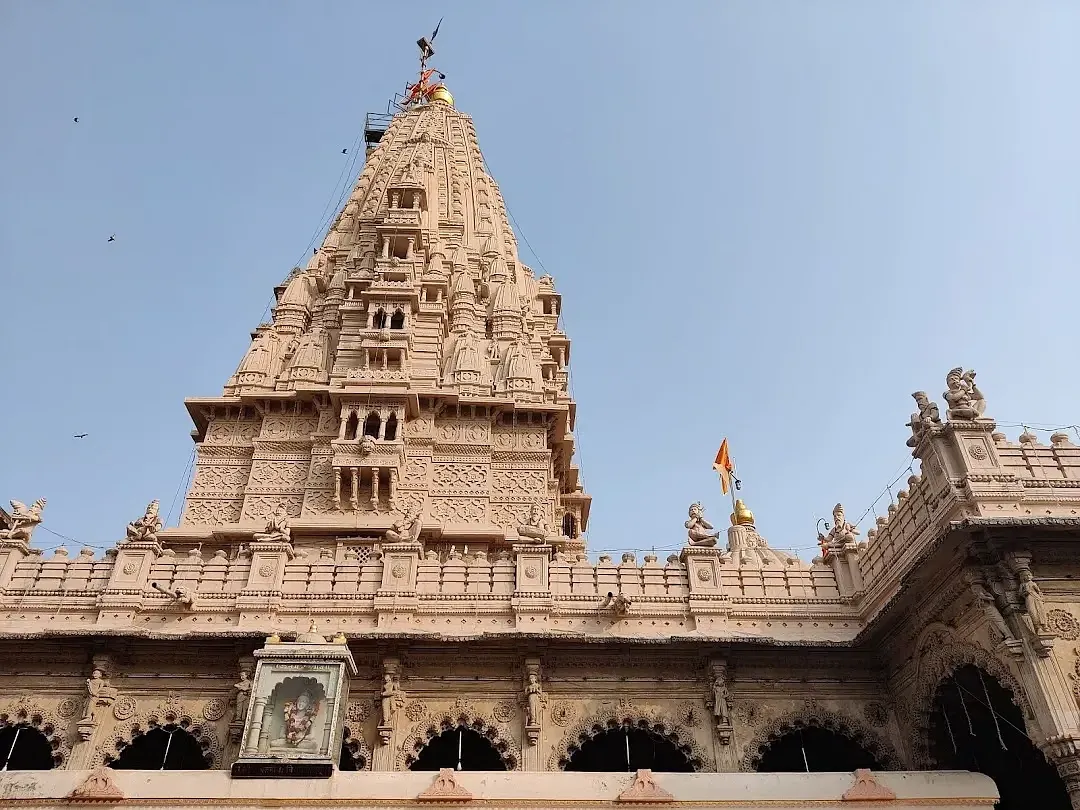
Mumba Devi Temple Mumbai: Darshan Timings, History & Market Access

Rohan Malhotra
December 1, 2025
Visit Mumba Devi Temple Mumbai - the ancient shrine that gave the city its name. Know darshan timings, aarti schedule, history, how to reach, and practical visiting guide.
Introduction: Mumbai's Guardian Goddess and the Temple Behind the City's Name
Mumba Devi Temple Mumbai is not just another religious site in the bustling metropolis—it is the sacred shrine that gave the city its name. Dedicated to Goddess Mumba Devi, the patron deity of Mumbai, this ancient temple in Bhuleshwar represents the spiritual heart of India's financial capital. The goddess, an incarnation of Goddess Durga, is worshipped as Maha Amba (Great Mother), and devotees believe her blessings have protected the city through centuries of transformation from a fishing village to a global megacity.
Located in the vibrant older quarters of South Mumbai, the temple attracts thousands of devotees daily, especially on Tuesdays and Fridays, which are considered auspicious for goddess worship. Unlike Mumbai's more famous coastal landmarks, this temple offers visitors a glimpse into the city's deep-rooted Hindu heritage and the local Maharashtrian religious culture that existed long before colonial architecture arrived.
For travelers exploring Mumbai's spiritual landscape, Mumba Devi Temple is an essential stop. Whether you are a devotee seeking blessings, a history enthusiast interested in the city's origins, or a cultural explorer wanting to understand authentic Mumbai beyond the tourist circuit, this temple provides a meaningful experience. This comprehensive guide covers the temple's fascinating history, architectural features, darshan procedures, aarti timings, practical visiting information, and nearby attractions to help you plan a spiritually enriching visit.
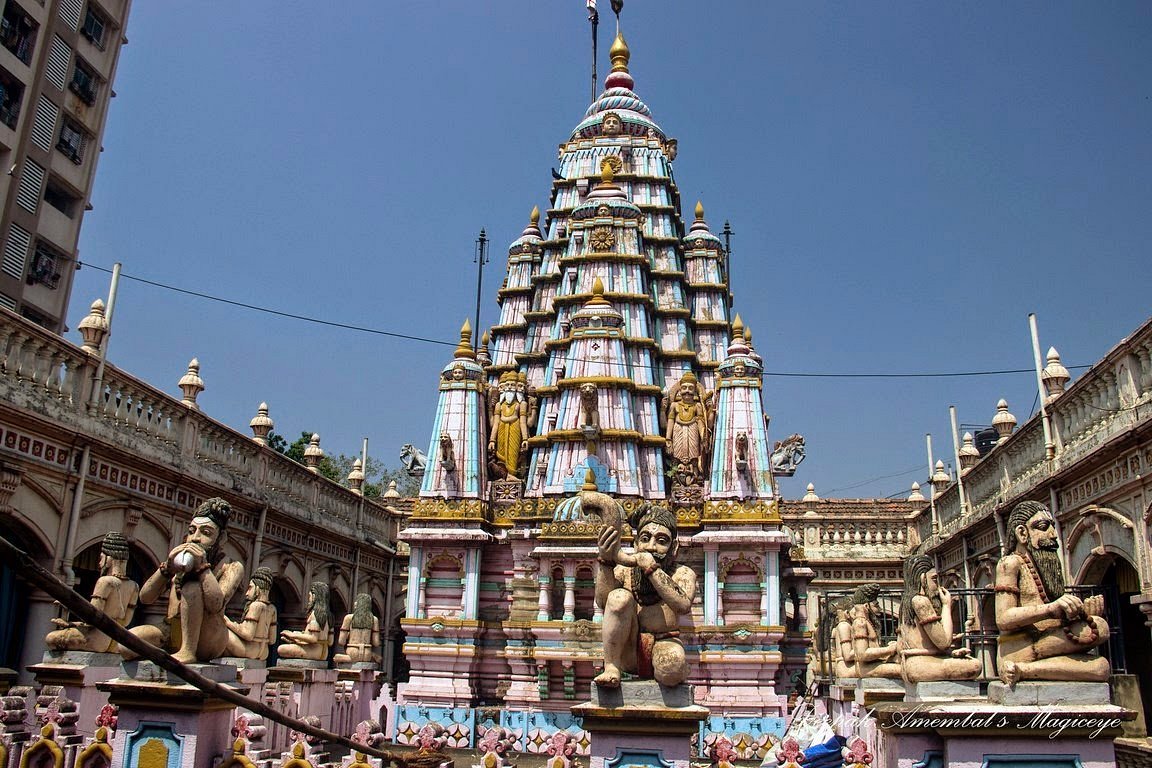
About Mumba Devi Temple: History and Religious Significance
The history of Mumba Devi Temple is deeply intertwined with the story of Mumbai itself. The original temple is believed to have been built around 1675, near the main landing site of the former Mumbai island, when the city was still a Portuguese territory known as Bom Bahia (Good Bay). Historical records suggest that the temple was constructed by Hindu migrants who settled in the area and needed a place to worship their patron deity.
Connection to Mumbai's Name
The name 'Mumbai' is derived from 'Mumba,' the local name for Goddess Mumba Devi, combined with 'Aai,' meaning mother in Marathi. Therefore, Mumbai literally translates to 'Mother Mumba.' When the Portuguese gifted Bombay to the British as part of a dowry in 1661, and it later became a major trading port, the local population continued to refer to the city by its original name, Mumbai, in honor of their beloved deity. It was only in 1995 that the city was officially renamed Mumbai, restoring its ancient connection to the goddess.
Temple Destruction and Reconstruction
The original temple structure faced destruction, reportedly due to either natural decay or colonial development pressures. The current temple structure was rebuilt later at its present location in Bhuleshwar, one of Mumbai's oldest continuously inhabited areas. Despite reconstruction, the temple maintained its religious importance and continued to serve as the central shrine for devotees seeking the goddess's blessings for protection, prosperity, and well-being.
Religious Importance
In Hindu theology, Goddess Mumba is worshipped as a fierce form of Goddess Durga, specifically revered as the protector of the city and its people. Local fishermen, who were among the earliest inhabitants of the Mumbai islands, considered her their guardian deity and would seek her blessings before venturing into the Arabian Sea. Even today, many Mumbaikars believe that the goddess continues to watch over the city, protecting it from natural calamities and ensuring its prosperity.
| Historical Period | Key Development | Significance |
|---|---|---|
| Pre-1675 | Original temple construction | Established goddess worship in early Mumbai |
| 1675-1800s | Temple became central to local Hindu life | Connected city's identity to the deity |
| Colonial Era | Original structure destruction | Testing period for devotees' faith |
| Reconstruction | New temple in Bhuleshwar | Preserved religious continuity |
| 1995 | City officially renamed Mumbai | Restored goddess's name to city identity |
Temple Architecture and the Divine Idol
Mumba Devi Temple follows traditional Hindu temple architecture adapted to urban space constraints. The structure features a distinct entrance leading to the main sanctum sanctorum (garbhagriha), where the goddess's idol resides. Unlike grand temple complexes seen in other parts of India, this temple is designed for intense daily worship rather than architectural display, reflecting its role as a busy local shrine rather than a monument.
The Main Idol
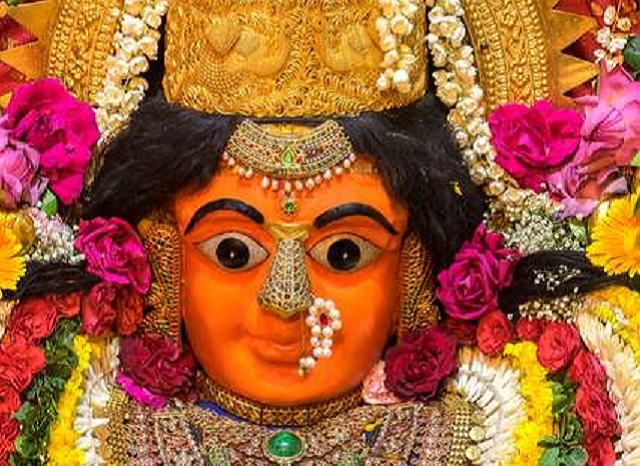
The central deity, Goddess Mumba Devi, is represented by a beautiful orange-faced idol adorned with a nose ring, necklace, and elaborate garments. The goddess is depicted in a standing posture, radiating divine energy and maternal compassion. The idol's distinctive orange complexion represents her fierce aspect as a protector goddess who destroys evil forces threatening her devotees. Devotees believe that the idol has inherent spiritual power, and sincere worship here fulfills wishes related to health, wealth, marriage, and protection from enemies.
Temple Layout and Features
The temple complex includes the main shrine dedicated to Mumba Devi, along with smaller shrines for other deities commonly worshipped in Maharashtra. The sanctum area is maintained with ritual purity, and only temple priests perform the main abhishekam (ritual bathing) and elaborate ceremonies. For devotees, there is a designated viewing area for darshan (sacred viewing) where they can offer prayers and receive the goddess's blessings. The temple walls and pillars may feature traditional religious artwork, though years of continuous use and urban pollution have affected some original decorative elements.
Ritual Spaces
Within the temple premises, there are specific areas for different activities: a space for offering coconuts and flowers, a corner for lighting oil lamps (diyas), and an area where devotees can circumambulate (pradakshina) around the sanctum. During festival times, additional temporary structures are erected to manage larger crowds and conduct special rituals. The temple management maintains cleanliness and organizes queues during peak hours to ensure smooth darshan for all visitors.
Best Time to Visit Mumba Devi Temple
Choosing the right time to visit Mumba Devi Temple can significantly enhance your experience, especially if you prefer peaceful darshan over crowded ceremonies. The temple sees varying crowd levels throughout the day, week, and year, so timing your visit strategically is important.
Best Time of Day
Early morning hours, particularly when the temple first opens, are ideal for those seeking quiet contemplation and unhurried darshan. The morning atmosphere is spiritually charged with fresh flowers, incense, and the sound of early morning mantras. The evening hours, especially during sunset aarti, offer a different experience with devotional songs, lit lamps, and a festive community atmosphere, though crowds are significantly larger.
Best Days of the Week
Tuesdays and Fridays are considered especially auspicious for goddess worship in Hindu tradition. Consequently, these days witness the highest footfall, with devotees often lining up well before opening time. If your schedule allows, visiting on weekdays other than Tuesday and Friday can result in a much calmer experience with shorter wait times. Sundays are moderately crowded as families visit after the weekend morning routine.
Best Season for Visiting
The winter months from October to March offer the most pleasant weather for temple visits in Mumbai. The cooler temperatures make waiting in queues comfortable, and you can combine your temple visit with other South Mumbai sightseeing. Monsoon months (June to September) bring heavy rain, which can complicate travel to the Bhuleshwar area, though spiritually inclined devotees often find the rainy season atmospheric for temple visits. Summer months (April to May) are extremely hot and humid, making daytime visits uncomfortable, especially for travelers not acclimatized to Mumbai's weather.
Festival Seasons
Navratri (usually in September or October) is the most important festival at Mumba Devi Temple, with elaborate decorations, special rituals, and massive crowds. If you enjoy high-energy festival culture and don't mind heavy crowds, visiting during Navratri offers an unforgettable cultural experience. Diwali, the festival of lights, is another significant period when the temple is beautifully decorated and special pujas are performed. For first-time visitors not familiar with Indian festival crowds, it may be better to start with a regular-day visit before experiencing festival chaos.
| Timing | Pros | Cons |
|---|---|---|
| Early Morning | Peaceful darshan, shorter queues, fresh atmosphere | Must arrive early, limited time for leisurely exploration |
| Evening Aarti | Festive energy, beautiful lamps, devotional music | Very crowded, longer wait times, potential rush |
| Tuesday/Friday | Highly auspicious, powerful collective energy | Extremely crowded, extended waiting time |
| Weekdays | Lower crowd density, more personal space | Less festive atmosphere than weekends |
| Navratri | Once-a-year experience, grand celebrations | Massive crowds, difficult parking, long queues |
How to Reach Mumba Devi Temple: Location and Transport
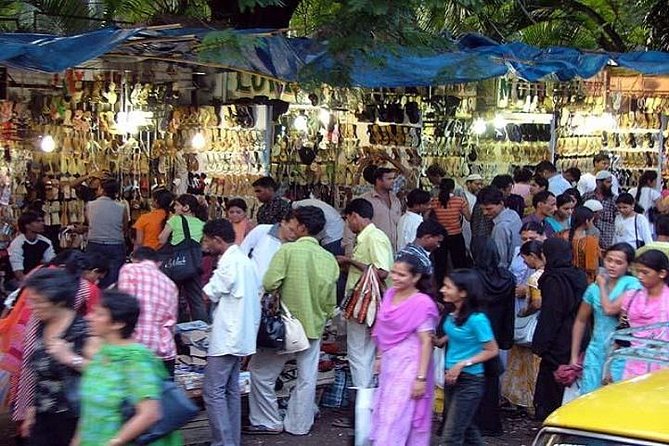
Mumba Devi Temple is situated in Bhuleshwar, a dense older neighborhood in South Mumbai's Zaveri Bazar area. The temple's central location makes it easily accessible through various modes of transport, though navigating Mumbai's traffic requires planning, especially during peak hours.
Location and Address
The temple is located in the Bhuleshwar area, approximately 1.5 kilometers from Chhatrapati Shivaji Maharaj Terminus (CSMT), formerly Victoria Terminus. The address is typically referred to as 'Mumba Devi Temple, Bhuleshwar, Mumbai 400002' for navigation purposes. The surrounding area is a bustling commercial zone known for jewelry shops, textile markets, and traditional Maharashtrian culture.
By Local Train: Most Efficient Option
Mumbai's local train network is the fastest way to reach the temple area. The nearest railway stations are Masjid Bunder (on Western Railway) and CSMT (on Harbor Line and Central Railway). From Masjid Bunder station, the temple is approximately a 10-minute walk through busy market streets. From CSMT, it's about a 15-minute walk, which can be combined with sightseeing at the heritage terminus building. First-time visitors should use Google Maps for walking navigation, as the area's lane network can be confusing.
By Metro
Mumbai Metro's Line 1 has stations that connect to the temple area, with CSMT Metro Station being a useful access point. However, you'll likely need to walk or take a short auto-rickshaw ride from the metro station to the temple itself, as the last mile through narrow market lanes is best covered on foot.
By Taxi, Auto-Rickshaw, or App-Based Cabs
Taxis and auto-rickshaws can drop you near the temple, but the approach roads are often congested, and drivers may only be able to reach certain points, requiring you to walk the final stretch. App-based cab services like Uber and Ola can navigate to the area, but pickup and drop-off locations may be adjusted based on traffic and police restrictions. During peak hours, road traffic around Bhuleshwar moves very slowly, so trains are usually faster.
Parking Considerations
If you are driving yourself, parking is extremely challenging in the Bhuleshwar area. The neighborhood has narrow lanes, heavy commercial activity, and very limited formal parking space. Your best bet is finding paid parking lots in nearby areas like CSMT or Kalbadevi and walking to the temple. On festival days and Tuesdays/Fridays, traffic congestion makes driving strongly inadvisable.
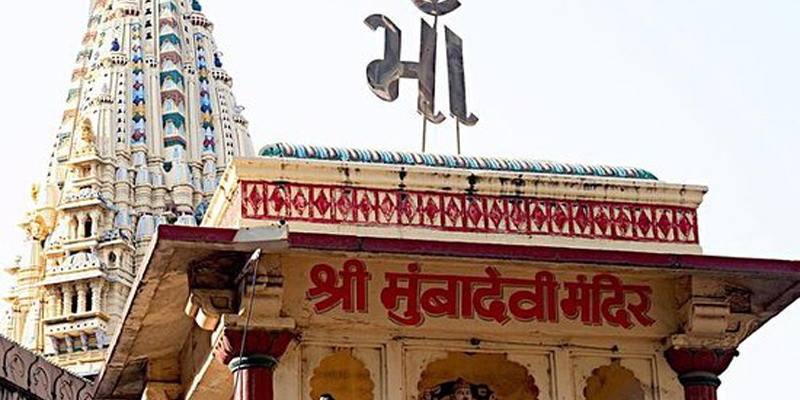
Mumba Devi Temple Timings: Darshan Schedule
Understanding the temple's operating schedule is crucial for planning your visit. The temple follows specific timings that allow for both darshan hours and ritual closure periods when priests perform private ceremonies.
General Darshan Timings
Mumba Devi Temple typically opens early in the morning around 6:00 AM and remains open until approximately 9:00 PM. However, there is usually a midday closure period when the temple shuts for a few hours in the afternoon, generally from 12:00 PM to 4:00 PM. This afternoon break allows priests to perform rituals, rest, and prepare the idol for evening darshan. It's important to note that these timings can vary slightly based on season, festival calendar, and temple management decisions, so checking current timings before your visit is recommended.
Aarti Timings
The temple conducts multiple aarti ceremonies throughout the day, which are the most spiritually charged moments for darshan. The morning aarti usually takes place shortly after opening, around 7:00 AM, and is ideal for devotees who prefer early morning worship. The evening aarti, typically around 7:30 PM or 8:00 PM (varying by season and sunset time), is more elaborate and better attended, creating a powerful collective energy as devotees sing devotional songs together. During aarti, the idol is beautifully decorated with flowers and lamp offerings, creating a memorable visual and spiritual experience.
Temple Closure Days
Unlike many temples that close on specific weekdays, Mumba Devi Temple typically remains open throughout the week. However, some sources indicate that the temple may have restricted hours or closure on certain days for maintenance. The temple definitely remains fully operational on Tuesdays and Fridays—the most important days for goddess worship. During major festivals like Navratri, the temple extends its operating hours to accommodate increased devotee footfall.
| Time Period | Typical Status | Best For |
|---|---|---|
| 6:00 AM - 12:00 PM | Morning darshan open | Peaceful worship, early morning aarti |
| 12:00 PM - 4:00 PM | Temple closed (midday break) | Avoid visiting during this window |
| 4:00 PM - 9:00 PM | Evening darshan open | Evening aarti, post-work darshan |
| 7:00 AM (approx) | Morning aarti ceremony | Spiritual morning rituals |
| 7:30-8:00 PM (approx) | Evening aarti ceremony | Festive evening worship experience |
Darshan and Pooja Procedures: What to Expect
Visiting Mumba Devi Temple for darshan is a straightforward process, but understanding the procedures and etiquette helps you have a smooth and spiritually fulfilling experience. The temple management organizes queues and manages crowds, especially during peak hours, to ensure orderly darshan for all devotees.
Entry and Queue System
Entry to Mumba Devi Temple is free for all devotees, and there is no ticket system or special entry pass for faster darshan. During regular hours, you can simply walk into the temple premises and join the queue for darshan. During busy periods—especially Tuesdays, Fridays, and festival times—temple volunteers or security personnel may organize separate queues for men and women to manage crowd flow. The queue moves continuously, and waiting time varies from a few minutes during off-peak hours to an hour or more during extremely crowded periods.
Darshan Process
As you approach the sanctum through the queue, you will have a few moments to view the goddess idol from the designated darshan area. Devotees typically offer prayers mentally or whisper their wishes to the goddess. Many devotees carry offerings such as flowers, coconuts, or sweets, which they can either hand to the priest or place in designated offering areas. After darshan, some devotees circumambulate (walk around) the sanctum as a mark of respect before exiting the temple premises. The entire darshan experience, from entering the queue to receiving prasad (blessed food), typically takes 15-30 minutes depending on crowd size.
Special Poojas and Offerings
While general darshan is free, devotees can sponsor special poojas (ritual worship) by paying a fee to the temple office. Special poojas may include abhishekam (ritual bathing of the idol with sacred substances), archana (reciting the goddess's names with offerings), or elaborate flower decorations (alankaram). These special poojas are usually performed by priests on behalf of the devotee, who may or may not be present during the ceremony. If you wish to perform a specific pooja, inquire at the temple counter about available options, pricing, and scheduling.
Prasad and Offerings
After darshan, devotees typically receive prasad, which may include sweets, dry fruits, or sacred ash (vibhuti). Many devotees purchase offerings from shops outside the temple before entering—common offerings include marigold flowers, coconuts, garlands, and sweets like laddoos. Inside the temple, there may be designated areas to place these offerings. If you are unsure about the procedure, observe what other devotees are doing or politely ask a temple volunteer. The temple also accepts donations for maintenance and charitable activities, and donation boxes are usually placed at accessible locations.
Dress Code and Etiquette
There is no strictly enforced dress code at Mumba Devi Temple, but traditional and modest attire is recommended as a mark of respect. Men typically wear pants or trousers with shirts, while women may wear salwar kameez, sarees, or modest western clothing. Avoid wearing shorts, sleeveless tops, or revealing clothing, as this may be considered inappropriate in a religious space. Footwear must be removed before entering the temple premises, so wear shoes that are easy to take off and put on. There is usually a designated area for leaving footwear, often manned by attendants who may keep shoes safe for a small fee. Maintain silence inside the temple, switch off mobile phones or keep them silent, and avoid taking photographs if prohibited by temple rules.
Nearby Attractions: Extending Your Mumbai Heritage Tour
Mumba Devi Temple is located in South Mumbai, an area rich in historical, cultural, and commercial attractions. After your temple visit, you can easily explore nearby sites to create a full day of Mumbai sightseeing. The temple's central location makes it convenient to combine spiritual exploration with heritage walks, shopping, and food experiences.
Crawford Market (Mahatma Jyotiba Phule Market)
Located approximately 10-15 minutes by walking or a short auto-rickshaw ride from the temple, Crawford Market is one of Mumbai's most famous historic markets. Known for its beautiful colonial architecture, the market offers everything from fresh fruits and vegetables to spices, household goods, and pets. The market is especially vibrant in the morning hours, so visiting after your early morning temple darshan works well. Crawford Market Mumbai provides an authentic old-city shopping experience and excellent photographic opportunities. Combine the two visits to understand both the spiritual and commercial heritage of old Mumbai.
Chhatrapati Shivaji Maharaj Terminus (CSMT)
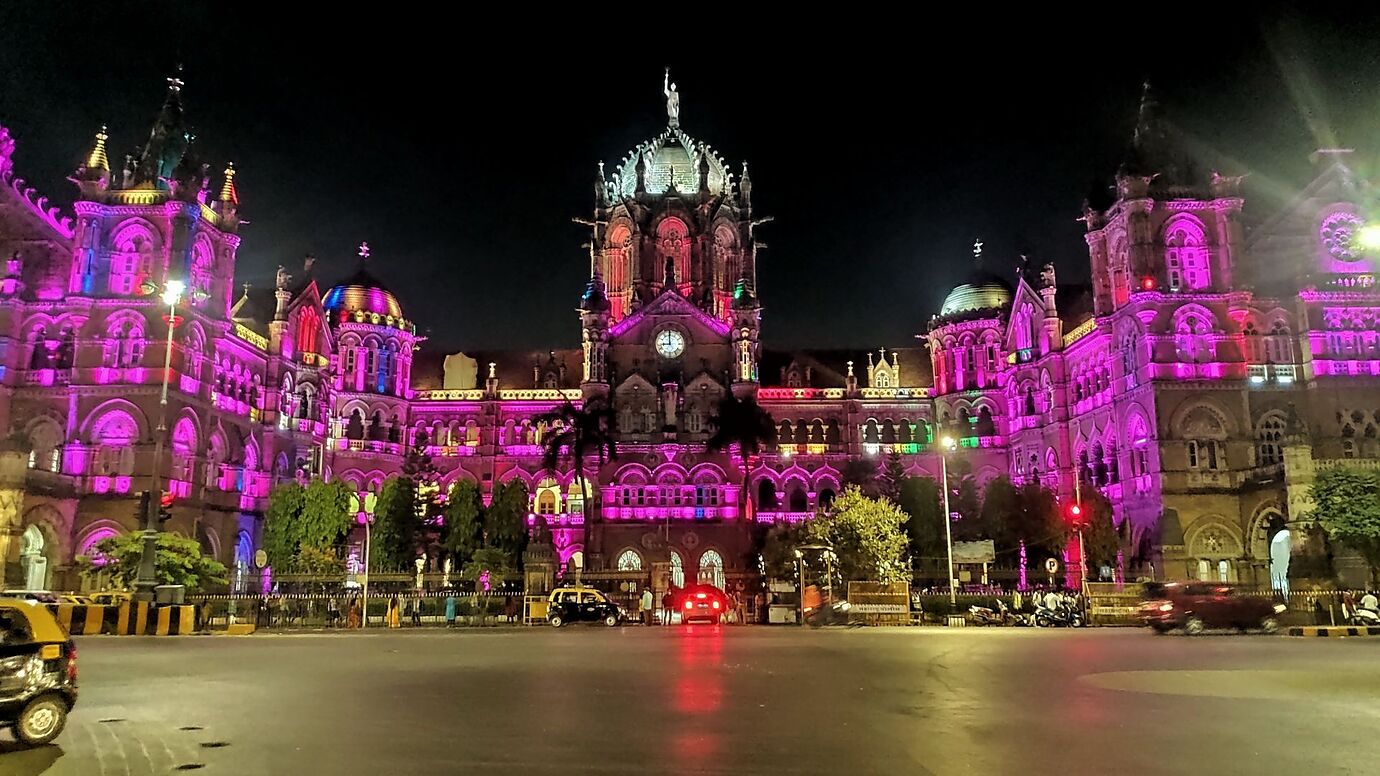
A UNESCO World Heritage Site, CSMT (formerly Victoria Terminus) is an architectural marvel and one of Mumbai's most iconic buildings. The historic railway station is about 1.5 kilometers from the temple and can be reached via a 15-20 minute walk through heritage streets or a quick taxi ride. The station's stunning Gothic-Victorian architecture, complete with domes, turrets, and stone carvings, represents the height of British colonial engineering. Even if you are not taking a train, visiting the station exterior and viewing galleries is worthwhile for history and architecture enthusiasts. Many travelers combine CSMT with nearby heritage buildings for a South Mumbai walking tour.
Marine Drive and Nariman Point
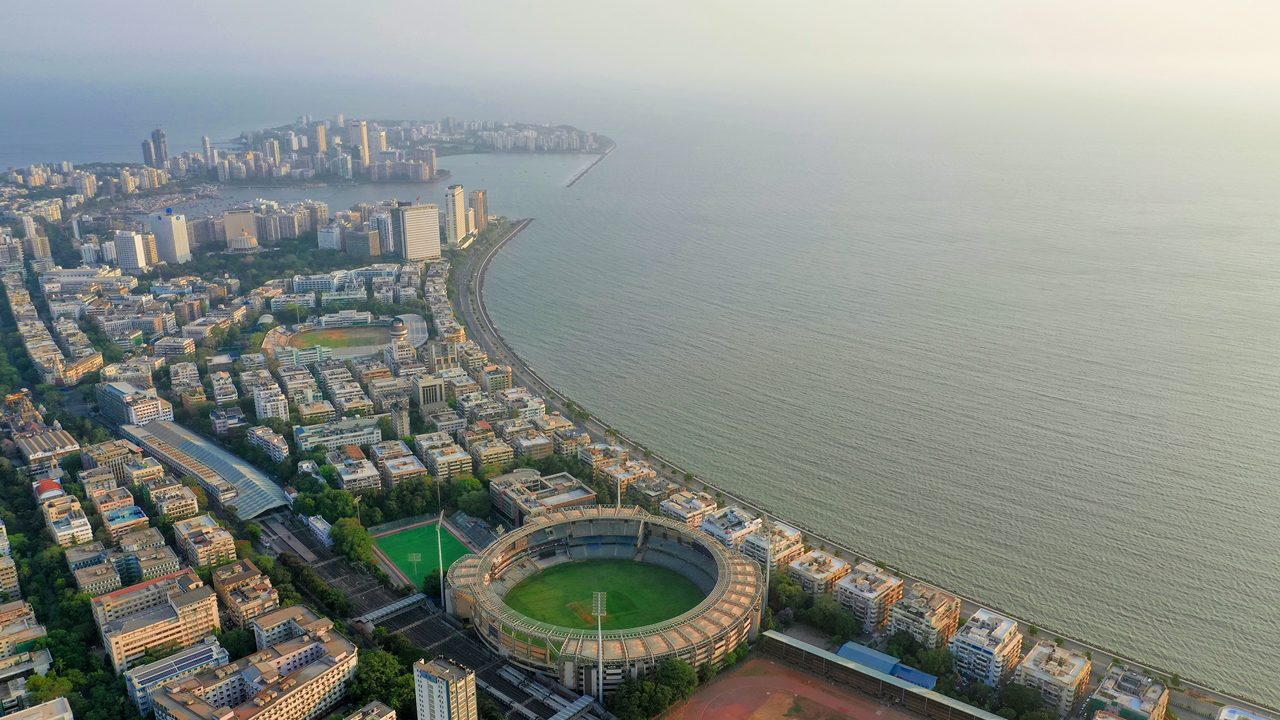
For a complete Mumbai experience, head to Marine Drive after your temple visit to see the city's famous waterfront promenade. Marine Drive is approximately 3 kilometers from the temple, a 10-15 minute taxi ride depending on traffic. The 3.6 kilometer curved boulevard along the Arabian Sea coast is perfect for a relaxing evening stroll, especially around sunset when the streetlights create a stunning crescent-shaped glow known as the Queen's Necklace. Marine Drive Mumbai offers a peaceful contrast to the temple's intensity and provides beautiful views of the Mumbai skyline. It's an ideal spot to decompress after a spiritual and heritage-filled day.
Zaveri Bazar (Jewelry Market)
Just a few minutes walk from Mumba Devi Temple, Zaveri Bazar is Mumbai's famous jewelry market, specializing in gold and precious stones. The narrow lanes are lined with hundreds of jewelry shops, ranging from traditional family-run establishments to modern retail outlets. While you may not be shopping for jewelry, walking through Zaveri Bazar offers fascinating insights into Mumbai's gold trade and traditional business culture. The market is especially busy during wedding seasons and festivals, when demand for gold jewelry peaks. If you are interested in understanding Mumbai's commercial ecosystem, the jewelry market provides an interesting contrast to the temple's spiritual economy.
Other Temples in the Area
Bhuleshwar and the surrounding neighborhoods of Kalbadevi and Girgaon are home to numerous historic temples, making the area a temple-hopping destination for the spiritually inclined. Notable nearby temples include Babulnath Temple (dedicated to Lord Shiva), Kalbadevi Temple (dedicated to Goddess Kalbadevi), and Walkeshwar Temple (another ancient Shiva shrine). If you have time and interest, you can visit 2-3 temples in a half-day temple tour, understanding Mumbai's diverse religious traditions. Many pilgrims also extend their day to the hugely popular Siddhivinayak Temple further north, one of the city's most visited Ganesh shrines. Each temple has unique history, architecture, and local significance, contributing to Mumbai's multicultural spiritual landscape.
Planning Your Mumba Devi Temple Visit: Practical Tips
Preparing for your temple visit goes beyond knowing timings and location. A few practical considerations and preparations can make your experience smoother, safer, and more spiritually rewarding.
Best Visit Duration
Plan for 30-60 minutes for your temple visit, depending on crowd levels and your personal interest level. If you are visiting during a less crowded time, 30 minutes may be sufficient for darshan and circumambulation. During busy periods or if you wish to sit quietly for meditation after darshan, plan for up to an hour. If combining with nearby attractions as suggested in this guide, allocate a half-day or full-day for your South Mumbai exploration.
What to Carry
Travel light when visiting Mumba Devi Temple. Essential items include a small offering (flowers or coconut if you wish), a handkerchief or tissue (especially during summer), and minimal cash for prasad or donations. Avoid carrying expensive jewelry, large bags, or unnecessary valuables, as crowded temple areas can attract pickpockets. If visiting during monsoon, carry an umbrella or raincoat, as you may need to walk in open areas. Keep your phone charged for navigation and photos, but be respectful about photography rules inside the temple.
Weather Considerations
Mumbai's weather can significantly impact your temple visit experience. Summer months (March to May) are extremely hot and humid, and waiting in queues can be exhausting. Carry water, use sun protection, and try to visit during cooler morning or evening hours. Monsoon season (June to September) brings heavy rainfall, and the temple approach may get waterlogged. Waterproof footwear and rain gear are essential. Winter (November to February) offers the most pleasant conditions for temple visits and exploring nearby areas on foot.
Safety and Crowd Management
Like any popular religious site in a dense urban area, Mumba Devi Temple can get extremely crowded, creating potential safety concerns. Keep your belongings secure, avoid carrying unnecessary cash, and stay aware of your surroundings in packed queues. If visiting with children or elderly family members, establish a regroup point in case you get separated in the crowd. During festivals, the temple area implements crowd control measures—follow instructions from volunteers and police. The temple is generally safe, but standard urban caution applies, especially for solo female travelers or first-time visitors unfamiliar with Mumbai's crowds.
Cultural Sensitivity
When visiting any religious site, respect local customs and devotees' sentiments. Maintain silence or speak softly inside the temple premises. Do not touch religious artifacts or decorations without permission. Photography may be restricted inside the sanctum—always ask or look for signage before taking photos. If aarti or other rituals are in progress, observe respectfully without disrupting the ceremony. Remember that for many devotees, this is not a tourist attraction but a sacred space for personal prayer, so maintain appropriate demeanor throughout your visit.
Conclusion: Experiencing Mumbai's Spiritual Heart
Mumba Devi Temple offers visitors a profound connection to Mumbai's ancient spiritual identity, far removed from the city's modern commercial image. As the shrine that gave Mumbai its name, the temple represents continuity between the city's past as a humble fishing village and its present as a global metropolis. Whether you seek the goddess's blessings, wish to understand Mumbai's cultural roots, or simply want to experience authentic local religious practice, a visit to Mumba Devi Temple is deeply rewarding.
For travelers and devotees alike, the temple provides an opportunity to participate in centuries-old worship traditions that have survived Mumbai's dramatic transformations. The morning aarti's spiritual energy, the evening worship's communal devotion, and the temple's constant hum of prayers create an atmosphere that is both timeless and intimately connected to contemporary Mumbai's rhythm.
When you visit, take time to observe the devotees around you—businesspeople pausing before work, families bringing children for blessings, elderly devotees who have prayed here for decades. In their faces and prayers, you will understand why this temple remains beloved long after Mumbai has skyscrapers, malls, and modern infrastructure. The goddess Mumba Devi continues to watch over her city, and her temple remains a sanctuary where anyone, regardless of background, can seek peace, protection, and blessing.
Plan your visit during the recommended timings, combine it with nearby heritage attractions, and approach with an open mind and respectful attitude. Your experience at Mumba Devi Temple may become one of the most memorable and meaningful parts of your Mumbai journey, offering insights that guidebooks cannot provide and creating connections that transcend tourism and touch something timeless in this ever-evolving city.
Location
Frequently Asked Questions
Q1.What are Mumba Devi Temple timings?
Q2.On which day is Mumba Devi Temple closed?
Q3.Where is Mumba Devi Temple located?
Q4.How long does darshan take at Mumba Devi Temple?
Q5.What are the aarti timings at Mumba Devi Temple?
Q6.Can we take photos inside Mumba Devi Temple?
Q7.How do I reach Mumba Devi Temple from South Mumbai?
Q8.Is there parking available near Mumba Devi Temple?
Recommended For You
Marine Drive Mumbai: Best Time, Walk Route & Night View
Plan your Marine Drive Mumbai visit with Queen's Necklace views, best timings, things to do, nearby attractions, and practical transport tips.
CSMT Mumbai: Complete Guide to Victoria Terminus Heritage Site
Discover Chhatrapati Shivaji Maharaj Terminus (CSMT), Mumbai's UNESCO World Heritage Site. Explore Victorian Gothic architecture & heritage gallery guide.
Places to Visit Mumbai in One Day: Itinerary
Complete Mumbai one-day itinerary covering Gateway of India, Elephanta Caves, Marine Drive, Siddhivinayak Temple, and Bandra Worli Sea Link.
Never Miss an Adventure
Get the latest trekking guides, travel tips, and exclusive offers delivered straight to your inbox.
