
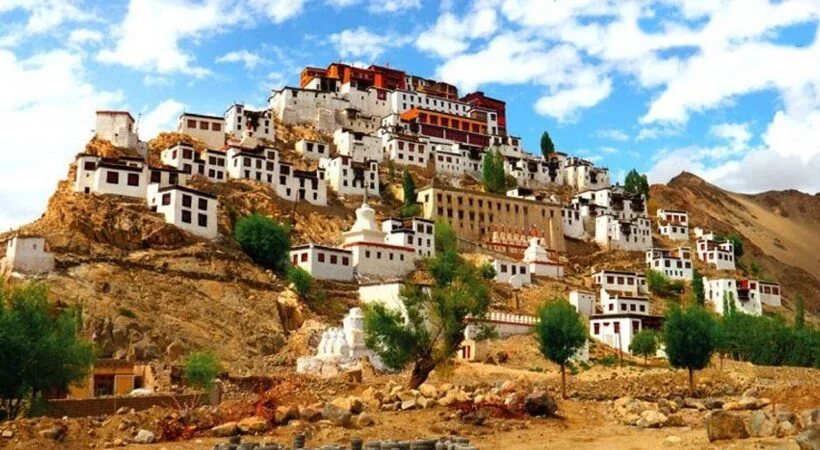
Alchi Monastery Ladakh: Murals, Timings & Travel Information

Rohan Malhotra
December 13, 2025
Explore Alchi Monastery Ladakh – the oldest monastery in Ladakh with 1000-year-old paintings. Complete guide with history, timings, entry fee & travel tips.
Introduction
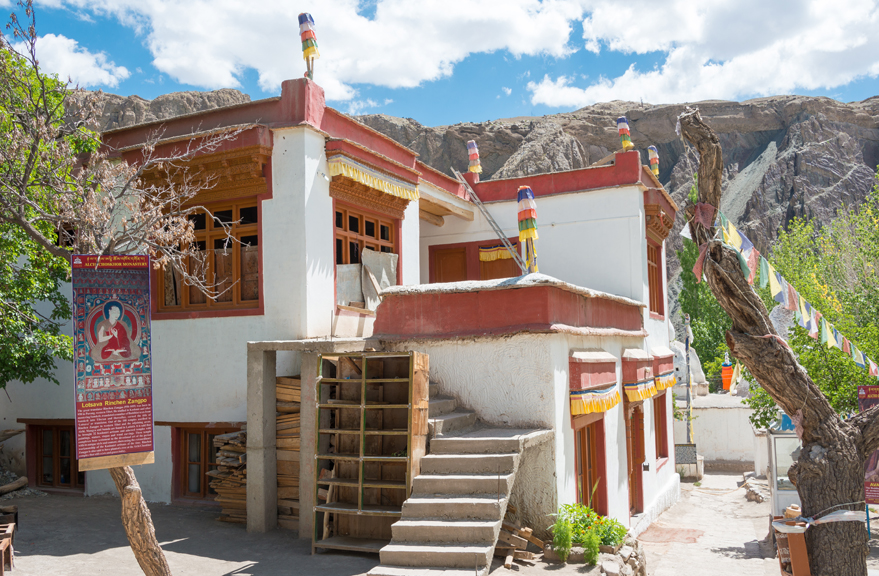
Alchi Monastery Ladakh is often described as one of the region’s most important cultural treasures, and for good reason. Unlike many Ladakh monasteries perched dramatically on hilltops, Alchi sits on relatively flatter terrain near the Indus valley belt and preserves an extraordinary body of old Buddhist art. Travelers who search alchi monastery history or alchi monastery paintings are usually trying to understand what makes this site different from other gompas. The answer lies in the artwork, architectural character, and the continuity of sacred use.
If you are planning a Leh-based day trip, Alchi deserves focused time rather than a rushed photo stop. This guide covers core planning points: alchi monastery timings, how to reach from Leh, entry considerations, what to see inside, photography norms, and where to stay nearby. For broader monastery planning, you can also explore monasteries in Ladakh and compare routes before finalizing your circuit.
About Alchi Monastery: History and Significance
Alchi is generally associated with early medieval Buddhist art traditions in Ladakh and is frequently linked in scholarship to the period of Lotsava Rinchen Zangpo. Whether travelers arrive for spirituality, history, or architecture, the first impression is usually the same: this is not a high-crowd spectacle site, but a place where details matter. The murals, woodwork, iconographic programs, and temple layouts reward close observation.
Search demand around alchi monastery ladakh remains high because Alchi offers a rare combination of accessibility and depth. You can reach it in a day from Leh, yet what you experience inside is museum-grade heritage in a living sacred environment. That blend is uncommon and is the reason the site appears in most serious cultural itineraries in Ladakh.
Best Time to Visit
The most practical travel window is the broader warm season when road conditions are more predictable and village services are active. Morning visits are ideal for calmer movement and better light quality around exterior and courtyard zones. If you want to avoid peak circulation, try weekday mornings during the core season.
In colder periods, access and comfort can become more demanding depending on weather and road status. Always verify route conditions before departure from Leh. If your itinerary includes multiple monasteries, keep Alchi in the first half of the day and leave buffer time for unplanned stops.
How to Reach from Leh
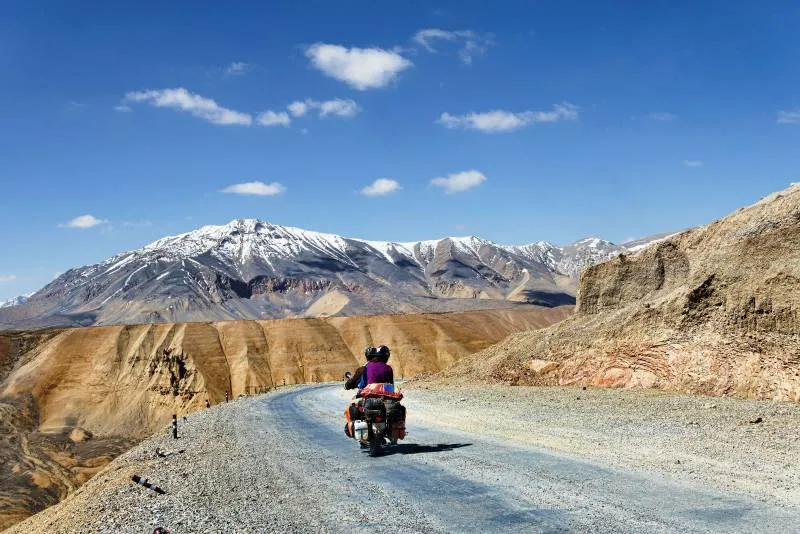
Alchi Monastery lies on a commonly used route from Leh, and private taxi is usually the most efficient option for first-time visitors. Shared transport can work for budget trips, but timing flexibility is lower. If your objective is focused heritage viewing, a private vehicle gives better control over arrival hour and stop duration.
Many travelers combine Alchi with one or two additional points on the same day. Keep the plan realistic: one primary monastery plus one optional stop is usually enough for high-quality experience. Overpacking the day often results in reduced time inside temple interiors, which is the main reason to come here.
| Travel Mode | Pros | Tradeoff |
|---|---|---|
| Private Taxi | Flexible schedule, better control | Higher cost |
| Shared Transfer | Budget-friendly | Fixed timing, less customization |
| Tour Circuit | Convenient for first-timers | Can feel rushed at key stops |
Temples and Artwork Inside
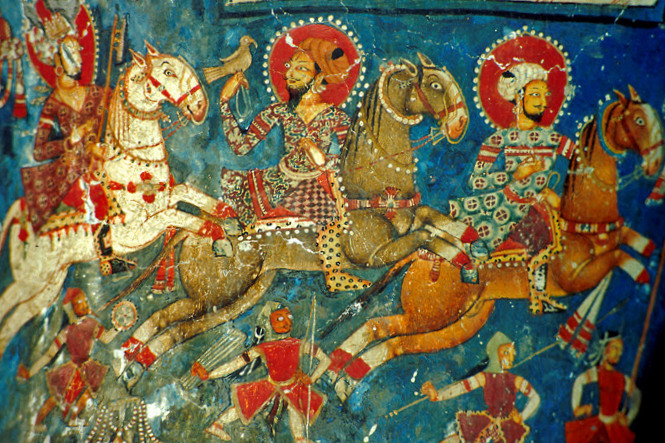
Alchi’s strongest identity comes from its interior art heritage. Wall paintings, iconographic compositions, and sculptural elements reflect historical exchanges across regions and stylistic schools. This is why top-ranking content around Alchi focuses heavily on murals and temple chambers rather than only panoramic landscapes.
Do not rush. Spend time in each chamber, let your eyes adjust, and observe narrative detail across painted surfaces. If you travel with a guide, request concise interpretation of major themes instead of generic background commentary. Focused explanation adds far more value than long, unfocused narration.
Photography and Visitor Guidelines
Photography rules can vary by chamber and current management instructions, so always check before shooting. In heritage-sensitive interiors, flash use is generally discouraged or restricted because of potential impact on old surfaces. Keep your behavior quiet and respectful, and avoid blocking narrow temple passages during busy periods.
- Dress modestly: this is an active sacred site.
- Move calmly: maintain silence in prayer and interior spaces.
- Respect permissions: ask before filming or using advanced gear.
- Protect heritage: do not touch painted or carved surfaces.
For a meaningful visual record, prioritize exterior compositions and approved zones. That approach keeps your visit respectful while still giving strong photo results.
Nearby Attractions
Alchi combines well with select nearby monastery and landscape stops if time permits. Popular pairings include routes connected with larger Ladakh monastery circuits and viewpoints. Keep your second stop optional so you can preserve enough time for Alchi itself.
Good continuation reads for itinerary building include Hemis Monastery Ladakh, Thiksey Monastery Ladakh, and Diskit Monastery Ladakh. Each offers a different architectural and ritual context, helping you design a balanced multi-day monastery plan.
Inside the Sum-Tsek: What to Look For
The Sum-Tsek, or three-storied temple, is widely considered Alchi's artistic centerpiece and deserves deliberate attention rather than a quick walk-through. Its ground floor houses three towering clay images: a four-armed Avalokiteshvara, Maitreya (the future Buddha), and Manjushri, each standing roughly four meters tall with intricately painted lower garments that function almost like miniature scroll paintings. Look closely at the dhoti of the Avalokiteshvara statue, where painted panels depict scenes of royal life, courtly dress, and architectural detail believed to reflect Kashmiri artistic influence carried into Ladakh over a thousand years ago. The upper floors, accessible only with a monastery caretaker present, contain further painted mandalas and narrative panels that are usually skipped by visitors who do not ask about them, so it is worth requesting access if a caretaker is available during your visit.
The Du-Khang, or main assembly hall, is the other essential stop, with an entrance porch covered in painted mandalas and a main hall housing a large seated Vairocana Buddha. The mandalas here are considered some of the finest surviving examples of early Tibetan Buddhist mural art anywhere in the Himalayas, blending geometric precision with dense narrative detail. Because natural light inside these halls is limited by design, carrying a small torch (used respectfully and without touching any surface) can help you appreciate details that are otherwise easy to miss in the dim interior.
How Alchi Compares to Other Ladakh Monasteries
Most travelers arriving in Ladakh visit monasteries like Thiksey or Hemis first, and it helps to understand how Alchi differs before you build your circuit. Thiksey and Hemis are active, hilltop monastic complexes with resident monks, regular prayer ceremonies, and dramatic mountain-backed architecture, offering more of a living-monastery atmosphere. Alchi, by contrast, functions primarily as a heritage and pilgrimage site rather than a full-time monastic residence, and its value lies almost entirely in the preserved 11th-century murals rather than in ceremonial activity. This makes Alchi a fundamentally different kind of visit: quieter, slower, and best approached as an art-history stop rather than a spiritual-performance one. Many experienced Ladakh travelers recommend visiting an active monastery like Thiksey earlier in a trip for atmosphere, then visiting Alchi later with a calmer, more observational mindset once the initial excitement of "monastery hopping" has settled.
Accommodation and Facilities
Travelers can choose between same-day return from Leh and overnight stays in or near Alchi village. Day return is enough for many visitors, but overnight works better for slow travelers, photographers, and those who want an early low-crowd temple visit. Basic facilities are usually available in season, though luxury expectations should be kept moderate in village settings.
Before departure, verify current entry and service details from reliable local channels. The best Alchi visit is a calm, respectful, and well-paced one: leave early, spend real time inside, and prioritize depth over checklist speed.
Location
Frequently Asked Questions
Q1.Where is Alchi Monastery located?
Q2.How far is Alchi from Leh?
Q3.What is the entry fee for Alchi Monastery?
Q4.How much time is needed to explore Alchi?
Q5.Is photography allowed inside Alchi Monastery?
Q6.How do I reach Alchi from Leh?
Q7.Are there accommodations near Alchi?
Q8.Is Alchi Monastery open in winter?
Recommended For You
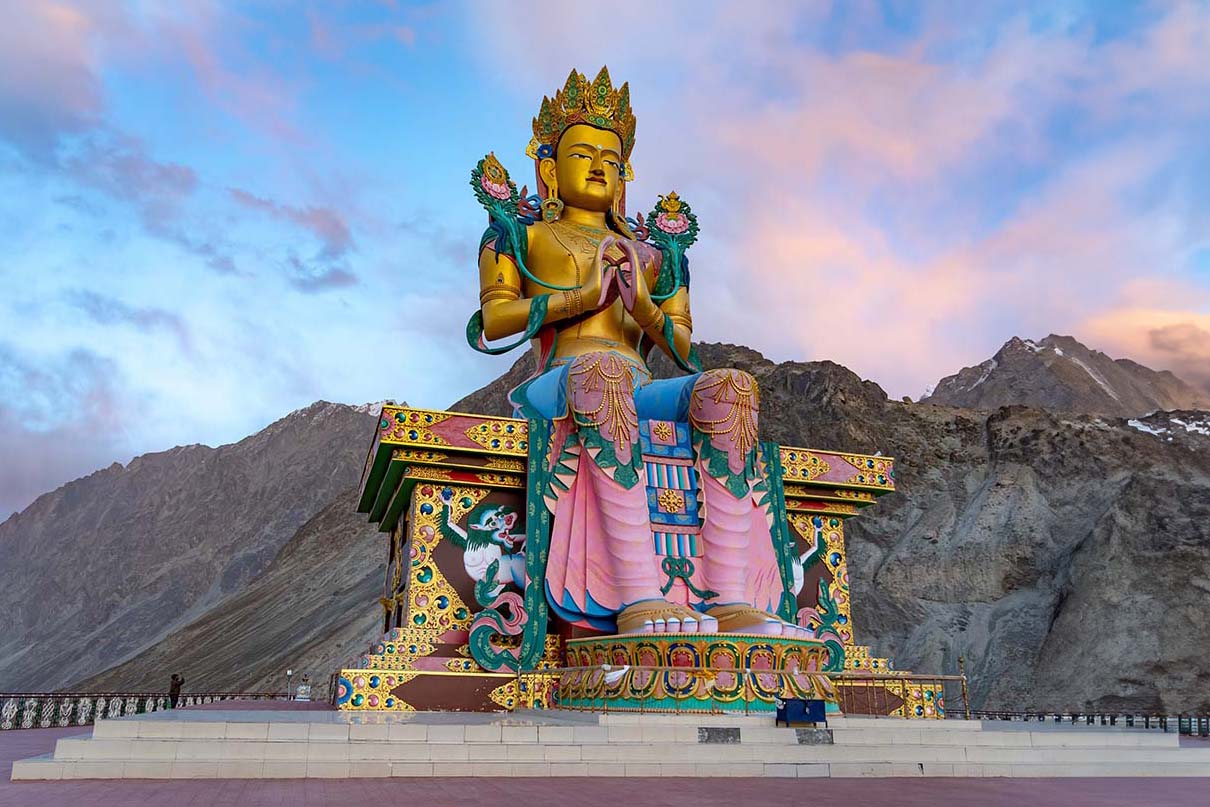
Diskit Monastery Ladakh: Timings, History & Nubra Valley Visit
Plan Diskit Monastery Ladakh with history, Maitreya statue context, route from Leh, timing guidance, festival notes, and practical Nubra travel tips.
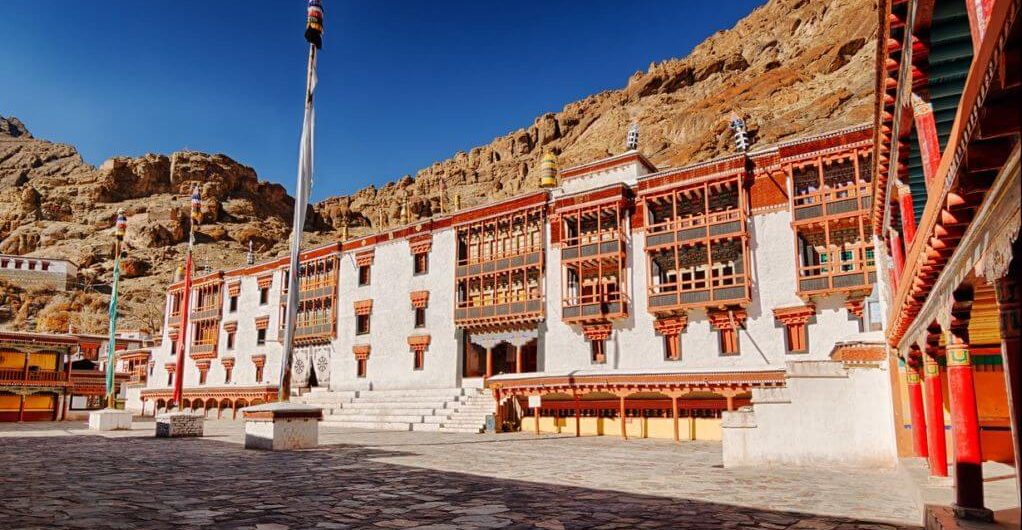
Hemis Monastery Ladakh: Festival, Timings & How To Reach
Visit Hemis Monastery in Ladakh! Get Hemis Festival dates, timings, history, how to reach from Leh, and complete travel guide to this largest monastery.
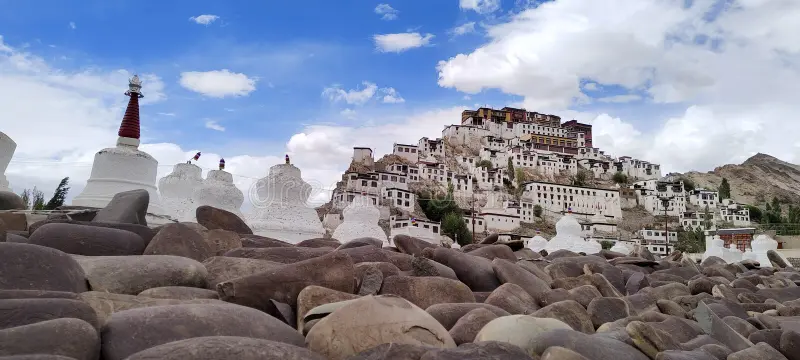
Thiksey Monastery Ladakh: Guide, Timings and Festival
Plan your Thiksey Monastery Ladakh trip with timings, entry details, Leh distance, festival context, and practical etiquette tips for a better visit.
Never Miss an Adventure
Get the latest trekking guides, travel tips, and exclusive offers delivered straight to your inbox.
