
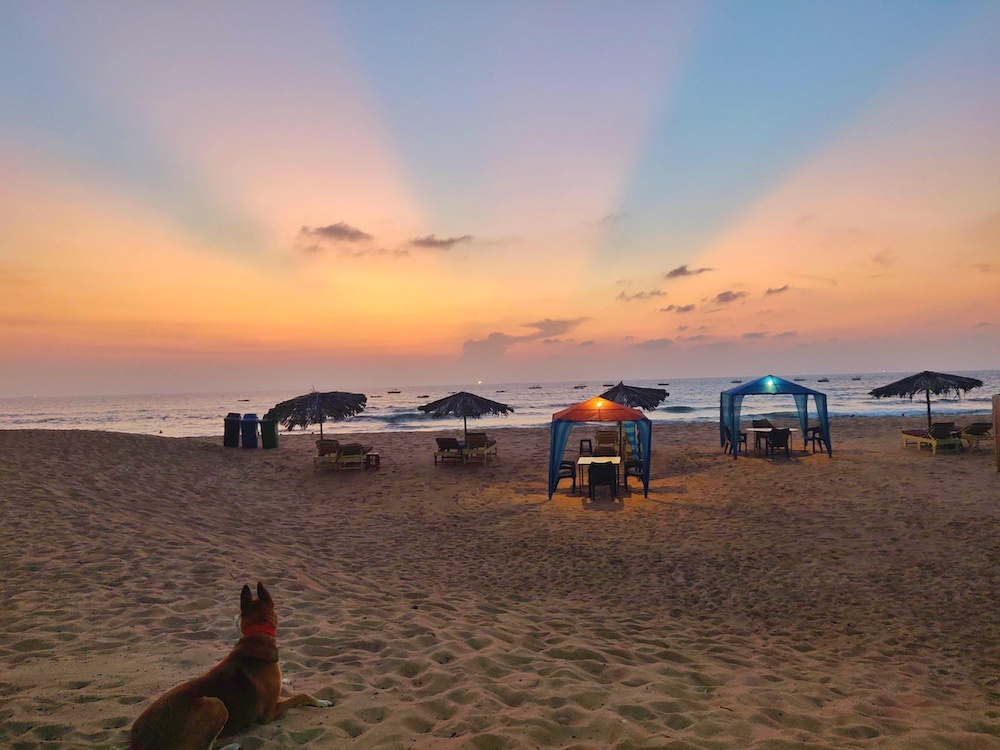
Beaches Goa: North vs South Guide and Easy Itineraries

Rohit Verma
February 20, 2026
Choose the best Goa beaches by vibe, crowd, and activities with practical North vs South comparisons plus route-ready 2-day and 3-day plans.
Introduction
Planning beaches in Goa becomes much easier when you stop searching for a single “best” beach and instead match beaches to trip style. North and South Goa behave differently in pace, crowd, nightlife intensity, and movement logistics. Travelers who plan by vibe and route clusters usually enjoy more and spend less than travelers who chase long random beach lists.
For practical route context, pair this with Chapora Fort Goa, seasonal notes from places to visit Goa in June, and monsoon-season adjustments in places to visit Goa in August. This guide gives a decision matrix, itinerary templates, and safety-season logic for beach-focused planning.
Goa Beaches at a Glance
Goa offers diverse beach behavior: lively activity hubs, family-friendly stretches, quieter coves, and sunset-friendly belts. The right choice depends on your priorities: nightlife, water sports, calm relaxation, couple-friendly ambience, or mixed family pacing.
A high-performing plan starts with one base zone and controlled day excursions. Constant hotel-shift style beach hopping usually reduces experience quality and increases transfer fatigue.
North Goa vs South Goa
North Goa is often preferred for energy, activity density, and nightlife adjacency. South Goa is usually preferred for wider quiet stretches and slower rhythm. Neither is universally better; they are different products for different traveler intentions.
If your group has mixed preferences, split the itinerary by day theme: one energetic cluster day and one calm recovery beach day.
| Zone | Best For | Travel Behavior |
|---|---|---|
| North Goa | Action, nightlife, social vibe | Higher movement and crowd intensity |
| South Goa | Quiet stays, slower pacing | Longer calm sessions and fewer distractions |
Best Beaches by Trip Style
Couples often prefer beaches with balanced privacy and sunset comfort. Families usually do better at beaches with easier access and predictable support amenities. Adventure-focused groups may prioritize activity belts with rental and water-sport options.
Use selection criteria table during planning: crowd expectation, beach width, support amenities, activity potential, and evening transition convenience.
2-Day Beach Itinerary
Day 1: choose one North Goa cluster and keep movement tight between nearby beaches. Add one sunset anchor and one dinner zone. Day 2: shift to calmer belt or South-style pacing with longer stay at one preferred beach and minimal transfers.
This structure gives variety without schedule collapse. Keep optional detours only if your first two anchors are completed on time.
3-Day Beach Itinerary
Day 1 energy zone, Day 2 mixed zone, Day 3 calm zone is a practical sequence for most travelers. It alternates stimulation and recovery, improves budget control, and avoids repetitive beach fatigue.
Long weekend travelers should protect Day 3 from overloading. A lighter final day improves checkout efficiency and return transfer comfort.

Water Sports, Safety, and Seasonality
Beach safety and activity availability vary by weather and sea conditions. Monsoon periods can change swimming suitability and operational availability for water activities. Always follow on-ground advisories and flag systems.
In fair-weather months, start activity blocks early to avoid heat stress and crowd spikes. Hydration and sun layer discipline are essential for full-day beach movement.
Transport and Parking Realities
Transfer time can expand significantly in peak windows, especially if you attempt cross-zone movement late afternoon. Plan beach clusters by geography and keep return buffers for evening traffic.
For self-drive or rentals, lock parking assumptions early and avoid last-minute lane-hunting near crowded strips. For cab users, define pickup points clearly to prevent repeated coordination delays.
Budget and Packing Checklist
Budget for transport, beach meals, optional activities, hydration, and contingency. Packing should include quick-dry clothing, footwear suited for wet sand, sun protection, and waterproof phone safety setup.
Keep spending decisions anchored to experience quality, not impulse. One great full beach day often beats three fragmented rushed half-days.

Execution Layer for Better Travel Outcomes
High-quality travel results rarely come from long destination lists alone. They come from sequencing, buffers, and clear decision rules. Start each day with one anchor objective, define two optional adds, and keep a fallback near your current zone. This protects your schedule when weather, crowds, or transport drift from plan.
Use a simple control method throughout the day. First, check live conditions. Second, confirm your next transfer and time cap. Third, decide whether to continue deeper at the current stop or move to the next one. This three-step method prevents rushed decisions and reduces fatigue from reactive changes.
Group travelers should assign roles to avoid confusion. One person tracks timing, one tracks navigation, and one confirms bookings and payments. Role clarity improves movement speed and cuts repetitive discussion at every transition point. If your group includes elders or children, add more recovery windows and avoid long standing blocks.
Budget planning should prioritize certainty over impulse. Spend where it improves outcomes directly: reliable transfers, verified tickets, and essentials like hydration and weather gear. Keep a small contingency reserve for route changes. Travelers who protect certainty usually get stronger overall experiences at similar total spend.
End each day with a short review: what worked, what delayed, and what should change tomorrow. This feedback loop compounds quickly across a multi-day trip and helps you maintain both comfort and depth.
Extended Route Control Notes
For larger groups, set hard departure times from each beach and share them before arrival. This single rule saves substantial time. Define one person as final-call coordinator to keep movement consistent.
If weather turns unstable, switch immediately to low-risk beach observation mode and skip high-exposure water plans. Safe adaptation preserves your trip and avoids emergency disruption.
At trip end, document which beach types matched your group best. This helps future Goa planning become faster, cheaper, and more accurate.
Detailed Beach Selection Matrix
A strong Goa beach plan starts with criteria scoring, not destination hype. Build a matrix across crowd comfort, activity level, family suitability, sunset quality, and transfer effort. Score each candidate beach quickly, then pick three high-fit options instead of ten random names. This method reduces decision fatigue and increases satisfaction, especially for first-time visitors who may otherwise overcommit to movement-heavy schedules.
Morning and evening behavior can differ significantly on the same beach. Some stretches feel peaceful in early hours and highly active later. If your group includes both quiet-seekers and social travelers, split the day by preference window rather than forcing one shared style all day. Hybrid scheduling is often the best compromise for mixed groups.
For couples, prioritize beaches with comfortable sunset pacing and manageable post-sunset transfer routes. For families, prioritize predictable support amenities, easy access, and conservative water conditions. For friends’ groups, combine one activity-friendly beach with one recovery beach to prevent fatigue from continuous high-energy pacing.
Water sports planning should include operator reliability checks. Confirm safety equipment quality, session timing, and weather fallback policy before payment. Avoid making advance commitments for too many water sessions on one day. Physical fatigue, heat, and transfer delays can quickly reduce enjoyment if your day is overpacked.
Transport architecture matters in Goa. Decide whether your trip style is base-stay with day loops or multi-base movement. Base-stay usually reduces friction for short trips. Multi-base can work for longer stays but requires careful checkout and transfer coordination. Unplanned hotel switching often consumes prime beach time and adds hidden cost.
Food and hydration windows should be planned like route anchors. Skipping meal timing often leads to late-day decision fatigue and rushed transfers. Keep one reliable food stop near your evening anchor beach, and avoid relying on random last-minute options during peak crowd windows.
If monsoon weather is active, switch from swim-centric itineraries to coast-view, cafe, and heritage pairings. Safe adaptation is smart travel behavior, not compromise. Goa remains enjoyable with the right expectations and route design.
Operational Buffer Notes
Add one protected buffer block near the end of your day. This buffer absorbs delays without harming your primary experience. If no delays occur, use it for deeper exploration at the most valuable stop instead of adding a random new stop.
Keep confirmations, maps, and key contacts offline. Network instability can disrupt otherwise good plans, especially during transitions. Simple offline preparation improves confidence and reduces avoidable friction.
If conditions change, reduce optional activities first and preserve anchor goals. Controlled simplification is usually the best decision for quality and safety.
Beach-Hopping Control Model
Use a three-stage control model for Goa beach days. Stage 1 is anchor selection: choose the single beach that matters most for that day. Stage 2 is support selection: add one nearby beach only if transfer time remains favorable. Stage 3 is closure planning: decide evening endpoint before leaving your second stop. This sequence prevents last-hour chaos and supports better spending decisions.
Keep transfer buffers non-negotiable in high season. Even short map distances can take longer due to local congestion. If a transfer exceeds threshold, convert the rest of the plan into depth mode at your current beach. Depth mode means slower exploration, meal break, and sunset hold without additional long moves.
For return day planning, avoid checking out too late if you still want meaningful beach time. Early checkout plus one nearby beach block is more stable than ambitious cross-zone attempts before departure.
If time is limited, choose one signature beach plus one backup nearby. Two well-paced beaches usually outperform rushed multi-stop loops.
If you're extending this trip, Chapora Fort Goa is worth adding to your plan. For more on the area, check out our guide to Benaulim Beach Goa. It also helps to read up on Goa in June before you finalize your plans. Many visitors combine this with Goa in August while in the region.
Location
Frequently Asked Questions
Q1.Which is better for beaches: North Goa or South Goa?
Q2.Which Goa beaches are best for couples?
Q3.Which Goa beaches are best for families with kids?
Q4.Can I do beach hopping in one day in Goa?
Q5.What is the best season for Goa beaches?
Q6.Are Goa beaches safe for swimming year-round?
Q7.Which beaches in Goa are less crowded?
Q8.How many days are enough for a beach-focused Goa trip?
Recommended For You
Beaches Alleppey: Complete Guide to Alappuzha's Coastal Paradise
Discover the best beaches in Alleppey (Alappuzha), from the historic Alappuzha Beach to pristine Marari Beach. Enjoy the unique combination of Kerala's backwaters and Arabian Sea coastline with houseboat experiences, fresh seafood, water sports, and stunning sunsets in this comprehensive coastal paradise guide.
Varkala Beach Kerala: Complete Guide to Papanasam Cliff Paradise
Discover Varkala Beach, Kerala's only cliff beach at Papanasam. Complete guide covering cliff-top cafes, activities, Ayurveda wellness, spiritual significance & travel tips for this unique coastal destination.
Goa in August: Weather, Best Places & Monsoon Experiences
Discover the best places to visit in Goa in August with monsoon-safe plans, Dudhsagar tips, heritage circuits, weather guidance, and practical travel advice.
Never Miss an Adventure
Get the latest trekking guides, travel tips, and exclusive offers delivered straight to your inbox.
