
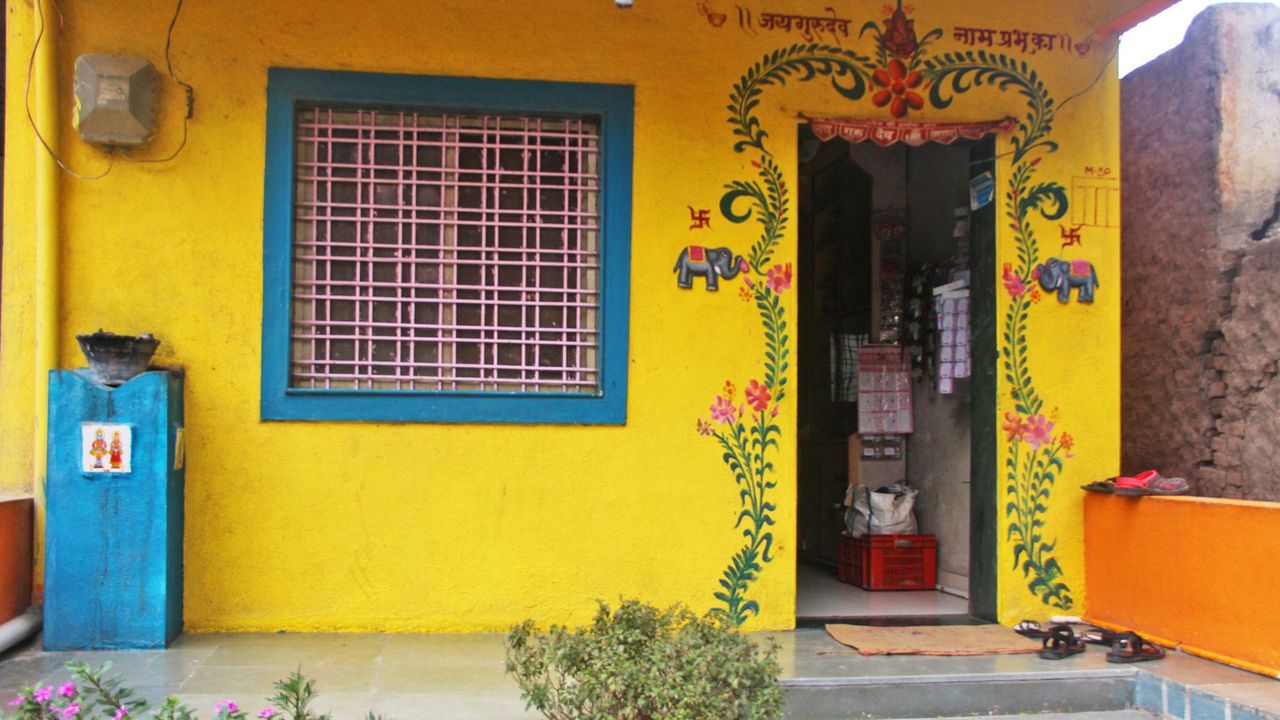
Shani Shingnapur No-Door Village: Temple Beliefs, Rules & Visit Info

Priya Mehta
January 27, 2026
Visit Shani Shingnapur, Maharashtra's famous no-door village. Temple timings, history, beliefs, route planning, and practical travel tips for devotees.
Introduction: Maharashtra's Famous Village Without Doors
Shani Shingnapur in Maharashtra is one of India's most unusual and widely discussed village traditions. It became famous for houses that historically had no conventional doors or locks, based on a strong belief that Lord Shani protects the settlement from theft and wrongdoing. For many visitors, this is not just a curiosity stop; it is a faith-driven destination connected to the Shani temple and long-standing local customs.
Located in Ahmednagar district and often combined with Shirdi itineraries, Shani Shingnapur draws pilgrims, culture-focused travelers, and first-time visitors curious about how belief shapes daily life. Over time, modern infrastructure, tourism growth, and practical security needs have introduced gradual changes in some parts of the village. Still, the core identity remains strongly tied to trust, devotion, and Saturn worship traditions in Hindu practice. This guide explains the history, legend, present-day village life, temple practices, timings, and route planning with practical, up-to-date travel context.

History and Legend of Shani Shingnapur
The foundation story of Shani Shingnapur centers on a black stone (commonly identified as a self-manifested form of Lord Shani) discovered by local villagers. Popular oral tradition says divine instructions were received in a dream, asking that the stone be installed in open view and worshipped without a closed temple structure. Over time, the area evolved into one of the most recognized Shani pilgrimage destinations in India.
As the legend spread, so did a related social norm: residents believed that locking doors was unnecessary because divine protection would deter theft. This belief became the village's most famous identity marker. Visitors still hear versions of this legend from local guides, priests, and long-time residents.
| Historical Element | Local Understanding |
|---|---|
| Self-manifested deity stone | Seen as Lord Shani's sacred presence |
| Open-air worship practice | Associated with early local instructions and tradition |
| No-door culture | Faith-based trust in divine protection |
| Pilgrimage growth | Expanded through regional and national devotional travel |
Like many faith centers, exact historical dating differs across oral sources and administrative records. For travelers, the key is to understand both dimensions: sacred narrative and present-day social reality.
Life Without Doors: Myth, Reality, and Modern Change
The phrase village with no doors became globally popular through media stories and travel features. Historically, many homes and small shops in Shani Shingnapur were described as having open entrances, doorframes, or minimal locking systems. This became a symbol of community trust built on religious belief.
However, modern village life is more nuanced. As tourism increased and lifestyle patterns changed, some residents adopted practical security measures in select properties. Financial institutions and formal establishments have also followed regulatory norms where required. This does not erase the cultural significance of the no-door tradition, but it shows how living communities adapt over time.
What visitors should expect today
- You will still hear and see references to the no-door identity throughout the village narrative.
- Some homes/businesses may reflect modern security adaptations.
- The strongest continuity remains in devotional practice and temple-centered faith.
- The village is best understood as a living tradition, not a frozen museum concept.
This balanced perspective helps avoid both exaggeration and dismissal. The cultural value of Shani Shingnapur lies in how faith, social trust, and modernization coexist in one place.

Shani Temple Guide: Darshan, Rituals, and Devotional Practice
The Shani shrine is the spiritual center of Shingnapur and the main reason pilgrims visit. Devotees come for darshan, oil offerings, and Saturn-related prayers, especially during Saturdays, Amavasya periods, and key Shani observance days. Crowd intensity rises significantly on these dates, so planning matters.
Common devotional elements
- Oil offering (tailabhishek): one of the most recognized Shani rituals.
- Black sesame and related offerings: associated with Shani worship traditions.
- Saturday devotion: high-footfall weekly worship day.
- Special observance days: festival and lunar-calendar peaks draw large crowds.
Temple access protocols can evolve for safety and queue management. Follow on-site signage and official guidance rather than old social media posts. If you are traveling with senior citizens, choose non-peak timings for a calmer experience.
| Temple Planning Factor | Practical Tip |
|---|---|
| Peak day crowd | Arrive early and keep buffer time |
| Dress and conduct | Wear modest clothing and follow ritual etiquette |
| Offerings | Use authorized counters/vendors where available |
| Queue flow | Stay hydrated and avoid rushing in dense segments |
Beliefs, Miracles, and Devotional Psychology
Faith narratives around Shani Shingnapur often include stories of divine justice, protection from crime, and consequences for wrongdoing. Whether interpreted spiritually, culturally, or psychologically, these beliefs influence community behavior and attract pilgrims seeking relief from Saturn-related difficulties in astrology-based traditions.
For many devotees, the temple visit is not transactional tourism. It is a deeply personal act of prayer during difficult life phases. This devotional seriousness is important to respect. Even if you visit mainly for cultural curiosity, treat the space as a living religious site.
A common mistake is reducing Shani Shingnapur to a single headline about houses without doors. In reality, the place represents a broader matrix of belief, identity, and social practice that has evolved over generations.
Temple Timings and Visiting Information
Shani Shingnapur temple is generally approached as an open, high-access pilgrimage destination, but exact timing windows, crowd control measures, and ritual access rules can change based on festival days and local administration updates. Always confirm current timings before departure.
| Visitor Need | Recommendation |
|---|---|
| General darshan | Prefer early morning or non-peak slots |
| Saturday visit | Expect heavy crowd, add extra time |
| Festival/lunar observance | Book transport early and plan queue waiting |
| Family trip | Carry water, light snacks, and rest breaks |
Estimated visit duration ranges from 1.5 to 3 hours depending on crowd conditions and whether you combine village exploration with temple darshan.
How to Reach Shani Shingnapur
Shani Shingnapur is commonly reached by road from Shirdi, Ahmednagar, Pune, and Mumbai corridors. Many travelers combine it with Shirdi in the same or next day itinerary.
Common route context
- From Shirdi: popular and practical pilgrimage extension.
- From Pune: road trip option with same-day return possible.
- From Mumbai: usually planned as overnight or combined circuit.
- Nearest major rail/road hubs: Ahmednagar-Shirdi corridors.
If you are designing a faith-and-travel route, refer to Shirdi from Mumbai, places to visit in Shirdi, and places to visit in Maharashtra for sequencing support.

Sample One-Day Pilgrimage Itinerary
- Early departure from base city (Shirdi/Pune side).
- Morning darshan slot at Shani shrine.
- Short village walk and cultural observation block.
- Lunch break in nearby market zone.
- Return before late-night highway fatigue.
This format works better than overloading multiple distant stops in one day.
Practical Tips and Common Mistakes
Carry list
- Water and basic sun protection
- Cash backup for smaller transactions
- Comfortable footwear (easy to remove where required)
- Simple modest clothing suitable for temple setting
Mistakes to avoid
- Treating the destination as only a social-media curiosity stop.
- Arriving without checking current darshan flow on peak days.
- Ignoring weather and heat while waiting in long queues.
- Assuming old no-door narratives are unchanged in every lane.
Respectful, realistic planning improves both spiritual and cultural experience quality.

Saturday and Amavasya Crowd Planning
Shani-related observance days, especially Saturdays and key Amavasya dates, can draw very large queues. If your purpose is focused prayer, this energy can feel meaningful and spiritually charged. But if your priority is cultural observation with family comfort, consider non-peak weekdays. On high-footfall days, arrival time and queue discipline matter far more than total trip distance.
- Arrive well before primary rush windows.
- Carry hydration, especially in warmer months.
- Keep elderly travelers in lower-density queue windows.
- Avoid tightly packed onward bookings after darshan.
A practical approach is simple: one core temple block, one village observation block, and one buffer block. This prevents fatigue and improves safety.
Respect, Ethics, and Responsible Visitor Behavior
Shani Shingnapur is frequently framed as a mystery village, but visitors should avoid sensational behavior. Residents are not performers; they are people living within a faith tradition that has evolved through modern pressures. Ask permission before close-up photography in residential lanes, avoid intrusive questions, and do not stage social-media content that mocks local beliefs.
Responsible travel here means balancing curiosity with humility. If you keep that balance, the visit becomes more meaningful and less extractive. You leave with a stronger understanding of how trust, devotion, and contemporary village life coexist.
Quick Budget and Stay Strategy
Most Shani Shingnapur trips are affordable when planned as part of a Shirdi or Ahmednagar route. Transport is usually the largest cost component, especially for private same-day return travel. If you are in a group, splitting a cab often gives the best comfort-to-cost balance. For smoother logistics, many travelers stay in Shirdi where accommodation options are broader, then visit Shingnapur as a half-day or full-day extension. Keep a small contingency budget for peak-day traffic delays, additional local transfers, and meals near temple areas.
Conclusion
Shani Shingnapur is one of India's most distinctive faith-cultural destinations because it brings together devotion to Lord Shani, village-level social trust traditions, and a living conversation between belief and modern change. Visit with respect, verify current timing details, and allow enough time to understand both the temple and the village context. Done well, this trip offers much more than a headline about doors; it offers insight into how faith continues to shape everyday life in contemporary India.
Location
Frequently Asked Questions
Q1.Why does Shani Shingnapur have no doors?
Q2.Do people really live without doors in Shani Shingnapur today?
Q3.What are Shani Shingnapur temple timings?
Q4.Is Shani Shingnapur safe to visit?
Q5.When is the best time to visit Shani Shingnapur?
Q6.How can I reach Shani Shingnapur from Shirdi or Pune?
Q7.Are there hotels near Shani Shingnapur?
Q8.Can tourists attend rituals at the Shani temple?
Recommended For You
NH 17 Horror Story Goa: Ghost Tales and Highway Truth
Explore NH 17 horror story Goa legends with haunted highway tales, rational explanations, and practical night-driving safety tips for the Mumbai-Goa route.
Nizamuddin Dargah Delhi: Sufi Shrine Guide and Timings
Visit Nizamuddin Dargah in Delhi, Hazrat Nizamuddin Aulia's Sufi shrine. Qawwali timings, history, how to reach, and respectful visitor guidance.

Mumbai to Shirdi: Best Routes, Travel Time & Budget Options
Plan your Shirdi trip from Mumbai with route comparisons, travel-time strategy, budget planning, and practical family/senior guidance.
Never Miss an Adventure
Get the latest trekking guides, travel tips, and exclusive offers delivered straight to your inbox.
