
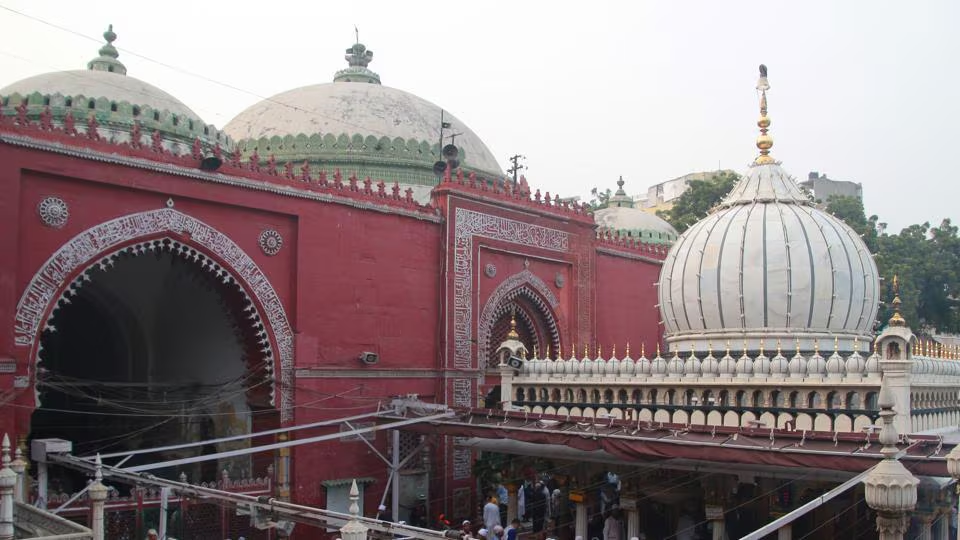
Nizamuddin Dargah Delhi: Sufi Shrine Guide and Timings

Rahul Garg
November 25, 2025
Visit Nizamuddin Dargah in Delhi, Hazrat Nizamuddin Aulia's Sufi shrine. Qawwali timings, history, how to reach, and respectful visitor guidance.
Introduction: The Sufi Heart of Delhi
Nizamuddin Dargah in Delhi is one of India's most visited Sufi shrines and a living center of devotion, music, and spiritual culture. Dedicated to Hazrat Nizamuddin Aulia, the revered 13th-14th century Chishti saint, the dargah attracts people across faith backgrounds who come for dua, peace, and the famous qawwali evenings. Unlike monument-only heritage sites, this is an active spiritual space where prayer, offerings, and everyday faith continue in real time.
Located in Nizamuddin Basti, the dargah is also part of a larger cultural landscape connected with Amir Khusro, Delhi's syncretic history, and the enduring Chishti message of compassion and inclusion. For first-time visitors, the narrow lanes, crowd flow, and etiquette rules can feel unfamiliar. This guide explains history, architecture, qawwali sessions, visiting norms, best time, and route planning so you can experience the shrine respectfully and without confusion.

History of Hazrat Nizamuddin Aulia and the Dargah
Hazrat Nizamuddin Aulia (1238-1325) was one of the greatest saints of the Chishti Sufi order in South Asia. Born in Badaun and later based in Delhi, he became known for teachings centered on love, humility, service, and spiritual equality. His khanqah (Sufi center) welcomed all, regardless of class or community, and his influence remains profound in the subcontinent's devotional culture.
After his passing in 1325, his resting place evolved into the present dargah complex. Over centuries, rulers, nobles, disciples, and ordinary devotees contributed to expansions and maintenance. The site became not only a shrine but also a cultural memory space tied to poetry, qawwali, and shared faith practices.
One of the most important linked figures is Amir Khusro, poet, musician, and beloved disciple of Nizamuddin Aulia, whose tomb is located within the same spiritual precinct. This connection is central to the musical identity of the dargah today.
| Historical Marker | Significance |
|---|---|
| 1238 | Birth of Hazrat Nizamuddin Aulia |
| 1325 | Passing of the saint; shrine legacy begins |
| Medieval to modern Delhi | Dargah continues as active Sufi devotional center |
| Amir Khusro association | Strengthens music-poetry-spiritual tradition |
Architecture and Spiritual Complex Layout
The dargah complex is compact, layered, and deeply atmospheric. Marble work, calligraphic details, lattice screens, and devotional spaces are arranged within a dense urban basti setting. The experience is not about grand axial monumentality; it is about intimacy, movement through lanes, and arrival into a spiritually charged courtyard environment.
Inside the precinct, devotees encounter the main tomb chamber, prayer spaces, offering zones, and adjacent tombs of associated spiritual and literary figures. The white-marble aesthetic and floral offerings create a distinct visual language that differs from Delhi's large imperial monuments.
What to notice architecturally
- Marble surfaces and jali-style detail in the shrine zone.
- Compact spatial organization shaped by centuries of active use.
- Ritual-oriented circulation rather than tourist-oriented planning.
- Fusion of sacred architecture and living neighborhood context.
This is a place where architecture serves devotion first. Visitors should approach it as a living shrine, not a photo set.
Qawwali at Nizamuddin Dargah: Experience and Timing Context
Nizamuddin Dargah is globally known for qawwali sessions that carry forward the Chishti tradition of devotional music. Qawwali here is not a stage performance in the usual concert sense. It is embedded in spiritual practice, and listeners often join with deep emotional participation.
Thursday evenings are widely regarded as the most popular time for qawwali at the dargah, though specific schedules can vary due to religious calendars, management decisions, and crowd conditions. Friday and festival periods may also have special devotional intensity.
How to experience qawwali respectfully
- Arrive early to manage lane access and seating/standing position.
- Dress modestly and keep head covered in shrine zones.
- Avoid loud conversations and flash-heavy recording behavior.
- Treat the gathering as spiritual practice, not only tourist entertainment.
If qawwali is your primary reason for visiting, keep your evening schedule flexible and avoid tight onward bookings.

Visiting Guidelines, Dress Code, and Etiquette
Nizamuddin Dargah welcomes large numbers of visitors, but behavior standards are important because this is an active sacred space. Head covering is expected, modest clothing is advised, and footwear must be removed in designated areas. Respect staff guidance and lane movement instructions during peak crowd periods.
| Visitor Aspect | Recommended Practice |
|---|---|
| Clothing | Modest attire; shoulders and knees covered |
| Head covering | Recommended/expected in shrine area |
| Footwear | Remove in designated sacred sections |
| Photography | Use discretion; avoid intrusive close-up filming |
| Donations/offerings | Use trusted counters/practices where possible |
| General conduct | Maintain calm and respectful behavior |
Women can visit the dargah, and mixed-faith visitation is common, but ritual space usage may vary by section and time. Follow current on-ground instructions.
Best Time to Visit Nizamuddin Dargah
The dargah can be visited year-round, but comfort and crowd levels differ by day and season. Evenings are spiritually vibrant, especially around qawwali windows, while daytime visits may be easier for first-timers who want a calmer orientation.
- Best spiritual atmosphere: Thursday evening (popular qawwali time).
- Best for first-time calm visit: Non-peak weekday daytime/evening.
- Best weather in Delhi: October to March for outdoor comfort.
- High-footfall periods: Urs and major religious dates.
For summer months, prefer late-evening visits and carry water due to Delhi heat.
How to Reach Nizamuddin Dargah
The dargah is in Nizamuddin West, South-Central Delhi, and is accessible by metro-plus-auto, taxi, and app cabs. The final approach usually involves lane walking, so keep mobility and crowd navigation in mind.
Access options
- Metro + auto/rickshaw: practical for traffic-heavy windows.
- Cab/taxi: convenient for families and evening return.
- Railway connectivity: Hazrat Nizamuddin station is nearby in broader area context.
Because lane access can get dense during qawwali time, add buffer time to avoid stress. If you are combining central Delhi heritage stops, route it with places to visit in Delhi, Delhi travel guide, and Chandni Chowk Delhi.

Nearby Places You Can Combine
A Nizamuddin visit can be paired with multiple Delhi heritage and spirituality points depending on your time window.
- Jama Masjid for Indo-Islamic architectural context.
- Hauz Khas Village for a culture-plus-urban contrast route.
- Delhi city highlights for broader planning.
Avoid overpacking. One spiritual site plus one secondary heritage stop is usually a better evening format.

Sample Evening Itinerary for First-Time Visitors
- Arrive before peak qawwali build-up.
- Complete respectful shrine orientation and offering segment.
- Settle for qawwali listening session.
- Exit with adequate time buffer for traffic and transport.
Keep the rest of your evening light. The dargah experience is emotionally rich and often best followed by a calm return rather than a rushed multi-stop plan.
Practical Safety and Comfort Tips
- Carry only essentials in crowded lanes.
- Keep phone battery charged for return transport coordination.
- Travel in pairs/groups for late-night returns where possible.
- Respect local volunteers, caretakers, and security guidance.
- Avoid arguments around ritual practices; observe and follow norms.
These basics usually ensure a smooth and meaningful visit.
Spiritual Significance in Contemporary Delhi
Nizamuddin Dargah matters not only as a historic shrine but as a living example of Delhi's shared spiritual culture. In a fast, dense metropolis, the dargah still functions as a space where people pause, pray, and seek inner steadiness. Devotees come for relief from personal difficulties, gratitude offerings, and spiritual companionship. Many visitors who are not Muslim also attend with reverence, which reflects the Chishti tradition's long-standing openness.
This cross-community participation is one of the strongest reasons the dargah remains culturally relevant. It demonstrates how devotional spaces can continue to build bridges in contemporary urban life. If you visit with patience and respect, you often leave with more than historical knowledge; you leave with a lived understanding of how faith traditions sustain everyday emotional life in the city.
Qawwali Logistics: What First-Time Visitors Should Know
Qawwali nights can become crowded quickly, especially when weather is pleasant and festival cycles overlap. If you are new to the area, keep logistics simple. Reach the basti early, identify your return route before entering dense lanes, and avoid carrying unnecessary valuables. If you are traveling with elders, plan a lighter standing-time strategy and keep hydration accessible.
- Use a fixed meeting point in case group members get separated.
- Keep a local transport app plus one backup number ready.
- Avoid blocking prayer movement while filming short clips.
- Do not pressure performers or caretakers for close-up staged content.
These small steps improve safety and preserve the dignity of the spiritual gathering.
Quick Planning Checklist
Before leaving for the dargah, check three things: current qawwali day status, lane-level crowd intensity, and return transport availability for your expected exit time. Keep clothing simple and respectful, carry only essentials, and add a small time buffer for slow lane movement. First-time visitors who prepare these basics usually have a calmer and more meaningful experience.
For families, non-peak weekday visits usually provide easier movement and lower waiting time than festival-heavy slots.
Conclusion
Nizamuddin Dargah Delhi is one of the city's most important living spiritual spaces, where Sufi devotion, qawwali tradition, and centuries of shared cultural memory continue in everyday practice. Visit with respect, plan for crowd timing, and approach the experience as a sacred encounter rather than a quick sightseeing stop. When done right, a visit here offers not just historical insight, but a deeper understanding of Delhi's spiritual and cultural soul.
Location
Frequently Asked Questions
Q1.What are Nizamuddin Dargah timings?
Q2.When is qawwali performed at Nizamuddin Dargah?
Q3.Is there an entry fee for Nizamuddin Dargah?
Q4.What is the best time to visit Nizamuddin Dargah?
Q5.What should I wear at Nizamuddin Dargah?
Q6.Can women visit Nizamuddin Dargah?
Q7.How do I reach Nizamuddin Dargah in Delhi?
Q8.Is photography allowed inside the dargah complex?
Recommended For You
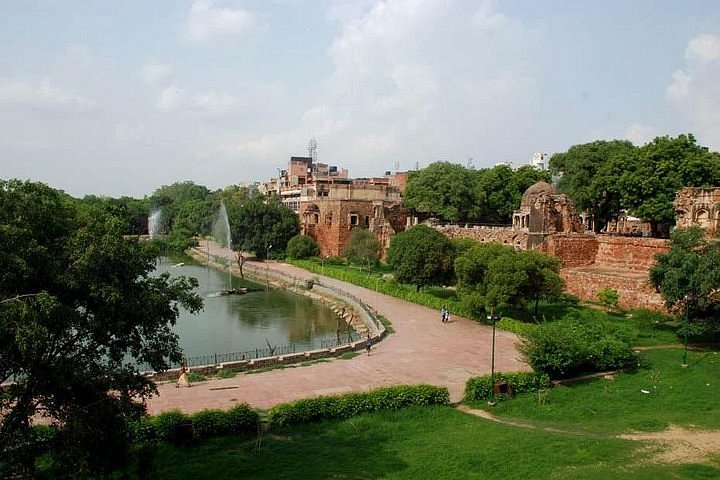
Hauz Khas Village Delhi: Cafes, Nightlife & Shopping Streets
Explore Hauz Khas Village Delhi! Best cafes, restaurants, shopping, fort, deer park & complete travel guide to this trendy urban village in South Delhi.
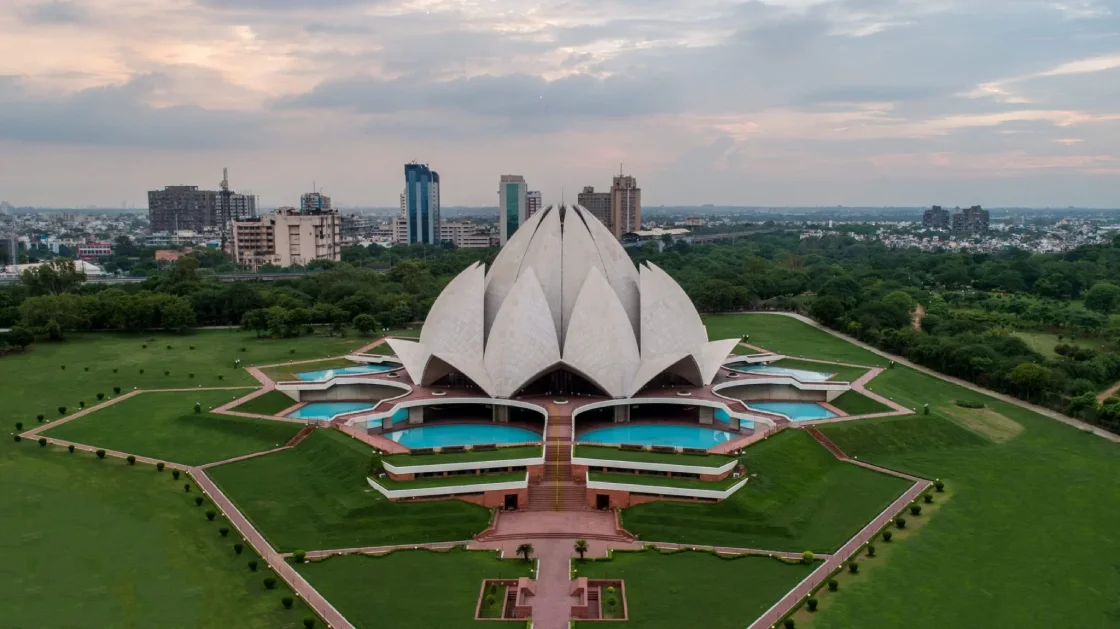
15 Famous Temples in Delhi: Timings, Routes & Darshan Highlights
Explore 15 famous temples in Delhi. From Akshardham to Lotus Temple, discover spiritual sites, timings & entry details.
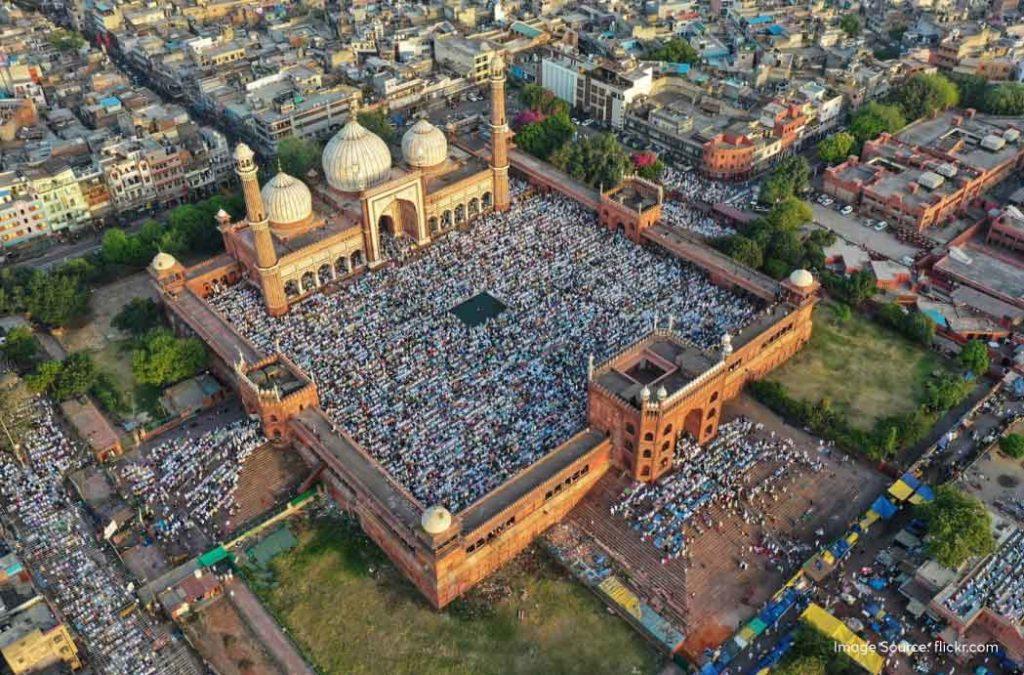
Jama Masjid: Complete Guide To India's Mosques
Complete guide to Jama Masjid India. Discover history, architecture, timings & prayer times. Your guide to magnificent Mughal mosques.
Never Miss an Adventure
Get the latest trekking guides, travel tips, and exclusive offers delivered straight to your inbox.
