

Nohkalikai & Seven Sisters Waterfalls Guide: Cherrapunji Cliffs & Legend

Rahul Garg
August 23, 2026
Complete guide to Nohkalikai and Seven Sisters (Nohsngithiang) Waterfalls in Cherrapunji: 340m plunge cascade, the myth of Ka Likai, viewpoints, and best travel seasons.
Introduction to Cherrapunji's Grand Waterfalls
Perched upon the high sandstone plateau of the East Khasi Hills in Meghalaya, Sohra (historically known as Cherrapunji) is globally renowned as one of the wettest places on earth. The dramatic collision of moisture-laden southwest monsoon winds from the Bay of Bengal with the sheer, cloud-kissed cliffs of the Meghalaya plateau produces colossal annual precipitation. This downpour feeds an awe-inspiring canyon network of roaring cascades. Dominating this landscape is Nohkalikai Falls, the tallest plunge waterfall in India standing at an astonishing height of 340 metres (1,115 feet), alongside the majestic multi-segmented Nohsngithiang Falls (popularly known as Seven Sisters Falls or Mawsmai Falls). For travelers exploring the 5-day Meghalaya living roots and caves itinerary, these cascades represent the ultimate visual and natural highlight of Northeast India.
The Tragic Myth and Folklore of Ka Likai
Beyond its staggering geological scale, Nohkalikai carries a haunting folklore deeply ingrained in Khasi oral culture. In the Khasi language, 'Nohkalikai' translates literally to 'The Leap of Ka Likai'. According to ancient tribal legend, a young widowed mother named Ka Likai lived in the nearby village of Rangjyrteh. To support her infant daughter, Ka Likai worked long hours as a porter carrying heavy coal loads across the plateau. She later remarried in the hope of providing a father figure for her daughter, but her new husband grew fiercely jealous of the deep affection she showered upon the child.
One evening, while Ka Likai was away working in distant fields, the husband murdered the infant, cooked the meat, and prepared an evening meal. Returning home exhausted and hungry, Ka Likai ate the cooked meal without suspicion. Afterward, when she reached into the traditional betel nut basket (kwai), she found the severed fingers of her little daughter. Overcome with incomprehensible grief and madness, Ka Likai ran shrieking across the windswept grasslands and threw herself off the edge of the sheer limestone cliff into the abyss. The majestic waterfall plunging into the exact gorge where she perished was named Nohkalikai in her eternal memory.
Geological Majesty & Viewing Experience of Nohkalikai Falls
Geologically, Nohkalikai is a classic plunge waterfall where the mountain stream leaps cleanly from a sandstone cliff shelf without coming into contact with the vertical rock face until it strikes the valley floor below. The continuous hydraulic force of the falling water has carved an enormous, circular plunge pool at the base of the gorge. During dry and post-monsoon months, dissolved limestone minerals and crystal-clear runoff cause this deep pool to glow in an astonishing shade of bright turquoise-emerald green.
The Meghalaya Tourism observation complex provides paved terraces offering multi-level vantage points. On clear mornings, visitors can gaze across the sandstone cliff faces draped in subtropical rainforest, with the vast sunlit plains of Sylhet in Bangladesh stretching across the horizon. During the monsoon, dense clouds roll through the canyon, creating an ethereal spectacle where the roaring white torrent intermittently appears through parting veils of mist.
Nohsngithiang Falls: The Seven Sisters Cascade
Located just a few kilometres east in the village of Mawsmai, Nohsngithiang Falls (Seven Sisters Falls) is another world-famous landmark of Sohra. Unlike the single plunge of Nohkalikai, Nohsngithiang cascades in seven distinct, parallel torrents over a colossal 315-metre (1,033-foot) limestone cliff face:
- Symbolism of the Seven Segments: In local cultural lore and regional tourism, the seven distinct streams are celebrated as symbols of the seven sister states of Northeast India—Assam, Meghalaya, Arunachal Pradesh, Nagaland, Manipur, Mizoram, and Tripura.
- The Afternoon Rainbow Spectacle: Facing due south-southwest, Nohsngithiang Falls receives direct sunlight throughout the afternoon. As the sun strikes the airborne spray drifting from the cliff, brilliant multi-colored rainbows arch across the canyon face against the dark limestone rocks.
- Monsoon Grandeur: Because Nohsngithiang is rain-fed, it reaches its absolute thunderous peak during the height of the southwest monsoon (June to August), when all seven streams flow with deafening force and colossal volume.

Nearby Caves, Cascades and Sohra Attractions
A journey to Nohkalikai and Seven Sisters Falls connects effortlessly with other geological marvels in Cherrapunji. Just 1 km from Seven Sisters Falls lies Mawsmai Cave, an illuminated limestone cave system featuring ancient stalactites, stalagmites, and narrow karst passages formed over millions of years. Further west, travelers can visit the multi-tiered Wei Sawdong Falls, famed for its stepped turquoise plunge pools resembling a natural amphitheatre, and Dainthlen Falls, deeply associated with the Khasi legend of a gigantic serpent slain by local heroes.
To explore more regional wonders and plan routes, check our dedicated Sohra waterfalls and caves guide, learn about travel access in our guide on how to reach Cherrapunji, and review the best time to visit Cherrapunji.
Best Season to Visit Cherrapunji Waterfalls
The appearance and atmosphere of Sohra's waterfalls change dramatically across the seasons:
- Monsoon (June to September): Waterfalls are at their absolute most dramatic, roaring with immense hydraulic power. However, dense cloud cover and heavy rain can frequently obscure viewpoints for hours.
- Post-Monsoon (October to November): The optimal travel window. Waterfalls still retain strong volume, the skies are crystal clear, the plunge pools exhibit vibrant turquoise colors, and views across the Bangladesh border are unobstructed.
- Winter (December to February): Pleasant, sunny weather with cool breezes. While smaller rain-fed streams diminish, Nohkalikai maintains a perennial flow into its shimmering green basin.
- Spring (March to May): Early pre-monsoon showers bring fresh greenery, blooming wild orchids, and pleasant daytime temperatures across the plateau.
Practical Travel Tips for Visitors
To experience the best viewing conditions at Nohkalikai, arrive between 9:00 AM and 11:30 AM before afternoon mist begins rising from the valley. Bring a windproof light jacket, as high-altitude winds at the cliff edge can be brisk even on sunny days. Try local Khasi delicacies at viewpoint stalls, including hot red tea (sha saw), roasted corn, and indigenous wild honey. Always heed safety railings along the cliff perimeters, as the sandstone drop-offs are sheer.
Conclusion
The waterfalls of Cherrapunji stand as monumental testaments to the incredible geological forces and climatic power of the Khasi Hills. Standing on the precipice of Nohkalikai, listening to the echoes of Ka Likai's ancient legend while watching the water crash 340 metres below, is an unforgettable Himalayan foothills experience. For travelers continuing their northeast adventure, explore our guides on Garo Hills attractions and the pristine waters of camping in Dawki Meghalaya.
Location
Frequently Asked Questions
Q1.How high is Nohkalikai Falls?
Q2.What does the name Nohkalikai mean?
Q3.What is the best time of day to view Nohkalikai and Seven Sisters Falls?
Q4.Why is Nohsngithiang Falls called Seven Sisters Falls?
Q5.How far are these waterfalls from Shillong?
Recommended For You
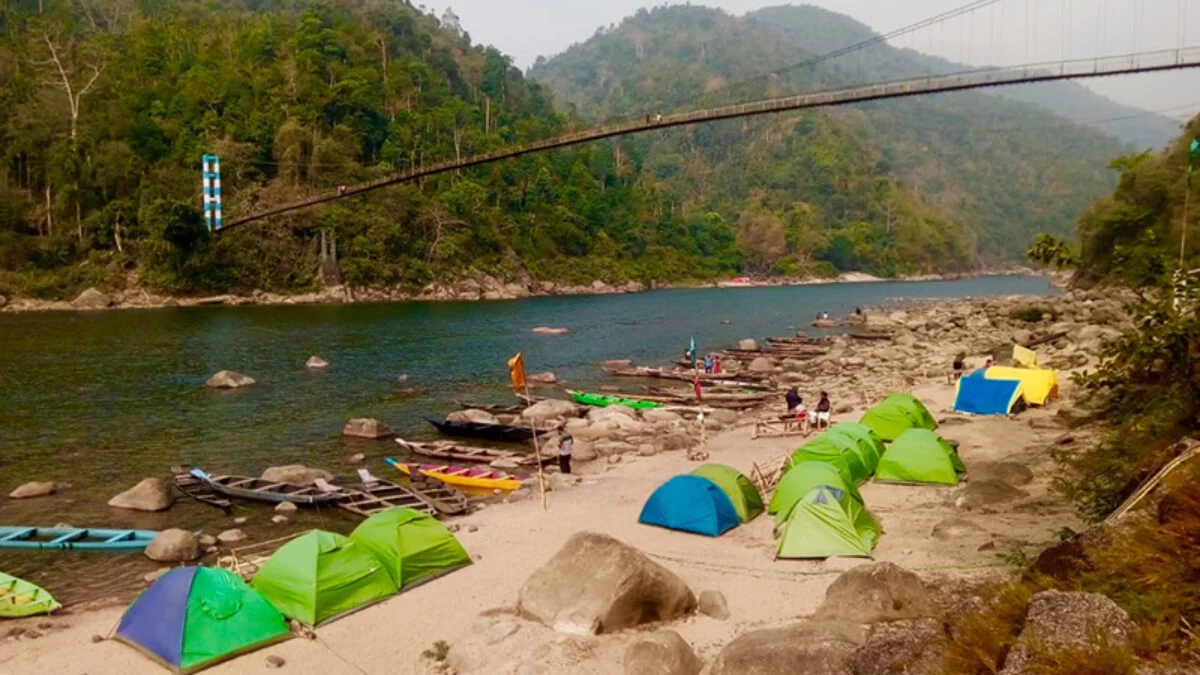
Camping in Dawki Meghalaya: Riverside Stays, Costs & Activities
Experience magical camping by Dawki's crystal-clear Umngot River. Complete guide to riverside campsites, tent options, activities, costs, and essential tips for your Meghalaya adventure.
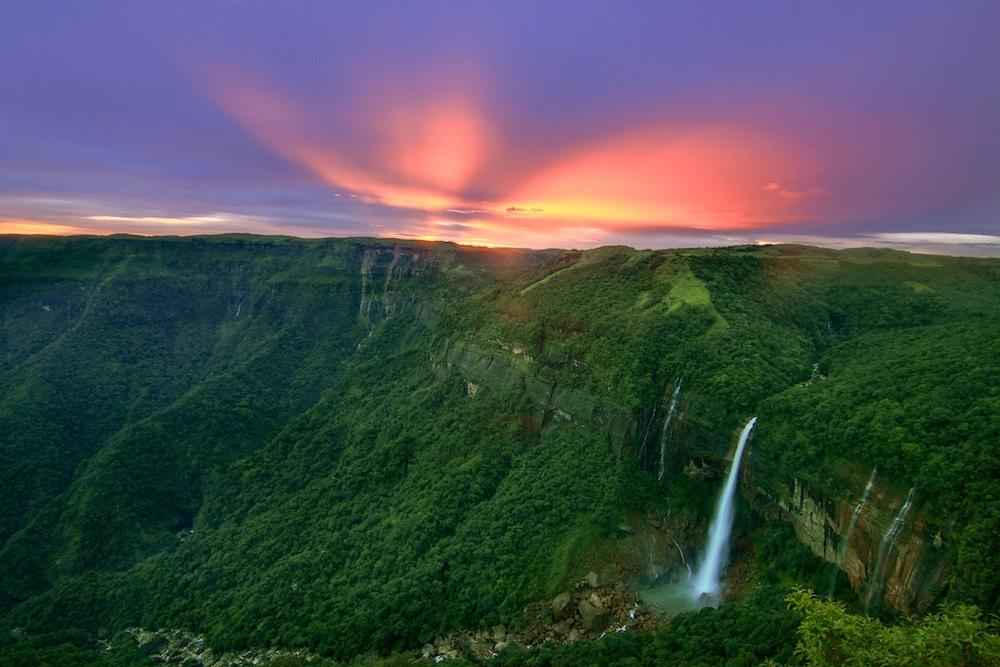
Best Time to Visit Cherrapunji: Rainfall, Caves & Waterfall Season
Discover the best time to visit Cherrapunji with season-wise rainfall insights, root bridge and waterfall timing, and practical planning tips for safer Meghalaya travel.
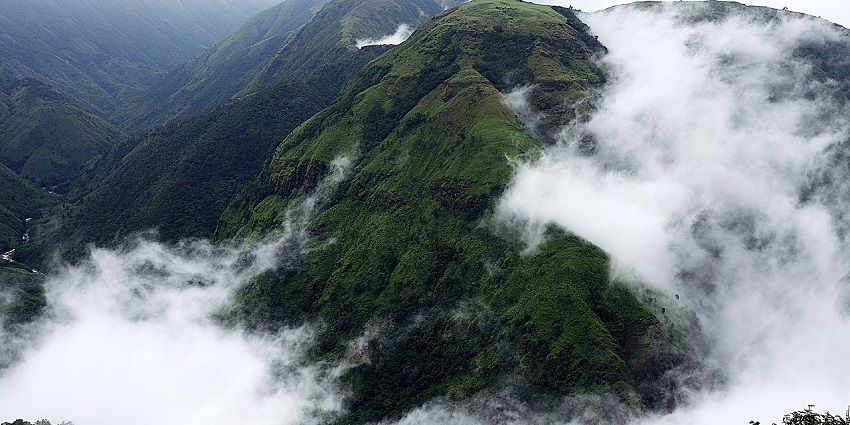
Garo Hills Meghalaya: 12 Best Places to Visit
Explore 12 best places to visit in Garo Hills Meghalaya with route planning, cultural highlights, wildlife zones, and practical travel tips.
Never Miss an Adventure
Get the latest trekking guides, travel tips, and exclusive offers delivered straight to your inbox.
