
Camping in Dawki Meghalaya: Riverside Stays, Costs & Activities

Priya Mehta
December 6, 2025
Experience magical camping by Dawki's crystal-clear Umngot River. Complete guide to riverside campsites, tent options, activities, costs, and essential tips for your Meghalaya adventure.
Introduction: Camping by Crystal Clear Waters
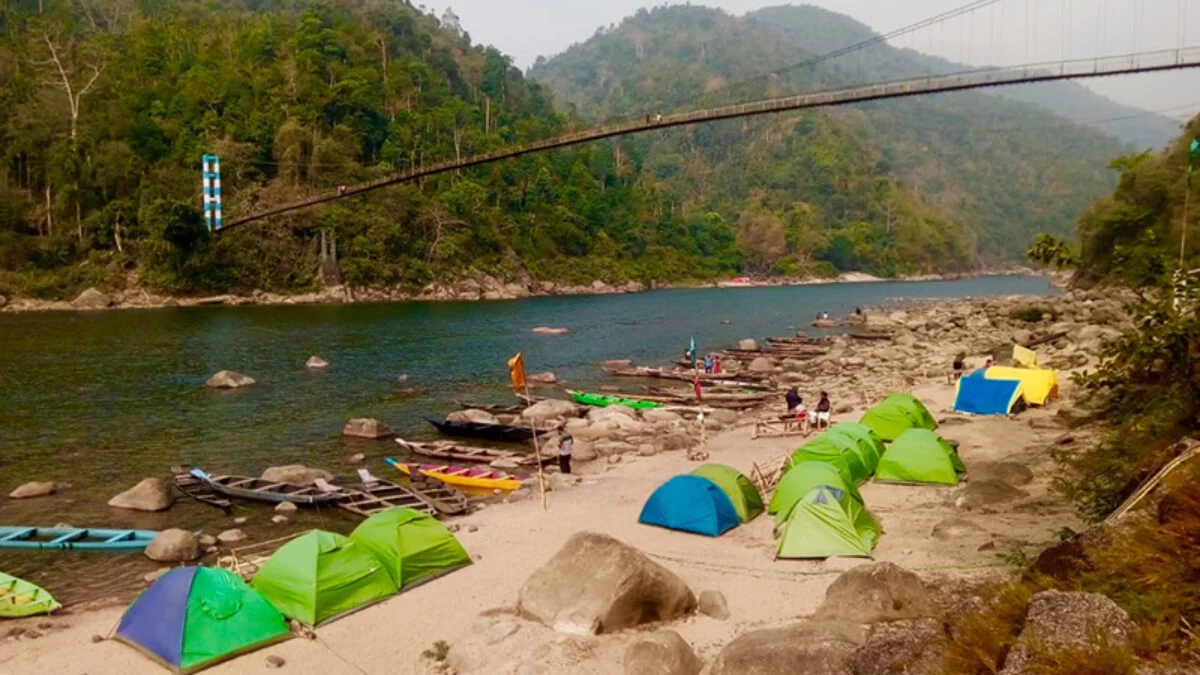
Imagine waking up to the gentle sound of water flowing beside your tent, opening your eyes to see the morning mist rising over a river so clear that boats appear to be floating on air. This is the magic of camping in Dawki, Meghalaya – a surreal experience that combines adventure, tranquility, and nature's unmatched beauty. Dawki, located in the West Jaintia Hills district of Meghalaya, has become one of India's most sought-after camping destinations. The town sits along the Umngot River, renowned for its crystal-clear waters. If you enjoy unique camping experiences, you might also like village homestays in Spiti. What makes camping here truly special is the unique opportunity to sleep just meters away from this natural wonder, under a sky filled with countless stars. The appeal of Dawki camping extends beyond just the clear waters. Situated near the India-Bangladesh border, this region offers a distinctive blend of cultural experiences, natural wonders, and outdoor adventures. From riverside bonfires to early morning kayaking sessions, camping in Dawki provides an immersive experience into Meghalaya's pristine wilderness.Riverside Camping Sites on Umngot
The Umngot River corridor offers several spectacular camping locations, each with its own unique charm and appeal. Understanding these different sites can help you choose the perfect spot for your camping adventure.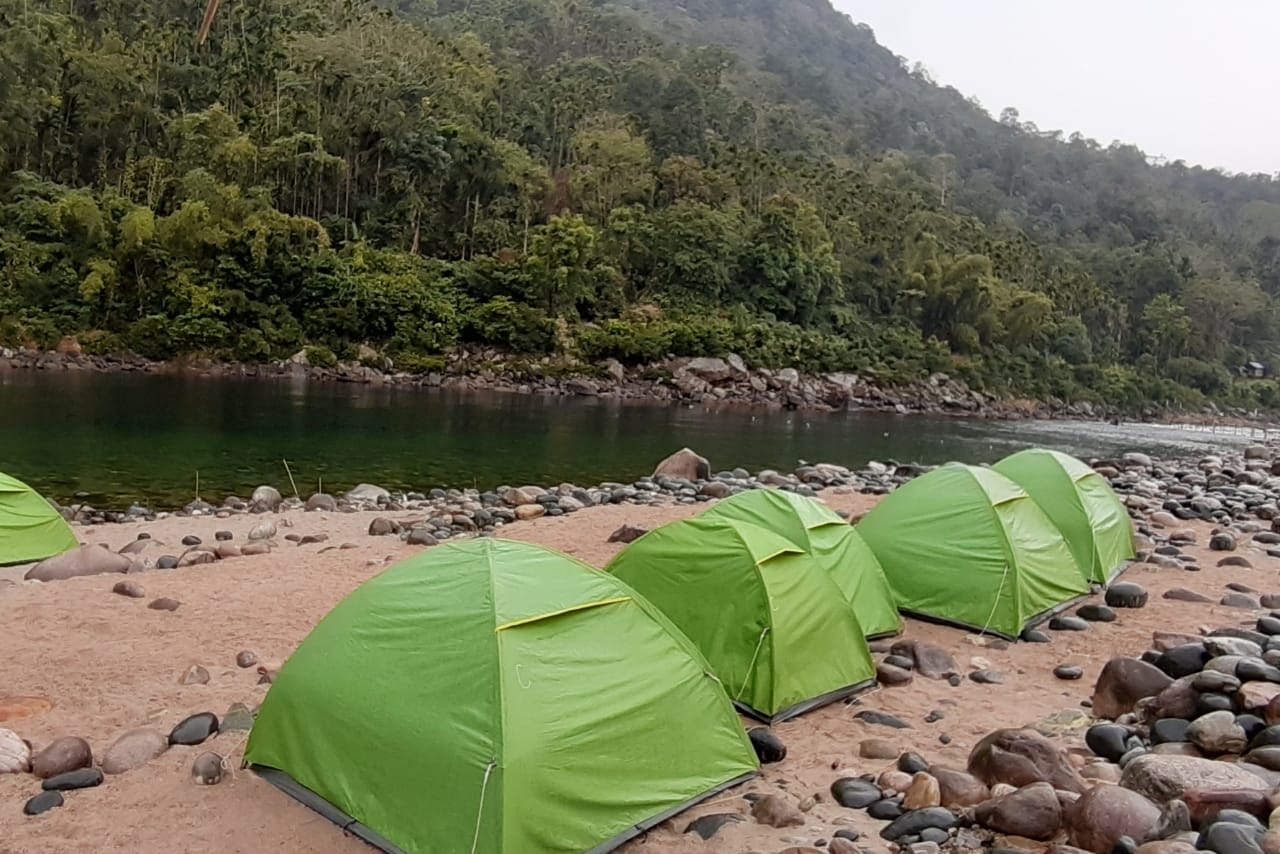 Shnongpdeng Village Camping: This is the most popular and developed camping area, located approximately 8 kilometers from Dawki town. For those seeking different adventure experiences, trekking in Meghalaya also offers exciting opportunities. The village has transformed into a camping hub with numerous operators offering riverside tent accommodations. What makes Shnongpdeng special is its strategic location – it's situated on a bend of the Umngot River, providing panoramic views of the surrounding hills and the water below. The camping sites here are well-organized with proper facilities including clean bathrooms, dining areas, and activity zones.
Premium Riverside Locations: Several operators have established premium campsites directly on the riverbanks. These sites offer unobstructed access to the water and often include private decks extending over the river. The premium locations typically feature luxury tents with comfortable bedding, attached bathrooms, and even air conditioning in some cases. These sites are perfect for those who want to experience nature without compromising on comfort.
Beach Camping Spots: During the winter months when water levels are lower, several natural beaches emerge along the Umngot's course. These spots are ideal for setting up tents directly on the sandy shores. Beach camping offers the most immersive experience – you can literally step out of your tent and onto the riverbank. The sound of flowing water becomes your lullaby, and mornings begin with a refreshing dip in the crystal-clear waters.
Island Camping Options: For the more adventurous campers, some operators offer camping on small islands within the Umngot River. These locations provide complete isolation and privacy, accessible only by boat. Island camping is perfect for those seeking a truly wilderness experience, away from the more developed campsites. However, these sites require more preparation and are weather-dependent.
Shnongpdeng Village Camping: This is the most popular and developed camping area, located approximately 8 kilometers from Dawki town. For those seeking different adventure experiences, trekking in Meghalaya also offers exciting opportunities. The village has transformed into a camping hub with numerous operators offering riverside tent accommodations. What makes Shnongpdeng special is its strategic location – it's situated on a bend of the Umngot River, providing panoramic views of the surrounding hills and the water below. The camping sites here are well-organized with proper facilities including clean bathrooms, dining areas, and activity zones.
Premium Riverside Locations: Several operators have established premium campsites directly on the riverbanks. These sites offer unobstructed access to the water and often include private decks extending over the river. The premium locations typically feature luxury tents with comfortable bedding, attached bathrooms, and even air conditioning in some cases. These sites are perfect for those who want to experience nature without compromising on comfort.
Beach Camping Spots: During the winter months when water levels are lower, several natural beaches emerge along the Umngot's course. These spots are ideal for setting up tents directly on the sandy shores. Beach camping offers the most immersive experience – you can literally step out of your tent and onto the riverbank. The sound of flowing water becomes your lullaby, and mornings begin with a refreshing dip in the crystal-clear waters.
Island Camping Options: For the more adventurous campers, some operators offer camping on small islands within the Umngot River. These locations provide complete isolation and privacy, accessible only by boat. Island camping is perfect for those seeking a truly wilderness experience, away from the more developed campsites. However, these sites require more preparation and are weather-dependent.
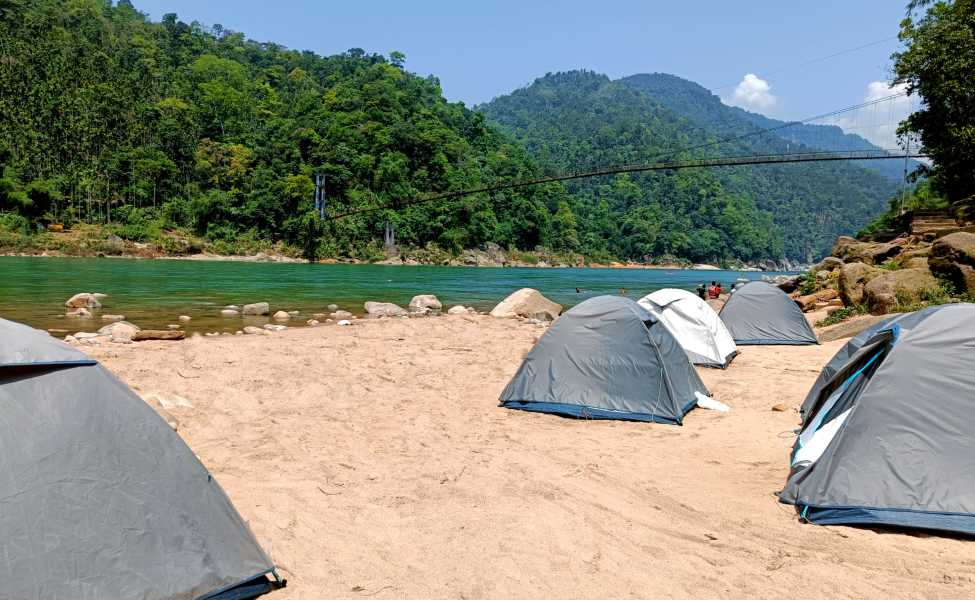 Private Campsite Areas: Several tour operators manage exclusive camping grounds that offer a balance between accessibility and privacy. These sites typically house 10-15 tents maximum, ensuring a peaceful atmosphere even during peak seasons. They often include dedicated spaces for bonfires, barbecues, and stargazing sessions.
Types of Camping Options
Dawki offers diverse camping experiences to suit every preference and budget. From luxury glamping to basic tent camping, there's an option for every type of outdoor enthusiast.| Camping Type | Price Range (per night) | Inclusions | Best For |
|---|---|---|---|
| Luxury Riverside Tents | ₹2,500 - ₹4,500 | Large tent, attached bathroom, all meals, bonfire, guided activities | Couples, families, comfort seekers |
| Alpine Tents | ₹1,500 - ₹2,500 | Spacious tent, shared bathrooms, breakfast, dinner | Small groups, budget-conscious travelers |
| Dome Tents | ₹1,000 - ₹1,800 | Basic tent, shared facilities, meals optional | Budget travelers, solo campers |
| Budget Camping | ₹600 - ₹1,200 | Small tent, common facilities, no meals | Backpackers, students |
Best Time for Camping in Dawki
Choosing the right time to visit Dawki is crucial for the best camping experience. The region's weather patterns significantly affect water clarity, camping conditions, and overall enjoyment.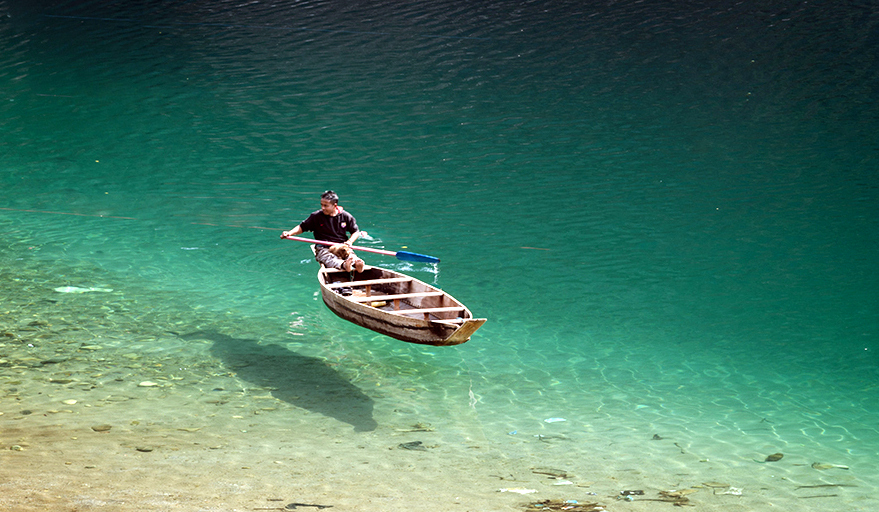 Winter Season (October to March): This is widely considered the best time for camping in Dawki. During these months, the weather is pleasant with daytime temperatures ranging from 15°C to 25°C and nights cooling down to 5°C to 10°C. The clear winter skies are perfect for stargazing – a highlight of the Dawki camping experience. Most importantly, winter months offer the best water clarity in the Umngot River. The water level is lower, revealing pristine beaches and creating ideal conditions for water activities. December and January are particularly popular, so booking in advance is recommended.
Summer Season (April to June): Summer in Dawki is warmer with temperatures reaching 30°C to 35°C during the day. However, the riverside location provides some relief, and evenings remain pleasant. Summer camping is still enjoyable, especially if you plan activities for early morning and late afternoon. The water remains clear though not as transparent as in winter. This is also the time when the surrounding hills are lush green after the spring rains. If you're camping in summer, ensure your tent has good ventilation and carry light, breathable clothing.
Monsoon Season (July to September): Avoid planning camping trips during the monsoon. Meghalaya receives some of the heaviest rainfall in the world during these months. Dawki transforms dramatically – the river swells, water becomes turbulent and muddy, and camping conditions become hazardous. Most campsites shut down operations during this period. Roads leading to Dawki often experience landslides, making travel risky. If you do visit during early July or late September (shoulder seasons), check weather forecasts carefully and maintain flexibility with your plans.
Water Clarity Considerations: The famous crystal-clear appearance of the Umngot River is seasonal. Best visibility occurs from November to March when water levels are lower and the flow is gentle. During these months, you can see the riverbed up to 10 feet deep – perfect for snorkeling and underwater photography. As the rains begin in April, sediment increases and water clarity gradually reduces. By peak monsoon, the river takes on a typical muddy appearance.
Winter Season (October to March): This is widely considered the best time for camping in Dawki. During these months, the weather is pleasant with daytime temperatures ranging from 15°C to 25°C and nights cooling down to 5°C to 10°C. The clear winter skies are perfect for stargazing – a highlight of the Dawki camping experience. Most importantly, winter months offer the best water clarity in the Umngot River. The water level is lower, revealing pristine beaches and creating ideal conditions for water activities. December and January are particularly popular, so booking in advance is recommended.
Summer Season (April to June): Summer in Dawki is warmer with temperatures reaching 30°C to 35°C during the day. However, the riverside location provides some relief, and evenings remain pleasant. Summer camping is still enjoyable, especially if you plan activities for early morning and late afternoon. The water remains clear though not as transparent as in winter. This is also the time when the surrounding hills are lush green after the spring rains. If you're camping in summer, ensure your tent has good ventilation and carry light, breathable clothing.
Monsoon Season (July to September): Avoid planning camping trips during the monsoon. Meghalaya receives some of the heaviest rainfall in the world during these months. Dawki transforms dramatically – the river swells, water becomes turbulent and muddy, and camping conditions become hazardous. Most campsites shut down operations during this period. Roads leading to Dawki often experience landslides, making travel risky. If you do visit during early July or late September (shoulder seasons), check weather forecasts carefully and maintain flexibility with your plans.
Water Clarity Considerations: The famous crystal-clear appearance of the Umngot River is seasonal. Best visibility occurs from November to March when water levels are lower and the flow is gentle. During these months, you can see the riverbed up to 10 feet deep – perfect for snorkeling and underwater photography. As the rains begin in April, sediment increases and water clarity gradually reduces. By peak monsoon, the river takes on a typical muddy appearance.
Activities & Experiences
Camping in Dawki is about more than just sleeping in tents – it's about experiencing a range of outdoor activities that make the most of this unique location. Boating and Kayaking: The most popular activity in Dawki is undoubtedly boating on the crystal-clear Umngot River. Most campsites offer this as part of their package or as an add-on. Traditional wooden boats rowed by local boatmen take you on a serene journey through the transparent waters. For the more adventurous, kayaking is available – paddling your own kayak gives you the freedom to explore quiet coves and hidden spots along the river. The experience of gliding over water so clear that you can see fish swimming beneath your boat is truly surreal. Early morning boating (around 6 AM) is especially magical as the river is calm, and the morning mist creates an ethereal atmosphere. Snorkeling in Umngot: A lesser-known but incredible experience in Dawki is snorkeling. Yes, you read that right – this river offers excellent snorkeling opportunities thanks to its clarity. During winter months when the water is at its clearest, you can float near the surface and observe the riverbed beneath. Fish, river stones, and underwater vegetation are all visible. Some campsites provide basic snorkeling gear, or you can carry your own. It's an unusual experience – snorkeling in a river rather than the ocean – but thoroughly enjoyable.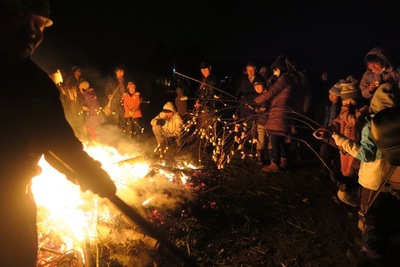 Fishing Experiences: The Umngot River is home to several fish species, and some campsites offer catch-and-release fishing experiences. Traditional fishing methods using nets are sometimes demonstrated by local guides. Even if you're not an avid angler, the quiet patience required for fishing makes for a peaceful morning activity. Note that fishing requires permissions in some areas, so always check with your campsite operator.
Bonfire Nights: No camping experience is complete without a bonfire, and Dawki campsites excel at creating memorable bonfire evenings. Most sites organize nightly bonfires complete with music, light snacks, and sometimes even barbecues. The combination of a crackling fire, starlit sky, and the sound of the river flowing nearby creates a magical ambiance. It's also a great time to meet fellow campers, share travel stories, and enjoy the simple pleasure of outdoor living.
Stargazing: One of the highlights of Dawki camping is the opportunity for stargazing. Away from city lights and pollution, the night sky here comes alive with countless stars. Similar to stargazing in Spiti Valley, this experience offers unforgettable celestial views. On clear moonless nights, you can see the Milky Way stretching across the sky. Some campsites even provide basic telescopes or organize guided stargazing sessions, pointing out constellations and planets. Even without equipment, simply lying on the riverbank and watching the stars is a deeply peaceful experience.
Bird Watching: The area around Dawki is home to diverse bird species, making it a rewarding destination for bird watchers. Early morning walks around the campsite often yield sightings of kingfishers, herons, egrets, and various migratory birds. The river attracts water birds, while the surrounding hills host hill species. If you're interested in birding, carry binoculars and a field guide. Local guides can also help identify species and take you to known birding spots.
Village Walks & Cultural Experiences: Some campsites organize guided walks to nearby villages, offering a glimpse into the local Khasi culture. These walks might include visits to traditional homes, interactions with villagers, and demonstrations of local crafts or activities. The Shnongpdeng village has several interesting spots including a traditional market, church, and community spaces. Understanding the local way of life adds depth to your camping experience.
Fishing Experiences: The Umngot River is home to several fish species, and some campsites offer catch-and-release fishing experiences. Traditional fishing methods using nets are sometimes demonstrated by local guides. Even if you're not an avid angler, the quiet patience required for fishing makes for a peaceful morning activity. Note that fishing requires permissions in some areas, so always check with your campsite operator.
Bonfire Nights: No camping experience is complete without a bonfire, and Dawki campsites excel at creating memorable bonfire evenings. Most sites organize nightly bonfires complete with music, light snacks, and sometimes even barbecues. The combination of a crackling fire, starlit sky, and the sound of the river flowing nearby creates a magical ambiance. It's also a great time to meet fellow campers, share travel stories, and enjoy the simple pleasure of outdoor living.
Stargazing: One of the highlights of Dawki camping is the opportunity for stargazing. Away from city lights and pollution, the night sky here comes alive with countless stars. Similar to stargazing in Spiti Valley, this experience offers unforgettable celestial views. On clear moonless nights, you can see the Milky Way stretching across the sky. Some campsites even provide basic telescopes or organize guided stargazing sessions, pointing out constellations and planets. Even without equipment, simply lying on the riverbank and watching the stars is a deeply peaceful experience.
Bird Watching: The area around Dawki is home to diverse bird species, making it a rewarding destination for bird watchers. Early morning walks around the campsite often yield sightings of kingfishers, herons, egrets, and various migratory birds. The river attracts water birds, while the surrounding hills host hill species. If you're interested in birding, carry binoculars and a field guide. Local guides can also help identify species and take you to known birding spots.
Village Walks & Cultural Experiences: Some campsites organize guided walks to nearby villages, offering a glimpse into the local Khasi culture. These walks might include visits to traditional homes, interactions with villagers, and demonstrations of local crafts or activities. The Shnongpdeng village has several interesting spots including a traditional market, church, and community spaces. Understanding the local way of life adds depth to your camping experience.
What to Carry for Camping
Proper packing ensures a comfortable and enjoyable camping experience in Dawki. Here's a comprehensive checklist of essentials.| Category | Essential Items |
|---|---|
| Clothing | Quick-dry t-shirts, thermal inner wear (winter), light jacket, swimwear, comfortable shorts/pants, extra undergarments |
| Footwear | Water sandals/floaters, trekking shoes, extra pair of socks |
| Toiletries | Biodegradable soap, toothbrush/paste, sunscreen, moisturizer, lip balm, hand sanitizer, wet wipes |
| Health & Safety | Basic first-aid kit, personal medications, insect repellent, motion sickness tablets (for boat rides) |
| Utilities | Flashlight/headlamp, power bank, waterproof bags for electronics, reusable water bottle |
| Optional | Camera, binoculars, playing cards/books, snacks, snorkeling gear |
Camping Cost & Booking
Understanding the costs involved and booking process helps you plan your Dawki camping trip effectively. Riverside Tent Prices: As mentioned earlier, camping in Dawki caters to various budgets. Luxury riverside tents range from ₹2,500 to ₹4,500 per night per tent on a double-sharing basis. These typically include all meals, bonfire, and one boat ride. Alpine tents cost between ₹1,500 and ₹2,500 per night, usually including breakfast and dinner. Dome tents are more budget-friendly at ₹1,000 to ₹1,800 per night, often with just the tent and shared facilities. The most basic camping options start from ₹600 per night but don't include meals or activities. Activity Charges: Beyond accommodation, various activities incur additional costs. Boat rides typically cost ₹300-₹500 per boat for a standard 30-45 minute session, with each boat accommodating 2-4 people. Kayaking rentals are around ₹200-₹400 per hour per kayak. Snorkeling gear rental (if available) costs approximately ₹150-₹250 per session. Some campsites charge extra for bonfire facilities if not included in the package – usually ₹200-₹400 per group for an evening. Package Inclusions: Most campsites offer all-inclusive packages that work out to be more economical. A typical 2-day, 1-night package might include: stay in your choice of tent, all meals (lunch on arrival day through breakfast on departure day), evening bonfire with light snacks, one boat ride, and use of common facilities. These packages generally range from ₹1,800 to ₹3,500 per person depending on the tent category and season. Always clarify what's included when booking. Booking Process: For weekend visits (October-March), advance booking is essential – campsites often get fully booked 2-3 weeks in advance. Most operators accept bookings via phone, WhatsApp, or through travel booking platforms. When booking, you'll typically need to provide: number of people, preferred tent category, dates of stay, and meal preferences (vegetarian/non-vegetarian). Some popular operators require a 50% advance payment to confirm the booking, with the remainder payable at the campsite. Cancellation Policies: Each operator has their own cancellation policy. Generally, cancellations made 7-10 days before the check-in date receive a full refund (minus a small processing fee). Last-minute cancellations (within 48 hours) may not be refunded. During peak seasons (December-January), stricter policies may apply. Always confirm the cancellation policy when making your reservation.Travel Tips & Guidelines
These practical tips will help you make the most of your Dawki camping experience while staying safe and responsible. Weather Considerations: Always check the weather forecast before your trip, especially during monsoon season (June-September). Even in other months, Meghalaya's weather can be unpredictable – carry a light rain jacket regardless of the season. Winter nights are surprisingly cold, so pack warm layers. Summer days can be hot and humid – stay hydrated and take breaks in shaded areas. Food Arrangements: Most campsites serve basic but tasty meals – typically local Khasi cuisine along with some North Indian dishes. Rice, dal, local vegetables, and meat preparations are common. If you have specific dietary requirements (vegan, gluten-free, allergies), inform the campsite in advance. It's also a good idea to carry some snacks – fruits, nuts, or energy bars for between meals. Some budget campsites may not serve all meals, so clarify meal timings and availability when booking. Bathroom Facilities: Luxury tents typically have attached western-style bathrooms with running water. Mid-range and budget options usually have shared facilities – clean and functional but basic. Western toilets are increasingly common, though some places may still have Indian-style commodes. Hot water availability varies – luxury campsites provide it on request; others may have limited or no hot water. Carry your own toilet paper and toiletries just in case. Local Guide Importance: Hiring a local guide enhances your experience significantly. Guides know the best spots for photography, the safest areas for swimming, and interesting facts about the region. They can also take you to less-visited locations that you might miss on your own. Most guides speak English and Hindi fluently. Guide charges typically range from ₹500 to ₹1,000 per day depending on the activities planned. Eco-Friendly Practices: Dawki's beauty is its biggest attraction, and preserving it is everyone's responsibility. Avoid using plastic – carry a reusable water bottle and refuse single-use plastics. Don't litter – carry your waste back with you if necessary. Use biodegradable soaps and detergents for washing. Respect local wildlife – observe from a distance, don't feed animals, and don't pluck plants. Most campsites follow eco-friendly practices – support these initiatives and follow their guidelines. Safety First: While the Umngot River looks calm, it can be deceptively deep in places – always wear life jackets during boat rides. Never swim alone or in areas designated as unsafe. If you're not a confident swimmer, stay in shallow areas near the banks. Keep your campsite clean and food sealed to avoid attracting animals or insects. Always carry a basic first-aid kit and know the location of the nearest medical facility. Respect Local Culture: Meghalaya has a unique matrilineal society and rich cultural traditions. Dress modestly, especially when visiting villages or religious sites. Ask permission before photographing local people. Support the local economy by purchasing handicrafts or hiring local services. Learn a few words in Khasi – 'Khublei' means thank you and is always appreciated. Connectivity: Mobile connectivity is limited in Dawki. BSNL and Jio may work in some spots, but other networks are often unavailable. Most campsites don't have Wi-Fi – consider this a digital detox opportunity! Inform family members about limited connectivity before you leave. Download offline maps and carry physical copies of important information.Location
Frequently Asked Questions
Q1.Is camping allowed in Dawki?
Q2.Where can we camp in Dawki?
Q3.What are the best camping sites in Dawki?
Q4.Is riverside camping safe in Dawki?
Q5.What should I carry for Dawki camping?
Q6.How much does camping cost in Dawki?
Q7.What activities can we do while camping in Dawki?
Q8.Is boating available near camping sites?
Recommended For You
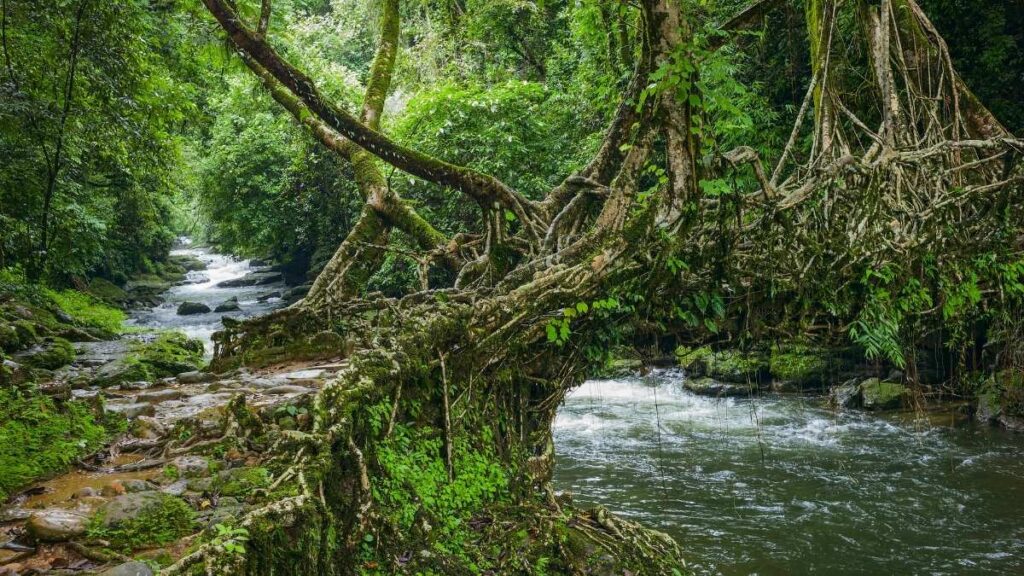
Living Root Bridges Meghalaya: Trek Routes, Villages & Local Tips
Discover Meghalaya's incredible living root bridges - nature's bioengineering marvel grown by the Khasi tribes. Complete trekking guide to the Double Decker Root Bridge in Nongriat, best time to visit, how to reach, difficulty level, and photography tips.
How to Reach Meghalaya: Flight, Train, Road & Entry Points
Complete guide on how to reach Meghalaya by flight, train & road. Routes from Guwahati, Kolkata, Delhi with timings, distances & travel tips.
Best Time to Visit Meghalaya: Rainfall, Season & Waterfall Views
Understand Meghalaya weather by season with practical month-wise planning tips for waterfalls, root bridges, caving, and safer route timing.
Never Miss an Adventure
Get the latest trekking guides, travel tips, and exclusive offers delivered straight to your inbox.
