
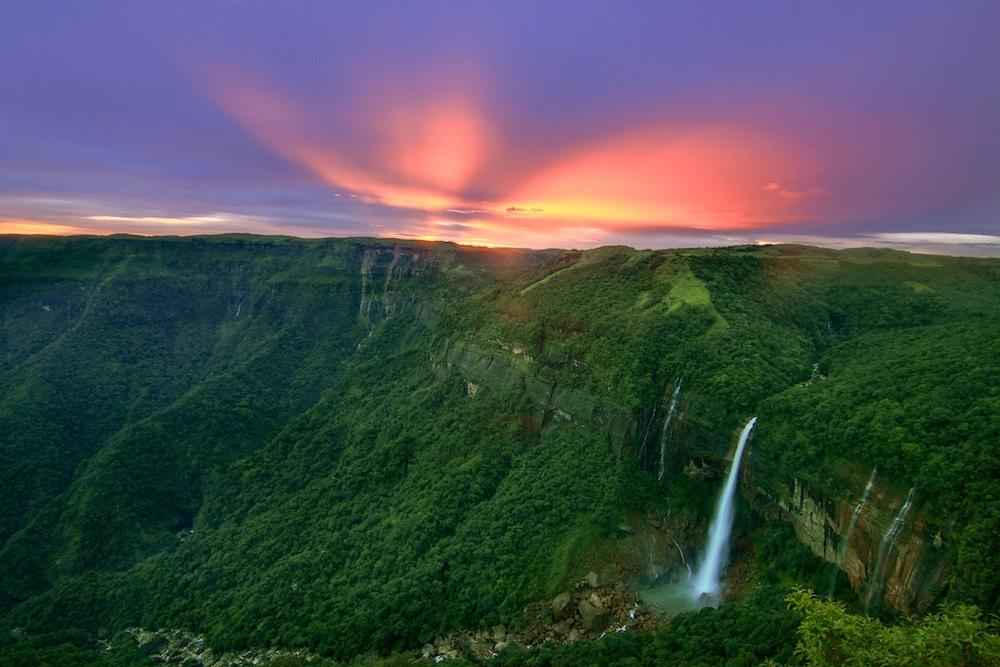
Best Time to Visit Cherrapunji: Rainfall, Caves & Waterfall Season

Ananya Sharma
February 19, 2026
Discover the best time to visit Cherrapunji with season-wise rainfall insights, root bridge and waterfall timing, and practical planning tips for safer Meghalaya travel.
Introduction
Cherrapunji, locally known as Sohra, is one of the most iconic high-rainfall destinations in Meghalaya. It attracts travelers for dramatic waterfalls, cloud-covered valleys, living root bridges, and cave systems. But unlike standard hill stations, Cherrapunji's travel experience changes sharply by season. In one season you get thunderous waterfalls and dense mist, in another you get clearer skies, safer trails, and easier trekking days.
That is why the best time to visit Cherrapunji depends on your priority. If you want comfortable trekking and sightseeing, winter and post-monsoon months are usually best. If you want to witness the region at peak rainfall intensity, monsoon is unmatched but needs risk-aware planning. If your focus is root bridges and cave visits, timing matters even more because trail conditions shift with rainfall.
This guide gives a season-wise and month-wise framework so you can match dates to your goals. For deeper itinerary planning, also see Double Decker Living Root Bridge, Dainthlen Falls, and best time to visit Shillong.
Best Time to Visit Cherrapunji: Quick Answer
For most travelers, the best time to visit Cherrapunji is October to March. This period usually offers safer trails, clearer views, and more comfortable conditions for root bridge treks, waterfall viewpoints, and cave exploration. Monsoon (May to September) is best for full-force waterfalls and rain lovers, but mobility and visibility can become unpredictable.
| Travel Goal | Best Months | Why It Works |
|---|---|---|
| General sightseeing and trekking | October to March | Drier trails and better route reliability |
| Maximum waterfall intensity | June to September | Peak rainfall and strongest flow volumes |
| Root bridge trekking comfort | November to February | More stable footing and better walking weather |
| Caving experiences | October to April | Lower rain disruption in cave-access routes |
| Budget and off-peak rhythm | April or September shoulder windows | Potential value with mixed-weather trade-offs |
Winter in Cherrapunji (October to February): Best Overall Season
Winter and post-monsoon months are generally the most practical period for Cherrapunji travel. Rainfall drops compared to peak monsoon, trails become easier, and outdoor activities feel more predictable. This is the season most first-time travelers prefer because it allows you to cover waterfalls, viewpoints, root-bridge routes, and caves without constant weather disruption.
October and November often feel especially balanced, with fresh post-rain greenery and better road conditions. December to February can be cooler, especially early morning and evening, but still comfortable for most trekkers with light layers. If you want scenic travel with lower operational risk, this is the safest answer.
Winter Snapshot
- Typical temperature range: roughly 10 degree C to 22 degree C
- Best for: trekking, caves, photography, family-friendly itineraries
- Challenges: higher tourist demand in holiday windows
- Planning tip: start trail days early to avoid crowding at popular bridge routes

Spring in Cherrapunji (March to April): Shoulder Balance
Spring is a short but useful shoulder season in Cherrapunji. Weather is generally milder than monsoon, and many outdoor plans remain practical. This period works for travelers who want lower crowd pressure than peak holiday months while still keeping decent trail access and sightseeing comfort.
March and April can also be good for mixed itineraries that combine Sohra with Shillong and nearby Meghalaya circuits. You may not get monsoon-level waterfall force, but you gain better route predictability and easier day planning. For travelers who prioritize activity consistency over peak-rain drama, spring can be a smart choice.
Monsoon in Cherrapunji (May to September): Peak Rainfall Experience
Monsoon is the defining season of Cherrapunji. Waterfalls reach peak force, valleys remain wrapped in cloud, and the landscape becomes intensely lush. If your goal is to experience why Sohra is globally known for rainfall, this is the right season. However, this is also when travel becomes most weather-sensitive.
Heavy rain can affect trail safety, visibility, road pace, and timing reliability. Trekking remains possible on many routes with proper guidance, but conditions can change quickly. Travelers choosing monsoon should keep flexible plans, extra buffers, waterproof gear, and realistic expectations around delays.
Monsoon is visually spectacular, but best suited to travelers who accept uncertainty as part of the experience.

Best Time for Waterfalls in Cherrapunji
If waterfalls are your top priority, target June to September. This is when falls such as Nohkalikai and surrounding cascades usually show their strongest flow. Misty valley views and roaring water channels define this period, making it ideal for monsoon-focused photographers and rain-loving travelers.
For travelers who want waterfalls plus easier movement, October can be an excellent compromise month in many years. You still get strong post-monsoon visuals with less operational stress than peak rain weeks. For pure volume and drama, monsoon wins; for balance, post-monsoon is often better.
Best Time for Living Root Bridges
Root bridge trekking, especially toward the Double Decker Living Root Bridge, is generally most comfortable in November to February. Steps and trail sections are often drier, making long descents and ascents more manageable. This is especially important for travelers with moderate trekking experience.
Monsoon trekking can be rewarding for lush scenery but requires more caution due to slippery pathways and rain intensity. If bridges are a core objective and you want safer, more predictable conditions, prioritize winter and early spring windows.
Before finalizing dates, check recent local trail advisories and choose guided support where needed.
Best Time for Caving in Cherrapunji
Caving routes such as Mawsmai and nearby cave circuits are generally easier to plan from October to April. During this period, access and movement tend to be more predictable. In monsoon, some cave experiences remain open but can involve higher moisture, slippery entry areas, and variable local conditions.
If caving is central to your trip, avoid placing it on a tightly fixed final day. Keep one flexible slot so your plan can adapt to weather and access updates.
Monthly Rainfall and Travel Outlook
| Month | Travel Character | Planning Note |
|---|---|---|
| January | Cool and relatively dry | Great for root bridge trekking and viewpoints |
| February | Pleasant winter end | Strong month for cave and trail activities |
| March | Mild shoulder month | Balanced conditions with manageable crowds |
| April | Pre-monsoon transition | Good for mixed Meghalaya circuits |
| May | Rain build-up begins | Keep flexible outdoor scheduling |
| June | Heavy monsoon starts | Waterfalls intensify significantly |
| July | Peak rain window | High caution for trails and road pace |
| August | Very wet conditions | Best for monsoon visuals, not strict itineraries |
| September | Late monsoon | Scenic and lush with variable route reliability |
| October | Post-monsoon balance | One of the best all-round months |
| November | Clearer and pleasant | Ideal for trekking and photography |
| December | Cool peak season | Good for comfortable exploration |

Crowd and Budget Strategy
Peak-comfort months usually bring higher demand in Meghalaya circuits. If your priority is safety and trekking comfort, paying a bit more in winter windows often improves trip quality. If your priority is savings and dramatic landscapes, shoulder or monsoon travel can work with flexibility.
One practical approach: decide whether your trip is activity-focused (bridges, caves, hikes) or monsoon-view-focused (waterfalls, cloudscapes), then choose months accordingly instead of picking by price alone.
Sample 3-Day Cherrapunji Seasonal Plan
In drier months, Day 1 can cover major viewpoints and one waterfall cluster, Day 2 can focus on root bridge trekking, and Day 3 can include caves plus short scenic stops. In monsoon, keep each day lighter and avoid stacking long treks with long road transfers. Use one flexible half-day for weather shifts.
If coming from Shillong, start early and avoid late-evening long returns in heavy-rain months. This improves safety and reduces fatigue.
Road and Stay Logistics by Season
Road travel to Sohra from Shillong is straightforward in most seasons, but actual journey pace changes with weather. In drier months, you can comfortably plan same-day viewpoint circuits with shorter buffers. During monsoon, keep wider transfer margins and avoid tightly fixed sunset-dependent plans because fog and rain can reduce movement speed. If you are self-driving, start early and avoid aggressive late-evening returns in heavy weather windows.
Stay selection should match your trip objective. For trekking-focused plans, choose properties closer to bridge-trail start corridors or key road junctions that reduce repeated long transfers. For monsoon waterfall viewing, pick stays with flexible check-in support and strong local weather guidance. These small logistics choices improve trip reliability more than adding extra attractions to an already packed schedule.
Packing and Safety Tips by Season
- Winter: light thermals or jacket for early morning and late evening.
- Spring: breathable layers with one rain-ready outer shell.
- Monsoon: strong rain jacket, quick-dry clothing, anti-slip trekking shoes.
- All seasons: keep hydration, basic medicines, and power backup for remote stretches.
- Trekking days: carry minimal load and prioritize grip over style in footwear.
Common Timing Mistakes to Avoid
- Assuming monsoon trails will feel like winter routes.
- Planning rigid minute-by-minute itineraries in heavy rain months.
- Ignoring local trail advisories before root bridge treks.
- Choosing waterfall months without preparing for wet conditions.
- Skipping buffer time between Shillong-Sohra transfers and activities.
Conclusion
The best time to visit Cherrapunji for most travelers is October to March, especially for safe trekking, clear views, and balanced itineraries. Monsoon is unbeatable for waterfall intensity and rain drama, but requires flexibility and caution. Choose your season by primary goal, and Cherrapunji will deliver a far better experience than a generic one-size-fits-all plan.
Location
Frequently Asked Questions
Q1.What is the best month to visit Cherrapunji?
Q2.Is Cherrapunji worth visiting in monsoon?
Q3.When is Cherrapunji least wet?
Q4.How much does Cherrapunji rain?
Q5.When is the wettest period in Cherrapunji?
Q6.When is the best time for waterfalls in Cherrapunji?
Q7.Can we visit Cherrapunji in July?
Q8.When is the best time for living root bridge trekking?
Recommended For You
Best Time to Visit Meghalaya: Rainfall, Season & Waterfall Views
Understand Meghalaya weather by season with practical month-wise planning tips for waterfalls, root bridges, caving, and safer route timing.
Best Places to Visit in Meghalaya: Waterfalls, Caves & Villages
Explore top places to visit in Meghalaya including Shillong, Cherrapunji, Dawki, Living Root Bridges, and practical route planning tips for travelers.
Waterfalls in Cherrapunji: 10 Best Falls with Route Details
Discover the best waterfalls in Cherrapunji including Nohkalikai, Seven Sisters, Wei Sawdong, and Dainthlen with practical route planning and season tips.
Never Miss an Adventure
Get the latest trekking guides, travel tips, and exclusive offers delivered straight to your inbox.
