
Garo Hills Meghalaya: 12 Best Places to Visit

Priya Mehta
February 20, 2026
Explore 12 best places to visit in Garo Hills Meghalaya with route planning, cultural highlights, wildlife zones, and practical travel tips.
1. Introduction: Why Garo Hills Is Meghalaya’s Most Underrated Region
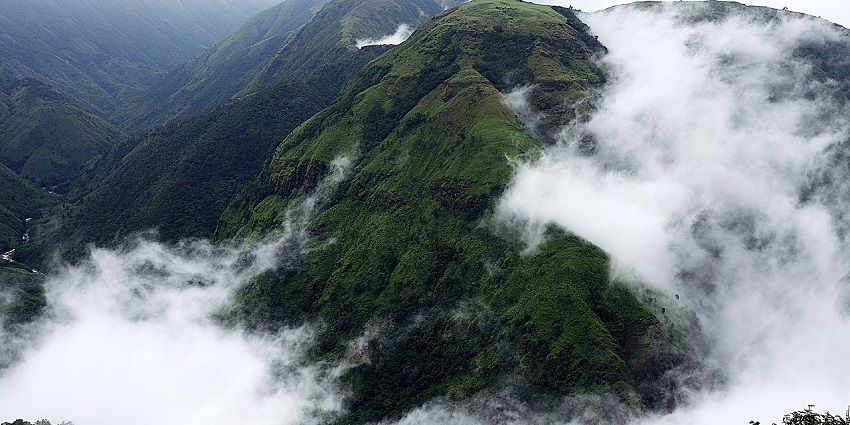
+When travelers plan Meghalaya, they often focus on Shillong, Cherrapunji, and Dawki. But Garo Hills in western Meghalaya offers a very different experience: deeper forests, tribal cultural landscapes, wildlife-rich zones, and lower crowd pressure. If you want an offbeat route with strong nature + culture balance, Garo Hills is one of the best alternatives in the Northeast.
+This guide focuses on practical exploration of Garo Hills through Tura and surrounding districts. You will find major attractions, route logic, travel time realities, weather windows, and safety planning so your trip stays realistic. The goal is not checklist speed, but meaningful coverage of key highlights like Balpakram, Nokrek, Siju Caves, waterfalls, and village culture.
+
+
+2. Tura: Base Town for Exploring Garo Hills
+Tura is the main urban anchor for Garo Hills travel and the most practical place to organize accommodation, local transport, and day-wise route planning. Meghalaya Tourism resources position Tura as a key entry point for nearby peaks, forest zones, and village circuits.
+If you are visiting Garo Hills for the first time, spend your first day in Tura before moving into longer routes. This helps you adjust travel pace, confirm local road updates, and avoid rushed same-day transfers from far entry points.
+Best Use of Tura Base
+-
+
- One acclimatization and planning day. +
- Short local viewpoint and market exploration. +
- Logistics check for Balpakram/Nokrek/Siju routes. +
3. Balpakram National Park: The “Land of Spirits”
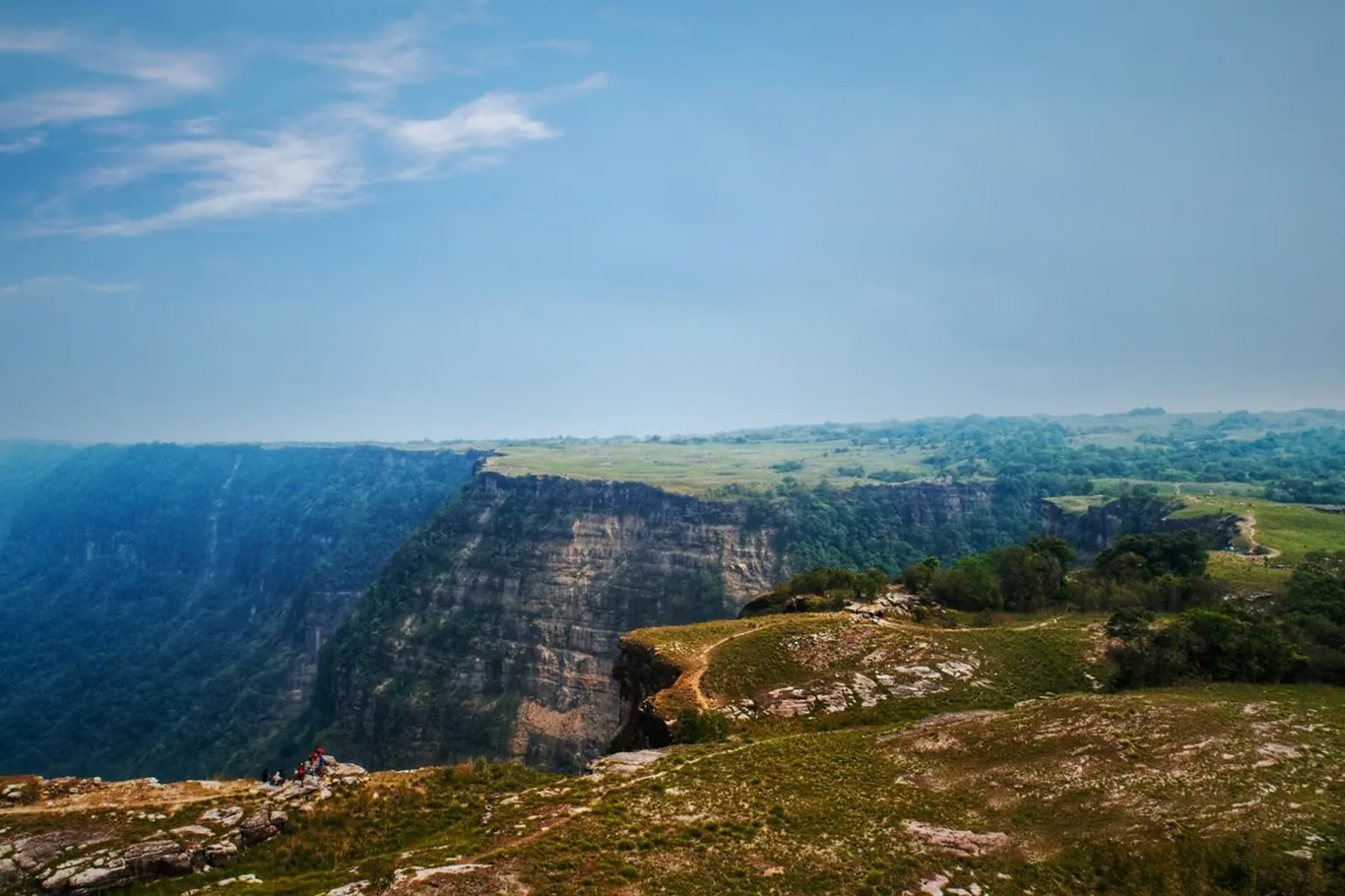
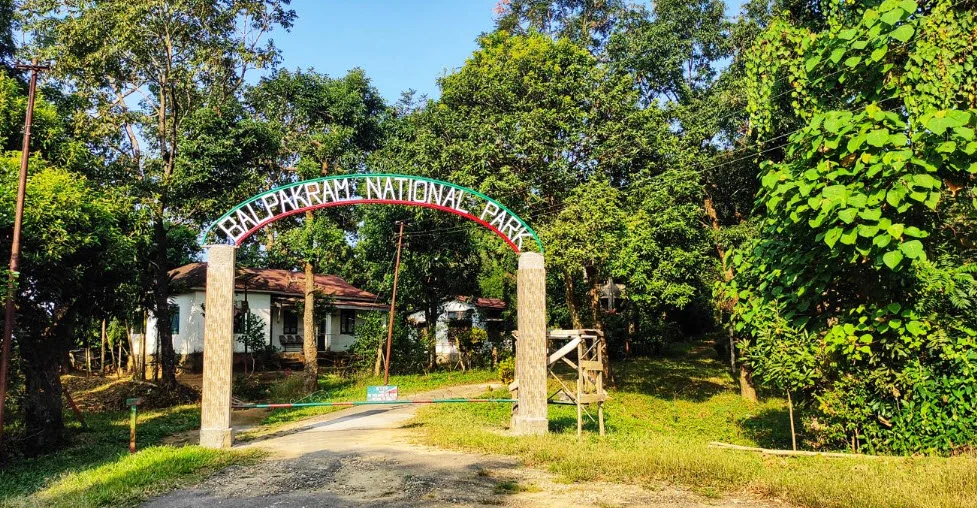
+Balpakram National Park is one of the strongest reasons to travel to South Garo Hills. Official and local tourism references describe it as a landscape of deep gorges, forests, and biodiversity-rich terrain linked with Garo folklore. It is often called the “Land of Spirits” due to strong local belief traditions connected with the area.
+The route generally requires serious road-time commitment, so this is not a casual half-day excursion. Use it as a dedicated nature block with early departure and weather buffer.
+| Balpakram Factor | What to Expect | Planning Tip |
|---|---|---|
| Terrain | Remote, forested, gorge-led landscape | Use local driver familiar with routes |
| Wildlife value | Biodiversity-rich zone | Keep realistic wildlife sighting expectations |
| Cultural context | Strong Garo folklore significance | Travel with respectful local interpretation |
| Travel time | Long transfer from Tura side | Allocate full-day or overnight plan |
For readers already exploring this area, you can cross-reference Balpakram National Park Meghalaya.
+ +4. Tura Peak: Quick Nature + Viewpoint Session
+Tura Peak is one of the easiest high-value attractions near town for travelers who want panoramic views without committing to remote district travel. Meghalaya Tourism highlights the peak as a viewpoint with trekking potential and forest atmosphere close to Tura.
+On clear days, the visual range is strong, but weather can change quickly. Morning or early evening windows are usually best for cleaner views and better walk comfort.
+ +5. Siju Caves: Limestone Adventure Zone
+Siju (Siju Dobakkol/Bat Cave references in travel literature) is among the most known cave destinations in this region. It is popular for limestone formations, cave passages, and adventure appeal. Monsoon and post-rain conditions can make access and footing more complex, so route timing matters.
+Carry proper footwear, keep lighting support, and avoid forcing cave exploration in unsafe conditions. For many travelers, Siju is best experienced with local guidance and conservative movement.
+ +6. Nokrek National Park and Biosphere Region
+Nokrek is one of Meghalaya’s key ecological zones and is widely referenced as a biosphere region linked with rare flora-fauna significance. It is also known as a high point in the Garo Hills region and attracts travelers interested in biodiversity, forest trails, and low-crowd nature travel.
+Nokrek visits are best done with route awareness and realistic trail expectations. Weather, track condition, and daylight are the three key decision factors for a good experience.
+ +
+
+
+7. Rongbang Dare Waterfall and Scenic Stops
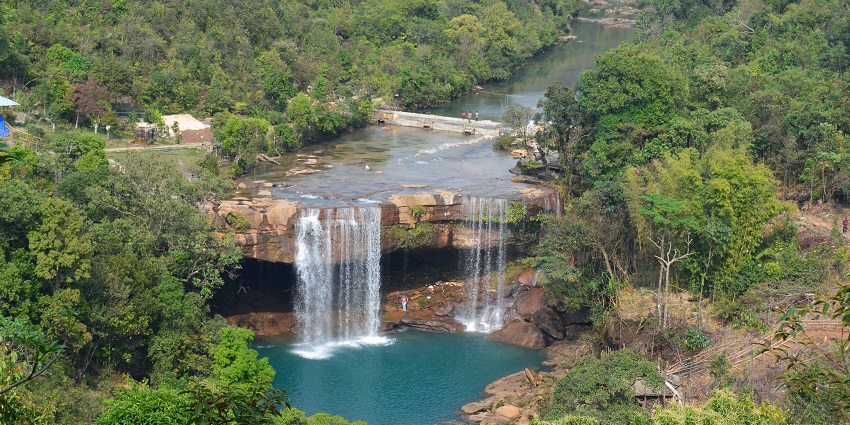
+Rongbang Dare is one of the most photogenic waterfall stops in Garo Hills, especially in wetter months when flow strengthens. It works well as a shorter scenic stop during Tura-side day loops. The area is popular for quick photography, nature pauses, and light picnic-style breaks.
+Like many hill waterfalls, surfaces can be slippery in rain windows. Keep footwear grip strong and avoid rushing down wet steps for close-angle shots.
+ +8. Tikrikilla, Domwani, and Village-Culture Routes
+Beyond headline attractions, Garo Hills becomes truly memorable through village and community interactions. Routes around Tikrikilla, Domwani-side references, and local settlement belts can offer cultural insight that urban travelers often miss. These are better suited to slow travel than speed sightseeing.
+Respect local customs, ask before photographing people, and prefer community-led services when available. Cultural sensitivity improves both safety and experience depth.
+ +9. 12 Best Places to Include in a Garo Hills Itinerary
+-
+
- Tura town core and local markets +
- Tura Peak +
- Nokrek region +
- Balpakram National Park +
- Siju Caves +
- Rongbang Dare Waterfall +
- Village-culture routes near Tura belt +
- Scenic roadside forest viewpoints +
- Local food-focused town sessions +
- Craft and market interactions +
- Festival-linked cultural events (season-dependent) +
- Low-crowd nature loops for photography +
This list is designed for planning flexibility and can be adapted by season, weather, and transport availability.
+ +10. How to Reach Garo Hills
+Most travelers approach Garo Hills through Guwahati-linked transport and then move by road toward Tura. District administration sources for West Garo Hills list Guwahati as a primary air/rail access anchor and provide route-distance references for onward travel.
+Practical Access Pattern
+-
+
- Reach Guwahati by air/rail. +
- Continue by road/shared vehicle toward Tura. +
- Use Tura as base for district-level circuits. +
Because road time can be long, avoid stacking same-day remote excursions immediately after arrival.
+ +11. Best Time to Visit Garo Hills
+October to March is generally preferred for easier weather and clearer route planning. Monsoon months give lush scenery but can introduce road uncertainty and slower movement. Wildlife and waterfall-focused travelers may still enjoy shoulder rain periods with caution.
+| Season | Travel Character | Who It Suits |
|---|---|---|
| Oct-Mar | Pleasant and route-friendly | Most first-time visitors |
| Apr-Jun | Warmer with green transition | Nature-focused travelers |
| Monsoon | Lush but road-variable | Flexible offbeat travelers |
For season comparison, see best time to visit Meghalaya and Meghalaya in monsoon.
+ +12. Safety, Permits, and Solo Travel Notes
+Garo Hills travel is generally manageable when planned with route realism and daylight movement discipline. Solo travelers, including women, can travel here with the same core practices used in other offbeat hill regions: verified stays, trusted local transport, and clear arrival messaging.
+-
+
- Start long drives early and avoid night road pushes. +
- Check road status daily in rain-prone periods. +
- Carry offline maps and basic medical supplies. +
- Use local guidance for remote nature routes. +
- Respect cultural norms in villages and festivals. +
Permit expectations can vary by traveler category; verify latest requirements through official state channels before departure.
+ +13. Suggested 5-Day Garo Hills Itinerary
+-
+
- Day 1: Arrival and Tura base setup. +
- Day 2: Tura Peak + local cultural and food exploration. +
- Day 3: Nokrek-side day with flexible return. +
- Day 4: Siju/Rongbang Dare circuit (weather-permitting). +
- Day 5: Balpakram day block or buffer/return day. +
If you are extending Northeast plans beyond Meghalaya, this things to do in Aizawl guide helps build a wider regional route.
+ + +
+
+
+14. Final Takeaway
+Garo Hills is one of Meghalaya’s most rewarding offbeat regions for travelers who want forested landscapes, tribal culture, and low-crowd exploration. The key is to pace well: use Tura as base, avoid rushed long routes, and keep a weather-aware plan for remote attractions.
+With a flexible itinerary and respectful cultural approach, Garo Hills can become a standout Northeast journey rather than just an add-on destination.
15. Season-by-Season Planning for Garo Hills
Garo Hills can be visited year-round, but each season changes route behavior and activity quality. Dry months are better for long district circuits and easier cave or park access. Rain months are greener and dramatic but demand slower schedules and stronger contingency planning. If your priority is comfort and predictability, choose the drier season. If your priority is atmosphere and low-crowd nature, shoulder monsoon windows can work with caution.
| Season Window | Travel Character | Best For |
|---|---|---|
| Oct-Mar | Pleasant weather, easier movement | First-time visitors and family routes |
| Apr-Jun | Green transition and warm days | Nature-focused slow travel |
| Monsoon | Lush landscapes, variable roads | Flexible offbeat travelers |
16. Cultural Etiquette and Responsible Travel in Garo Hills
Garo Hills is not just a nature destination; it is a living cultural region. Respect for local customs matters as much as route planning. Ask before taking portraits, dress appropriately in community spaces, and avoid loud behavior in village areas. Buying local products and using local guides where possible helps keep tourism benefits within the community.
- Request permission before photographing people or homes.
- Avoid littering in forest and cave zones.
- Support local food spots and homestay providers.
- Follow local guidance in culturally sensitive areas.
17. Route Contingency Strategy for Remote Circuits
Remote circuits like Balpakram or Siju-linked routes should always include backup planning. Keep one extra half-day buffer between major district transfers and avoid planning hard deadlines after long drives. If weather or road conditions worsen, switch to Tura-based cultural and market exploration rather than forcing risky movement.
A practical rule is: one major excursion per day, with a local fallback option pre-selected. This simple structure protects safety while keeping your itinerary productive.
Location
Frequently Asked Questions
Q1.How do I reach Garo Hills from Guwahati?
Q2.How many days are enough for Garo Hills?
Q3.What is the best time to visit Garo Hills?
Q4.Is Balpakram National Park worth visiting?
Q5.Do we need permits for Garo Hills travel?
Q6.Is Tura safe for tourists?
Q7.Are there good hotels in Tura?
Q8.Is Garo Hills safe for solo female travelers?
Recommended For You
How to Reach Meghalaya: Flight, Train, Road & Entry Points
Complete guide on how to reach Meghalaya by flight, train & road. Routes from Guwahati, Kolkata, Delhi with timings, distances & travel tips.
Meghalaya: Complete Travel Plan Places And Weather
Complete Meghalaya travel guide featuring living root bridges, Cherrapunji, Shillong, Dawki, caves, waterfalls & practical tips.
Balpakram National Park Meghalaya: Wildlife Planner
Plan Balpakram National Park Meghalaya with practical wildlife, route, and season guidance for responsible offbeat travel.
Never Miss an Adventure
Get the latest trekking guides, travel tips, and exclusive offers delivered straight to your inbox.
