
Offbeat Places in Kolar: Hidden Gems & Unexplored Spots

Rohan Malhotra
February 18, 2026
Explore lesser-known places in Kolar with this detailed offbeat guide covering hidden temples, quiet heritage sites, natural spots, and local culture.
Introduction: Kolar Beyond the Usual Tourist Circuit
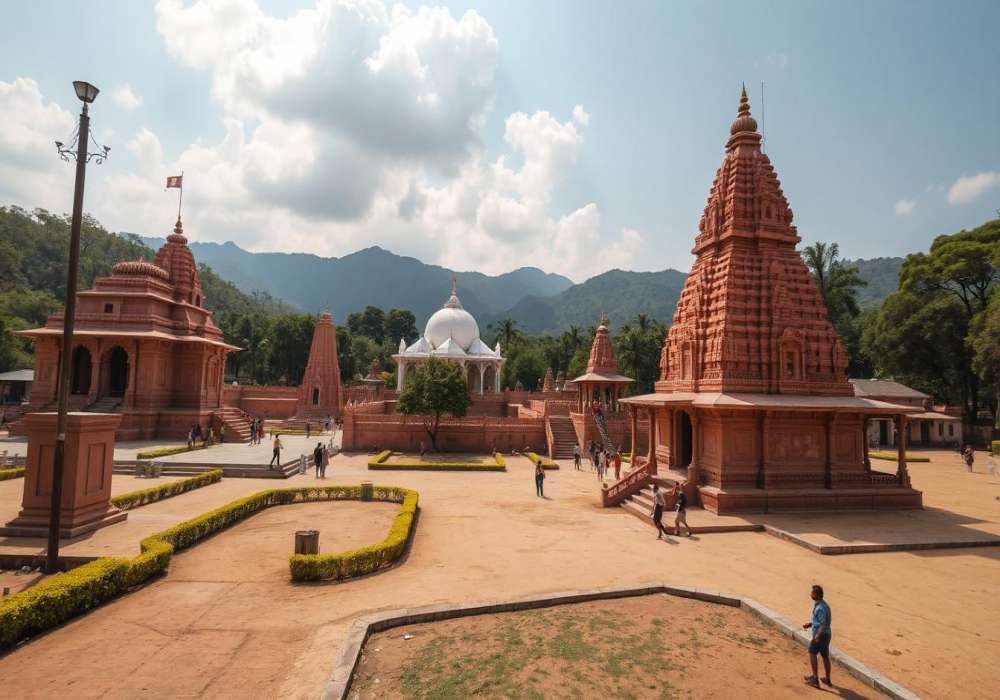
Most weekend travelers know Kolar for one or two headline attractions, but the district has a much wider cultural landscape than standard day-trip lists suggest. If you are searching for offbeat places in Kolar, the right approach is to move beyond crowded, checklist-style stops and explore temple villages, forgotten heritage pockets, hill viewpoints, and quieter cultural corridors. Kolar works best for travelers who enjoy slow discovery rather than high-speed sightseeing.
Its location near Bengaluru makes it practical for short getaways, but the experience feels very different from urban tourism. You find stone architecture, local devotional traditions, old market rhythms, and unexpectedly scenic stretches that are often missed by first-time visitors. This guide maps Kolar's hidden gems by type so you can build a practical offbeat itinerary.
Top Offbeat Places in Kolar You Should Prioritize
Instead of rushing through ten locations in one day, choose 3-4 places based on interest: architecture, spirituality, nature, or village culture. A curated route gives better recall and less fatigue.
| Place Type | What Makes It Offbeat | Best For |
|---|---|---|
| Ancient temple clusters | Historic design and lower crowd pressure | Culture and architecture travelers |
| Rural heritage pockets | Old settlement patterns and local rituals | Photographers and history enthusiasts |
| Hill and viewpoint zones | Quiet panoramas and walking opportunities | Nature and short-hike visitors |
| Village routes | Traditional food, crafts, and local interaction | Slow-travel explorers |
Some routes can be combined with known local references from places to visit in Kolar, but offbeat travel is most rewarding when you keep one half-day block flexible.
Hidden Temples and Spiritual Heritage
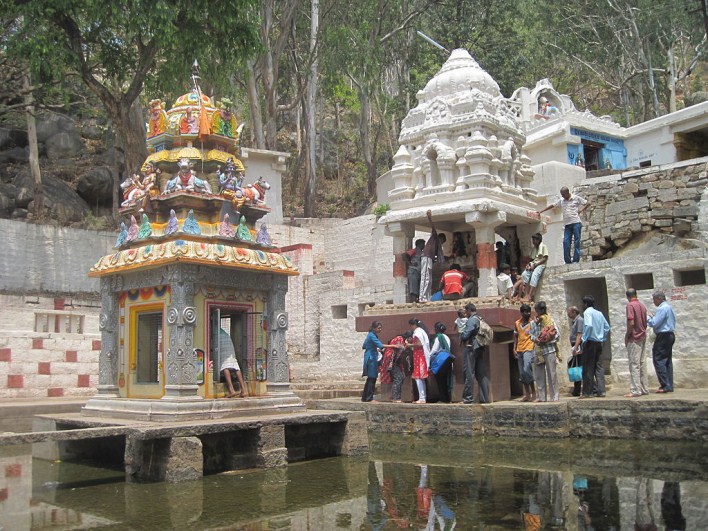
Kolar's offbeat identity is strongly linked with temple heritage. Several spiritual sites remain overshadowed by more famous circuits, but they offer richer atmosphere, better architectural detail visibility, and quieter temple-town context.
- Smaller shrines with active local rituals
- Stone carvings and mandapa structures with regional motifs
- Village-linked temple festivals that reveal living traditions
- Lower commercial pressure than mainstream pilgrimage hubs
If spiritual heritage is your focus, pair this route with temples in Kolar. Visit respectfully, follow dress norms, and avoid photography in restricted sanctum areas.
Unexplored Heritage Sites and Cultural Layers
Kolar's history includes pre-modern dynastic influence, trade-route relevance, and colonial-era transformations. Yet many heritage fragments remain undocumented in mainstream travel content. This is where offbeat exploration becomes meaningful: old gateways, weathered inscriptions, lesser-known structural remains, and oral history linked to place memory.
When visiting these locations, carry realistic expectations. Some sites are not ticketed monuments with polished infrastructure. Their value lies in authenticity, not presentation. For deeper context, combine your route with references from historical places in Kolar.
- Plan daylight visits for safety and visibility.
- Use local guidance for hard-to-spot locations.
- Avoid littering or climbing fragile structures.
- Treat inscriptions and old stonework as protected heritage.
Natural Spots, Hills, and Quiet Landscape Stops
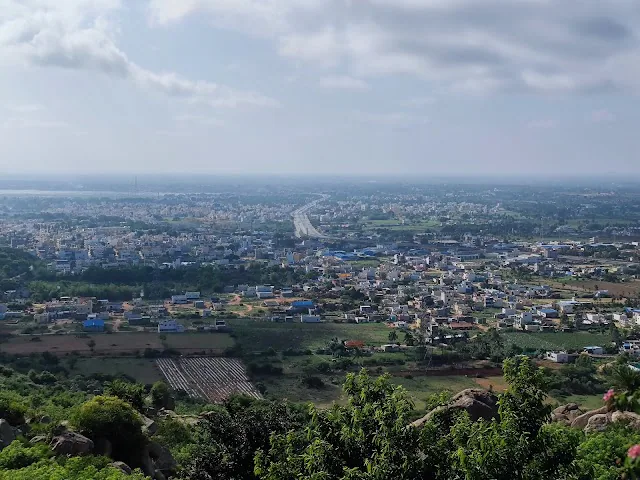
Offbeat Kolar is not only temples and history; it also includes gentle hill stretches, viewpoint pockets, and open landscape routes that feel refreshing for short escapes. These spots are ideal for sunrise and golden-hour photography.
Compared with crowded hill circuits in Karnataka, Kolar's nature pockets are calmer and easier to explore in short durations. They suit travelers who want low-effort scenic experiences without long trekking commitment.
| Nature Experience | Best Time | Practical Tip |
|---|---|---|
| Viewpoint drives | Early morning | Start before heat build-up |
| Short hill walks | Sunrise / late afternoon | Carry water and basic grip footwear |
| Rural landscape photography | Golden hour | Respect private land boundaries |
Offbeat Villages and Local Culture Experiences
Village circuits around Kolar add depth to any offbeat route. You get to see seasonal agriculture patterns, local temple life, small markets, and food habits that never appear in quick tourism summaries. This is where Kolar feels most authentic.
Keep your interaction respectful: ask before photographing people, support local shops, and avoid intrusive behavior. If you are combining food and culture, a cafe stop from cafes in Kolar can break up longer route blocks.
Best Time to Visit Offbeat Kolar
Kolar can be visited year-round, but experience quality changes with season and heat. Cooler months generally offer better comfort for multi-stop exploration.
- October to February: Best for heritage walks and village exploration
- March to May: Start early; afternoons can be hot
- Monsoon period: Landscapes are greener, but road conditions vary in interior pockets
For offbeat itineraries, begin early, keep buffer time between locations, and avoid overloading schedules.
How to Plan a One-Day Offbeat Kolar Circuit
A practical one-day format:
- Morning: one hidden temple + one heritage site
- Lunch: local town stop
- Afternoon: village or nature viewpoint
- Evening: relaxed return with optional cafe break
This gives breadth without rush and keeps energy stable across the day.
Final Take
Offbeat places in Kolar are ideal for travelers who enjoy culture, silence, and slower discovery. The district's hidden value lies in layered heritage and lived local tradition, not in flashy tourist infrastructure. Plan with curiosity, travel respectfully, and leave room for unexpected finds.
Deeper Heritage Exploration in Kolar District
Travelers who allocate extra time in Kolar often discover that the district is best read as a layered cultural landscape instead of isolated spots. Ancient sacred geographies, trade-linked settlement clusters, and local oral memory create a dense heritage map that is difficult to understand in one rushed circuit. If your purpose is real discovery, use local conversations as part of your itinerary: ask shopkeepers, temple caretakers, and residents about lesser-known stories attached to each place. You will often hear references to shrines, ruined mandapas, or seasonal ritual points that do not appear on mainstream map pins.
Another useful approach is theme-based exploration. For example, dedicate one half-day only to temple architecture details: pillars, iconography, inscriptions, and stone weathering patterns. Keep another half-day for rural settlement walks and food stops. This structured approach gives better documentation and memory than a broad but shallow list. Offbeat travel in Kolar rewards patience, repetition, and listening more than rapid movement.
Logistics, Safety, and Route Planning
Since several offbeat places sit away from high-traffic roads, transport planning is critical. Self-drive works well for flexibility, but first-time visitors should keep navigation backup and avoid over-reliance on one app route in interior stretches. Mobile coverage can vary in some pockets. Daylight exploration is strongly recommended for all lesser-known sites, especially if you are traveling solo or in small groups.
- Start early to avoid heat and maintain routing buffer.
- Carry enough water and light snacks for interior areas.
- Use offline maps and mark key refuel points.
- Avoid entering private farmland without permission.
- Respect religious boundaries in village temples.
Local guidance can significantly improve both safety and quality. A driver familiar with district roads or a local contact from Kolar town often helps you save time and avoid dead-end diversions. Keep your plan adaptable and leave one open slot for unexpected discoveries.
Photography, Culture, and Responsible Travel
Offbeat locations are fragile because they are not always protected by high-visibility tourism systems. Responsible travel in Kolar means documenting without damaging. Avoid climbing old structures for photos, do not scratch names on stone, and do not move devotional objects for framing. Ask before photographing people during rituals or village ceremonies.
If you are sharing your route publicly, consider avoiding exact geo-tagging for extremely sensitive locations where unmanaged traffic may cause harm. Promote local businesses respectfully by eating local, buying local products, and acknowledging community hospitality. This is how offbeat travel remains sustainable and meaningful.
Suggested 2-Day Offbeat Kolar Itinerary
Day 1: Start with a hidden temple zone and one heritage architecture site. Break for lunch in town, then visit a village corridor and close at a hill viewpoint for sunset. Day 2: Focus on deeper cultural immersion: secondary temple clusters, local market interactions, and short photography walks. Keep evening time for reflection and route notes.
This two-day format is ideal for travelers who want context, not just photos. It keeps fatigue controlled and lets you absorb Kolar's slower rhythm. For weekend travelers from Bengaluru, this is one of the most balanced offbeat plans in South Karnataka.
Weekend Planning Notes for Bengaluru Travelers
For weekend travelers coming from Bengaluru, the biggest mistake is leaving too late and trying to cover too many offbeat points in peak heat. Start early, keep one anchor cluster in the morning, and reserve the second half for flexible discovery. If a location feels crowded, move to a nearby rural route instead of waiting. Offbeat travel works best when you allow improvisation.
Food and rest planning also matter. Keep one fixed lunch stop, avoid skipping hydration, and do not push remote routes after sunset. With these basics, Kolar becomes a reliable short offbeat escape that can be repeated with different micro-routes every season.
Repeat visits reveal new routes in Kolar because village festivals, seasonal farming cycles, and local temple calendars continuously change the on-ground experience. Treat each visit as a fresh exploration, not a fixed checklist.
Carry this mindset for better offbeat discovery: less speed, more context.
Location
Frequently Asked Questions
Q1.What are the best offbeat places in Kolar?
Q2.Are there hidden temples in Kolar district?
Q3.Where can I find less crowded spots in Kolar?
Q4.What unexplored heritage sites are in Kolar?
Q5.Can I find natural offbeat spots in Kolar?
Q6.Are offbeat villages in Kolar worth visiting?
Q7.How do I reach offbeat places in Kolar?
Q8.Is it safe to explore unexplored areas in Kolar?
Recommended For You
Offbeat Places Rishikesh: Hidden Gems & Unexplored Spots
Discover offbeat places in Rishikesh! Hidden gems, secret beaches, unexplored cafes & serene spots away from crowds in Uttarakhand.
Best Cafes in Kolar: Top Picks
Discover the best cafes in Kolar! From traditional South Indian filter coffee to modern coffee shops, budget-friendly options to study-friendly spaces. Complete guide with locations, prices, and authentic local favorites.
Historical Places in India: Top 50 Heritage Sites
Plan historical places in India with region-wise strategy, realistic daily circuits, and practical heritage travel tips.
Never Miss an Adventure
Get the latest trekking guides, travel tips, and exclusive offers delivered straight to your inbox.
