
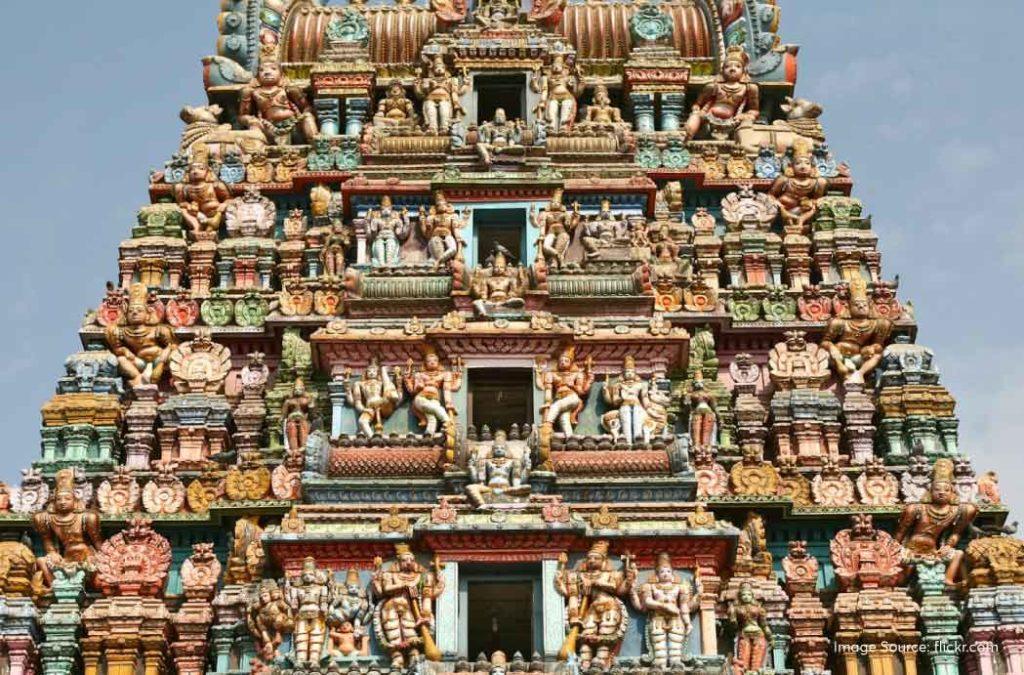
Historical Places in Kolar: Gold-Era Landmarks, Temples & Heritage Trails
Rohit Verma
February 20, 2026
Explore historical places in Kolar with KGF context, temple heritage planning, and practical one-day route tips from Bengaluru.
Historical Places in Kolar: Gold Legacy and Heritage Circuit Guide
Kolar is often remembered for Kolar Gold Fields, but the district offers much more than mining history. It combines temple architecture, colonial-era remnants, hill-cave environments, and myth-linked heritage points that make it one of the most interesting short cultural circuits from Bengaluru. For travelers who want a one- or two-day heritage plan, Kolar is practical, compact, and rewarding.
A strong starting framework includes places to visit in Kolar, local alternatives from offbeat places Kolar, and activity balance through things to do in Kolar. This keeps the itinerary realistic and avoids one-theme repetition.
Kolar Gold Fields: Why It Still Matters
Kolar Gold Fields remains central to the district’s identity because it represents one of India’s most important mining legacies. Even though active extraction has ended, the region still carries visible traces of industrial history, settlement patterns, and colonial-era influence. For heritage travelers, KGF is best approached as an interpretation site rather than a conventional tourist monument.
Keep expectations accurate: the value here is historical narrative and urban memory, not polished monument infrastructure.
Someshwara and Kolaramma Heritage Context
Kolar’s temple heritage reflects long dynastic layers, with structures and stylistic details linked to medieval and later regional traditions. Someshwara and Kolaramma references are important because they represent continuity of worship and architecture in the district’s cultural core. These sites help balance the industrial narrative of KGF with spiritual and artistic heritage.
| Heritage Theme | What You Learn | Visitor Tip |
|---|---|---|
| Mining Legacy | Industrial history and regional economy | Visit with timeline context |
| Temple Architecture | Dynastic continuity and ritual culture | Observe carvings in soft daylight |
| Myth-linked Sites | Local identity and oral tradition | Keep a slower interpretive pace |
This mix is what makes Kolar a high-value heritage district.

Antaragange and Avani: History Meets Landscape
Antaragange adds geological and trekking character to a heritage itinerary, while Avani contributes mythological significance linked to classical narratives. These places are useful for travelers who prefer variety across built heritage and natural heritage. However, route design is important because adding too many hill or cave blocks in one day can reduce comfort.
A practical approach is one temple block plus one landscape-heritage block per day. This maintains energy and gives enough time for interpretation.
Best Time to Visit Kolar Heritage Sites
Kolar can be visited year-round, but seasonal comfort affects how many places you can cover meaningfully. Cooler months support longer temple and walking sessions, while hotter periods require early starts and midday rest planning. Monsoon can improve scenery around cave and hill zones but may require extra movement caution.
- Winter and pleasant months: best for full-day heritage circuits.
- Summer: start early and reduce midday outdoor exposure.
- Monsoon: scenic but check road and path conditions.
- Weekends: start early to avoid local rush windows.
Season-aware planning improves both safety and itinerary quality.
How to Reach and Build a One-Day Plan from Bengaluru
Kolar is accessible by road from Bengaluru and works well as a short cultural trip if departure is early and route sequence is clear. The most common mistake is adding too many distant stops with no buffer. A better pattern is three focused stops and one optional add-on.
If you are planning from Bengaluru, supportive context from places to visit near Bangalore and amusement parks in Bangalore can help compare trip styles for different groups.
Food, Rest, and Practical Execution
Compact district trips perform best when meal and rest points are pre-decided. Unplanned breaks often cause schedule drift and reduce site time. Use local stop references such as cafes in Kolar for controlled breaks between temple and heritage segments.
Carry hydration, sun protection, and comfortable footwear. Small preparation steps matter on mixed terrain routes.
Common Mistakes and Better Alternatives
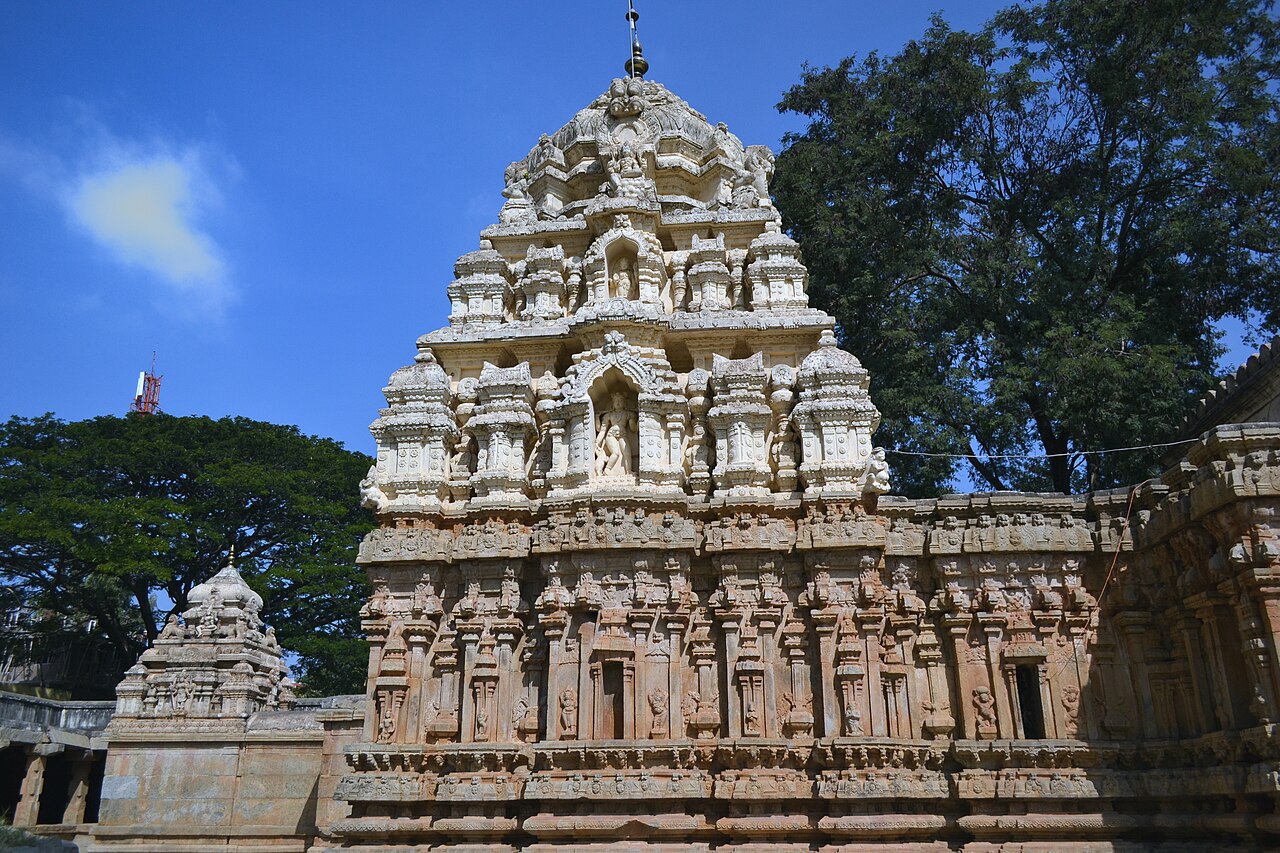
Common mistakes include expecting polished museum-style infrastructure at every site, overloading one day with too many stops, and ignoring weather windows for cave and hill movement. Better alternatives are objective-based planning, moderate stop count, and one flexible backup in case of delays.
Depth-first exploration is more effective in Kolar than checklist travel, especially for first-time visitors.
Sample One-Day Kolar Heritage Plan
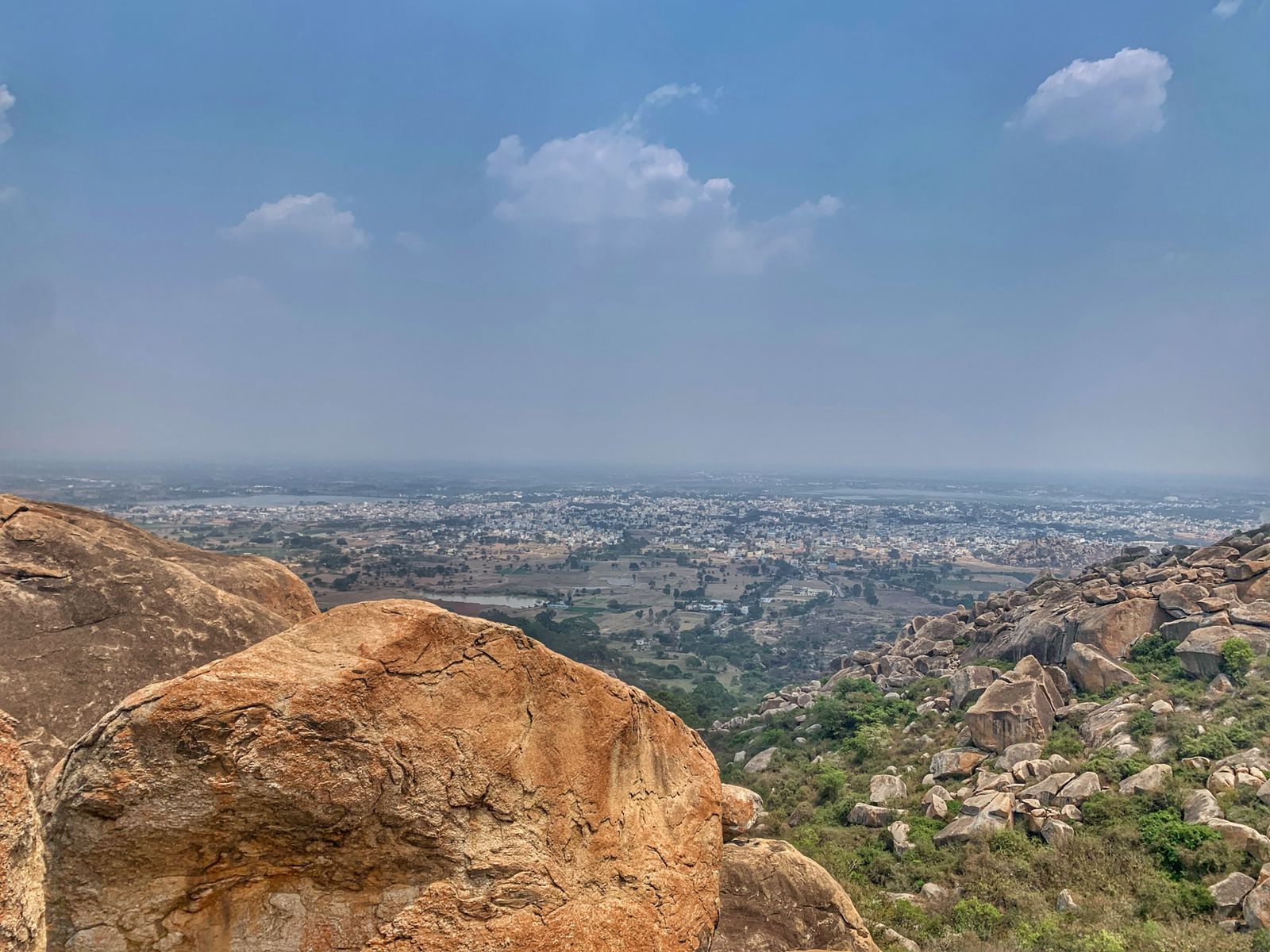
A practical one-day route can start with a temple block, continue to KGF-context exploration, and close with a landscape-linked stop like Antaragange if time and weather allow. Keep meal and fuel breaks pre-planned so major site windows are not lost to ad-hoc decisions. This structure works well for both private vehicles and small group travel.
If your group includes mixed age ranges, reduce the total stop count and prioritize accessibility. A shorter, high-quality circuit usually produces better outcomes than a long, fatigue-heavy route.
Cultural Respect and Site Conduct in Kolar
Kolar’s heritage includes active worship spaces and community-linked historical zones. Dress modestly where needed, avoid disruptive photography in sensitive areas, and follow local signage. Responsible behavior improves local trust and keeps heritage access sustainable.
Simple habits like carrying back waste, keeping footwear etiquette in mind, and maintaining calm group movement contribute directly to better on-ground experiences.
Extending the Trip Beyond One Day
If you have extra time, split the itinerary into thematic days: day one for mining and urban history, day two for temple and cave-linked heritage. This reduces rush and improves interpretive quality. You can also compare with nearby region planning using places to visit Karnataka for broader continuity.
With this phased approach, Kolar becomes more than a quick day trip and starts to feel like a complete heritage destination.
Closing Tip for Day-Trip Travelers
Leave a fixed return buffer when traveling back to Bengaluru. This keeps the trip stress-free and avoids rushing through the final heritage stop.
Final Checklist for Kolar Trips
Start early, keep route buffers, and avoid stacking too many temple and hill stops in one block. A focused plan gives better heritage interpretation and a more comfortable return journey.
Conclusion
Historical places in Kolar offer a strong blend of mining legacy, temple heritage, and landscape-linked cultural sites. Plan with route discipline, seasonal awareness, and realistic stop counts. With this approach, Kolar becomes one of the most practical and rewarding heritage circuits near Bengaluru.
Location
Frequently Asked Questions
Q1.Can we visit Kolar Gold Fields (KGF)?
Q2.What is the history of Someshwara Temple?
Q3.Is Antaragange good for trekking?
Q4.Why is Avani called the 'Gaya of the South'?
Q5.How far is Kolar from Bangalore?
Recommended For You
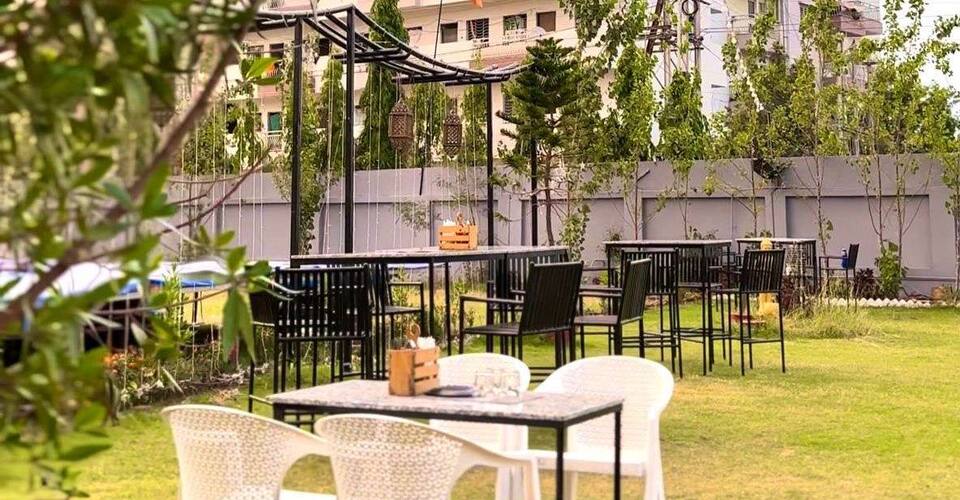
Best Cafes in Kolar: Top Picks
Discover the best cafes in Kolar! From traditional South Indian filter coffee to modern coffee shops, budget-friendly options to study-friendly spaces. Complete guide with locations, prices, and authentic local favorites.
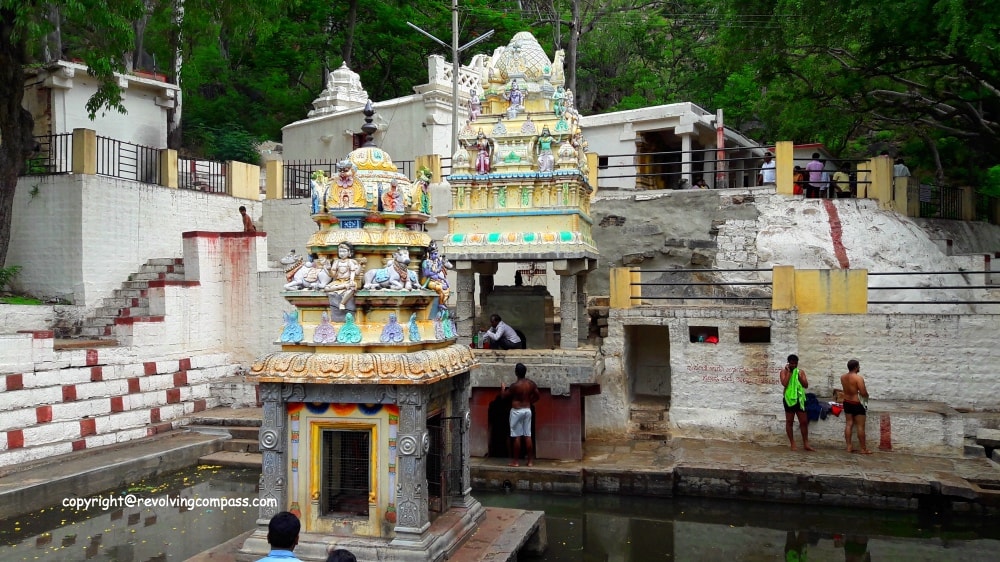
Places to Visit in Kolar: Temples, Hills & Heritage Sites
Explore places to visit in Kolar with temple heritage, Antharagange caves, Kotilingeshwara, Avani, and practical one-day or two-day itinerary planning.
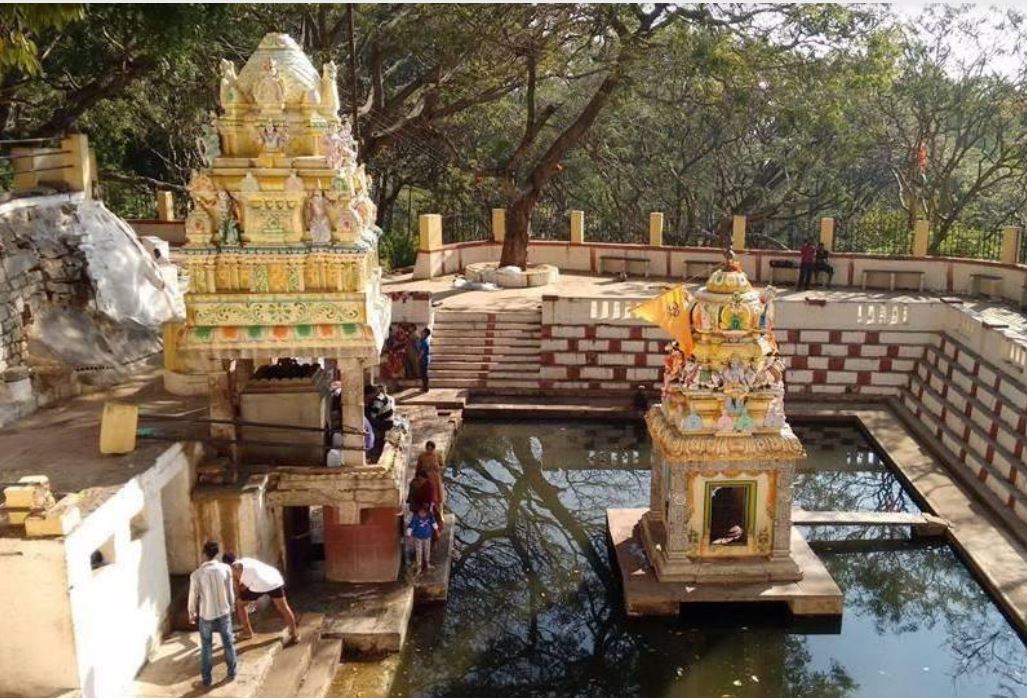
Temples in Kolar: Karnataka's Golden Temple Heritage
Explore sacred temples in Kolar district. Discover Kolaramma, Avani Ramayana temples, Kurudumale Ganesha with travel guide.
Never Miss an Adventure
Get the latest trekking guides, travel tips, and exclusive offers delivered straight to your inbox.
