
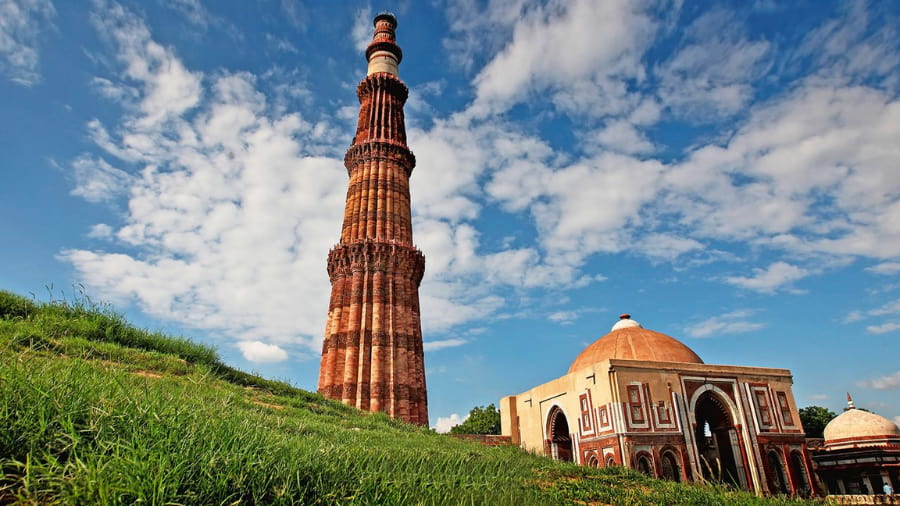
Historical Places in India: Top 50 Heritage Sites

Rohan Malhotra
February 20, 2026
Plan historical places in India with region-wise strategy, realistic daily circuits, and practical heritage travel tips.
Historical Places in India: Practical Heritage Travel Guide
India’s heritage landscape is vast, layered, and regionally diverse. From ancient temple complexes and medieval forts to Mughal-era monuments and colonial-era civic structures, the country offers one of the richest historical travel ecosystems in the world. The challenge for travelers is not finding places; it is planning them in a meaningful and realistic way.
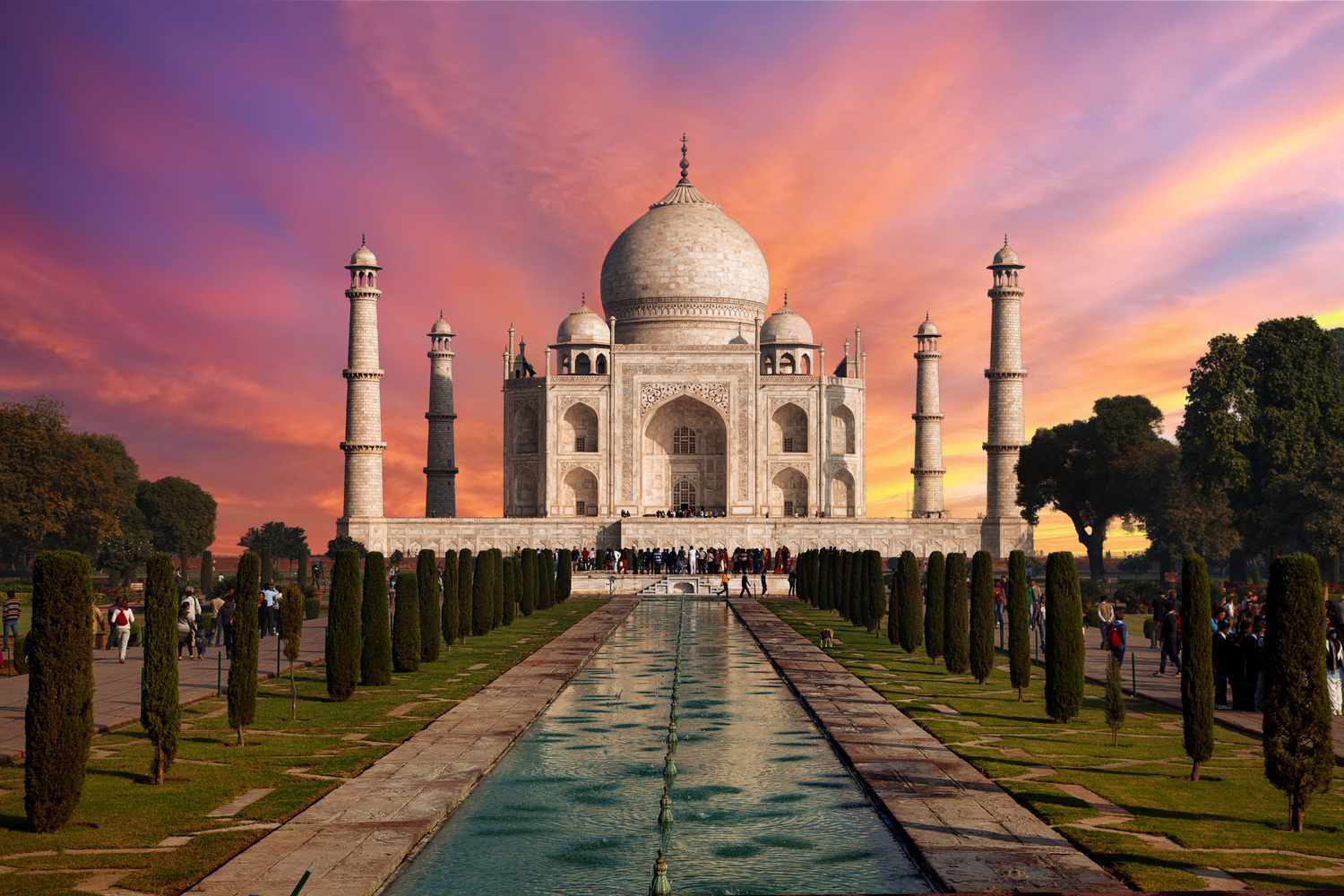
This guide focuses on practical heritage exploration rather than huge unchecked lists. If you are planning by region, start with anchors such as Taj Mahal Agra, Qutub Minar, and Konark Sun Temple, then build supporting stops around each anchor.
How to Classify Historical Places in India
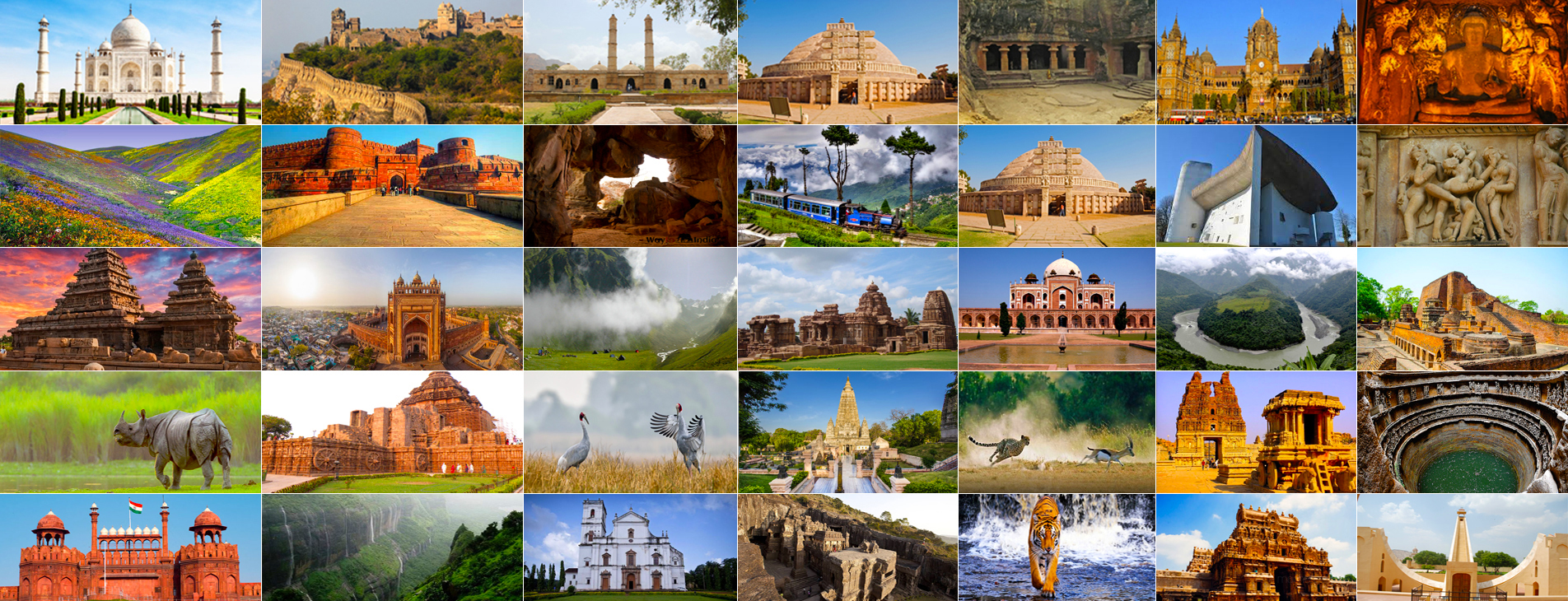
A practical way to plan is to classify heritage sites by type, not by popularity alone. Common categories include temple architecture, fort-and-palace systems, cave complexes, Islamic-era monuments, and colonial civic heritage. This helps you avoid repetitive itineraries and creates better learning progression across destinations.
For example, one trip can combine a Mughal monument, a temple-town site, and a cave complex. This gives stylistic contrast and prevents “same-looking monument fatigue.”
Top Heritage Regions and What They Offer
Different regions deliver different architectural identities. North India is strong in Mughal and Rajput complexes. South India is known for Dravidian temple scale and sculptural detail. Western circuits combine caves, forts, and coastal colonial heritage. Eastern and central belts add Buddhist, medieval, and mixed dynastic layers.
| Region | Heritage Strength | Planning Tip |
|---|---|---|
| North India | Mughal and Rajput monuments | Use Delhi-Agra-Jaipur style clustering |
| South India | Temple architecture and dynastic capitals | Allocate more time per site for detail reading |
| West/Central India | Caves, forts, and mixed-era complexes | Keep road-transfer buffers for multi-stop days |
Region-first planning saves time and improves historical continuity.
UNESCO and Non-UNESCO: How to Balance
UNESCO-tagged monuments are high-value, but non-UNESCO sites can be equally meaningful for regional context. A balanced plan should include one globally recognized landmark and one local historical site in each zone. This produces better perspective than traveling only between famous icons.
For cave architecture context, pair Ellora Caves with Ajanta and Ellora Caves references and a nearby city monument. Comparative viewing deepens interpretation.
Best Time to Visit Historical Places in India
Most monument-heavy circuits work best in cooler months when long walks and open-site observation are comfortable. Summer travel is possible with early starts and midday breaks. Monsoon can improve landscapes but may affect mobility in certain heritage zones.
- October to March: generally best for major multi-city circuits.
- Summer: prioritize early-entry slots and indoor museums.
- Monsoon: good for scenic settings, plan for weather buffers.
- Peak holidays: expect higher queues and schedule delays.
Season-aware planning is essential for itinerary quality.
How Many Sites to Cover Per Day
The most common mistake is overloading itineraries. For meaningful heritage travel, 2 to 3 major stops per day are usually enough. More than that often reduces interpretation time, increases transfer stress, and turns the day into a photo checklist.
A strong rule is one anchor site, one supporting site, and one optional stop. Keep this structure consistent across cities for better energy management.
Suggested Heritage Circuits for First-Time Travelers
If you are new to heritage travel, start with short thematic loops. A north loop can include Delhi and Agra plus Jaipur support through historical places Rajasthan. A city-focused loop can begin with historical places Delhi and expand only after you establish pace.
The goal is continuity, not count. Better circuits tell stories across sites instead of forcing unrelated stops.
On-Site Behavior and Heritage Responsibility
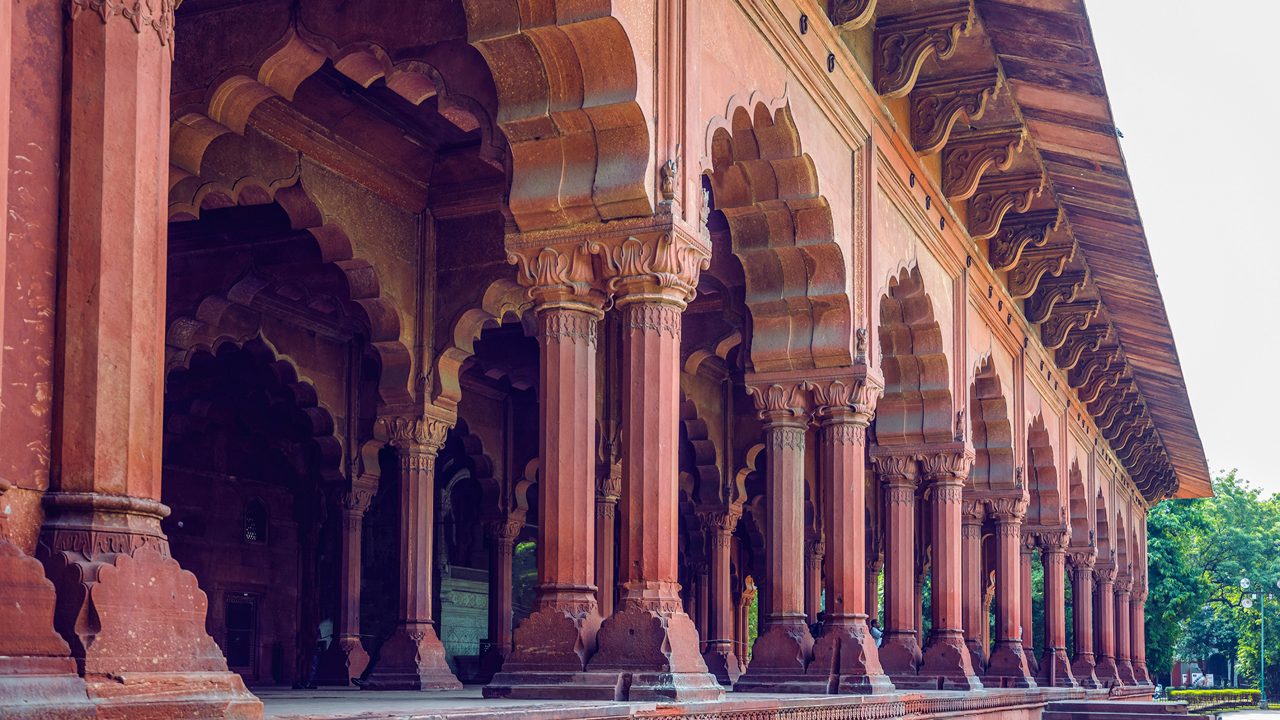
Responsible visitor behavior matters across all heritage locations. Avoid touching fragile surfaces, climbing restricted areas, and littering monument zones. Follow photography rules and maintain respectful conduct in active worship or memorial environments.
Carrying water, weather-ready clothing, and good footwear improves both safety and focus. Heritage appreciation depends on calm movement, not rushed navigation.
Practical Documentation and Learning Tips
To get more value, keep a short trip log with three notes per site: period, architectural feature, and one historical takeaway. This habit turns passive sightseeing into active learning. If traveling with children, assign one site each day for deeper storytelling and discussion.
With simple documentation habits, even short heritage trips become far more memorable.
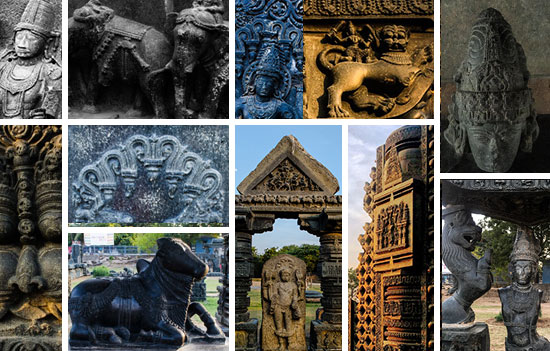
Building Thematic Heritage Trips Across India
Thematic travel is one of the most effective ways to explore historical places in India. Instead of choosing random famous names, select a theme for each trip: temple architecture, medieval forts, Buddhist circuits, Mughal monuments, or colonial civic spaces. Themes create learning continuity and reduce route confusion.
For example, a fort-focused theme can include regional comparisons of design and defense logic, while a temple-focused theme can compare ritual architecture across north and south styles. Thematic planning gives stronger insights even when travel time is limited.
Budget and Time Management for Heritage Travelers
Heritage trips often fail due to poor time budgeting, not due to lack of options. Keep a clear structure: one major ticketed site, one moderate site, and one optional evening stop. Reserve budget for local guides at selected monuments where interpretation adds major value.
Also keep a contingency buffer for queues, weather, and local events. This flexibility protects itinerary quality and prevents rushed decision-making at important heritage locations.
How to Make Heritage Travel More Meaningful
Before each stop, spend five minutes reading background context. After each stop, capture three notes: period, architectural feature, and one question. This small habit transforms sightseeing into active heritage learning. It is useful for families, students, and serious travelers alike.
With structure, India’s historical places become not only visually impressive but intellectually coherent and far more memorable.
Final Planning Checklist for India Heritage Trips
Keep one anchor site per day, one supporting site, and one optional stop. Maintain queue buffers, weather flexibility, and realistic transfer estimates for better heritage depth and lower travel stress.
Conclusion
Historical places in India are best explored through structure, not speed. Classify sites by type, cluster routes by region, and keep realistic daily stop counts. Combine famous monuments with local heritage layers, travel season-aware, and maintain responsible behavior on site. With that approach, India’s heritage circuits become coherent, educational, and deeply rewarding.
Location
Frequently Asked Questions
Q1.What are the most historical places in India?
Q2.How many UNESCO sites are in India?
Q3.Which state has the most historical monuments in India?
Q4.What is the oldest historical place in India?
Q5.How many days does it take to see India's top historical places?
Recommended For You
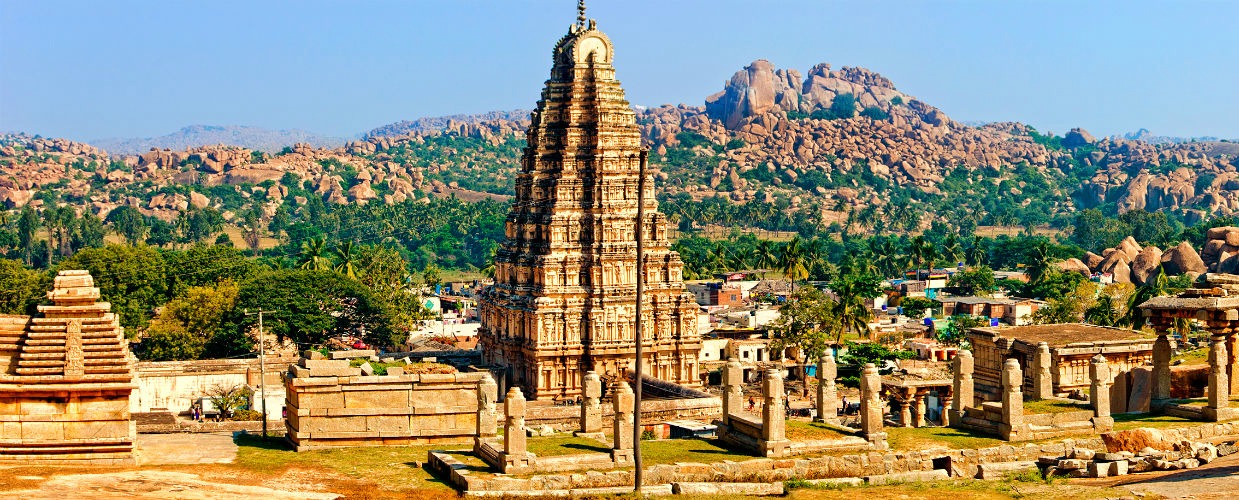
Hampi: Complete Travel Plan Temples And History
Complete Hampi travel guide featuring Vijayanagara ruins, Virupaksha Temple, Vittala Temple, Royal Enclosure, best time to visit & practical tips.
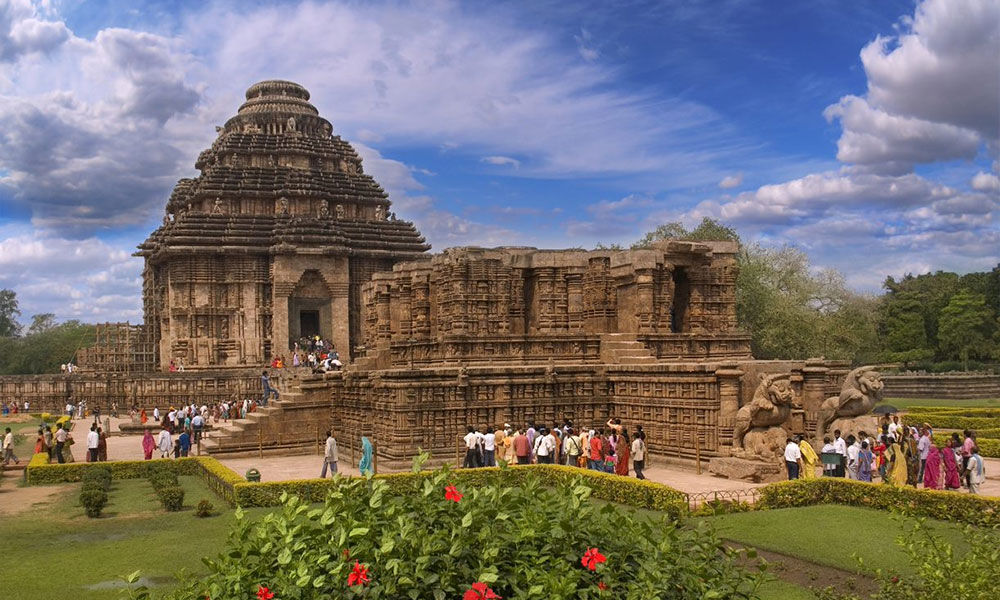
Konark Sun Temple Odisha: History, Timings & Visitor Tips
Visit Konark Sun Temple in Odisha - UNESCO World Heritage Site shaped like a chariot. Complete guide with timings, tickets, history & architecture.
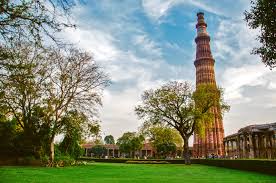
Qutub Minar Delhi: Complete Guide to UNESCO World Heritage Site
Explore Qutub Minar Delhi - tallest brick minaret & UNESCO site. Discover 800 years of Islamic architecture, the mysterious Iron Pillar & Delhi heritage.
Never Miss an Adventure
Get the latest trekking guides, travel tips, and exclusive offers delivered straight to your inbox.
