
Padmanabhaswamy Temple Trivandrum: Timings, Dress Code & Entry Rules

Rohit Verma
January 19, 2026
Complete Padmanabhaswamy Temple guide with history, architecture, treasures, dress code, and travel tips. Explore world's wealthiest temple in Trivandrum.
World's Wealthiest Temple
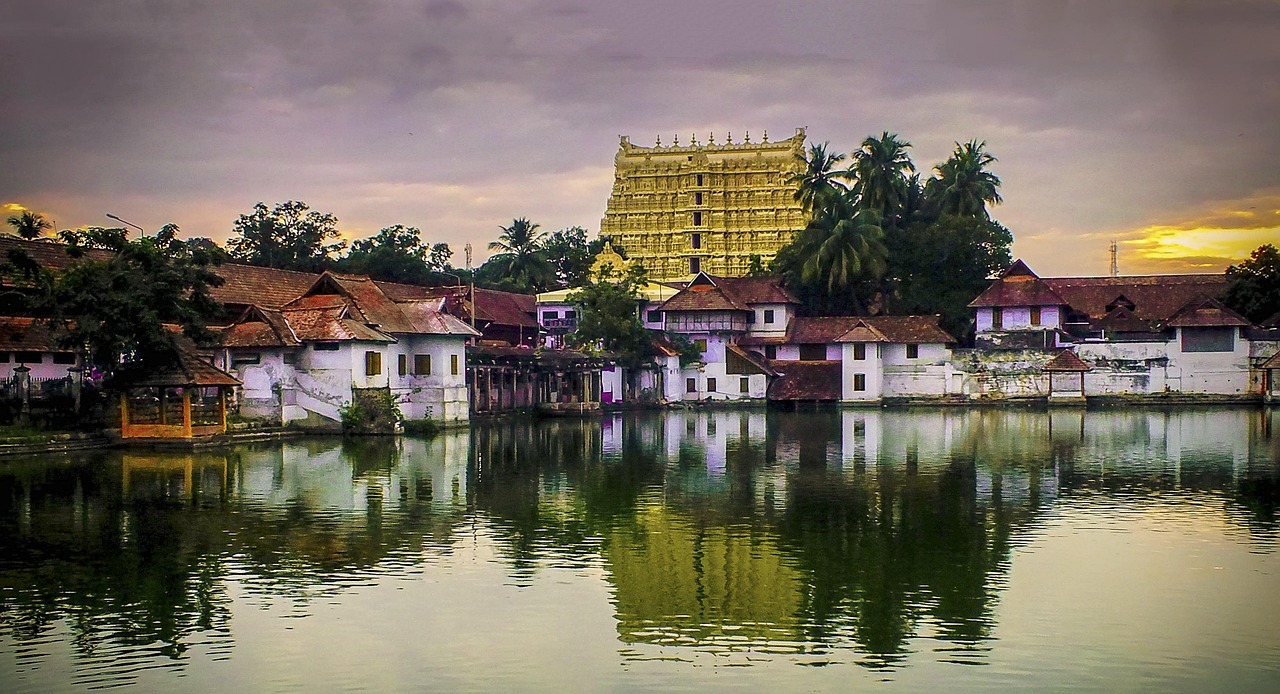
In the heart of Thiruvananthapuram (Trivandrum), the capital city of Kerala, stands the Sree Padmanabhaswamy Temple – one of Hinduism's most sacred and wealthiest shrines. Dedicated to Lord Vishnu as Padmanabhaswamy (one who rests on the serpent Ananta), this temple gained international attention in 2011 when its secret vaults were opened to reveal treasures worth over $20 billion, making it the wealthiest religious institution in the world.
But beyond the material wealth, this temple is a masterpiece of Dravidian-Kerala architecture, a living center of Vaishnavite worship that has continued unbroken for over 1,000 years, and one of the 108 Divya Desams (sacred Vishnu temples praised by the Alvar saints). The temple combines grandeur with spirituality, making it one of Kerala's most important pilgrimage destinations.
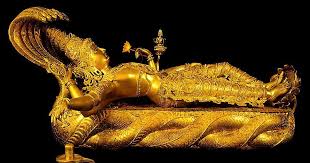
The presiding deity is Lord Vishnu in a unique reclining posture on the divine serpent Ananta (Adishesha). The 18-foot idol, carved from a single stone, is a masterpiece of South Indian sculpture and one of the most impressive Vishnu images in existence.
For spiritual seekers, the temple offers an atmosphere of deep devotion and tranquility. For art and architecture enthusiasts, it showcases the finest elements of Kerala temple design. And for cultural explorers, it provides insight into the royal traditions of Travancore, whose rulers dedicated themselves to this temple's service.
Ancient History and Royal Patronage
The temple's origins are traced to antiquity, with mentions in ancient texts like the Puranas. However, the temple as it stands today was primarily built and expanded by the Travancore royal family, who considered themselves Padmanabhaswamy's servants (Padmanabha Dasa).
In 1750, Marthanda Varma, the greatest Travancore ruler, dedicated his entire kingdom to Lord Padmanabhaswamy, declaring himself the deity's servant and ruling only as the deity's representative. This tradition continued until 1947 when Travancore merged with the Indian Union. This unique relationship between the royal family and the temple explains the accumulation of vast treasures over centuries.
The temple received endowments from various rulers over the centuries. The Travancore kings, being among the wealthiest in India, made generous donations of gold, jewels, and precious objects, which were stored in the temple's secret vaults.
Temple Architecture
The Seven-Tiered Gopuram
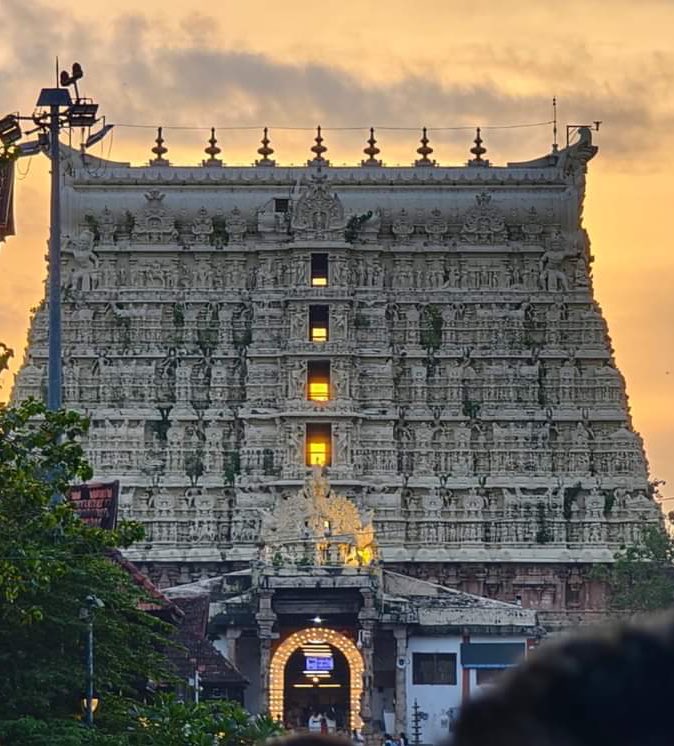
The temple's eastern entrance features a magnificent seven-tiered gopuram (temple tower) rising to about 30 meters. This tower, built in the Dravidian style, is covered with elaborate sculptures depicting various deities, celestial beings, and scenes from Hindu mythology.
The Sanctum and Main Deity
The main sanctum houses the magnificent reclining Vishnu image, approximately 18 feet long, carved from a single stone. Vishnu reclines on the serpent Ananta, whose five hoods spread protectively over the deity's head. The sculpture includes various attributes and associated deities arranged around the central figure.
The sanctum can only be viewed from three doors – each door reveals different aspects of the deity. Viewing through these doors in sequence is considered equivalent to seeing the complete deity.
Ottakkal Mandapam
The Ottakkal Mandapam (single stone hall) features impressive pillars and a beautiful ceiling, all carved from single stones. The craftsmanship represents the pinnacle of Kerala's stone-carving tradition.
Other Structures
- Kulasekhara Mandapam: Beautiful hall with carved pillars.
- Dhwaja Stambham: Flagstaff covered with gold.
- Bali Peetham: Altar for offerings.
- Corridors: Beautiful corridors with granite pillars.
The Temple Treasures
In 2011, following a Supreme Court order, the temple's six secret vaults (Kallaras) were opened and inventoried. What they found astonished the world:
- Gold ornaments: Including a golden coconut, golden sheaf, and golden statue of Vishnu.
- Jewelry: Necklaces, crowns, and other ornaments studded with diamonds, rubies, emeralds, and other precious stones.
- Ancient coins: From various periods including Roman and Napoleonic eras.
- Gold utensils: For temple rituals.
- Precious objects: Including a four-foot-high golden idol of Vishnu studded with diamonds.
The estimated value exceeds $20 billion, making it the wealthiest religious institution in the world. Most treasures remain in the temple vaults, with only some displayed on special occasions.
Worship and Rituals
Daily Pujas
The temple follows strict traditional worship protocols with multiple pujas daily. The most important is the Laksha Deepam (one lakh lamps) ceremony performed periodically.
Festivals
Alpashy Utsavam: November-December, the most important festival featuring the deity in ceremonial procession.
Painkuni Utsavam: March-April, another major festival with elaborate rituals.
Best Time to Visit
Winter (October to March)
October to March offers pleasant weather for temple visits and exploration.
Festival Seasons
Alpashy Utsavam (November-December) and Painkuni Utsavam (March-April) are ideal for experiencing temple festivals.
How to Reach
By Air
Trivandrum International Airport is very close to the temple, about 6 km away.
By Train
Trivandrum Central railway station is connected to major Indian cities.
By Road
The temple is in the heart of Trivandrum city, easily accessible by road.
Practical Tips
Dress Code
- Men: Only traditional attire (dhoti) without upper clothing.
- Women: Saree or traditional dress.
Temple Rules
- Strict dress code is enforced.
- Photography: Prohibited inside temple.
- Mobile phones: Not allowed inside.
Conclusion
The Padmanabhaswamy Temple stands as one of India's most sacred and architecturally magnificent shrines. Combine your visit with other Kerala temples.
Location
Frequently Asked Questions
Q1.What is Padmanabhaswamy Temple famous for?
Q2.What is the dress code for Padmanabhaswamy Temple?
Q3.Can non-Hindus visit Padmanabhaswamy Temple?
Q4.How much gold is in Padmanabhaswamy Temple?
Q5.What are the timings of Padmanabhaswamy Temple?
Recommended For You
New Year Party Trivandrum: Kovalam Beach and Events
Plan New Year party Trivandrum with Kovalam beach events, hotel galas, cultural programs, ticket ranges, safety tips, and transport planning for 31st eve.
Temples in Kerala: God's Own Country's Sacred Heritage
Explore sacred temples in Kerala. Discover Sabarimala, Guruvayur, Padmanabhaswamy & more with complete travel guide.
Backwaters of Kerala: Best Routes, Houseboats & Ideal Season
Explore Kerala backwaters with houseboats, Alleppey-Kumarakom routes, pricing & authentic experiences. Complete travel guide.
Never Miss an Adventure
Get the latest trekking guides, travel tips, and exclusive offers delivered straight to your inbox.
