
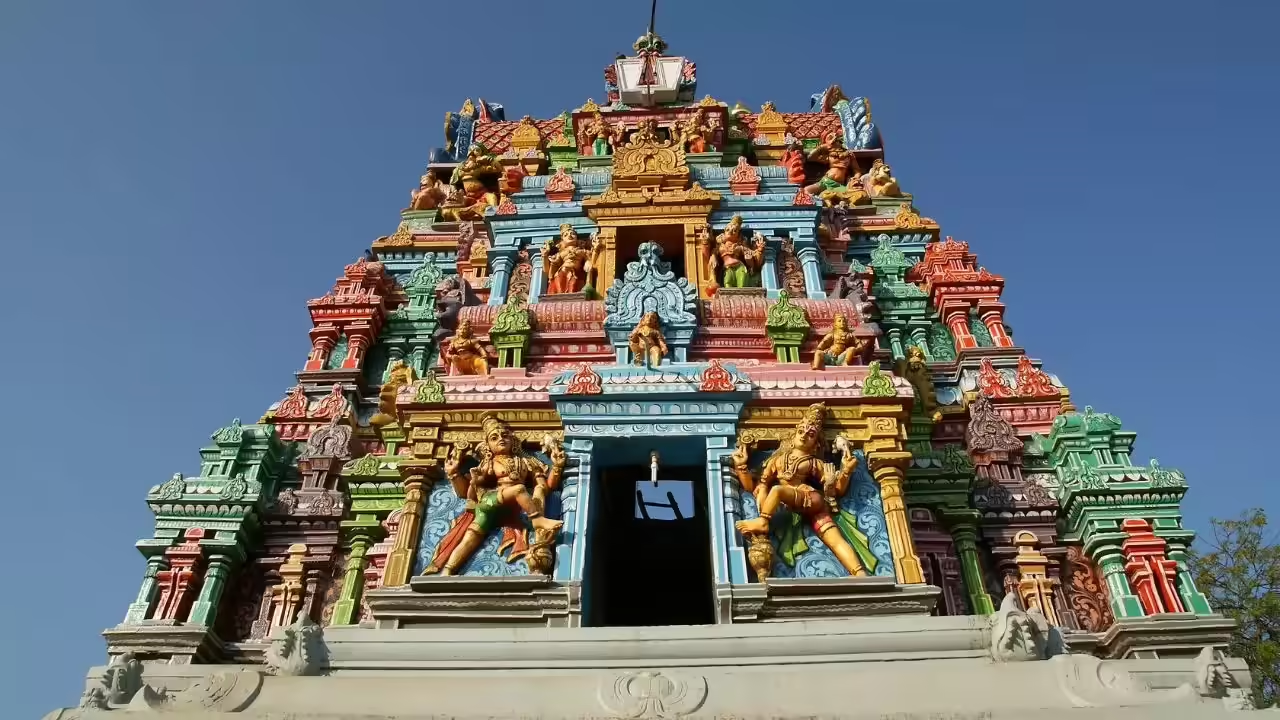
Temples in Kerala: God's Own Country's Sacred Heritage
Neha Kapoor
February 14, 2026
Explore sacred temples in Kerala. Discover Sabarimala, Guruvayur, Padmanabhaswamy & more with complete travel guide.
Introduction: The Temple Architecture of Kerala
Kerala, known as "God's Own Country," has a temple tradition that is distinct from the rest of India. The temples here feature unique architectural styles characterized by sloping roofs, copper-clad exteriors, and intricate woodcarvings. Unlike the towering gopurams of Tamil Nadu or the shikharas of North India, Kerala temples blend harmoniously with the tropical landscape, creating sacred spaces that feel both intimate and grand.
What makes Kerala's temple culture special is its integration of Vedic and tantric traditions, the importance of elephant processions, and the unique festival culture that combines religious rituals with massive cultural celebrations. The state's temples are not just places of worship but centers of art, music, and community life.
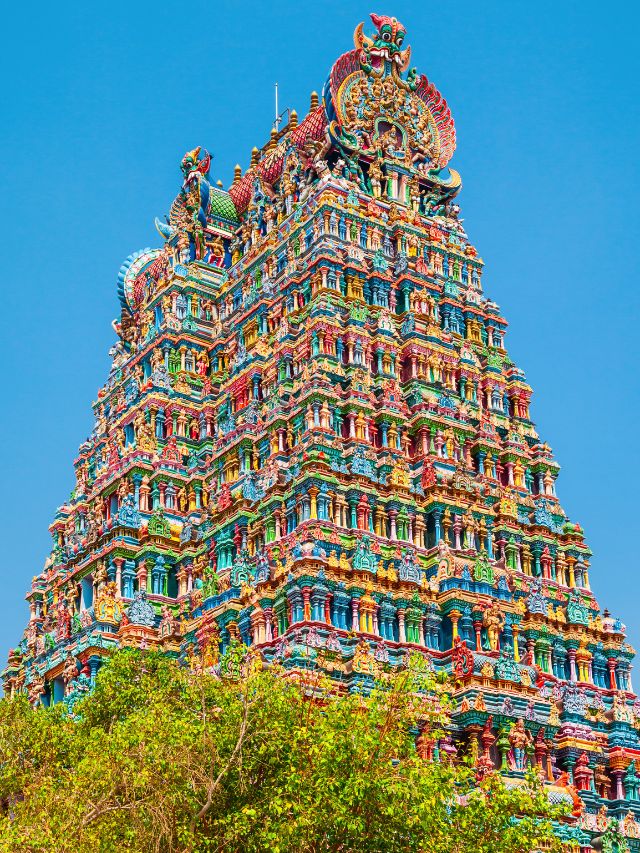
Sabarimala Sree Dharma Sastha Temple
Sabarimala, located in the Western Ghats, is one of the largest annual pilgrimage sites in the world, drawing over 50 million devotees annually. The temple is dedicated to Lord Ayyappa, who is believed to be the son of Shiva and Mohini (Vishnu's female form). For those planning a broader spiritual journey, exploring the diverse temples of South India offers a comprehensive cultural experience.
The temple is unique in many ways - it's open to people of all faiths, and the pilgrimage involves a 41-day vratham (vow) that includes strict discipline, celibacy, and wearing black clothing. The temple is situated atop a hill and requires a trek through forested mountains.
Mandala Pooja & Makaravilakku
The main pilgrimage season is from November to January. Mandala Pooja (December) and Makaravilakku (January) are the most important periods when the celestial Makarajyoti light is believed to appear on the hill opposite the temple.
Guruvayur Sri Krishna Temple
Known as "Dwaraka of the South," Guruvayur is one of Kerala's most important Krishna temples. The idol of Lord Krishna here, believed to be over 5,000 years old, is made of a rare stone called Patala Anjanam.
The temple is famous for its elephant sanctuary (over 60 temple elephants) and the daily elephant processions. The temple weddings held here are considered especially auspicious. The temple's strict dress code requires men to be bare-chested and wear mundu.
Ekadasi Celebrations
The Ekadasi day in the Malayalam month of Vrischikam (November-December) sees massive celebrations. The festival commemorates the Geeta Upadesam (Bhagavad Gita teaching).
Sri Padmanabhaswamy Temple, Thiruvananthapuram
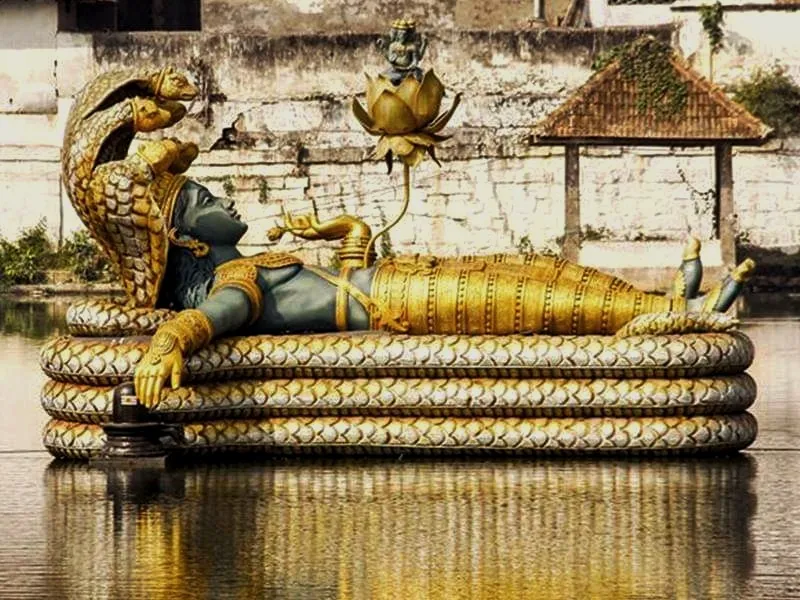
This temple, dedicated to Lord Vishnu reclining on Ananta Shesha, is famous for being the wealthiest religious institution in the world thanks to the discovery of secret vaults containing treasures worth over $20 billion.
The temple's architecture is a blend of Kerala and Dravidian styles. The sanctum houses a massive 18-foot idol of Lord Padmanabha in reclining posture. Only Hindus are allowed entry, and strict dress codes apply.
Laksha Deepam
Once every 6 years, the temple celebrates Laksha Deepam (one lakh lamps), a spectacular festival when the entire temple complex is illuminated with oil lamps.
Chottanikkara Bhagavathy Temple
This important goddess temple near Kochi is dedicated to Rajarajeswari Devi. The temple is famous for healing mental illnesses, and devotees come here seeking relief from various psychological ailments.
The deity is worshipped in three different forms throughout the day - as Saraswati in the morning, Lakshmi at noon, and Durga in the evening. The Makam Thozhal festival (February-March) is particularly important.
Vaikom Mahadeva Temple
One of Kerala's oldest Shiva temples, Vaikom is believed to date back to the Treta Yuga (over 5,000 years ago). The temple is famous for the Vaikom Ashtami festival (November-December) when Shiva and Parvati are worshipped together.
The temple was at the center of the historic Vaikom Satyagraha (1924-25), a protest against temple entry discrimination that played a crucial role in Kerala's social reform movement.
Attukal Bhagavathy Temple
This Thiruvananthapuram temple is famous for the Attukal Pongala festival, which holds the Guinness Record for the largest gathering of women (over 3 million) for a religious event. Women cook pongala (sweet rice offering) on open hearths lining the streets of the city.
Erumely Sree Dharma Sastha Temple
This temple on the way to Sabarimala is famous for the Petta Thullal ritual, a dance performance by devotees. It's an important stop for Sabarimala pilgrims, representing the spot where Lord Ayyappa killed the demon Mahishi.
Other Notable Temples
- Thirunavaya Navamukunda Temple: Famous for the ritual of Bali (offering to ancestors)
- Kadampuzha Bhagavathy Temple: Dedicated to Goddess Durga, famous for the Muttirukkal ritual
- Lokanarkavu Temple: Associated with the legendary warrior Thacholi Othenan
- Mannarasala Nagaraja Temple: Unique snake temple with thousands of snake images
Kerala Temple Architecture
Unique Features
- Sloping Roofs: Copper or tile-covered roofs suited to heavy monsoon rains
- Wood Carvings: Intricate carvings on pillars and ceilings
- Nalukettu: Traditional courtyard-style buildings
- Bali Stones: Sacrificial altars for offerings
- Flagmasts: Tall wooden or stone flagmasts (kodimaram)
Temple Festivals (Utsavam)
Kerala temples are famous for their festivals featuring caparisoned elephants, percussion ensembles (panchavadyam), and traditional art forms:
- Thrissur Pooram: Kerala's most famous temple festival at Vadakkumnathan Temple
- Onam: Celebrated across all temples
- Temple Arts: Kathakali, Ottanthullal, Chakyar Koothu performances
Planning Your Visit
Best Time to Visit
October to March is ideal. Festival seasons (November-January for Sabarimala, April-May for Thrissur Pooram) offer special experiences. If you're planning a comprehensive Kerala travel experience, combining temple visits with backwaters and hill stations makes for a perfect itinerary.
Dress Code
Strict dress codes apply. Men: mundu (no shirt) in most temples. Women: saree or salwar kameez.
Suggested Itinerary
Temple Circuit: Sabarimala (with proper vratham), Guruvayur, Thiruvananthapuram, Thrissur. You can also combine your temple visits with Alleppey backwaters and Munnar hill station for a complete Kerala experience.
Conclusion
Kerala's temples offer a unique spiritual experience blending nature, culture, and devotion. From the wealth of Padmanabhaswamy to the simplicity of hill shrines, from massive festivals to intimate rituals, Kerala's sacred spaces touch something deep within the soul.
Come to Kerala and discover temples that are as much about community and culture as they are about devotion, where ancient traditions continue unbroken, and where the divine presence feels intimately close.
Location
Frequently Asked Questions
Q1.What are the famous temples in Kerala?
Q2.What is the dress code for Kerala temples?
Q3.When is Sabarimala pilgrimage season?
Q4.Is Padmanabhaswamy Temple open to public?
Q5.How to reach Sabarimala from Kochi?
Q6.What is Thrissur Pooram festival?
Q7.What is Attukal Pongala?
Q8.Can foreigners visit Kerala temples?
Recommended For You
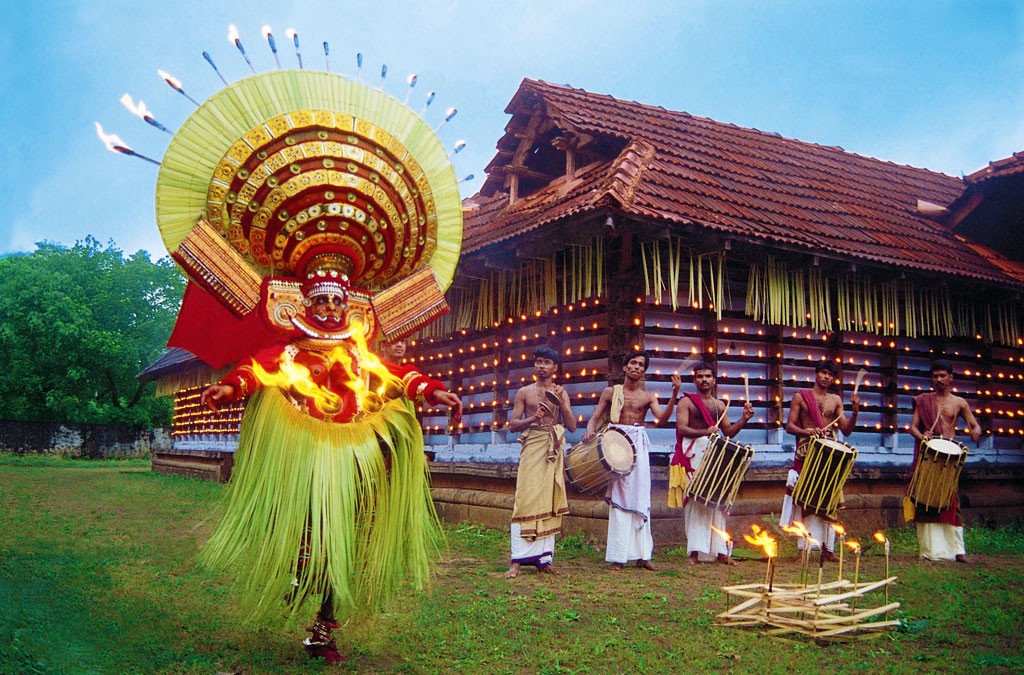
Festivals of Kerala: 20 Cultural Celebrations You Should Experience
Discover festivals of Kerala! Complete guide to Onam, Thrissur Pooram, Theyyam, snake boat races & 20 major Kerala temple and cultural festivals with dates, locations & travel tips.
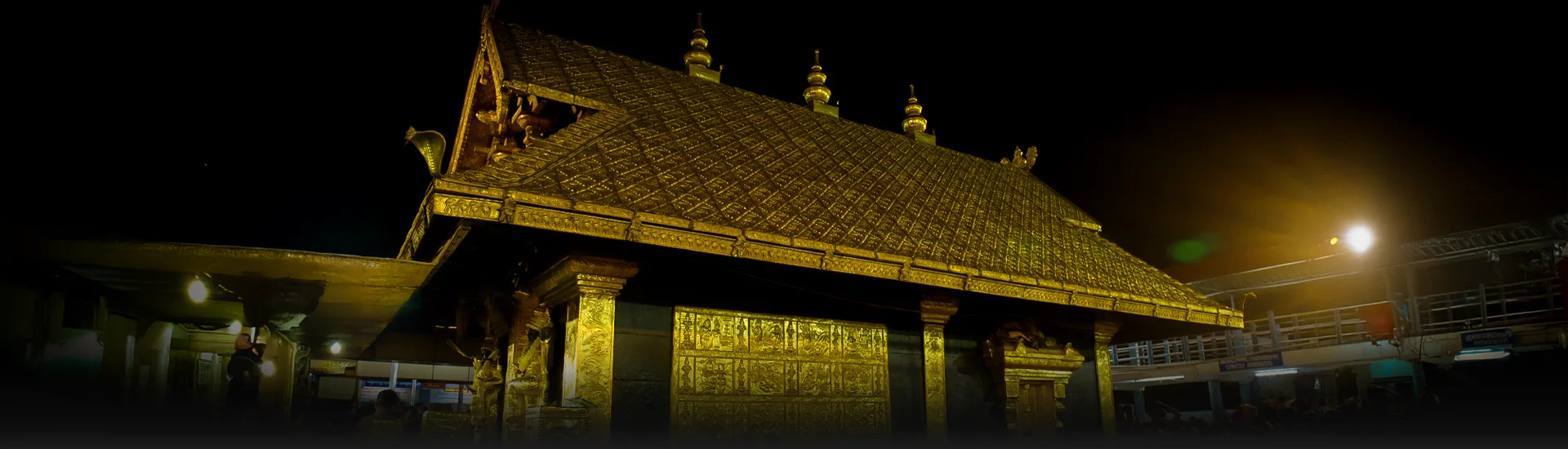
Sabarimala Temple Kerala: Darshan Process, Vratham Rules & Route
Complete guide to Sabarimala Temple Kerala pilgrimage including vratham observances, darshan procedures, routes, timings, and practical tips for first-time devotees.
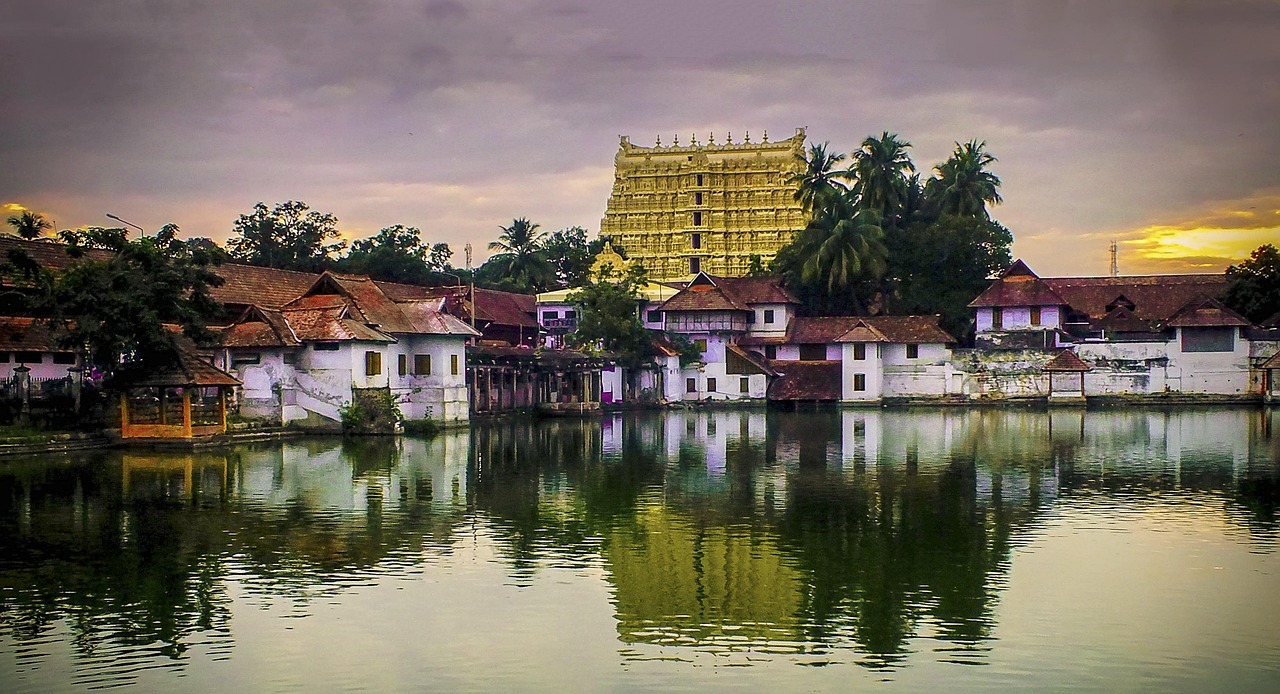
Padmanabhaswamy Temple Trivandrum: Timings, Dress Code & Entry Rules
Complete Padmanabhaswamy Temple guide with history, architecture, treasures, dress code, and travel tips. Explore world's wealthiest temple in Trivandrum.
Never Miss an Adventure
Get the latest trekking guides, travel tips, and exclusive offers delivered straight to your inbox.
