
Patna Metro Connectivity: Complete Route Guide & Network Map

Priya Mehta
December 22, 2025
Complete guide to Patna Metro connectivity. Explore routes, stations, intermodal transfers, fares & timings for Bihar's modern rapid transit system.
Introduction: Bihar's Modern Transit Revolution
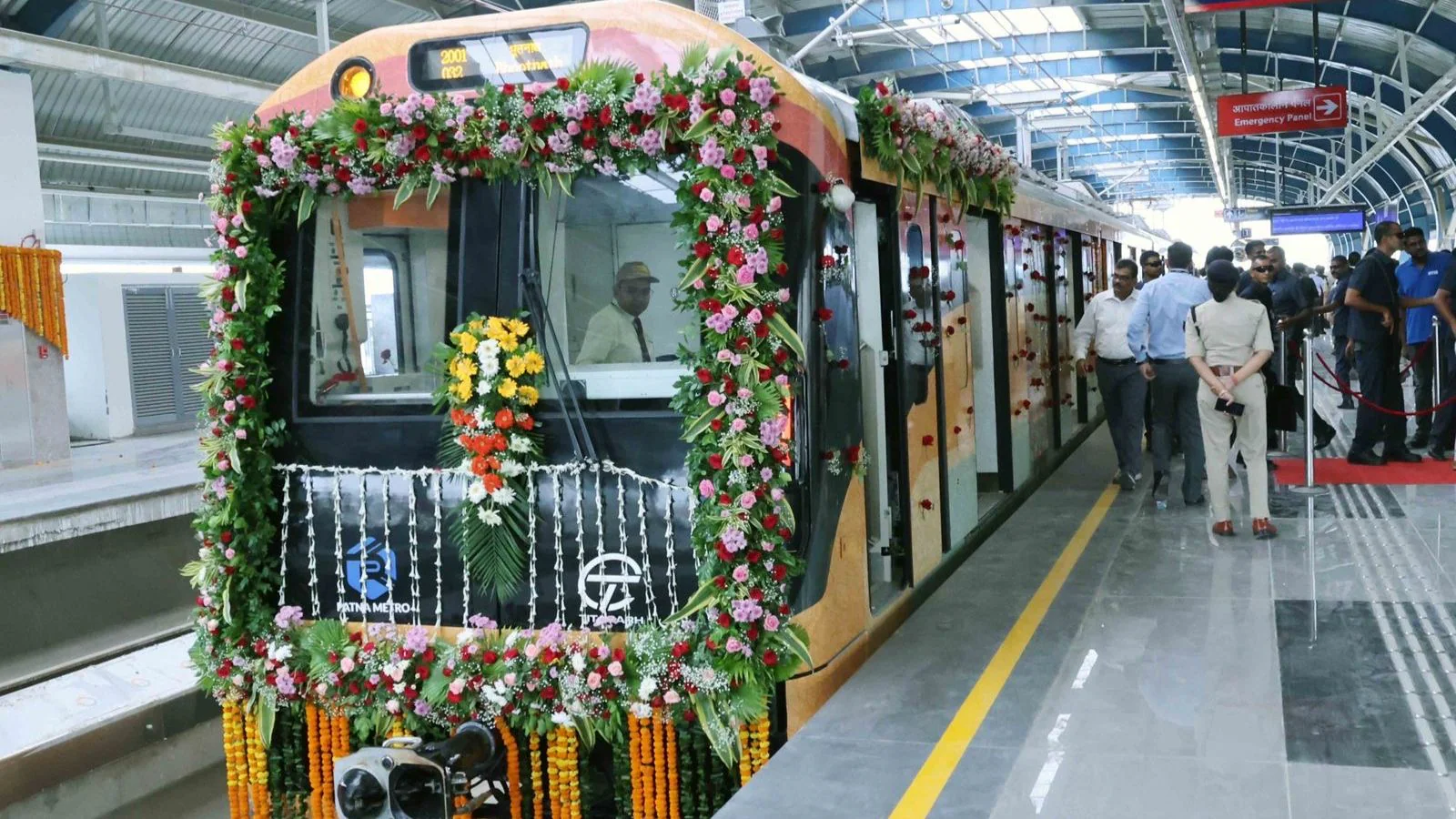
Patna, the historic capital of Bihar, has joined India's metro rail revolution with the much-anticipated Patna Metro. This transformative infrastructure project is reshaping how the city's 2.5 million residents commute, connecting key areas across this ancient city that has been a continuous settlement for over two millennia. As one of India's oldest living cities embraces modern rapid transit, Patna Metro represents a significant leap forward in urban mobility for Bihar's largest city.
The Patna Metro Rail Project, being executed by the Patna Metro Rail Corporation (PMRC), promises to decongest the city's roads, reduce travel time, and provide a comfortable, eco-friendly alternative to traditional transport options. With two corridors planned spanning approximately 60 kilometers, the metro will connect major residential areas, commercial hubs, railway stations, airports, hospitals, and educational institutions.
This comprehensive guide covers everything you need to know about Patna Metro connectivity, including route maps, station lists, intermodal connections, feeder services, and how the metro network will transform travel in and around Patna.
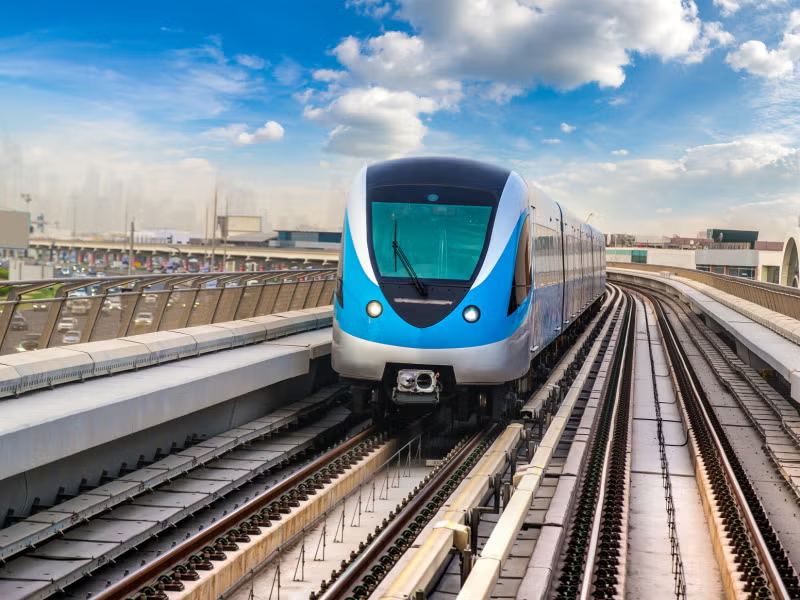
Patna Metro Project Overview
Project Details
Implementing Agency: Patna Metro Rail Corporation (PMRC), a joint venture between the Government of India and the Government of Bihar. The project is funded through a 50:50 partnership between central and state governments, with additional technical assistance from the Japan International Cooperation Agency (JICA).
Total Corridor Length: Approximately 60 kilometers across two corridors
Total Stations: 51 stations (including two interchange stations)
Estimated Cost: ₹13,365 crores (approximately $1.6 billion USD)
Completion Target: Phase 1 operational segments began opening in 2024, with full completion expected by 2025-2026
Daily Passenger Capacity: Expected to serve approximately 4.5 lakh (450,000) passengers daily once fully operational
Why Patna Needs Metro
Patna faces significant urban transportation challenges:
- Traffic Congestion: Rapid urbanization and increasing vehicle ownership have led to severe traffic congestion, especially during peak hours. Major roads experience bumper-to-bumper traffic, increasing travel times and pollution.
- Growing Population: Patna's population has grown exponentially, putting immense pressure on existing infrastructure. The city needs efficient mass rapid transit to serve its expanding population.
- Economic Growth: As Bihar's economic and administrative center, Patna needs modern infrastructure to support business activities and attract investment.
- Environmental Concerns: Vehicle emissions contribute significantly to air pollution. The electric metro system will reduce carbon emissions and improve air quality.
- Connectivity: The city spreads along the Ganges River, with key areas located far apart. Metro provides fast connectivity between distant parts of the city.
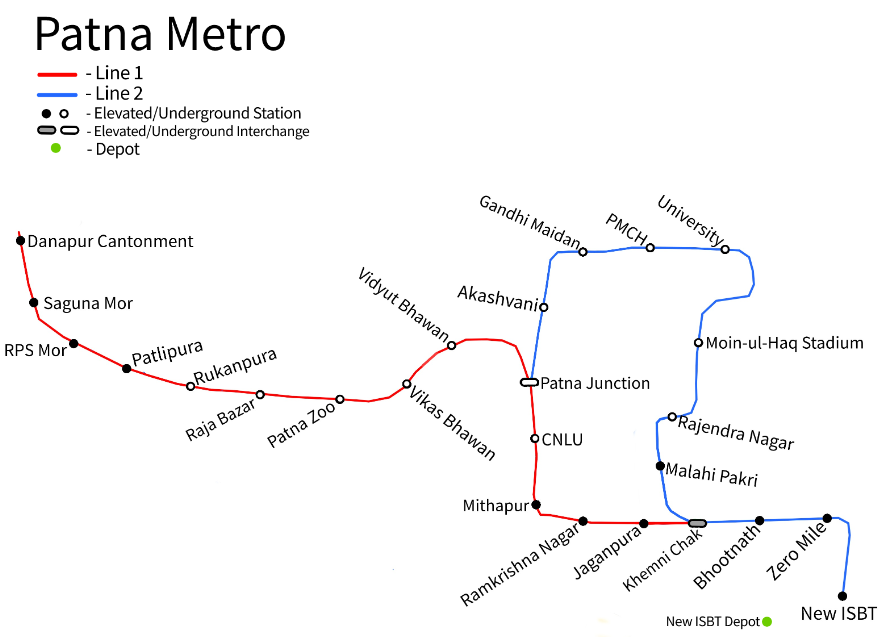
Patna Metro Corridors & Routes
Corridor 1: East-West Corridor (Patna Railway Station - New ISBT)
Length: Approximately 17.5 kilometers
Stations: 14 stations
Type: Partially elevated and partially underground
Route Description: This east-west corridor connects Patna Junction, the city's main railway station, with the New Inter-State Bus Terminus (ISBT) at Bairiya. It passes through the heart of the city, connecting commercial areas, government offices, and residential neighborhoods.
Key Stations:
- Patna Junction (Interchange): Underground station connecting to Indian Railways network. This is a critical interchange point for passengers arriving by train.
- Gandhi Maidan: Underground station serving the historic Gandhi Maidan area, location of major political rallies and events. Near Gandhi Ghat and important government buildings.
- PMCH (Patna Medical College and Hospital): Elevated station serving Bihar's largest government hospital. Essential connectivity for patients, medical staff, and students.
- Patna University: Underground station near Patna University campus and other educational institutions. Serves the student community.
- Buddha Smriti Park: Elevated station serving this popular park and tourist attraction.
- Mithapur: Elevated station in a major commercial area.
- Kurji: Elevated station serving this residential and commercial locality.
- New ISBT Bairiya: Terminal station connecting to the new bus stand serving inter-state buses to Uttar Pradesh and other destinations.
Corridor 2: North-South Corridor (Danapur - Patna Ghat)
Length: Approximately 14.5 kilometers
Stations: 12 stations
Type: Mostly elevated with some underground sections
Description: This north-south corridor connects Danapur (a major cantonment area and railway junction) in the north with Patna Ghat on the Ganges River in the south. It provides crucial north-south connectivity across the city.
Key Stations:
- Danapur: Elevated station connecting to Danapur railway station, an important railway junction. Serves the cantonment area and western suburbs.
- Bihar Veterinary College: Elevated station serving this educational institution and surrounding areas.
- Sri Krishna Memorial: Elevated station near this cultural landmark.
- Raja Bazar: Underground station in a busy commercial area.
- Gandhi Maidan (Interchange): Underground station providing interchange with Corridor 1. This is the system's main interchange station.
- PATNA JUNCTION (Interchange): Underground station connecting Corridor 2 with Corridor 1 and Indian Railways.
- Patna Ghat: Terminal station on the Ganges River, connecting to river transport and riverside developments.
Station List & Connectivity
Complete Station List (Corridor 1)
- Patna Junction (Underground - Interchange)
- Bankaipore (Underground)
- R Block (Underground)
- Gandhi Maidan (Underground - Interchange)
- PMCH (Elevated)
- Nepali Road (Elevated)
- Buddha Smriti Park (Elevated)
- Mithapur (Elevated)
- Kurji (Elevated)
- Punaichak (Elevated)
- Kankarbagh (Elevated)
- Ram Krishna Nagar (Elevated)
- Zero Mile (Elevated)
- New ISBT Bairiya (Elevated - Terminal)
Complete Station List (Corridor 2)
- Danapur (Elevated - Terminal)
- Saguna More (Elevated)
- RPS More (Elevated)
- Bihar Veterinary College (Elevated)
- Sri Krishna Memorial (Elevated)
- Raja Bazar (Underground)
- Gandhi Maidan (Underground - Interchange)
- Patna University (Underground)
- Patna Junction (Underground - Interchange)
- Malahi Pakri (Underground)
- Khagaul Road (Underground)
- Patna Ghat (Underground - Terminal)
Intermodal Connectivity
Railway Connectivity
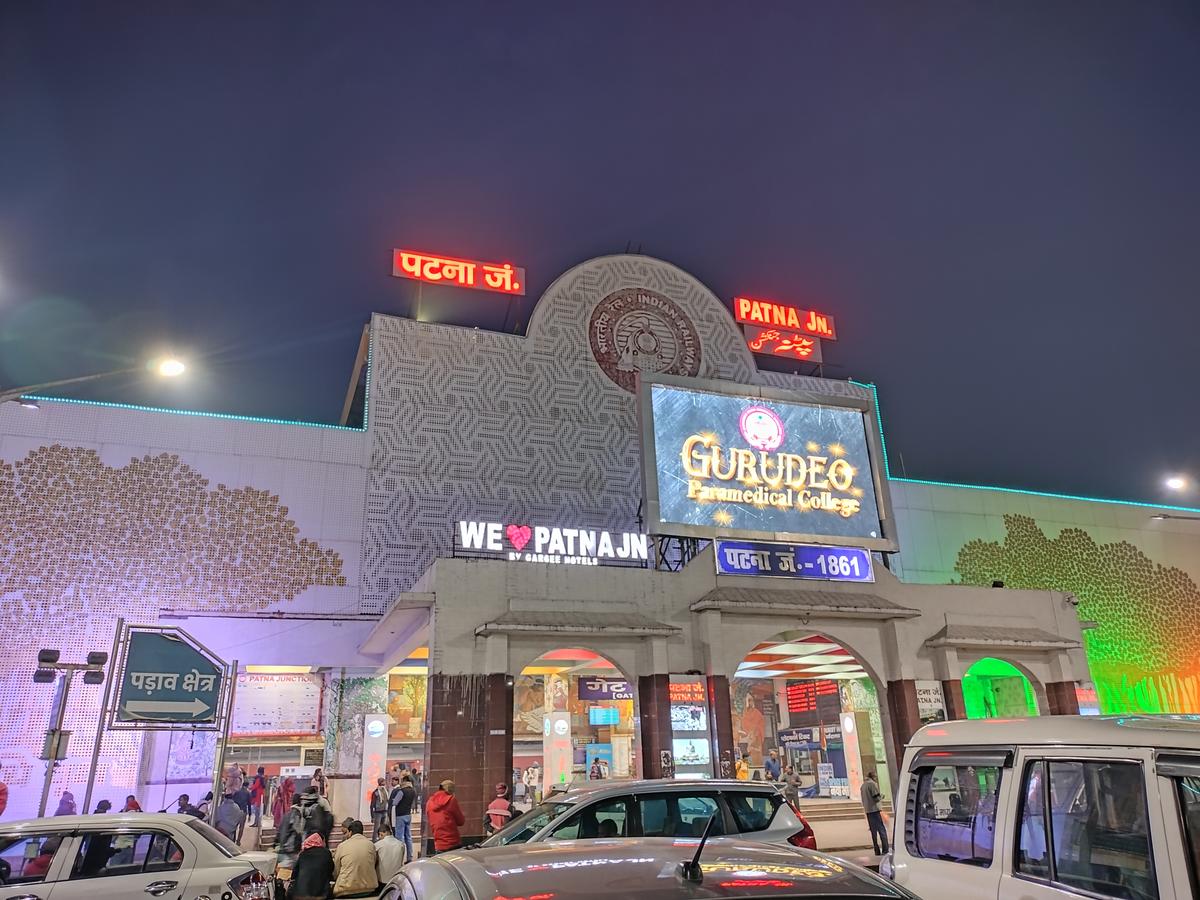
Patna Junction: The metro's underground station at Patna Junction provides seamless integration with Indian Railways. Patna Junction is one of Eastern Railway's most important stations, with connections to major Indian cities including Delhi, Kolkata, Mumbai, Chennai, and more. The interchange allows passengers to transfer between long-distance trains and metro conveniently.
Danapur Station: Corridor 2's elevated Danapur metro station connects to Danapur railway station, another important railway junction serving western and southern destinations.
Future Rail Integration: Additional metro stations may integrate with other railway stations as the network expands in future phases.
Airport Connectivity
Jay Prakash Narayan Airport (PAT): Patna Airport is located approximately 5 kilometers southwest of the city center. While not directly connected to the initial metro corridors, Phase 2 plans include an extension to the airport. Currently, passengers can use the metro to reach convenient points and then take auto-rickshaws, taxis, or buses to the airport (approximately 15-20 minutes). The airport metro connection will significantly improve accessibility for air travelers, similar to how other cities like Kolkata have integrated metro-airport connectivity.
Bus Terminal Connectivity
New ISBT Bairiya: Corridor 1's terminal station connects directly to the New Inter-State Bus Terminus at Bairiya. This modern bus station serves inter-state buses, particularly to Uttar Pradesh destinations including Varanasi, Gorakhpur, and Lucknow. The metro-ISBT connection provides seamless transfers between long-distance bus travel and city metro.
Old ISBT (Mithapur): Near Mithapur metro station on Corridor 1, this older bus station serves routes within Bihar and neighboring states. Easy walking distance connects the metro to bus services.
City Bus Integration: Bihar State Road Transport Corporation (BSRTC) city buses connect to various metro stations. Feeder bus routes are being planned to serve metro stations and improve last-mile connectivity.
River Transport Connectivity
Patna Ghat: Corridor 2's terminal station at Patna Ghat connects to river transport on the Ganges. River taxis, tourist boats, and ferries operate from various ghats. The metro-ghat connection supports riverfront development and tourism initiatives.
Fare Structure & Ticketing
Fare Zones
Patna Metro uses a distance-based fare structure similar to other Indian metro systems. Fares increase with distance traveled.
Minimum Fare: Approximately ₹10 for the shortest distance (up to 2 kilometers)
Maximum Fare: Approximately ₹40-50 for the longest distance (full corridor)
Fare Slabs: Fares are calculated based on distance slabs. Exact fares will be announced before commercial operations begin.
Ticketing Options
Single Journey Token: Contactless smart tokens available at ticket vending machines. Touch the token at entry and exit gates. The system automatically deducts the correct fare.
Smart Card (Common Mobility Card): Rechargeable contactless cards offering convenience and discounts (typically 10% discount on rides). Load amounts from ₹100 to ₹2,000. Available at customer service counters at stations.
Tourist Card: Special cards for tourists offering unlimited travel for 1, 3, or 5 days. Ideal for visitors exploring the city. Priced at ₹200, ₹500, and ₹800 respectively.
National Common Mobility Card (NCMC): The "One Nation One Card" system allowing seamless travel across metro systems and buses in India. Your NCMC card from any other city will work on Patna Metro.
Mobile Ticketing: Planned mobile app allowing ticket purchase through smartphones. QR code-based entry at gates. Launch expected after initial operations stabilize.
Payment Methods
- Cash at ticket counters
- Cash at ticket vending machines (accepts notes and coins)
- Credit/Debit cards at ticket counters and vending machines
- UPI payments (BHIM, GPay, Paytm, PhonePe, etc.)
- Smart card recharge via mobile apps
Operational Hours & Frequency
Service Hours
Weekdays: 6:00 AM to 10:00 PM
Weekends: 6:30 AM to 10:30 PM
Peak Hours: 8:00-10:00 AM and 5:00-7:00 PM (more frequent trains)
Off-Peak Hours: 10:00 AM-5:00 PM and 7:00-10:00 PM
Note: Exact timings may be adjusted based on demand and operational requirements.
Train Frequency
Peak Hours: Trains every 4-5 minutes
Off-Peak Hours: Trains every 8-10 minutes
Frequency will increase as ridership grows and more trains are inducted into service.
FACILITIES & AMENITIES
Station Features
All Patna Metro stations are equipped with modern amenities:
- Escalators & Elevators: Every station has multiple escalators and elevators for passenger convenience, especially important for elderly, disabled, and passengers with luggage.
- Platform Screen Doors: Glass barriers separating platforms from tracks enhance safety and prevent accidents.
- Customer Service: Customer service counters at stations for assistance, ticketing, and information.
- Toilets: Clean, maintained toilet facilities at all stations, including accessible toilets for disabled passengers.
- Drinking Water: Free RO drinking water stations available on platforms and concourses.
- WiFi: Free WiFi at stations and in trains (planned feature, may be introduced in phases).
- Announcement System: Clear audio and visual announcements in Hindi and English. Important information is displayed on LED screens.
- Fire Safety: Modern fire detection and suppression systems for passenger safety.
- CCTV Surveillance: Comprehensive CCTV coverage for security. Women passengers benefit from increased security.
Women's Safety Features
Patna Metro prioritizes women's safety:
- Women-Only Coaches: Designated coaches for women passengers, usually at the front of trains.
- Women Security Personnel: Female security staff deployed at stations and on trains.
- Emergency Help Points: Emergency communication buttons connecting directly to station control.
- Helpline: Dedicated women's security helpline for immediate assistance.
Accessibility Features
Patna Metro is designed to be accessible to all:
- Wheelchair Access: Ramps, wide gates, elevators, and designated wheelchair spaces in trains.
- Tactile Paths: Tactile flooring guiding visually impaired passengers from entry to platforms.
- Braille Signage: Important signs include Braille for visually impaired passengers.
- Assistance: Station staff available to assist disabled passengers when requested.
Parking & Feeder Services
Metro Parking
Multi-level parking facilities are available at selected stations, particularly terminal stations and major interchange points:
- Patna Junction: Multi-level parking with capacity for 500+ two-wheelers and 200+ four-wheelers
- Danapur: Parking facility for 300+ two-wheelers and 100+ four-wheelers
- New ISBT Bairiya: Large parking facility integrated with bus terminal
- Selected Elevated Stations: Park and ride facilities at key stations encourage commuters to drive to metro and switch to rail transport.
Parking Charges: Nominal daily parking fees (approximately ₹20 for two-wheelers, ₹50 for four-wheelers). Monthly parking passes available.
Feeder Bus Services
The PMRC operates feeder buses connecting metro stations to areas not directly served by the metro:
- Route FB-1: Patna Junction to Kankarbagh via various localities
- Route FB-2: Danapur Station to Patna University area
- Route FB-3: New ISBT to various parts of west Patna
- Additional Routes: More feeder routes planned based on demand analysis
Feeder buses accept metro smart cards for seamless payment integration.
Last-Mile Connectivity
Auto-Rickshaws: Available at all major metro stations for last-mile connectivity to destinations within 2-3 kilometers.
E-Rickshaws: Battery-operated e-rickshaws provide affordable last-mile connectivity from metro stations to nearby colonies. Particularly useful for short distances.
City Buses: BSRTC city bus stops located near many metro stations. Integrated ticketing planned for metro-bus transfers.
Bike Sharing: Public bicycle sharing stations planned at key metro stations for short trips and environmental sustainability.
Benefits of Patna Metro
Reduced Travel Time
Metro travel significantly reduces journey times compared to road transport:
- Patna Junction to New ISBT: 30 minutes by metro vs. 60-90 minutes by road during peak hours
- Danapur to Patna Ghat: 25 minutes by metro vs. 45-60 minutes by road
- Cross-city commutes that once took 90+ minutes now take 30-45 minutes
Economic Benefits
- Time Savings: Reduced commute times mean more productive hours for citizens
- Reduced Fuel Costs: Shift from personal vehicles to metro reduces fuel and vehicle maintenance expenses
- Job Creation: Direct and indirect employment created during construction and operations
- Increased Property Values: Properties near metro corridors appreciate in value
- Business Growth: Improved accessibility boosts commercial activity around metro stations
Environmental Benefits
- Reduced Pollution: Electric trains produce zero direct emissions. Reduced vehicular traffic improves air quality
- Less Traffic Congestion: More people using metro means fewer vehicles on already congested roads
- Energy Efficiency: Metro is more energy-efficient per passenger than road transport
- Sustainable Development: Supports Patna's transition to sustainable urban transport
Social Benefits
- Women's Safety: Safe, reliable transport option for women at all hours
- Accessibility: Metro provides comfortable travel for elderly, disabled, and all citizens
- Connectivity: Improved connectivity between different parts of the city promotes social integration
- Reduced Stress: Comfortable, predictable travel reduces commuter stress compared to road traffic
Future Expansion Plans
Phase 2 Extensions
Future phases will expand the network:
- Airport Extension: Extension from existing corridors to Jay Prakash Narayan Airport, providing direct rail connectivity to the airport
- Patna City (Old Patna): Line serving historic Patna City area, including famous ghats and ancient sites
- Jakkanpur Extension: Extension to serve southeastern parts of the city
Regional Rail Integration
Future plans include better integration with regional rail services:
- Commuter rail services connecting Patna to suburban areas
- Integration with proposed rail lines to nearby towns
- Unified ticketing across metro and suburban rail systems
Tourist Attractions on Metro Network
The metro connects to several important tourist attractions. For more attractions in Bihar, you can also explore places to visit in Bihar.
- Gandhi Ghat: Near Gandhi Maidan station, famous for Gandhi's ashes memorial and evening Ganga aarti
- Buddha Smriti Park: Direct metro connection to this beautiful park with Buddhist relics and meditation center
- Patna Museum: Near Patna University station, housing an impressive collection of historical artifacts
- Kumhrar: Ancient Mauryan ruins, accessible via metro (nearby stations)
- Golghar: 18th-century granary and iconic Patna landmark (accessible via Raja Bazar station)
- Patan Devi Temple: Ancient temple, one of the 51 Shakti Peethas (near metro network)
- Sher Shah Suri Masjid: Historic Afghan-style mosque (accessible via metro stations)
Tips for Metro Commuters
- Get a Smart Card: Save 10% on fares and avoid ticket lines
- Avoid Peak Hours: If possible, travel between 10 AM-5 PM for more comfortable journeys
- Use Women-Only Coach: Women should use designated women-only coaches for safer, more comfortable travel
- Keep Smart Card Recharged: Avoid last-minute recharge queues by keeping sufficient balance
- Check Route Before Travel: Use official PMRC app or website to plan your journey and check real-time train status
- Follow Rules: No eating or drinking in trains. Don't block doors. Allow passengers to exit before entering
- Keep Belongings Safe: Be aware of your surroundings. Use CCTV-monitored areas
- Emergency Contacts: Save metro helpline numbers in your phone for emergencies
Conclusion
Patna Metro represents a transformative chapter in the historic city's urban development. By providing fast, safe, affordable, and environmentally sustainable transport, the metro is improving quality of life for millions of residents, reducing traffic congestion, and supporting Patna's growth as a modern 21st-century city while preserving its ancient heritage.
Whether you're a daily commuter, occasional visitor, or tourist exploring Patna, the metro offers the most convenient way to navigate the city. As the network expands and ridership grows, Patna Metro will continue to play an increasingly important role in shaping urban mobility in Bihar's capital.
Welcome to modern, rapid transit in historic Patna - where ancient civilization meets contemporary infrastructure!
Location
Frequently Asked Questions
Q1.When did Patna Metro start operations?
Q2.What are the Patna Metro routes?
Q3.How do I reach Patna Airport from the metro?
Q4.What are Patna Metro fares?
Q5.Does Patna Metro connect to Patna Junction railway station?
Q6.What are Patna Metro timings?
Q7.How do I buy Patna Metro tickets?
Recommended For You
Best Cafes in Patna: Top 15 Picks
Discover Patna's best cafes offering great coffee, ambiance, and Bihari fusion cuisine. Explore top spots in Fraser Road, Dak Bungalow Road, and beyond – perfect for couples, families, work, and foodies seeking quality experiences in Bihar's capital.
Local Food of Patna: Litti Chokha, Sweets & Famous Food Spots
Discover authentic Bihari cuisine in Patna. Explore traditional dishes like Litti Chokha, Sattu Paratha, Khaja, and must-try local delicacies with our complete food guide.
Temples in Patna: Sacred Heritage of Bihar's Capital
Explore sacred temples in Patna. Discover Mahavir Mandir, Patan Devi, Harmandir Sahib & more with timings and travel guide.
Never Miss an Adventure
Get the latest trekking guides, travel tips, and exclusive offers delivered straight to your inbox.
