
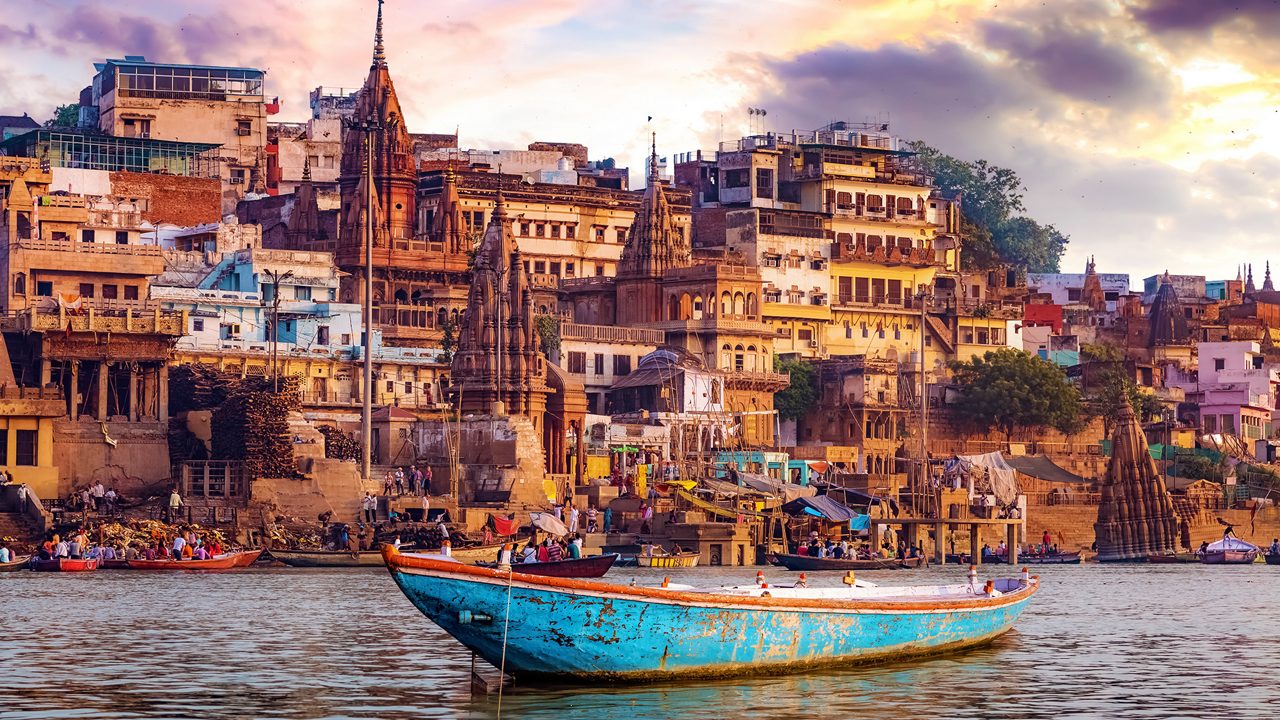
Varanasi: Complete Travel Plan Places And Weather
Rahul Garg
February 20, 2026
Complete Varanasi travel guide featuring Kashi Vishwanath Temple, Ganga Aarti, ghats, Sarnath, spiritual experiences, food & practical tips.
Introduction to Varanasi
Varanasi, also known as Kashi or Banaras, is one of the oldest continuously inhabited cities in the world and the spiritual capital of India. Located on the banks of the sacred River Ganges in Uttar Pradesh, Varanasi has been a center of learning, civilization, and spirituality for over 5,000 years. For Hindus, Varanasi is the holiest of the seven sacred cities - dying here and being cremated on the ghats is believed to grant moksha (liberation from the cycle of rebirth). This belief draws millions of pilgrims and spiritual seekers to the city.
What makes Varanasi truly extraordinary is its intensity. This is a city where life and death exist side by side, where ancient rituals continue uninterrupted for millennia, where every street has a temple, and where the spiritual and material worlds seem to merge. The city's labyrinthine alleys (galis) hide ancient temples, bustling markets, and traditional homes that have remained largely unchanged for centuries. The ghats - the stone steps leading down to the Ganges - are the stage for the city's most dramatic rituals, from daily prayers to cremations.
Beyond its religious significance, Varanasi has been a center of learning, culture, and arts for millennia. The city has been home to numerous saints, poets, philosophers, and musicians. It's one of the few places where you can still find traditional Sanskrit scholars, master musicians, and artisans preserving ancient crafts. Banaras Hindu University (BHU), one of Asia's largest residential universities, continues the city's academic tradition.
Visiting Varanasi is an intense, overwhelming, and transformative experience. Whether you're watching the mesmerizing Ganga Aarti at Dashashwamedh Ghat, taking a boat ride at dawn to see the city come alive, walking through ancient alleys, or simply sitting by the river and watching life unfold, Varanasi touches something deep within. It's not a place you visit as a tourist - it's a place you experience as a pilgrim, whether spiritual or secular.
Best Time to Visit Varanasi
Varanasi experiences extreme weather, making the timing of your visit crucial for a comfortable experience. The city has hot summers, a monsoon season, pleasant winters, and a confusing shoulder season.
October to March is the best time to visit Varanasi when the weather is pleasant and suitable for exploring. October and November see comfortable temperatures (20-30°C) and clear skies following the monsoon. This is an excellent time for boat rides, walking tours, and temple visits. December and January bring winter with daytime temperatures of 15-25°C and nights that can drop to 5°C or lower. Carry woolens if visiting during winter. The winter mornings can be foggy, creating an ethereal atmosphere on the river.
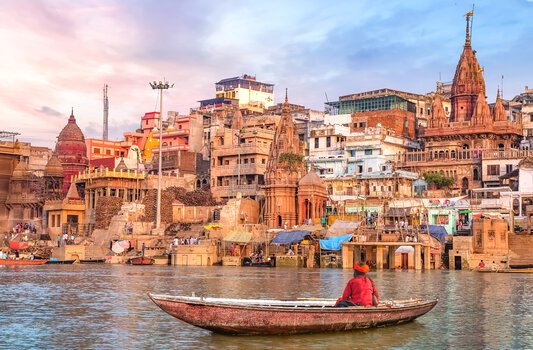
February and March start warming up but remain pleasant. This is also when the city celebrates several festivals including Mahashivratri (typically February or March), one of the biggest festivals in Varanasi. The weather in March can be variable, starting pleasant but getting warmer towards the end of the month.
April to June brings severe summer with temperatures routinely reaching 40-45°C. The heat is intense and draining, making outdoor activities uncomfortable, especially during midday. This is the off-season with fewer tourists and lower prices on accommodations. If you must visit during summer, plan activities for early morning and evening, rest during the hottest hours, and stay hydrated.
July to September is the monsoon season when Varanasi receives moderate to heavy rainfall. The Ganges swells dramatically, and many ghats get submerged. The rains can disrupt outdoor activities, but the city takes on a different, moody beauty during monsoon. This is the least crowded time to visit, and accommodation prices are at their lowest. However, boat rides may not operate during high water levels and strong currents.
The Ghats of Varanasi
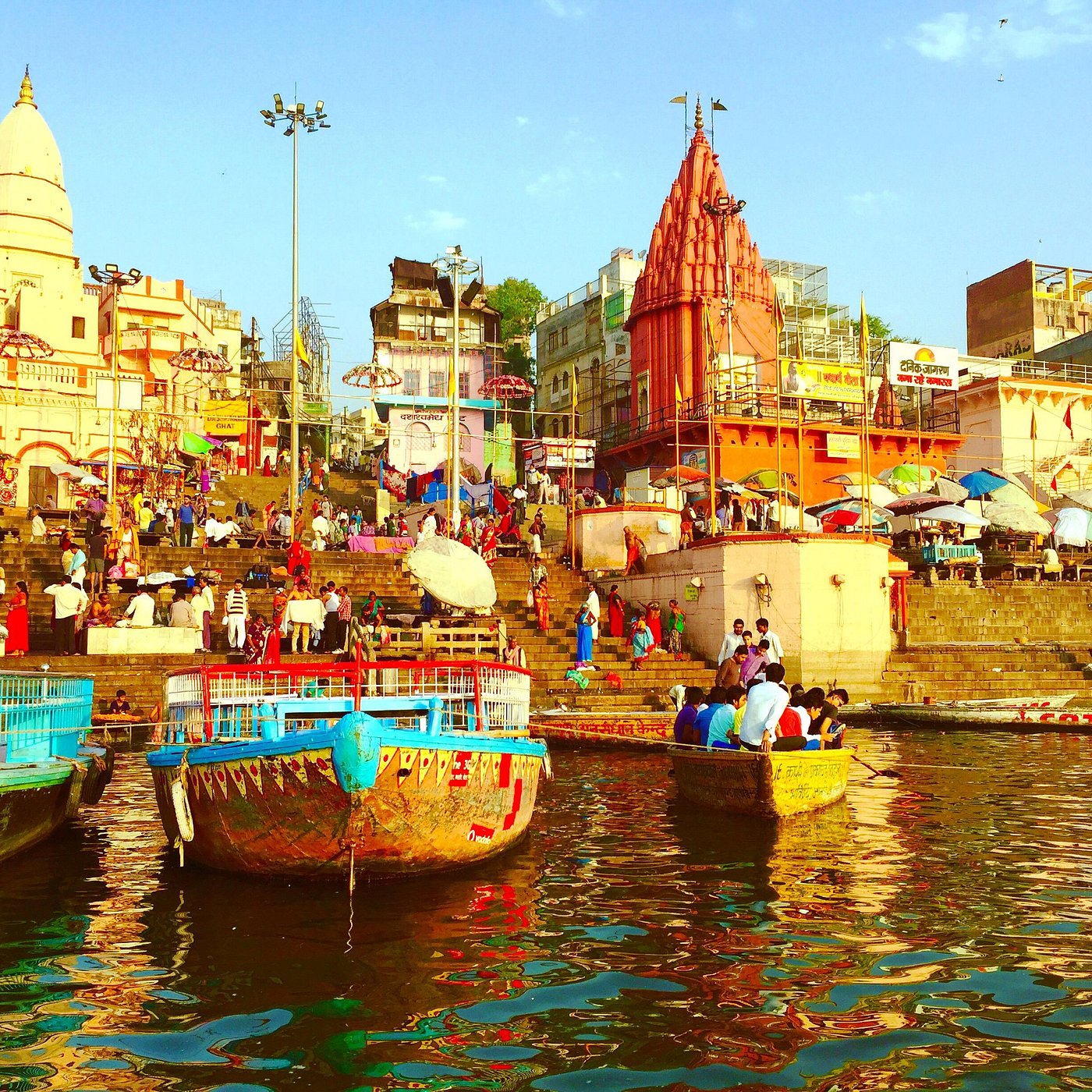
The ghats - the stone steps leading down to the Ganges - are the heart and soul of Varanasi. There are approximately 84 ghats along the riverfront, each with its own character, history, and purpose. Walking along the ghats, taking a boat ride to see them from the river, and experiencing the rituals performed here are essential Varanasi experiences.
Assi Ghat
Located at the southern end of the main ghat area, Assi Ghat is one of the most popular and accessible ghats. According to mythology, this is where the goddess Durga threw her sword after killing the demon Shumbha-Nishumbha. The ghat is particularly popular with long-term foreign visitors, students, and spiritual seekers. The morning Subah-e-Banaras (morning prayers) at Assi Ghat, starting around 5 AM, is a beautiful and less crowded alternative to the evening aarti at Dashashwamedh Ghat.
Assi Ghat has a relaxed vibe with numerous cafes, guesthouses, and yoga centers nearby. The area is popular with those wanting to stay longer and immerse themselves in Varanasi's spiritual atmosphere. The ghat is less chaotic than others but still offers authentic Varanasi experiences. You can take boat rides from here, attend morning prayers, or simply sit and watch the river flow by.
Dashashwamedh Ghat
Dashashwamedh Ghat is Varanasi's most famous and busiest ghat, known for the spectacular Ganga Aarti performed here every evening. According to legend, Lord Brahma performed the ten-horse sacrifice (dash ashwamedh) here, giving the ghat its name. The ghat is always bustling with activity - pilgrims taking ritual dips, priests performing ceremonies, boat operators touting for business, and tourists and locals simply soaking in the atmosphere.
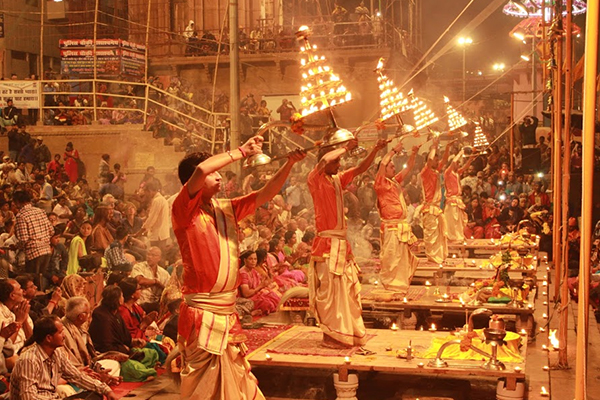
The evening Ganga Aarti, which starts around sunset (timing varies by season), is a must-see spectacle. Seven young priests perform elaborate rituals with brass lamps, incense, conch shells, and peacock feathers, all while chanting prayers and singing hymns to the river goddess. The ceremony lasts about 45 minutes and is absolutely mesmerizing. Arrive at least 30-45 minutes early to get a good viewing spot, or watch from a boat on the river for a unique perspective.
Manikarnika Ghat
Manikarnika Ghat is the main cremation ghat in Varanasi and one of the most intense places you'll ever experience. According to legend, this ghat was created when Lord Shiva's earring (manikarnika) fell here. It's believed that cremation at Manikarnika guarantees liberation from the cycle of rebirth. Approximately 100-150 bodies are cremated here daily, and the cremations continue 24/7 without interruption.
The sight of funeral pyres burning, the smell of woodsmoke and cremation, the sounds of prayers and wailing - Manikarnika is overwhelming and confronting. Photography is strictly prohibited here - respect the privacy of grieving families. While difficult to witness, a visit to Manikarnika offers profound insight into Hindu beliefs about death and the afterlife. You can observe from a respectful distance, but don't intrude on families' grief. The ghat is managed by the Dom community, who have traditionally overseen cremations here for centuries.
Other Notable Ghats
Harishchandra Ghat, named after the legendary king Harishchandra known for his truthfulness, is another cremation ghat. It's less crowded than Manikarnika and you can observe cremations from a respectful distance. Munshi Ghat and Ahilyabai Ghat are beautiful 18th-century ghats built by the Maratha queen Ahilyabai Holkar. Darbhanga Ghat, with its imposing palace, offers excellent views of the river. Scindia Ghat features a partially submerged Shiva temple that's slowly slipping into the river. Chet Singh Ghat offers a more peaceful atmosphere and excellent views, especially at sunset.
Top Attractions in Varanasi
Kashi Vishwanath Temple
Kashi Vishwanath Temple, dedicated to Lord Shiva as Vishwanath (Lord of the Universe), is the holiest temple in Varanasi and one of the twelve Jyotirlingas (the most sacred abodes of Shiva). The temple has been destroyed and rebuilt several times over the centuries - the current structure was built by Ahilyabai Holkar in 1780. The temple's gold spire, donated by Maharaja Ranjit Singh of Punjab in 1839, rises 15 meters and is covered in almost a ton of gold.
The temple is incredibly busy, with thousands of devotees visiting daily. Security is tight - mobile phones, cameras, and electronic devices are not allowed and must be deposited in lockers outside. The temple complex is relatively small but incredibly powerful spiritually. The main shrine houses the lingam (representation of Shiva). Non-Hindus can enter the temple but not the main sanctum. The temple area is chaotic, intense, and deeply moving all at once. Visit early morning (5-7 AM) for a less crowded experience.
Sarnath
Located approximately 10 kilometers from Varanasi, Sarnath is one of Buddhism's four most sacred sites (see our dedicated Sarnath temple guide for a deeper visit plan). This is where Buddha delivered his first sermon, the Dhammacakkappavattana Sutta (Setting in Motion the Wheel of Dharma), after attaining enlightenment in Bodh Gaya. The sermon was given to five ascetics in the Deer Park, setting in motion the Buddhist sangha (community).
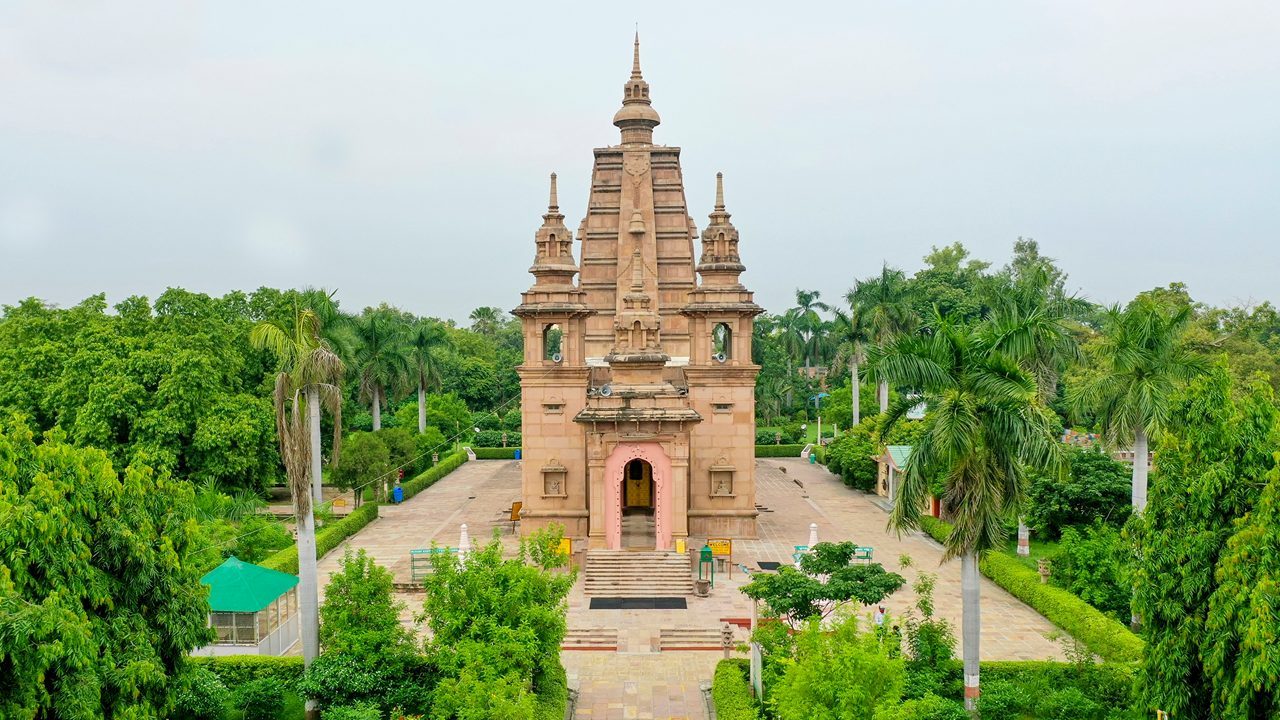
Sarnath's attractions include the massive Dhamek Stupa, built by Emperor Ashoka in 249 BCE to mark the spot of the first sermon. The stupa stands 43.6 meters high and features intricate carvings. The remains of the Ashoka Pillar (the original is in the Sarnath Museum) feature the Lion Capital that became India's national emblem. The Sarnath Archaeological Museum houses excellent artifacts including the original Ashoka Pillar, Buddha images, and other finds from the site. Sarnath is much more peaceful than Varanasi and makes for an excellent half-day excursion.
Banaras Hindu University (BHU)
Established in 1916, Banaras Hindu University is one of Asia's largest residential universities and a center of learning and culture. Spread across 1,300 acres, the beautiful campus features a mix of architectural styles and impressive green spaces. The Bharat Kala Bhavan museum on campus houses an excellent collection of miniature paintings, textiles, sculptures, and archaeological artifacts.
The New Vishwanath Temple (Birla Temple) on campus is a modern temple dedicated to Lord Shiva. Unlike the old Kashi Vishwanath Temple, this temple is open to everyone, has a peaceful atmosphere, and offers excellent views from its upper levels. The temple is constructed in white marble and took 35 years to build (1931-1966). BHU can be visited as a day trip and offers a glimpse into contemporary Varanasi beyond the ancient old city.
Ramnagar Fort
Located approximately 14 kilometers from Varanasi on the eastern bank of the Ganges, Ramnagar Fort was the home of the Maharajas of Banaras. Built in the 18th century in Mughal style, the fort is an impressive structure with carved balconies, open courtyards, and pavilions. The fort houses a museum (no photos allowed) displaying vintage cars, royal costumes, weapons, and an unusual astronomical clock.
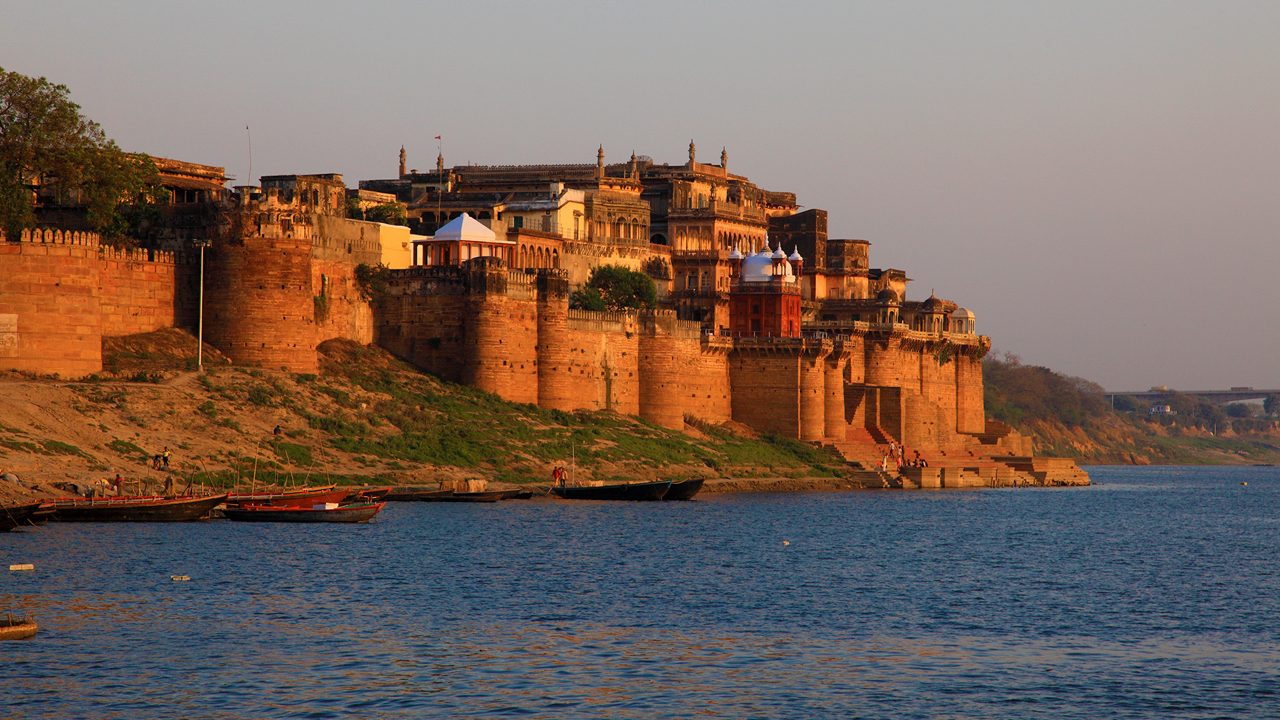
The fort is particularly beautiful during the Ram Leela season (typically October), when the Maharaja of Varanasi organizes a month-long Ram Leela performance that attracts thousands. The fort can be reached by boat across the river or by road. The boat ride, especially at sunset, offers beautiful views of the fort and the river. The fort is less crowded than other Varanasi attractions and offers a different perspective on the city's history.
Experiencing the Old City
The old city of Varanasi, with its labyrinthine alleys (galis), is where the city's true magic lies. These narrow winding streets, many barely wide enough for two people to pass, hide ancient temples, vibrant markets, traditional homes, and scenes of daily life that have remained unchanged for centuries. The area around the Kashi Vishwanath Temple (Vishwanath Gali) is particularly sacred and fascinating.
Exploring the galis is an adventure - you'll get lost, discover hidden temples, encounter sacred cows, shopkeepers, schoolchildren, and sadhus (holy men). The area is divided into various localities each specializing in different products - the Thatheri Bazaar for brass utensils, the Chowk for jewelry, the Dal Mandi for food grains. The best way to experience the old city is to simply wander without a destination, though it's easy to get lost. Consider hiring a local guide for a walking tour to learn about the history and significance of various sites.
Spiritual Experiences in Varanasi
Boat Ride at Dawn
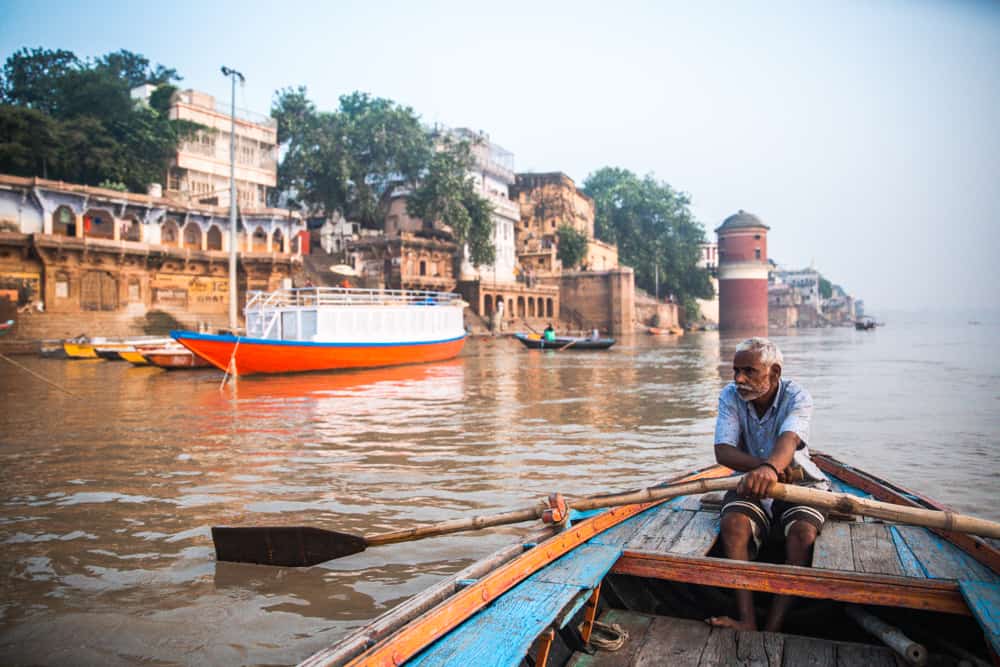
A boat ride on the Ganges at dawn is one of the most magical experiences in Varanasi. Start your ride around 5:00-5:30 AM (depending on the season) to catch the sunrise. As you drift along the river, you'll see the city come alive - devotees taking ritual dips, priests performing prayers, the ghats filling with activity, the morning light creating ethereal reflections on the water. The sounds of temple bells, chanting, and splashing water create a symphony.
Most boat rides start from Assi Ghat or Dashashwamedh Ghat and go as far as Manikarnika Ghat before turning back. You can hire a shared boat (₹100-200 per person for an hour) or a private boat (₹500-800 per boat for an hour, depending on season and bargaining skills). The boatman will typically row slowly past the main ghats, explaining their significance. The morning boat ride is peaceful, contemplative, and offers excellent photographic opportunities. Carry a light jacket even in summer as early mornings on the river can be cool.
Ganga Aarti
The evening Ganga Aarti in Varanasi at Dashashwamedh Ghat is Varanasi's most spectacular ritual. The ceremony starts around sunset (timing varies by season - check locally). Seven young priests, dressed in similar clothing, perform synchronized rituals facing the river. They hold brass lamps, light camphor, ring bells, offer flowers and incense to the river, and chant prayers - all while hundreds of devotees and tourists watch from the ghat and boats on the river.
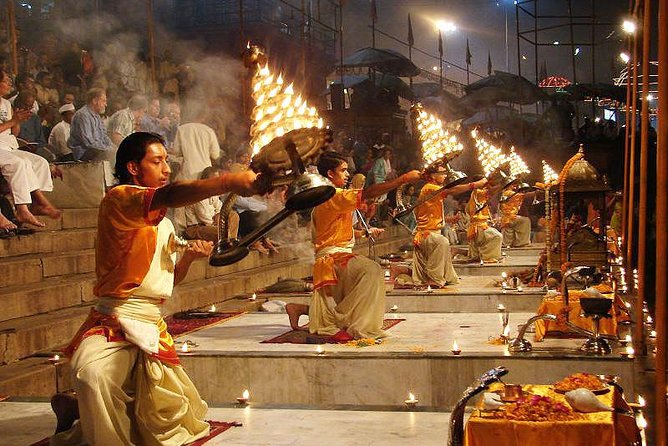
The ceremony lasts about 45 minutes and is absolutely mesmerizing. The energy is intense, the visuals spectacular - flames dancing against the darkening sky, the glow illuminating faces, the sound of chanting filling the air. Arrive at least 30-45 minutes early to get a good viewing spot, or watch from a boat on the river for a unique perspective (boat operators organize special aarti viewing rides). A smaller, less crowded morning aarti (Subah-e-Banaras) is performed at Assi Ghat around 5 AM daily.
Yoga and Meditation
Varanasi is an excellent place to practice yoga and meditation, given its spiritual energy and numerous centers offering classes and courses. Several ashrams and yoga centers around Assi Ghat offer drop-in classes and intensive courses. The International Yoga Centre, located near Assi Ghat, offers various yoga programs. Many guesthouses also arrange yoga classes with local teachers.
Meditation by the river at dawn or dusk is particularly powerful - simply sitting by the Ganges, watching the rituals, and soaking in the atmosphere can be a deeply meditative experience. For those wanting more structured meditation, several centers offer Vipassana courses, Buddhist meditation retreats, and traditional meditation practices. The spiritual energy of Varanasi is palpable, and many find that meditation and yoga practices are naturally deeper here.
Food in Varanasi
Street Food and Chaat
Varanasi is a paradise for street food lovers, particularly for chaat - the savory snacks that North India is famous for. The city's chaat is legendary, drawing food lovers from across India. Must-try chaat items include aloo tikki (potato patties served with chutneys), dahi bhalle (fried lentil dumplings in yogurt), tamatar chaat (spicy tomato curry served with bread), and various other chaat preparations.
Popular chaat spots include Deena Chaat Bhandar near Kashi Vishwanath Temple, Ram Bhandar in the Chowk area, and the various stalls near Godowlia crossing. For a more organized chaat experience, try the Blue Lassi Shop (famous for its lassis with various flavors) or Keshari Chaat Bhandar. The chaat here is spicy, tangy, sweet, and absolutely delicious. Be cautious with hygiene - choose busy stalls with high turnover.
Traditional Banarasi Cuisine
Beyond chaat, Varanasi has several unique dishes that are must-tries. Kachori sabzi is a popular breakfast - fried bread served with a potato curry. Baati chokha is a traditional dish from the region consisting of wheat balls (baati) served with mashed vegetables (chokha). Various sweet shops sell local specialties including banarasi paan (betel leaf preparation), thandai (a cold drink, sometimes with bhang during Mahashivratri), and various milk-based sweets.
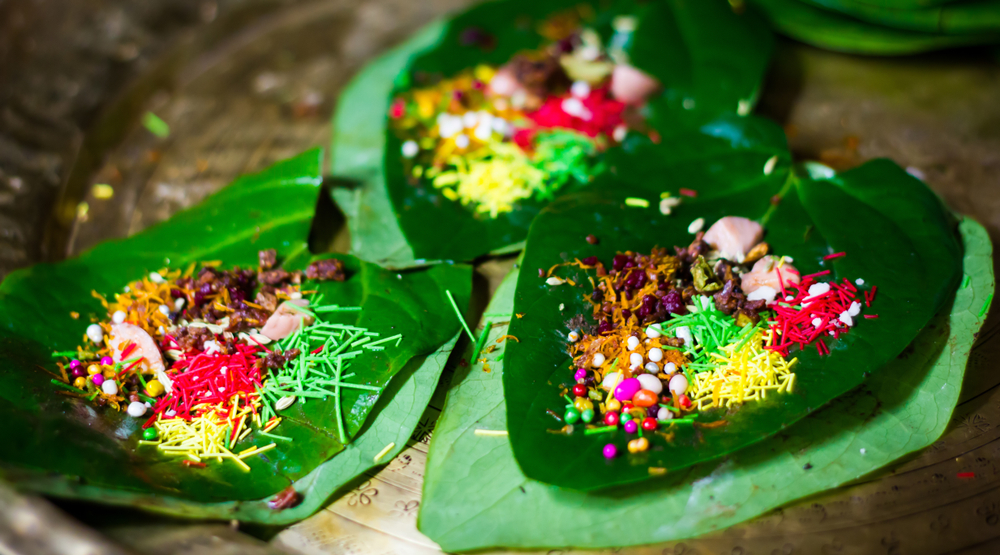
For sit-down meals, try the thali at restaurants like Baati Chokha Restaurant, or visit the dining hall at Kashi Chaupathi (near Kashi Vishwanath Temple) which serves simple vegetarian meals. The food is vegetarian (this is a holy city, after all), heavily influenced by North Indian cuisine, and features extensive use of local spices and cooking techniques. Don't forget to try the famous Banarasi paan - areca nut, betel leaf, tobacco, and various condiments wrapped into a triangular package.
Popular Restaurants
For those wanting a break from street food, Varanasi has several excellent restaurants. The famous Blue Lassi Shop near Dashashwamedh Ghat serves dozens of lassi flavors including mango, banana, chocolate, and more. Lotus Lounge near Assi Ghat offers healthy, vegetarian food and great views. Brown Bread Bakery offers breakfast and baked goods. Ayyar Cafe serves South Indian food for those wanting something different.
For upscale dining, Bhu Malti Restaurant (at Hotel Clarks Varanasi) offers excellent Indian and international cuisine in a nice setting. Palacio Restaurant (at Hotel Taj Ganges) is another upscale option. However, the most memorable food experiences in Varanasi are typically the street food and local eateries rather than upscale restaurants.
Shopping in Varanasi
Banarasi Silk Sarees
Varanasi is famous for its silk sarees, considered among the finest in India. Banarasi silk sarees are known for their gold and silver brocade or zari, fine silk, and opulent embroidery. The sarees are made in nearby villages and sold in Varanasi's markets. A genuine Banarasi silk saree can cost anywhere from ₹5,000 to over ₹100,000 depending on the quality, workmanship, and materials.
Popular shopping areas include the market near Kashi Vishwanath Temple (Vishwanath Gali) and Thatheri Bazaar. The Banarasi Silk Udyog (a government outlet) offers fixed prices and assured quality. For the best selection, visit the weavers in nearby villages like Madanpura or Alaipura, though you'll need a local contact or guide to navigate these areas. Beware of fake silk - ask for a purity certificate and buy from reputable shops.
Other Handicrafts
Beyond silk sarees, Varanasi is known for brassware, particularly from the Thatheri Bazaar area. Brass items including statues, utensils, and decorative objects make excellent souvenirs. The city is also famous for wooden toys, carpets, and glass beads. Various markets around Godowlia, Chowk, and Dashashwamedh Ghat sell these items.
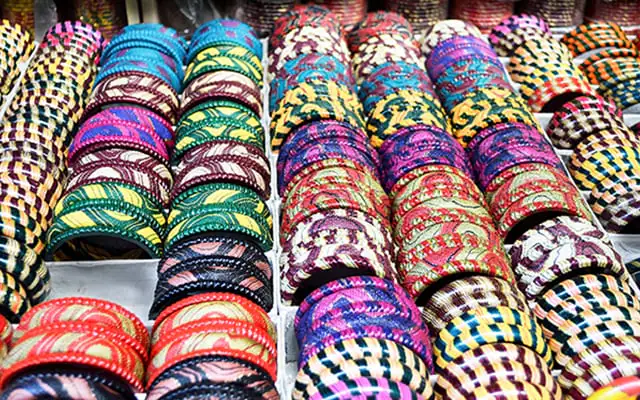
The Chowk area is particularly interesting for shopping - here you'll find lanes dedicated to different products - jewelry, brassware, textiles, and more. Bargaining is expected in private shops but not in government emporiums. For religious items, including rudraksha malas, brass idols, and ritual objects, the area around Kashi Vishwanath Temple has numerous shops.
How to Reach Varanasi
By Air
Lal Bahadur Shastri International Airport in Babatpur, approximately 26 kilometers from Varanasi city, is well connected to major Indian cities. Direct flights operate from Delhi, Mumbai, Bangalore, Hyderabad, Chennai, and other major cities. Flight time from Delhi is approximately 1.5 hours. International flights connect Varanasi to Colombo, Bangkok, and Kathmandu, though these are limited. From the airport, prepaid taxis are available - the ride to the city takes approximately 45 minutes to 1 hour and costs ₹400-600 depending on the destination in the city.
By Train
Varanasi has two main railway stations - Varanasi Junction (also known as Varanasi Cantonment) and Varanasi City Station. Varanasi Junction is the main station with better connectivity to major cities including Delhi, Mumbai, Kolkata, Chennai, and others. Several express trains including the Shiv Ganga Express (from Delhi), Kashi Vishwanath Express (from New Delhi), and numerous others connect Varanasi to the rest of India.
Train travel is a popular option to reach Varanasi, with journey times from Delhi being approximately 12-14 hours, from Mumbai approximately 24-26 hours, and from Kolkata approximately 9-11 hours. Book trains well in advance, especially for travel during festival seasons and winter, as trains to Varanasi are heavily booked. From the railway station, auto-rickshaws, cycle rickshaws, and taxis are available to reach your hotel.
By Road
Varanasi is well connected by road to nearby cities and states. National Highway 19 connects Varanasi to Allahabad (120 km, 2-3 hours), Lucknow (320 km, 6-7 hours), and onwards to Delhi (approximately 800 km, 12-14 hours). State-run UPSRTC buses and private operators run regular services to and from Varanasi. Luxury buses from Lucknow and Allahabad are available and reasonably comfortable.
The roads are generally in decent condition, though traffic within Varanasi can be chaotic. Self-driving is an option but not recommended for first-time visitors given the traffic and navigation challenges in the old city's narrow lanes. If driving, consider parking outside the old city and exploring on foot or by cycle rickshaw.
Getting Around Varanasi
Getting around Varanasi requires patience and a willingness to embrace chaos. The old city, with its narrow, winding lanes, is best explored on foot. Distances may seem short on maps but can take much longer to navigate due to the maze-like layout. Auto-rickshaws and cycle rickshaws are available but often can't enter the narrowest lanes of the old city.
For longer distances, auto-rickshaws are the most practical option. Rates are not metered, so negotiate the fare before starting the journey. As a general guide, short rides within the city cost ₹30-50, longer rides (like to Sarnath or BHU) cost ₹100-150. Cycle rickshaws are cheaper (₹20-40 for short rides) but slower, especially in Varanasi's heat. App-based taxis like Uber and Ola operate but may not be able to navigate the old city's narrow lanes.
The most interesting way to get around is on foot combined with boat rides on the river. Walking the ghats and old city gives you the real Varanasi experience. For visiting multiple ghats, boats can be hired by the hour. For visiting attractions outside the old city like Sarnath and BHU, hire an auto-rickshaw or taxi for a half-day or full-day.
Where to Stay in Varanasi
Varanasi offers accommodation options for every budget, from riverside guesthouses and budget hotels to heritage properties and upscale hotels. Where you stay significantly impacts your Varanasi experience.
For budget travelers, the area around Assi Ghat has numerous guesthouses and hostels offering rooms for ₹300-800 per night. These guesthouses, many housed in old buildings with character, are popular with long-term visitors, spiritual seekers, and backpackers. The area is relatively peaceful compared to the old city but still offers easy access to the ghats. Popular options include Zostel, Mishra Guest House, and several others.
For a more immersive experience, staying in the old city near the Kashi Vishwanath Temple puts you in the heart of the action. Several heritage hotels and guesthouses here are housed in converted havelis (traditional mansions) and offer rooms for ₹1000-2500 per night. Examples include Bhangi Rani ki Haveli, Ganpati Guest House, and Alka Hotel. These places offer character and location but can be noisy and lack modern amenities.
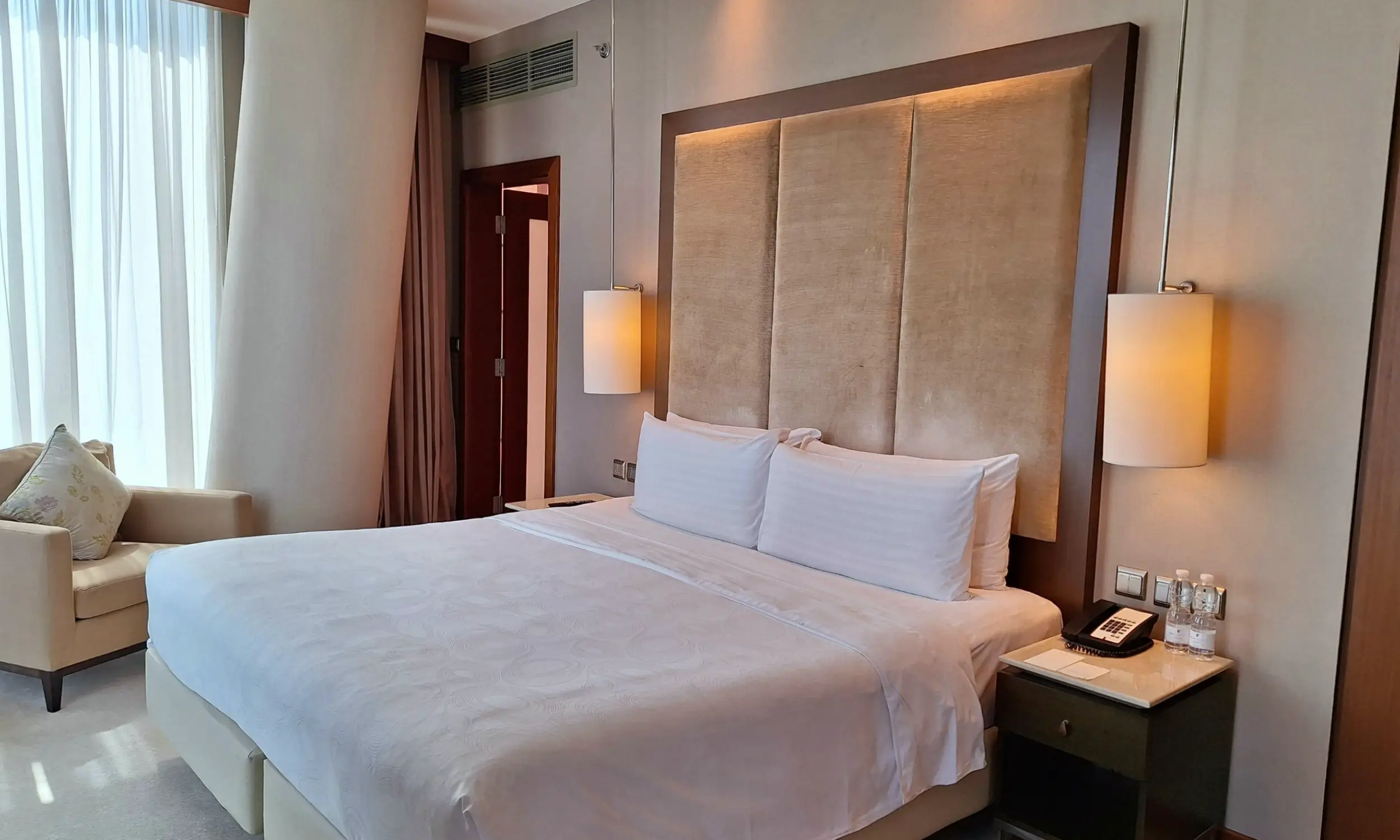
For those seeking comfort, mid-range hotels (₹2500-5000 per night) and upscale hotels (₹8000+ per night) are available, particularly in the Cantonment area and near the river. Options include Hotel Clarks Varanasi, Taj Ganges, Ramada Plaza, and several others. These hotels offer modern amenities, swimming pools, restaurants, and a peaceful escape from the chaos of the old city. However, you'll miss the immersive experience of staying in the old city.
Travel Tips for Varanasi
Varanasi can be overwhelming, especially for first-time visitors. The city is intense, crowded, loud, and chaotic. Embrace the chaos rather than fighting it. Things will take longer than expected, you will get lost, and plans may change - that's part of the Varanasi experience. Approach with patience, an open mind, and a sense of adventure.
Respect religious customs and local sentiments. Varanasi is a holy city - dress modestly, especially when visiting temples and the old city. Avoid wearing shorts, short skirts, or revealing tops. Remove shoes before entering temples. Ask permission before photographing religious rituals or people engaged in prayer. Respect the privacy of grieving families at cremation ghats - photography is strictly prohibited at Manikarnika Ghat.
Be cautious with food and water. Street food in Varanasi is delicious but hygiene standards vary. Choose busy stalls with high turnover. Avoid raw foods, peeled fruits, and salads from street vendors. Drink only bottled or filtered water - even locals drink bottled water in Varanasi. Carry hand sanitizer and use it frequently, especially before eating.
Watch your step in the old city - the lanes can be slippery, uneven, and sometimes flooded. There are sacred cows everywhere, and they have the right of way. Be careful walking at night in the narrow lanes - some areas are poorly lit. Consider hiring a local guide for a walking tour of the old city and ghats - you'll see and understand much more than exploring alone.
Conclusion
Varanasi defies easy description - it must be experienced to be understood. One of the oldest continuously inhabited cities in the world, the spiritual capital of India, a place where life and death exist side by side, Varanasi is intense, overwhelming, chaotic, and deeply spiritual all at once. Whether you're watching the mesmerizing Ganga Aarti, taking a boat ride at dawn, walking through ancient alleys, or simply sitting by the river and watching life unfold, Varanasi touches something deep within.
The city has been a magnet for spiritual seekers, philosophers, artists, and travelers for millennia. It continues to draw people seeking meaning, connection, and transformation. You don't have to be religious to be moved by Varanasi - the city's intensity, its ancientness, its unending rituals speak to something universal about the human experience.
Approach Varanasi with respect and openness, and it will reward you with experiences that stay with you long after you've left. Many who visit find themselves returning, drawn back by the city's mysterious pull. Whether you stay for two days or two months, Varanasi will change you. That's its promise and its power.
To extend your spiritual circuit, add Kashi Vishwanath Temple and Khajuraho travel guide to your plan.
Location
Frequently Asked Questions
Q1.What is the best time to visit Varanasi?
Q2.How many days are enough for Varanasi?
Q3.Is Varanasi safe for tourists?
Q4.Can non-Hindus visit temples in Varanasi?
Q5.What should I wear in Varanasi?
Q6.Is it safe to eat street food in Varanasi?
Q7.What is the Ganga Aarti and when does it happen?
Q8.How do I get to Sarnath from Varanasi?
Recommended For You
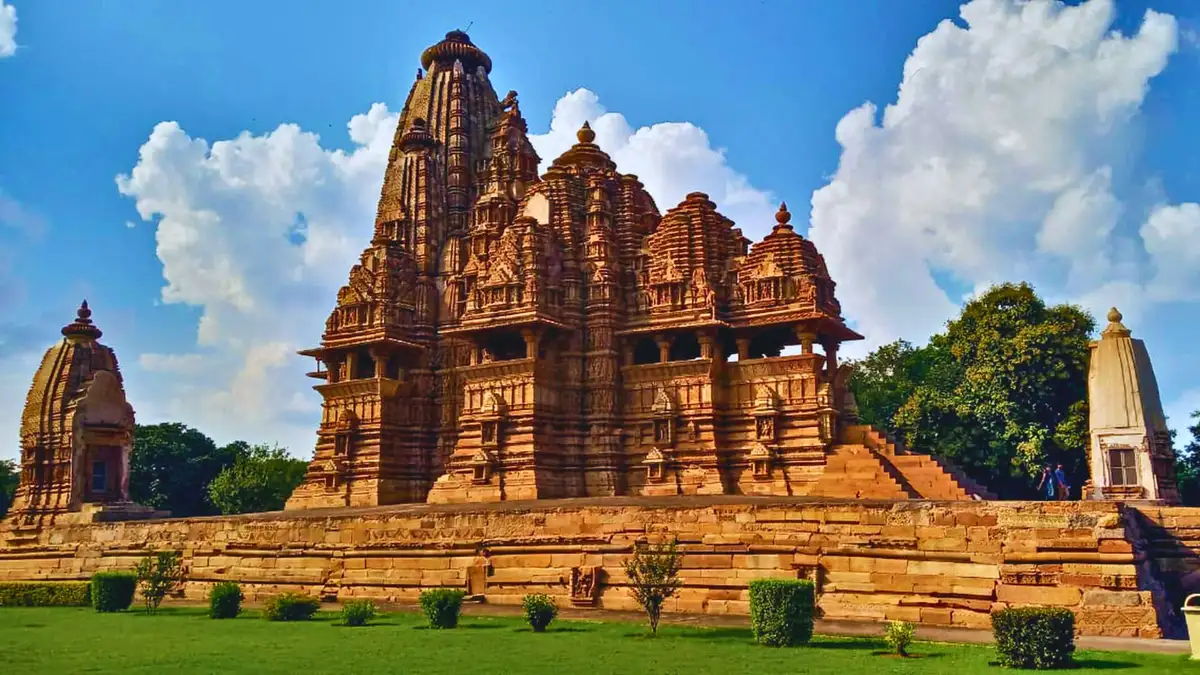
Khajuraho Temples: Complete Travel Plan And History
Complete Khajuraho travel guide featuring UNESCO temples, Chandela architecture, Panna National Park, dance festival & practical tips.
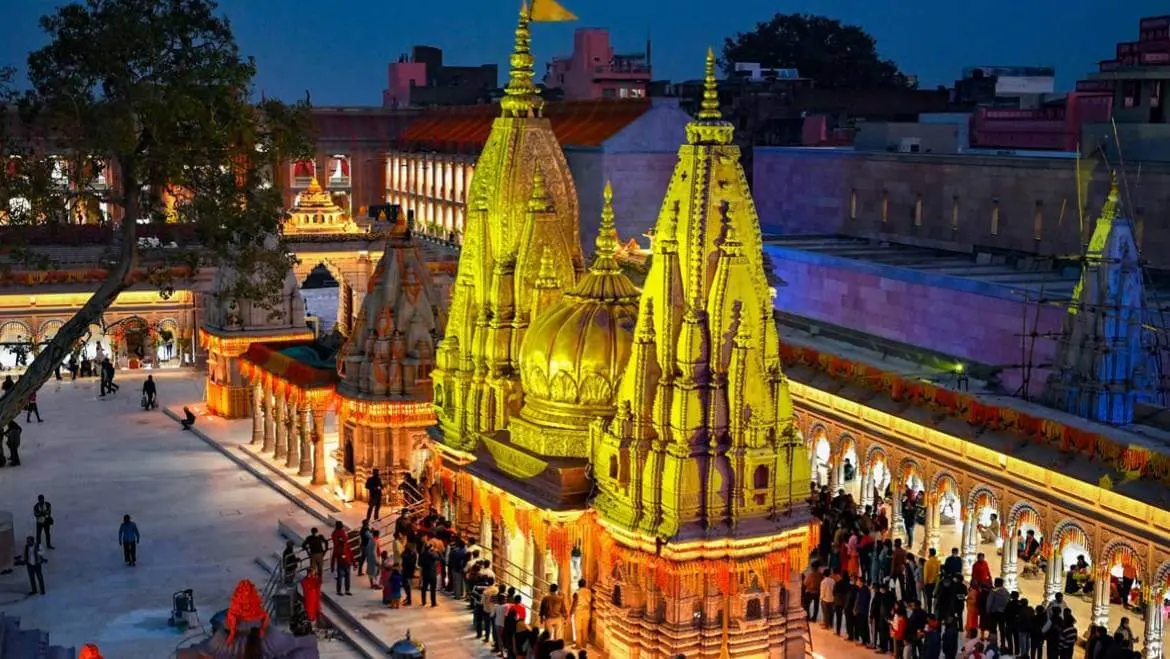
Kashi Vishwanath Temple Varanasi: Darshan Timings, Aarti & Corridor Info
Plan your Kashi Vishwanath Temple Varanasi visit with practical darshan timing, route strategy, budget guidance, and one-day temple-plus-ghat itinerary tips.
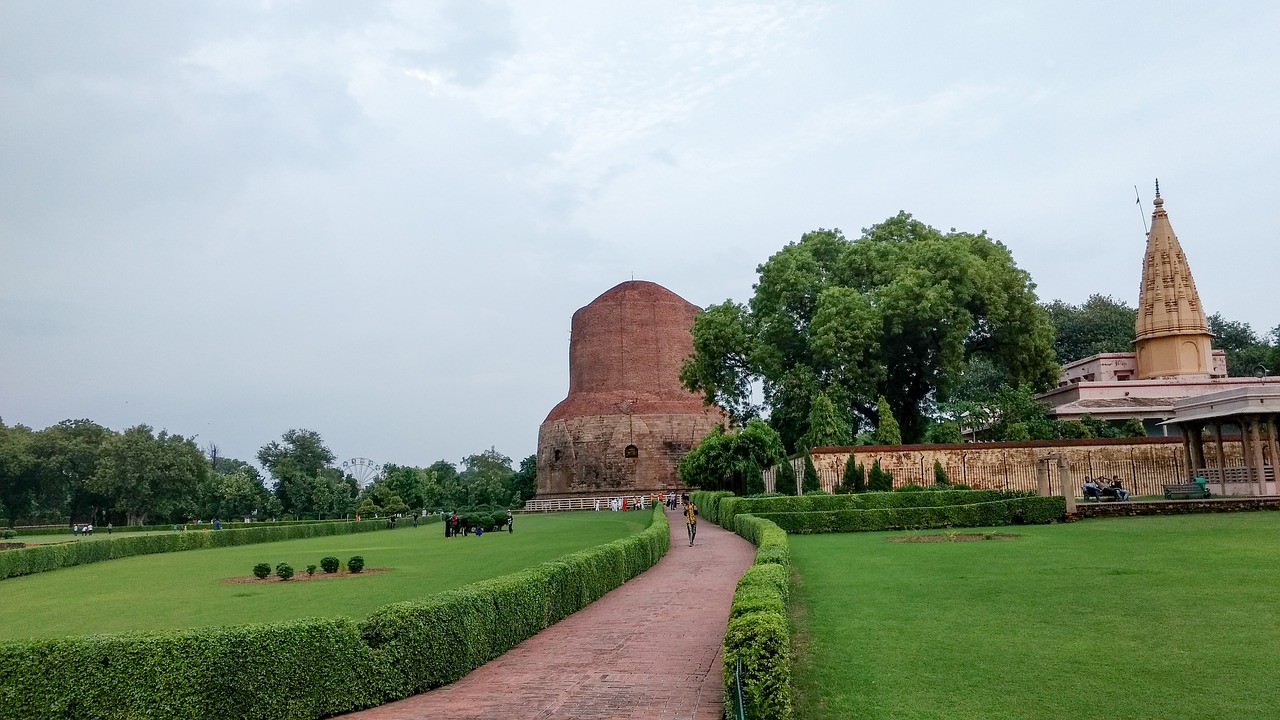
Sarnath Temple Varanasi: Timings, Route & Buddhist Site Circuit
Plan your Sarnath Temple Varanasi visit with practical timing, route planning, and a smooth one-day Varanasi-Sarnath itinerary.
Never Miss an Adventure
Get the latest trekking guides, travel tips, and exclusive offers delivered straight to your inbox.
