
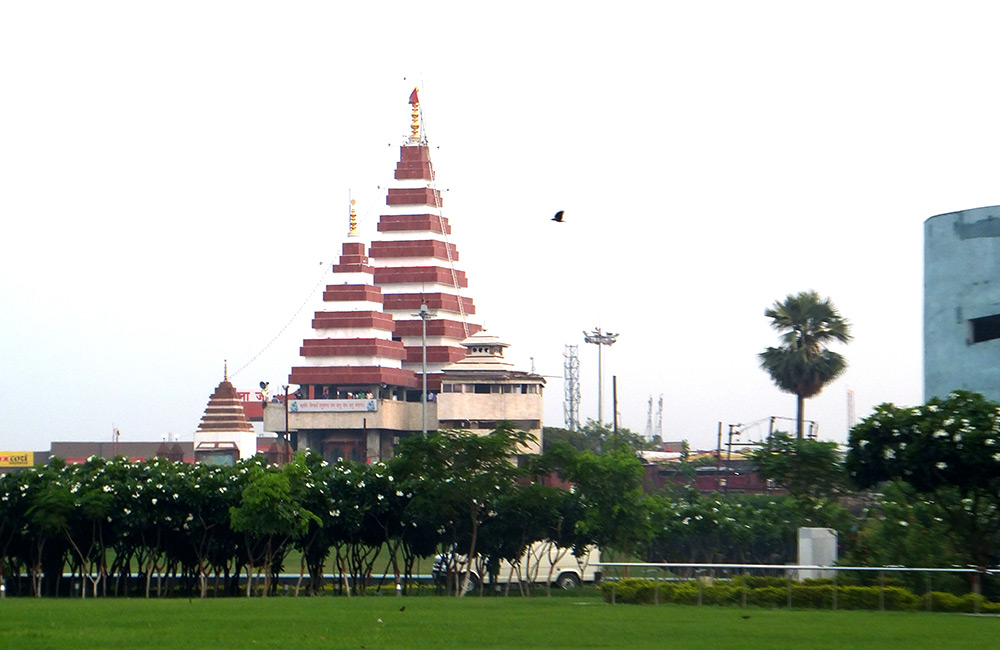
Temples in Patna: Sacred Heritage of Bihar's Capital

Rahul Garg
February 7, 2026
Explore sacred temples in Patna. Discover Mahavir Mandir, Patan Devi, Harmandir Sahib & more with timings and travel guide.
Temples in Patna: Spiritual Circuit Guide for Pilgrims and First-Time Visitors
Patna has a rich spiritual landscape where ancient devotion, local ritual continuity, and urban accessibility come together. Travelers often underestimate the city’s temple culture because they treat Patna as only a transit hub. In reality, a well-planned temple circuit here can be deeply meaningful for pilgrims and highly informative for culture-focused visitors. The key is structured movement and realistic timing.
To plan better, use places to visit Patna, local activity ideas from things to do in Patna, faith-route depth from temples in Patna overview, and broader regional extension via places to visit Bihar.
Why Temple Travel in Patna Is Distinctive
Patna’s spiritual character is shaped by old neighborhoods, daily worship traditions, and strong local community participation. Many temples here are actively integrated into city life rather than isolated from it. This means visitors experience devotion in real-time community rhythm. A temple visit in Patna often includes prayer, local food, neighborhood movement, and cultural interaction in one flow.
Best Time for Temple Circuit
| Time Window | Best Use | Recommendation |
|---|---|---|
| Early Morning | Main darshan slots | Ideal for spiritual focus |
| Late Morning | Heritage + temple blend | Add one cultural stop |
| Evening | Aarti and family visits | Keep transport pre-planned |
How to Plan a 1-Day Temple Route
Choose two to three temples max with short transfer gaps. Keep one major temple as primary objective and others as secondary. Add a meal break between spiritual blocks to avoid fatigue. Overloading six or seven temples in one day usually reduces prayer quality and creates rushed movement.
- Start with the farthest temple first.
- Keep one fixed regroup point in each zone.
- Use trusted local transport or known driver.
- Leave buffer time for queues and rituals.
Temple Etiquette and Devotional Conduct
Dress modestly, keep voice low, and respect queue flow. Remove footwear where required and avoid intrusive photography during active worship. If you are unfamiliar with local ritual process, observe quietly and follow temple staff guidance. Spiritual spaces in Patna are community-centered and respond best to respectful behavior.
Family, Senior, and Group Tips
For elders, prioritize morning routes and avoid prolonged standing during midday heat. With children, explain temple etiquette before arrival and maintain close supervision in crowded prayer windows. Group leaders should share one clear timing plan to avoid delays between sites.
Combining Temples with City Culture
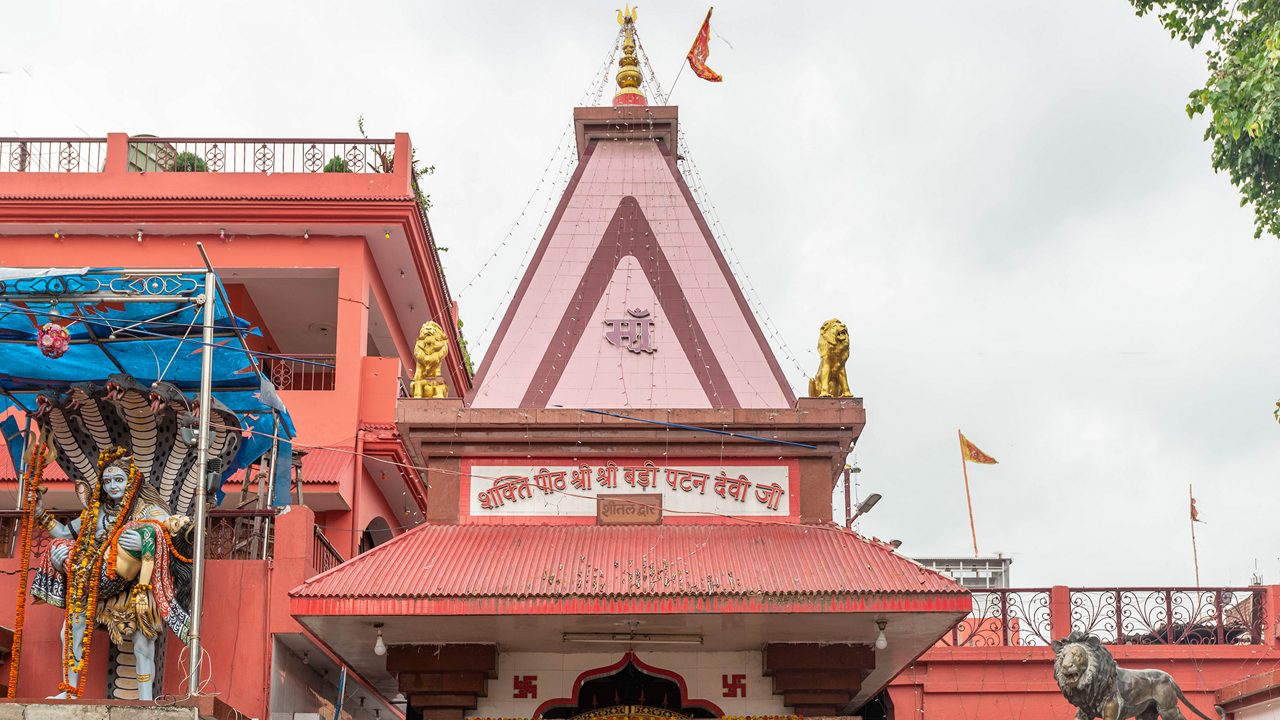
Temple visits in Patna pair well with local food and heritage lanes. You can build a balanced route: temple darshan, local meal, one short civic/cultural stop, then evening aarti at another temple. If you want a more detailed city plan, use Patna route suggestions and optional food references from local food in Patna.
Season and Weather Planning
Summer requires early-start strategy, hydration, and reduced midday movement. Winter is most comfortable for full-day circuits. Monsoon travel should include route buffer and careful lane movement. Keep weather flexibility in every temple itinerary to avoid rushed transitions.
Budget Strategy
Patna temple circuits can be budget-friendly when planned in clusters. Main spends are transport, offerings, and meals. Keep emergency cash and avoid impulse detours during peak traffic periods. A focused route usually costs less and gives more spiritual value than citywide zig-zag movement.
Sample Balanced Temple Day
Morning: Primary temple darshan. Midday: Meal + short local culture stop. Evening: Secondary temple and aarti. Night: Early return and rest.
Expanded Multi-Temple Circuit (2 Days)
If you want a deeper Patna spiritual journey, use a 2-day format. Day 1 can focus on major temples and core neighborhood routes. Day 2 can include secondary temple visits, local food, and quiet reflection windows. This format reduces pressure and gives more meaningful darshan time than same-day rushing.
Temple Etiquette for Out-of-State Visitors
Visitors from outside Bihar should observe local prayer customs before joining rituals. Keep dress modest, avoid crowding priest areas, and ask politely before filming any ceremony. Patna’s temple culture is community-driven and rooted in regular worship cycles, so respectful adaptation helps maintain harmony.
Women and Family Safety Framework
Choose daylight or early-evening windows, especially for first-time city visits. Keep one trusted transport option and avoid last-minute random vehicle decisions. Families should share one meeting point at each temple and use short communication check-ins between stops.
Blending Spiritual and Cultural Travel
Patna temple visits pair naturally with food streets and local markets. A balanced day can include morning darshan, afternoon meal, and evening city walk. This pattern gives emotional depth plus cultural exposure without overloading your schedule.
Practical Budget Splits
Separate costs into transport, offerings, food, and local purchases. Keep a small emergency reserve for traffic or timing changes. Budget clarity improves decision quality and avoids end-of-day stress.
Checklist Before You Start
- Confirm temple timings and special-day closures.
- Carry water and essential medicines.
- Keep small cash notes and digital backup.
- Plan a conservative end-of-day return time.
High-Value 2-Day Spiritual Plan in Patna
For travelers who want depth, a two-day temple itinerary works better than one packed day. Day one can cover core temples with comfortable pacing, while day two can include neighborhood shrines, local food, and reflective time. This model reduces rush and supports both spiritual quality and cultural learning.
Patna’s city rhythm is dynamic, so keep travel windows realistic. Use cluster planning around nearby temples and avoid repeated cross-city loops in peak traffic bands. A slower plan often covers more meaningfully than a fast one.
Temple + City Culture Integration
Patna offers a strong combination of devotion and local city life. After darshan, you can include short market walks, regional cuisine, and calm evening visits. This creates a balanced travel day where spirituality and cultural immersion support each other. For first-time visitors, this blended format is easier to sustain than strict temple marathons.
Group Coordination Framework
- Define one group lead and one backup lead.
- Share timing and regroup point before every stop.
- Carry water and essential medication in one shared pouch.
- Keep one emergency transport fallback ready.
- End the day with a fixed return cutoff time.
Small coordination rules prevent most same-day pilgrimage issues.
Meaningful Close to the Day
Before ending your circuit, take a short reflection pause at the final temple. This helps convert the day from movement-heavy sightseeing to emotionally grounded pilgrimage.
Long-Weekend Temple Planning in Patna
If you have a long weekend, split Patna temple visits into morning and evening windows and keep afternoons lighter with food and cultural breaks. This improves both spiritual quality and physical comfort in city conditions.
Repeat visits can be scheduled by neighborhood clusters to avoid route repetition and reduce travel fatigue.
Use temple clustering, hydration breaks, and clear group communication to keep Patna pilgrimage days smooth, meaningful, and spiritually focused from start to finish.
A calm sequence of prayer, pause, and movement works best in Patna temple circuits.
Less rushing and more reflection makes Patna temple journeys far more rewarding.
A thoughtful pace is the foundation of a meaningful Patna temple circuit.
Start early and end gently for a fuller spiritual day.
Final Takeaway
Temples in Patna offer a meaningful spiritual journey when visited with simple planning and respectful conduct. Keep the route compact, prioritize devotional focus, and allow time for reflection between stops. With this approach, Patna becomes far more than a transit city—it becomes a deeply rewarding pilgrimage destination.
Location
Frequently Asked Questions
Q1.What are the famous temples in Patna?
Q2.What are Mahavir Mandir Patna timings?
Q3.Why is Patan Devi Temple famous?
Q4.What is special about Takht Sri Harmandir Sahib Ji?
Q5.How do I reach Patna from Delhi?
Q6.Best time to visit Patna temples?
Q7.Is Patna safe for temple tourists?
Q8.How many days needed for Patna temple tour?
Recommended For You
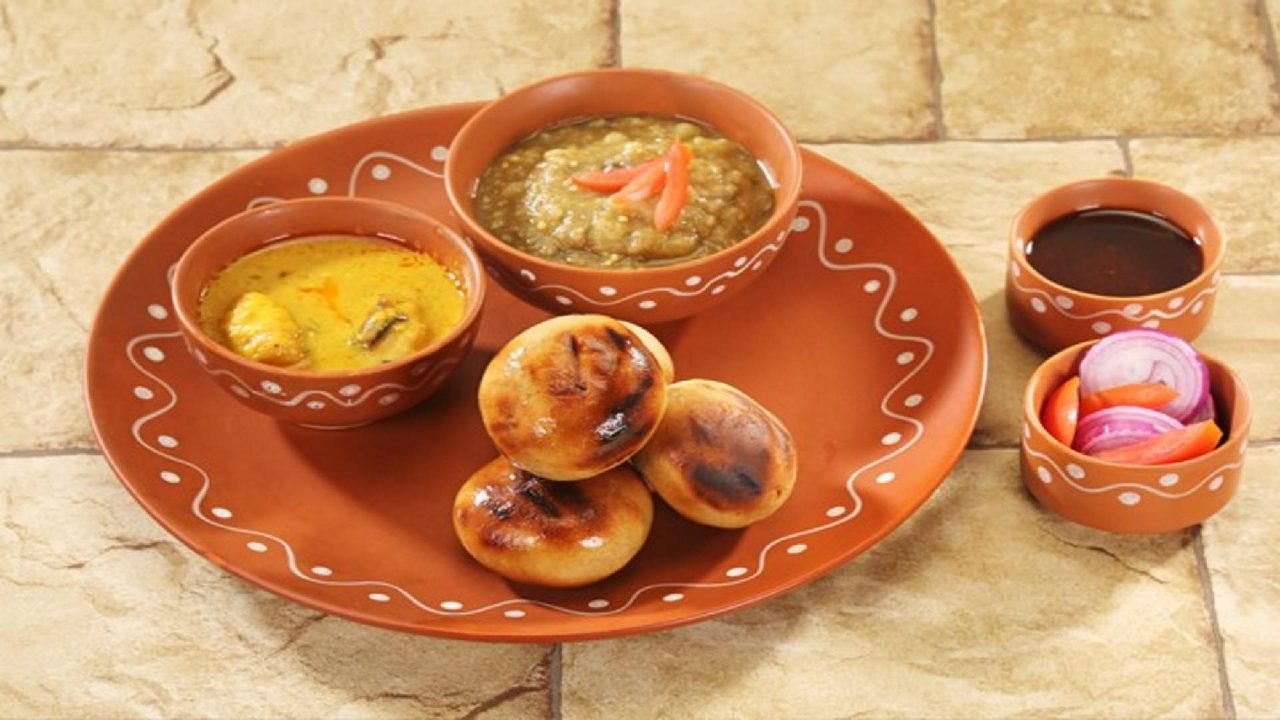
Local Food of Patna: Litti Chokha, Sweets & Famous Food Spots
Discover authentic Bihari cuisine in Patna. Explore traditional dishes like Litti Chokha, Sattu Paratha, Khaja, and must-try local delicacies with our complete food guide.

Places to Visit in Bihar: Top 15 Destinations
Explore top places to visit in Bihar with heritage circuits, spiritual landmarks, Patna add-ons, and practical route planning.
Places to Visit in Patna: Historic Landmarks, Museums & Ghats
Discover top places to visit in Patna, from Golghar and Patna Sahib to museums, ghats, and heritage sites with practical travel tips and route planning.
Never Miss an Adventure
Get the latest trekking guides, travel tips, and exclusive offers delivered straight to your inbox.
