

North India vs South India: Perfect Destinations Compared

Rahul Garg
February 22, 2026
North India vs South India compared by weather, culture, food, budget, and destination style to help you choose the right vacation plan.
Introduction
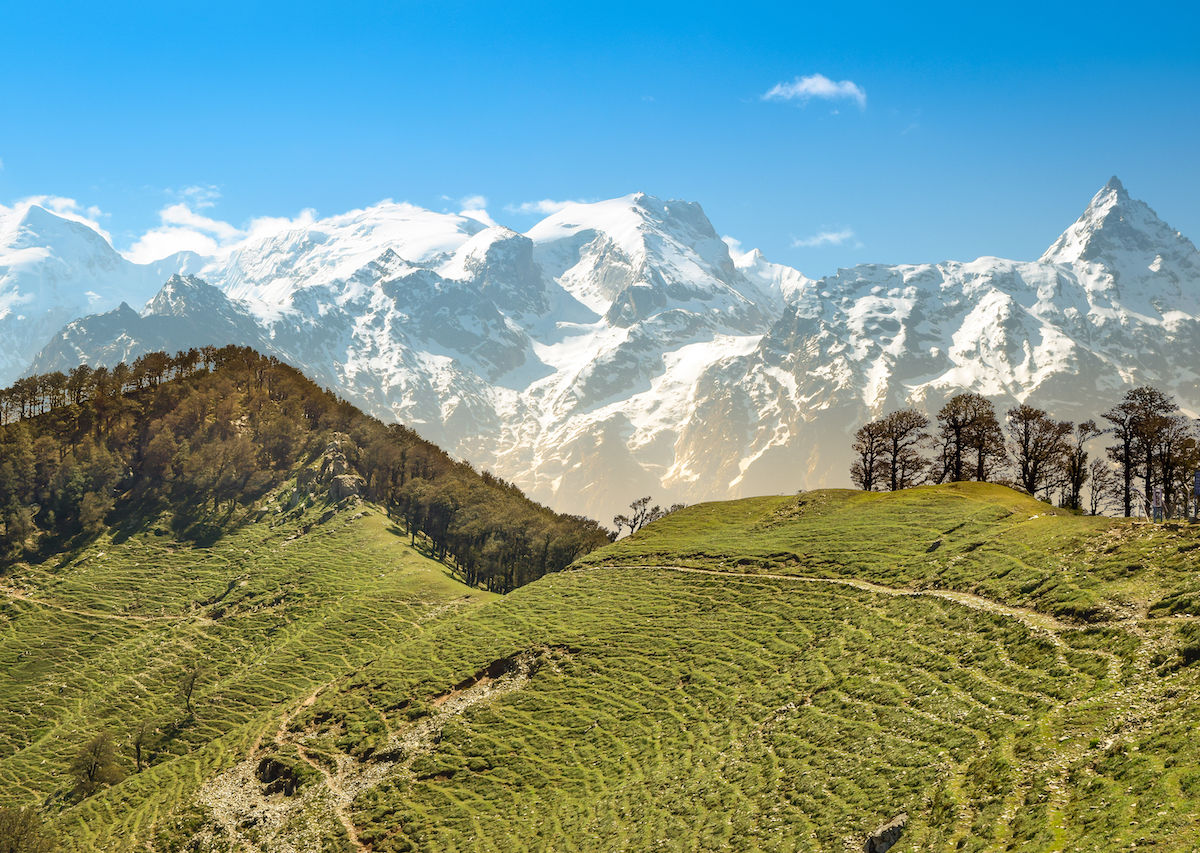
North India vs South India tourism is one of the most common planning decisions for Indian and international travelers. The challenge is not choosing which side is better in general, but matching climate, culture, pace, budget, and travel goals to your specific trip window. North India offers Himalayan landscapes, desert heritage cities, Sikh and Mughal history belts, and dramatic seasonal shifts. South India offers coastal circuits, backwaters, temple architecture, coffee hills, spice routes, and year-round tropical variation.
If your vacation is short, choosing the wrong region for the season can reduce trip quality quickly. Summer heat in one circuit, heavy rain in another, or over-packed transfers across long distances can turn a strong itinerary into a stressful one. This guide compares both regions in a practical format so you can decide based on weather, destination style, food preference, trip duration, and budget tolerance. For seasonal planning depth, combine this with best time to visit Rajasthan, hill stations in Kerala, and places to visit in Ooty.
Quick Comparison Table
| Comparison Factor | North India | South India | Who It Suits Better |
|---|---|---|---|
| Landscape style | Himalayas, valleys, forts, deserts, plains | Beaches, backwaters, forests, hills, plateaus | Depends on mountain vs coast preference |
| Weather profile | Strong summer and winter extremes in many areas | More tropical with humidity in coastal belts | South for milder winters, North for snow seasons |
| Cultural texture | Mixed Indo-Islamic, Sikh, Himalayan, Rajput traditions | Dravidian temple heritage, classical arts, coastal cultures | Both strong, but very different experiences |
| Food style | Wheat-based breads, kebabs, gravies, dairy-rich cuisine | Rice-based meals, coconut, seafood, lighter spice layering | Preference-based |
| Best for first-time India trip | Iconic circuits like Delhi-Agra-Jaipur, Kashmir, Himachal | Comfort circuits like Kerala and Tamil Nadu temple routes | Depends on travel style and season |
| Transport rhythm | Great air and rail links, longer mountain road times | Strong rail and road links with efficient city connectivity | South often smoother for multi-city short trips |
Top North India Destinations
1. Kashmir Valley circuits
Kashmir is often chosen for alpine valleys, lakes, meadows, and a slower scenic pace. It works best for travelers seeking cool weather escapes, nature stays, and photography-focused itineraries. Summer and early autumn are popular for green landscapes, while winter attracts snow-focused trips in selected zones.
2. Himachal mountain belts
Manali, Spiti-facing routes, and other Himachal circuits are strong options for road-trippers and adventure travelers. Terrain variety is a major plus, but travel times can stretch due to altitude, weather, and road conditions. Build realistic daily distance blocks rather than aggressive transfers.
3. Rajasthan heritage routes
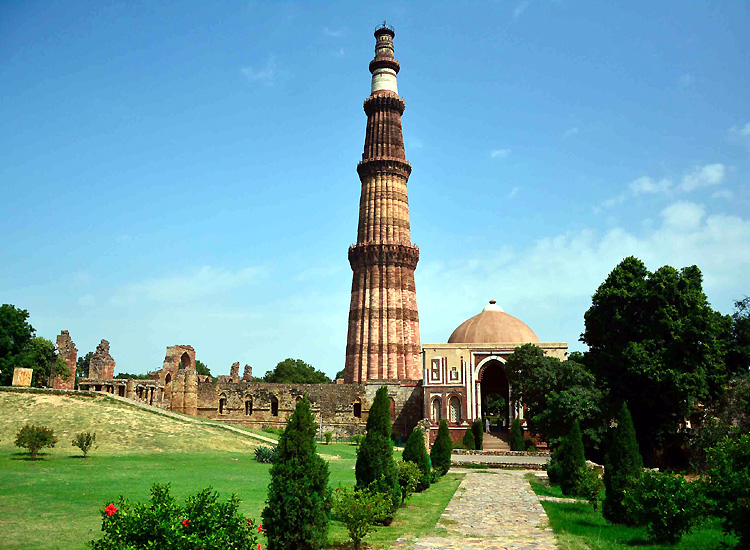
Rajasthan is ideal for architecture, forts, royal history, desert landscapes, and craft markets. A Jaipur-Udaipur-Jodhpur sequence gives cultural depth with manageable logistics. Seasonal planning matters: winter is usually more comfortable, while monsoon adds a different visual mood in select cities. For route ideas, see Rajasthan monsoon places.
4. Sikh heritage and Punjab city experiences
Amritsar and nearby Punjab circuits offer high cultural value through spiritual centers, food lanes, and local history narratives. These routes are compact and often easier for short trips compared with mountain-heavy plans.
5. Varanasi and spiritual belt
Travelers who want ritual heritage, riverfront culture, and early-morning ghat experiences often choose Varanasi. The destination rewards slow observation and cultural sensitivity rather than a rushed checklist.
Top South India Destinations
1. Kerala backwaters and hill circuits
Kerala remains one of the strongest South India tourist places categories because it combines backwater cruising, hill stations, spice gardens, beaches, and wellness travel in one state. It is highly flexible for couples, families, and soft-adventure travelers. You can pair coast and hills in one itinerary with less transfer fatigue than many northern high-altitude routes. Explore Kerala backwaters and Kerala food specialties for more depth.
2. Tamil Nadu temple and culture arc
From major temple towns to classical dance and music hubs, Tamil Nadu is ideal for architecture-rich and heritage-heavy journeys. The region supports both pilgrimage and culture-travel intents. Route planning should include heat and festival calendar considerations.
3. Karnataka mixed itinerary model
Karnataka offers one of the best mixed-region structures in South India: heritage, coffee hills, beaches, and city comforts. Hampi works for history-focused travelers, while Coorg and Chikmagalur are better for nature and slower stays.
4. Goa beyond nightlife
Goa is still popular for beaches and leisure, but it also supports food trails, heritage churches, village stays, and monsoon landscapes. Travelers who avoid only peak party zones can build more balanced itineraries.
5. Nilgiri and Western Ghats belts
Ooty, Coonoor, and adjoining hills are excellent for moderate-weather escapes and family-friendly pacing. If you want short-hill breaks with cleaner logistics, this region is often easier to execute than high-altitude Himalayan loops.

Cultural Differences That Affect the Trip Experience
North India and South India both have deep cultural complexity, but the traveler experience differs significantly in language rhythm, architecture forms, local festivals, attire patterns, and culinary structures. North circuits often highlight Mughal, Rajput, Sikh, and Himalayan influences within a broad Indo-Gangetic narrative. South circuits often highlight Dravidian temple systems, Carnatic and folk performing arts, coastal trade histories, and region-specific language traditions.
| Cultural Dimension | North India | South India | Travel Planning Note |
|---|---|---|---|
| Architecture highlights | Forts, palaces, Mughal monuments, hill monasteries | Temple complexes, gopurams, colonial-coastal heritage | Choose based on monument style preference |
| Festival character | Large-scale public festivals and regional fairs | Temple-linked festivals and harvest traditions | Check local calendars before booking |
| Language diversity | Hindi plus multiple state languages | Tamil, Malayalam, Kannada, Telugu and others | Basic local greetings improve experience |
| Travel tone | Can feel fast-paced in major cities, rugged in mountain routes | Often calmer in coastal and hill circuits | Pick according to pace comfort |
Food Comparison: What Changes Region to Region
North India cuisine usually features breads, tandoor formats, paneer and dairy-rich gravies, kebabs, and winter-friendly comfort dishes. South India cuisine commonly centers on rice, lentil-based preparations, fermented batters, coconut profiles, pepper-curry leaf spice systems, and strong regional seafood traditions in coastal states.
| Food Factor | North India Pattern | South India Pattern | Traveler Tip |
|---|---|---|---|
| Staple base | Wheat and millet in many belts | Rice and rice derivatives across many states | Plan meals by dietary comfort |
| Breakfast style | Stuffed breads, poha variants, tea stalls | Idli, dosa, appam, puttu, filter coffee cultures | South often gives lighter day-start options |
| Protein patterns | Dairy, poultry, kebab traditions in many urban belts | Seafood and lentil-heavy combinations in coastal and interior belts | Check local specialization before city hops |
| Spice profile | Creamy gravies to dry masala ranges | Coconut, tamarind, curry leaf and pepper-driven layering | Expect strong variation across states |
Weather and Best Time To Visit
North India vs South India weather difference is often the single most important decision factor. North has stronger continental variation, with severe summers in plains and very cold winters in mountain states. South has tropical humidity in many coastal belts, milder winters in several areas, and monsoon-sensitive travel windows that vary by state and coast.
| Season Window | North India Snapshot | South India Snapshot | Planning Recommendation |
|---|---|---|---|
| December to February | Great for Rajasthan and plains circuits, snow in many mountain zones | Pleasant in many coastal and hill regions | Strong window for both regions with route matching |
| March to May | Heat rises in plains, mountains become preferred | Warm to hot in lowlands, hill stations work well | Shift to hills in both regions |
| June to September | Monsoon impact varies, some mountain roads become riskier | Heavy rain in many belts, lush landscapes in select circuits | Travel with weather buffer and route backups |
| October to November | Strong season for many heritage and city routes | Post-monsoon freshness in multiple states | Balanced window nationwide |
Budget Comparison
Budget is influenced less by region label and more by destination type, season, and transfer pattern. High-altitude North road trips can become costly due to transport, permits, fuel, and weather delays. Premium South beach or wellness stays can also raise costs quickly. For standard mid-range travelers, both regions can be planned efficiently with route discipline.
| Cost Component | North India Typical Pattern | South India Typical Pattern | Cost Control Tip |
|---|---|---|---|
| Intercity transport | Can rise in mountain circuits due to long road transfers | Often efficient by rail and road in many state corridors | Reduce one-night city hops |
| Hotel volatility | High in peak hill and iconic city seasons | High in holiday coastal belts and premium hill stations | Book high-demand segments early |
| Food and local commute | Wide range from budget to premium urban markets | Wide range, often good value outside resort zones | Stay near activity clusters |
| Activity spending | Adventure and long-distance circuits can increase spend | Water activities and private stays may increase spend | Define activity priorities before booking |
Month-Wise Destination Fit
| Month Window | North India Better Picks | South India Better Picks | Key Caution |
|---|---|---|---|
| January to February | Rajasthan, Punjab cities, selected heritage belts | Kerala coast, Tamil Nadu temple circuit, Karnataka city-plus-hill routes | Cold waves in northern plains and snow disruption in higher mountains |
| March to April | Himachal and Kashmir transitions, spring heritage routes | Nilgiris, Coorg, Munnar and mixed cultural circuits | Heat starts rising in lowland destinations |
| May to June | North hill stations and higher valleys | South hill stations and short coastal breaks with checks | Peak demand period raises hotel rates in leisure zones |
| July to September | Selective routes with weather monitoring and flexibility | Lush monsoon circuits in Kerala and Western Ghats | Road disruptions and rain-led delays in both regions |
| October to December | Major heritage loops and cool-weather city circuits | Post-monsoon freshness, beach plus culture combinations | Festival and holiday congestion in high-demand zones |
Month-led selection usually solves half of the decision. If you travel during weather-sensitive windows, avoid hard-fixed schedules and keep backup nights in one transit city. A slower structure protects trip quality when road, rain, or crowd conditions shift unexpectedly.
North vs South for Couples Families and Solo Travelers
For couples
Couples often choose North India for mountain views and cool-weather romance, especially in hill circuits. South India is preferred for calm resorts, backwater stays, and wellness combinations with less transfer fatigue. If your honeymoon style is active road trips, North routes can feel more adventurous. If your style is relaxed scenery with steady comfort, South circuits are often easier to execute.
For families
Family planning is usually smoother when routes have predictable weather and moderate transfer time. In this case, many South India circuits perform well because they combine nature, culture, and food variety in shorter drive segments. North India also works strongly for families in heritage city combinations and selected hill routes, but weather and road dependencies should be assessed carefully for children and seniors.
For solo travelers
Solo travelers can enjoy both regions with the right planning. North India is strong for social hostels, high-energy city culture, trekking gateways, and photography routes. South India is strong for long-stay digital nomad patterns, coastal towns, wellness breaks, and slower solo movement. In both regions, choose accommodation near active local centers to reduce commute stress and improve evening safety confidence.
Transport and Connectivity Comparison
North and South India both have wide air rail and road networks, but travel reliability depends on terrain type. Northern mountain routes can involve weather-dependent delays and slower average driving speeds. Southern multi-city routes often benefit from consistent rail and road operations in densely connected state corridors. Your itinerary should be designed around realistic transfer blocks, not only map distance.
| Transport Dimension | North India | South India | Practical Advice |
|---|---|---|---|
| Flight coverage | Strong in major cities and tourism hubs | Strong across metro and leisure corridors | Use open-jaw routing to avoid backtracking |
| Rail convenience | Excellent across plains and major circuits | Excellent across most state combinations | Book peak holiday trains in advance |
| Road variability | High in mountain regions and seasonal passes | Moderate in many state highways, variable in monsoon belts | Keep daylight driving preference |
| Last-mile movement | Can vary by terrain and city congestion | Usually smoother in compact city clusters | Pick stays near primary activity zones |
Which Region Is Better by Travel Goal
| Travel Goal | Better Fit | Why |
|---|---|---|
| Snow and high mountains | North India | Himalayan access and winter mountain circuits |
| Beaches and tropical leisure | South India | Coastal belts and island-style itineraries |
| Forts palaces and desert heritage | North India | Rajasthan and northern heritage arcs |
| Temple architecture depth | South India | Large temple circuits across multiple states |
| Relaxed family vacation | South India | Low-stress mixed itineraries with moderate pace |
| Adventure road trips | North India | Mountain passes and high-variation terrain |
| First-time India highlights | Either | Depends on season comfort and interest focus |
Sample 7-Day Itinerary Models
North India sample
Day 1 to Day 2 Delhi and Agra heritage focus, Day 3 to Day 4 Jaipur cultural circuit, Day 5 to Day 7 Udaipur or a short hill transfer depending on season and flight logic. This model works for first-time travelers who want iconic monuments with manageable complexity.
South India sample
Day 1 to Day 2 Kochi and local heritage walk, Day 3 to Day 4 Munnar hill segment, Day 5 to Day 6 Alleppey or Kumarakom backwater plan, Day 7 return via Kochi. This model is effective for couples and families who want lower transfer pressure and mixed nature experiences.
Ten-Day Itinerary Templates
North India ten-day route
Days 1 and 2 in Delhi and Agra for core monument circuit. Days 3 to 5 in Jaipur and Udaipur for heritage and local market experiences. Days 6 and 7 can focus on Jodhpur or an alternate city based on flight logic. Days 8 to 10 can shift to a nearby hill segment or return buffer in one major city. This template balances architecture food and cultural depth without forcing difficult long-haul transfers every day.
South India ten-day route
Days 1 and 2 in Kochi for heritage and food orientation. Days 3 and 4 in Munnar or nearby hills. Days 5 and 6 in backwater region with one slower day for recovery. Days 7 and 8 in a coastal zone or cultural city based on preference. Days 9 and 10 for return city plus one flexible activity block. This template is highly suitable for families and couples who prefer measured pacing.
How To Choose in 5 Steps
- Lock your travel month first, then shortlist climate-suitable regions.
- Define trip intent: heritage mountains beaches temples food or mixed.
- Set transfer tolerance: long scenic drives versus short city hops.
- Choose budget style: value mid-range comfort or premium stay-heavy plan.
- Build one region deeply instead of splitting north and south in a short trip.
Packing and Preparation Differences
- North mountain itineraries need layered cold-weather clothing even when lower cities are warm.
- South tropical routes need breathable fabrics humidity-friendly footwear and monsoon backup essentials.
- Both regions need hydration discipline and sun protection for long outdoor days.
- Carry offline maps and transport confirmations for multi-stop circuits.
- Keep one medical and identity folder in both physical and digital form.
Common Planning Mistakes
- Trying to cover both North and South India in one rushed one-week vacation.
- Ignoring monsoon and heat patterns while booking fixed city sequences.
- Overestimating road speeds in mountain zones.
- Choosing destinations by trend instead of season fit.
- No recovery day between long transfers and major activity blocks.
Regional Deep Dive for First-Time Travelers
North India first-time route logic
First-time travelers in North India usually benefit from a hub-and-spoke pattern instead of extreme zig-zag movement. One stable city base with two nearby day blocks keeps logistics manageable and reduces fatigue. In heritage-focused plans, Delhi Jaipur and Udaipur combinations work because transport links are strong and sightseeing density is high. In mountain-focused plans, limit major altitude jumps and avoid stacking long transfers on consecutive days. This is especially important when traveling with children seniors or mixed-energy groups.
For photography-driven travelers North India offers excellent variation between architecture desert textures riverfront rituals and mountain landscapes. The key is pacing. Keep one open slot every three days for weather or recovery. This simple margin improves the trip more than adding one extra city stop. If you are building a culture-heavy route, combine one major monument zone one old-city walking zone and one local food lane each day instead of trying to cover every highlight in one block.
South India first-time route logic
First-time South India itineraries are usually strongest when they combine one heritage city one hill stop and one water or coast segment. This gives variety without exhausting transfers. Kerala and Tamil Nadu combinations are common because they balance culture and nature. Karnataka routes are excellent for travelers who want heritage plus coffee hills plus modern city convenience in one trip. Keep intercity movement realistic and avoid changing hotels daily.
South India also rewards slow mornings and shorter activity clusters. Temple and cultural destinations often need start-time discipline due to local schedules and crowd windows. Coastal routes need weather awareness in monsoon months even when the destination remains open. Travelers who keep flexible activity order rather than fixed hour-by-hour plans usually get smoother outcomes across this region.
Practical Checklist Before Booking
- Confirm climate suitability for your exact month and not only annual averages.
- Choose one region per short vacation and avoid over-ambitious dual-region plans.
- Keep one buffer day for weather transfer or rest.
- Book hotels near key activity clusters to reduce local commute time.
- Check festival calendars because event periods can change crowd and pricing patterns.
- For mountain or monsoon routes keep backup transport options.
- Prioritize route quality over destination count.
This checklist alone can prevent most planning mistakes seen in rushed itineraries. Region choice matters, but execution quality matters more. A well-paced North trip can beat a rushed South trip, and a well-structured South trip can beat an overpacked North loop. The deciding factor is planning discipline around season, distance, and daily energy levels.
Final Decision Matrix
Choose North India when your top goals are mountains forts desert heritage and dramatic weather contrast. Choose South India when your top goals are coastal relaxation temple architecture tropical scenery and smoother multi-city rhythm. If your vacation is shorter than one week, avoid combining both regions in one trip. A focused single-region plan delivers better experience quality lower fatigue and better budget control.
Final Verdict
North India vs South India tourism is best solved with intent matching, not region ranking. Choose North India when your priorities are snow mountains forts desert heritage and high-contrast landscapes. Choose South India when your priorities are beaches backwaters temple architecture tropical greenery and smoother multi-city pacing.
If you are still unsure, use a season-first filter. In many winter windows both regions work, but in high summer and active monsoon months route selection quality becomes critical. Start with one region, build depth, and save the other for a dedicated trip. That approach consistently gives better memories, better budget control, and lower travel fatigue.
Location
Frequently Asked Questions
Q1.North India or South India which is better?
Q2.What is the weather difference between North and South India?
Q3.Which is safer for tourists, North India or South India?
Q4.North India vs South India for honeymoon which is better?
Q5.What is the best time to visit North India?
Q6.What is the best time to visit South India?
Q7.Is North India more expensive than South India?
Q8.What are the main cultural differences between North and South India for travelers?
Recommended For You

Top 25 Things to Do in Sikkim: Monasteries, Lakes & Adventure Picks
Discover the best things to do in Sikkim from Tsomgo Lake to Nathula Pass. Complete travel guide with trekking, monasteries, and adventure activities.

Top 10 Hill Stations in Kerala: Misty Escapes
Explore the best hill stations in Kerala. Munnar, Wayanad, Vagamon & more. Perfect for honeymooners and nature lovers. Plan your misty mountain getaway.

Rajasthan in Monsoon: Top Places to Visit
Discover the best places to visit in Rajasthan in monsoon with city-wise ideas, seasonal highlights, and practical travel tips.
Never Miss an Adventure
Get the latest trekking guides, travel tips, and exclusive offers delivered straight to your inbox.
