
Best Places for Shopping in India: City-Wise Markets & What to Buy

Priya Mehta
January 5, 2026
Discover best places for shopping in India. From Delhi markets to Mumbai streets, find traditional & modern shopping destinations.
Introduction: India's Shopping Paradise
India offers one of the world's most diverse shopping landscapes, spanning from centuries-old traditional bazaars to modern luxury malls and specialized craft markets. The country's shopping diversity reflects its cultural richness - each region specializes in different products, craft traditions, and commercial styles. Delhi offers everything from budget street shopping to high-end luxury, Mumbai combines fashion markets with wholesale hubs, Jaipur specializes in Rajasthani crafts and textiles, Kolkata's heritage markets provide traditional goods, and Bangalore merges modern malls with local bazaars.
What makes Indian shopping special is the range of experiences - you can browse handicrafts in ancient markets, bargain in street bazaars, shop in air-conditioned malls, or explore specialized craft centers. Prices vary dramatically from rock-bottom wholesale to international luxury, accommodating all budgets. Understanding India's shopping geography, market types, and shopping etiquette helps maximize experiences.
For city-specific guides, explore shopping places in Jaipur, shopping places in Mumbai, and best shopping places in Delhi.
Delhi: The Shopping Capital
Delhi stands as India's shopping capital with diverse options across budget, mid-range, and luxury segments.
Chandni Chowk: Traditional Bazaars
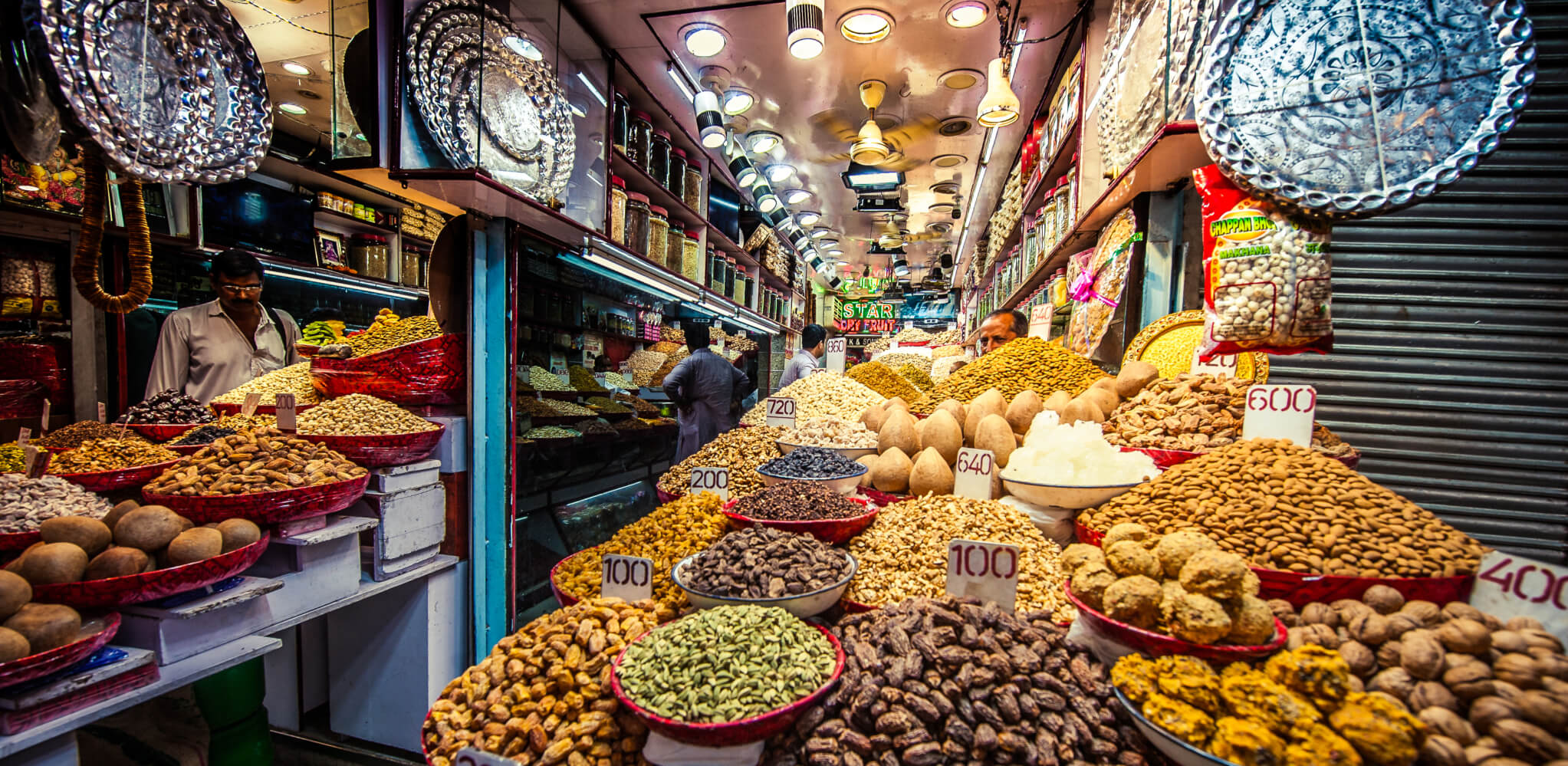
Chandni Chowk in Old Delhi represents one of India's most famous traditional shopping areas. Established in the 17th century, this market specializes in textiles, jewelry, spices, and wedding shopping. The narrow lanes host specialized bazaars - Ballimaran for wedding attire, Dariba Kalan for jewelry, and Kinari Bazaar for bridal fabrics. Shopping here involves bargaining, crowds, and chaotic but exciting atmosphere. The market's historical significance adds cultural dimension beyond commerce.
Sarojini Nagar: Budget Fashion
Sarojini Nagar market in South Delhi is famous among budget fashion enthusiasts. The market offers trendy clothing, accessories, and footwear at wholesale prices. Stalls display latest fashion trends, and hawkers constantly update collections. Shopping at Sarojini Nagar involves digging through piles and negotiating slightly. The market attracts college students and young professionals seeking fashionable bargains. Evening visits combine shopping with street food.
Connaught Place: Brands and Local
Connaught Place (CP) blends branded retail with local shopping. The circular market houses branded stores, handicraft emporiums, and book shops. Inner and outer circles offer different shopping experiences - inner circle has established brands while outer circle features budget stalls and street shopping. CP's architecture adds character to shopping visits. The location is central and well-connected by metro.
Dilli Haat: Handicrafts Hub
Dilli Haat near INA Market serves as handicrafts marketplace representing India's diverse craft traditions. Stalls display textiles, pottery, metalwork, jewelry, and decorative items from different Indian states. The market focuses on quality handicrafts rather than mass-produced goods. Prices reflect craftsmanship authenticity. Shopping here supports artisans directly while acquiring unique Indian products. Dilli Haat operates through the week with different craftspeople daily.
Khan Market: Upscale Shopping
Khan Market in central Delhi offers upscale shopping with premium brands and luxury retail. The market attracts affluent shoppers and those seeking designer labels. Storefronts present international and Indian designer collections. Khan Market is known for personalized service, exclusive products, and sophisticated shopping environment. Prices are premium but reflect luxury retail positioning.
Lajpat Nagar: Central Market
Lajpat Nagar in central Delhi serves as major commercial and shopping area. The market spans multiple blocks with different specializations - clothing, electronics, footwear, and household goods. Central Market provides comprehensive shopping options across categories. The market is accessible and busy with significant footfall. Lajpat Nagar suits those wanting variety in one location without specialized market hopping.
Mumbai: Fashion & Street Shopping
Mumbai combines high-fashion shopping with vibrant street markets and wholesale hubs.
Colaba Causeway: Tourist Favorite
Colaba Causeway in South Mumbai attracts tourists with beachside shopping featuring fashion, accessories, and souvenirs. The market stretches along Marine Drive proximity, creating scenic shopping environment. Stalls offer trendy clothing, jewelry, handicrafts, and beachwear. Colaba Causeway provides Mumbai souvenir shopping with goods representing Indian culture and local themes. Evening visits combine shopping with sunset views over Arabian Sea.
Crawford Market: Wholesale Goods
Crawford Market represents Mumbai's wholesale hub with goods across fruits, vegetables, household items, and textiles. The market serves retail buyers but individual shoppers also find bargains by purchasing wholesale quantities. The covered market structure provides shopping shelter. Crawford Market's wholesale pricing attracts value-seeking shoppers who can manage larger purchases.
Linking Road: Fashion Street
Linking Road in Bandra is Mumbai's famous fashion street stretching kilometers along upscale neighborhood. The street features boutiques, designer stores, and international brands. Fashion offerings span from Indian designer collections to international labels. Linking Road attracts Mumbai's fashion-conscious shoppers and celebrities. The street's location in upscale Bandra adds prestige to shopping experiences.
Fashion Street: Budget Clothes
Fashion Street in Mumbai is a misnomer - it's actually a collection of streets in South Mumbai offering budget fashion shopping. Areas like Chor Bazaar and Mutton Street provide affordable clothing, accessories, and footwear. Bargaining is essential for best prices. Fashion Street attracts students, budget shoppers, and those seeking trendy styles at low costs.
Zaveri Bazaar: Jewelry Market
Zaveri Bazaar in Mumbai is India's prominent jewelry wholesale and retail market. The narrow lanes specialize in gold, silver, and precious stone jewelry. Hundreds of shops display traditional and contemporary designs. Wholesale pricing attracts jewelry buyers from across India. Individual shoppers purchasing single pieces also find competitive rates. Zaveri Bazaar represents India's jewelry trade hub with craftsmanship spanning generations.
Chor Bazaar: Antique Finds
Chor Bazaar despite its name (meaning 'thief market') is legitimate antique and vintage market. The market specializes in antiques, vintage furniture, curios, and collectibles. Shops display items spanning colonial furniture, brassware, old maps, and memorabilia. Bargaining is expected and necessary for reasonable prices. Chor Bazaar appeals to collectors, interior designers, and those seeking unique vintage pieces.
Jaipur: Traditional Crafts
Jaipur showcases Rajasthani handicrafts, textiles, and jewelry across traditional and modern markets.
Johari Bazaar: Gemstones and Jewelry
Johari Bazaar is Jaipur's famous gemstone and jewelry market specializing in precious stones and Kundan Meena jewelry. The market's lanes display diamonds, emeralds, rubies, and other gemstones alongside traditional Rajasthani jewelry. Kundan Meena enamel work represents Jaipur's specialty craft. Shopping here requires gemstone knowledge or trustworthy recommendations. The market attracts jewelry traders and serious collectors.
Bapu Bazaar: Textiles and Handicrafts
Bapu Bazaar offers extensive Rajasthani textiles, handicrafts, and decorative items. The market features colorful fabrics, block prints, quilts, puppets, and pottery. Shops display craft products representing different Rajasthani traditions. Prices vary by quality and bargaining skill. Bapu Bazaar suits those wanting authentic Rajasthani souvenirs and home decor items.
Nehru Bazaar: Rajasthani Items
Nehru Bazaar in Jaipur provides traditional shopping for Rajasthani goods. The market specializes in textiles, handicrafts, and leather items including famous Jaipuri jootis (footwear). Colorful displays showcase Rajasthani craftsmanship. The market's central location near Albert Hall makes it convenient for tourists. Nehru Bazaar combines cultural authenticity with tourist accessibility.
Tripolia Bazaar: Traditional Goods
Tripolia Bazaar near City Palace focuses on traditional Rajasthani goods. The market features lac bangles, textiles, handicrafts, and miniature paintings. Specialized lanes concentrate on different product categories. Tripolia Bazaar attracts those seeking specific Rajasthani crafts and traditional items rather than general shopping.
MI Road: Modern Shopping
MI Road in Jaipur represents modern shopping with branded stores, contemporary fashion, and western retail. The street contrasts with traditional bazaars by offering international brands, chain stores, and modern shopping experience. MI Road suits Jaipur residents seeking contemporary fashion and international products. The street bridges traditional and modern shopping in Jaipur.
Kolkata: Heritage Markets
Kolkata's heritage markets provide traditional shopping with colonial-era charm.
New Market: Historic Shopping
New Market, established in 1874, is Kolkata's oldest and most iconic shopping destination. The market's heritage building houses diverse shops selling textiles, jewelry, clothing, and confectionary. The market's colonial architecture and historical significance add shopping atmosphere beyond commerce. New Market continues Kolkata's trading traditions spanning centuries.
Gariahat: Traditional Saris
Gariahat in Kolkata is famous for traditional Bengali saris and textiles. The market specializes in silk saris, cotton fabrics, and Bengali handloom textiles. Gariahat attracts shoppers from across West Bengal seeking authentic traditional wear. Bargaining is standard practice. The market represents Bengali textile heritage and sari culture.
Burrabazar: Wholesale Hub
Burrabazar serves as Kolkata's major wholesale hub with goods across food grains, textiles, and household items. The market's immense scale accommodates wholesale buyers while individual shoppers find bulk purchase opportunities. Burrabazar's wholesale pricing benefits those purchasing quantities. The market's chaotic but energy reflects Kolkata's commercial vibrancy.
College Street: Book Market
College Street in Kolkata is India's famous second-hand and academic book market. The street features shops selling textbooks, academic materials, and general books. Students and book lovers browse for rare finds and bargain prices. College Street represents Kolkata's literary and educational culture through books.
Hatibagan: Budget Shopping
Hatibagan offers budget shopping options for clothing, household items, and general goods. The market serves middle-class Kolkata residents seeking affordability. Prices are competitive though quality varies. Hatibagan provides essential shopping without heritage market premiums.
Bangalore: Modern Malls & Local Bazaars
Bangalore merges contemporary mall shopping with traditional bazaar culture.
Commercial Street: Fashion Hub
Commercial Street in Bangalore is the city's primary fashion shopping destination. The street features clothing stores, footwear shops, and accessories covering budget to mid-range options. The market attracts young professionals, students, and fashion enthusiasts. Commercial Street's accessibility and variety make it popular for comprehensive fashion shopping.
Brigade Road: Trendy Shopping
Brigade Road in Bangalore represents trendy shopping with contemporary fashion, accessories, and lifestyle stores. The street attracts Bangalore's fashion-forward shoppers with brands and styles reflecting current trends. Stores range from Indian designers to international labels. Brigade Road combines fashion with dining and entertainment options.
Chickpet: Traditional Markets
Chickpet in Bangalore offers traditional market experiences with textiles, sarees, and wholesale goods. The area serves wholesale buyers while individual shoppers find value through bulk purchases. Chickpet represents traditional Bangalore commerce with trade-focused atmosphere.
Malleswaram: Local Bazaars
Malleswaram features local markets with diverse goods across vegetables, clothing, and household items. The bazaar area serves neighborhood shopping needs. Prices are affordable reflecting local purchasing power. Malleswaram provides authentic Bangalore market experiences away from tourist-focused areas.
UB City: Luxury Mall
UB City Mall represents Bangalore's luxury shopping with premium international brands, high-end dining, and upscale entertainment. The mall attracts affluent shoppers seeking designer labels and luxury experiences. UB City provides sophisticated shopping environment with premium services and amenities.
Specialized Shopping
India's regional specialties create unique shopping experiences in specific cities.
Varanasi: Silk Sarees
Varanasi specializes in Banarasi silk sarees, one of India's most prestigious textile traditions. The city's weaving families create intricate silk sarees with gold and silver brocade work. Varanasi silk shops display masterpieces featuring traditional patterns and contemporary designs. Varanasi sarees represent significant investments and heirloom pieces. Shopping here requires textile appreciation and willingness to invest in craftsmanship.
Kanchipuram: Temple Silk
Kanchipuram in Tamil Nadu is famous for Kanchipuram silk sarees woven at temple-associated looms. The sarees feature temple-inspired designs and distinctive silk quality. Kanchipuram silk is revered across South India and represents traditional Tamil craftsmanship. The town's weavers maintain centuries-old techniques creating sought-after textiles.
Agra: Marble Crafts
Agra beyond Taj Mahal specializes in marble inlay work and handicrafts. Shops display marble products including boxes, tables, and decorative items featuring intricate inlay designs similar to Taj Mahal craftsmanship. Agra's marble crafts represent specialized artisanal traditions passed through generations.
Kashmir: Pashmina and Carpets
Kashmir's shopping specialties include pashmina shawls, carpets, and walnut wood carvings. Pashmina products represent luxury textile craftsmanship with fine wool from mountain goats. Kashmiri carpets feature intricate designs and high knot counts reflecting centuries of weaving traditions. Shopping in Kashmir requires dealing with specialized crafts and understanding quality indicators.
Kerala: Spices and Handicrafts
Kerala offers shopping in spices, coir products, and handicrafts. Spice markets display cardamom, pepper, cinnamon, and other spices that made Kerala historically significant. Coir products including mats and ropes represent traditional Kerala crafts. Shopping in Kerala combines aromatic spice shopping with craft traditions.
Shopping Tips
Practical shopping tips enhance Indian market experiences.
Bargaining Etiquette
Bargaining is expected and normal in most traditional Indian markets. Start significantly below asking price and negotiate gradually. Know when bargaining is inappropriate - fixed-price stores, government emporiums, and upscale retail typically don't allow negotiation. Maintain polite negotiation style. Walking away if prices don't meet budget is acceptable practice. Good-natured bargaining often yields better prices.
Best Time to Visit Markets
Market timing affects shopping experience quality. Morning visits offer fresher produce in food markets and fewer crowds in general markets. Midday might be quieter in commercial areas but hot during summer. Evening visits combine shopping with atmospheric lighting especially in historical markets. Avoid peak rush hours for relaxed browsing. Festival and wedding seasons see highest demand and premium pricing.
Avoiding Tourist Traps
Tourist-focused areas often feature higher prices targeting visitors. Local markets and wholesale areas typically offer better value than markets near major tourist attractions. Shop like locals by visiting areas serving residents rather than tourist corridors. Compare prices across multiple vendors before purchasing. Be skeptical of deals seeming too good to be true.
Quality Checks
Quality assessment is crucial especially in handicrafts and textiles markets. Examine stitching, fabric quality, and workmanship before purchasing. Check for authenticity labels in crafts and textiles. Test electronics and mechanical goods if possible. Reputable vendors allow returns or exchanges within reasonable periods. Quality-conscious shopping prevents disappointment and provides value.
Payment Options
Payment methods vary by market type. Modern malls and branded stores accept credit cards and digital payments. Traditional markets prefer cash though increasingly accepting UPI and digital wallets. Carry sufficient cash for market shopping. Digital payments reduce cash handling risks. Check vendor payment capabilities before making purchasing decisions.
Shipping Goods Home
Shipping services are available in most major shopping areas for sending purchases home. Couriers and postal services handle different shipment sizes and values. Compare shipping costs and delivery times. Package purchases appropriately for transit safety. Keep receipts and tracking information. Some vendors offer shipping arrangements directly, especially for handicrafts and bulk purchases.
| City | Specialization | Best For |
|---|---|---|
| Delhi | Everything from budget to luxury | Diverse shoppers |
| Mumbai | Fashion, jewelry, wholesale | Fashion enthusiasts, bulk buyers |
| Jaipur | Rajasthani crafts, jewelry | Handicraft lovers, wedding shopping |
| Kolkata | Heritage goods, textiles | Traditional shoppers, book lovers |
For more city-specific shopping guides, explore shopping places in Jaipur.
Location
Frequently Asked Questions
Q1.Which are the best shopping cities in India?
Q2.What is the most famous shopping market in India?
Q3.Where can I buy traditional Indian handicrafts?
Q4.Is bargaining common in Indian markets?
Q5.What are the best items to buy in India?
Q6.Which city has the cheapest shopping?
Q7.What is the best time for shopping in India?
Q8.Are credit cards accepted in local markets?
Recommended For You
Shopping in Bangalore: Malls, Street & Markets
Discover shopping in Bangalore: Commercial Street bargains, UB City luxury, silk sarees & modern malls. Complete guide to India's Silicon City retail scene.
Shopping in Chandni Chowk: Wedding & Jewelry
Discover shopping in Chandni Chowk Delhi: wedding lehengas, jewelry at Dariba Kalan, spices & street food. Complete Old Delhi shopping guide.
Shopping in Kolkata: New Market, Gariahat, Malls & Cultural Picks
Shopping in Kolkata guide - New Market, College Street books, sarees, Bengali sweets. Complete guide to markets, malls, prices and shopping tips.
Never Miss an Adventure
Get the latest trekking guides, travel tips, and exclusive offers delivered straight to your inbox.
