
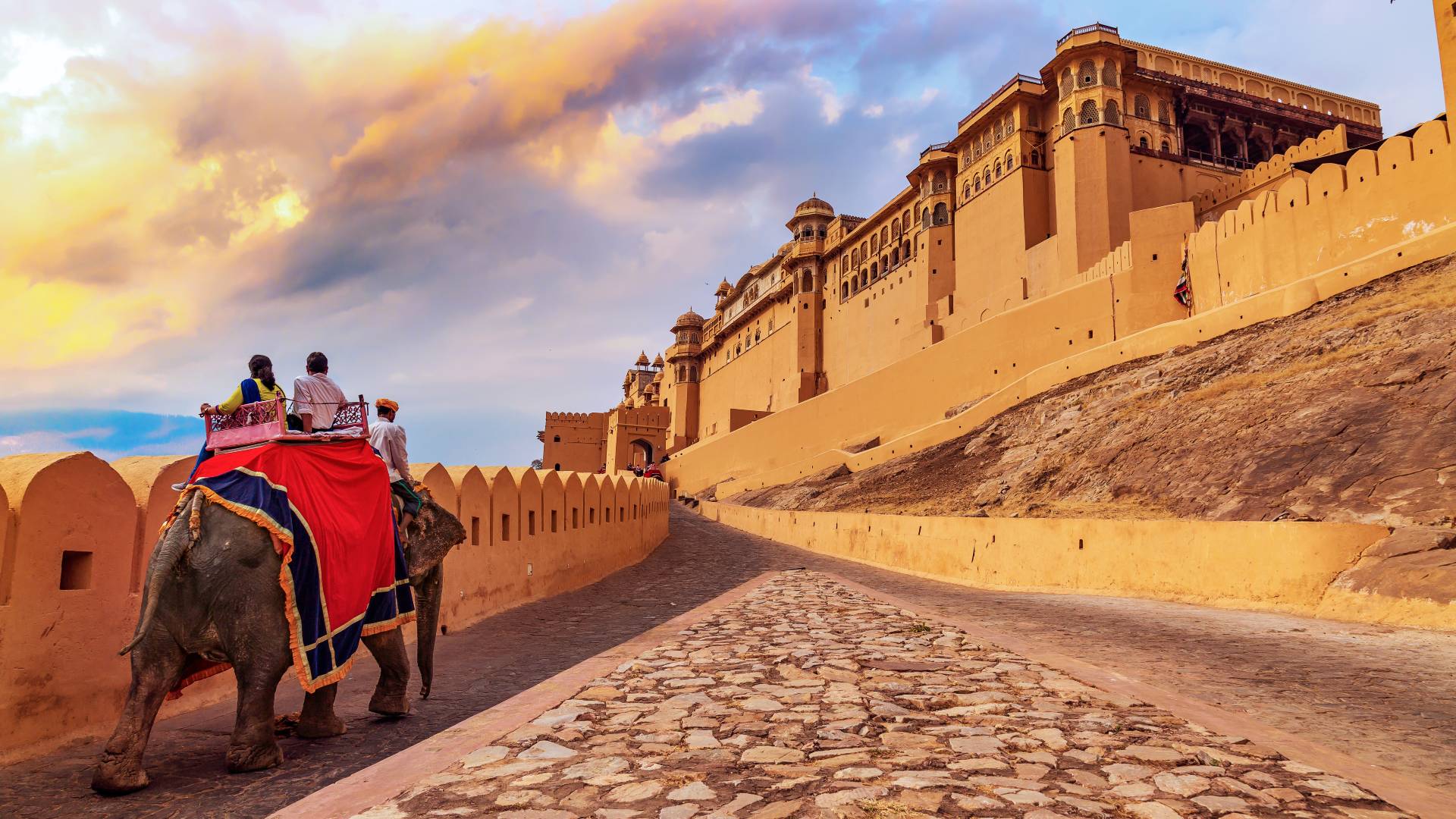
Jaipur: Complete Travel Plan Places And Weather

Rohan Malhotra
February 13, 2026
Complete Jaipur travel guide covering top attractions, best time to visit, shopping, accommodation, costs, and practical tips for exploring the Pink City of Rajasthan.
Welcome to Jaipur, the capital of Rajasthan and one of India's most vibrant cities. Known as the 'Pink City' for its distinctive terracotta-colored buildings, Jaipur is a mesmerizing blend of royal heritage, colorful culture, and modern energy. Founded in 1727 by Maharaja Sawai Jai Singh II, Jaipur was India's first planned city and remains a masterpiece of Rajputana architecture and urban design.
From the magnificent Amber Fort to the architectural marvel of Hawa Mahal, from the bustling bazaars filled with handicrafts to the serene temples, Jaipur offers an incredible diversity of experiences. Whether you're a history buff, a culture enthusiast, a foodie, or simply a curious traveler, Jaipur will captivate you with its royal grandeur and warm hospitality.
This comprehensive Jaipur travel guide covers everything you need to know—from the best time to visit and top attractions to practical tips on getting around, where to stay, and how to make the most of your time in the Pink City.
Why Visit Jaipur?
Jaipur is an essential part of the famous Golden Triangle tourist circuit (along with Delhi and Agra), but it's much more than just a stopover. The city represents the rich cultural heritage of Rajasthan with its magnificent forts, opulent palaces, vibrant markets, and warm people. For travelers looking to explore more of this royal state, our guide on the best places to visit in Rajasthan showcases the diverse attractions that make this region truly special.
What makes Jaipur special is its living heritage—the city isn't just a museum of the past but a living, breathing metropolis where ancient traditions coexist with modern life. You can shop for traditional handicrafts in centuries-old bazaars, watch artisans create block-print textiles and gemstone jewelry, and dine in former palaces.
The city is also part of the World Heritage Sites of the Rajputana Hill Forts, with six forts including Jaipur's Amber Fort recognized by UNESCO. The architecture, particularly the pink sandstone buildings with intricate carvings and latticed windows, is unique and visually stunning.
Best Time to Visit Jaipur
| Season | Months | Temperature | Pros | Cons |
|---|---|---|---|---|
| Winter | October - March | 8°C to 22°C | Pleasant weather, ideal for sightseeing, festivals | Peak season, high prices, crowds |
| Summer | April - June | 25°C to 45°C | Fewer tourists, lower prices | Extremely hot, uncomfortable for sightseeing |
| Monsoon | July - September | 25°C to 35°C | Lush greenery, fewer tourists | High humidity, occasional heavy rain |
Best Time: October to March offers the most comfortable weather. November and February are particularly excellent with pleasant temperatures and cultural festivals.
Festivals to Consider:
- Jaipur Literature Festival (January): Asia's largest literary festival
- Teej Festival (July/August): Celebrating the monsoon with processions
- Jaipur International Film Festival (October): Growing film festival
- Diwali (October/November): The city is illuminated beautifully
- Holi (March): Festival of colors celebrated with enthusiasm
Top Attractions in Jaipur
1. Amber Fort (Amer Fort)
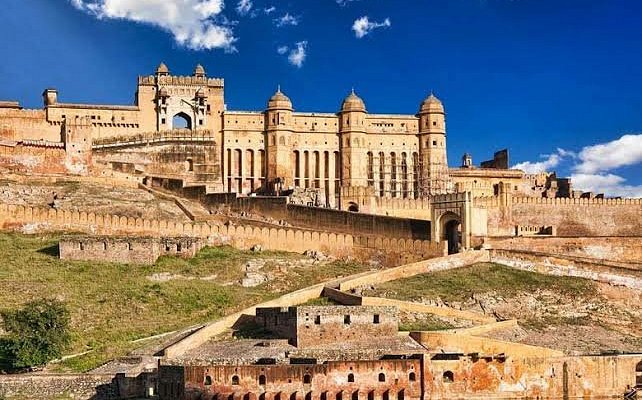
Distance from Jaipur: 11 km
Timings: 8 AM to 5:30 PM
Ticket: ₹25 (Indians), ₹200 (foreigners) + ₹100 for elephant/camera
The most famous attraction in Jaipur, Amber Fort is a magnificent fort-palace complex built in the 16th century by Maharaja Man Singh I. Perched on a hilltop overlooking Maota Lake, the fort is a stunning example of Rajputana architecture with Hindu influences.
The fort's highlights include:
- Sheesh Mahal (Hall of Mirrors): Inlaid with thousands of mirrors that reflect light
- Diwan-e-Aam: Hall of Public Audience with intricate carvings
- Diwan-e-Khas: Hall of Private Audience
- Sukh Niwas: The ruler's private chambers with an ingenious cooling system
- Jai Mandir: A temple dedicated to Lord Krishna
Tip: Reach Amber Fort by 8 AM to beat the crowds. Consider taking an elephant ride up the ramparts (₹1,100) or hiring a guide to bring the fort's history alive.
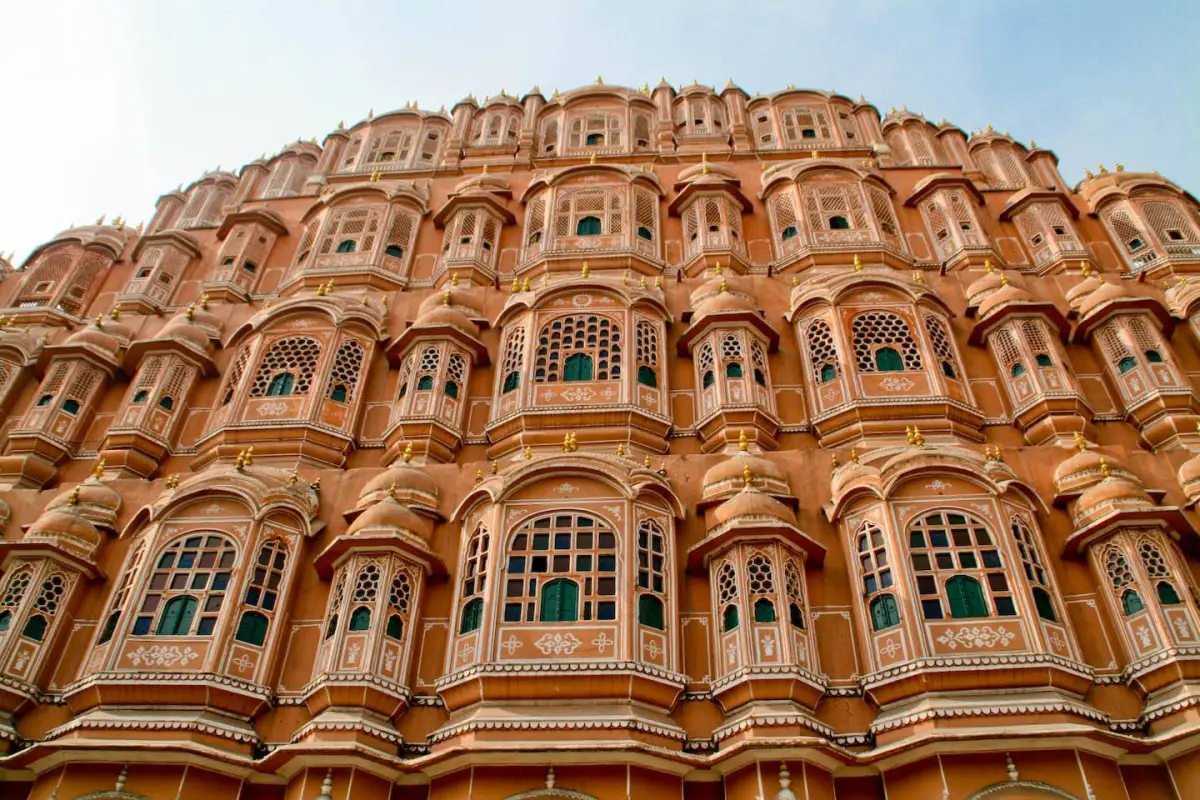
2. Hawa Mahal (Palace of Winds)
Location: Old City
Timings:9 AM to 4:30 PM (closed on Friday)
Ticket: ₹50 (Indians), ₹200 (foreigners)
Jaipur's most iconic building, Hawa Mahal is a stunning five-story palace with 953 small windows (jharokhas). Built in 1799 by Maharaja Sawai Pratap Singh, the honeycomb-shaped palace allowed royal ladies to observe street life and processions without being seen.
The facade is pink sandstone with white latticework, creating a delicate and lace-like appearance. The palace is 15 meters high and just one room deep. The windows have intricate latticework and balconies from where the royal women could watch the world below.
Best Time to Visit: Early morning when the sun illuminates the pink facade beautifully.
Tip: The best views of Hawa Mahal are actually from across the street at the coffee shops on the upper floors of adjacent buildings.
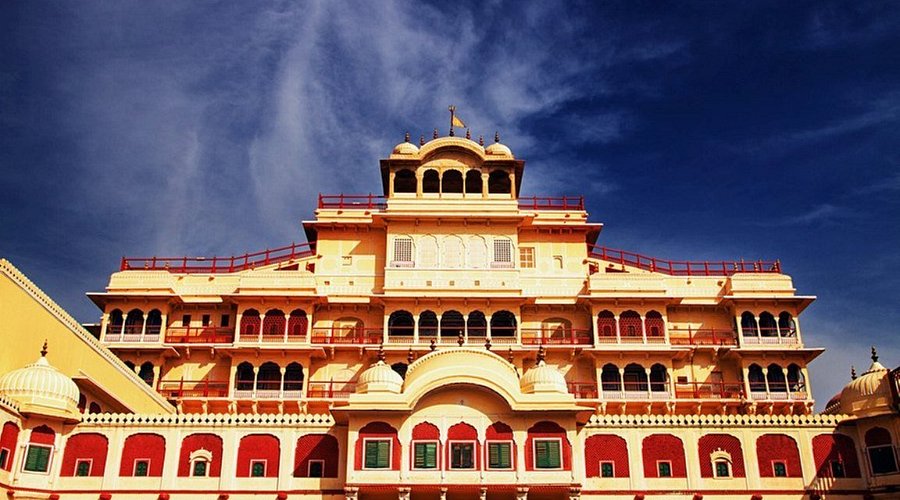
3. City Palace
Location: Old City
Timings: 9:30 AM to 5 PM
Ticket: ₹200-500 depending on sections
Located in the heart of the old city, the City Palace complex is a splendid blend of Rajputana and Mughal architecture. Built by Maharaja Sawai Jai Singh II, it was the royal residence of the Maharaja of Jaipur until 1949.
The complex includes:
- Mubarak Mahal: The reception hall with beautiful textile museum
- Chandra Mahal: The seven-story main palace with mirror work and paintings
- Pritam Niwas: A mansion with four beautiful gateways representing the four seasons
- Diwan-e-Khas: Hall of Private Audience with crystal chandeliers
- Baggi Khana: A collection of royal carriages
Tip: Hire a guide—the history and stories of the royal family bring the palace to life.
4. Jantar Mantar Observatory
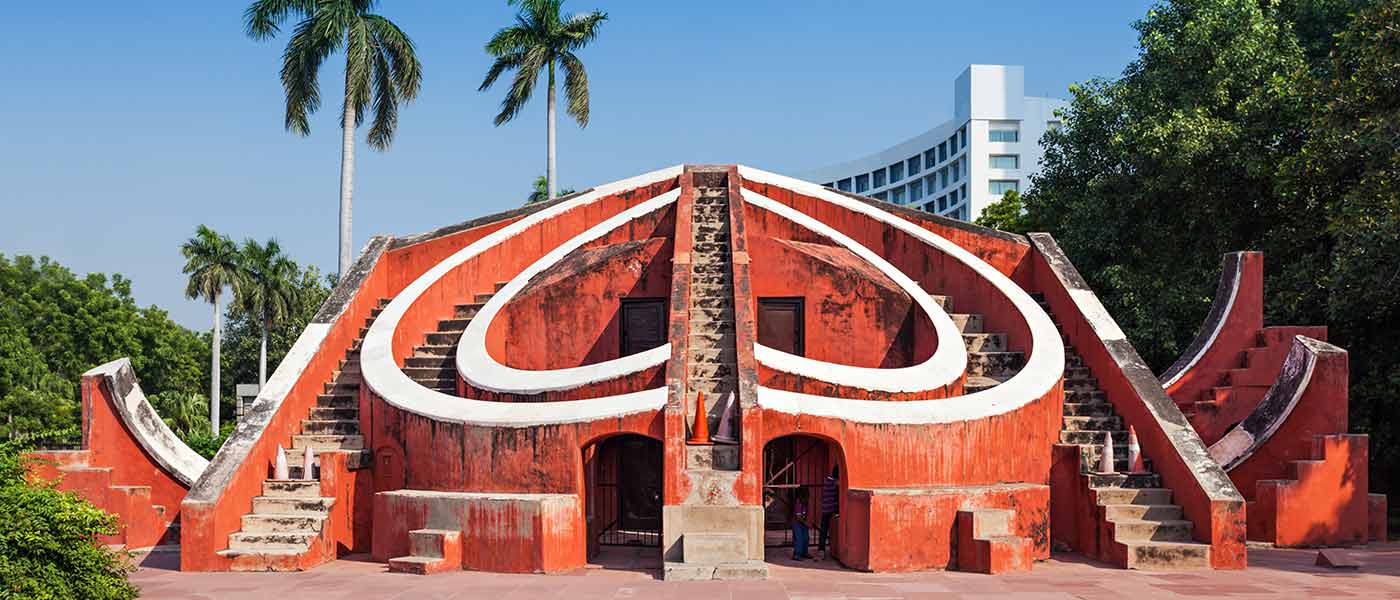
Location: Adjacent to City Palace
Timings: 9 AM to 5 PM
Ticket: ₹50 (Indians), ₹200 (foreigners)
Built in 1734 by Maharaja Sawai Jai Singh II, Jantar Mantar is an astronomical observatory and the largest of its kind in the world. The UNESCO World Heritage site contains 19 astronomical instruments designed to measure time, predict eclipses, and track stars.
Key instruments include:
- Samat Yantra: The world's largest sundial at 27 meters
- Ram Yantra: Used to read azimuth and altitude
- Jai Prakash: A hemispherical bowl used to observe stars
- Nadivalaya: A circular dial that accurately tells time
Tip: Visit with a guide who can explain how each instrument works—the ancient scientific knowledge is fascinating.
5. Nahargarh Fort
Distance from Jaipur: 6 km
Timings: 10 AM to 5:30 PM
Ticket: ₹50 (Indians), ₹200 (foreigners)
Perched on the edge of the Aravalli Hills, Nahargarh Fort offers panoramic views of Jaipur city. Built in 1734 by Maharaja Sawai Jai Singh II, the fort was extended in 1868. The fort was never attacked and is therefore quite well-preserved.
Highlights include:
- Madhavendra Bhavan: A palace within the fort
- Nahargarh Biological Park: Home to Asiatic lions and Bengal tigers
- City Viewpoint: Excellent spot for sunset photography
The fort is particularly beautiful at sunset when the city lights begin to twinkle below.
Tip: Combine with Jaigarh Fort visit in the morning and Nahargarh for sunset—the views are spectacular.
6. Jaigarh Fort
Distance from Jaipur: 15 km
Timings: 9 AM to 5 PM
Ticket: ₹50 (Indians), ₹200 (foreigners)
Jaigarh Fort, built in 1726, is the military fort of Jaipur and was never conquered. It's famous for housing Jaivana, the world's largest cannon on wheels, which has never been fired in anger.
The fort features:
- Jaivana Cannon: Weighs 50 tons and has a 20-kilometer range
- Diwan Burj: Watchtower with excellent views
- Armory: Display of weapons and armor
- Water Reservoirs: The fort had its own water supply for sieges
Tip: Hire a guide to learn about the fort's defensive features and the cannon's interesting story.
7. Albert Hall Museum
Location: Ram Niwas Garden
Timings: 9 AM to 5 PM (closed Monday)
Ticket: ₹40 (Indians), ₹300 (foreigners)
The oldest museum in Rajasthan, Albert Hall is an architectural masterpiece built in 1876. The museum houses an extensive collection of artifacts including textiles, carpets, paintings, weapons, and musical instruments from across Rajasthan.
The building itself is stunning—a blend of Indo-Saracenic architecture with domes, arches, and intricate carvings. The museum also features an Egyptian mummy that's over 3,000 years old.
Tip: Visit in the morning when the light is good for photography and it's less crowded.
8. Birla Mandir (Lakshmi Narayan Temple)
Location: Moti Dungari Hill
Timings: 8 AM to 12 PM, 4 PM to 8 PM
Entry: Free
A beautiful white marble temple dedicated to Lord Vishnu and Goddess Lakshmi, built by the Birla family in 1988. The temple is set on a hilltop and offers excellent views of Jaipur, especially at night when it's illuminated.
The temple features:
- Beautiful carvings depicting scenes from Hindu mythology
- Stained glass windows depicting Hindu scriptures
- Domes that resemble the Laxmi Vilas Palace in Udaipur
- Galleries with mythological paintings
Tip: Visit in the evening to see the temple beautifully illuminated against the night sky.
Shopping in Jaipur
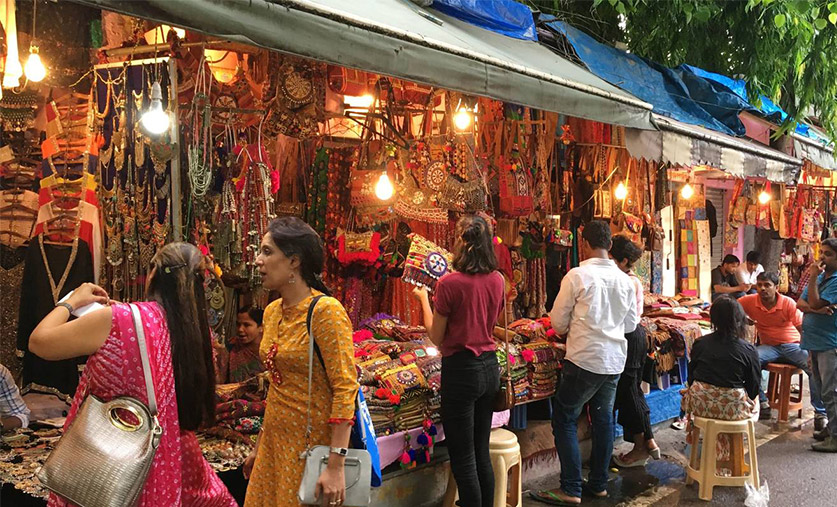
Jaipur is a shopper's paradise, famous for handicrafts, textiles, gemstones, and jewelry.
Popular Markets
Johari Bazaar: Famous for gemstones, jewelry, and Kundan work. Look for precious and semi-precious stones, traditional Rajasthani jewelry, and minakari work.
Bapu Bazaar: Great for textiles, handicrafts, and puppets. Shop for Bandhani and Leheriya textiles, colorful puppets, and marble handicrafts.
Nehru Bazaar: Famous for mojari (traditional Rajasthani footwear), textiles, and handicrafts.
Tripolia Bazaar: Known for ironware, brassware, and trinkets.
Sireh Deori Bazaar: Famous for tie-and-dye textiles and Bandhani fabrics.
What to Buy
- Textiles: Bandhani, Leheriya, Sanganeri block prints
- Jewelry: Kundan, Meenakari, Thewa work
- Footwear: Mojari and Juti (traditional embroidered shoes)
- Handicrafts: Blue pottery, marble carvings, puppets
- Spices: Rajasthan's famous spice mixes
- Gemstones: Emerald, ruby, and semi-precious stones
Tip: Bargain! First quotes can be 50-70% higher than actual prices. Negotiate respectfully but firmly.
Where to Stay in Jaipur
| Area | Best For |
|---|---|
| C-Scheme/Admiral Rajendra Nagar | Central location, mid-range hotels |
| Bani Park | Budget accommodations, near railway station |
| Civil Lines | Mixed hotels, restaurants, and residential area |
| Tonk Road | Luxury hotels, upscale dining |
Luxury (₹8,000-20,000/night): Rambagh Palace, Taj Jai Mahal Palace, Oberoi Rajvilas
Mid-Range (₹3,000-7,000/night): Hilton Jaipur, Radisson Blu, Holiday Inn
Budget (₹800-2,500/night): Numerous guesthouses on MI Road, Zostel (hostel), local guesthouses
Jaipur Cuisine
Jaipur's cuisine is a flavorful blend of Rajasthani and North Indian influences. The food here reflects the royal heritage and desert lifestyle of Rajasthan. For more insights into Rajasthani culinary traditions, check our guide on famous foods of Rajasthan.
- Dal Baati Churma: Rajasthan's signature dish—lentil curry with wheat balls and sweet crushed wheat
- Gatte ki Sabzi: Gram flour dumplings in curry
- Ker Sangri: Dried berries and capers cooked with yogurt
- Pyaaz Kachori: Onion-filled deep-fried pastry (popular breakfast)
- Mawa Kachori: Sweet fried pastry dipped in sugar syrup
- Ghevar: Traditional Rajasthani sweet disc (especially in Teej festival)
Famous Restaurants: LMB (for traditional Rajasthani), Suvarna Mahal, Handi (for non-veg), Apno Ghar (authentic Rajasthani)
Sample Itineraries
2-Day Quick Trip
Day 1: Morning: Amber Fort, Nahargarh Fort. Afternoon: Hawa Mahal, City Palace. Evening: Johari Bazaar shopping.
Day 2: Morning: Jantar Mantar, Albert Hall Museum. Afternoon: Bapu Bazaar, Birla Mandir. Evening: Chokhi Dhani (cultural village).
3-Day Relaxed Trip
Day 1: Amber Fort (morning elephant ride), Jaigarh Fort, Nahargarh Fort (sunset).
Day 2: City Palace, Jantar Mantar, Hawa Mahal. Lunch at LMB. Afternoon: Albert Hall, Ram Niwas Garden.
Day 3: Birla Mandir, Monkey Temple (Galta Ji), shopping at Johari and Bapu Bazaars. Evening: Chokhi Dhani.
Getting to Jaipur
By Air
Jaipur International Airport (JAI) is 13 km from the city center. Well-connected to major Indian cities including Delhi, Mumbai, Bangalore, and Hyderabad. International flights connect to Dubai, Bangkok, and Sharjah.
By Train
Jaipur Junction is well-connected to all major Indian cities. Popular trains include Shatabdi Express from Delhi, Ajmer Shatabdi, and the Palace on Wheels luxury train.
By Road
- From Delhi: 270 km, 5-6 hours via NH48
- From Agra: 240 km, 5 hours
- From Udaipur: 400 km, 7 hours
- From Jodhpur: 350 km, 6 hours
Getting Around Jaipur
- Auto-rickshaw: Convenient for short distances (₹50-150 depending on distance)
- Taxi: Available for full-day hire (₹2,000-3,000 per day)
- App-based cabs: Uber and Ola operate in Jaipur
- Bus: Jaipur City Transport Service (low-floor buses)
- Scooter rental: Available in the city center (₹500-700/day)
Practical Tips
- Dress modestly: While visiting temples, dress modestly (shoulders and knees covered)
- Bargain: First quotes in markets are usually 50-70% higher than fair price
- Beware of touts: Ignore persistent guides and shopkeepers who approach you
- Carry cash: Many small shops and eateries don't accept cards
- Stay hydrated: Carry water, especially in summer
- Sun protection: Sunscreen, sunglasses, and hats are essential
- Photography: Ask before photographing people or inside temples
Jaipur Trip Cost
| Expense | Budget (per person) | Mid-Range (per person) |
|---|---|---|
| Accommodation | ₹800-2,500/night | ₹3,000-7,000/night |
| Food | ₹600-1,000/day | ₹1,200-2,000/day |
| Transport | ₹400-800/day (auto/public) | ₹1,000-2,000/day (cab) |
| Attractions | ₹800-1,200 | ₹1,500-2,500 |
| Shopping | ₹2,000-5,000 | ₹5,000-15,000 |
| 3-Day Trip Total | ₹6,000-12,000 | ₹15,000-30,000 |
Conclusion
Jaipur is a city that captures the essence of Rajasthan—royal heritage, vibrant culture, colorful markets, and warm hospitality. The Pink City offers an incredible diversity of experiences from exploring magnificent forts to shopping for handicrafts, from watching cultural performances to savoring delicious Rajasthani cuisine.
Whether you're spending a few days as part of a Golden Triangle tour or a week exploring Rajasthan, Jaipur will leave you with lasting memories of architectural marvels, cultural experiences, and the warmth of Rajput hospitality.
So pack your camera, bring your shopping spirit, and prepare to be enchanted by the Pink City—a royal destination that seamlessly blends the grandeur of the past with the energy of the present. To extend your Rajasthan adventure, consider visiting the romantic City Palace in Udaipur or exploring the magnificent Blue City of Jodhpur.
Location
Frequently Asked Questions
Q1.What is the best time to visit Jaipur?
Q2.How many days are enough for Jaipur?
Q3.What is Jaipur famous for?
Q4.What should I buy in Jaipur?</strong>
Q5.Is Jaipur safe for tourists?
Q6.How do I reach Jaipur from Delhi?
Q7.What is the best way to get around Jaipur?
Q8.How much does a Jaipur trip cost?
Recommended For You
Agra Fort Guide: Tickets, Timings, History and Tips
Plan your Agra Fort visit with practical guidance on history, architecture, tickets, timings, and route planning for a smooth heritage day.
Chittorgarh Fort: Complete Travel Plan And History
Plan your Chittorgarh trip with practical fort-circuit timing, one-day and two-day itinerary formats, season strategy, and route-first budgeting tips.
Delhi: Complete Travel Plan Places And Weather
Complete Delhi travel guide featuring Red Fort, Qutub Minar, India Gate, Old Delhi markets, best time to visit & practical tips.
Never Miss an Adventure
Get the latest trekking guides, travel tips, and exclusive offers delivered straight to your inbox.
