
Shopping in Chandni Chowk: Wedding & Jewelry

Rahul Garg
November 25, 2025
Discover shopping in Chandni Chowk Delhi: wedding lehengas, jewelry at Dariba Kalan, spices & street food. Complete Old Delhi shopping guide.
Shopping in Chandni Chowk: Delhi's Historic Heart
Chandni Chowk, built by Mughal Emperor Shah Jahan in the 17th century, remains one of India's most vibrant and chaotic shopping destinations. This market, whose name translates to "Moonlight Square," was once lined with pools reflecting moonlight. Today, those pools have disappeared, replaced by the organized chaos of commerce that has continued uninterrupted for centuries. Shopping here isn't merely a transaction—it's a journey through Delhi's living history, where ancient trade traditions coexist with modern commerce. Located in Old Delhi, Chandni Chowk begins where the Red Fort ends, creating a seamless transition from Mughal grandeur to mercantile energy. The main street branches into narrow lanes (galis), each specializing in specific products—wedding lehengas in one lane, jewelry in another, spices in yet another. This specialization, developed over centuries, makes Chandni Chowk incredibly efficient once you understand its layout. The market operates on wholesale and retail models simultaneously. While individual shoppers browse, wholesale dealers negotiate bulk purchases that supply stores across North India. This dual character keeps prices competitive and ensures variety that few markets can match. However, the same wholesale orientation also means the market can feel overwhelming for first-time visitors. What makes Chandni Chowk truly special is its complete ecosystem for wedding shopping. A family can shop for an entire wedding—bridal lehenga, groom sherwani, jewelry for the couple, gifts for relatives, accessories for all functions, and even wedding cards and decorative items—without leaving this area. This concentration of wedding-related commerce attracts buyers from across India and even abroad.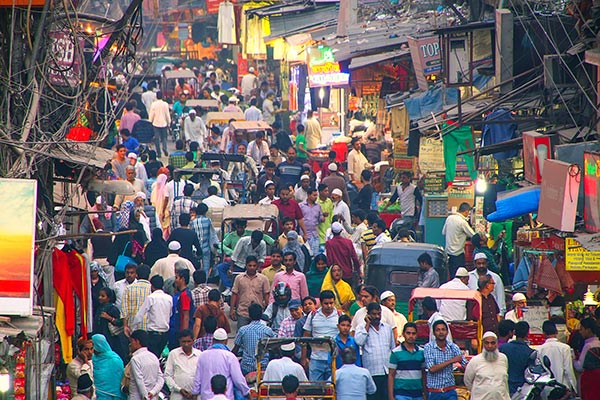
Famous Markets Within Chandni Chowk
For a broader capital-city context, compare route planning with shopping in Delhi before splitting your day.
Dariba Kalan, established in the 17th century, represents Chandni Chowk's jewelry hub. This narrow lane, whose name originates from a Persian word meaning "Unfathomable," specializes in silver jewelry and precious stones. The market has maintained its silver jewelry tradition for over 300 years, with many shops operated by generations of the same families. Silver jewelry available in Dariba Kalan includes traditional Indian designs alongside contemporary pieces. Anklets, bracelets, necklaces, earrings, and religious pendants feature prominently. What distinguishes Dariba Kalan silver from machine-made jewelry is the handwork—artisans create intricate designs using techniques passed down through generations. Kinari Bazaar serves as Chandni Chowk's wedding accessories destination. This market specializes in lace borders (gota kinari), zari work, ribbons, and decorative items used for bridal wear and wedding decoration. During wedding season, Kinari Bazaar transforms with displays of colorful laces, embroidered borders, and wedding accessories. Nai Sarak, meaning "New Street," ironically represents one of Chandni Chowk's older markets, though newer compared to some neighboring lanes. This market specializes in books and stationery. Textbooks for various educational boards, competitive exam preparation materials, and general books fill shops here. The street attracts students and parents seeking academic materials at wholesale prices. Ballimaran features footwear shops, particularly traditional jootis and mojris. These handcrafted leather shoes, once worn by royalty, continue to be popular for weddings and traditional occasions. The market also features modern footwear, but traditional craftsmanship remains the draw. Chatta Chowk, located immediately inside the Red Fort's Lahore Gate, served as the Mughal era's covered market. Today, it features souvenir shops catering to tourists visiting the Red Fort. While prices here might be higher than in other parts of Chandni Chowk, the location makes it convenient for quick souvenir purchases. Katra Neel focuses on fabrics. This market offers silk, cotton, chiffon, and other materials for those who prefer custom tailoring over ready-made garments. The fabrics come from various Indian weaving centers, allowing shoppers to access diverse regional textiles in one location.| Market Lane | Specialization | Best For |
|---|---|---|
| Dariba Kalan | Silver jewelry | Traditional & modern designs |
| Kinari Bazaar | Wedding accessories | Lace, borders, decorations |
| Nai Sarak | Books & stationery | Academic materials |
| Ballimaran | Footwear | Traditional jootis |
| Katra Neel | Fabrics | Custom tailoring materials |
Wedding Shopping Paradise
Chandni Chowk's reputation as a wedding shopping destination is well-deserved and hard-earned. The market offers bridal lehengas ranging from ₹15,000 to ₹5,00,000+, covering every budget from practical to extravagant. What makes shopping here attractive is the breadth of options—hundreds of shops display thousands of designs, allowing brides to see more variety in one day than they might see in weeks of shopping elsewhere. Bridal lehengas in Chandni Chowk feature various work styles. Zardozi, using gold and silver thread work, represents the most expensive and elaborate option. Kundan work, setting precious and semi-precious stones in gold, creates heavily embellished pieces. Resham embroidery, using colored silk thread, offers intricate designs without heavy stone work. Machine-embroidered lehengas provide budget-friendly alternatives. Customization represents a significant advantage of shopping in Chandni Chowk. Many shops can modify designs—changing colors, adjusting embroidery density, or combining elements from different lehengas to create custom pieces. This flexibility allows brides to get exactly what they want rather than settling for ready-made options. Groom wear in Chandni Chowk includes sherwanis, suits, and traditional outfits. Prices range from ₹8,000 for simple sherwanis to ₹1,00,000+ for heavily embroidered designer pieces. Many shops offer custom tailoring, ensuring perfect fit. Coordinate accessories like stoles, turbans, and mojris (traditional footwear) complete the groom's ensemble. Family shopping for weddings extends beyond the couple. Mother-of-the-bride outfits, clothing for bridesmaids and groomsmen, gifts for close relatives—everything is available. The advantage of shopping in Chandni Chowk is the ability to coordinate multiple purchases without traveling to different markets. Wedding accessories complete the shopping list. Jewelry sets (necklaces, earrings, maang tikka, bangles), footwear (jootis and heels), clutches and potlis for the bride, and decorative items for wedding ceremonies all find place in wedding budgets. Chandni Chowk's specialized markets ensure you can find everything within walking distance.| Item | Price Range | Specialized Lane |
|---|---|---|
| Bridal Lehenga | ₹15,000 - ₹5,00,000+ | Katra Neel, Chawri Bazaar |
| Sherwani | ₹8,000 - ₹1,00,000+ | Ballimaran, Nai Sarak |
| Jewelry Set | ₹10,000 - ₹5,00,000+ | Dariba Kalan |
| Wedding Footwear | ₹1,000 - ₹15,000 | Ballimaran |
Jewelry & Precious Stones
Dariba Kalan, Chandni Chowk's jewelry lane, offers much more than just silver. The street features gold jewelry shops (though these are fewer compared to Karol Bagh or South Delhi), silver jewelry specialists, and shops dealing in precious and semi-precious stones. Gold jewelry in Dariba Kalan tends toward traditional Indian designs. Heavy gold necklaces, earrings, bangles, and religious pendants feature prominently. The advantage of shopping here is the traditional craftsmanship that modern, factory-made jewelry sometimes lacks. Artisans create pieces using techniques passed down through generations. Kundan and Meenakari jewelry represent traditional Indian styles that Chandni Chowk jewelry stores excel at. Kundan involves setting uncut gemstones (often polki) in gold foil, creating pieces that appear in Mughal miniature paintings. Meenakari adds enamel work to the reverse side of jewelry pieces, making them beautiful from all angles. Polki jewelry, using uncut diamonds, represents luxury shopping in Chandni Chowk. These pieces, with their irregular diamond shapes and traditional settings, have seen renewed popularity among brides seeking authentic heritage jewelry. Prices for polki pieces start around ₹50,000 and can go into several lakhs depending on diamond quality and gold weight. Temple jewelry, another specialty, features religious motifs and traditional South Indian designs. Originally used to decorate deities in temples, this style has become popular for bridal wear. The pieces, often gold with intricate work, serve as both jewelry and investment. Precious and semi-precious stones are available loose or set in jewelry. Rubies, emeralds, sapphires, and semi-precious stones like amethyst, topaz, and garnet can be purchased individually or as part of jewelry pieces. The advantage of buying stones in Chandni Chowk is competitive pricing and the ability to examine multiple options before purchasing. When purchasing gold jewelry, checking for BIS hallmarking ensures purity. The hallmark indicates gold karat (22K or 18K for jewelry) and assaying center. Reputable shops provide hallmark certificates, and requesting this documentation is advisable, especially for significant purchases.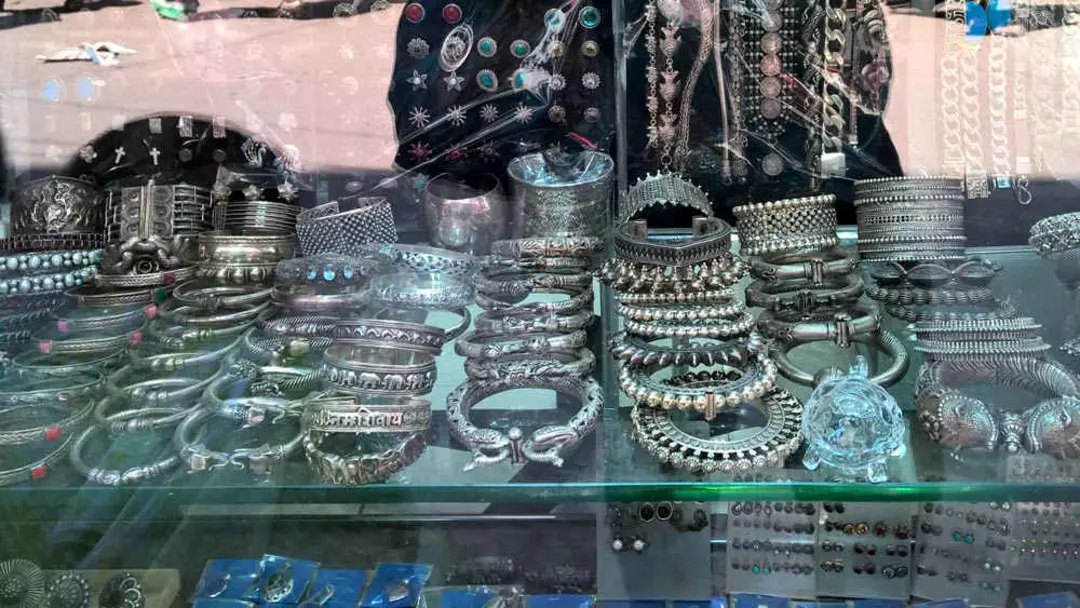
Fabrics & Textiles
If you are balancing heritage lanes with modern retail, pair this with the Connaught Place guide.
Katra Neel, Chandni Chowk's fabric market, serves shoppers who prefer custom-tailored clothing over ready-made garments. The market offers fabrics from across India's diverse textile traditions, bringing regional weaving to one convenient location. Silk varieties available include Banarasi silk (from Varanasi), known for its brocade work and rich appearance; Kanchipuram silk (from Tamil Nadu), recognized by contrasting borders and durability; and Bhagalpur silk, offering more affordable options. Each silk variety has distinct characteristics—understanding these helps in selecting appropriate fabric for intended use. Cotton fabrics feature both handloom and power-loom options. Handloom cotton, woven by hand, has irregularities that add character and breathability. Power-loom cotton offers uniformity at lower prices. Regional cotton varieties like Chanderi (from Madhya Pradesh) and Kota doria (from Rajasthan) bring unique textures to the market. Chiffon, georgette, and crepe materials cater to those seeking lighter fabrics. These materials, often used for dupattas, summer sarees, or contemporary fashion, come in various colors and prints. Imported varieties cost more but offer different textures and finishes compared to Indian-manufactured fabrics. Suit materials for both men and women are abundant. Men's suit materials range from budget options suitable for daily wear to premium imported fabrics for special occasions. Women's suit materials include unstitched salwar-kameez sets with various prints, embroideries, and fabric combinations. Sarees, though available ready-made, can also be purchased as fabric for those who prefer custom blouse stitching. The variety includes regional specialties—Patola from Gujarat, Bandhani from Rajasthan, Kantha from West Bengal, and many more. These regional specialties allow shoppers to access India's textile diversity within Chandni Chowk's lanes. Lace and borders from Kinari Bazaar complement fabric purchases. Embroidered lace, gold and silver borders (gota kinari), and decorative ribbons allow customization of garments. These elements can transform plain fabrics into wedding-appropriate attire.| Fabric Type | Origin/Style | Best Use |
|---|---|---|
| Banarasi Silk | Varanasi | Weddings, formal wear |
| Kanchipuram | Tamil Nadu | Bridal, temple wear |
| Chanderi | Madhya Pradesh | Summer sarees |
| Handloom Cotton | Various regions | Daily wear |
Spices & Food Items
Many visitors combine this segment with a short stop at Red Fort due to proximity and timing.
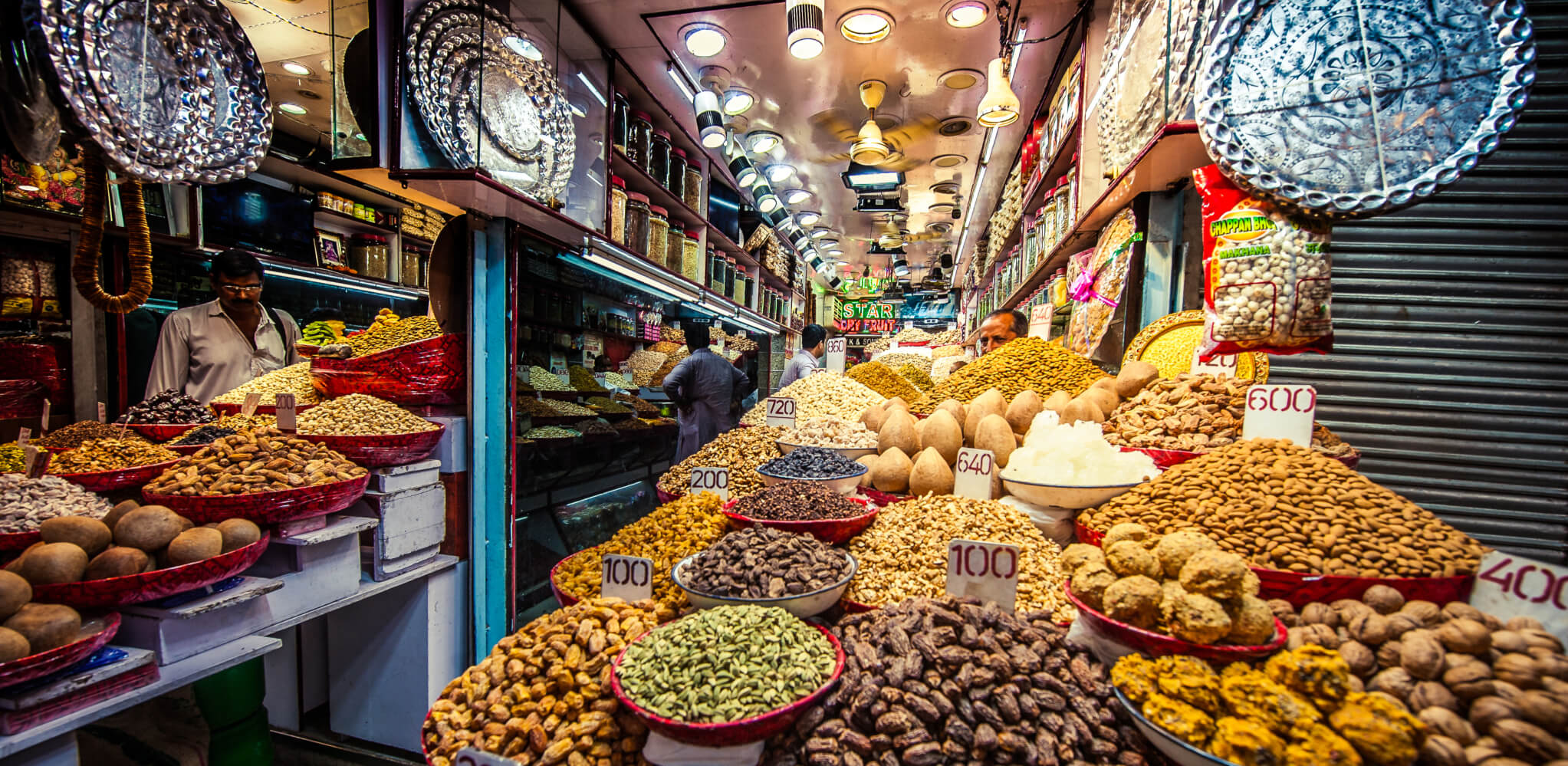
Khari Baoli, Asia's largest spice market, lies within the Chandni Chowk area. This wholesale spice market supplies spices across North India and offers visitors an olfactory experience difficult to match elsewhere. The air in Khari Baoli carries the combined fragrance of dozens of spices—turmeric, cumin, coriander, cardamom, cinnamon, cloves, and more. Wholesale purchasing in Khari Baoli offers significant savings. Spices bought in bulk (typically 5 kg or more) cost 30-40% less than retail prices. While individual shoppers might not need these quantities, group purchases among friends or family can make wholesale buying practical. Spice quality varies, and understanding grades helps in making informed choices. Whole spices last longer and retain more flavor than ground varieties. Examining spices for color uniformity, aroma intensity, and absence of impurities ensures quality. Reputable dealers provide samples for examination before purchase. Dry fruits in Chandni Chowk come from various sources—cashews from Kerala, almonds from California and Kashmir, walnuts from Kashmir and imported sources. Khari Baoli and surrounding areas feature shops specializing in dry fruits, with prices varying based on origin, size, and quality. Chutneys and pickles available in Chandni Chowk represent traditional recipes passed down through generations. Mango pickle, lemon pickle, mixed vegetable pickle, and specialty chutneys like imli (tamarind) and garlic feature prominently. Many shops make their pickles in small batches, ensuring authenticity that mass-market brands sometimes lack. Tea shops offer various Indian tea varieties. Assam tea provides strong flavor, Darjeeling offers delicate character, and Kashmiri kahwa tea brings aromatic spices. Some shops also stock herbal blends and green teas. Buying tea loose (rather than in tea bags) often provides better flavor and value. Packaging options range from simple plastic bags for household use to elaborate gift boxes for presentation during festivals and weddings. Custom gift hampers combining multiple items—spices, dry fruits, pickles, and tea—make thoughtful gifts, especially for those living abroad who miss Indian flavors.Street Food While Shopping
For a dedicated culinary route after market runs, check street food in Delhi.
Shopping in Chandni Chowk inevitably involves food breaks—the market's culinary heritage rivals its shopping reputation. The narrow lanes feature iconic food establishments that have operated for generations, serving dishes perfected over decades. Paranthe Wali Gali, a narrow lane dedicated to fried bread (parathas), offers dozens of paratha varieties stuffed with everything from potatoes to lentils,Paneer to dry fruits. The parathas, served with curries, pickles, and sweet accompaniments, represent Old Delhi's culinary tradition. Despite the name, this lane serves more than just parathas—lassi, sweet dishes, and beverages complete the meal. Natraj Dahi Bhalle, operating since pre-Independence era, serves dahi bhalla (lentil dumplings in yogurt) that has achieved legendary status. The combination of soft bhallas, sweet yogurt, tangy chutneys, and spices creates a dish that perfectly balances flavors. A plate provides energy and relief during shopping expeditions. Old Famous Jalebi Wala makes jalebis (deep-fried, sugar-soaked batter spirals) that attract queues throughout the day. The crisp exterior, soft interior, and optimal sugar syrup absorption represent jalebi perfection. Fresh jalebis, served hot, are difficult to resist. Karim's, established in 1913, represents Mughlai cuisine at its finest. Located near Jama Masjid, this restaurant serves dishes like nihari (slow-cooked meat stew), kebabs, and mutton burra that continue recipes from the Mughal royal kitchen. The simple ambiance belies the exceptional food quality. Other notable food stops include rabri falooda (a dessert with vermicelli, basil seeds, and condensed milk), kulfi (Indian ice cream), and various chaat options (spicy snacks). The advantage of Chandni Chowk's food scene is the concentration of options within walking distance, allowing sampling of multiple specialties.Shopping Tips & Logistics
Reaching Chandni Chowk by metro represents the most convenient option for first-time visitors. The Violet Line's Chandni Chowk metro station provides easy access, avoiding Old Delhi's notorious traffic congestion. From the metro station, cycle-rickshaws or short walks reach most shopping areas. Parking in Chandni Chowk is challenging, particularly on weekends. The narrow streets weren't designed for vehicular traffic, and finding parking requires navigating lanes that barely accommodate two-way movement. Using public transport or being dropped off and picked up avoids parking hassles. Weather considerations matter. Summers (April-June) in Delhi are extremely hot, making early morning shopping essential. Winters (December-February) are pleasant and comfortable for anytime shopping, though mornings can be foggy. Monsoon rains make the already narrow lanes more challenging to navigate. Crowd management strategies improve the shopping experience. Weekdays see fewer crowds than weekends. Early mornings (when shops first open, around 10-11 AM) provide calmer conditions before tourist groups and wholesale buyers arrive. Bargaining is expected and necessary in Chandni Chowk markets. Start negotiations at 30-40% below quoted prices for significant items. For smaller purchases, 10-20% bargaining is more realistic. Politeness and willingness to walk away are effective bargaining strategies—shopkeepers often call you back with better prices. Cash remains the preferred payment mode in many shops, particularly wholesale dealers. While digital payments are increasingly accepted, carrying sufficient cash ensures you don't miss purchases due to payment mode limitations.Conclusion
Shopping in Chandni Chowk offers an immersive experience in Delhi's living heritage. The market's centuries-old commerce traditions, combined with comprehensive wedding shopping options and authentic food experiences, create a destination that goes beyond mere retail transactions. Whether you're a serious wedding shopper seeking the perfect bridal trousseau, a jewelry buyer interested in traditional craftsmanship, or someone who wants to experience Old Delhi's vibrant culture, Chandni Chowk rewards those willing to navigate its chaotic lanes. Plan strategically, bring comfortable shoes, carry cash, and prepare to be overwhelmed—in the best possible way.Location
Frequently Asked Questions
Q1.What are the timings of Chandni Chowk?
Q2.What is the best time to visit Chandni Chowk?
Q3.Is Chandni Chowk open on Sunday?
Q4.Is Chandni Chowk good for wedding shopping?
Q5.Where to buy wedding lehengas in Chandni Chowk?
Q6.What's the budget for wedding shopping?
Q7.Where to buy jewelry in Chandni Chowk?
Q8.What to buy from Chandni Chowk?
Q9.Is bargaining acceptable in Chandni Chowk?
Q10.How to reach Chandni Chowk by metro?
Recommended For You
Connaught Place Delhi: Shopping Blocks, Restaurants & Metro Access
Explore Connaught Place Delhi: shopping, dining, brands, markets, tips & timings. Complete guide to Delhi's iconic circular market district.
Shopping in Ambala Haryana: Market Areas, Cloth Hubs & Local Buys
Discover shopping in Ambala Haryana: home to India's largest cloth market and scientific instruments hub. Complete guide to markets, wedding shopping & what to buy.
Shopping in Amritsar: Phulkari, Jutti & Food
Discover shopping in Amritsar: Phulkari embroidery, Punjabi juttis, dry fruits & papad. Complete guide to markets, wedding shopping & what to buy.
Never Miss an Adventure
Get the latest trekking guides, travel tips, and exclusive offers delivered straight to your inbox.
