
Places to Eat in Tezpur: Assamese Food, Cafes & Family Spots

Rahul Garg
December 2, 2025
Discover places to eat in Tezpur with Assamese specialties, local eateries, market snacks, sweet shops, and practical dining tips for every budget.
Introduction: Tezpur's Culinary Heritage by the Brahmaputra
Tezpur is often introduced as the cultural heart of Assam, but its food scene is equally compelling for travelers who want regional depth over generic dining. If you are searching for restaurants in Tezpur, the most rewarding approach is to combine Assamese home-style meals, neighborhood eateries, tea-time snack stops, and one comfortable dinner venue each day. This keeps your food trail authentic without becoming repetitive.
The citys cuisine reflects riverine geography, seasonal produce, mustard oil cooking, fermented flavors, fish-first meal patterns, and gentle spice layering rather than heavy masala overload. You will find complete Assamese meal structures, localized non-vegetarian specialties, rice-based snacks, pitha traditions, and tea-linked food culture that feels very different from metro dining formats.
For better trip planning, pair this guide with cafes in Tezpur, religious places in Tezpur, and historical monuments of Tezpur.
Assamese Cuisine Specialties You Should Try First
A strong Tezpur food guide starts with Assamese classics that represent the region, not just pan-Indian menu staples. If this is your first trip, prioritize these categories before experimenting widely.
- Assamese Thali: the best entry point for first-time visitors because it gives multiple local elements in one meal.
- Khar: alkaline preparation and one of the most distinctive Assamese food signatures.
- Masor Tenga: light sour fish curry, usually preferred for lunch and warm weather dining.
- Aloo Pitika: mashed potato side with mustard oil and herbs, simple but central to local meals.
- Xaak and bhaji preparations: seasonal greens that define Assamese meal balance.
- Duck meat specialties: available at select traditional and non-veg focused outlets.
- Bamboo shoot and fermented accents: used in specific dishes and regional-style kitchens.
- Pitha variants: rice-based preparations that connect food with festival and tea culture.
Unlike heavily layered restaurant gravies, Assamese cuisine often emphasizes ingredient clarity and cleaner broth-like textures. Ask for local set meals if you are new to the cuisine. It gives better structure than ordering random items from a mixed menu.
Popular Restaurants in Tezpur: What Travelers Can Expect
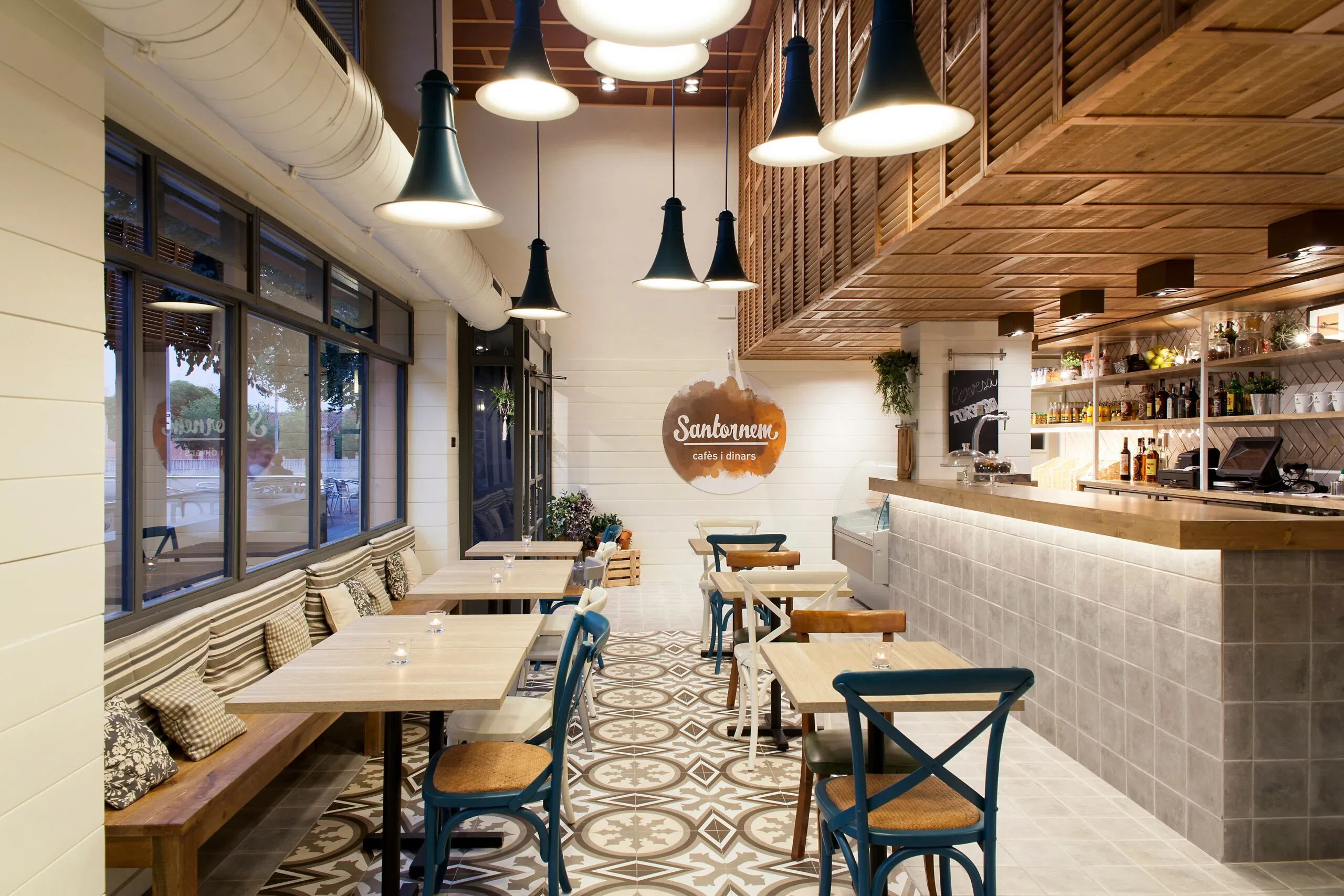
Recent listings across major discovery and delivery platforms show that Tezpur supports a practical mix of Assamese, North Indian, Chinese, and cafe-style dining. Most travelers get better results by dividing dining choices into two tracks: one regional-authentic meal and one comfort meal each day.
Restaurant Formats Common in Tezpur
- Local Assamese-focused restaurants: best for thali, fish, and traditional meal sequencing.
- Family multi-cuisine restaurants: suitable for mixed groups and predictable dinner service.
- Casual fast and cafe dining: useful for lighter lunch or evening break sessions.
- Hotel-attached dining spaces: helpful for structured timing and comfort.
Selection Framework
- Prefer high-turnover places around lunch for regional dishes.
- Check recent operating status because local business timings can shift.
- Reserve dinner earlier on weekends and event days.
- If you want authentic Assamese food, ask for chef or house specialties first.
- Keep one backup restaurant in the same locality to avoid plan breaks.
This framework helps you avoid rating-only decisions and improves consistency during short trips.
Traditional Eateries and Home-Style Food in Tezpur
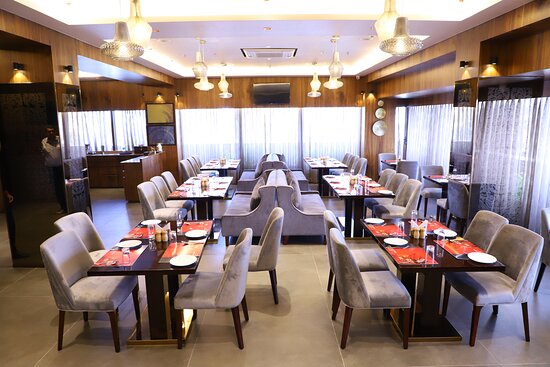
Some of the most memorable meals in Tezpur come from modest, home-style food points rather than heavily branded setups. These places are typically less about decor and more about daily preparation quality, locally familiar flavors, and practical pricing. Meal combinations are often rice-centered with fish, lentils, greens, pitika, and seasonal sides.
Traditional eateries are especially useful for lunch. Kitchens are active, batches are fresh, and local dish availability is usually better than in late-night slots. For food travelers, this is where Tezpur feels most rooted and least commercialized.
Why Home-Style Stops Matter
- Closer to everyday Assamese cooking logic.
- Better seasonal adaptability in side dishes and greens.
- Balanced meal structure instead of one-note spice intensity.
- Affordable pricing for repeated dining across multiple days.
- Opportunity to understand local eating rhythm from staff guidance.
If your goal is cultural depth, make at least one meal per day at a traditional eatery instead of relying only on app-popular venues.
Ethnic and Multi-Regional Dining Options
Tezpur also includes a multi-ethnic dining layer, especially in neighborhoods where students, professionals, and travelers overlap. Alongside Assamese cuisine, you can find Bengali, Tibetan-inspired, and North Indian options in many parts of the city. This makes Tezpur practical for groups with mixed food preferences.
- Bengali-style dishes: often available in fish and curry-focused menus.
- Tibetan-inspired quick foods: momo and noodle formats in casual outlets.
- North Indian restaurant staples: useful for comfort dining and group dinners.
- Cafe menus: sandwiches, snacks, and beverage-led light meals.
The best strategy is balance: do not skip Assamese core food, but use multi-cuisine options to maintain comfort on longer stays.
Local Markets, Street Food, and Tea-Time Culture
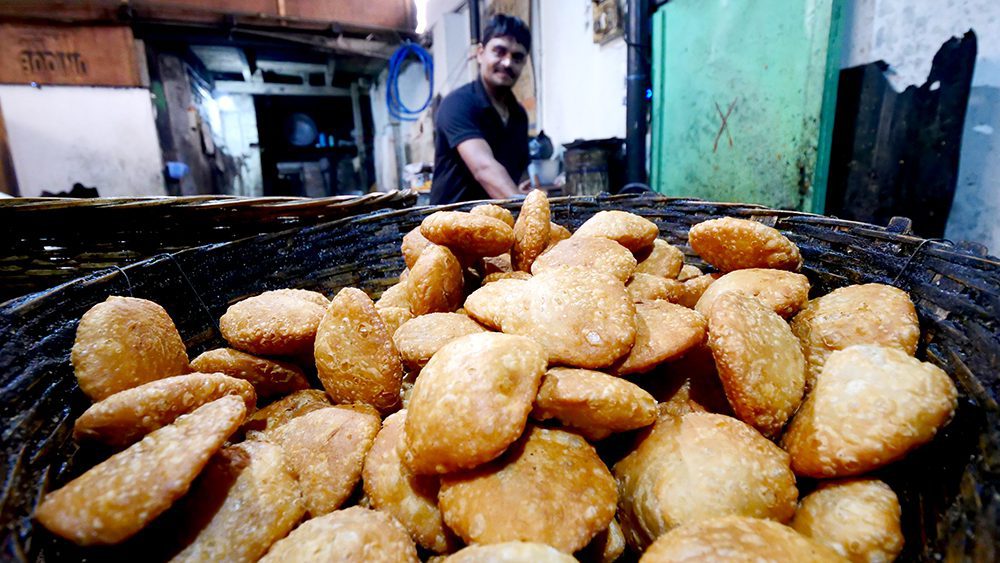
Street and market eating in Tezpur is less hyper-commercial than in big metros, but it remains essential for understanding local food behavior. Small tea stalls, snack counters, evening quick-bite points, and pitha sellers can offer meaningful local flavor at low cost.
What to Prioritize in Market Eating
- Tea-time snacks at high-turnover stalls.
- Pitha and rice-based light foods in seasonal windows.
- Momo and quick noodle points in active market lanes.
- Evening fritter-style snacks and simple regional bites.
- Short tasting sessions instead of one heavy order.
| Food Context | Best Use | Practical Tip |
|---|---|---|
| Morning tea stalls | Light breakfast or quick stop | Pair with local snacks, keep portion controlled |
| Lunch-side local counters | Budget meals | Prefer places with visible fresh cooking |
| Evening market snacks | Tasting multiple small items | Share portions for better range |
Keep hygiene practical: pick crowded stalls, watch preparation flow, and avoid low-turnover counters in off-hours.
Sweet Shops and Assamese Dessert Culture
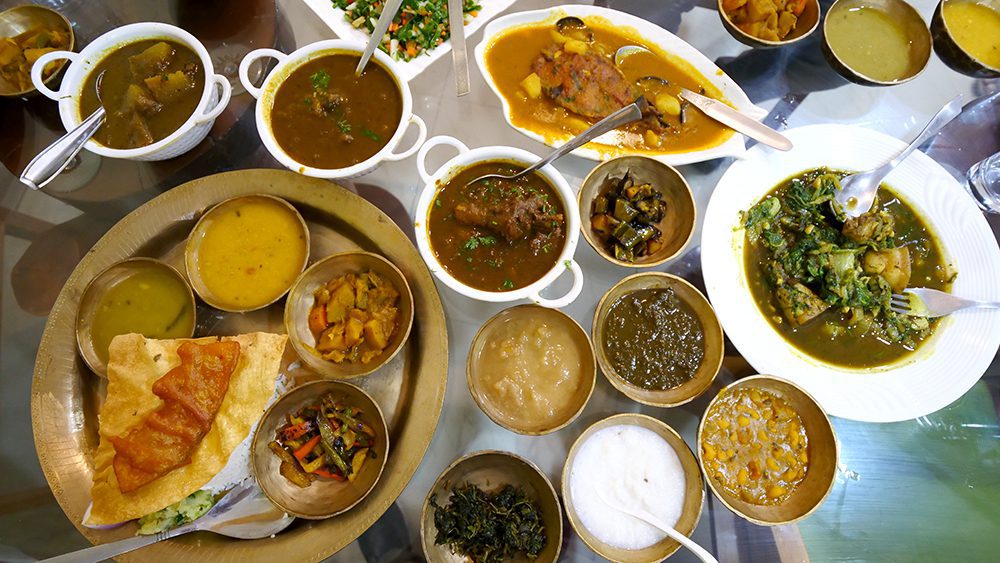
No Tezpur food experience is complete without local sweet and tea-time additions. While the city does not market itself as a dessert capital, it has a meaningful tradition of rice-based and coconut-linked sweets, seasonal preparations, and festive items connected to Assamese culture.
- Pitha varieties: festival-linked but often available in selective stores and seasonal counters.
- Coconut and jaggery sweets: common in regional confectionery styles.
- Tea-time bakery snacks: widely available in city cafe and local bakery circuits.
- Traditional seasonal treats: ask for current availability during local celebrations.
If you are carrying sweets for onward travel, ask for same-day batch and shelf-life. Fresh products with moisture can degrade quickly without careful packaging.
Dining Budget in Tezpur
One of Tezpurs biggest advantages is affordability. You can build a complete and diverse food plan on a low to moderate budget while still including one or two comfort dinners.
| Dining Type | Budget Pattern | Who It Suits |
|---|---|---|
| Tea stalls and quick snacks | Low | Solo travelers and short breaks |
| Traditional local eateries | Low to mid | Culture-focused food travelers |
| Family restaurants | Mid | Groups with mixed preferences |
| Hotel dining | Mid to higher | Comfort and business travelers |
For best value, spend lightly on snacks and breakfast, and put budget into one high-quality regional meal each day.
How to Plan a One-Day Tezpur Food Trail
Morning
Start with tea-stall snacks or a light Assamese breakfast format.
Lunch
Choose a traditional Assamese meal with thali-style structure and fish or local side dishes.
Evening
Do a short market snack round with controlled portions and tea breaks.
Dinner
Finish at a family or multi-cuisine restaurant, adding one local dish for continuity.
This format gives flavor diversity and keeps digestion manageable during travel-heavy schedules.
Dining Tips for First-Time Visitors
- Ask for local recommendations instead of only app-best sellers.
- Start with milder Assamese dishes before trying stronger fermented profiles.
- Use lunch for heavy meals; keep dinner moderate.
- Carry cash backup for smaller stalls and tea points.
- Check timings in advance, as some outlets close earlier than metro norms.
- Avoid over-ordering in first stop during market rounds.
- Hydrate consistently, especially in humid weather windows.
Following these basics will make your Tezpur food experience both authentic and comfortable.
Area-Wise Food Routing in Tezpur
For better efficiency, divide your food day by zones. Keep breakfast near your stay, use central locations for lunch where local meal houses are active, and reserve evenings for market-side snacks and relaxed dinner points. This route-first method reduces unnecessary travel and improves food freshness because you eat where turnover is highest.
If you are traveling with family, keep one backup venue in each zone to handle unexpected waits. Solo travelers can use the same method to keep post-sunset movement predictable. Area-based planning is one of the easiest ways to increase quality without increasing spend.
You can also map one fixed tea halt between lunch and dinner to slow the pace and prevent rushed ordering. This simple buffer improves appetite control, lets you evaluate local recommendations, and makes it easier to choose cleaner high-turnover stops for evening snacks. It also reduces unnecessary meal-time stress significantly.
Final Take
The best places to eat in Tezpur are discovered through balance: traditional Assamese meals, market snack culture, tea-time heritage, and selective comfort dining. Plan by food type, timing, and locality rather than by random top lists. Done properly, Tezpur offers one of Northeast Indias most accessible and culturally rich regional food experiences.
Continue planning with cafes in Tezpur, religious places in Tezpur, and resorts in Tezpur.
Location
Frequently Asked Questions
Q1.What are the best places to eat in Tezpur?
Q2.Where can I try authentic Assamese cuisine in Tezpur?
Q3.Which places serve traditional Assamese thali in Tezpur?
Q4.What is famous food of Tezpur?
Q5.Is Assamese food very spicy in Tezpur?
Q6.Is vegetarian food easily available in Tezpur?
Q7.What is the dining budget in Tezpur?
Q8.What is the best time for a food walk in Tezpur?
Recommended For You
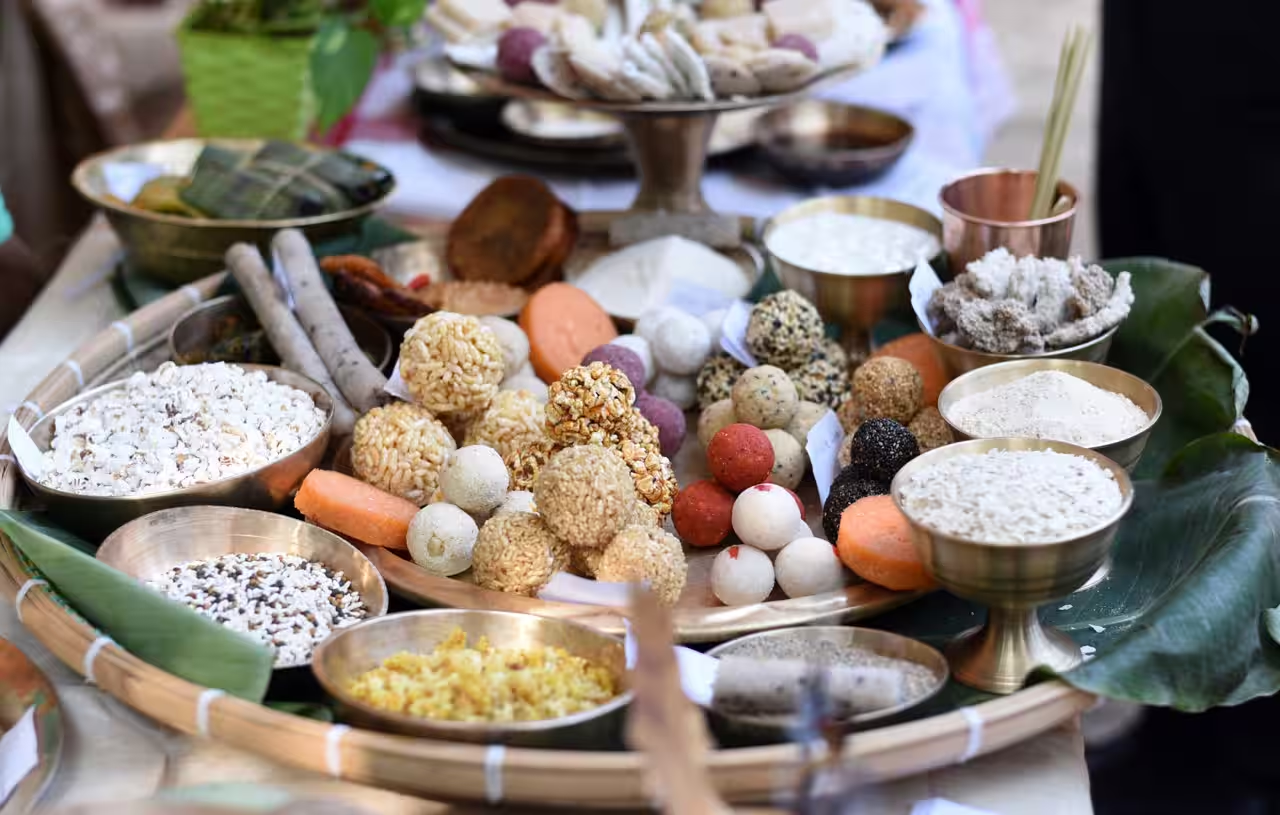
Places to Eat in Dibrugarh: Assamese Meals, Cafes & Family Restaurants
Explore places to eat in Dibrugarh with Assamese thali, fish specialties, tea-city dining, local eateries, and practical food planning tips.
Places to Eat in Guwahati: Assamese Cuisine, Cafes & Dinner Places
Discover places to eat in Guwahati with Assamese specialties, popular restaurants, market snacks, sweet shops, and practical food-planning tips.
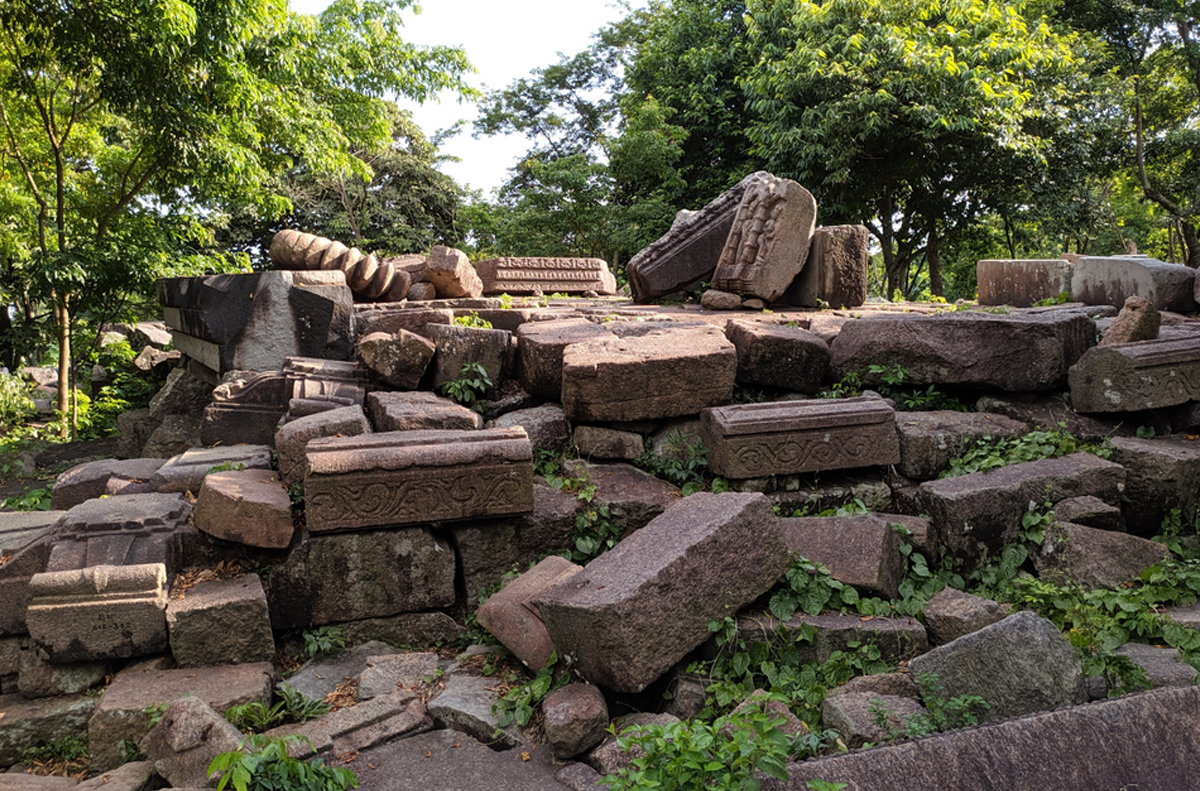
Historical Monuments of Tezpur: Assam Heritage Walk & Attractions
Explore the historical monuments of Tezpur including Agnigarh, Bamuni Hills, Da Parbatia, and Mahabhairab Temple with routes, timings, and travel tips.
Never Miss an Adventure
Get the latest trekking guides, travel tips, and exclusive offers delivered straight to your inbox.
