
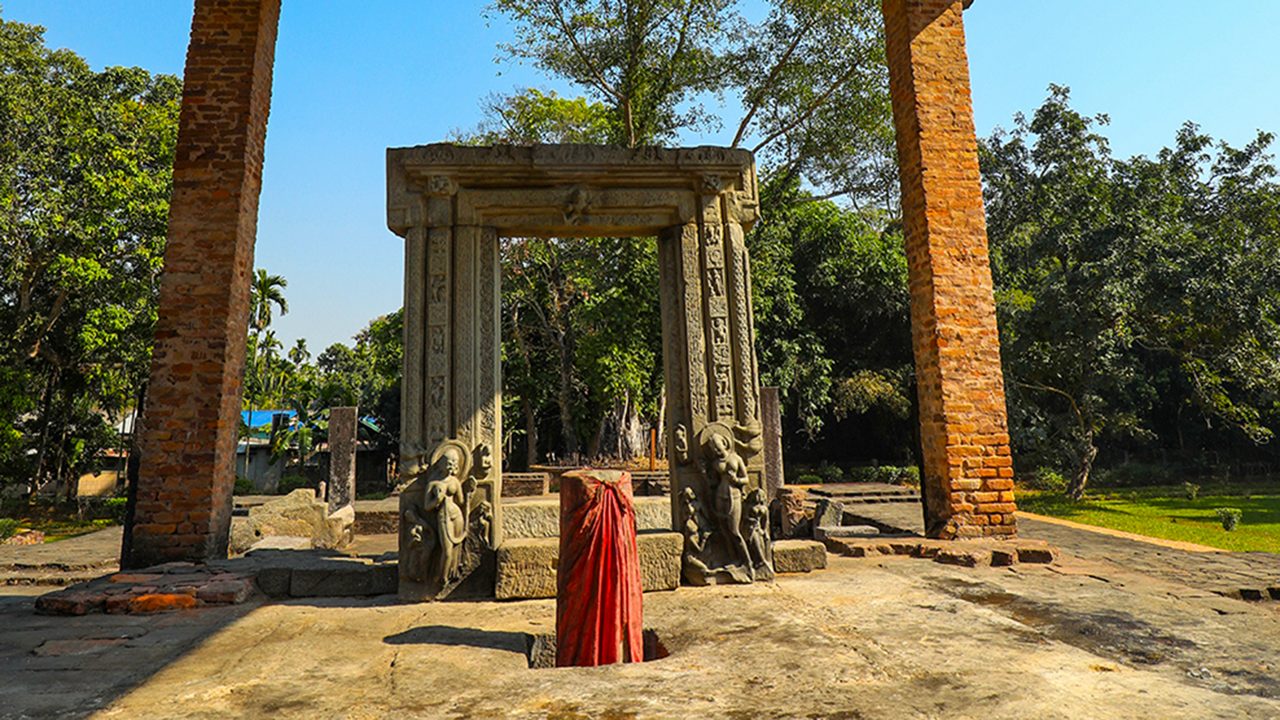
Religious Places in Tezpur: Temples, Ashrams & Spiritual Sites

Ananya Sharma
December 10, 2025
Explore religious places in Tezpur, Assam. Discover Mahabhairav Temple, Bamuni Hills, Agnigarh, and complete spiritual guide with timings and history.
Tezpur's Spiritual Heritage
Tezpur, situated on the banks of the mighty Brahmaputra River in Assam's Sonitpur district, represents one of Northeast India's most spiritually significant destinations. This ancient city, whose name literally means "city of blood," carries profound mythological connections and houses religious sites that span centuries of history. Unlike many pilgrimage destinations that focus on a single faith, Tezpur's spiritual landscape beautifully blends Hindu traditions, archaeological heritage, and indigenous Assamese culture. For those exploring temples in Guwahati, Tezpur offers an excellent extension to understand Assam's complete spiritual heritage.
What makes Tezpur special is the combination of ancient temples, archaeological ruins, and living religious traditions. From the historic Mahabhairav Temple where devotees have worshipped for over a millennium, to the mysterious Bamuni Hills where ancient sculptures tell forgotten stories, to Agnigarh Hill where mythological legends echo through time, Tezpur offers spiritual seekers both historical depth and contemporary religious practice.
This comprehensive guide explores Tezpur's most significant religious places, providing practical information for visitors seeking to explore Assam's spiritual heritage. Whether you're a devoted pilgrim, history enthusiast, or cultural traveler, Tezpur's sacred sites offer profound insights into Assam's religious evolution and architectural brilliance.
Mahabhairav Temple
Ancient Shiva Abode
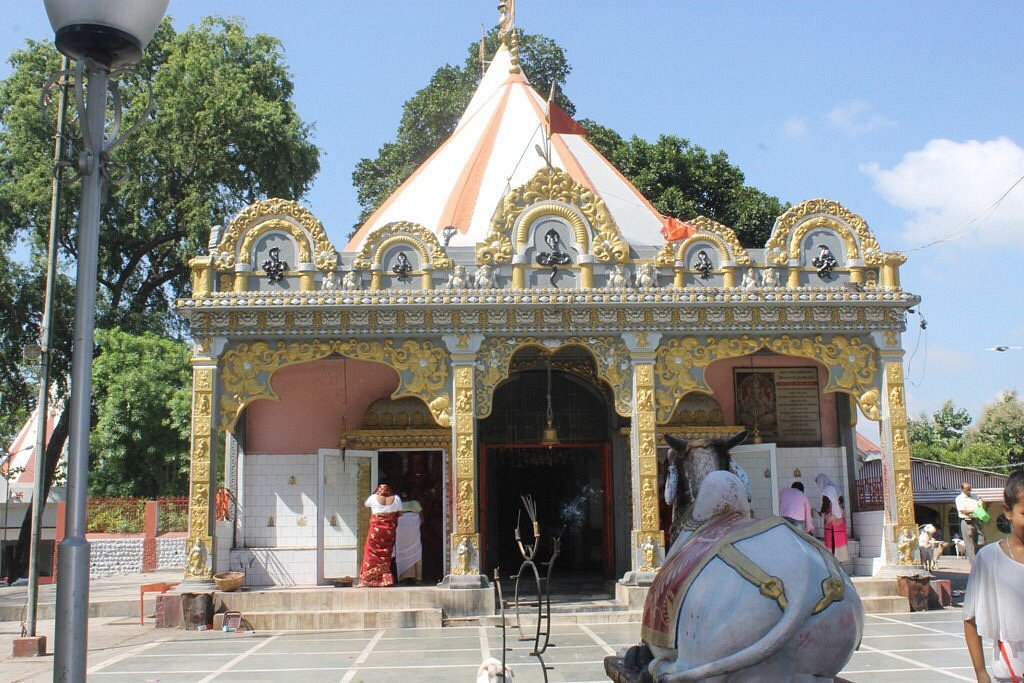
The Mahabhairav Temple stands as Tezpur's most revered religious site and one of Assam's oldest temples dedicated to Lord Shiva. Built during the 8th-10th century (some sources say even earlier), this temple has been a center of Shaivite worship for over a thousand years. The temple's name combines "Maha" (great), "Bhairava" (a fierce form of Shiva), and "Mahadev" (another name for Shiva), reflecting its dedication to Lord Shiva in his most powerful manifestation. Similar to the Kamakhya Temple in Guwahati, this site represents the rich Shaivite and Shakti traditions that flourish throughout Assam.
The temple has an interesting legend associated with King Bana (Banasura), the mythological asura king who ruled this region. According to legend, the original Shivling (Shiva's symbolic representation) at this temple was self-manifested (swayambhu) and was worshipped by King Bana himself. The current structure represents renovations and rebuilds over centuries, as the original ancient temple suffered damage from invasions, earthquakes, and natural decay. However, the sacred Shivling remains the original, maintaining continuous worship for over a millennium.
Temple Architecture and Features
The Mahabhairav Temple showcases traditional Assamese temple architecture with influences from North Indian styles. The main sanctum houses the sacred Shivling, which devotees circumambulate during worship. The temple complex includes shrines to other deities, reflecting Hinduism's polytheistic traditions and allowing devotees to pay respects to multiple divine forms during a single visit.
The temple grounds feature traditional architectural elements including carved stone pillars, mandapas (pillared halls), and a shikhara (spire) typical of Hindu temple design. While not as elaborate as some of India's more famous temples, Mahabhairav Temple possesses authentic antiquity and spiritual power that attracts devoted worshippers throughout the year.
Religious Significance and Festivals
Mahabhairav Temple experiences peak devotion during Mahashivratri (the Great Night of Shiva), typically falling in February or March. During this festival, thousands of devotees throng the temple, offering prayers, fasting, and participating in special worship ceremonies that continue through the night. The atmosphere during Mahashivratri is electric with devotion, chanting of "Om Namah Shivaya," and the fragrance of incense and flowers.
Monday (considered Shiva's day) sees increased temple attendance throughout the year. Devotees offer bel leaves, milk, honey, and water to the Shivling following traditional Hindu customs. The temple priests perform daily aarti (ritual worship) multiple times daily, and devotees can participate in these ceremonies or simply observe and absorb the spiritual atmosphere.
Practical Information
Timings: The temple opens early morning around 6:00 AM for morning aarti and remains open until approximately 8:00 PM, closing briefly in the afternoon (approximately 1:00 PM to 3:00 PM) for temple maintenance. Evening aarti usually occurs around 7:00 PM.
Entry: There is no entry fee. Donations are welcome but not required. The temple maintains an atmosphere of devotion rather than commercialism.
Dress Code: Modest dress is appreciated—shoulders and knees should be covered as a sign of respect. Footwear must be removed before entering the main temple sanctum.
Photography: Photography is generally permitted in the temple complex but avoid photographing the main sanctum during active worship ceremonies. Always ask permission before photographing devotees or religious ceremonies.
Bamuni Hills - Ancient Temple Ruins
Archaeological Significance
The Bamuni Hills, located on Tezpur's outskirts, house one of Assam's most fascinating archaeological sites—ruins of what was once a magnificent temple complex dating to the 9th-10th century. These ruins represent a crucial window into Assam's ancient architectural heritage and the artistic achievements of the Pala dynasty that ruled this region.
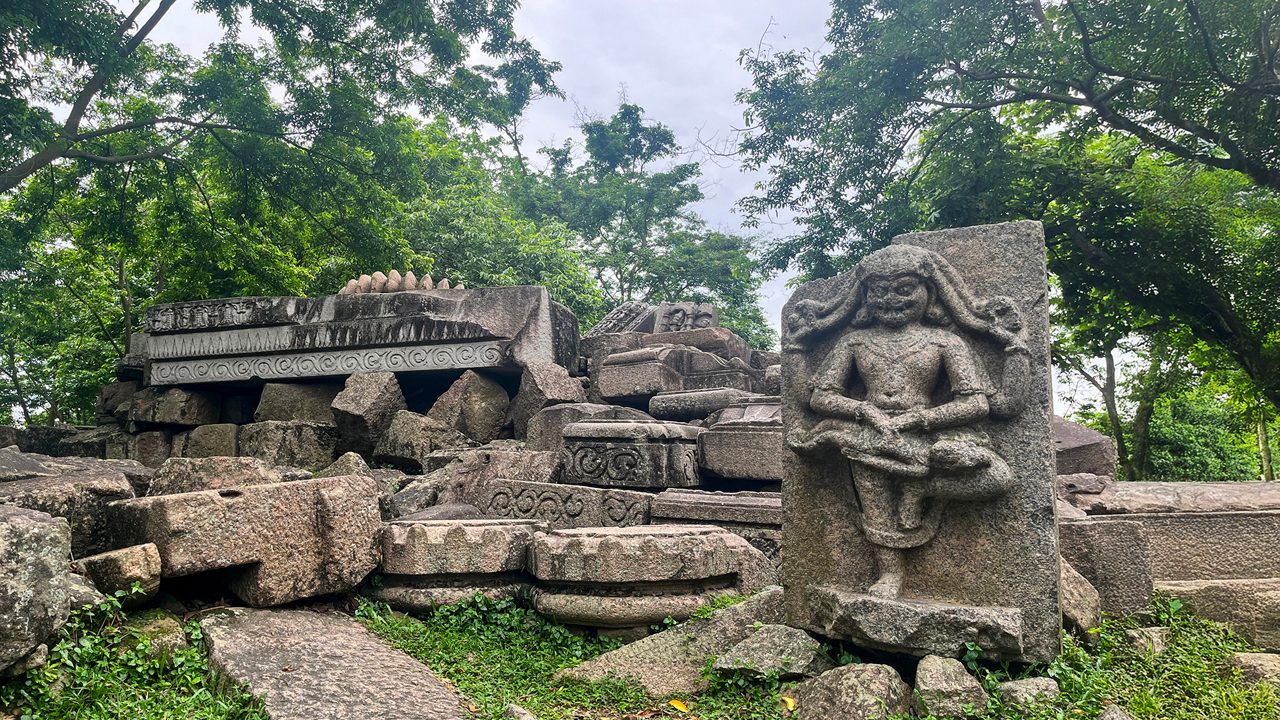
The site features scattered stone sculptures, temple foundations, and architectural fragments that hint at a once-grand religious complex. Archaeologists believe these temples were destroyed either during invasions or by natural forces over centuries, leaving behind the ruins we see today. Despite their incomplete state, the remaining sculptures and architectural elements provide valuable insights into ancient Assamese art, religious iconography, and construction techniques.
Sculptures and Iconography
The most remarkable aspects of Bamuni Hills are the stone sculptures scattered across the site. These beautifully carved works depict various Hindu deities including divinities from the Hindu pantheon—Shiva, Ganesha, Vishnu, and various forms of the Divine Mother. The sculptures showcase the sophisticated artistic sensibilities of ancient Assamese craftsmen, with flowing drapery, expressive faces, and intricate details that reveal advanced stone-carving techniques.
Unlike many temple ruins where only foundations remain, Bamuni Hills preserves substantial sculptural fragments that allow visitors to appreciate the artistry that once adorned these temples. The style shows influences from both North Indian Pala dynasty art and indigenous Assamese traditions, creating a unique artistic synthesis.
The site has been declared protected by the Archaeological Survey of India (ASI), recognizing its national importance. Fencing and basic facilities help preserve what remains while allowing visitors to explore and appreciate this heritage.
Mythological Connections
Local legends connect Bamuni Hills to King Bana's palace complex from mythology. According to these traditions, this area was part of Banasura's fortified capital, and the temples served the royal court and spiritual needs of the kingdom. While archaeological evidence confirms the site's historical importance, the mythological connections add rich cultural context, blending history with legend in the distinctly Assamese style.
Visiting Bamuni Hills
Location: Bamuni Hills are located approximately 3-4 kilometers from Tezpur town center, easily accessible by auto-rickshaw or taxi.
Timings: Daylight hours are best for visiting (approximately 8:00 AM to 5:00 PM). There's no formal entry fee, but ASI may charge a nominal conservation fee.
Experience: Allow 30-45 minutes to explore the site comfortably. Information boards provide basic context, but hiring a local guide can significantly enhance your understanding of what you're seeing. Photography is permitted and encouraged for documentation.
Best Time: Winter months (October-March) provide pleasant weather for exploration. The ruins can be hot under direct sun in summer, so morning or late afternoon visits are recommended during warmer months.
Agnigarh Hill - Mythological Fortress
Legendary Love Story
Agnigarh Hill, meaning "Fort of Fire," represents one of Tezpur's most fascinating mythologically significant sites. According to Hindu mythology and local legends, this hilltop was the location of King Bana's fortress, built to protect his daughter Usha from the world. The famous love story of Usha and Aniruddha (Lord Krishna's grandson) unfolded here, making this site sacred in Hindu tradition.
The legend tells that Princess Usha, daughter of the demon king Banasura, dreamt of a handsome prince and fell in love through the dream. Her friend Chitraleka (an accomplished painter) painted Aniruddha's portrait based on Usha's description, and eventually, through divine intervention, Aniruddha came to Agnigarh and secretly married Usha. When King Bana discovered this, he was enraged and imprisoned Aniruddha. This led to a great battle between Banasura (supported by Shiva) and Lord Krishna (supported by other gods). The fortress was ultimately destroyed, and Usha and Aniruddha were united.
This mythological love story, combining elements of divine intervention, parental opposition, and ultimate union, has been retold in Assamese culture for generations. Agnigarh Hill stands as physical testimony to this legend, making it a site of both mythological and cultural importance.
Present-Day Agnigarh
Today, Agnigarh Hill has been developed as a tourist attraction and viewpoint rather than an active religious site. The hilltop provides spectacular views of Tezpur town and the Brahmaputra River flowing serenely below. The Assam Tourism Department has developed gardens, walking paths, and viewpoints that make the hill an enjoyable excursion.
A circular path leads to the summit, where remnants of fortifications can still be seen—ancient stones and earthworks that hint at the mythical fortress's former glory. While these remains don't conclusively prove the mythological story's historicity, they add authenticity and help visitors imagine the ancient fortress described in legends.
Spiritual Significance
For spiritually inclined visitors, Agnigarh Hill represents several important themes: divine love overcoming obstacles, the power of devotion, and the belief that sacred history occurred on this very ground. Many visitors come not just for the views but to connect with the mythological stories associated with this place.
It's worth noting that while Agnigarh Hill has mythological importance, it's not an active worship site with daily rituals like Mahabhairav Temple. Instead, it represents what might be called "living mythology"—a place where ancient stories remain alive in local consciousness and landscape, even without active temple ceremonies.
Visiting Agnigarh Hill
Location: Agnigarh Hill is within Tezpur town limits, easily accessible by auto-rickshaw or taxi from anywhere in the city.
Timings: Daylight hours (approximately 7:00 AM to 6:00 PM). Early morning and sunset offer the most beautiful lighting and best photography conditions.
Experience: Allow 1-1.5 hours to climb to the summit, explore, and return comfortably. The climb involves stairs and sloping paths—moderately fit visitors will manage easily, but those with mobility issues should assess their capabilities. The gardens provide rest areas if you need to pause.
Highlights: The summit offers panoramic views of Tezpur and the Brahmaputra. Information boards explain the mythology. The gardens provide pleasant spots for rest and reflection. Sunset views are particularly spectacular.
Hanuman Temple
Popular Local Temple
The Hanuman Temple, dedicated to Lord Hanuman (the monkey god), represents one of Tezpur's most actively worshipped contemporary temples. While not as ancient as Mahabhairav Temple, this temple holds deep importance for local devotees who visit regularly, particularly on Tuesdays and Saturdays (days sacred to Hanuman).
Lord Hanuman, revered in Hinduism for his devotion to Lord Rama and his extraordinary strength, represents devotion, loyalty, and service. The temple features a prominent Hanuman murti (idol) that receives daily worship including offerings of sindoor (vermilion), flowers, and sweets. Devotees often visit Hanuman temples seeking strength, courage, and blessings for overcoming obstacles.
The temple's architecture follows contemporary Assamese temple design with painted exteriors and a traditional shikhara. The interior houses the main Hanuman shrine along with smaller shrines to other deities, reflecting Hinduism's inclusive approach to multiple divine forms.
Religious Practices
Tuesdays and Saturdays see particularly heavy attendance, with devotees visiting throughout the day. The temple celebrates Hanuman Jayanti (Lord Hanuman's birthday) with special programs, processions, and community feasting. Devotional songs (bhajans) praising Hanuman fill the air during festivals, and the temple distributes prasad (blessed food offerings).
Location: The Hanuman Temple is centrally located in Tezpur town, easily accessible.
Timings: Morning and evening prayer sessions (approximately 6:00 AM to 10:00 AM and 4:00 PM to 8:00 PM). The temple may close during afternoon hours.
Other Religious Sites in Tezpur
Bhairabi Temple
Dedicated to Goddess Bhairabi (a form of the Divine Mother), this temple represents another important Shakti worship site in Tezpur. Goddess worship holds particular importance in Assam and the wider Northeast, and Bhairabi Temple continues this tradition. The temple receives devotees seeking blessings for protection, prosperity, and spiritual strength.
Ganesha Temple
Like elsewhere in India, Lord Ganesha (the remover of obstacles) is widely worshipped in Tezpur. Ganesha temples and shrines exist throughout the city, often in conjunction with other temples. devotees typically visit Ganesha before beginning new endeavors, seeking success and obstacle-free paths.
Churches and Gurudwaras
Tezpur's religious diversity extends beyond Hindu temples. Christian churches, some dating to the colonial era, serve Tezpur's Christian community. These churches feature distinctive architecture and offer insight into Assam's multi-religious heritage. Similarly, gurudwaras serve the Sikh community, continuing the Sikh traditions of worship and community service (langar—free community kitchen).
Sattra Institutions
While not within Tezpur town proper, the wider region contains sattra institutions—Vaishnavite monasteries that represent Assam's unique neo-Vaishnavism tradition developed by Srimanta Shankardeva. These sattras combine worship, art, music, dance, and community living, representing one of Assam's most distinctive religious expressions. Some sattras are accessible as day trips from Tezpur.
Best Time to Visit Tezpur
The timing of your visit to Tezpur's religious places affects both comfort and experience quality.
Winter (October-March) - BEST: Pleasant temperatures (15-25°C), minimal rainfall, and comfortable conditions for temple visits and exploration. This period includes major Hindu festivals including Mahashivratri and Diwali, when temples are beautifully decorated and celebration energy is high. December and January are coolest but comfortable during daytime.
Monsoon (June-September): Tezpur receives substantial rainfall during monsoon. The Brahmaputra swells dramatically, creating powerful natural displays. While temples remain open, heavy rain can make moving between sites uncomfortable. The upside is lush greenery and fewer tourists. If visiting during monsoon, carry umbrellas and rain gear, and plan indoor temple visits during heavy rain.
Festival Seasons: Plan around major festivals if you want to experience Tezpur's religious culture at its most vibrant. Mahashivratri (February/March) at Mahabhairav Temple is spectacular. Diwali (October/November) sees temple celebrations across the city. Holi (March) brings unique cultural celebrations.
How to Reach Tezpur
From Guwahati
Guwahati to Tezpur covers approximately 180 kilometers and takes 4-5 hours by road. The route follows the north bank of the Brahmaputra River, offering scenic views throughout the journey. Transportation options include private taxis, shared taxis from Guwahati's Paltan Bazaar area, and buses (both government and private) operating between the cities.
By Air
Tezpur's Saloni Airport (TEZ) has limited but improving connectivity. However, most travelers find it more convenient to fly into Guwahati's Lokpriya Gopinath Bordoloi International Airport (GAU), which has far more flight options from across India. From Guwahati airport, proceed by road as described above.
By Train
Tezpur Railway Station is well-connected to Guwahati and other Assam cities. Several express and passenger trains serve this station. From the railway station, auto-rickshaws and taxis can take you to any part of Tezpur town.
Getting Around Tezpur
Within Tezpur, auto-rickshaws and taxis are the most convenient transportation options. Auto-rickshaws can be flagged down on streets or hired from stands. Taxis can be hired for half-day or full-day for temple visits. Many of Tezpur's religious sites are within the town or its immediate outskirts, making travel between them straightforward.
For Bamuni Hills and Agnigarh Hill, hiring a taxi for a few hours is the most practical approach. The driver can wait at each site while you explore, then transport you to the next location.
Travel Tips for Visiting Religious Places
- Dress Modestly: Both men and women should dress conservatively when visiting temples—cover shoulders and knees, avoid revealing clothing. This shows respect for religious traditions.
- Remove Footwear: Always remove shoes before entering temple sanctums. Most temples have designated areas for leaving footwear.
- Respect Worship: Temple etiquette requires maintaining silence during prayers, not interrupting devotees, and refraining from photography during active ceremonies.
- Offerings: If participating in worship, you can bring flowers, fruits, or sweets (available near temples). Puja thalis (worship trays) can often be purchased from vendors outside temples.
- Photography: Always ask permission before photographing religious ceremonies or devotees in prayer. Some temples prohibit photography in inner sanctums—respect these rules.
- Donation: While not mandatory, small donations help temple maintenance. Donation boxes are typically available.
- Cleanliness: Maintain temple cleanliness. Don't litter, and dispose of offerings properly after worship.
- Timing: Visit during less crowded hours (early mornings or weekday afternoons) for more intimate experiences. Festival days see maximum crowds.
- Cultural Sensitivity: Learn basic temple etiquette before visiting. Observe how local devotees behave and follow their lead.
- Combine Sites: Plan your route to visit multiple religious sites efficiently in a single day, but don't rush—each site deserves time for proper appreciation.
Tezpur's religious places offer more than just temple visits—they provide windows into Assam's ancient spiritual heritage, living traditions, and cultural continuity. From the millennium-old worship at Mahabhairav Temple to the archaeological mysteries of Bamuni Hills, from the mythological romance of Agnigarh to contemporary devotional practices at Hanuman Temple, Tezpur's sacred sites tell stories spanning centuries and civilizations.
For pilgrims, these sites offer opportunities for devotion and blessing. For history enthusiasts, they provide tangible connections to Assam's ancient past. For cultural travelers, they reveal Assam's unique synthesis of tradition and evolution. Consider combining your Tezpur visit with exploring other destinations in Assam to fully experience the region's spiritual diversity. Whatever draws you to Tezpur's religious places, approach them with respect, curiosity, and openness to the spiritual heritage that continues to shape Assamese identity today.
Location
Frequently Asked Questions
Q1.What are the famous temples in Tezpur?
Q2.How many days are needed to visit religious places in Tezpur?
Q3.What is Mahabhairav Temple famous for?
Q4.What are the timings of Mahabhairav Temple in Tezpur?
Q5.What is the legend of Agnigarh Hill in Tezpur?
Q6.What are Bamuni Hills famous for in Tezpur?
Q7.What is the best time to visit Tezpur for temple visits?
Q8.How far is Tezpur from Guwahati and how to reach?
Recommended For You
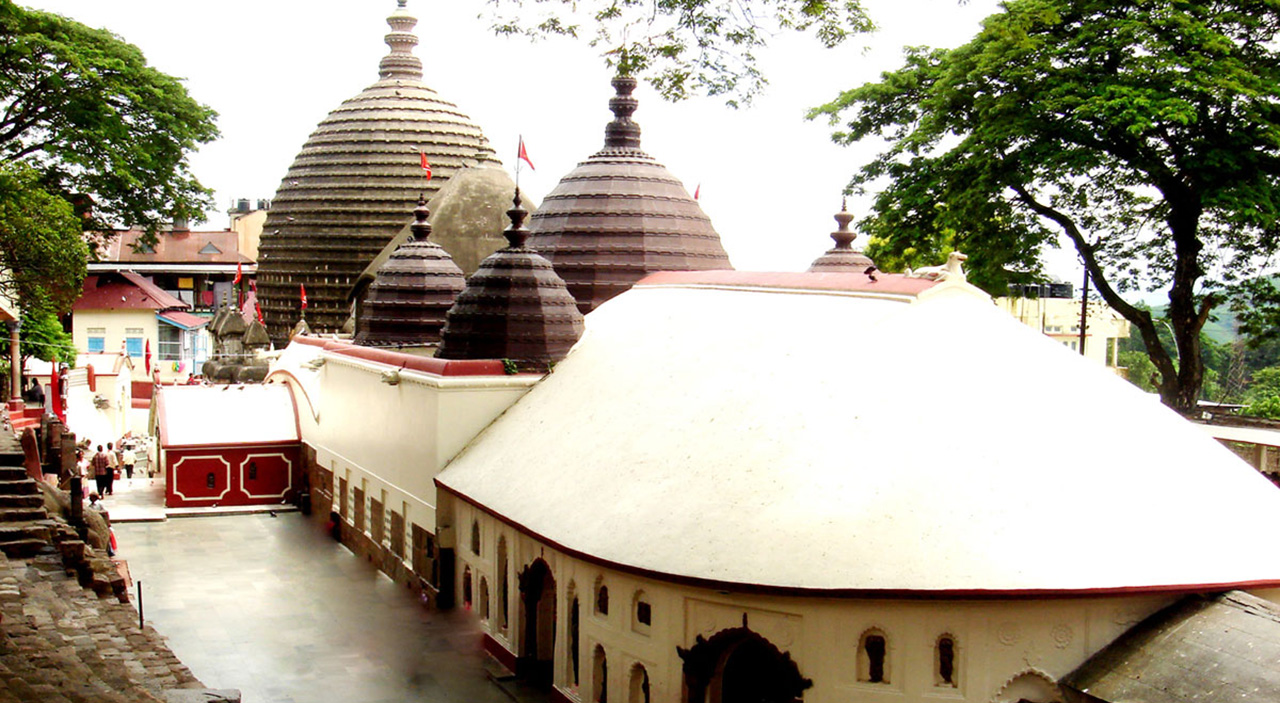
Kamakhya Temple Guwahati: Darshan Timings & History
Visit Kamakhya Temple in Guwahati Assam! Get darshan timings, aarti schedule, history, how to reach, best time to visit & complete guide for this Shakti Peeth.
North East India Tourism: Itinerary Plans, Routes & Travel Seasons
Plan North East India tourism with route-based itinerary ideas, state-wise season tips, and practical budget guidance.
Places to Visit in Assam: Itinerary, Best Time & Top Attractions
Plan your Assam trip with practical route circuits, day-wise itinerary ideas, seasonal timing tips, and budget-friendly travel planning.
Never Miss an Adventure
Get the latest trekking guides, travel tips, and exclusive offers delivered straight to your inbox.
