
Places to Shop in Udaipur: Bazaars, Handicrafts & Budget Tips

Ananya Sharma
November 17, 2025
Best places to shop in Udaipur. Rajasthani handicrafts, jewelry, textiles & traditional markets. Complete shopping guide.
Royal Shopping Heritage of the Lake City
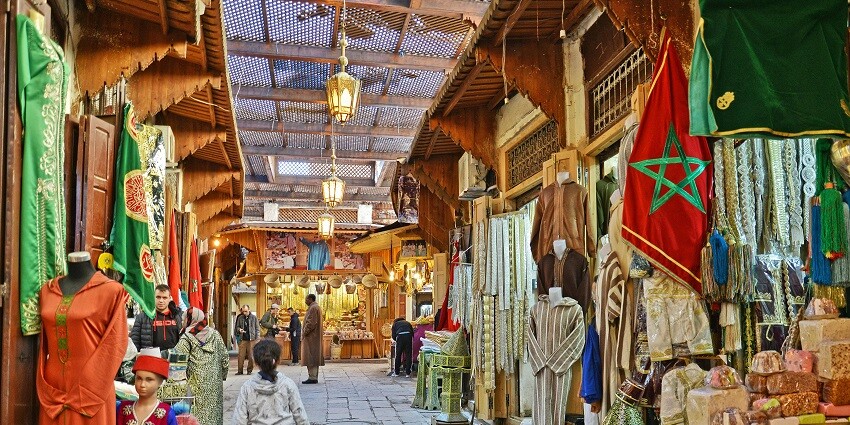
Udaipur, known as the City of Lakes and Venice of the East, offers one of Rajasthan's most delightful shopping experiences. Unlike the chaotic bazaars of Jaipur or the commercialized markets of Jodhpur, Udaipur's shopping scene reflects the city's romantic, lake-side character—more relaxed, more artistic, and infused with the cultural richness that comes from centuries of patronage by the Mewar dynasty. From vibrant textiles to miniature paintings, from handicrafts that carry the essence of Rajasthan to gemstones that have made the region famous, shopping in Udaipur is a journey into India's artistic soul.
What makes Udaipur special as a shopping destination is the authenticity and quality of its crafts. The city has been a center of artistic production for centuries, with the Mewar rulers consistently supporting artisans, craftsmen, and artists. This royal patronage created traditions of excellence that continue today, whether in the delicate brushstrokes of miniature paintings or the intricate patterns of handwoven textiles. When you shop in Udaipur, you're not just buying souvenirs—you're acquiring pieces of living artistic tradition passed down through generations.
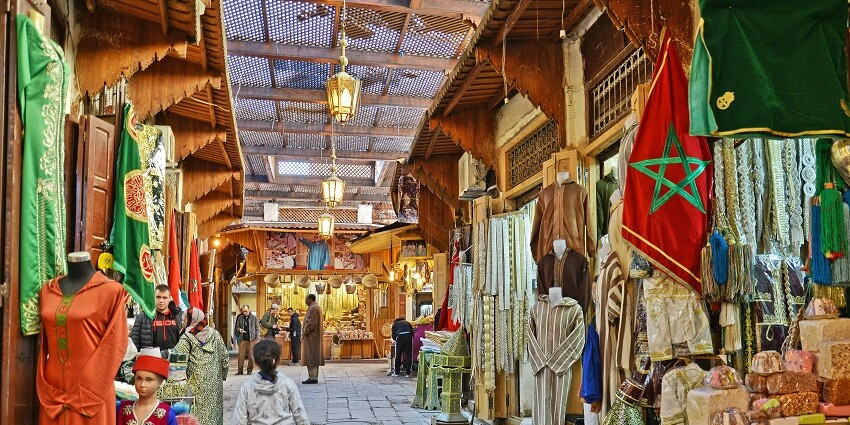
The city's shopping areas are conveniently located, with most major markets clustered around the old city near the City Palace complex. This walkable concentration makes it easy to browse multiple markets in a single day, stopping at lakeside cafes between shopping sprees. The atmosphere is generally relaxed compared to other Rajasthani cities, with shopkeepers more inclined toward conversation than hard-selling. Whether you're a serious collector of Indian art or a casual traveler seeking meaningful gifts, Udaipur's shopping landscape rewards exploration with discoveries at every turn. After your shopping expedition, consider visiting the nearby City Palace to witness the grandeur that inspired many of the artistic traditions you'll encounter in the markets.
Traditional Markets
Udaipur's traditional markets are where the city's shopping character shines brightest. These bazaars, many of which have operated in the same locations for centuries, offer everything from everyday goods to specialized artisan products. The narrow lanes of the old city, with their varying levels of souvenir shops, handicraft stores, and textile emporiums, create a shopping environment that's as much about atmosphere as acquisition.
Bada Bazaar
Bada Bazaar (Big Market) serves as Udaipur's main commercial artery, running through the heart of the old city. This bustling market street offers everything from household goods to tourist-oriented merchandise, making it an excellent place to start your Udaipur shopping adventure. What makes Bada Bazaar special is its variety—you'll find stores selling traditional textiles next to shops offering modern electronics, creating the fascinating contrasts that define contemporary India.
The market's textile section is particularly strong, with numerous shops featuring Rajasthani prints, bandhani (tie-dye), and embroidered fabrics. Many of these stores have been family-run for generations, with owners who can explain the techniques and traditions behind their products. Don't miss the shops selling pichwai paintings—devotional textile art featuring scenes from Krishna's life. These painted cloths, once used to decorate temple walls behind Krishna images, have become popular wall hangings for modern homes.
Hathipole Market
Named for the elephant pole that once stood here, Hathipole is Udaipur's famous jewelry and craft market. This narrow lane, branching off Bada Bazaar, specializes in silver jewelry, gemstones, and metal crafts. The market's jewelry stores offer everything from contemporary silver designs to traditional pieces featuring Kundan and Meenakari work. What makes Hathipole special is the quality of craftsmanship—many shops feature work by local artisans who have refined their skills over decades.
Beyond jewelry, Hathipole is excellent for metal crafts including brass figurines, ceremonial items, and decorative objects. The market also features stores selling miniature paintings—Udaipur's most famous artistic export. These detailed paintings, executed on paper or ivory substitutes using natural pigments and squirrel-hair brushes, capture everything from Rajasthani court scenes to religious epics. Serious collectors should allow time to examine multiple shops, as quality and style vary significantly between artists.
Chetak Circle
Located near the statue of the legendary horse Chetak ( Maharana Pratap's faithful steed), this circular market area serves both locals and tourists. The shops here offer a mix of practical items and handicrafts, making it a good place to shop for everyday use items alongside souvenirs. You'll find stores selling Rajasthani puppets, leather goods, and textile products at generally reasonable prices.
Chetak Circle is particularly good for shopping for gifts and smaller items. The puppet stores offer colorful traditional Kathputli puppets that make excellent decorations and children's gifts. Leather shops sell mojaris (traditional embroidered footwear), bags, and belts featuring Rajasthani designs. The market's less touristy character means prices can be more reasonable than in more specialized markets, though selection may be less extensive.
City Palace Complex Shops
The City Palace complex houses several government-run emporiums and private shops that offer high-quality handicrafts with the advantage of fixed (though not necessarily low) prices and guaranteed authenticity. These shops are particularly good for textiles, paintings, and metal crafts. While you might find better bargains in the bazaars, the palace shops offer quality assurance and the convenience of fixed pricing for travelers uncomfortable with bargaining.
The palace shops are also excellent for learning about Rajasthani crafts. Many feature displays demonstrating how various items are made, from textile printing to miniature painting techniques. Some shops offer certificates of authenticity for high-value items like paintings and jewelry. While you'll pay for these conveniences, the assurance of quality can be worth the premium when making significant purchases.
Rajasthani Handicrafts
Handicrafts represent Udaipur's shopping soul, encompassing the diverse artistic traditions that have made Rajasthan famous worldwide. The city's handicraft selection spans multiple categories, each representing different techniques, regional styles, and historical influences. Understanding these categories helps you shop more knowledgeably and appreciate the skill behind each piece.
Colorful Textiles
Rajasthani textiles are legendary, and Udaipur offers excellent selection across various traditional styles. Bandhani (tie-dye) textiles feature tiny dots created by tying fabric before dyeing, producing intricate patterns in vibrant reds, yellows, and blues. Look for genuine bandhani where you can see the tiny tie marks—machine-printed imitations exist but lack authentic bandhani's character and value.
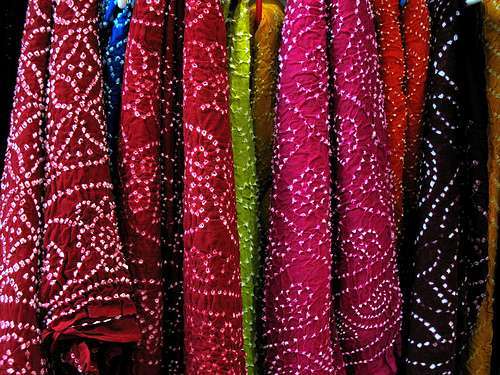
Leheriya (wave pattern) textiles, another Rajasthani specialty, feature diagonal stripes created through resist dyeing techniques. These lightweight fabrics are perfect for summer clothing and make beautiful scarves and dupattas. The best leheriya displays crisp, well-defined patterns and vibrant colors that don't fade with washing.
Sanganeri prints—block-printed fabrics from nearby Sanganer town—feature delicate floral and geometric patterns on white or light-colored backgrounds. Authentic block prints show slight variations that prove handwork, while machine prints are perfectly uniform but lack character. Many Udaipur shops offer both hand-block and machine-printed fabrics at different price points. These textiles make perfect accompaniments to visits at Lake Pichola, where you can enjoy the scenic views while wearing your newly acquired Rajasthani attire.
Embroidery Work
Embroidery represents another Rajasthani textile specialty, with different regions developing distinct styles. Gujarat-style mirror embroidery features small mirrors embroidered into fabric with colorful threads, creating sparkly surfaces that catch light beautifully. This work appears on clothing, bags, wall hangings, and cushion covers.
Gota patti work, a Rajasthani specialty, uses ribbon-like gold or silver trim (gota) appliqued onto fabric in elaborate patterns. This work traditionally adorned royal clothing and remains popular for wedding garments and special occasion pieces. Quality gota patti features precisely applied trim with secure stitching and intricate patterns.
Kashida embroidery from Kashmir appears in many Udaipur shops, featuring chain-stitch patterns in wool or silk on woolen fabrics. While not originally Rajasthani, this embroidery has become popular throughout India and is widely available in tourist markets. Look for tight, even stitching and vibrant colors.
Puppetry
Rajasthan's string puppets (kathputlis) are among the region's most iconic handicrafts. These colorful figures, carved from wood and dressed in elaborate costumes, have entertained generations of Rajasthani audiences and now make popular decorations and gifts. Udaipur's puppet shops offer numerous sizes and styles, from small keychain-sized figures to large display pieces over a meter tall.
Authentic kathputlis feature hand-carved wooden heads and hands, hand-sewn clothing, and strings that allow movement. Inexpensive versions may use molded plastic or machine-made clothing, reducing both authenticity and price. Serious collectors should examine multiple pieces to understand quality variations. Beyond decoration, some shops offer puppet shows demonstrating these figures in performance context—a fascinating glimpse into Rajasthani entertainment traditions.
Pottery
Udaipur's pottery selection includes both functional and decorative pieces. Blue pottery, originally from Jaipur but widely available in Udaipur, features distinctive blue-green patterns on white ceramic surfaces. This Persian-influenced ware makes beautiful decorative items including vases, plates, tiles, and boxes. Quality blue pottery has a distinctive ring when tapped and features crisp patterns without bleeding colors.
Terracotta pottery offers more functional pieces including water pots, planters, and cooking vessels. This unglazed red clay pottery has been used in Rajasthan for centuries, valued for keeping water naturally cool in hot weather. Contemporary terracotta pieces often feature traditional motifs and make both functional items and decorative pieces.
Metal Crafts
Metal crafts constitute another important handicraft category, with brass work being particularly prominent. Brass figurines of Hindu deities, decorative animals, and ritual items like oil lamps (diyas) and incense holders make beautiful additions to home altars or decorative displays. Quality brass pieces have good weight, smooth finishes, and clean casting without rough edges.
The market also offers ironwork including gates, grilles, and decorative items. While less common than brass, Rajasthani ironwork features intricate scrollwork and traditional patterns. Some shops offer bell metal (a bronze alloy) items including temple bells and ritual vessels—these pieces produce beautiful resonant tones and make authentic additions to spiritual practice.
Jewelry & Gemstones
Udaipur's jewelry scene combines traditional Rajasthani designs with contemporary aesthetics, offering pieces across multiple price points and quality levels. Understanding jewelry categories helps you make informed purchases whether you're shopping for everyday wear, special occasions, or investment pieces.
Kundan Jewelry
Kundan, one of Rajasthan's most famous jewelry styles, features uncut gemstones (polki) set in gold using elaborate techniques passed down through generations of artisans. The process involves creating a gold framework (kundan) that holds carefully selected stones without modern prongs or settings. Kundan pieces often feature Meenakari (enamel work) on the reverse side, creating jewelry that's beautiful from all angles.
Authentic Kundan jewelry represents significant investment, with prices varying based on gold weight, stone quality, and workmanship sophistication. Pieces range from relatively affordable earrings to elaborate necklaces worth lakhs. When purchasing Kundan, ask for certification of stone authenticity and gold purity. Quality pieces show secure stone settings, clean enameling without bleeding colors, and substantial gold weight.
Silver Jewelry
Silver jewelry offers Rajasthani design at more accessible price points than gold. Udaipur's silver shops feature everything from contemporary designs to traditional pieces featuring oxidized finishes and intricate patterns. Popular items include chains, bangles, earrings, pendants, and anklets (payals).
Quality silver jewelry should be hallmarked (stamped with purity marks) and feel substantial rather than flimsy. Traditional Rajasthani silver pieces often feature repousse work (raised designs created by hammering from the reverse side), filigree (delicate wirework), and oxidized finishes that highlight pattern details. Modern silver pieces offer cleaner aesthetics while incorporating traditional motifs.
Lac Bangles
Lac bangles represent one of Rajasthan's most distinctive jewelry traditions. Made from lac resin (a natural substance secreted by insects), these bangles are decorated with glass work, gold leaf, tiny mirrors, and sometimes semi-precious stones. Lac bangles are traditionally worn in stacks by Rajasthani women, with different colors and designs indicating marital status and community membership.
Modern lac bangles come in every color imaginable and make excellent lightweight gifts. Quality pieces have smooth finishes without rough spots, secure decoration that doesn't peel off, and consistent sizing. When buying multiple bangles to wear as a set, ensure sizes are compatible. Lac bangles are fragile and can crack if dropped or exposed to extreme temperature changes.
Gemstones
Rajasthan has been India's gemstone center for centuries, and Udaipur's markets offer numerous stones from both Indian and international sources. Popular stones include emeralds, rubies, sapphires, and semi-precious stones like amethyst, garnet, and topaz. Quality varies enormously, so it's essential to buy from reputable dealers who provide certification.
When purchasing gemstones, ask about treatment disclosure—many stones are heat-treated or otherwise enhanced to improve color or clarity. Treated stones cost less than untreated natural stones but should always be disclosed as such. For expensive stones, insist on laboratory certificates from recognized gemological institutions. Udaipur's gemstone dealers generally offer more competitive pricing than jewelry stores in other Indian cities, but this advantage disappears if you buy without proper certification.
Miniature Paintings
Miniature paintings represent Udaipur's most famous artistic contribution, with a tradition stretching back to the Mewar kingdom's royal ateliers. These detailed paintings, executed on paper or ivory substitutes using natural pigments and incredibly fine brushes, capture everything from court scenes and religious epics to portraits and landscapes.
The Mewar school of miniature painting, which flourished in Udaipur, is characterized by vibrant colors, detailed backgrounds, and depictions of royal life and Hindu mythology. Earlier pieces (18th-19th century) are primarily in museums, but contemporary artists continue the tradition using authentic techniques and materials.
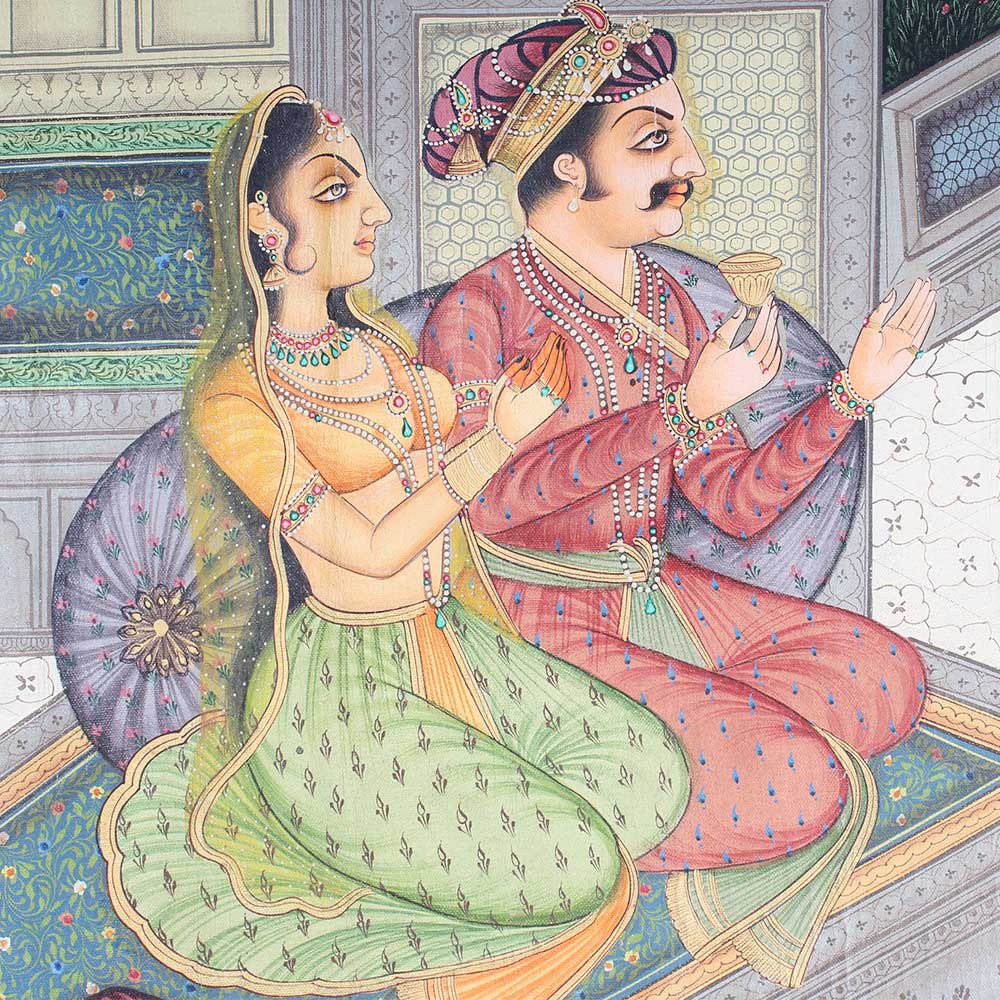
When shopping for miniature paintings, examine the brushwork—quality pieces show incredibly fine detail despite their small size. The paper should be handmade and thick, with natural pigments that resist fading. Ask whether paintings use genuine squirrel hair brushes (traditional) or synthetic alternatives. Modern adaptations of miniature painting appear on everything from furniture to greeting cards, but serious collectors prefer traditional formats.
Prices vary enormously based on artist reputation, painting complexity, and size. Small pieces by established artists start around ₹5,000-10,000, while museum-quality works can cost lakhs. Contemporary student pieces offer authentic style at lower price points if your budget is limited. Whatever your range, buy what speaks to you aesthetically rather than purely for investment potential.
Shopping Tips
Successful shopping in Udaipur requires understanding local customs, bargaining etiquette, and quality assessment. Unlike modern retail environments with fixed prices, Udaipur's traditional markets operate on negotiated prices—a practice that can seem daunting to first-time visitors but becomes enjoyable with some knowledge and preparation. Many travelers combine their Udaipur shopping experience with visits to other attractions in Rajasthan to get a complete feel for the state's rich cultural heritage.
Bargaining: Bargaining is expected in most markets except government emporiums and fixed-price stores. As a guideline, expect to pay 60-70% of the initial asking price in tourist-oriented markets. Start your counter-offer at about 40% of the asking price and negotiate respectfully upward. Smile, be friendly, and show genuine interest in the item. Aggressive bargaining is counterproductive—build rapport instead.
Quality Assessment: Examine items carefully before purchasing. For textiles, check for loose threads, uneven prints, or color bleeding (rub a damp white cloth on the fabric). For jewelry, verify hallmarking and ask for certificates. For handicrafts, look for quality of workmanship—intricate carving or painting should be clean and precise. Don't hesitate to handle items and ask questions about their making.
Payment: Most established shops accept credit cards, but smaller vendors and market stalls are often cash-only. Carry sufficient rupees for purchases, especially when shopping in bazaars. ATMs are widely available throughout Udaipur. For expensive jewelry or gemstone purchases, many shops offer wire transfer options.
Cultural Connections: After exploring the markets, consider visiting Jagdish Temple, which is within walking distance of many shopping areas. This allows you to experience both the commercial and spiritual aspects of Udaipur's old city in one trip. The temple's proximity to Hathipole Market makes it a perfect addition to your shopping itinerary.
Best Shopping Hours: Visit traditional markets in the morning (10 AM-12 PM) when they're less crowded and shopkeepers have more time for detailed discussions. Evening shopping (5-8 PM) offers lively atmosphere but can be overwhelming. Many shops close for afternoon rest (1-4 PM), especially in summer, so plan accordingly.
Cultural Sensitivity: Dress modestly, especially when shopping in older parts of the city. Ask permission before photographing people or shops. Don't touch religious items or sacred objects without permission. Remove shoes before entering certain shops or storage areas if asked. Bargaining should be friendly, not adversarial—remember that shopkeepers need to earn fair wages.
Udaipur's shopping scene rewards those who approach it with curiosity, patience, and appreciation for craftsmanship. Whether you're seeking precious jewelry, miniature paintings, textiles, or simply beautiful objects that capture Rajasthan's artistic spirit, the Lake City's markets offer treasures that transform shopping from mere acquisition into cultural exploration. Each purchase connects you with centuries of artistic tradition and supports the artisans who keep Rajasthan's remarkable crafts alive for future generations.
Location
Frequently Asked Questions
Q1.What are the best places to shop in Udaipur?
Q2.What should I buy from Udaipur?
Q3.Where is Bada Bazaar in Udaipur?
Q4.What handicrafts is Udaipur famous for?
Q5.Where can I buy Rajasthani jewelry?
Q6.What are Udaipur's market specialties?
Q7.Is bargaining acceptable in Udaipur markets?
Q8.What is the best time for shopping in Udaipur?
Recommended For You

Lake Pichola Udaipur: Boat Ride Timings, Ticket Price & Sunset Points
Plan your Lake Pichola Udaipur visit with practical boat ride tips, route planning, sunset timing strategy, and local travel advice.
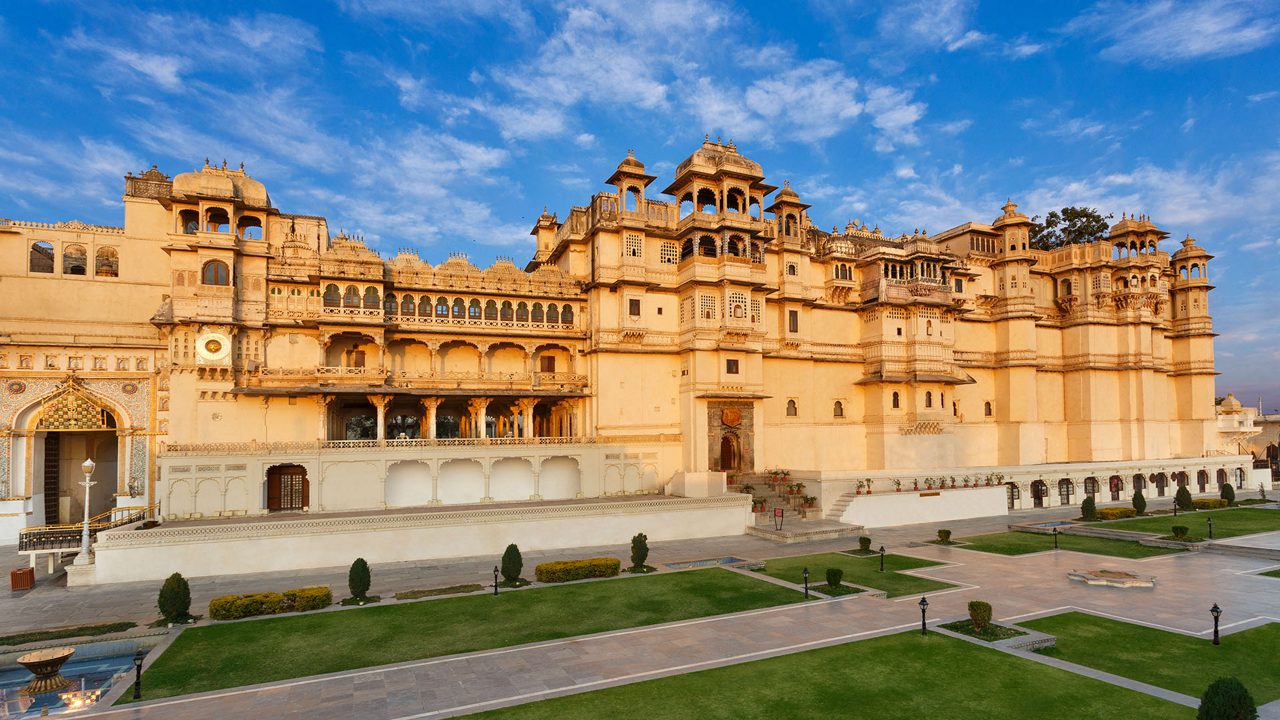
City Palace Udaipur: Complete Guide to Mewar's Royal Heritage
Discover City Palace Udaipur, Rajasthan's largest palace overlooking Lake Pichola. Explore Mewar dynasty's heritage, museums & stunning Rajput architecture in this complete guide.
Jagdish Temple Udaipur: Timings, Darshan Rituals & Nearby Attractions
Visit Jagdish Temple Udaipur with timing tips, route guidance, etiquette notes, and old-city itinerary ideas. Explore this 17th-century Vishnu temple's architecture and spiritual significance.
Never Miss an Adventure
Get the latest trekking guides, travel tips, and exclusive offers delivered straight to your inbox.
