

Bangus Valley Kashmir: Offbeat Route, Best Season & Stay Options

Rahul Garg
November 17, 2025
Complete guide to Bangus Valley Kashmir. Trekking, camping, meadows & how to reach. Offbeat paradise in Kashmir.
Places to Visit in Bangus Valley: Route Planning, Stay Strategy, and Nature Priorities
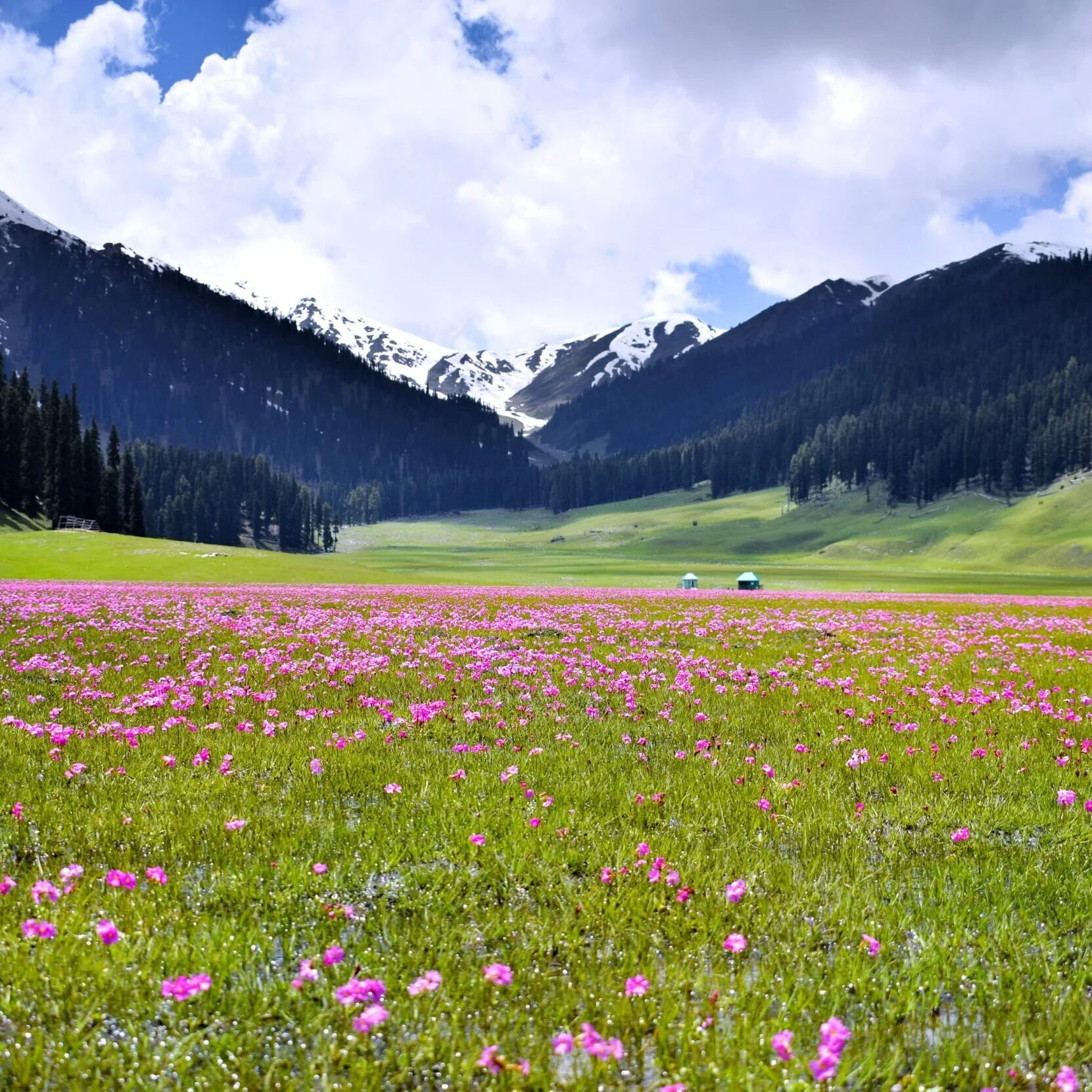
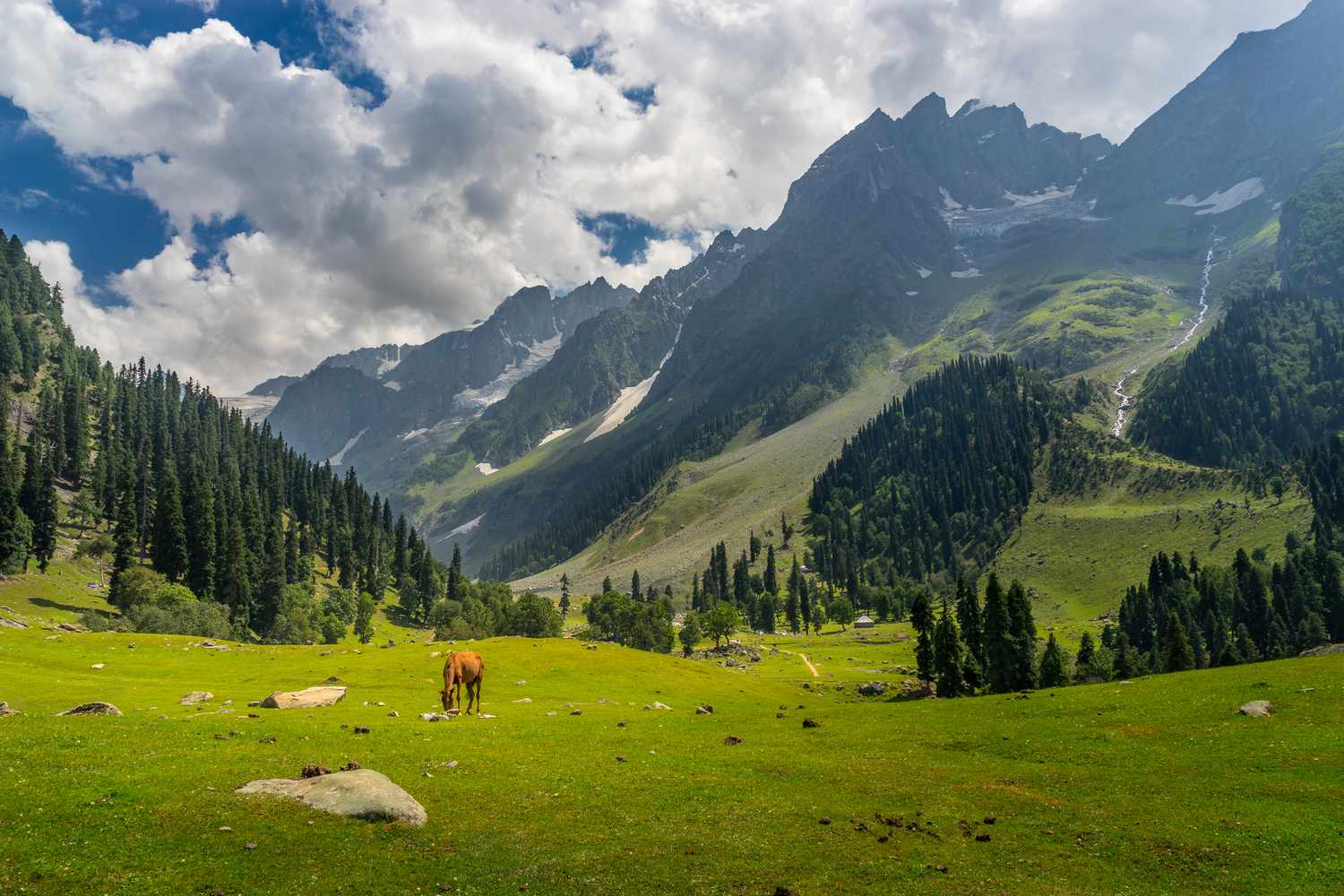
Bangus Valley is one of Kashmir’s quieter highland landscapes, known for broad meadows, forest belts, and low-commercial natural character. It attracts travelers who want slower routes and open terrain, not crowded urban mountain tourism. The destination is rewarding, but only when approached with realistic road timing and weather buffers. If you are creating a full Kashmir circuit, combine Bangus planning with Kashmir travel guide, seasonal checks from best time to visit Kashmir, mountain-pass context through Sinthan Top, and additional valley options such as Kokernag. This guide is built to help you plan safe and meaningful travel across Bangus areas.
Why Bangus Valley Is Different
Unlike high-traffic hill circuits, Bangus offers space, silence, and slower visual storytelling. The value here is environmental scale rather than attraction density. Travelers who enjoy walking, landscape photography, and low-noise nature immersion usually find it highly rewarding. Those expecting café-heavy infrastructure should adjust expectations early.
Core Places and Experience Zones
Open meadow sections
These are ideal for broad-frame photography, short walks, and relaxed sitting breaks.
Forest-edge routes
Useful for scenic movement and quieter observation, especially in early hours.
Viewpoint transitions
Small elevation shifts can significantly improve landscape depth in frames.
Best Time to Visit Bangus
The preferred travel window is when roads are stable and weather is not too harsh. Shoulder and clear-weather months usually provide the best combination of movement comfort and visibility. Always include a backup plan because mountain weather can alter route decisions quickly.
| Travel Window | Strength | Caution |
|---|---|---|
| Clear-weather months | Road reliability and better views | Daylight planning still essential |
| Shoulder season | Lower crowds and strong atmosphere | Condition shifts may be faster |
| Wet or unstable period | Dramatic scenery | Route safety uncertainty |
How to Reach and Move Safely
Road access varies by sector and conditions, so local confirmation is important before departure. Use experienced drivers for less-familiar mountain stretches and avoid late return drives from remote sections. Keep fuel and food readiness from larger hubs before entering low-service zones.
- Start early and set hard return timing.
- Carry offline maps and emergency contacts.
- Keep weather and route updates checked same day.
- Avoid overloading itinerary with distant side trips.
Stay and Camping Considerations
If staying overnight, prioritize safety, weather, and logistics over novelty. Confirm accommodation or camp support in advance and keep essential gear light but sufficient. Temperature drops and wind exposure can increase quickly after sunset, so layering and sleep comfort planning matter.
Photography and Field Tips
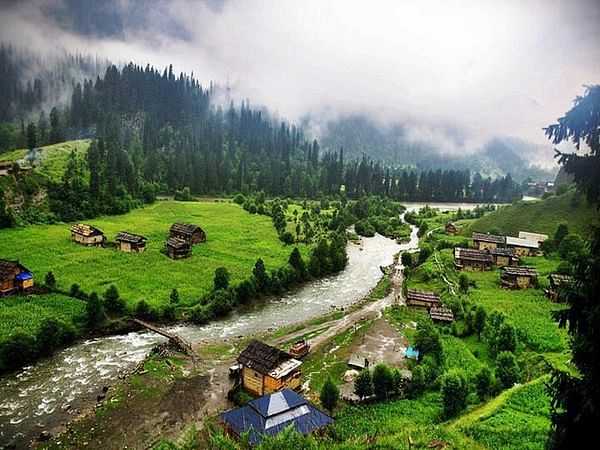
For strong valley photography, use morning and late-afternoon light. Include foreground grasses, tracks, or hikers for scale. Avoid over-editing greens; natural tonal contrast usually looks better. Carry lens cloth and weather protection for changing conditions.
How to Pair Bangus with Other Kashmir Stops
Bangus works best as a nature-priority day with minimal additional commitments. If you need a multi-day sequence, connect with Kashmir route planning, weather guidance from seasonal planning, and one contrasting location like Sinthan Top or Kokernag.
Common Mistakes to Avoid
- Treating Bangus as a quick detour without route prep.
- Ignoring day-of weather and road updates.
- Planning late exits from remote sectors.
- Expecting city-style infrastructure everywhere.
- Pushing too many stops into one day.
Final Takeaway
Bangus Valley rewards travelers who plan conservatively and move slowly. Keep one clear nature-focused goal, protect your return margin, and respect terrain conditions.
A calm, weather-aware plan turns Bangus into one of Kashmir’s most satisfying landscape experiences.
Prioritize safety and buffer time over aggressive checklist travel.
That approach consistently delivers better memories and better photos.
Extended Bangus Travel Framework
Bangus Valley rewards travelers who separate transit goals from experience goals. Transit goals are reaching safely, checking weather, and preserving return margin. Experience goals are meadow observation, light trail movement, and landscape immersion. When these are mixed without priority, the day becomes rushed. Keep transit first, experience second, and content capture third.
Camp and Stay Decision Rules
If you plan to stay, evaluate weather trend, support availability, and group comfort before committing. Overnight stays can be memorable, but only with proper setup and realistic expectations. Keep thermal layers, hydration, and communication readiness in place. If uncertainty rises by late afternoon, choose a conservative return instead of forcing overnight adventure.
- Confirm support availability before entering remote zones.
- Carry essential medicines and backup power.
- Use low-impact waste behavior in meadow areas.
- Respect local guidance on restricted sections.
How to Improve Photo and Field Quality
Spend more time in fewer sections. Let light shift naturally and observe wind movement across grasslands before shooting. Wide shots establish scale, while medium shots tell route story. Avoid trampling sensitive meadow patches for aggressive angles. The best Bangus visuals usually come from patient, stable viewpoints.
Final Planning Principle
Bangus is a slow-travel destination. Keep your route conservative, your stops intentional, and your weather strategy flexible. That approach turns a good visit into an exceptional one.
Extended Planning Playbook
Strong travel outcomes usually come from preparation habits, not from adding more destinations. Use a layered plan before departure: define one primary objective, one secondary objective, and one fallback option. The primary objective is what makes the day worthwhile even if weather or delays affect everything else. The secondary objective is optional and should be dropped quickly if timing slips. The fallback option should be low-risk and close to your route so you can still have a meaningful day without forcing difficult movement. This structure reduces stress and protects experience quality.
Next, map your day in realistic blocks rather than exact minute-by-minute promises. A practical approach is to assign 90-120 minute activity blocks with 20-30 minute transition buffers. Most travelers skip buffers and then rush decisions late in the day. Buffer time is not wasted time; it is decision margin. It allows for weather delays, traffic shifts, short rest stops, or queue variation without breaking the entire plan. Trips feel smoother when flexibility is built in from the start.
On-Ground Execution Rules
Once on site, run a simple three-step check before every major movement: current weather, group energy, and daylight margin. If any of these are weak, reduce scope immediately. This is the most effective way to prevent avoidable risk. Travelers often keep original plans even when conditions change, and that creates rushed exits and lower-quality experiences. Smart travel means adapting early, not reacting late.
- Hydrate at regular intervals instead of waiting for fatigue signs.
- Keep food simple and energy-stable to avoid long unplanned breaks.
- Maintain one clear group communication rule for movement timing.
- Protect return schedules, especially in low-support or mountain routes.
- Use conservative decision-making when weather uncertainty appears.
Budget and Comfort Controls
Good itineraries also control hidden costs. Carry essential basics so you are not forced into overpriced last-minute purchases. Keep a small contingency budget for transport changes and safety-driven rerouting. Comfort planning matters too: appropriate footwear, light weather layers, and power backup improve decision quality throughout the day. Small discomforts become major problems when combined with long transit and shifting weather.
Content and Photography Balance
If you are capturing photos or video, separate documentation from exploration. Spend the first pass understanding the place, and the second pass creating content. This prevents rushed, repetitive shots and reduces unsafe positioning choices. The best travel content usually comes from patient observation rather than constant motion. When the environment is dynamic, a stable viewpoint often gives better results than frequent location switching.
Post-Visit Reset
End each day with a short reset: hydrate, review what worked, and simplify the next day’s plan based on real conditions. This keeps multi-day itineraries sustainable. Travelers who do quick daily resets make better choices and avoid cumulative fatigue. The goal is not maximum checklist completion, it is high-quality, safe, and memorable travel across the full trip.
Location
Frequently Asked Questions
Q1.Where is Bangus Valley located?
Q2.What is Bangus Valley famous for?
Q3.How to reach Bangus Valley?
Q4.Is Bangus Valley good for trekking?
Q5.What is the best time to visit Bangus Valley?
Q6.Is Bangus Valley open in winter?
Q7.Is Bangus Valley safe for tourists?
Q8.Do we need permits for Bangus Valley?
Recommended For You
Best Time to Visit Kashmir: Month-by-Month Weather & Activities
Plan the best time to visit Kashmir with month-by-month weather, snow and bloom seasons, and practical guidance for sightseeing, honeymoon, and family travel.
Keran Valley Kashmir Guide: Offbeat Travel Planner
Use this Keran Valley Kashmir guide for route planning, best season windows, stay choices, and practical offbeat travel tips.
Valleys in Kashmir: 10 Scenic Valleys You Must Visit
Explore 10 beautiful valleys in Kashmir with practical travel planning, best season, route logic, and valley-by-valley guidance for first-time and repeat trips.
Never Miss an Adventure
Get the latest trekking guides, travel tips, and exclusive offers delivered straight to your inbox.
