
Kokernag Kashmir: Best Time, Gardens & Day Trip Plan
Rohit Verma
February 13, 2026
Complete Kokernag Kashmir travel guide with famous springs, botanical garden, trout fishing, how to reach from Srinagar, accommodation & best time to visit.
Introduction: Kokernag - Kashmir's Spring Paradise
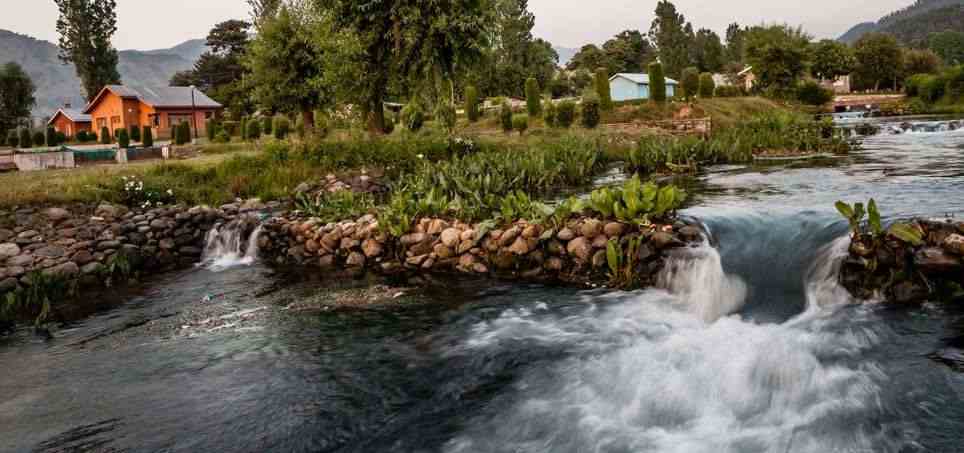
Nestled in the Breng Valley of Anantnag district, Kokernag stands as one of Kashmir's most enchanting yet relatively undiscovered destinations. Named after the distinctive hen-shaped spring ("Koker" meaning hen, "Nag" meaning spring) that is its centerpiece, this scenic locale offers visitors a perfect blend of natural beauty, tranquility, and unique experiences. Situated at an altitude of 2,020 meters above sea level, Kokernag remains refreshingly uncrowded compared to more popular Kashmiri destinations like Gulmarg or Pahalgam. This relative obscurity is part of its charm - visitors here experience the authentic Kashmir of pine forests, terraced gardens, and crystal-clear springs without fighting through tourist throngs. What makes Kokernag truly special is its collection of natural springs. While the main hen-shaped spring gives the area its name, there are actually six main springs in the area, each with crystal-clear water reputed to have medicinal properties. These springs feed into the Brengi River, which flows through the valley creating picturesque scenes at every turn. This comprehensive guide covers everything you need to know about visiting Kokernag - from the famous botanical garden and trout fishing opportunities to practical information on how to reach this beautiful corner of the Kashmir Valley.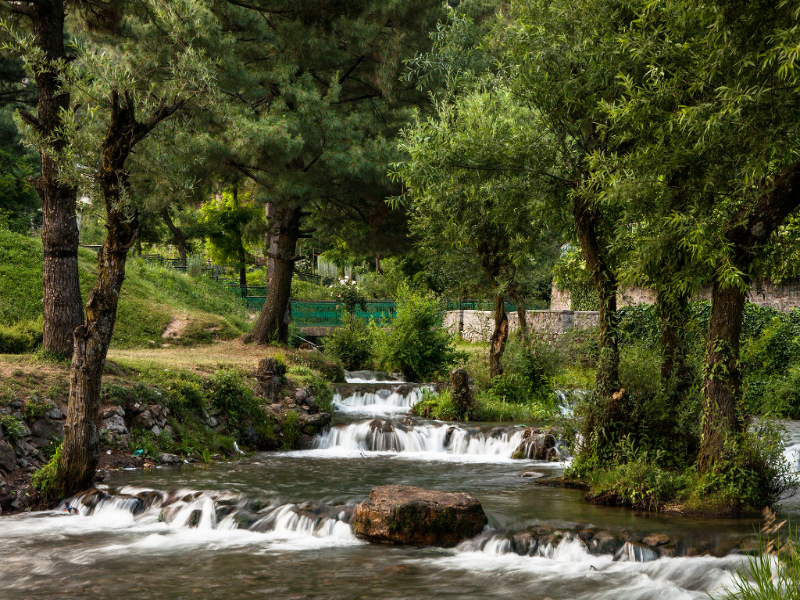
About Kokernag
Kokernag is located in the Anantnag district of Jammu and Kashmir, approximately 70 kilometers from Srinagar, the summer capital of the region. The area sits in the Breng Valley, surrounded by dense pine forests and rolling hills that create a natural amphitheater of stunning beauty. The name Kokernag is derived from two Kashmiri words: "Koker" meaning hen, and "Nag" meaning spring. The name refers to the distinctive shape of the main spring, which resembles a hen. This spring has been a landmark for centuries and features prominently in local folklore and traditions. Unlike many tourist destinations that have been developed extensively, Kokernag has retained much of its natural character. The Jammu and Kashmir Tourism Development Corporation (JKTD) has developed facilities here, but they blend harmoniously with the natural environment rather than dominating it. The climate in Kokernag is pleasant throughout the summer months, making it an ideal escape from the heat of the plains. Winters bring snowfall, transforming the valley into a winter wonderland, though access can be limited during heavy snow periods.Key Facts About Kokernag
- Altitude: 2,020 meters (6,627 feet) above sea level
- Distance from Srinagar: Approximately 70 kilometers
- Best Season: April to October
- Climate: Pleasant summers, cold winters with snowfall
- Famous For: Natural springs, botanical garden, trout fishing
- Stay Options: JKTD cottages, private hotels, homestays
Kokernag Botanical Garden
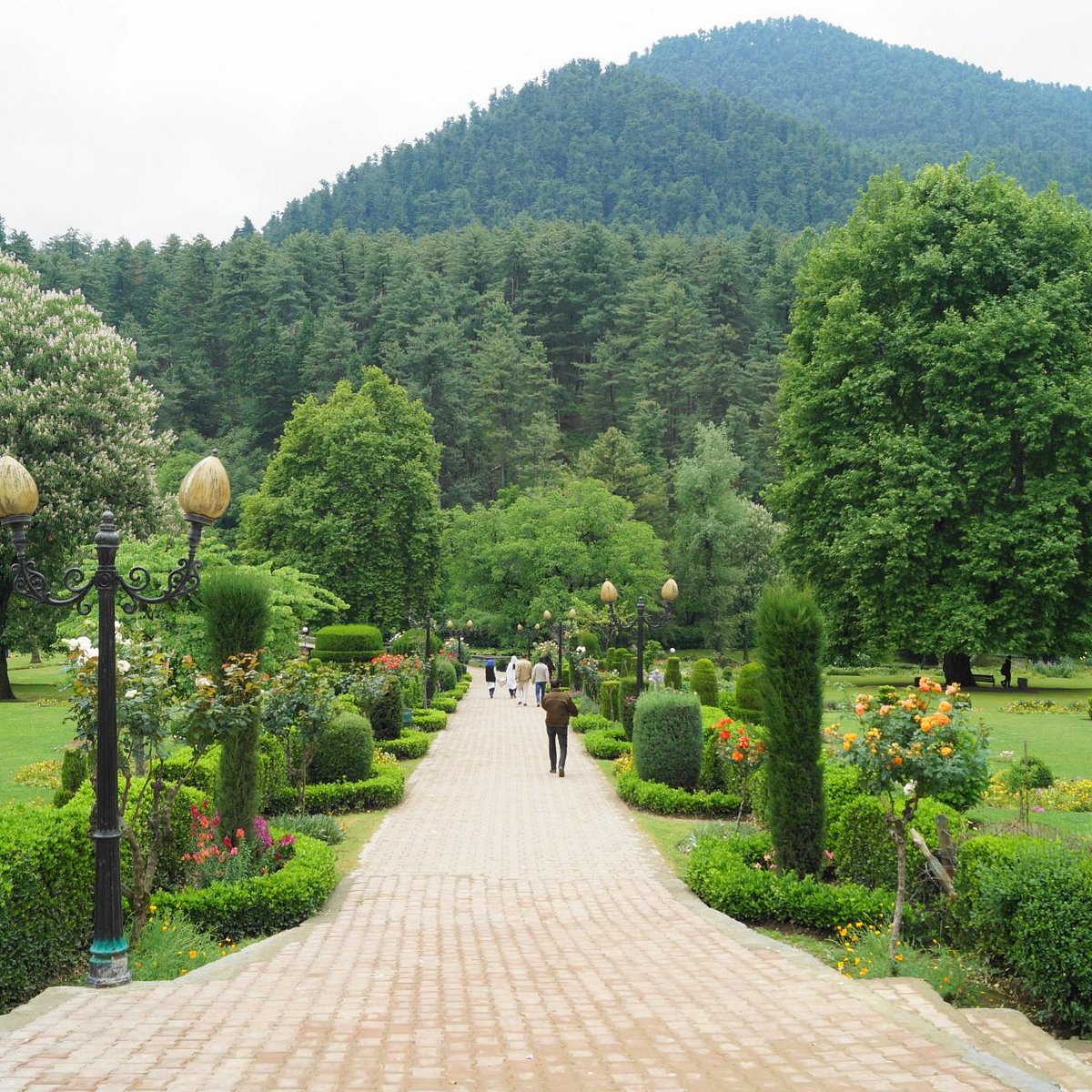 The Kokernag Botanical Garden is the centerpiece of tourism development in the area and deserves to be the focal point of any visit. Established and maintained by the Jammu and Kashmir Tourism Development Corporation, this beautifully landscaped garden showcases the region's natural beauty in an accessible format.
The garden is laid out in a series of terraces that follow the natural contours of the hillside. Stone pathways wind through beautifully maintained lawns, flower beds, and tree groves. The design incorporates the natural springs that give Kokernag its name, with water channels crisscrossing the gardens and adding the soothing sound of flowing water to the peaceful atmosphere.
One of the garden's most striking features is its collection of roses. The dedicated rose garden features dozens of varieties, creating a spectacular display during the blooming season from late spring through summer. The fragrance alone makes the rose garden worth visiting, with perfumed air that seems almost intoxicating in its sweetness.
Beyond roses, the garden showcases a variety of trees including majestic deodars (Himalayan cedars), pine trees, and various fruit trees that provide both beauty and practical shade for visitors enjoying the gardens. The mix of flowering plants changes with the seasons, ensuring there's always something in bloom.
The garden is dotted with benches strategically positioned to offer views of different aspects - some overlook the water features, others offer vistas of the surrounding valley, while still others are tucked away in quiet corners perfect for reading or meditation.
The Kokernag Botanical Garden is the centerpiece of tourism development in the area and deserves to be the focal point of any visit. Established and maintained by the Jammu and Kashmir Tourism Development Corporation, this beautifully landscaped garden showcases the region's natural beauty in an accessible format.
The garden is laid out in a series of terraces that follow the natural contours of the hillside. Stone pathways wind through beautifully maintained lawns, flower beds, and tree groves. The design incorporates the natural springs that give Kokernag its name, with water channels crisscrossing the gardens and adding the soothing sound of flowing water to the peaceful atmosphere.
One of the garden's most striking features is its collection of roses. The dedicated rose garden features dozens of varieties, creating a spectacular display during the blooming season from late spring through summer. The fragrance alone makes the rose garden worth visiting, with perfumed air that seems almost intoxicating in its sweetness.
Beyond roses, the garden showcases a variety of trees including majestic deodars (Himalayan cedars), pine trees, and various fruit trees that provide both beauty and practical shade for visitors enjoying the gardens. The mix of flowering plants changes with the seasons, ensuring there's always something in bloom.
The garden is dotted with benches strategically positioned to offer views of different aspects - some overlook the water features, others offer vistas of the surrounding valley, while still others are tucked away in quiet corners perfect for reading or meditation.
Garden Features
- Terraced Design: Follows natural hill contours
- Rose Garden: Dozens of rose varieties
- Water Channels: Spring water flowing throughout
- Tree Groves: Deodar, pine, and fruit trees
- Walking Paths: Well-maintained stone pathways
- Benches: Strategically placed for rest and reflection
- Maintenance: Well-kept by tourism department
The Famous Springs
While the hen-shaped main spring gives Kokernag its name, the area actually features multiple springs, each with its own character. Six main springs feed the area, creating a network of crystal-clear water that flows through the valley and eventually into the Brengi River. The main spring is shaped distinctly like a hen, with the water emerging from what looks like the hen's body. The water is crystal clear, with visibility several meters deep, and maintains a cool temperature year-round that's refreshing on even the hottest summer days. Local tradition attributes medicinal properties to the spring water, and many visitors collect water to take home. Whether or not you believe in the healing properties, there's no denying the refreshing quality of drinking directly from the spring. The springs flow continuously, with the water volume remaining fairly constant throughout the year. This steady flow feeds into channels that run through the botanical garden and beyond, creating the pleasant sound of flowing water that adds to Kokernag's peaceful atmosphere.Spring Features
- Hen-Shaped Main Spring: Gives Kokernag its name
- Six Main Springs: Network of water sources
- Crystal Clear Water: Excellent visibility
- Cool Temperature: Refreshing year-round
- Medicinal Reputation: Local belief in healing properties
- Continuous Flow: Steady water volume year-round
- Drinking Water: Safe and refreshing
Trout Fishing Experience
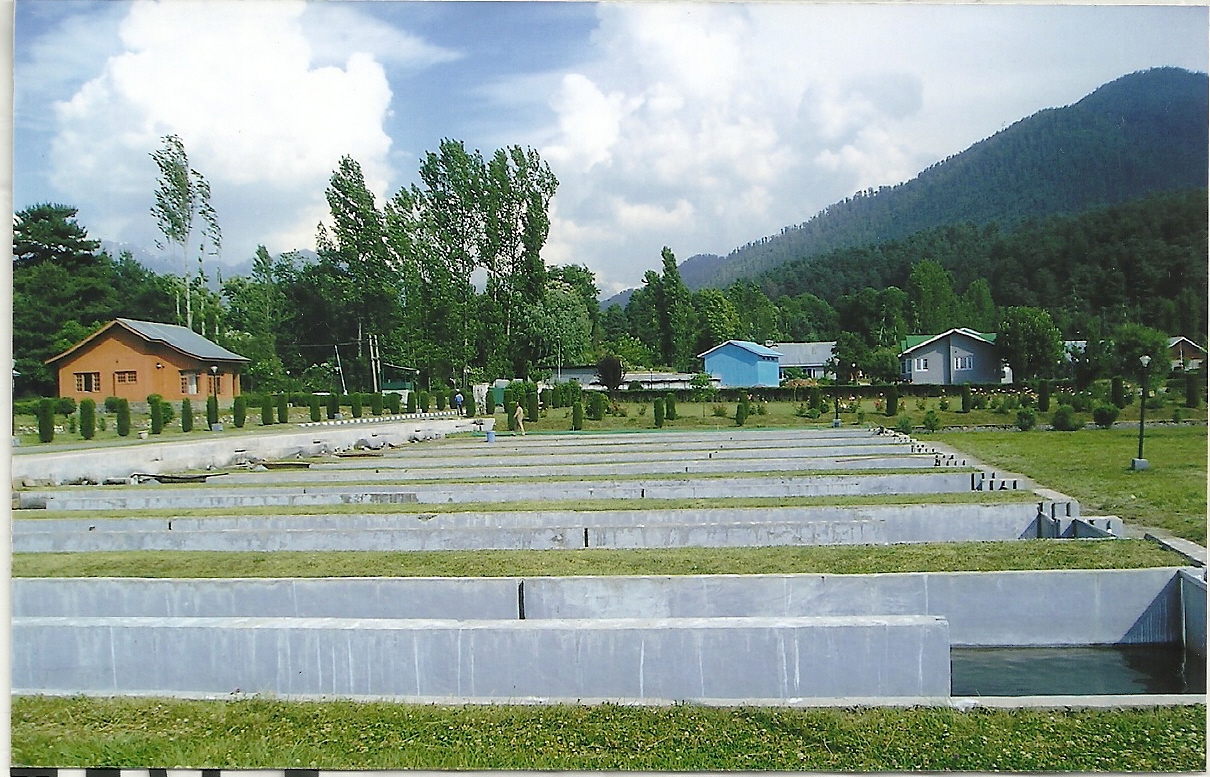 Kokernag has earned a reputation as one of Kashmir's premier trout fishing destinations. The cool, clear spring waters provide ideal conditions for both brown and rainbow trout, making this a paradise for anglers visiting the region.
The government maintains a trout hatchery at Kokernag to support the fish population. The hatchery is an interesting place to visit even if you don't plan to fish, as you can see different life stages of trout and learn about the breeding programs that sustain fishing in the area.
Fishing at Kokernag requires a permit, which can be obtained from the fisheries department. The permit system helps manage the fish population and ensures sustainable fishing practices. Permits are reasonably priced and readily available during the fishing season, which runs from April to September.
For beginners, equipment is available on hire, so you don't need to invest in gear if you just want to try your hand at fishing. Local guides are also available and highly recommended for first-timers - they know the best spots, can teach you proper technique, and significantly increase your chances of success.
Fly fishing is the most popular method at Kokernag, and the area's pools and runs are ideally suited to this technique. The experience of wading in crystal-clear water, surrounded by pine forests and mountain scenery, is memorable regardless of whether you catch anything.
If you do catch fish, local restaurants can prepare your catch for you - there's something incredibly satisfying about eating fish you caught yourself just hours earlier. The traditional Kashmiri trout preparation is delicious and makes for a perfect end to a day of fishing.
Kokernag has earned a reputation as one of Kashmir's premier trout fishing destinations. The cool, clear spring waters provide ideal conditions for both brown and rainbow trout, making this a paradise for anglers visiting the region.
The government maintains a trout hatchery at Kokernag to support the fish population. The hatchery is an interesting place to visit even if you don't plan to fish, as you can see different life stages of trout and learn about the breeding programs that sustain fishing in the area.
Fishing at Kokernag requires a permit, which can be obtained from the fisheries department. The permit system helps manage the fish population and ensures sustainable fishing practices. Permits are reasonably priced and readily available during the fishing season, which runs from April to September.
For beginners, equipment is available on hire, so you don't need to invest in gear if you just want to try your hand at fishing. Local guides are also available and highly recommended for first-timers - they know the best spots, can teach you proper technique, and significantly increase your chances of success.
Fly fishing is the most popular method at Kokernag, and the area's pools and runs are ideally suited to this technique. The experience of wading in crystal-clear water, surrounded by pine forests and mountain scenery, is memorable regardless of whether you catch anything.
If you do catch fish, local restaurants can prepare your catch for you - there's something incredibly satisfying about eating fish you caught yourself just hours earlier. The traditional Kashmiri trout preparation is delicious and makes for a perfect end to a day of fishing.
Fishing Details
- Species: Brown and rainbow trout
- Season: April to September
- Permit Required: Available from fisheries department
- Equipment: Available on hire
- Guides: Available and recommended
- Method: Fly fishing most popular
- Catch Preparation: Local restaurants available
Daksum & Nearby Attractions
While Kokernag itself offers plenty to see and do, the surrounding area features several attractions worth visiting if you have time.Daksum
Located approximately 15 kilometers from Kokernag, Daksum is a scenic spot that offers a different experience from the cultivated gardens of Kokernag. This area is more rugged and natural, with the Brengi River flowing through a picturesque valley surrounded by mountains. Daksum is particularly popular with nature lovers and those seeking solitude. The area is less developed than Kokernag, with minimal tourist infrastructure but maximum natural beauty. Pine forests cover the mountainsides, and the river creates beautiful waterfalls and pools perfect for photography or simply enjoying nature. The drive from Kokernag to Daksum is scenic in itself, winding through mountains and offering increasingly beautiful views as you approach. The road can be narrow in sections but is generally in good condition.Sinthan Top
For those willing to venture further, Sinthan Top is a high mountain pass that offers spectacular views of the surrounding area. The pass is at a significantly higher elevation than Kokernag, so temperatures are cooler even in summer. In winter, heavy snowfall makes the pass inaccessible to most vehicles. The journey to Sinthan Top is an adventure in itself, with increasingly dramatic scenery as you climb. From the top, on a clear day, you can see for miles in every direction, with the Himalayan peaks creating a stunning backdrop.Verinag
Located approximately 30 kilometers from Kokernag, Verinag is another Mughal garden built around a natural spring. While Kokernag has a more natural feel, Verinag showcases the formal garden design that the Mughals perfected. The spring at Verinag is the source of the Jhelum River, one of Kashmir's most important waterways. The Mughal garden features the classic Persian design with terraced lawns, water channels, and carefully manicured plants. It's quite different from Kokernag's botanical garden and worth visiting to see another style of garden design.Achabal
Another Mughal garden in the area, Achabal is known for its beautiful terraced gardens and traditional Islamic design. The garden is built around a spring and features the characteristic water channels, fountains, and carefully planned layout of Mughal gardens.Best Time to Visit Kokernag
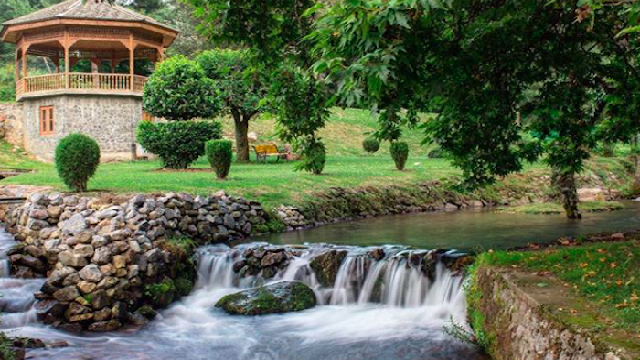 Kokernag is accessible and enjoyable for much of the year, but different seasons offer very different experiences.
Summer (April - June)
Summer is undoubtedly the best time to visit Kokernag for most travelers. The weather is pleasant with warm days and cool nights - perfect for exploring the gardens and enjoying outdoor activities. Temperatures typically range from 15-25°C (59-77°F), ideal for walking around the botanical garden and hiking in the surrounding area. This is also when the gardens are at their most beautiful. Flowers bloom in profusion, the trees are lush with new growth, and the whole area is vibrant with life. The rose garden is particularly spectacular during this period. Summer is also the prime trout fishing season, with the fish most active and the conditions perfect for a day on the water. If fishing is your primary interest, plan your visit between April and September for the best experience.Spring (March - April)
Early spring sees Kokernag emerging from winter. Snow may still be visible on the mountain peaks, but the valley floor is green and coming to life. This is a beautiful time to visit if you enjoy seeing the transformation from winter to spring. The gardens may not be at their peak yet in early spring, but there's a special beauty in the new growth and early blooms. By late April, flowers are starting to put on a show, though the full splendor is still a few weeks away.Autumn (September - November)
Autumn brings a different kind of beauty to Kokernag. The days are still pleasant, though cooler than summer, and the changing foliage creates a colorful landscape. The trees take on shades of red, orange, and gold, creating beautiful photographs. By autumn, the peak tourist season has passed, so the area is quieter and more peaceful. This is an excellent time to visit if you prefer a more relaxed experience with fewer crowds.Winter (December - March)
Winter in Kokernag is beautiful but challenging. The valley receives significant snowfall, transforming it into a winter wonderland. The contrast between white snow, green pine trees, and blue skies can be stunning. However, winter travel to Kokernag requires planning and flexibility. Roads may be temporarily closed due to snow, and many facilities have limited hours or close entirely. If you do visit in winter, check road conditions before traveling and be prepared for cold temperatures.How to Reach Kokernag
From Srinagar
Kokernag is approximately 70 kilometers from Srinagar. The journey takes approximately 2-2.5 hours by car, depending on road conditions and traffic. The most direct route is via National Highway 44 through Anantnag town. The road is generally in good condition and offers scenic views as you leave Srinagar and enter the Kashmir Valley proper. The drive itself is part of the experience, with beautiful countryside views along the way.Transport Options
- Private Taxi: Most convenient option, can be hired in Srinagar
- Shared Taxi: Budget-friendly option, available from Srinagar taxi stands
- Bus: Public transport connects Anantnag, from where local transport is available
- Self-Drive: Possible but note that road conditions can be challenging
From Pahalgam
Kokernag is approximately 50 kilometers from Pahalgam, another popular Kashmiri destination. The drive takes approximately 2 hours and is scenic, passing through beautiful countryside. Combining Kokernag with Pahalgam in a single trip is popular, as the two destinations offer different experiences. You could easily spend a few days in each, using one as a base for day trips to the other.Accommodation Options
Kokernag offers several accommodation options to suit different budgets and preferences.JKTD Cottages
The Jammu and Kashmir Tourism Development Corporation maintains cottages at Kokernag that offer stunning views and comfortable accommodations. These are often considered the best places to stay in Kokernag due to their location and views. The cottages are basic but clean and comfortable, with everything needed for a pleasant stay. The location within walking distance of the botanical garden and springs is unbeatable.Private Hotels
Several private hotels operate in Kokernag, offering rooms ranging from budget to mid-range. Facilities vary but most offer attached bathrooms, hot water, and restaurant service.Guest Houses and Homestays
For a more authentic experience, consider staying in a guest house or homestay. These offer basic facilities but the chance to experience local Kashmiri hospitality and culture. Many serve delicious home-cooked Kashmiri food.Staying Outside Kokernag
Some visitors choose to stay in Anantnag or even Srinagar and make day trips to Kokernag. This gives access to more accommodation options and restaurants, though it does mean more time spent traveling.Things to Do & Tips
Activities in Kokernag
- Garden Exploration: Spend hours wandering the botanical garden
- Photography: Capture the natural beauty in photos
- Trout Fishing: Try angling (with permit)
- Picnicking: Enjoy a meal in beautiful surroundings
- Nature Walks: Explore forest trails around the area
- Village Visit: Experience local Kashmiri village life
- Spring Visits: See all six main springs
- Relaxation: Simply enjoy the peaceful atmosphere
Travel Tips
- Carry cash, as ATM access may be limited
- Bring warm clothing even in summer - evenings can be cool
- Try local Kashmiri cuisine at area restaurants
- Buy handicrafts in Anantnag if you want souvenirs
- Respect local customs and dress modestly
- Check weather and road conditions in winter
- Book accommodation in advance during peak season
Food Options
While Kokernag itself has limited dining options, the available restaurants serve authentic Kashmiri cuisine. Try local specialties like rogan josh, gushtaba, and the famous Kashmiri wazwan if you have the opportunity. For more variety, Anantnag town has additional restaurants. Srinagar, of course, offers the widest range of dining options if you're staying there and making day trips.Location
Frequently Asked Questions
Q1.Where is Kokernag located in Kashmir?
Kokernag is located in the Anantnag district of Jammu and Kashmir, nestled in the scenic Breng Valley at an altitude of 2,020 meters above sea level.
The area is approximately 70 kilometers from Srinagar and about 50 kilometers from Pahalgam, making it accessible for day trips from either location.
Q2.How far is Kokernag from Srinagar?
Kokernag is approximately 70 kilometers from Srinagar by road. The journey typically takes 2-2.5 hours by car, depending on traffic and road conditions.
The route from Srinagar passes through Anantnag town via National Highway 44. The drive itself is scenic, offering beautiful views of the Kashmir Valley countryside.
Q3.What is the best time to visit Kokernag?
The best time to visit Kokernag is during the summer months from April to June when the weather is pleasant and the botanical garden is at its peak bloom.
Spring (March-April) offers beautiful blooming scenery, while autumn (September-November) provides pleasant weather with fewer crowds and beautiful fall foliage. Winter is beautiful but roads can be challenging due to snow.
Q4.What is Kokernag famous for?
Kokernag is famous for its natural springs, particularly the distinctive hen-shaped spring that gives the area its name. The area features six main springs with crystal-clear water.
Other attractions include the beautiful botanical garden maintained by the tourism department, excellent trout fishing opportunities in spring-fed waters, and the peaceful, uncrowded atmosphere that offers an authentic Kashmir experience.
Q5.What are the timings of Kokernag Garden?
The Kokernag Botanical Garden is typically open daily from morning until evening. While specific hours can vary by season, the garden is generally accessible from approximately 9:00 AM to 6:00 PM.
During the peak summer season, the garden may stay open later to accommodate visitors. It's advisable to check current timings with local tourism authorities or your accommodation before visiting.
Q6.Is trout fishing available at Kokernag?
Yes, Kokernag is one of Kashmir's premier trout fishing destinations. The cool, clear spring waters provide ideal habitat for both brown and rainbow trout.
Q7.How do I reach Kokernag from Srinagar?
The most common way to reach Kokernag from Srinagar is by hired taxi or private car, taking approximately 2-2.5 hours via National Highway 44 through Anantnag town.
Shared taxis are also available from Srinagar for a more budget-friendly option. Public buses connect Anantnag, from where local transport can be arranged for the final stretch to Kokernag.
Q8.Are there accommodations available in Kokernag?
Yes, Kokernag offers several accommodation options. The Jammu and Kashmir Tourism Development Corporation (JKTD) maintains cottages that are popular due to their location and views.
Private hotels offer rooms ranging from budget to mid-range. Guest houses and homestays provide a more authentic experience. Alternatively, many visitors stay in Anantnag or Srinagar and make day trips to Kokernag.
Recommended For You
Kashmir Trip Cost: Budget Breakdown for 3, 5 and 7 Days
Know Kashmir trip cost for couple, family & solo. Get breakdown of hotels, transport, food & sightseeing. Plan budget 3-7 days trip.
Botanical Garden Srinagar: Timings, Tulip Season & Visitor Details
Explore Botanical Garden Srinagar Kashmir - home to Asia's largest tulip garden. Complete guide to timings, entry fee, best season, attractions & nearby places to visit.
Best Time to Visit Kashmir: Month-by-Month Weather & Activities
Plan the best time to visit Kashmir with month-by-month weather, snow and bloom seasons, and practical guidance for sightseeing, honeymoon, and family travel.
Never Miss an Adventure
Get the latest trekking guides, travel tips, and exclusive offers delivered straight to your inbox.
