
Gurez Valley Kashmir: 8 Best Places, Treks & Route Planning
Rahul Garg
February 18, 2026
Plan Gurez Valley Kashmir with the best places to visit, route logistics via Razdan Pass, village highlights, and practical tips for a safe offbeat trip.
Introduction: Why Gurez Valley Feels Different from Mainstream Kashmir
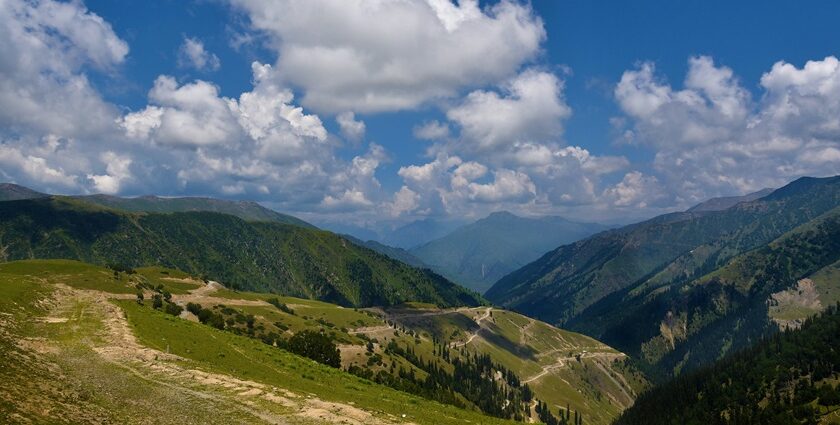
Gurez Valley in Kashmir is one of those rare Himalayan pockets that still feels quiet, raw, and largely unprocessed for mass tourism. Set close to the Line of Control and shaped by the Kishanganga River, the valley sits around 2,400 meters and carries a very different mood from the classic Kashmir circuit of Srinagar, Gulmarg, and Pahalgam. Think wide meadows, wooden villages, dramatic ridgelines, and a slower rhythm of life rooted in the Dard-Shina cultural landscape.
If you are searching for places to visit in Gurez Valley, the best way to plan is route-first, not checklist-first. Road access depends heavily on Razdan Pass conditions, network coverage can drop in pockets, and weather shifts faster than in lower valleys. With a little flexibility and the right expectations, Gurez becomes one of the most rewarding offbeat Kashmir trips for photographers, village-stay travelers, and anyone who prefers silence over crowds.
This guide covers the best places to visit in Gurez, what each stop is known for, how to connect them into a workable itinerary, and practical logistics like road conditions, permits, and stay planning.
Habba Khatoon Peak: The Signature Landmark of Gurez
Habba Khatoon Peak is the most iconic visual marker of Gurez Valley. Its pyramid-like profile rises above the valley floor near Dawar and has become the defining “postcard” frame of Gurez tourism. The peak is named after Habba Khatoon, the revered Kashmiri poetess, and the story association adds cultural depth to what is already a striking landscape.
Most travelers experience Habba Khatoon Peak from viewpoints around Dawar rather than attempting a technical summit. That makes it an easy, high-reward stop even if you are not a trekker. What makes the views special is the way the mountain, the river corridor, and the meadow belt line up into one clean composition. On clear days, early morning and late afternoon create the most depth and contrast for photos.
- Best for: Landscape photography, scenic stops, local storytelling
- Suggested time: 1–2 hours including short viewpoint halts
- Best season: Late spring to early autumn (road access dependent)
If you are building a gurez valley trek-style itinerary, keep Habba Khatoon as your easy acclimatization and orientation day. It helps you settle into the altitude before you spend longer hours on village drives or longer walks.
Razdan Pass: The Gateway Route to Gurez Valley
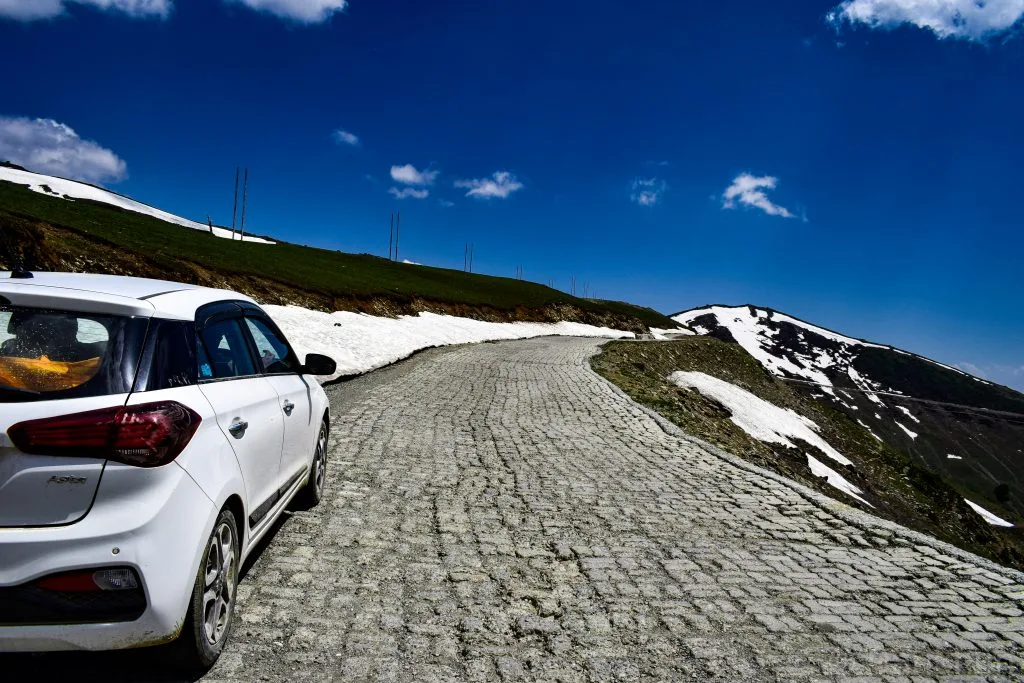
Razdan Pass is not just a transit point; it is a core part of the Gurez experience. At around 3,600+ meters, the pass controls practical access to the valley and is the biggest variable in trip planning. In early season, snow and slush can slow movement; in monsoon periods, landslides and fog can change plans quickly. If you want to avoid stressful travel, treat the pass crossing as the most important “event” in your itinerary.
From a planning perspective, your entire trip hangs on this segment: if Razdan conditions are poor, all downstream sightseeing in Dawar, Tulail, and nearby villages gets compressed or cancelled. Start early, avoid late-evening crossings, and keep at least one buffer day if your schedule is tight.
| Route segment | Planning note | Why it matters |
|---|---|---|
| Srinagar to Bandipora | Supply and fuel stage | Last easy access to services before mountain sections |
| Bandipora to Razdan Pass | Mountain climb section | Weather and road quality become critical |
| Razdan Pass to Dawar | Descent into Gurez basin | Entry into the main valley base for stays and touring |
Carry motion-sickness support if needed, keep offline maps, and plan photo stops only where it is safe to park. If your goal is to experience the pass scenery, the top viewpoint areas are best on clear mornings.
Gurez Valley Villages: Dawar, Bagtor, Badwan, and Chakwali
The villages are where Gurez becomes memorable beyond viewpoints. Each settlement has its own travel feel, and a good trip mixes at least one “base” village with a couple of quieter extensions.
- Dawar: The main service hub. Best for first-time visitors because stays, meals, and basic transport coordination are easier here.
- Bagtor: Traditional setting with a strong rural character and beautiful valley perspectives. Great for slow walks and photography.
- Badwan: Scenic stretches and a calmer atmosphere than central Dawar lanes, especially for evening light.
- Chakwali belt: A more sensitive frontier-side landscape. Visit only with clear local guidance and follow current advisories for movement and photography.
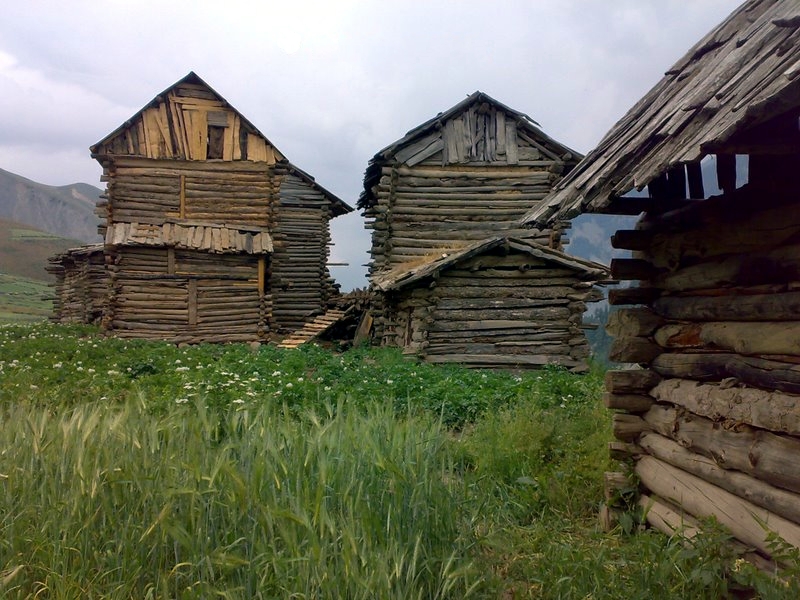
Village travel in Gurez works best when you slow down. Walk short lanes, notice wooden architecture details, and interact respectfully if you are staying in homestays. Many travelers underestimate how valuable village time is for understanding the Dard-Shina cultural context and everyday life in this remote valley.
Practical note: connectivity and card payments may be inconsistent, especially outside the main hub. Carry essential cash and small supplies in advance.
Kishanganga River: The Lifeline of Gurez Valley
The Kishanganga River runs through the valley and shapes many of the best frames you will capture in Gurez. Depending on season and light, the river changes tone and flow intensity, so the same viewpoint can look completely different across months. Riverside halts, bridge views, and meadow-river compositions are among the best things to do in Gurez Valley if you are a photographer or a slow traveler.
In some pockets you may see local fishing and simple riverside activity. Treat the river as an ecological zone and avoid risky water-edge behavior during high-flow periods. In shoulder seasons, the river corridor can look deceptively calm while currents remain strong.
- Best time for views: Early morning and golden hour
- Best activity style: Short photo halts, quiet observation, village-side walks
- Safety note: Avoid entering fast-flow sections or stepping onto unstable banks
Tilel Peer Baba: Spiritual and Scenic Stop
Tilel Peer Baba is a spiritually significant stop for many local visitors and travelers moving toward the Tilel belt. It combines devotional value with open mountain views, adding cultural context to a trip that can otherwise feel purely scenic. Even if you are not traveling for religious reasons, this stop helps you understand how the valley’s routes and landmarks are part of lived local life.
Approach roads and the final walking segment can vary by season. Dress modestly, avoid loud behavior, and follow shrine etiquette at all times. If you want photographs, ask locally first and be extra mindful near active prayer spaces.
For itinerary planning, combine this with nearby village movement rather than treating it as a long standalone detour.
Tulail Valley: The More Remote Extension Beyond Core Gurez
Tulail Valley sits beyond the main Gurez cluster and is often considered the deeper offbeat extension for travelers who want even more remote scenery. Landscapes feel broader, villages are quieter, and tourism infrastructure is thinner compared with the Dawar base area. This is where the untouched character of Gurez Valley becomes even stronger, especially if you enjoy long drives with fewer interruptions and more empty horizons.
Tulail is best for experienced slow travelers who are comfortable with lower-service conditions, variable road quality, and fewer convenience options. It can be combined with short trek-like walks and village exploration if weather remains stable. If you are planning deeper movement, confirm current permission and advisory context locally because conditions and regulations can change.
- Who should go: Travelers with 1–2 extra days and flexible plans
- What to expect: Sparse markets, basic stays, powerful mountain-river scenery
- Planning need: Check road and movement advisories before going beyond the main belt
Best Time to Visit Gurez Valley and Trip Logistics
The most practical travel window is usually May to October, when Razdan Pass is more likely to remain open and interior roads are manageable. Winter access is often limited because heavy snow can block or restrict mountain movement. If you are building a Kashmir plan around shoulder seasons, keep your dates flexible and verify road status close to departure.
Season planning snapshot
- May to June: Fresh landscapes and improving road access; nights can still be cold.
- July to September: The most popular travel phase with longer daylight and more stable touring windows.
- October: Sharper air and fewer crowds, but weather becomes unpredictable; check pass status closely.
- Core winter: Often limited access; plan only with strong local confirmation.
How to reach Gurez Valley
Most travelers follow Srinagar → Bandipora → Razdan Pass → Dawar by road. Start early, avoid over-packed same-day schedules, and keep buffer time for the pass section. If you are comparing Kashmir route planning, see Vande Bharat Delhi–Srinagar route context and use Best time to visit Kashmir to align your wider trip dates with road reality.
Stay, network, and trip duration
- Accommodation: Guesthouses and homestays, mostly basic to mid-range, strongest availability around Dawar.
- Connectivity: Network reliability can be limited; keep expectations realistic and plan offline.
- Ideal trip length: 3–4 days for core Gurez; add 1–2 extra days if you plan Tulail.
- Essentials: Cash, medicines, warm layers, and offline maps.
Quick first-timer tips
- Keep one full weather buffer day in your plan.
- Do not rely on late-night mountain transfers.
- Respect local customs and avoid sensitive-zone photography.
- Confirm current advisories for movement beyond the main belt.
- Prioritize road-status updates over social-media assumptions.
Conclusion
If you want an offbeat Kashmir destination with real mountain scale, cultural depth, and fewer crowds, Gurez Valley is a strong choice. Habba Khatoon Peak, Razdan Pass, the Kishanganga River corridor, village life, and Tulail together create a route that feels exploratory rather than commercial. Plan with flexibility, travel responsibly, and give the valley enough time; that is how Gurez reveals its best side.
Location
Frequently Asked Questions
Q1.How do I reach Gurez Valley?
Q2.Do we need permits for Gurez Valley?
Q3.How many days are enough for Gurez?
Q4.Is Gurez Valley open in winter?
Q5.What is the road condition to Gurez?
Q6.Can we see snow in Gurez Valley?
Q7.Are there hotels in Gurez Valley?
Q8.Is Gurez safe for tourists?
Recommended For You
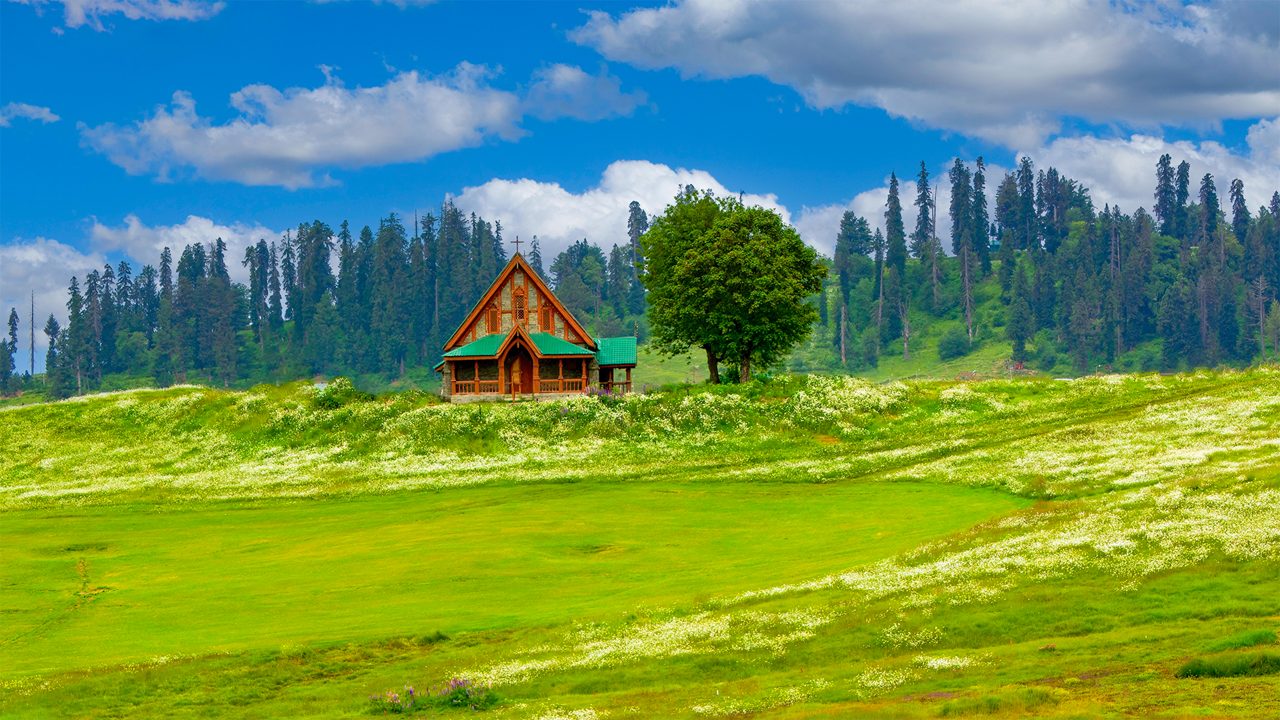
Best Time to Visit Kashmir: Month-by-Month Weather & Activities
Plan the best time to visit Kashmir with month-by-month weather, snow and bloom seasons, and practical guidance for sightseeing, honeymoon, and family travel.
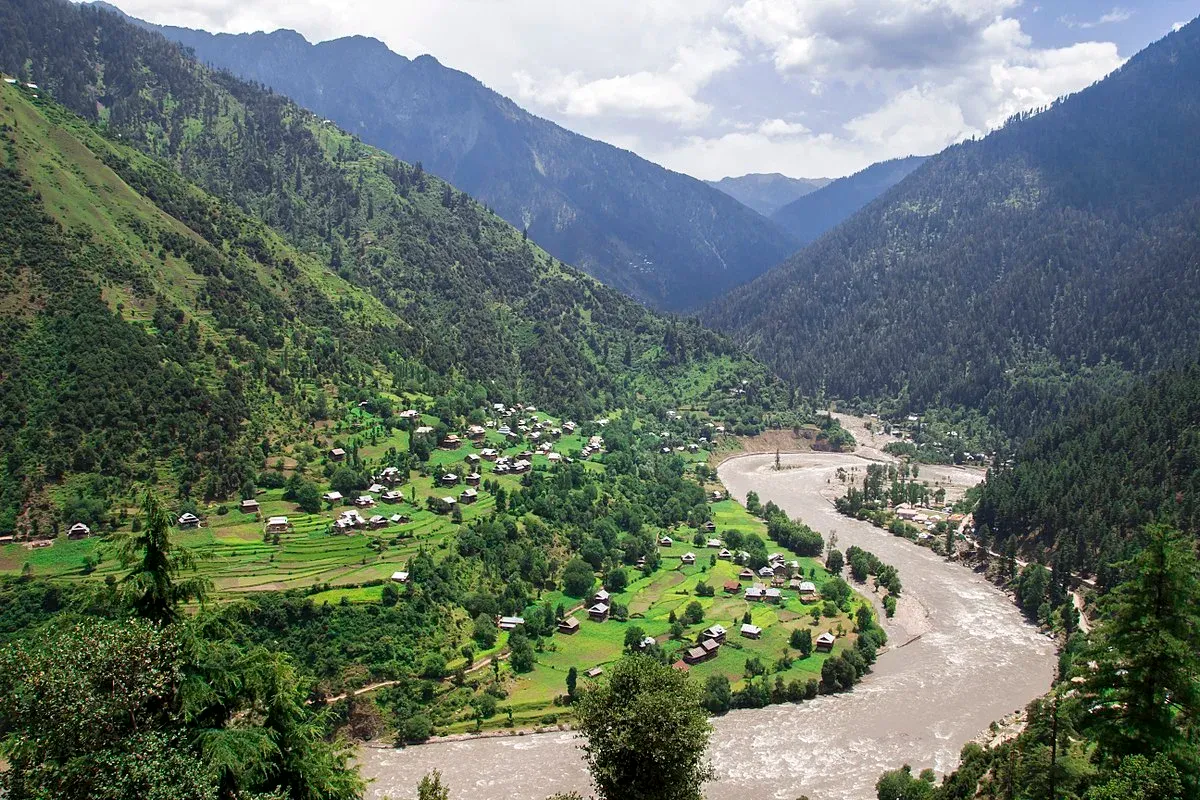
Keran Valley Kashmir Guide: Offbeat Travel Planner
Use this Keran Valley Kashmir guide for route planning, best season windows, stay choices, and practical offbeat travel tips.
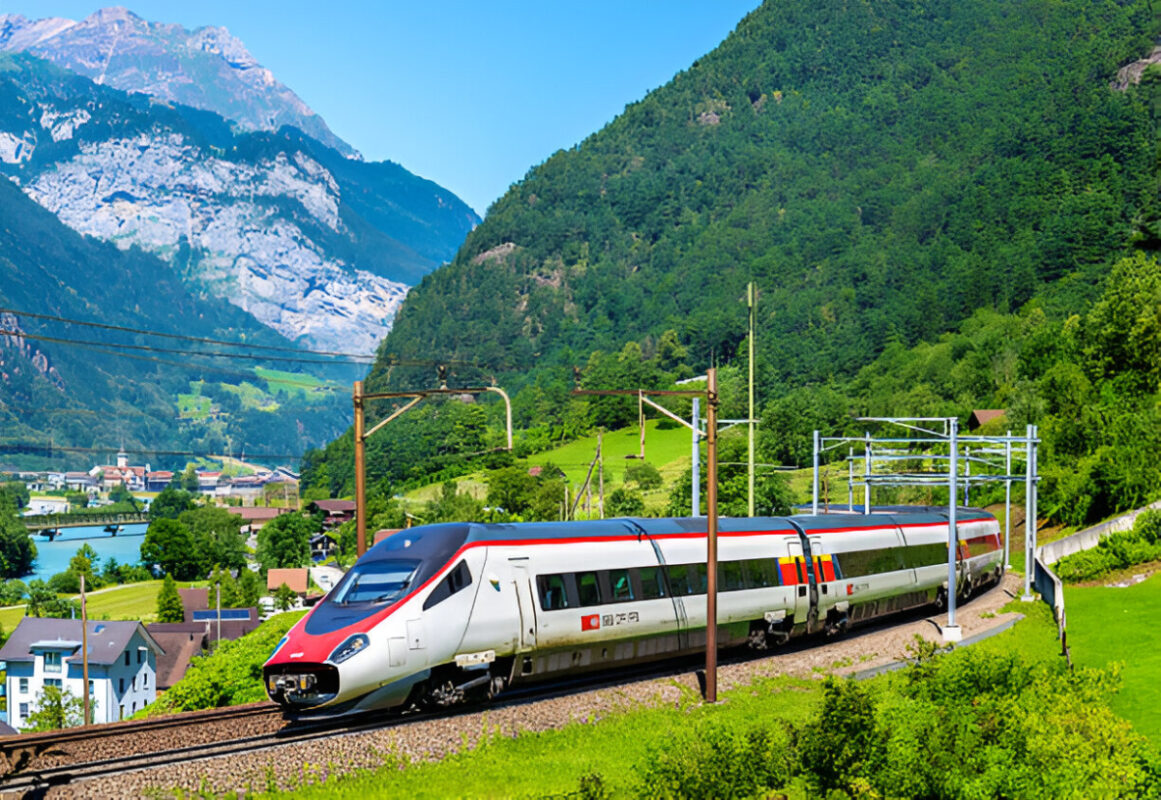
Vande Bharat Delhi Srinagar: Timings & Fares
Vande Bharat Delhi Srinagar guide with route-status clarity, booking strategy, fare planning, and practical segment-based travel tips for Kashmir-bound travelers.
Never Miss an Adventure
Get the latest trekking guides, travel tips, and exclusive offers delivered straight to your inbox.
