
Razdan Pass Kashmir: Altitude, Road Conditions & Route Tips
Rohan Malhotra
February 19, 2026
Complete guide to crossing Razdan Pass Kashmir: altitude details, road conditions, best time to visit, route from Bandipora to Gurez Valley, permits, and essential travel tips.
Introduction: Gateway to the Pristine Gurez Valley
Razdan Pass stands as one of Kashmir's most spectacular high-altitude mountain passes, serving as the only motorable gateway to the enchanting Gurez Valley. Located at an impressive 3,666 meters (12,028 feet) above sea level, this pass offers travelers breathtaking views of snow-capped peaks, deep valleys, and rugged terrain that defines the Himalayan landscape. The journey across Razdan Pass is not merely a transit route but an adventure in itself, winding through challenging roads that test both driving skills and determination.
About Razdan Pass: Location and Strategic Importance
Razdan Pass is situated in the Bandipora district of Jammu and Kashmir, forming a critical connection between the Kashmir Valley and the Gurez Valley. The pass spans approximately 85 kilometers from Srinagar and serves as the lifeline for the residents of Gurez, enabling essential supplies and connectivity throughout the accessible months. Named after a local historical figure, the pass carries immense strategic significance due to its proximity to border areas, which also contributed to its restricted access in the past.
The pass spans a considerable length, with the most challenging section comprising approximately 40 kilometers of winding mountain road. What makes Razdan Pass unique is its dramatic elevation gain and the sheer variety of landscapes it traverses – from dense pine forests in the lower sections to alpine meadows and finally to snow-bound terrain near the summit. This diverse ecosystem creates a constantly changing visual panorama that keeps travelers engaged throughout the journey.
Historically, Razdan Pass has been an ancient trade route connecting Kashmir with the Gilgit-Baltistan region. In contemporary times, it has gained recognition as a tourism attraction while maintaining its strategic importance. The Border Roads Organization (BRO) maintains this pass, working tirelessly to keep it accessible during the summer months despite challenging weather conditions and the constant threat of landslides.
| Aspect | Details |
|---|---|
| Location | Bandipora District, Jammu & Kashmir |
| Connects | Kashmir Valley to Gurez Valley |
| Mountain Range | Pir Panjal Range |
| Maintained By | Border Roads Organization (BRO) |
| Historical Role | Ancient trade route to Gilgit-Baltistan |
Altitude & Geography: Understanding the High-Altitude Environment
Razdan Pass sits at an elevation of 3,666 meters (12,028 feet), placing it firmly in the high-altitude category where travelers must be conscious of altitude effects. At this height, oxygen levels are approximately 30% lower than at sea level, which can cause breathlessness and fatigue, especially during physical exertion. The atmospheric pressure reduction means that even simple activities like walking or climbing stairs can feel more demanding than usual.
The geographic features surrounding Razdan Pass create a dramatic natural amphitheater. To the north lie the towering peaks of the Pir Panjal range, many exceeding 4,500 meters, while the southern approach descends into the verdant Kashmir Valley. The pass itself is characterized by rocky terrain interspersed with patches of alpine vegetation during summer months. In the vicinity, you'll notice several glacial formations that feed small streams and waterfalls, adding to the scenic beauty of the region.
The climate at Razdan Pass is distinctly harsher than in the valley bottoms. Temperatures at the summit can be 10-15°C lower than in Srinagar, even during summer months. The pass experiences strong winds throughout the year, with gusts sometimes exceeding 50 km/h during afternoons. Weather changes can occur rapidly, with clear skies suddenly giving way to fog, rain, or even snowfall outside the main travel season.
Seasonal Variations at Razdan Pass
During summer (June to September), the pass offers a mix of green meadows and lingering snow patches on north-facing slopes. The temperature at the summit ranges from 5°C to 15°C during the day, while nights can drop below freezing. Spring (late April to May) brings dramatic transitions as snow melts, creating numerous waterfalls and filling mountain streams with crystal-clear water. Autumn (October) presents crisp conditions with excellent visibility, though temperatures begin dropping significantly as winter approaches.
Winter (November to April) transforms Razdan Pass into a snow-bound wilderness completely cut off from motorable access. Snow depths can exceed 15-20 feet, and the pass remains closed to all vehicular traffic. The extreme winter conditions, with temperatures dropping to -20°C or lower, make it impossible for maintenance teams to keep the road open. This seasonal closure is a crucial consideration for trip planning, as it dictates the entire tourism calendar for Gurez Valley.
Road Conditions & Access: The Journey Through Razdan Pass
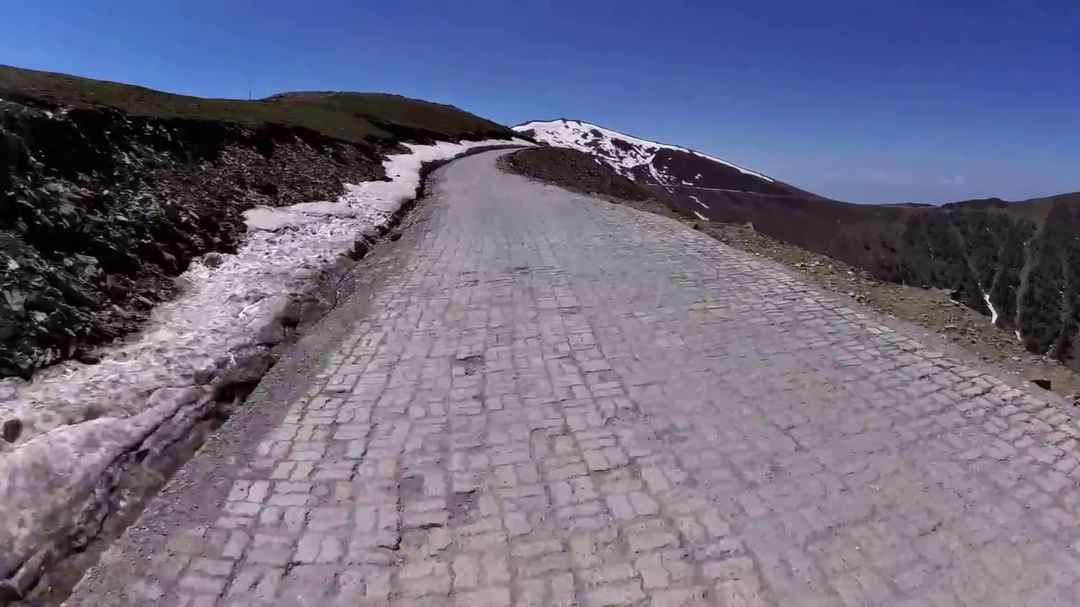
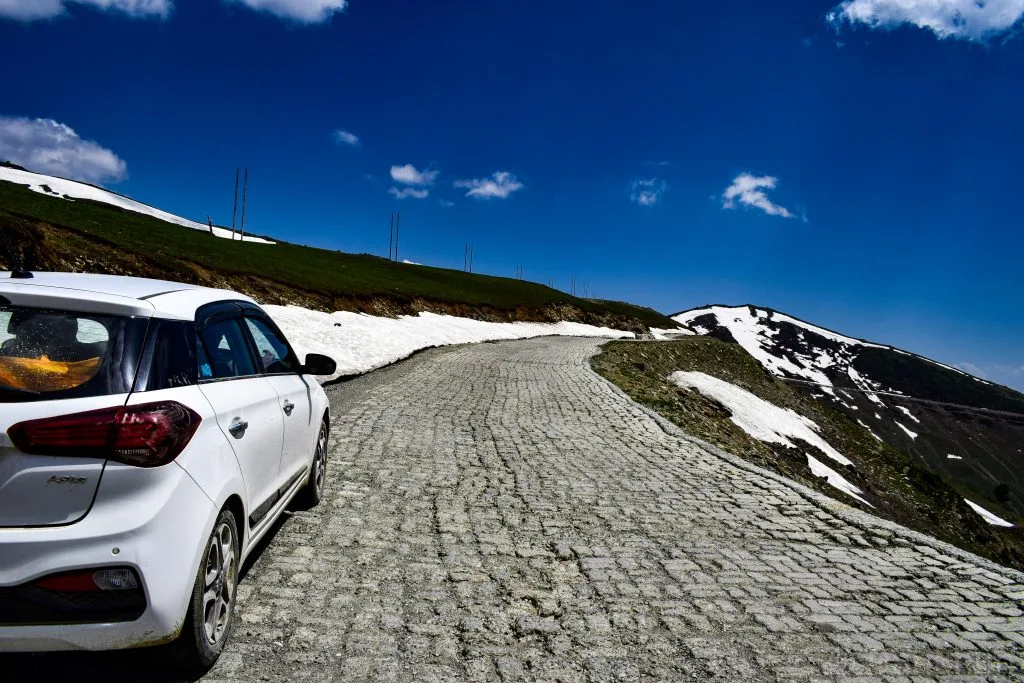
The road to Razdan Pass is an adventure that challenges even experienced drivers. From Bandipora, the road begins ascending gradually, passing through villages like Ajar and Dawar before the serious climbing begins. The road is primarily a single-lane mountain road with numerous hairpin bends and steep gradients that demand skilled driving and well-maintained vehicles. In several sections, the road width narrows to barely 15 feet, requiring careful negotiation when encountering vehicles from the opposite direction.
The road surface condition varies significantly depending on recent weather and maintenance status. While BRO works consistently to maintain the route, travelers can expect rough patches, broken tarmac, and occasional stretches where only the metaled road exists. Water crossings are common, especially during monsoon when mountain streams swell and flow across the roadway. Some of these crossings can be tricky, requiring careful assessment of water depth and current speed before attempting to cross.
Challenges on the Razdan Pass Route
One of the most significant challenges is the absence of guardrails or barriers on many sections, with sheer drops of hundreds of meters on the valley side. This feature, while thrilling for some, can be genuinely terrifying for those uncomfortable with heights. Landslide-prone zones exist at several locations, particularly where the road cuts through unstable soil formations. During and after rainfall, small rocks and debris frequently fall onto the roadway, requiring constant vigilance.
The driving experience demands complete focus and patience. Overtaking is extremely limited and should only be attempted with excellent visibility and sufficient road width. In many sections, vehicles must pull into designated passing places to allow traffic from the opposite direction to pass. Fuel efficiency decreases significantly due to the steep gradients and altitude, so carrying extra fuel is advisable. There are no fuel stations on the pass or in Gurez Valley, making Bandipora the last reliable refueling point.
| Road Section | Characteristics | Difficulty Level |
|---|---|---|
| Bandipora to Ajar | Paved, moderate gradient | Easy to Moderate |
| Ajar to Pass Base | Steep climbs, hairpin bends | Moderate |
| Final Ascent | Rough surface, sharp turns | Difficult |
| Descent to Gurez | Steep descent, narrow sections | Moderate to Difficult |
Best Time to Cross Razdan Pass
The operational window for crossing Razdan Pass is strictly limited to approximately five months, typically from mid-May to late October. Within this period, different months offer distinct experiences and varying levels of challenge. Understanding these seasonal variations is crucial for planning a successful trip to Gurez Valley.
June to September represents the primary travel season when the pass is most reliably open and road conditions are at their best. June brings the advantage of snow remnants on the peaks while the valley floor turns lush green. July and August offer the most stable conditions, though these months also carry the risk of landslides due to monsoon rainfall. September is often considered the sweet spot – post-monsoon clarity, comfortable temperatures, and generally reliable road conditions.
October presents a different character with autumn colors painting the landscape in warm hues. The roads are usually in good condition early in the month, but temperatures drop noticeably, and nights can be quite cold. Weather becomes increasingly unpredictable as the month progresses, with early snowstorms occasionally blocking the pass temporarily. Travelers in October must be flexible with their plans and prepared for sudden changes in conditions.
Monsoon Considerations
July and August coincide with the monsoon season, which brings both beauty and challenges. The rainfall transforms the landscape into vibrant shades of green, and waterfalls cascade down the mountainsides. However, this is also when landslide risk is highest, particularly in areas with unstable soil. Travelers should check weather forecasts religiously and avoid crossing during or immediately after heavy rainfall. Morning crossings are generally safer than afternoon attempts, as overnight rain often clears by morning but return in the afternoon.
Winter Closure from November to May makes Razdan Pass completely inaccessible to vehicular traffic. During this period, Gurez Valley remains cut off from the rest of Kashmir, with residents relying on helicopter services for emergencies and limited supplies transported occasionally when weather permits. The pass typically opens for a brief period in late May or early June, depending on snow clearance progress by BRO teams who work arduously to remove massive snow accumulations.
How to Reach Razdan Pass: Complete Route Guide
The journey to Razdan Pass typically begins in Srinagar, the summer capital of Jammu and Kashmir. From Srinagar to Bandipora, the distance is approximately 50 kilometers and takes about 2-3 hours depending on road traffic and conditions. The route passes through the countryside of Kashmir, offering glimpses of rural life, paddy fields, and orchards. Bandipora serves as the last major town before the mountain section begins, making it the final opportunity for fuel, supplies, and any last-minute preparations.
From Bandipora to Razdan Pass, the distance is approximately 80 kilometers but takes 3-4 hours due to the mountainous terrain and challenging road conditions. The route passes through several villages including Ajar, which serves as a minor checkpoint and rest point. As you ascend, the vegetation changes from deciduous forests to coniferous pine trees, and eventually to alpine meadows as you approach the pass summit.
Transportation Options
Private Taxi is the most popular and practical option for travelers. Local taxi services in Srinagar offer Gurez Valley packages, though finding experienced drivers familiar with the Razdan Pass route is essential. These taxis typically include return transfers and can be hired for multi-day trips that include accommodation in Gurez. Rates vary seasonally, with higher prices during peak summer months.
Self-Driving is an option only for those with extensive mountain driving experience and a suitable vehicle. A 4WD vehicle with good ground clearance is strongly recommended, though not absolutely mandatory if roads are dry. The more critical requirements are excellent brakes, good tires, and a mechanically sound vehicle. Carrying essential spare parts and tools is advisable, as breakdown assistance may not be readily available on remote sections of the pass.
Shared Taxis operate occasionally but are unreliable and not recommended for tourists. These vehicles typically leave only when full, which can result in lengthy waits, and they often make multiple stops along the way, significantly extending travel time. For the comfort and safety of a direct crossing, private transportation is worth the additional expense.
Permits and Documentation requirements for visiting Gurez Valley can change based on current security situations. Indian nationals generally do not require special permits, but carrying valid ID proof (Aadhar card, voter ID, or passport) is mandatory. Foreign nationals may need special permission and should check current regulations well in advance. Regardless of nationality, all travelers should carry multiple photocopies of their ID documents, as these may be required at various security checkpoints along the route.
| Route Segment | Distance | Time | Key Stops |
|---|---|---|---|
| Srinagar to Bandipora | 50 km | 2-3 hours | Last fuel/ATM point |
| Bandipora to Pass Base | 40 km | 2-2.5 hours | Ajar village |
| Pass Base to Summit | 10 km | 45-60 min | Scenic viewpoints |
| Summit to Dawar (Gurez) | 30 km | 1.5-2 hours | Main Gurez settlement |
Nearby Attractions: Beyond the Pass
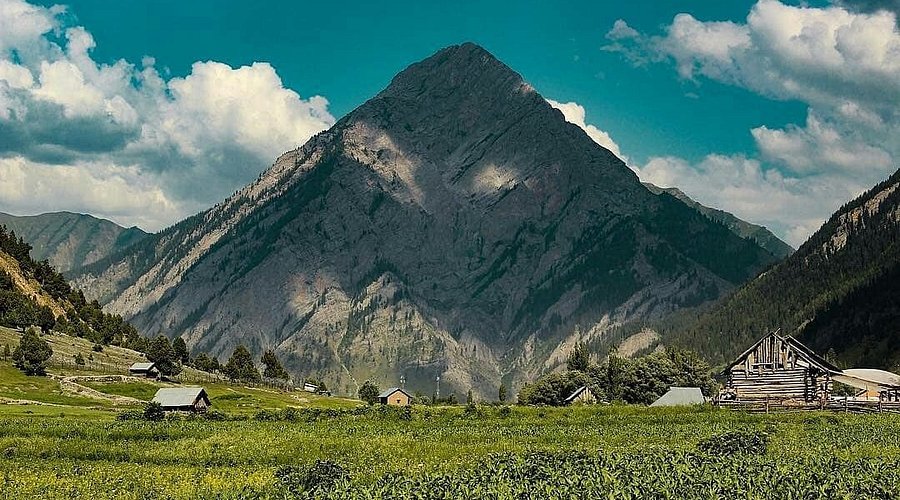
Crossing Razdan Pass opens access to several remarkable attractions in Gurez Valley that make the challenging journey worthwhile. The Habba Khatoon Peak is undoubtedly the most iconic, rising pyramid-like from the valley floor and visible from multiple points in Gurez. Named after the famous Kashmiri poetess, this peak has become the defining visual symbol of the region and offers spectacular photography opportunities, especially during sunrise and sunset when the light creates dramatic shadows on its faces.
The Kishanganga River flows through Gurez Valley, creating stunning compositions with the surrounding mountains. The river originates near the Line of Control and flows through pristine landscapes before entering Pakistan-administered Kashmir. Riverside photography, short walks along the banks, and simply listening to the river's powerful flow are popular activities for visitors. Several wooden bridges cross the river at various points, each offering unique vantage points and photo opportunities.
Tulail Valley represents an even more remote extension beyond the main Gurez area, accessible through a further journey from Dawar. This valley is more secluded, less visited, and offers even more pristine landscapes. The villages in Tulail maintain traditional lifestyles, and the region provides an authentic experience of rural mountain life. However, visiting Tulail requires additional time, careful planning, and reliable information about road conditions and permissions, as it's closer to sensitive border areas.
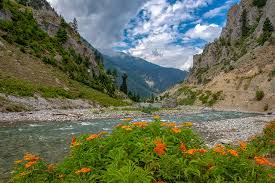
Cultural Experiences in Gurez
The Dard-Shina people who inhabit Gurez Valley have a distinct culture and language that differs significantly from the Kashmir Valley. Their traditional wooden houses with intricate carvings, unique dress, and warm hospitality offer cultural insights that few tourists experience. Visiting local villages, observing their way of life, and engaging respectfully with residents can be deeply rewarding. Many travelers choose to stay in homestays, which provide authentic cultural immersion while directly benefiting local communities.
Trails and Trekking options abound for those who want to explore beyond the motorable roads. Short walks from Dawar lead to viewpoints offering expansive valley vistas. More experienced trekkers can attempt longer trails connecting different villages or ascending surrounding peaks for panoramic views. However, always trek with local guides, carry proper equipment, and inform someone of your plans, as weather can change rapidly and help may not be immediately available in remote areas.
Travel Tips & Preparation: Ensuring a Safe Journey
Proper preparation is the key to enjoying Razdan Pass safely and comfortably. Altitude Preparation should begin even before you leave home. If you're flying into Srinagar from sea level, give yourself at least 24-48 hours to acclimatize before attempting the pass crossing. During this time, stay well-hydrated, avoid alcohol, and get plenty of rest. Carrying medication for altitude sickness (consult your doctor) and headaches is advisable, as some travelers experience mild symptoms even at this moderate altitude.
Vehicle Preparation is equally important for those self-driving. Ensure your vehicle is in excellent mechanical condition, particularly the brakes, cooling system, and tires. Carrying a spare tire is mandatory, and having two spares is even better given the rough road conditions. Extra fuel should be carried in proper containers, as there are no fuel stations beyond Bandipora. An emergency kit with first aid supplies, basic tools, flashlight, and emergency food/water is essential.
Essential Items to Carry
Warm clothing is non-negotiable, even during summer months. Temperatures at the pass can drop suddenly, and weather conditions can change within minutes. Carry layers including a warm inner layer, insulating mid-layer, and windproof/waterproof outer layer. A hat, gloves, and scarf are highly recommended, especially if you plan to spend time outside the vehicle at the summit. Good quality, comfortable walking shoes with grip are essential for any short walks or photography stops.
Food and water supplies must be carried as there are no restaurants or reliable food sources on the pass or in many parts of Gurez Valley. Carry plenty of drinking water, snacks, and ready-to-eat meals. A thermos with hot beverages can be very welcome on chilly days. Power banks are essential as there are no charging facilities on the pass, and network connectivity is limited, so your phone's battery may drain faster searching for signal.
Cash is king in this region – there are no ATMs in Gurez Valley, and card acceptance is extremely limited even where it exists. Carry sufficient cash for your entire trip plus some extra for emergencies. Break larger amounts into smaller denominations for easier transactions. Sun protection (sunglasses, sunscreen, hat) is important due to the thinner atmosphere and stronger UV radiation at altitude, even when it feels cool.
| Category | Essential Items |
|---|---|
| Clothing | Warm layers, windproof jacket, hat, gloves, sturdy shoes |
| Safety | First aid kit, emergency food/water, flashlight, power bank |
| Documents | ID proofs, permit documents, photocopies, emergency contacts |
| Vehicle | Spare tire, extra fuel, basic tools, emergency kit |
Safety Considerations
Weather Monitoring should begin several days before your planned crossing and continue until you complete your journey. Check multiple weather sources, but also speak with locals and taxi drivers who have recent, firsthand knowledge of conditions. Never attempt to cross the pass during or immediately after heavy rainfall when landslide risk is elevated. If weather deteriorates during your crossing, find a safe place to wait rather than rushing – the mountain will still be there when weather clears.
Starting early from Srinagar or Bandipora is strongly recommended. An early morning start (6-7 AM) allows you to complete the crossing before afternoon clouds and potential weather build-up. It also provides a safety buffer in case of delays due to road conditions or other issues. Never attempt a late afternoon crossing – you don't want to be on this challenging road after dark.
Communication challenges are real on Razdan Pass. Mobile connectivity is extremely limited, with only BSNL networks working sporadically at some locations. Inform someone reliable about your travel plans, including route, expected timeline, and emergency contacts. Consider carrying a satellite phone or specialized communication device if traveling independently, though this may require special permissions. Always respect local advice regarding road conditions and safety – if locals say it's not safe, believe them.
Accommodation in Gurez Valley is basic but improving. Homestays offer the most authentic experience and directly benefit local communities. These range from very basic to moderately comfortable, with increasing availability as tourism develops. There are a few government guesthouses and some private properties, but options remain limited compared to mainstream Kashmir destinations. Advance booking is increasingly necessary during peak season, and carrying camping gear is an option for experienced outdoor enthusiasts, though proper permits and site selection are important.
Conclusion: The Rewards of Crossing Razdan Pass
Crossing Razdan Pass is more than just a journey from point A to point B – it's an adventure that tests your preparation, rewards your patience, and introduces you to one of Kashmir's most pristine and unexplored regions. The pass itself offers spectacular Himalayan scenery, while Gurez Valley on the other side delivers on its promise of untouched landscapes, rich culture, and warm hospitality that feels worlds away from commercialized tourist circuits.
The key to enjoying Razdan Pass lies in respectful preparation and flexible expectations. Check weather conditions thoroughly, prepare your vehicle and supplies diligently, and maintain a buffer day in your itinerary for weather-related contingencies. Travel with an experienced driver if you're not confident about mountain driving, and always prioritize safety over rigid schedules. The mountains operate on their own timeline, and those who respect this reality are rewarded with the most enriching experiences.
Whether you're a landscape photographer chasing that perfect light, an adventure traveler seeking new challenges, or simply someone who wants to experience the raw beauty of the Himalayas away from crowds, Razdan Pass and Gurez Valley deliver an unforgettable journey. The dramatic elevation gain, constantly changing landscapes, challenging roads, and ultimate reward of pristine valley views create a travel experience that stays with you long after you've returned to lower altitudes and more familiar surroundings.
For those planning to explore more of Kashmir, Gurez Valley offers deeper exploration opportunities. Consider combining this trip with Gulmarg in July for a contrasting Kashmir experience, or check Kashmir in September for optimal autumn travel timing. Razdan Pass awaits those who seek adventure beyond the ordinary – are you ready to accept the challenge?
Location
Frequently Asked Questions
Q1.Where is Razdan Pass located?
Q2.What is the altitude of Razdan Pass?
Q3.What is the best time to visit Razdan Pass?
Q4.Is Razdan Pass open throughout the year?
Q5.How is the road condition to Razdan Pass?
Q6.How far is Razdan Pass from Srinagar?
Q7.Is it safe to cross Razdan Pass?
Q8.Do we need permits for Razdan Pass?
Recommended For You
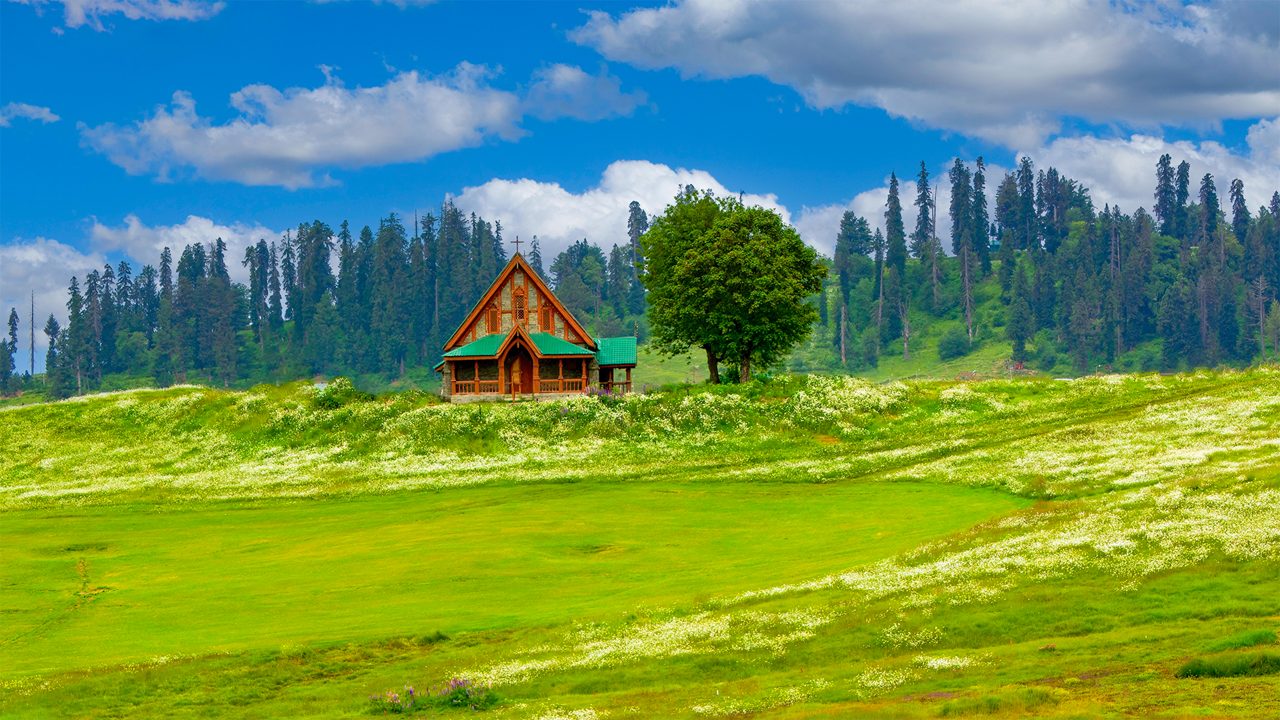
Best Time to Visit Kashmir: Month-by-Month Weather & Activities
Plan the best time to visit Kashmir with month-by-month weather, snow and bloom seasons, and practical guidance for sightseeing, honeymoon, and family travel.
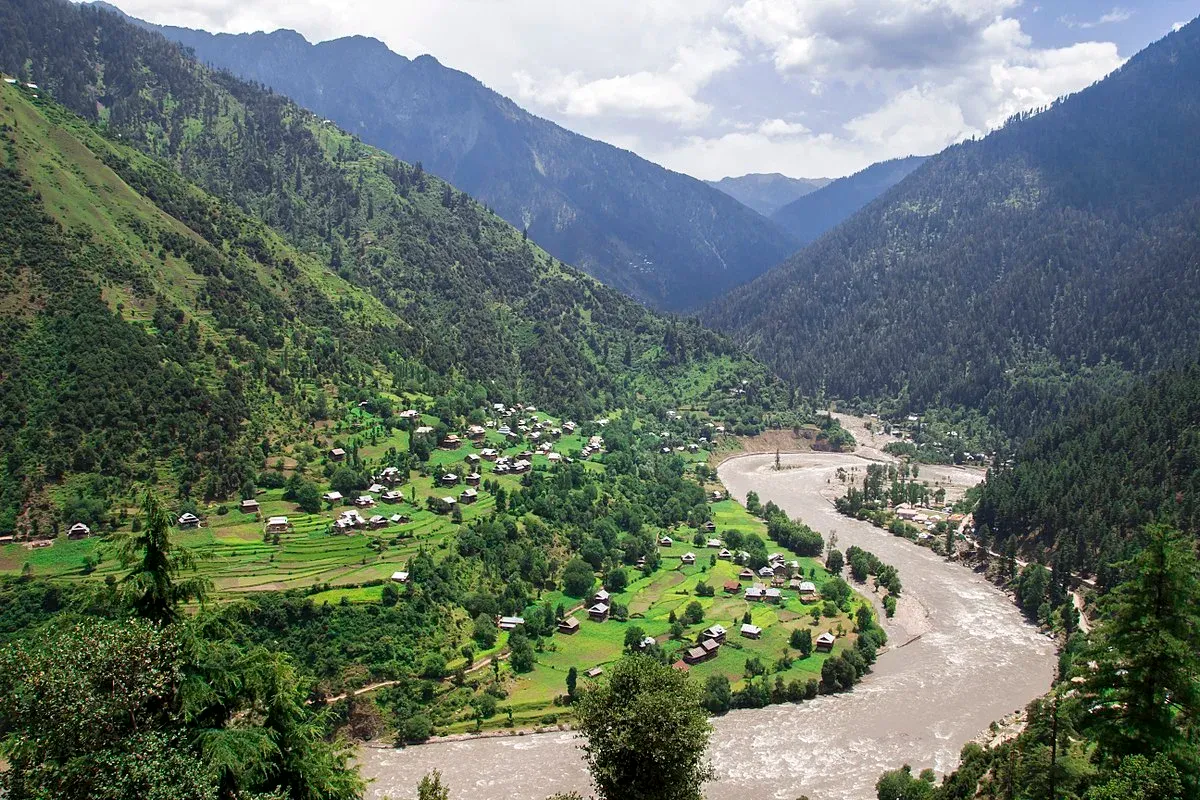
Keran Valley Kashmir Guide: Offbeat Travel Planner
Use this Keran Valley Kashmir guide for route planning, best season windows, stay choices, and practical offbeat travel tips.
Vande Bharat Delhi Srinagar: Timings & Fares
Vande Bharat Delhi Srinagar guide with route-status clarity, booking strategy, fare planning, and practical segment-based travel tips for Kashmir-bound travelers.
Never Miss an Adventure
Get the latest trekking guides, travel tips, and exclusive offers delivered straight to your inbox.
