
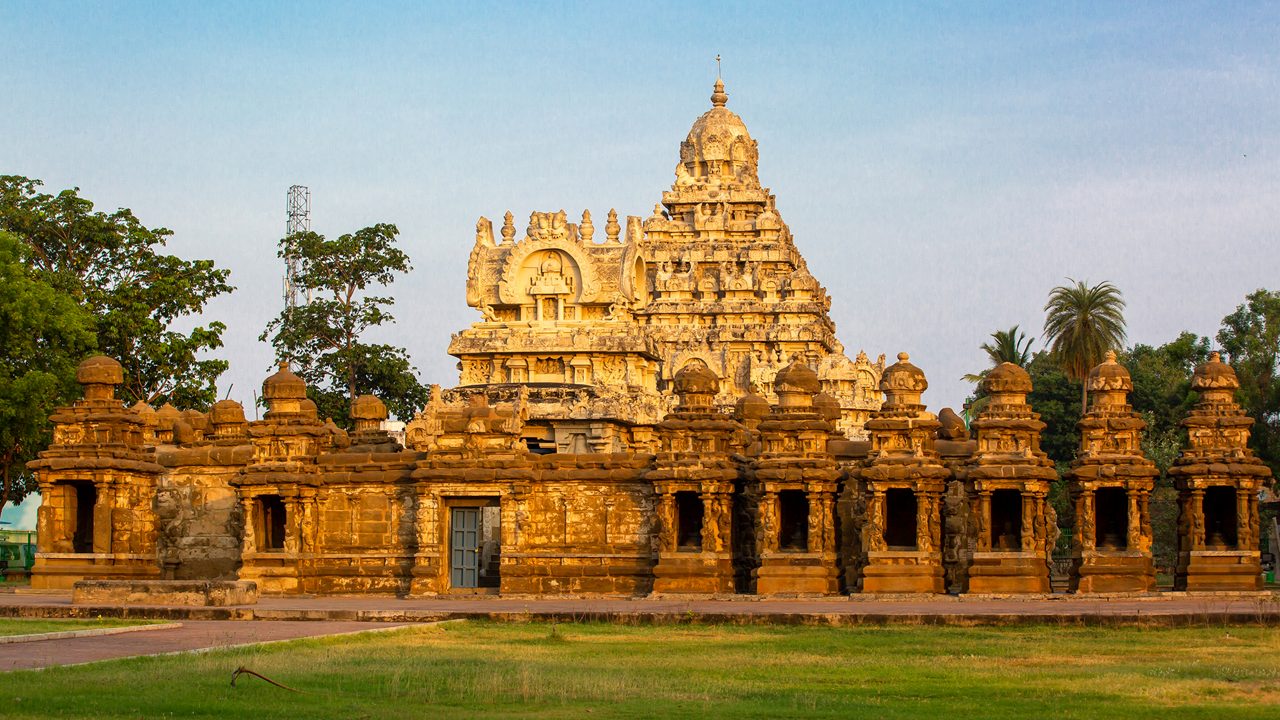
Places to Visit in Kanchipuram: Temples, Silk Streets & Heritage

Rohit Verma
December 18, 2025
Discover the best places to visit in Kanchipuram - from ancient temples like Ekambareswarar and Kamakshi Amman to world-famous silk saree shopping. Complete guide with timings, prices, and travel tips.
Places to Visit in Kanchipuram: Plan a Temple and Silk-Focused Trip
Kanchipuram is one of the most important heritage cities in Tamil Nadu and a top choice for travelers interested in temple architecture, religious history, and authentic silk saree shopping. If you are looking for places to visit in Kanchipuram, the city offers far more than a quick temple stop. You can build a complete day or weekend plan that combines sacred sites, local food, weaving traditions, and practical city walks.
This guide is structured for decision-making. You will find the best Kanchipuram tourist places, how much time each attraction needs, how to plan temple sequences efficiently, where to shop for genuine Kanchipuram silk sarees, and what budget to expect. If you are building a South India circuit, you can combine this cultural route with slower nature destinations like places to visit in Alleppey for a balanced trip rhythm.
Quick Facts Before You Start
Kanchipuram is often called the City of Thousand Temples, and while you cannot cover everything in one day, you can still experience its core highlights with good planning. The city is accessible from Chennai by road and rail, making it ideal for day trips and short weekend journeys. Temple timing gaps in the afternoon are common, so your itinerary should be built around opening windows and local travel time.
| Trip Factor | Quick Guidance |
|---|---|
| Ideal Duration | 1 to 2 days |
| Best Season | October to March |
| Main Themes | Temples, heritage, silk sarees |
| From Chennai | Approx. 2 to 3 hours by road |
Top Places to Visit in Kanchipuram
1. Ekambareswarar Temple
One of the largest and most significant Shiva temples in the city, Ekambareswarar Temple is known for its towering gopuram, large complex layout, and deep spiritual significance. It should be your first major stop if you want to understand Kanchipuram’s temple scale and ritual energy. Morning visits are better for both atmosphere and weather comfort.
2. Kamakshi Amman Temple
This is one of the most visited Shakti temples in Tamil Nadu and a spiritual anchor for the city. Devotees and tourists both include it as a mandatory stop. The area can get crowded, especially during festival periods, so keep flexible time. Respect dress and photography norms before entering inner sections.
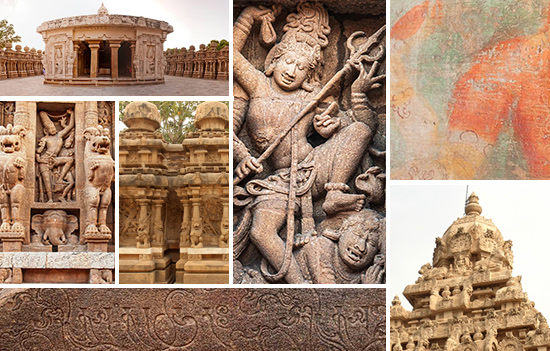
3. Kailasanathar Temple
If you appreciate architecture and history, this temple is one of the strongest reasons to visit Kanchipuram. It is associated with Pallava-era craftsmanship and offers a very different visual feel compared to busier worship complexes. The stone detailing and relatively quieter environment make it ideal for slow exploration.
4. Varadharaja Perumal Temple
This major Vishnu temple is both spiritually important and architecturally impressive. The complex attracts pilgrims year-round and is an essential inclusion in any Kanchipuram sightseeing plan. Keep enough time for queue variation, especially on weekends and special observance days.
5. Ulagalantha Perumal Temple
Known for its religious significance and distinct iconography, this temple is a good addition if you want to understand Kanchipuram’s Vaishnavite circuit beyond the most mainstream stops.
6. Vaikunta Perumal Temple
Another key historical temple, often appreciated by architecture enthusiasts and history travelers who want to trace Pallava design layers.
7. Kanchi Kudil
A heritage house museum that helps you understand traditional Tamil household culture. This is a useful break between temple visits and adds non-religious cultural context to your day.
8. Local Tank and Street Circuits
Temple tanks, old lanes, and market edges around core religious districts are worth walking if you enjoy local textures and photography.
Kanchipuram Silk Saree Shopping Guide
No Kanchipuram trip is complete without experiencing its silk ecosystem. Even if you are not buying a saree, understanding the craft helps you appreciate why this city is globally recognized for handwoven textiles.
Authentic Kanchipuram silk sarees are known for durability, rich colors, zari work, and wedding relevance across India. Prices vary widely based on silk quality, zari content, weaving complexity, and design style. Avoid rushed purchases in the first store you enter.
What to check before buying:
1. Weave quality and finish consistency
2. Zari details and border-pallu integration
3. Seller transparency on silk and zari composition
4. Bill clarity and return/exchange conditions
Smart buying strategy: Visit 2-3 reputed showrooms or weaving clusters, compare similar designs, then decide. If your budget is fixed, tell your range early so sellers show suitable options directly.

Shopping during major festive windows gives variety but also higher crowd pressure. Weekdays are easier for focused comparison and quieter discussions with staff. If you are planning additional city shopping destinations, compare styles with places to visit in Mumbai where market culture is very different but equally dynamic.
One-Day Kanchipuram Itinerary (Most Practical)
Early Morning: Arrive and start with Ekambareswarar Temple.
Mid-Morning: Kamakshi Amman + Kailasanathar Temple.
Lunch Break: Local South Indian meal near central area.
Afternoon: Varadharaja Perumal and selected secondary temple.
Evening: Silk saree shopping and departure.
This format works for Chennai-based day travelers. If you start late, reduce temple count and prioritize experience quality over quantity.
Two-Day Itinerary (Recommended for First-Time Visitors)
Day 1: Core temple circuit (Ekambareswarar, Kamakshi, Varadharaja), evening local food walk.
Day 2: Kailasanathar, Kanchi Kudil, saree shopping, relaxed market exploration.
Two days reduce rush and allow better cultural absorption. You also get flexibility if temple timings or traffic affect your initial plan.
How to Reach Kanchipuram from Chennai
Road travel is usually the most flexible option from Chennai. Private cab, self-drive, and bus routes are common depending on budget and group size. Rail connectivity is also available for travelers preferring train routes. Start early in the day for better temple coverage and smoother traffic conditions on entry.
If you are mapping multiple legs in one trip, keep one buffer window for city-to-city transfers. This single habit improves travel comfort significantly across Indian destination circuits, whether temple towns or hill routes like places to visit near Bangalore.
Best Time to Visit Kanchipuram
October to March is usually the most comfortable period for temple visits and walking. Summers can be hot, so if you travel then, split your day into early morning and late afternoon blocks. Monsoon season can be pleasant but may add occasional movement delays. Regardless of season, carry water and lightweight breathable clothing.
Temple Etiquette and Photography Tips
Many temples have strict rules around photography, especially in inner sanctum areas. Always confirm before taking photos. Dress modestly and avoid loud behavior inside worship spaces. Remove footwear at designated points and keep your route flow respectful during puja timings.
For photography-friendly sections, early light works best on gopurams and stone corridors. Wide-angle frames are useful in larger complexes. If you are creating travel content, avoid blocking worship pathways for staged shots.
Food to Try in Kanchipuram
Try local South Indian meals, traditional tiffin combinations, and Kanchipuram idli variants if available at reputed places. Keep food breaks aligned with temple closure windows so you do not lose active sightseeing time. In short trips, planned meal timing is a real productivity tool.
Budget Planning for a Kanchipuram Trip
Kanchipuram can fit budget, mid-range, and premium travelers. Your major expenses are transport, meals, optional stay, and shopping. Temple visits themselves are generally affordable, which makes the city a strong value destination for culture-rich travel days.
If silk shopping is your primary goal, keep a dedicated budget envelope separate from basic trip costs. That avoids impulsive overspending and helps you compare options calmly. If you like structured destination comparison before spending, you can also review Jaipur vs Udaipur for a different city-style decision framework.
Final Recommendation: How to Experience Kanchipuram Properly
The best way to explore places to visit in Kanchipuram is to combine three tracks: core temple visits, one heritage-cultural stop, and focused silk shopping. Do not overload your plan with too many minor points in one day. Instead, keep 5-6 meaningful stops and enough breathing room between them. That gives you spiritual, cultural, and practical value in one trip.
Kanchipuram rewards travelers who move with intention rather than speed. Start early, respect local traditions, keep your shopping decisions informed, and let the city’s heritage pace guide your day. If you want a calm nature follow-up after this temple circuit, pair it with Alleppey backwaters for an ideal cultural-to-scenic travel contrast.
Kanchipuram Temple Timing Strategy for One-Day Visitors
Many travelers lose productive hours in Kanchipuram because they do not account for temple timing patterns and midday closure gaps. The best approach is to cluster major temples in the morning block, keep lunch and shopping in the mid-window, then return to active temple routes in late afternoon. This creates a smoother flow and reduces unnecessary backtracking. If you are visiting on festival or weekend dates, start even earlier and keep buffer for queue movement. A timing-first approach often improves your experience more than adding one extra attraction to the list.
Another practical tip is to finalize transportation for the full day instead of rebooking frequently between stops. In heritage towns, local movement can become slower during peak hours, and repeated booking delays can break your sequence. If your plan is spiritually focused, keep one flexible temple slot for unplanned darshan time. If your plan is architecture-focused, keep one flexible slot for slow photography and corridor observation without rush.
Kanchipuram for Families, Seniors, and First-Time Pilgrims
Kanchipuram can be very comfortable for family and senior-friendly travel when pace is managed well. Avoid trying to cover too many large temple complexes in one day, because long walking sections and queue waits can become tiring. Prioritize 3-4 meaningful sites, include hydration breaks, and keep afternoon movement light. For elderly travelers, selecting a central stay for one night often provides a better experience than attempting a rushed same-day return with full-day temple coverage. Small planning adjustments improve comfort without reducing the cultural value of the trip.
Location
Frequently Asked Questions
Q1.How many days required for Kanchipuram?
Q2.What is Kanchipuram famous for?
Q3.Best time to visit Kanchipuram?
Q4.How to reach Kanchipuram from Chennai?
Q5.Kanchipuram silk saree starting price?
Q6.Is photography allowed in Kanchipuram temples?
Q7.Entry fee for Kanchipuram temples?
Q8.What to buy from Kanchipuram?
Q9.Kanchipuram temple timings and dress code?
Recommended For You
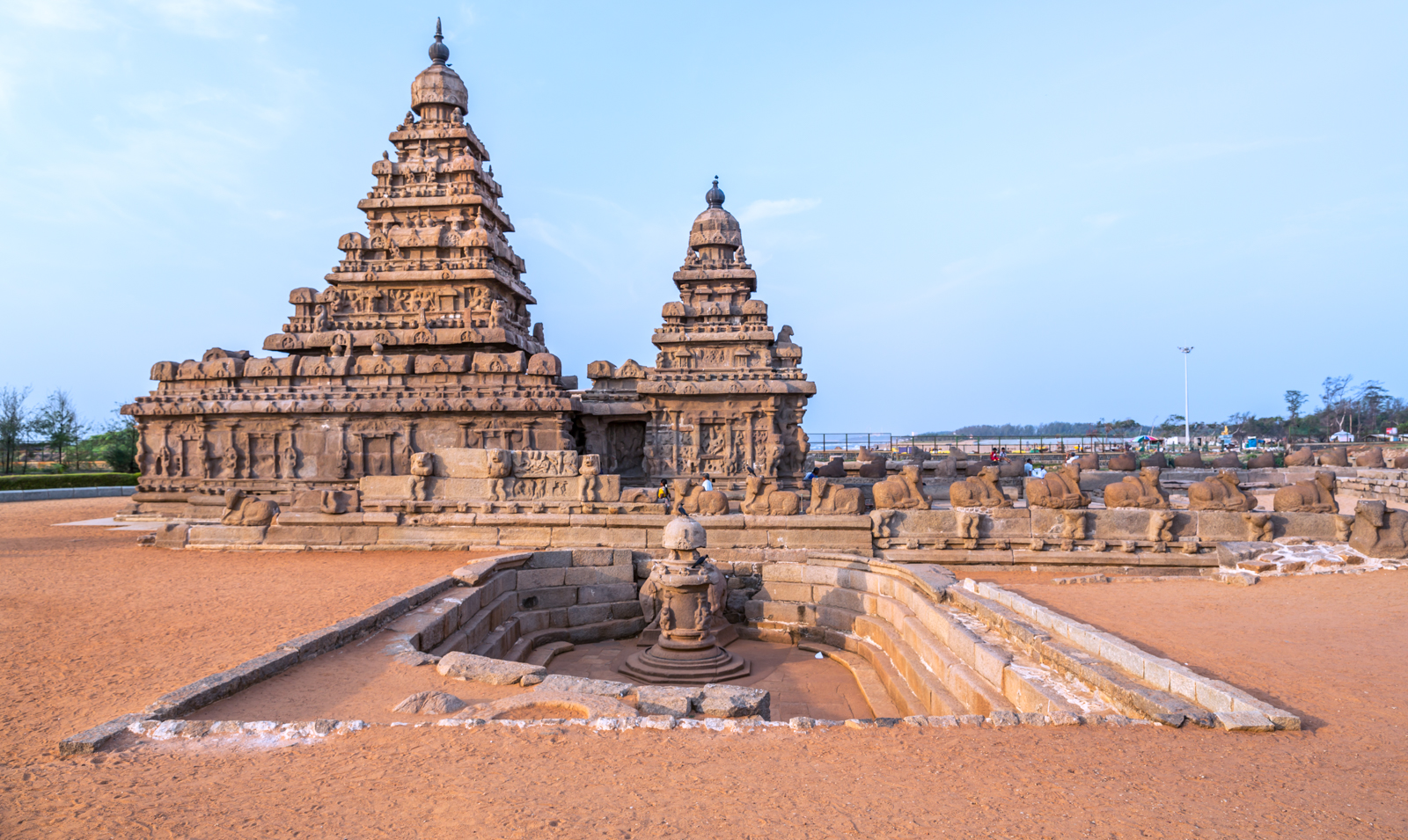
Mahabalipuram Temples: Complete Travel Guide 2026
Complete travel guide to Mahabalipuram temples (Mamallapuram) - UNESCO World Heritage site featuring Shore Temple, Arjuna's Penance, Pancha Rathas, Pallava architecture, history & travel tips.
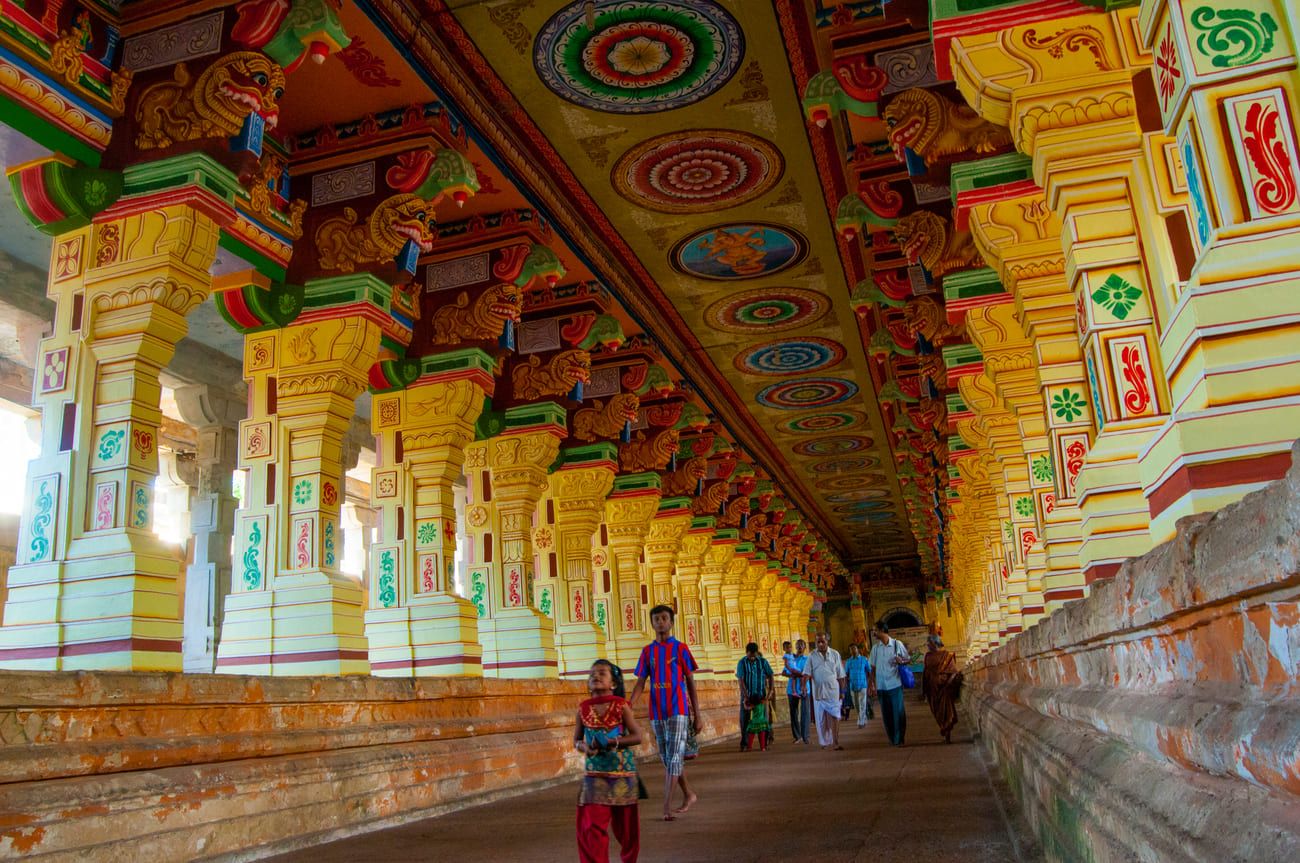
Rameshwaram Temple History: Complete Guide to Tamil Nadu's Sacred Jyotirlinga
Discover the rich history of Rameshwaram Temple, one of the 12 sacred Jyotirlingas. Explore its connection to Ramayana, magnificent architecture with the world's longest temple corridor, and spiritual significance in this complete guide.
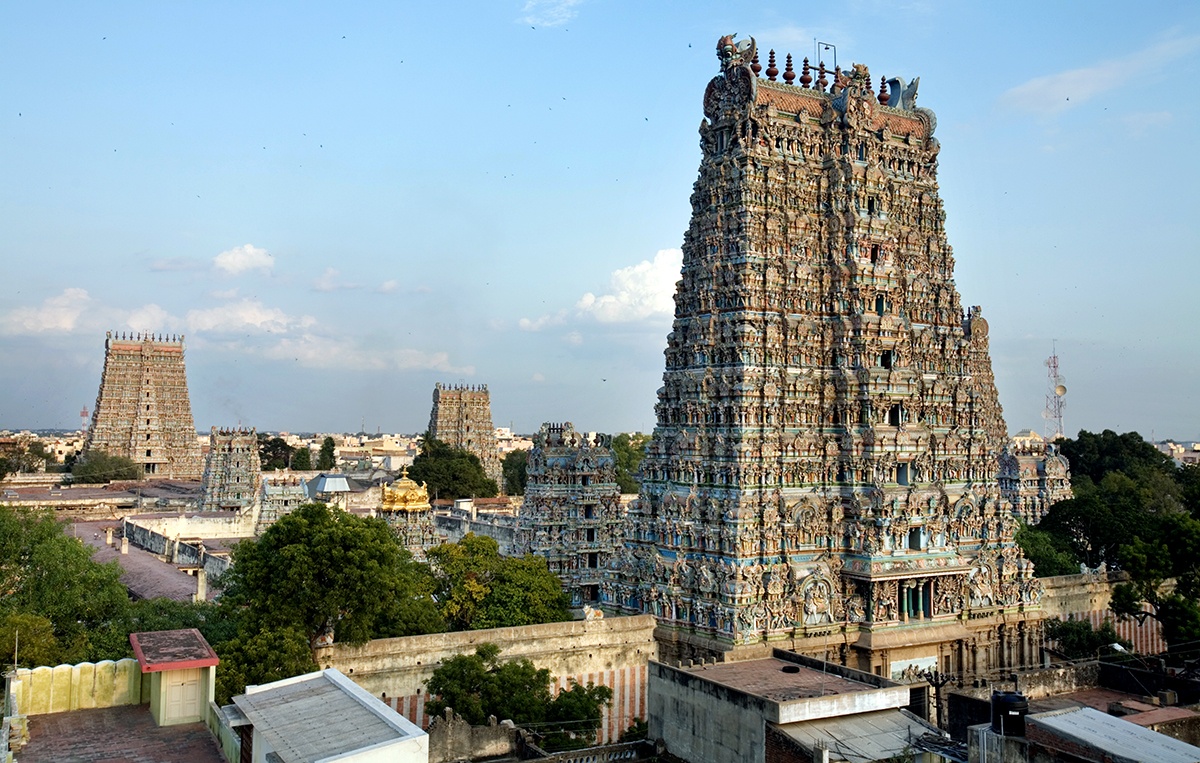
Meenakshi Temple Madurai: Complete Guide to the Temple City
Explore the magnificent Meenakshi Temple in Madurai - a 7th-century architectural marvel with 12 towering gopurams, musical pillars, and sacred tanks. Discover history, timings, Chittirai festival, travel tips, and nearby attractions in this comprehensive guide.
Never Miss an Adventure
Get the latest trekking guides, travel tips, and exclusive offers delivered straight to your inbox.
