
Meenakshi Temple Madurai: Complete Guide to the Temple City

Rahul Garg
February 20, 2026
Explore the magnificent Meenakshi Temple in Madurai - a 7th-century architectural marvel with 12 towering gopurams, musical pillars, and sacred tanks. Discover history, timings, Chittirai festival, travel tips, and nearby attractions in this comprehensive guide.
The Architectural Marvel of South India
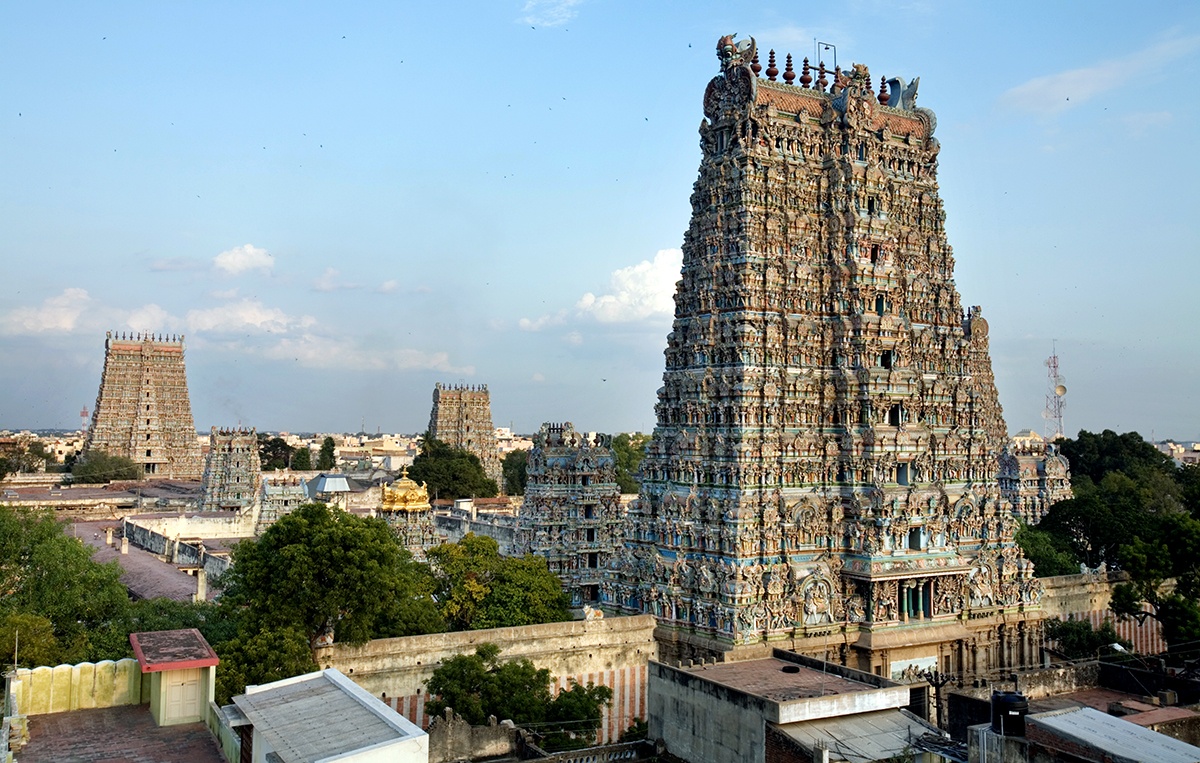
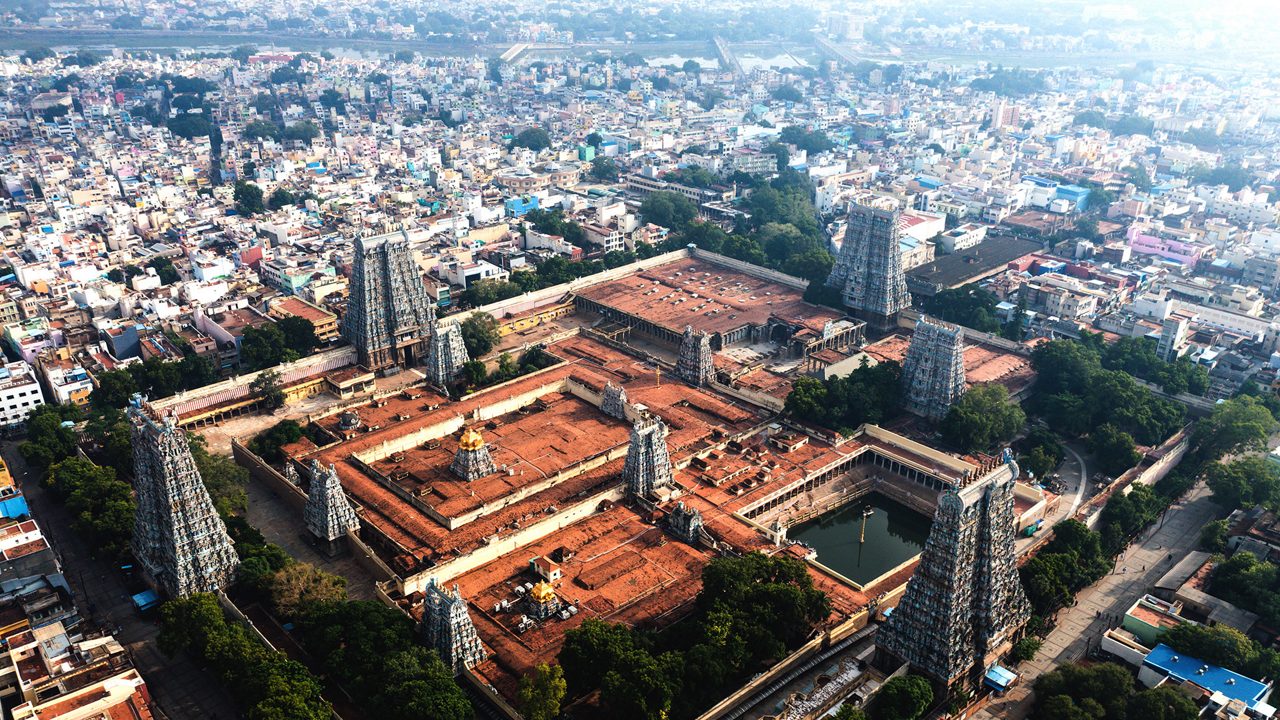
Standing majestically in the heart of Tamil Nadu, the Meenakshi Temple in Madurai represents one of India's most magnificent architectural achievements. This sprawling temple complex, dedicated to Goddess Meenakshi, showcases the pinnacle of Dravidian architecture with its 12 towering gopurams (temple towers), thousands of intricately carved pillars, and a sacred pond that has witnessed ceremonies for over two millennia.
The temple earned its nickname as "The Temple City" due to its massive scale. While Brihadeeswarar Temple in Thanjavur is another magnificent example of Dravidian architecture, Meenakshi Temple stands unique for its scale and artistic details. Covering approximately 45 acres, it's not merely a place of worship but a living museum of Tamil art, culture, and spirituality. Every corner tells stories of ancient dynasties, divine legends, and architectural innovations that continue to amaze visitors from around the world.
Historical Significance and Royal Patronage
The origins of Meenakshi Temple date back to the 7th century CE, though much of the current structure was built during the Nayaka dynasty between 1623 and 1660 CE. However, the temple's story begins long before, with ancient Tamil literature mentioning the sacred site as early as the 6th century BCE. According to legend, Lord Indra, the king of gods, established this temple for his daughter Meenakshi, who incarnated as the fish-eyed goddess.
The Chola dynasty, which ruled much of South India from 850-1279 CE, laid the foundation for temple architecture. Their patronage led to the development of distinctive Dravidian style characterized by massive structures, intricate carvings, and pyramid-like towers. The temple complex you see today stands as testament to their vision and the skill of countless artisans who worked here over generations.
However, it was the Nayaka rulers who transformed Meenakshi Temple into its present glory. Similar to how Somnath Temple in Gujarat has been rebuilt multiple times, Meenakshi Temple too has seen various phases of construction and renovation. Thirumalai Nayak, who commissioned the main temple structure, envisioned a place that would inspire awe and devotion. His successors expanded the complex, adding the famous Thousand Pillar Hall, musical pillars, and sacred tanks that make this temple unique among Indian religious monuments.
Architectural Marvels: The Dravidian Masterpiece
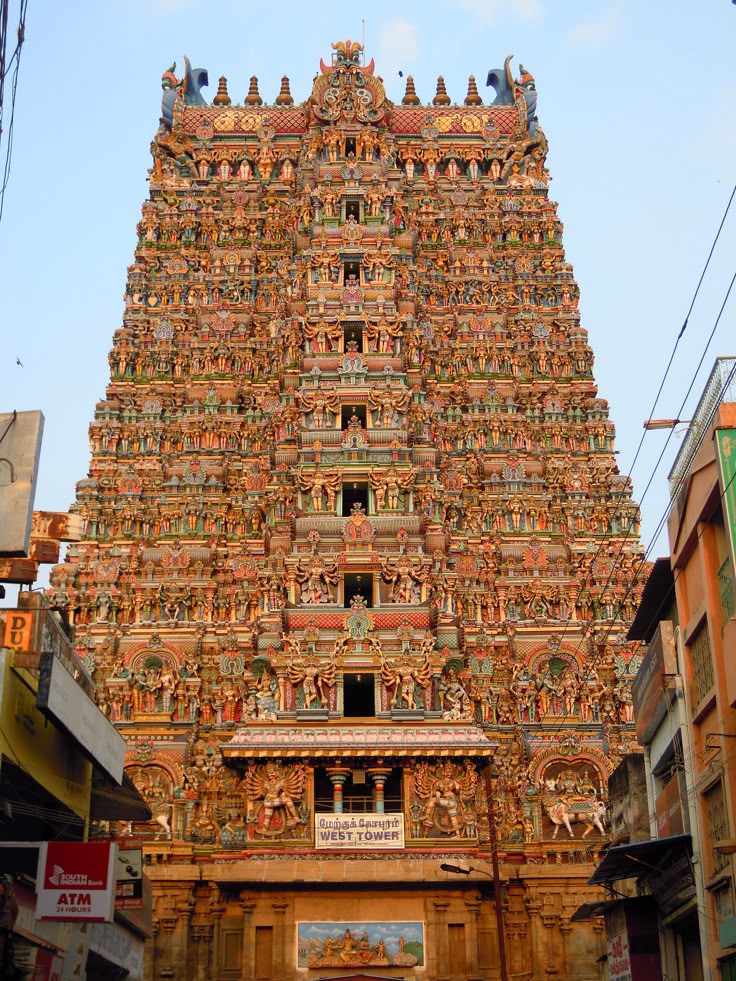
What sets Meenakshi Temple apart is its exquisite representation of Dravidian architecture. This South Indian architectural style emphasizes horizontal towers (gopurams), intricate mandapas (pillared halls), and elaborate gateway structures. The temple complex contains approximately 33,000 sculptures, each telling stories from Hindu mythology and demonstrating extraordinary craftsmanship.
The temple's layout follows a traditional South Indian temple plan but on a grand scale. The central shrine faces east, aligned to sunrise, while the massive gopurams rise to heights of 50-170 feet. What makes this temple unique is the presence of 1,263 intricately carved towers—far more than any other temple in India. These gopurams aren't just decorative but serve as distinct sacred gateways to different sections of this vast complex.
The Four Main Gopurams
While the temple has over 1,200 towers, four are particularly significant and draw special attention from devotees and architecture enthusiasts:
| Gopuram Name | Height (feet) | Stories/Levels | Significance |
|---|---|---|---|
| South Tower (Sundareswarar) | 170 | 9 | Dedicated to Lord Shiva; tallest gopuram |
| North Tower (Chokkateeshwarar) | 160 | 7 | Dedicated to Lord Vishnu |
| East Tower (Kadaka Gopuram) | 153 | 8 | Main entrance gateway |
| West Tower (Aagaya Gopuram) | 152 | 7 | Smaller but equally intricate |
Each gopuram displays a different architectural style while maintaining harmony. The South Tower's nine stories make it a striking landmark visible from across the city. What's remarkable is that these towers contain over 33,000 sculptures collectively, with each level featuring distinct themes from Hindu epics like the Ramayana and Mahabharata.
The Thousand Pillar Hall
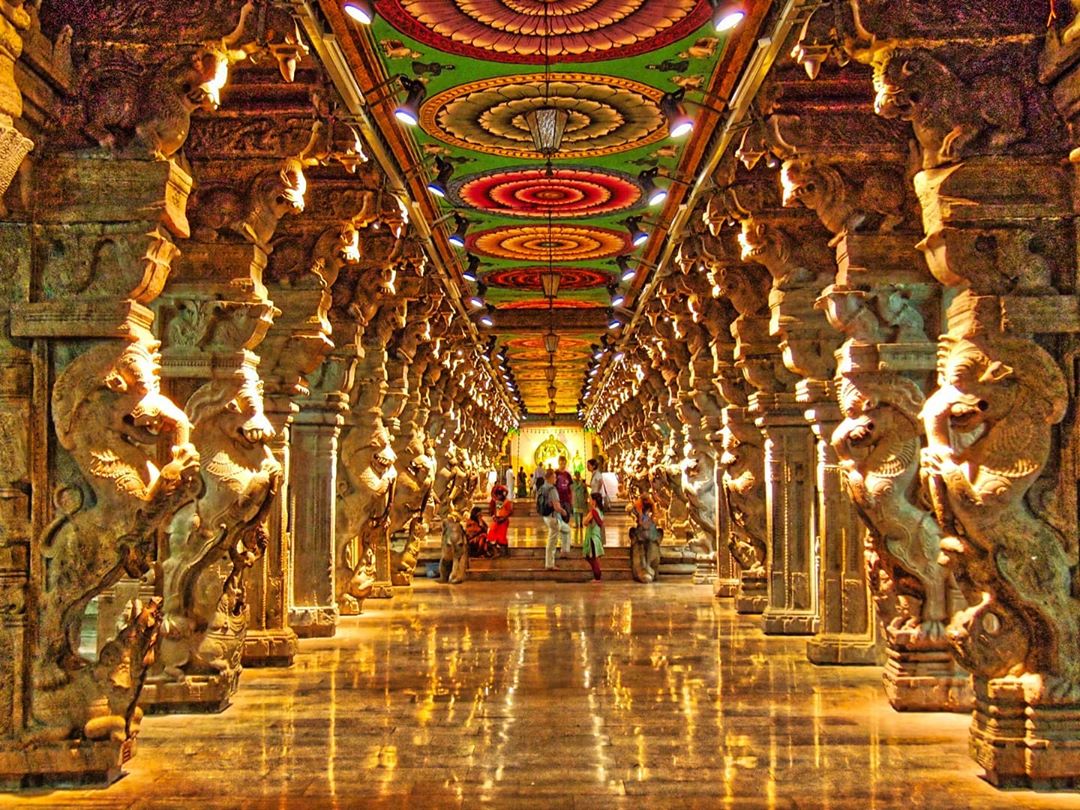
One of the temple's most celebrated features is the Ayiram Kaal Mandapam (Hall of Thousand Pillars). Built during the Nayaka period, this hall contains exactly 985 beautifully carved pillars. The remarkable aspect? Each pillar produces different musical notes when tapped with a wooden stick or knuckles. This acoustic marvel, created centuries ago, demonstrates the scientific understanding of sound and stone craftsmanship of ancient Indian architects.
Musicians and researchers have studied this phenomenon extensively. The pillars aren't just decorative—they serve a practical purpose in temple rituals, creating natural acoustics for sacred chants and musical performances. This feature alone attracts musicologists, architects, and curious visitors from around the world.
The Sacred Temple Tank
At the center of the temple complex lies the Golden Lotus Tank (Potramarai Kulam), one of the most sacred water bodies in Tamil Nadu. This massive tank, measuring 305 feet by 282 feet, was built by King Thirumalai Nayak in 1646. The tank isn't merely a water reservoir—it's a spiritual centerpiece where devotees take ritual baths and where the famous float festival takes place.
The tank's importance is highlighted during the Tamil month of Thai (January-February), when the temple celebrates the float festival. Elaborately decorated floats, some carrying deities, others depicting scenes from mythology, circle the sacred waters. This 12-day celebration attracts millions of devotees and transforms the tank into a dazzling spectacle of lights, colors, and devotion.
Other Sacred Tanks
Besides the main Golden Lotus Tank, the temple complex includes several smaller sacred tanks, each with its own significance:
- Vandiyur Theertham: A small tank near the west gopuram, known for its peaceful atmosphere and morning rituals
- Kirukoorupan: Located near the Thousand Pillar Hall, this tank is associated with ancient bathing rituals
- Kanaladi: A sacred pond believed to have healing properties, where devotees take ceremonial baths
- Porthamarai: The oldest tank in the complex, dating back to the Pandyan dynasty
Temple Timings and Darshan Schedule
Understanding the temple's schedule is crucial for planning your visit efficiently. The temple follows traditional Hindu ritual timings but with specific periods for different ceremonies.
| Ceremony | Timing | Duration |
|---|---|---|
| Morning Darshan | 5:00 AM - 12:30 PM | General viewing hours |
| Evening Aarti | 6:00 PM - 9:00 PM | 30 minutes |
| Night Pooja | 9:00 PM - 9:30 PM | Special darshan |
| Theru Kuthu (chariot festival) | 9:30 PM - 10:00 PM | Varies by month |
Important notes: The temple is open throughout the day with brief closures during special ceremonies. The evening aarti around 7:00 PM is particularly popular among devotees. During festival seasons, especially the Chittirai festival in April-May, the temple remains open extended hours, sometimes until 10:00 PM. It's advisable to check the official temple website or information counter for the most current schedule.
The Chittirai Festival: Tamil Nadu's Grandest Celebration
The Chittirai festival, held in the Tamil month of Chittirai (April-May), is the temple's most important celebration. This grand 12-day festival commemorates the divine marriage of Goddess Meenakshi to Lord Sundareswarar (Shiva), who resides in the South Tower. The festival's origins trace back to ancient Tamil literature and have been celebrated continuously for centuries.
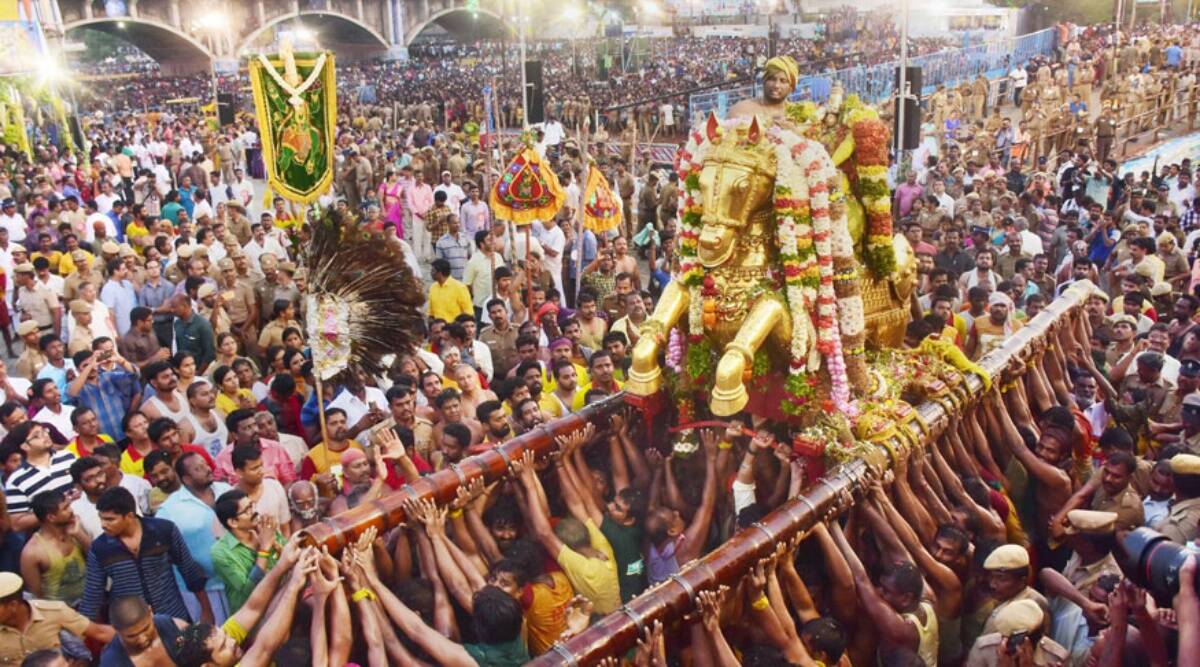
What makes Chittirai festival extraordinary is the reenactment of the divine wedding. Every evening during the festival, Lord Sundareswarar is carried in a grand procession from the Koodal Azhagar Temple (a Shiva temple 22 km away) to the Meenakshi Temple. The journey, which takes several hours, covers various routes through Madurai's streets, accompanied by traditional music, dance, and devotional singing.
Festival Highlights
The festival offers several unique experiences that you shouldn't miss:
- The Float Festival: On the first nine days, decorated floats circle the Golden Lotus Tank, each telling stories from mythology through intricate designs and lights
- Porikkol Veeduthivirppu: Sacred chariot processions where temple deities are taken in decorated chariots through the temple streets
- Kodaivizhakku: The divine wedding ceremony at the Koodal Azhagar Temple, followed by the return procession to Madurai
- Arubathimoovar: Devotional singing competitions where ancient Tamil hymns are performed in traditional musical styles
- Theru Kuthu: Folk dances performed as part of the celebration, showcasing Tamil Nadu's rich cultural heritage
For the best experience, visit during April-May when the entire city of Madurai comes alive with festivities. The atmosphere is electric, the temple grounds are decorated, and you'll witness traditions that have remained unchanged for centuries.
Planning Your Visit to Meenakshi Temple
To make the most of your spiritual journey to this sacred site, careful planning is essential. Here's everything you need to know about visiting Meenakshi Temple in Madurai.
Best Time to Visit
The temple welcomes visitors throughout the year, but different seasons offer unique experiences:
| Season | Best For | Weather | Crowd Level |
|---|---|---|---|
| Winter (October-March) | Sightseeing, architecture study | Pleasant (20-30°C) | High |
| Summer (April-June) | Chittirai Festival (peak experience) | Hot (32-40°C) | Very High |
| Monsoon (July-September) | Quieter darshan | Rainy, humid | Moderate |
The Chittirai festival (April-May) is undoubtedly the best time for cultural immersion, though expect massive crowds. Winter offers the best weather for comfortable exploration of the temple complex. Monsoon season sees fewer visitors but higher humidity and occasional temple closures during heavy rain.
How to Reach Madurai
Madurai is well-connected by air, rail, and road. Here are the most convenient options:
| Mode | Nearest Hub | Distance to Temple | Approximate Cost |
|---|---|---|---|
| By Air | Madurai Airport (IXM) | 12 km | Taxi: ₹200-300; Airport shuttle: Available |
| By Train | Madurai Junction | 2 km | Auto-rickshaw: ₹50-100; Walk: 20 min |
| By Bus | Madurai Bus Stand | 3 km | City bus: ₹10-20; Private taxi: ₹150-250 |
| By Road | NH 77 from major South Indian cities | Varies by starting point | Parking available nearby |
Where to Stay in Madurai
Madurai offers accommodation options ranging from budget-friendly to luxurious. For temple visits, staying near the temple complex is ideal for early morning darshan and easy access to festival events.
| Category | Recommended Areas | Price Range (per night) | Highlights |
|---|---|---|---|
| Heritage Hotels | Temple Square area | ₹2,500-4,000 | Traditional architecture, rooftop views of gopurams |
| Budget Stays | West Gate area | ₹800-1,500 | Walking distance to temple, local eateries |
| Mid-Range | Tallakulam area | ₹1,500-2,500 | Good connectivity, value for money |
| Luxury | Pakkal area | ₹4,000-8,000 | Premium amenities, spa facilities |
Dress Code and Temple Etiquette
As a sacred site, the temple has specific guidelines that visitors should respectfully follow:
- Modest Attire: Both men and women should dress conservatively. Men should remove shirts before entering the inner sanctum. Traditional Indian attire like dhoti or saree is appreciated but not mandatory
- Footwear: Remove shoes before entering temple premises. Storage facilities are available at entrance gates
- Photography: Allowed in most areas but prohibited inside the sanctum sanctorum (inner shrine). Flash photography is restricted in some sections
- Electronic Devices: Mobile phones should be on silent mode inside the temple. Avoid video recording during rituals and ceremonies
- Prasad Offerings: You can purchase offerings from temple counters. Popular offerings include coconuts, bananas, flowers, and sweets
- Queue Management: During festivals, queues can extend several hours. Special queues exist for senior citizens and differently-abled visitors
Exploring the Temple Complex
The Meenakshi Temple complex is vast, and strategic planning helps you see the most important sections without getting overwhelmed. Here's a suggested walking route:
Recommended Walking Route
- Start at East Gopuram: The main entrance gateway—ideal for morning visits and photography
- Visit the Thousand Pillar Hall: Test the musical pillars and admire the intricate carvings
- Proceed to the Main Sanctum: The core shrine of Goddess Meenakshi with Lord Sundareswarar
- Explore the Golden Lotus Tank: Walk around the sacred pond and observe devotees
- Visit the South Tower: For elevated views of the temple complex
- Explore Temple Museum: Housed within the complex, showcasing temple artifacts and history
- Shop for Souvenirs: The temple periphery offers religious items, brassware, and traditional crafts
Must-See Sections
While the entire temple is worth exploring, some sections deserve special attention:
- The Musical Pillars Hall: Don't miss the demonstration of musical pillars. Temple staff often tap them to produce notes for visitors
- Sanctum of Meenakshi: The innermost shrine where the main deity resides. Non-Hindus can view from the outer corridor
- Temple Art Gallery: Displays paintings, photographs, and artifacts explaining the temple's history and architecture
- Five Musical Pillars: Located near the Veliambalam tank, these five pillars are said to represent the five elements of nature
- Porthamarai Kulam: Especially beautiful during the float festival when the tank is illuminated
Nearby Attractions in Madurai
Madurai, one of South India's oldest continuously inhabited cities, offers much beyond the temple. Extend your visit to explore the city's rich cultural and historical heritage.
Historical Sites
- Thirumalai Palace: Located about 1 km from the temple, this 17th-century palace showcases Indo-Saracenic architecture and houses a government museum
- Gandhi Memorial Museum: Features artifacts from the Indian independence movement and personal items of Mahatma Gandhi
- Koodal Azhagar Temple: Another important Shiva temple 22 km away, famous for its massive gopuram and carved sculptures
- Vaigai Dam: Approximately 70 km from Madurai, this scenic dam offers boating and picnic facilities
Shopping and Food
- Temple Markets: The area around the temple specializes in religious items, brassware, and Madurai's famous cotton textiles
- Traditional Sweets: Try Madurai's famous jigarthanda, a sweet dish made from ghee and jaggery
- South Indian Cuisine: The temple area offers numerous vegetarian restaurants serving authentic Tamil Nadu cuisine
Tips for a Meaningful Temple Visit
To make your spiritual journey more fulfilling, consider these practical suggestions from seasoned visitors:
- Arrive Early: Morning hours (5-8 AM) offer the most peaceful darshan and avoid long queues, especially on weekends and festivals
- Hire a Guide: Temple guides can explain the history, architecture, and rituals in detail. They're particularly helpful for understanding the significance of different sections
- Attend Evening Aarti: The sunset ceremony around 7 PM creates a divine atmosphere. Plan to be present at least 30 minutes early
- Visit During Weekdays: Weekends attract significantly more devotees. Tuesday through Friday generally offer a quieter experience
- Respect Photography Rules: Follow temple guidelines on where photography is allowed. Don't use flash in prohibited areas
- Car Water: Madurai can be warm, especially in summer. Carry water and stay hydrated during long temple visits
- Learn About the Legends: Understanding the mythology behind the temple enhances your appreciation. Read about the divine marriage of Meenakshi and Sundareswarar before visiting
Cultural Significance and Modern Relevance
The Meenakshi Temple isn't merely a historical monument—it's a living cultural institution that continues to play a vital role in Tamil Nadu's spiritual life. Daily rituals, festivals, and the practice of traditional arts keep ancient traditions alive while adapting to modern times.
The temple serves as a center for learning classical arts, with regular performances of Tamil music, dance, and religious discourses. The Thousand Pillar Hall, in particular, has become a symbol of India's scientific achievements in acoustics and architecture, studied by scholars worldwide.
What makes Meenakshi Temple truly special is its ability to connect visitors across generations—whether you're a devotee seeking blessings, an architecture enthusiast marveling at ancient engineering, a student researching Dravidian art, or simply a traveler exploring India's cultural heritage. The temple welcomes all with open arms and continues to inspire wonder and devotion in equal measure.
For more temple explorations in Tamil Nadu, discover the sacred journey at Rameshwaram Temple, one of the 12 Jyotirlingas, and other Jyotirlinga temples across India. If you're planning a broader temple tour, exploring the Char Dham Yatra sites would provide a wonderful contrast to South Indian temple traditions. These four sacred sites in North India represent a different spiritual journey.
Conclusion: A Journey Through Sacred Time
Meenakshi Temple stands as a testament to human creativity, devotion, and architectural brilliance. From the majestic gopurams piercing the sky to the musical pillars that sing without strings, from the sacred tank witnessing divine weddings to the ancient legends etched in stone—every aspect of this temple tells a story.
Whether you spend hours exploring its corridors, attend a grand aarti ceremony, or simply sit by the Golden Lotus Tank absorbing the spiritual energy, the temple leaves an indelible mark on your soul. It's not just a visit to a monument—it's a journey through millennia of culture, faith, and artistic excellence that continues to inspire and humble visitors alike.
As you leave through the towering East Gopuram, carrying memories of divine chants, temple bells, and the warmth of Tamil hospitality, remember that Meenakshi Temple is more than stone and sculpture—it's a living legacy of a civilization that understood how to build monuments that would bridge the earthly and divine for eternity.
Location
Frequently Asked Questions
Q1.What is the best time to visit Meenakshi Temple?
Q2.What are the temple timings for Meenakshi Temple?
Q3.What is the dress code for visiting Meenakshi Temple?
Q4.Is photography allowed inside Meenakshi Temple?
Q5.What is special about the Thousand Pillar Hall?
Q6.How long does it take to explore Meenakshi Temple?
Q7.What is the Chittirai Festival at Meenakshi Temple?
Q8.How many gopurams (temple towers) does Meenakshi Temple have?
Q9.What is the Golden Lotus Tank at Meenakshi Temple?
Q10.How do I reach Meenakshi Temple in Madurai?
Q11.Are there any nearby attractions to visit with Meenakshi Temple?
Q12.What should I avoid when visiting Meenakshi Temple?
Q13.Is there an entry fee to visit Meenakshi Temple?
Recommended For You
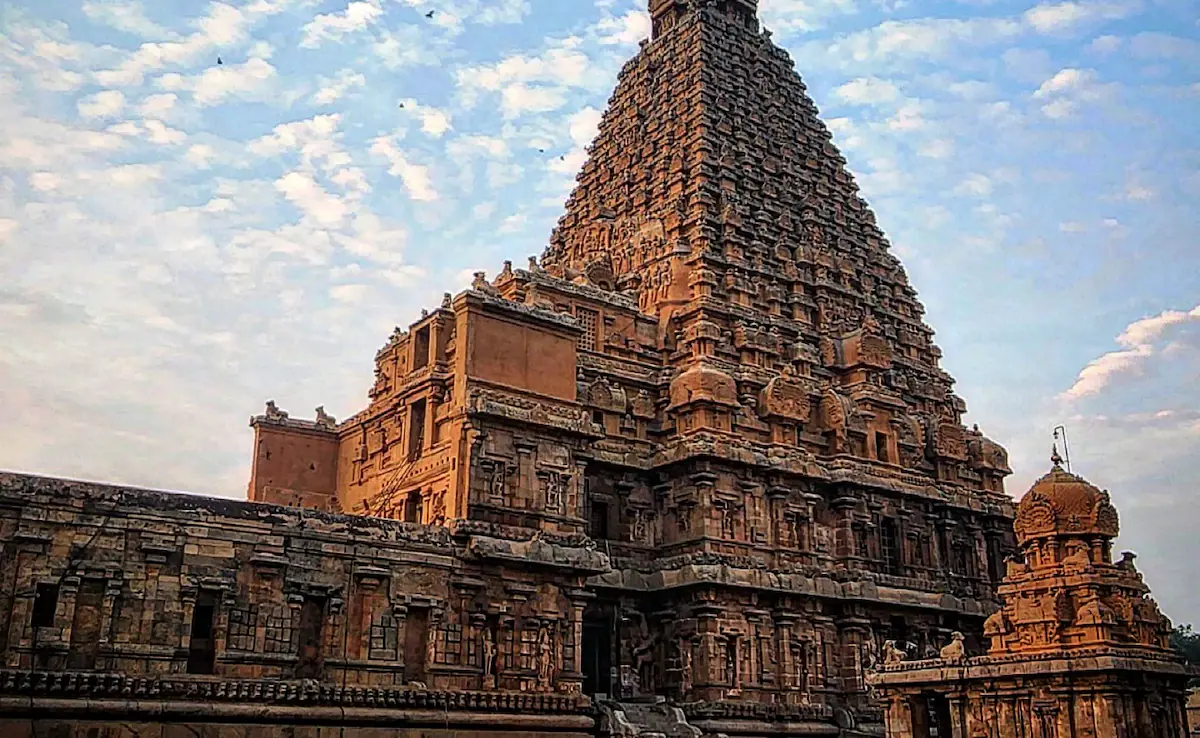
Places to Visit in Thanjavur in One Day: Smart Route & Timings
Optimize your one-day Thanjavur itinerary with timed route blocks, heritage priorities, and practical transport and meal planning tips.
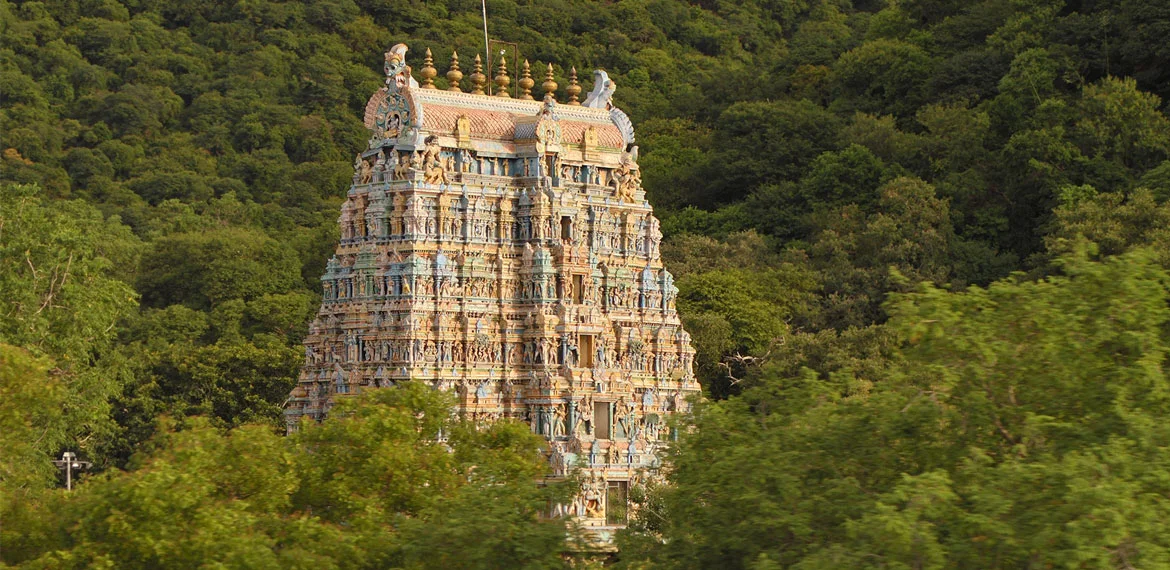
Alagar Koil Madurai Guide: Timings, Route, Tips
Visit Alagar Koil Madurai with practical guidance on darshan timings, route planning, nearby temple pairing, and respectful on-ground travel tips.
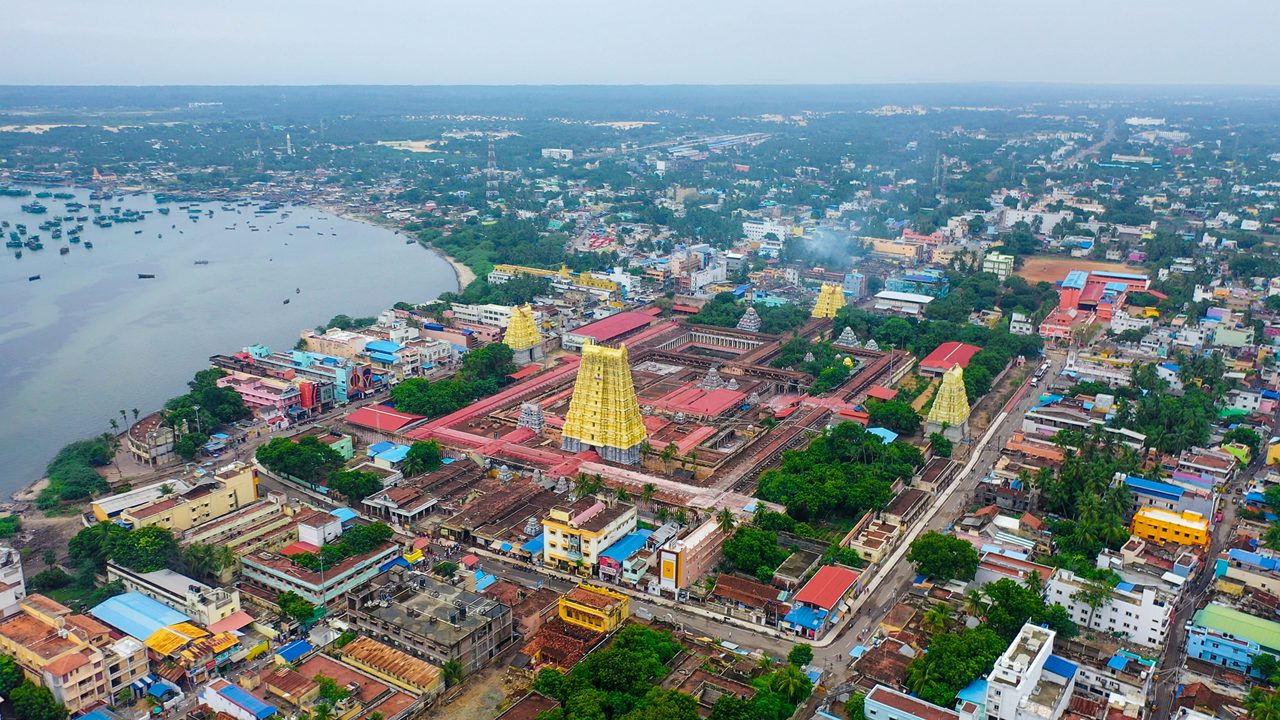
Best Time to Visit Rameshwaram: Climate, Pilgrimage Season & Temple Crowds
Find the best time to visit Rameshwaram with season-wise weather, temple darshan planning, and coastal travel tips.
Never Miss an Adventure
Get the latest trekking guides, travel tips, and exclusive offers delivered straight to your inbox.
