
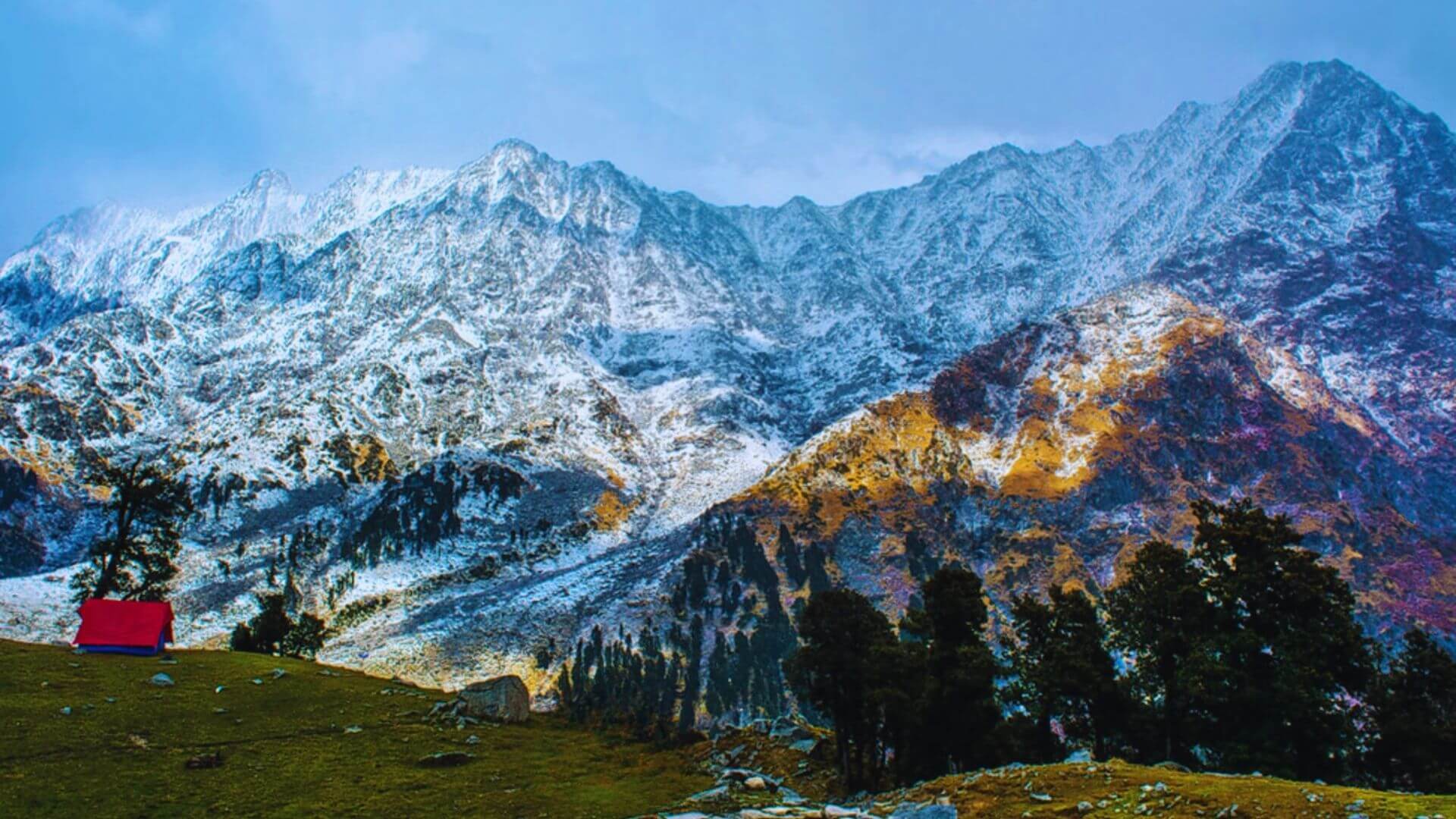
Places to Visit in Kangra Himachal: Valley Views, Temples & Forts
Rahul Garg
January 5, 2026
Explore top places to visit in Kangra Himachal including Kangra Fort, temple circuits, Tibetan cultural zones, tea gardens, and scenic trekking routes.
Introduction: Why Kangra Valley Is a Complete Himachal Circuit
If you are searching for places to visit in kangra himachal, you are planning for one of Himachal Pradesh's most layered travel regions. Kangra Valley combines medieval fort heritage, major Hindu temples, Tibetan Buddhist culture, mountain viewpoints, tea landscapes, and trekking access points within a relatively connected route network. Unlike destinations focused on only one theme, Kangra works for spiritual travelers, history lovers, photographers, and weekend explorers from North India.
The valley's strongest advantage is variety without constant long relocation. You can begin with Kangra Fort and temple circuits, move toward Dharamshala-McLeodganj cultural zones, then add tea gardens, local markets, and treks in the same itinerary. This makes it ideal for 3 to 5 day travel plans where you want both sightseeing depth and mountain atmosphere.
This guide covers Kangra sightseeing by themes, practical planning windows, and route logic so your trip remains scenic, structured, and efficient.
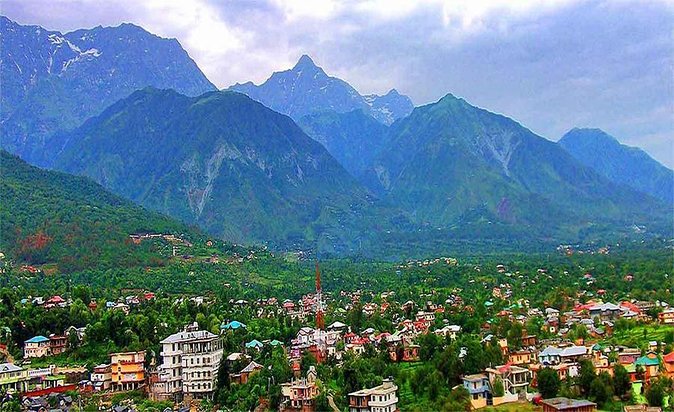
Quick Snapshot: Top Places in Kangra Valley
| Place Type | Top Picks | Ideal Duration |
|---|---|---|
| Forts and history | Kangra Fort, Masroor circuit, Nurpur region | Half day to full day |
| Temples and pilgrimage | Bajreshwari, Chamunda, Jwalamukhi, Baijnath | 1 day |
| Tibetan culture | McLeodganj and monastery zones | 1 to 2 days |
| Nature and viewpoints | Dhauladhar views, waterfalls, lake-side drives | 1 day |
| Tea and rural landscape | Kangra tea garden belt near Palampur | Half day |
| Adventure | Triund-side trails and valley treks | 1 to 2 days |
1) Forts and Historical Sites
Kangra Fort
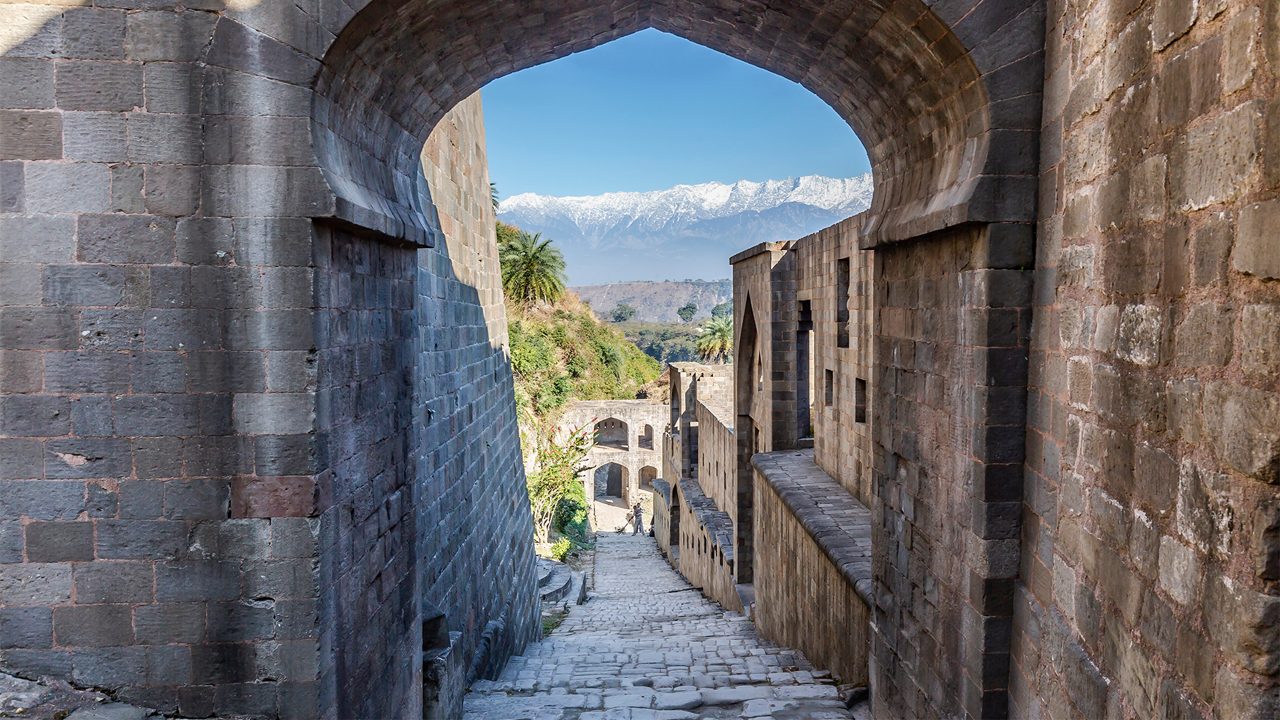
Kangra Fort is the historical anchor of the valley and one of the key reasons the region ranks high in Himachal travel searches. Set above the confluence zone of local rivers, the fort gives strong views and an immersive walk through layers of conflict-era and dynastic history. It has endured invasions, earthquakes, and political shifts, which makes it more than a scenic ruin stop.
Plan at least 1.5 to 2 hours for meaningful exploration. Morning and late afternoon are best for weather and photography. Entry charges and camera policies can vary; confirm onsite before your visit.
Masroor and heritage extensions
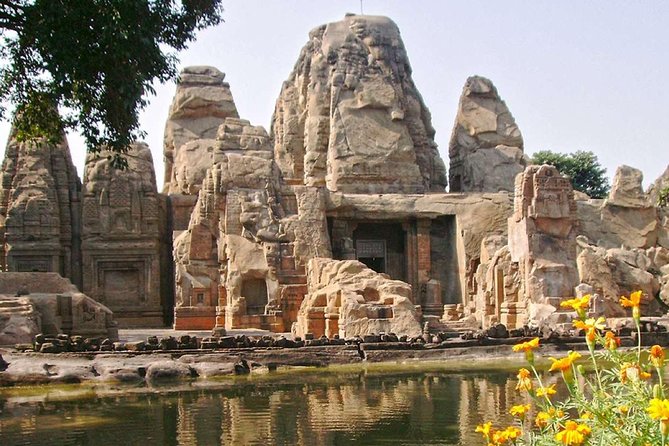
The broader Kangra belt includes important heritage stops like the rock-cut temple complex near Masroor and other smaller fort-linked zones. These work well as add-on stops if you are doing a dedicated history day. Keep travel time buffers because road speeds vary by terrain and season.
2) Temples and Spiritual Centers
Kangra is one of North India's major temple circuits. The region is spiritually significant for Shakti and Shiva traditions and attracts pilgrims throughout the year, with major spikes during festival seasons.
Important temples in and around Kangra
- Bajreshwari Devi Temple: one of the most visited spiritual centers in the district.
- Chamunda Devi Temple: scenic temple setting with strong devotional footfall.
- Jwalamukhi Temple: famous flame-based shrine tradition.
- Baijnath Temple: historic Shiva temple with architectural value.
Temple route planning should consider crowd windows and local festival calendars. Start early, dress modestly, and avoid overloading too many shrines in one day if you are traveling with seniors or children.
For related regional planning, you can combine this guide with places to visit in Dharamshala and best time to visit Himachal Pradesh.
3) Monasteries and Tibetan Cultural Layer
Any serious Kangra itinerary should include the Tibetan cultural belt centered around McLeodganj and nearby Dharamshala areas. This section of the valley adds a distinct identity through monasteries, prayer spaces, local Tibetan food culture, and community-led market zones.
What to include
- Tsuglagkhang complex and surrounding monastery zones.
- Namgyal-associated spiritual areas and meditation spaces.
- Tibetan market walks for handicrafts and local products.
- Cultural museums and performance spaces depending on schedule.
This part of the valley is best explored slowly on foot. Give at least half a day, or a full day if you want culture plus food plus market exploration. Helpful reads: McLeodganj travel guide and shopping in McLeodganj.
4) Natural Wonders and Scenic Viewpoints
Kangra Valley's visual identity comes from broad green basins backed by the Dhauladhar range. This section is ideal for travelers who want mountain views without committing to very high-altitude circuits.
Top nature experiences
- Dhauladhar-facing sunrise and sunset points.
- Bhagsu-side waterfall and short trail segments near McLeodganj zone.
- Lake and forest-edge drives around the upper valley.
- Ridge viewpoints accessed through short road detours.
For nature photography, winter and post-monsoon often provide clearer visibility. During monsoon, greenery is richer but trail conditions can become slippery and cloud cover can reduce long-range mountain views.
5) Kangra Tea Gardens and Agricultural Character
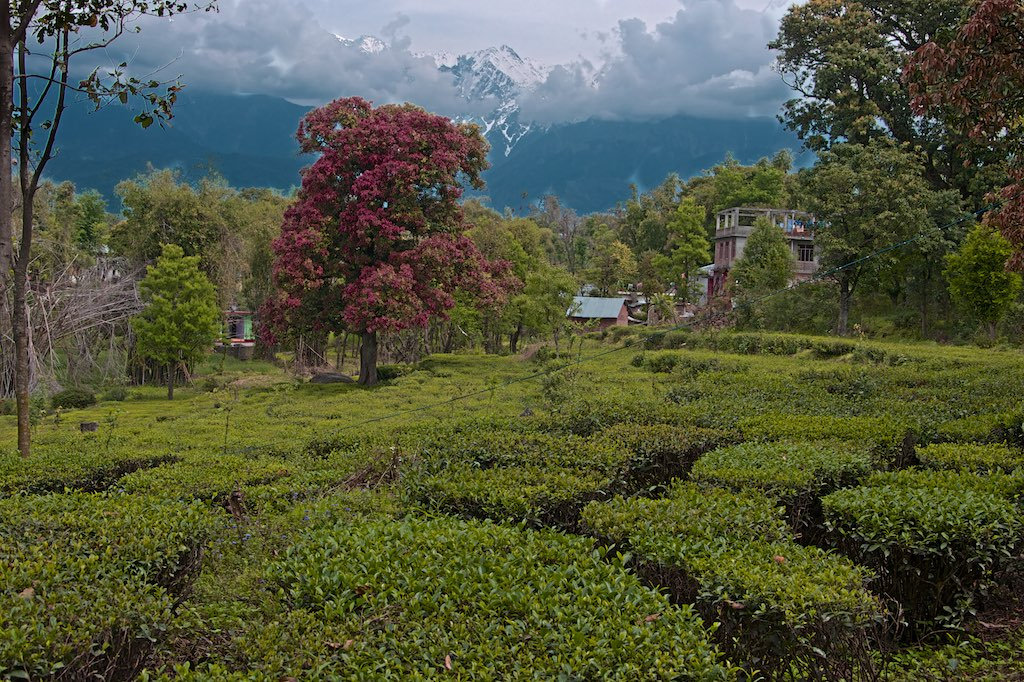
Kangra tea is a distinct part of the valley's travel identity. The tea garden belts around Palampur and nearby zones are excellent for slower half-day plans, especially if you want to balance temple-fort days with low-intensity scenic travel.
Why tea routes matter
- Gentle landscapes suitable for families and couples.
- Good daylight photography with mountain backdrop.
- Tea tasting and estate-side purchase options.
- Opportunity to understand local agricultural culture.
If your itinerary is packed, include at least one tea garden stop on the way between Dharamshala and lower valley areas. It gives a softer pacing break between major attractions.
6) Adventure and Trekking in Kangra Region
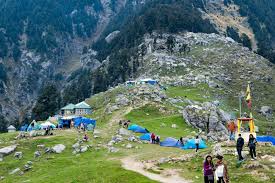
Kangra is also a gateway to multiple trekking options, with routes ranging from easy introductory trails to longer mountain segments. Most short-trip visitors choose beginner to moderate treks and day-hike style experiences.
Popular trekking format
- Triund-side routes (often planned from McLeodganj area).
- Valley ridge hikes for sunrise and panorama photography.
- Camping-oriented weekend trekking with local operators.
Trek choice should match fitness, weather, and time. Always check trail status and avoid independent late starts in unfamiliar mountain zones. You can compare routes using treks in Dharamshala for nearby options.
Suggested 4-Day Kangra Itinerary
| Day | Focus | Plan |
|---|---|---|
| Day 1 | History | Kangra Fort and nearby heritage stops |
| Day 2 | Temples | Bajreshwari-Chamunda-Jwalamukhi/ Baijnath circuit |
| Day 3 | Tibetan culture | Dharamshala-McLeodganj monastery and market zone |
| Day 4 | Nature + tea + trek | Tea gardens, short hike/viewpoint, departure |
If you only have 2 to 3 days, keep one history day, one culture day, and one nature day.
Best Time to Visit Kangra
| Season | Travel Character | Recommendation |
|---|---|---|
| March to June | Pleasant weather and active sightseeing season | Great for mixed itineraries |
| July to September | Lush monsoon landscape with rain interruptions | Scenic but weather-sensitive |
| October to November | Clear skies and comfortable movement | Excellent for views and temple routes |
| December to February | Cold mornings and crisp mountain atmosphere | Good for low-crowd travel |
Peak weekends can be crowded around Dharamshala-McLeodganj belts, so weekday starts improve pace and hotel value.
How to Reach Kangra from Delhi and Other Cities
By air
Gaggal (Kangra) airport serves the region for quick access to Dharamshala-Kangra routes.
By rail
Broader access is usually via major Himachal/Punjab railheads with onward road transfer. Narrow-gauge heritage segments are also part of some scenic plans.
By road
Road travel from Delhi, Chandigarh, and Punjab corridors is common. Journey time varies with season, highway conditions, and hill traffic windows.
Local movement tips
- Keep one base (Dharamshala/McLeodganj or lower Kangra) to reduce hotel hopping.
- Use private cabs for temple-fort multi-stop days.
- Avoid late-night mountain transfers in monsoon or dense fog windows.
Where to Stay in Kangra Valley
Your stay location changes the entire trip experience. If you want monastery access, cafes, and Tibetan culture, choose McLeodganj or upper Dharamshala. If you prefer a quieter valley pace with easier temple day trips, base yourself in lower Kangra or Palampur-side areas. For short trips, avoid switching hotels every night; one base with day excursions saves both time and energy.
| Stay Base | Best For | Watch Out For |
|---|---|---|
| McLeodganj | Tibetan culture, cafes, short treks | Traffic and parking pressure in peak season |
| Dharamshala | Balanced access, broader hotel range | Inter-zone travel time during weekend traffic |
| Palampur belt | Tea gardens and relaxed valley pace | Longer access for upper Kangra sightseeing |
Food, Local Markets, and Trip Budget
Kangra routes become more memorable when you include local food and market time rather than only monuments and viewpoints. Try one temple-town meal, one Tibetan cafe stop, and one tea-estate tasting session for a balanced experience. Keep cash for smaller local purchases and roadside stops where digital payment may be inconsistent in remote belts.
For budget planning, divide expenses into transport, stay, food, and attraction tickets. Peak weekends and festival periods can raise hotel prices significantly, so advance booking matters. Shared local transport works for short links, but private cab planning usually gives better efficiency for multi-stop valley days.
Common Planning Mistakes to Avoid
- Trying to cover temples, fort, McLeodganj, and trek in one day.
- Ignoring hill-drive time between attractions.
- Skipping weather checks before trek days.
- Not pre-booking stays in peak holiday periods.
- Treating Kangra only as a stopover and missing tea/nature sections.
Conclusion
Kangra Valley is one of Himachal's most complete travel regions for visitors who want history, spirituality, culture, and mountain scenery in one route. The best places to visit in kangra himachal include Kangra Fort, temple circuits, Tibetan cultural areas near McLeodganj, tea landscapes, and trek-friendly viewpoints.
Plan by themes, not random pins. With a structured 3 to 5 day itinerary, Kangra becomes deeper, calmer, and far more memorable than a rushed transit stop.
Location
Frequently Asked Questions
Q1.How many days are needed for Kangra Valley?
Q2.What is the best time to visit Kangra?
Q3.Is Kangra worth visiting?
Q4.What is Kangra Fort famous for?
Q5.Which temples should I visit in Kangra?
Q6.How far is Dharamshala from Kangra?
Q7.How can I reach Kangra from Delhi?
Q8.Is Kangra safe for tourists?
Recommended For You
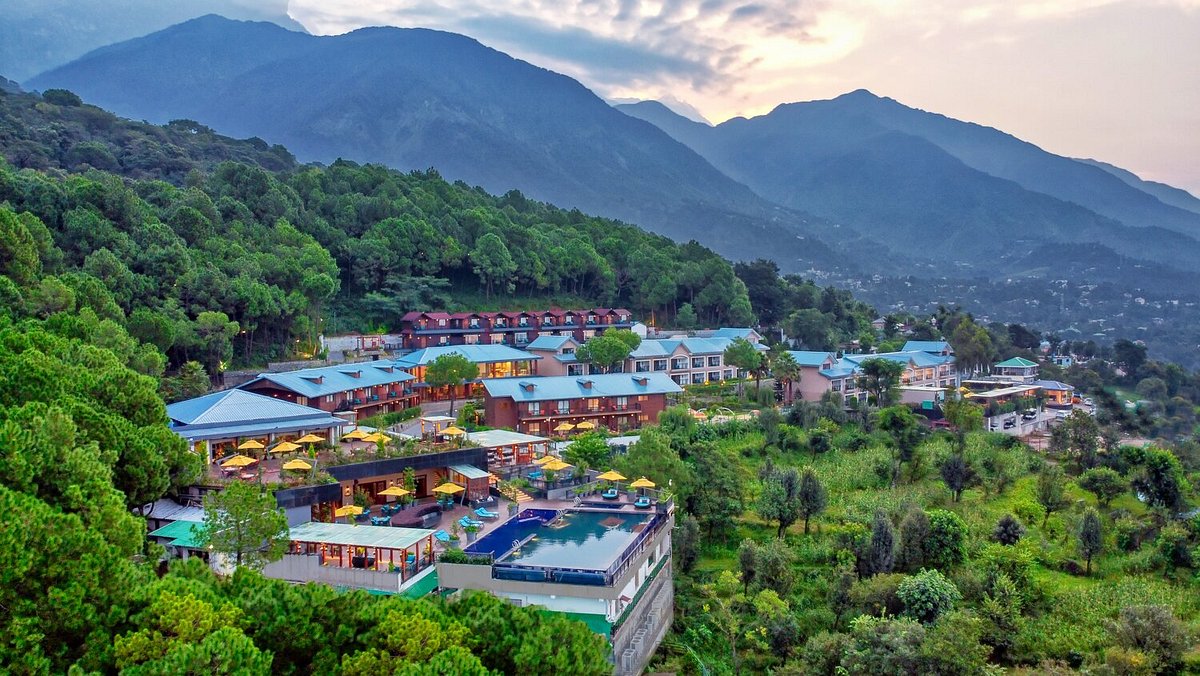
Best Hotels in Dharamshala: Area-Wise Picks, Budget to Luxury
Find the best hotels and resorts in Dharamshala with area-wise stay advice, budget planning, and practical booking checks.
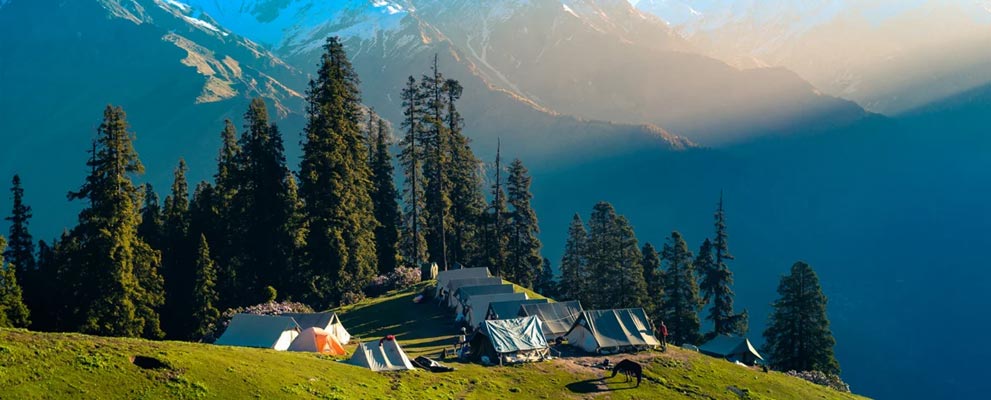
Best Time to Visit Himachal Pradesh: Season-Wise Guide by Region
Find the best time to visit Himachal Pradesh with season-wise guidance for families, snow trips, road journeys, and trekking routes.
Treks in Dharamshala: Top Trails, Distance & Best Time
Top treks in Dharamshala - Triund, Kareri Lake, Indrahar Pass. Trail details, difficulty, best season & preparation tips.
Never Miss an Adventure
Get the latest trekking guides, travel tips, and exclusive offers delivered straight to your inbox.
