
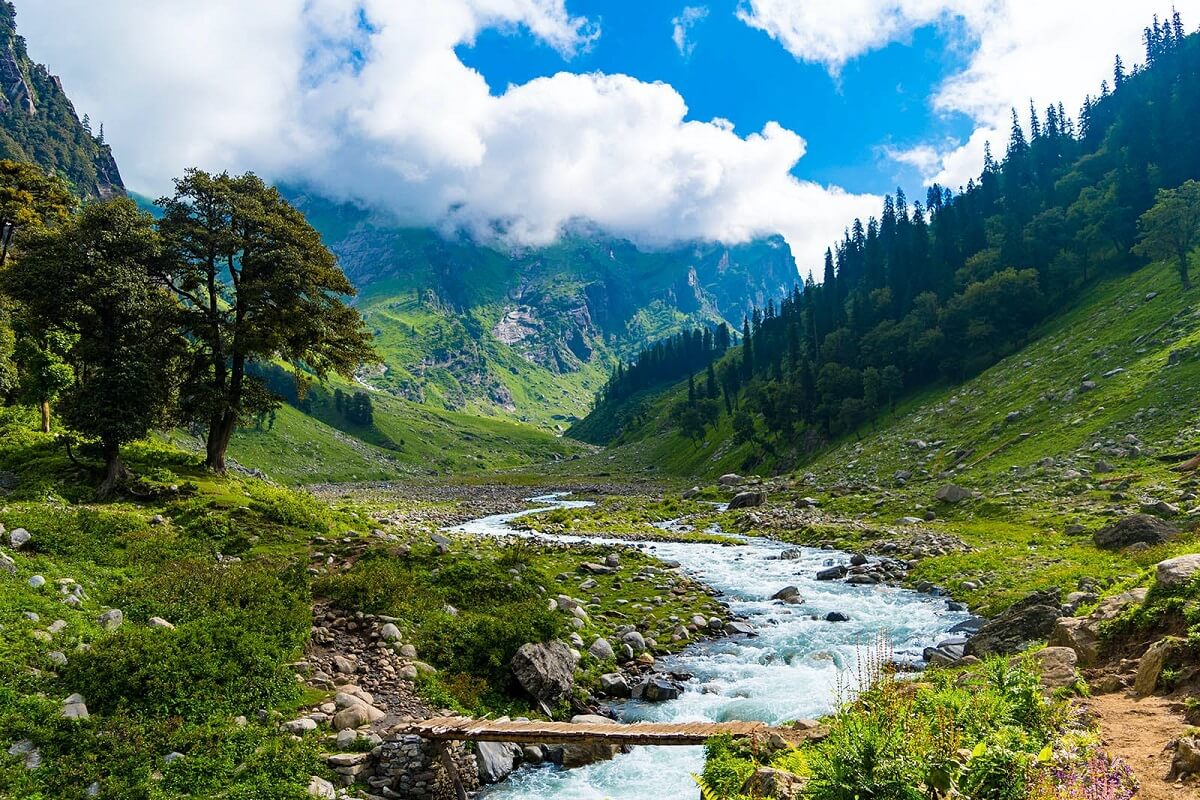
Valleys in Himachal Pradesh: Top Picks, Routes & Best Season

Ananya Sharma
November 13, 2025
Compare the most famous valleys in Himachal Pradesh with practical route planning, season guidance, and travel tips for Kullu, Spiti, Kangra, Parvati, and beyond.
Introduction: Why Himachal's Valleys Feel Like Different Worlds
Himachal Pradesh is often described as one destination, but in practice it is a collection of very different valleys, each with its own climate, culture, landscape, and travel rhythm. In one state you can move from lush river valleys with orchards and temples to high-altitude cold desert terrain with monasteries and moon-like mountains. This diversity is what makes valley tourism in Himachal so rewarding.
For first-time visitors, the challenge is not finding beautiful places, but choosing the right valley for your travel style. Some valleys are ideal for relaxed family holidays, some for road trips and adventure sports, and others for slow, immersive mountain travel. Route logic matters too: altitude gain, road conditions, season windows, and local events can change your experience dramatically.
This guide breaks down the most important valleys in Himachal Pradesh with practical planning details. You will find what each valley is known for, best visit periods, how difficult it is to access, and what kind of trip it suits best. If you want to plan smarter and avoid rushed mountain itineraries, start with these valley profiles.
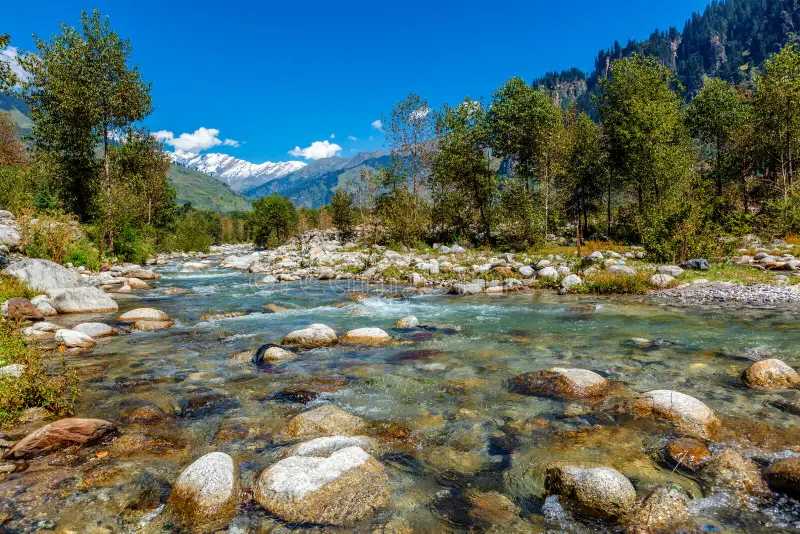
Major Valleys in Himachal at a Glance
| Valley | Landscape Type | Best For | Typical Season |
|---|---|---|---|
| Kullu Valley | Green river valley | Family trips, adventure + comfort | April-June, Sept-Oct |
| Spiti Valley | High-altitude cold desert | Road trips, monasteries, raw landscapes | June-October |
| Kangra Valley | Tea and heritage valley | Culture, temples, easy access travel | March-June, Sept-Nov |
| Parvati Valley | Forest-river mountain valley | Trekking, backpacking, village stays | April-June, Sept-Nov |
| Kinnaur Valley | Orchards + high mountain roads | Scenic drives, mixed culture routes | May-October |
| Lahaul Valley | Open high-altitude terrain | Remote road journeys, adventure | June-September |
| Chamba Valley | Heritage mountain valley | Architecture, local culture, slower trips | March-June, Sept-Nov |
The table helps with first-level selection, but final planning should be based on your group profile, road confidence, and available days.
Kullu Valley: The Most Accessible Multi-Experience Valley
Kullu Valley is often called the Valley of Gods and remains one of the most practical valleys in Himachal for first-time mountain travelers. It combines river landscapes, temple heritage, adventure activities, and a wide range of stays from budget to premium. The Beas river corridor keeps the route dynamic, and nearby hubs like Manali make planning straightforward.
What works best here is flexibility. You can design a relaxed itinerary with short drives and viewpoints, or add activities like rafting, short treks, and local village visits. Kullu also connects well to neighboring areas, so it can be used as a base for broader Himachal circuits.
Key add-ons in and around this valley include places to visit in Manali, Manali travel guide, Solang Valley, and Vashisht hot water springs. These routes help you balance nature, activity, and downtime.
If you are traveling with mixed-age family members, Kullu is usually the safest first valley choice because road infrastructure and service availability are relatively better than remote high-altitude circuits.
Spiti Valley: High-Altitude Desert and Monastery Circuit
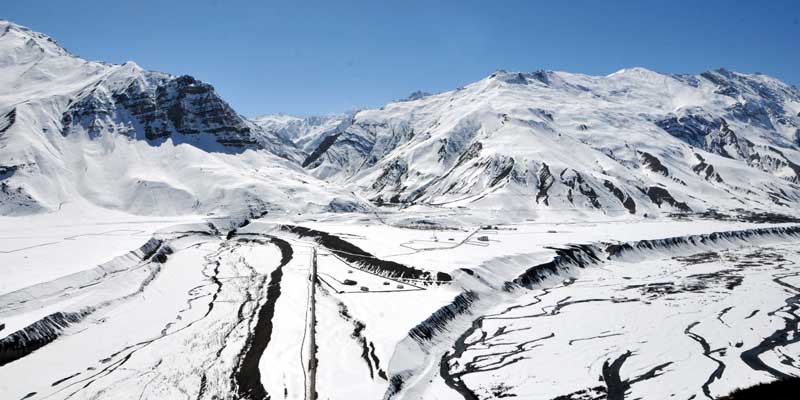
Spiti Valley is the most dramatic contrast in Himachal's valley system. Unlike green lower valleys, Spiti is stark, wide, and mineral-toned, with high-altitude villages, ancient monasteries, and long road sections through exposed terrain. It is often the top pick for photographers, overland road trippers, and travelers seeking raw mountain scale.
Spiti travel requires planning discipline. Altitude, weather windows, and road conditions matter more here than in most other valleys. A rushed itinerary usually leads to fatigue and poor acclimatization. Most successful trips keep buffer days and gradual altitude gain.
Essential planning resources include Spiti Valley road trip, how to reach Spiti Valley, best time to visit Spiti Valley, and Key Monastery guide. If you are choosing between routes, compare Manali-side and Shimla-side road logic before final booking decisions.
Spiti is not difficult because of distance alone; it is demanding because every day involves altitude-aware pacing. Go slower than your map suggests.
Kangra Valley: Heritage, Tea Landscapes, and Soft Mountain Travel
Kangra Valley delivers one of the easiest hill experiences in Himachal with strong cultural depth. Compared with high-altitude circuits, Kangra offers gentler gradients, better all-age comfort, and excellent combinations of monasteries, tea estates, and mountain towns.
Dharamshala and Palampur anchors make Kangra ideal for travelers who want mountain scenery without extreme road fatigue. The valley also works for short breaks because connectivity from Punjab and lower Himachal is relatively convenient. For many travelers, Kangra is the best first valley before moving to tougher regions like Spiti or Lahaul.
Use these route extensions for planning depth: places to visit in Dharamshala, things to do in Dharamshala, and offbeat places in Kangra. Adventure travelers can also combine nearby paragliding circuits around Bir in longer itineraries.
Kangra is especially strong for couples and families wanting a scenic, culture-rich Himachal trip without severe altitude stress.
Parvati Valley: Trekking Energy, Riverside Settlements, and Backpacker Culture
Parvati Valley in Kullu district is one of Himachal's most recognized trekking and backpacking zones. The valley corridor from Kasol and Manikaran toward Tosh, Kheerganga-side routes, and nearby villages offers a blend of natural beauty and alternative travel culture.
This valley is best for travelers who enjoy walking-based days, village cafés, and flexible plans rather than heavily curated sightseeing. The Parvati river, pine slopes, and trail-led settlements give the region a distinct vibe compared with structured holiday towns.
Good supporting reads include Kasol travel guide, Pin Parvati Pass trek, and best treks in Kasol. Keep weather and trail conditions in mind, especially during shoulder monsoon periods when sections can become slippery.
Parvati Valley can be peaceful and beautiful, but it rewards responsible behavior. Respect village customs, avoid leaving waste on trekking routes, and prioritize safe group movement after dark.
Kinnaur Valley: Orchard Roads, Cliff Drives, and Cultural Transition Zone
Kinnaur Valley sits on one of Himachal's most scenic and geologically dramatic road systems. It is where orchard belts, steep rock faces, and high ridgelines meet old village clusters and layered cultural influences. The valley is ideal for travelers who enjoy long mountain drives with frequent view halts rather than one fixed base.
Kinnaur typically works best as part of a longer route toward upper Himachal circuits. Many travelers include Sangla-Chitkul sectors and then continue depending on weather and road status. Because terrain can be unpredictable in specific stretches, flexible planning is important.
If your style is road photography, village stays, and slower mountain mornings, Kinnaur can be one of the most satisfying valleys in Himachal. It feels less commercial than the Kullu-Manali belt while still offering enough infrastructure for comfortable travel.
Lahaul Valley: Open High Roads and Post-Tunnel Accessibility
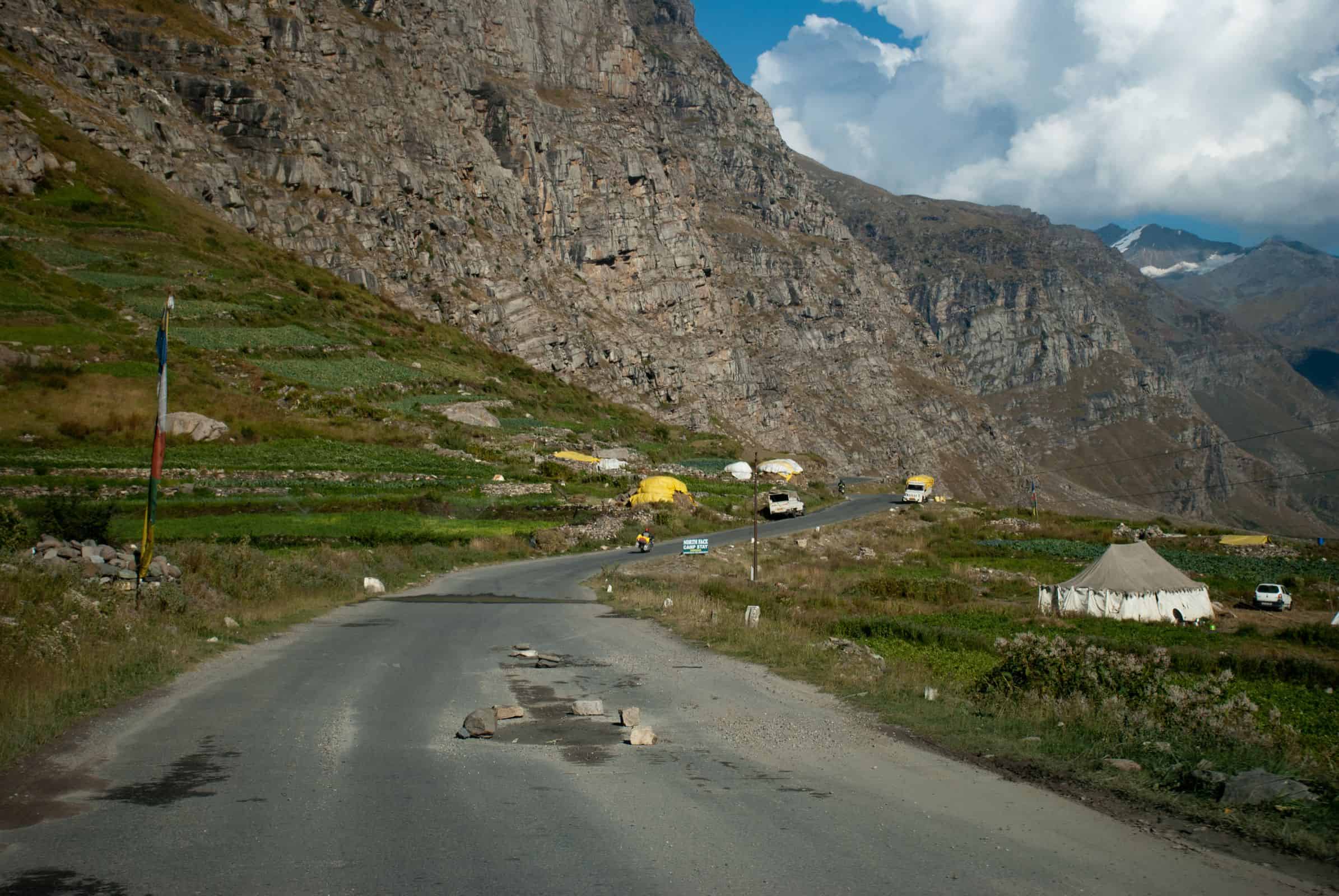
Lahaul Valley has become far more accessible in recent years and now features in many Himachal road itineraries. The landscape is more open and stark than green lower valleys, with broad river corridors, monastery routes, and high mountain passes shaping the travel experience.
The valley suits travelers who like road exploration, remote visual drama, and low-density destinations. While easier to approach now than before, it still demands mountain-road awareness and weather-led decision making. Nights can be cold even in shoulder seasons, and route planning should always include buffer options.
For practical research, use Lahaul Valley guide and monasteries in Lahaul-Spiti to choose stop priorities and pace the journey properly.
Chamba Valley: Heritage, River Landscapes, and Slower Itineraries
Chamba Valley is often underrepresented in mainstream Himachal itineraries, but it offers an excellent combination of mountain heritage, local architecture, and less-crowded travel flow. Instead of high-traffic activity hubs, Chamba rewards slow exploration through townscapes, old temple routes, and surrounding valley drives.
This valley is a strong fit for travelers who prefer cultural depth over adrenaline-heavy schedules. Because it is comparatively quieter, you can spend more time in fewer places and still have a meaningful mountain experience. For route grounding, use Chamba travel guide and build it into a longer western Himachal loop.
Which Valley Should You Choose? Practical Trip-Match Framework
- First Himachal trip with family: Kullu or Kangra.
- Adventure + rugged landscapes: Spiti and Lahaul.
- Backpacking + treks: Parvati Valley.
- Culture-heavy slower travel: Kangra and Chamba.
- Road photography + orchard mountains: Kinnaur.
If you are unsure, start with one comfort valley and one contrast valley in the same trip. Example: Kangra + Spiti, or Kullu + Parvati.
Best Time to Visit Himachal Valleys
Spring to Early Summer (March-June)
Best for Kullu, Kangra, Parvati, and Chamba. Roads are usually stable, temperatures are moderate, and sightseeing windows are longer.
Monsoon (July-August)
Valleys are greener, but landslide risk and road delays increase in many sectors. Best for experienced flexible travelers, not for tight schedules.
Post-Monsoon (September-October)
One of the best windows for clearer mountain views and broad valley coverage. Excellent for road trips and photography.
Winter (November-February)
Good for snow-focused lower-to-mid altitude experiences, but many high routes in Spiti and upper sectors can become difficult or restricted.
How to Plan a Multi-Valley Himachal Tour
Most itinerary problems happen because travelers add too many distant valleys in one trip. Use this practical structure instead:
- 5-6 days: Cover one major valley deeply (Kullu or Kangra) with nearby day loops.
- 7-9 days: Combine two compatible valleys (Kullu + Parvati or Kangra + Chamba).
- 10-14 days: Add a high-altitude circuit (Spiti/Lahaul) with proper acclimatization.
Always keep one buffer day if your route includes remote or high-altitude sectors. For seasonal timing, check best time to visit Himachal Pradesh before final bookings.
Travel Tips for Himachal Valley Routes
- Start drives early; mountain roads become slower after midday traffic and weather shifts.
- Do not copy aggressive social-media itineraries without altitude or route checks.
- Carry layers in every season; temperature swings are common.
- In high valleys, prioritize hydration and gradual ascent.
- Book stays by route logic, not only by hotel rating.
- Support local guides and local businesses for better on-ground insight.
Himachal's valleys are not a checklist. They are ecosystems with different pace requirements. If you travel accordingly, every valley will feel distinct and memorable.
Final Takeaway
The best valleys in Himachal Pradesh are not defined by one universal ranking. They are defined by fit: your season, days, group profile, and altitude comfort. Kullu and Kangra are excellent all-rounders, Parvati is ideal for trail-led travel, and Spiti-Lahaul delivers high-altitude scale for prepared travelers.
Choose fewer valleys, spend deeper time in each, and build your route around realistic road movement. That single shift in planning is what turns a tiring mountain dash into a genuinely rewarding Himachal valley journey.
Location
Frequently Asked Questions
Q1.How many major valleys are there in Himachal Pradesh?
Q2.Which is the most beautiful valley in Himachal?
Q3.What is the best time to visit valleys in Himachal?
Q4.Which Himachal valley is best for adventure activities?
Q5.Which valley is best for peaceful travel in Himachal?
Q6.Which valley is easiest to access for first-time travelers?
Q7.Can multiple Himachal valleys be covered in one trip?
Q8.How should I plan a Himachal valley tour itinerary?
Recommended For You
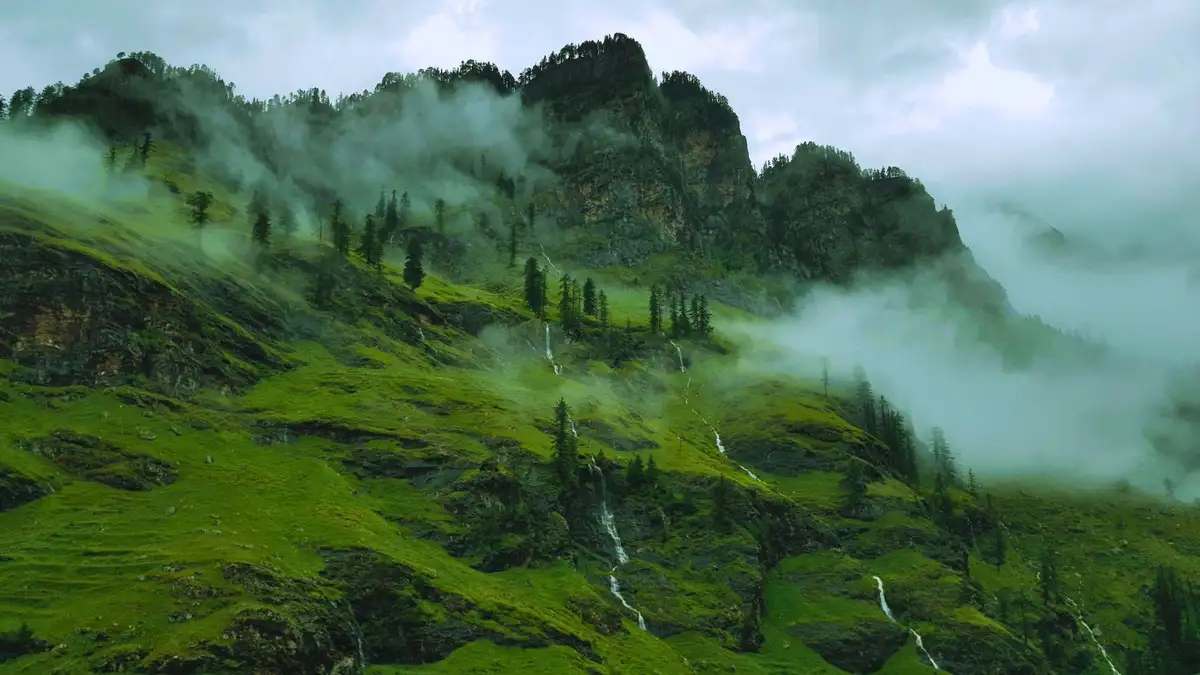
Manali: Complete Travel Plan Places And Weather
Complete Manali travel guide featuring Rohtang Pass, Solang Valley, Hadimba Temple, adventure activities, best time to visit & practical tips.
Lahaul Valley: Best Time To Visit And Attractions
Plan Lahaul Valley with practical route, stay, and seasonal tips for a safer and more rewarding high-altitude trip.
Best Time to Visit Himachal Pradesh: Season-Wise Guide by Region
Find the best time to visit Himachal Pradesh with season-wise guidance for families, snow trips, road journeys, and trekking routes.
Never Miss an Adventure
Get the latest trekking guides, travel tips, and exclusive offers delivered straight to your inbox.
