
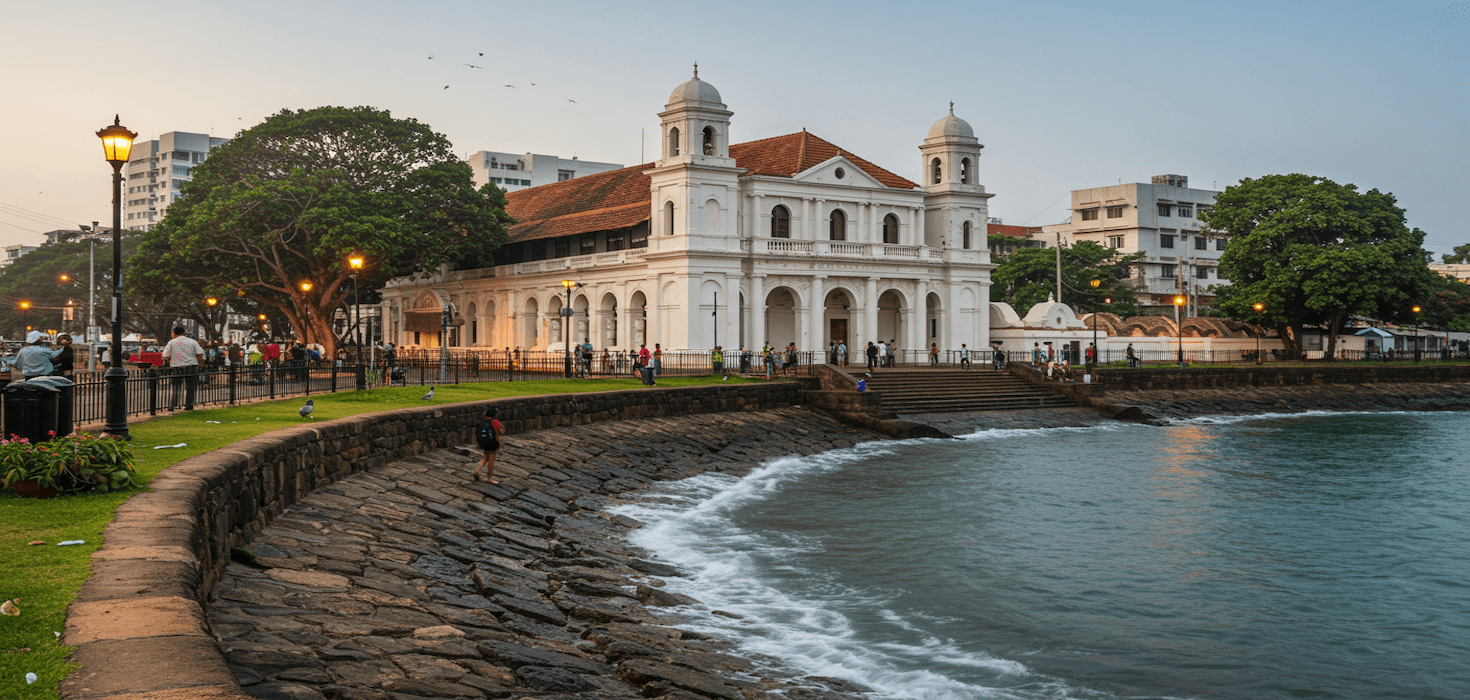
Places to Visit in Mapusa: Markets, Beaches & Local Attractions

Neha Kapoor
February 20, 2026
Places to visit in Mapusa guide with Friday market highlights, local town exploration, nearby beaches, and practical North Goa route planning tips.
Introduction: Why Mapusa Is More Than a Transit Town
Mapusa in North Goa is often treated as a pass-through town between beaches and resorts, but that misses its actual value. It is one of the best places to understand Goan daily commerce, market culture, and local-town rhythm beyond pure beach tourism. If you visit with the right expectations, Mapusa can become a high-value half-day or full-day stop.
The town's strongest pull is its market ecosystem, especially Friday market activity, but it also works as a practical base for nearby beaches and heritage points. This makes it ideal for travelers who want shopping, local food, and short-distance sightseeing in one connected loop.
This guide covers top places to visit in Mapusa, Friday market planning, nearby attractions, travel timings, and route tips. You can pair this with Mapusa Friday Market, Anjuna Beach, and Vagator Beach for a complete north-Goa day.
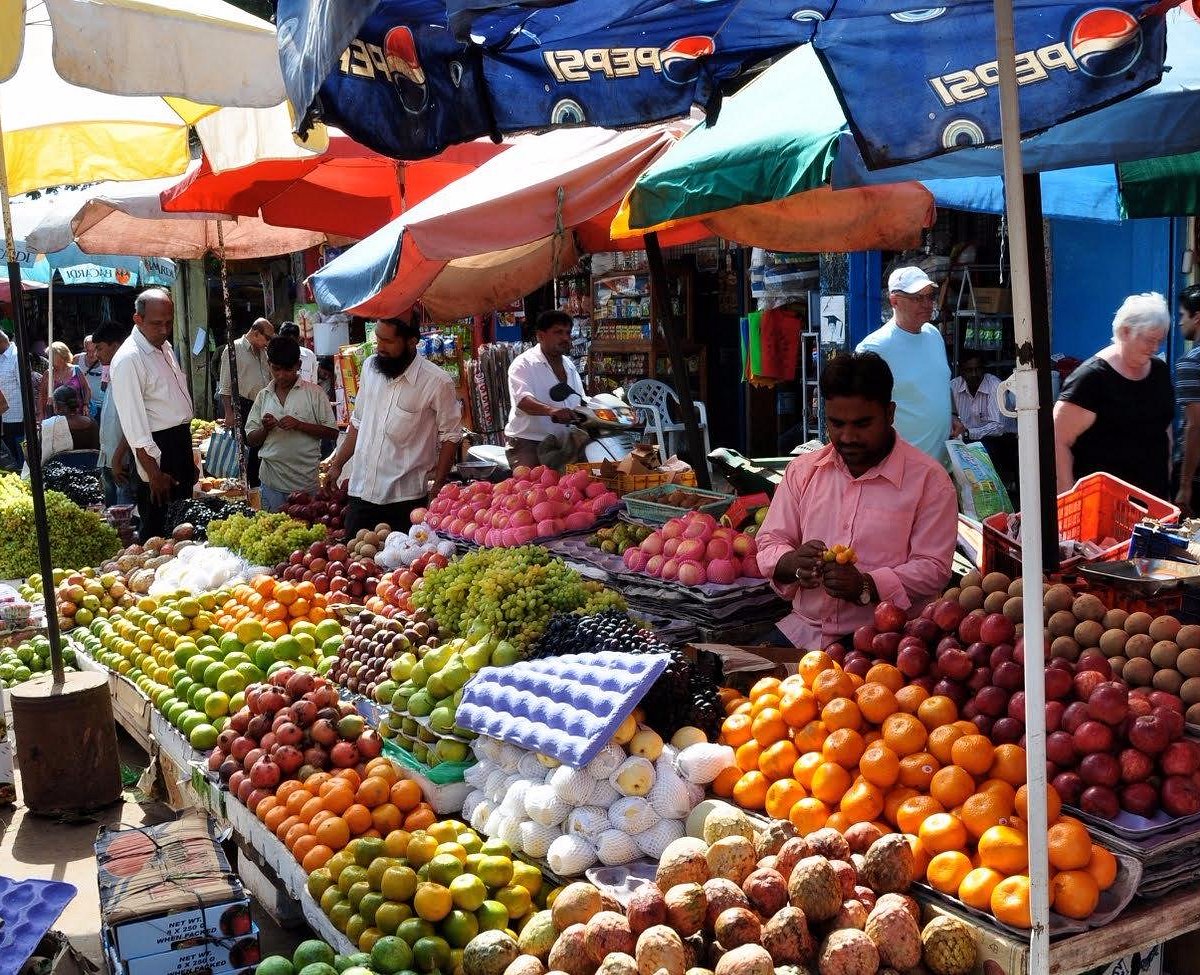
Mapusa Friday Market
The Friday market is Mapusa's most famous attraction and one of the best places to experience local buying culture. It includes food products, spices, clothing, daily goods, and tourist-focused items in a dense, high-energy setup.
How to experience it well
- Arrive early for smoother movement.
- Do one full scan round before buying.
- Carry mixed cash and use digital payment where available.
- Prioritize local products over generic tourist imports.
If market exploration is your primary goal, allocate at least 2 to 3 hours.
Mapusa Municipal and Local Market Areas
Beyond Friday specialty activity, daily market sections provide a look at regular town life and practical shopping behavior. These areas are useful for travelers who prefer local texture over curated tourist zones.
You can find fresh produce, routine household items, and region-specific food products depending on season and supply cycle. This is where Mapusa feels most authentic.
Church and Heritage Stopovers in Mapusa
Mapusa also has smaller heritage and church points that add cultural depth to a market-heavy itinerary. These stops are usually short but valuable for understanding local historical layering.
- Use short church/heritage visits as pacing breaks between market and beach transitions.
- Respect dress and behavior norms in active religious spaces.
Nearby Places to Combine from Mapusa
| Nearby Stop | Distance Logic | Best For |
|---|---|---|
| Anjuna | Easy north-Goa extension | Beach + market day balance |
| Vagator | Good post-Mapusa scenic move | Sunset and coastal views |
| Chapora Fort zone | Popular photo add-on | Viewpoint and history mix |
Mapusa works best as a connector town where market exploration transitions into coastal sightseeing.
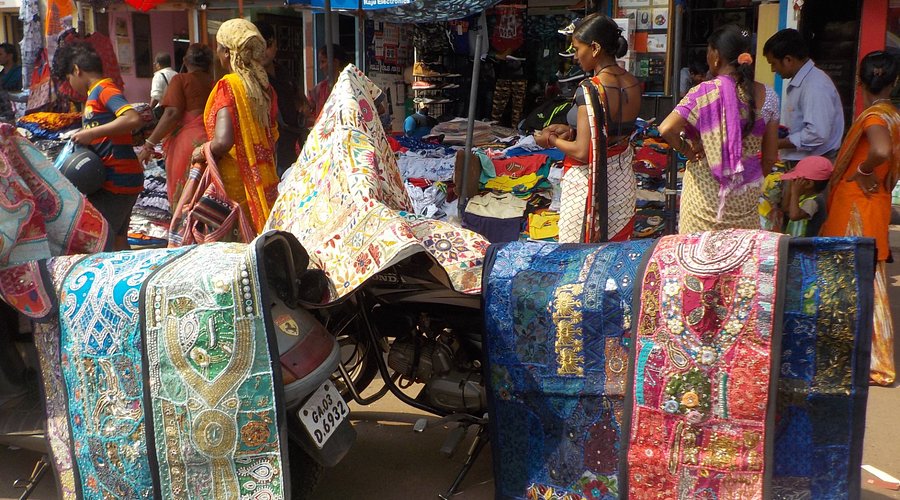
How to Reach and Move Around Mapusa
Mapusa has strong road connectivity to Panjim and key North Goa zones. Local movement can be done by cab, rented scooter, or regional transport depending on your comfort and schedule.
- Plan traffic buffers for market-day movement.
- If doing beach combo, start in Mapusa first then move outward.
- Avoid peak heat-hour walking if carrying purchases.
Best Time to Visit Mapusa
Mapusa can be visited year-round, but market and walking comfort depend on season and humidity. Cooler, drier months are generally easier for extended exploration.
- Best for market walks: mornings and late afternoons.
- Friday is ideal for full market experience.
- Use weekdays for calmer non-market town exploration.
Sample Half-Day Mapusa Plan
- 8:30 AM: Arrive and start with market lanes.
- 10:30 AM: Food/snack break and selective shopping.
- 11:30 AM: Heritage/church quick stop.
- 12:30 PM: Move to Anjuna or Vagator based on day plan.
This structure gives cultural depth without exhausting the day.
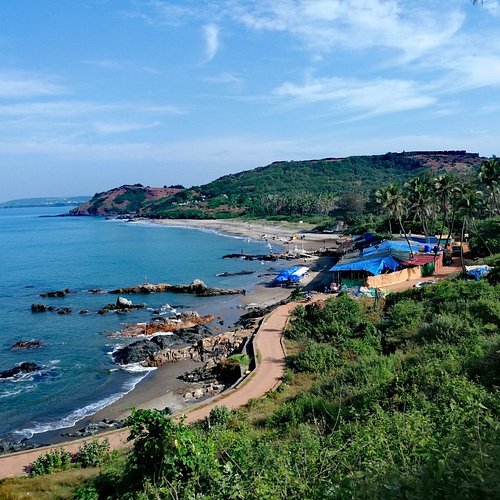
Shopping and Practical Travel Tips
- Carry reusable bags for market purchases.
- Keep hydration and sun protection ready.
- Do not buy fragile items before long scooter rides.
- Keep digital map points saved for parking and pickup.
With basic planning, Mapusa can be one of the most efficient local-culture stops in North Goa.
Mapusa for Different Traveler Types
Mapusa rewards different travel styles in different ways. Budget travelers benefit from market pricing and flexible local transport connectivity. Families benefit from short-distance planning with food and shopping in one zone before moving to beaches. Culture-first travelers benefit most from combining market life, church/heritage stops, and local food trails instead of doing only coastal sightseeing. Understanding your travel type helps you decide how long to stay and where to spend most time.
For first-time Goa visitors, Mapusa works as a grounding stop before beach-heavy days. It gives a practical sense of everyday North Goa outside nightlife and resort narratives. This contrast often improves trip balance and memory quality.
Friday Market Deep Strategy
Friday market can overwhelm first-time visitors. Use a three-step strategy. Step one: scouting loop without purchasing. Step two: shortlist and compare quality. Step three: final buys with carrying and transport logic in mind. This method reduces impulse decisions and improves value. Keep one dedicated bag for fragile items and another for routine goods. If you plan to continue to beaches by scooter, avoid large breakable purchases before completing transit.
| Phase | Duration | Goal |
|---|---|---|
| Scout | 30-45 min | Price and category orientation |
| Compare | 45-60 min | Quality and seller confidence check |
| Buy | 45-75 min | Efficient final purchase set |
With this system, Mapusa market becomes efficient and enjoyable rather than chaotic.
Smart Transit and Timing for North Goa Pairing
If you want to combine Mapusa with Anjuna, Vagator, or Chapora, start Mapusa early and move coastward after lunch. This keeps road flow smoother and gives better sunset windows at beach or fort points. Avoid reverse sequencing unless your base location makes it necessary.
Travelers who prioritize route logic over random movement usually cover more with less fatigue in North Goa.
Mapusa as a Base: Smart North Goa Routing
Mapusa works well as a practical base for travelers who want to balance local markets, nearby beaches, and heritage points without constantly changing accommodation. Its road connectivity helps reduce transit fatigue when compared with random cross-region planning in Goa. Instead of focusing only on beach hopping, use Mapusa to structure days by theme: market and food one day, coastline and sunset the next, and village or fort exploration on another.
Morning departures are key for efficient movement, especially in peak season traffic. Keep high-priority stops in the first half of the day and assign flexible, low-stress activities to evening windows. This improves completion rates and keeps the itinerary resilient to delays.
Friday Market Strategy for Better Experience
The Mapusa Friday Market is one of the most practical anchors for local shopping and cultural immersion. To avoid crowd friction, arrive early and walk the market once before buying. First-pass scanning helps compare quality and pricing. Focus purchases on region-linked items such as spices, local produce, small artisanal products, and travel-friendly souvenirs. Keep cash in small denominations for smoother transactions.
Food planning around market time also matters. Eat a light breakfast before entering crowded lanes and carry water to avoid impulse breaks at random stalls. When selecting snacks, prioritize high-turnover outlets with visible hygiene practices.
Combining Beaches with Local Town Stops
Travelers often treat town visits as optional, but combining Mapusa with beaches like Anjuna and Vagator creates a fuller North Goa experience. Use town mornings for shopping or culture, then move to beach zones for afternoon relaxation and sunset views. This structure avoids repetitive beach-only days and adds local context to your trip.
If you are traveling with family or mixed age groups, this split-day model is especially effective. Seniors and children usually handle shorter movement blocks better than long uninterrupted beach days. Alternating environments also keeps energy and interest levels stable through multi-day itineraries.
Budget, Safety, and Seasonal Planning
Mapusa can support budget, mid-range, and premium travelers, but clarity on daily spend prevents surprises. Define transport, meals, and shopping caps each day. For safety, prefer verified transport providers at night, keep valuables secure in crowded zones, and avoid carrying unnecessary cash. During monsoon periods, prioritize indoor-friendly market, cafe, and heritage plans with weather-based flexibility.
The best Mapusa itineraries are not about maximum point coverage. They are about practical sequencing, cultural depth, and consistent travel comfort. With realistic planning, Mapusa becomes more than a transit town and can anchor a high-quality North Goa trip.
Where Mapusa Fits in a 3-Day North Goa Plan
For a three-day North Goa trip, dedicate day one to Mapusa market and nearby local neighborhoods, day two to Anjuna and Vagator coastline, and day three to fort viewpoints plus cafe time. This sequence keeps travel distances practical and prevents repetitive same-zone movement. It also gives a healthy mix of shopping, culture, scenery, and downtime.
Use evening windows for flexible plans such as local dining or short walks rather than fixed long-distance transfers. Night traffic patterns and fatigue can reduce enjoyment when itineraries remain too rigid. A Mapusa-centered plan works best when movement is intentional and each day has a clear priority.
Conclusion
Places to visit in Mapusa are best understood as a combined experience: vibrant markets, practical local-town exploration, and easy access to nearby beaches and viewpoints. It is not a single-attraction destination; it is a connected travel node with strong cultural value.
If you prioritize Friday market timing, realistic movement planning, and nearby add-ons, Mapusa becomes far more rewarding than a quick transit halt. Mapusa also borders Pernem taluka, and our guide to places to visit in Pernem covers the beaches and villages just north of town.
Location
Frequently Asked Questions
Q1.Is Mapusa worth visiting in North Goa?
Q2.What is Mapusa famous for?
Q3.What is the best day to visit Mapusa?
Q4.How much time should I keep for Mapusa sightseeing?
Q5.Can I combine Mapusa with nearby beaches in one day?
Q6.How far is Mapusa from Panjim?
Q7.Is bargaining common in Mapusa market?
Q8.What should I buy in Mapusa Friday market?
Recommended For You
Chapora Fort Goa: Sunset Views, Route & Filming Spot Details
Explore Chapora Fort in North Goa, the iconic 'Dil Chahta Hai' location offering breathtaking sunset views over Vagator Beach and a rich Portuguese-Maratha history.
Anjuna Flea Market Goa: Timings, Bargaining Tips & What to Buy
Shop at Goa's legendary Anjuna Flea Market every Wednesday. Discover handicrafts, jewelry, clothes, bargaining tips, timing & complete guide to Asia's famous hippie market.
Goa in September: 10 Best Places Post-Monsoon
Plan places to visit in Goa in September with post-monsoon waterfalls, flexible beach routes, heritage loops, and practical weather-smart travel tips.
Never Miss an Adventure
Get the latest trekking guides, travel tips, and exclusive offers delivered straight to your inbox.
