
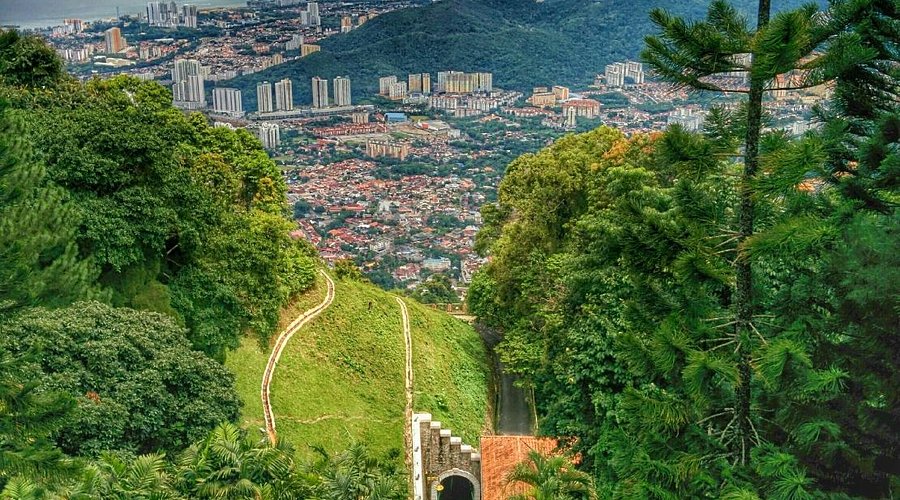
Places to Visit in Penang: Heritage Streets, Beaches & Food Spots

Neha Kapoor
February 20, 2026
Complete guide to places to visit in Penang Malaysia. Discover George Town, temples, beaches, hill station & food.
Introduction: The Pearl of the Orient
Penang, affectionately known as the "Pearl of the Orient," is one of Malaysia's most captivating destinations - a fascinating blend of Malay, Chinese, Indian, and European influences that have created a unique cultural tapestry unlike anywhere else in Southeast Asia. From the UNESCO World Heritage streets of George Town to the pristine beaches of Batu Ferringhi, from the awe-inspiring Kek Lok Si Temple to the verdant heights of Penang Hill, Penang offers an incredible diversity of experiences that appeal to every type of traveler. Whether you're drawn by history, food, nature, beaches, or simply the joy of exploring a vibrant multicultural society, Penang delivers a travel experience that is rich, varied, and endlessly surprising.
What makes Penang truly special is this harmonious multicultural fusion that feels both authentic and uniquely Malaysian. Walking through George Town's heritage streets, you'll pass Chinese clan houses, Hindu temples, Malay mosques, and British colonial buildings all within blocks of each other. The famous street food scene reflects this diversity - Chinese, Malay, Indian, and Peranakan cuisines all celebrated in the hawker centers and street stalls. Penang isn't just a destination to see but to experience - to taste, to wander, to photograph, and to immerse yourself in one of Southeast Asia's most culturally rich regions. For travelers interested in exploring more of Southeast Asia, Singapore offers another fascinating multicultural experience with its own unique heritage. If you're planning to explore Malaysia more broadly, check out our guide to places to visit in Malaysia for comprehensive coverage of the country's diverse attractions.
George Town - UNESCO World Heritage Site
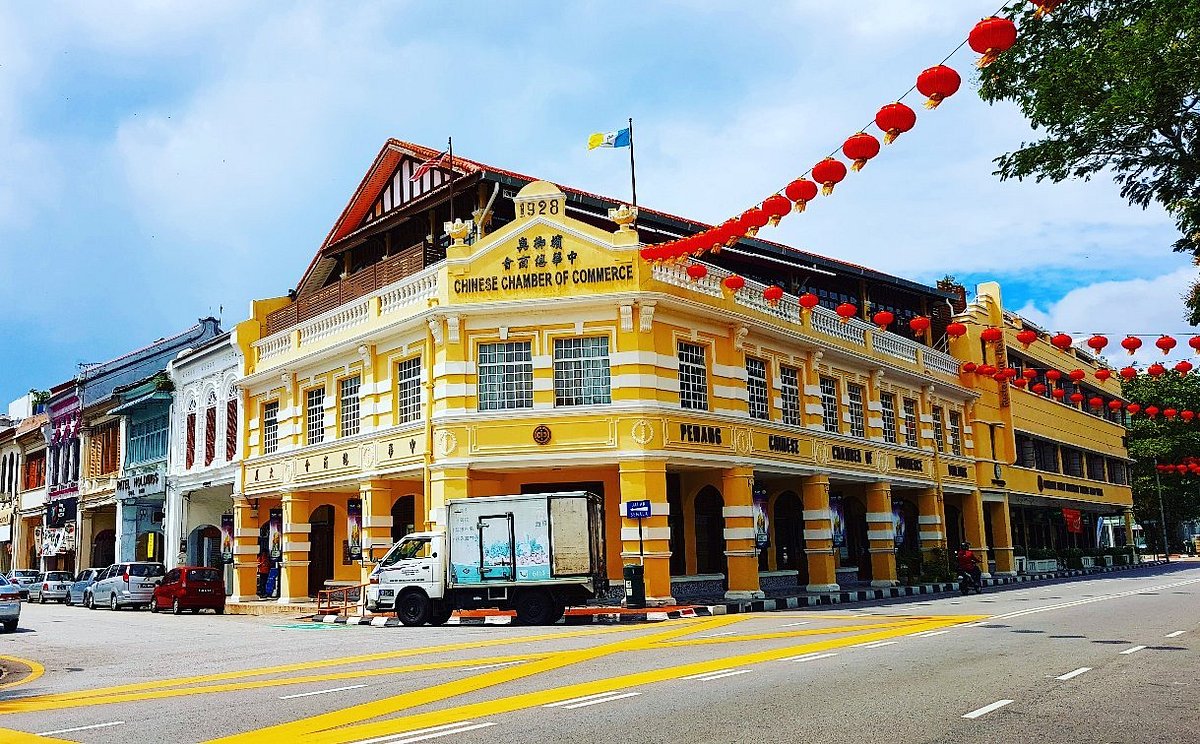
George Town, Penang's capital and Malaysia's second-largest city, is the cultural heart of the island and a UNESCO World Heritage Site.
Heritage Architecture
George Town is famous for its well-preserved colonial and traditional architecture:
- British Colonial Buildings: Government buildings, churches, and civic structures from the British colonial period (1786-1957).
- Chinese Clan Houses: Elaborate clan houses built by Chinese immigrant communities, featuring intricate architecture and cultural significance.
- Shophouses: Traditional shophouses in pastel colors, now housing cafes, boutiques, and galleries.
- Peranakan Townhouses: Beautiful Straits Chinese architecture - a fusion of Chinese, Malay, and European elements.
Street Art
George Town has become famous for its street art:
- Interactive Murals: Murals that invite participation - bicycles to sit on, frames for photos, interactive elements.
- Cultural Themes: Artwork celebrating Penang's multicultural heritage, local traditions, and historical figures.
- Artists: Works by international and local artists, including the famous Lithuanian artist Ernest Zacharevic.
- Wandering Experience: Discovering street art while wandering heritage streets is one of George Town's most enjoyable activities.
Key Attractions in George Town
- Cheb Fatt Tze: Historic Chinese clan house and temple complex, featuring elaborate architecture and cultural significance.
- Kapitan Keling Mosque: Oldest mosque in Penang, built by Indian Muslim traders in 1801, featuring distinctive Islamic architecture.
- St. George's Anglican Church: Oldest Anglican church in Southeast Asia, built in 1818.
- Fort Cornwallis: Historic fort built by the British in the late 18th century, now open-air museum.
- Peranakan Museum: Showcasing Straits Chinese culture, artifacts, and way of life.
- Cheong Fatt Tze Mansion (Blue Mansion): Magnificent 38-room mansion built in 1880s, featuring eclectic architecture.
Temples and Religious Sites
Penang's religious diversity is one of its most compelling features.
Kek Lok Si Temple
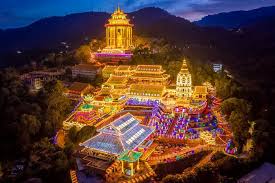
The largest Buddhist temple in Malaysia:
- Scale: Massive complex featuring multiple temples, pagodas, and statues.
- Seven-Tier Pagoda: 30-meter pagoda with 10,000 Buddha statues.
- Guan Yin Statue: 36-meter bronze statue of Guan Yin, Goddess of Mercy.
- Lantern Festival: Extraordinarily beautiful during Chinese New Year with thousands of lanterns.
- Location: Ayer Itam, about 6 km from George Town.
Other Religious Sites
- Dharmikarama Burmese Temple: Unique Burmese-style temple with golden stupa, featuring traditional Burmese architecture.
- Wat Chayamangkalaram Thai Temple: Thai Buddhist temple featuring reclining Buddha statue and intricate decorations.
- Hindu Temples: Several Hindu temples in George Town, including Sri Mahamariamman Temple.
- Mosques: Beautiful mosques including Masjid Kapitan Keling and Masjid Acheh.
Nature and Hill Stations
Penang Hill (Bukit Bendera)
Penang's highest point and beloved hill station:
- Elevation: 833 meters above sea level.
- Funicular Train: Vintage funicular railway built in 1923, still operating to transport visitors up the hill.
- Panoramic Views: Spectacular views of George Town, the channel, and mainland Malaysia.
- Cooler Climate: Significantly cooler than George Town - escape from tropical heat.
- Attractions: Owl Museum, Hindu temple, mosque, nature walks, and food stalls.
- Sunset Views: Prime sunset viewing spot.
Penang National Park
Malaysia's smallest national park but rich in biodiversity:
- Size: 23 square kilometers on the northwest tip of Penang Island.
- Wildlife: Silvered leaf monkeys, flying lemurs, leopard cats, monitor lizards.
- Trails: Several trails including jungle walks to the lighthouse and Monkey Beach.
- Beaches: The park contains secluded beaches accessible only by hiking.
- Facilities: Basic facilities - camping allowed with permit.
Penang Botanic Gardens
Also known as the "Waterfall Garden":
- Age: Established in 1884, making it Malaysia's oldest botanic garden.
- Plants: Century-old trees, rare plants, orchids, cacti.
- Wildlife: Macaques (monkeys), dusky leaf monkeys, giant squirrels.
- Waterfall: Small waterfall accessible by short hike.
- Activities: Jogging, walking, picnicking.
Tropical Spice Garden
Beautiful garden showcasing tropical plants:
- Theme: Spices and herbs used in Malaysian and Peranakan cuisine.
- Exhibits: 500+ plant species with informational displays.
- Experience: Smell and see spices that make Malaysian cuisine famous.
Beaches and Coastal Areas
Batu Ferringhi
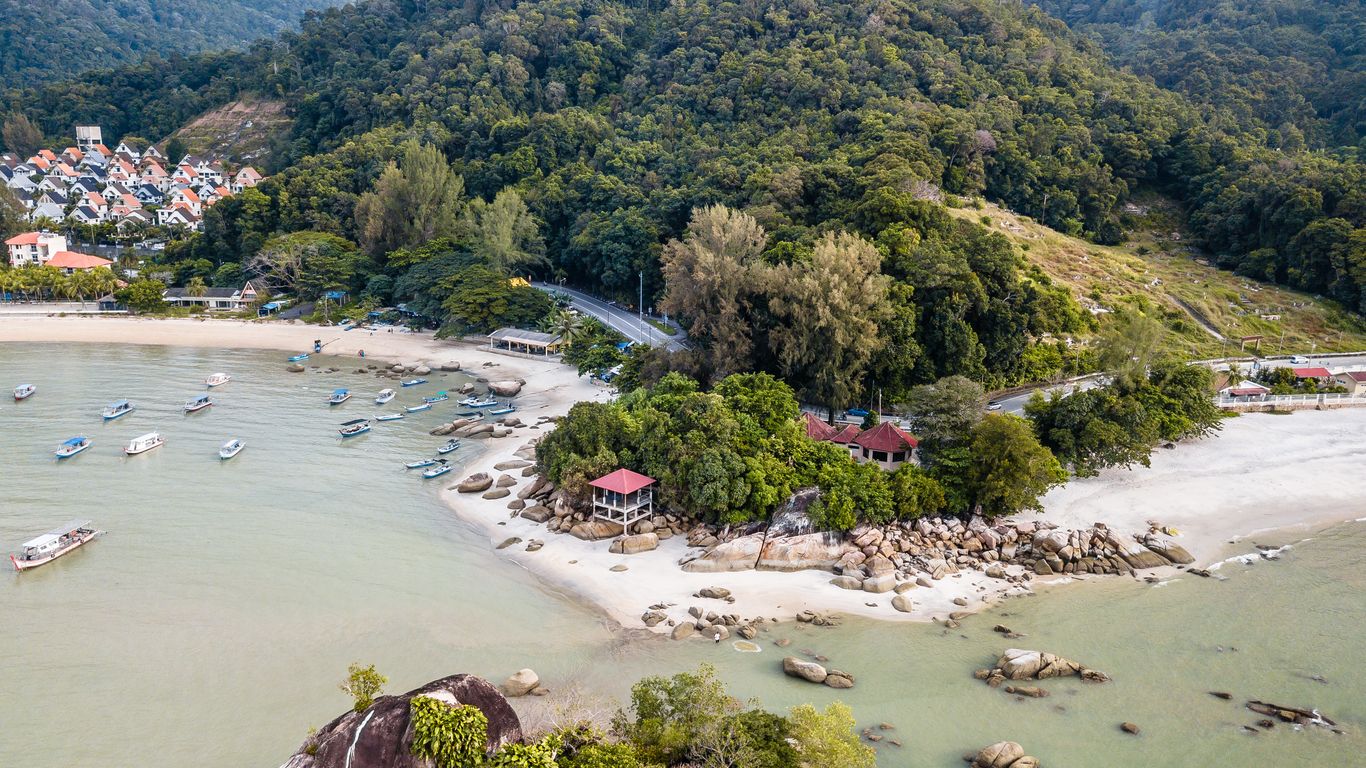
Penang's most popular beach area:
- Beach: Long sandy beach with clear water.
- Water Sports: Surfing, kayaking, jet skiing, parasailing.
- Sunsets: Beautiful sunset views over the Strait of Malacca.
- Night Market: Batu Ferringhi Night Market with crafts, souvenirs, and street food.
- Floating Mosque: Tanjung Bungah Mosque, floating on stilts in the water - iconic photo opportunity.
- Accommodation: Range from budget to luxury resorts.
Tanjung Bungah
- More Local: Less touristy than Batu Ferringhi, more authentic local atmosphere.
- Fishing Village: Working fishing village with traditional fishing boats.
- Accommodation: Budget-friendly homestays and guesthouses.
Teluk Bahang
- Quieter Beach: Smaller, quieter beach with calm water.
- Sunset: Excellent sunset views.
- Fishermen: Traditional fishermen bring in fresh catch - authentic local scene.
Unique Experiences
Chew Jetty
Traditional waterfront village:
- Stilt Houses: Houses built on stilts over the water, creating unique waterfront community.
- History: Settlement of Chinese immigrant communities, maintaining traditional way of life.
- Experience: Walk on wooden boardwalks, see traditional houses, interact with friendly locals.
- Photography: Excellent opportunities for authentic scenes.
Hin Bus Depot
Creative space from converted bus depot:
- Artists: Local artisans selling handmade crafts, artwork, and jewelry.
- Food: Cafe serving local food and beverages.
- Live Music: Regular live music performances (especially Sundays).
- Atmosphere: Hip, creative, and welcoming.
Seven Streets Market
Authentic local food market:
- Cuisine: Penang's famous street food - laksa, char kway teow, oyster omelette.
- Atmosphere: Bustling, authentic, local.
- Experience: Taste genuine Penang food in its natural setting.
Food and Nightlife
New Gurney Drive
Famous food destination:
- Street Food: Extensive hawker center with all Penang specialties.
- Range: From budget hawker food to upscale dining.
- Atmosphere: Bustling, waterfront location with sea breeze.
Gurney Drive Hawker Centre
- Must-Try: Assam Laksa, Char Kway Teow, Pasembur, Rojak.
- Evenings: Best time to visit - most stalls open from late afternoon.
Practical Information
Best Time to Visit
- December-February: Dry season with minimal rain. Chinese New Year (Jan/Feb) is especially vibrant.
- June-August: Possible rain but lush landscapes and fewer crowds.
- Year-Round: Penang has tropical climate - warm and humid throughout year.
Getting Around
- CAT Free Bus: Free bus service covering George Town heritage area.
- Grab and DiDi: Ride-hailing apps - convenient and reasonable prices.
- Taxis: Traditional taxis available - insist on meter.
- Walking: George Town is very walkable for exploring heritage area.
- Rental: Motorbike and bicycle rental popular for exploring.
Accommodation
- George Town Heritage Hotels: Boutique hotels in heritage shophouses.
- Batu Ferringhi Resorts: Range from budget to luxury beach resorts.
- Mid-Range: 3-4 star hotels throughout the island.
- Budget: Hostels, guesthouses, homestays.
Conclusion: A Gem of Southeast Asia
Penang is more than just a travel destination - it's a living museum of cultural fusion, a celebration of diversity, and a testament to how different communities can create something beautiful together. The harmonious blend of Malay, Chinese, Indian, and European influences that defines George Town's streets, the incredible variety of cuisines available in every corner, the spiritual energy of temples representing multiple faiths, and the natural beauty from beaches to hills - all create a destination that offers something new and wonderful around every corner.
What makes Penang special is that it delivers on multiple levels simultaneously. You can explore UNESCO World Heritage architecture in the morning, relax on beautiful beaches in the afternoon, experience spiritual energy of ancient temples at sunset, and savor some of Southeast Asia's best food well into the night. The experiences don't compete with each other but complement each other, creating a travel experience that is both deep and diverse, both relaxing and engaging, both educational and thoroughly enjoyable.
Whether you're a history buff drawn to colonial architecture, a food lover excited about Malaysian cuisine, a nature enthusiast seeking hills and parks, or simply someone who appreciates the energy of multicultural societies, Penang welcomes you with open arms and endless discoveries. In this Pearl of the Orient, every street tells a story, every meal is an adventure, every temple is a wonder, and every day brings new experiences that remind us why travel is one of life's greatest joys. For beach lovers exploring Malaysia, Malaysia's stunning coastline offers beautiful destinations perfect for sun, sand, and sea adventures. Many travelers combine Penang with Langkawi for a two-island Malaysia trip that mixes street food with beach downtime.
Location
Frequently Asked Questions
Q1.What are the top places to visit in Penang?
Q2.How many days should I spend in Penang?
Q3.What is the best time to visit Penang?
Q4.How do I get around Penang?
Q5.Is Penang expensive to visit?
Q6.What food must I try in Penang?
Q7.How do I reach Penang?
Q8.Is Penang family-friendly?
Recommended For You
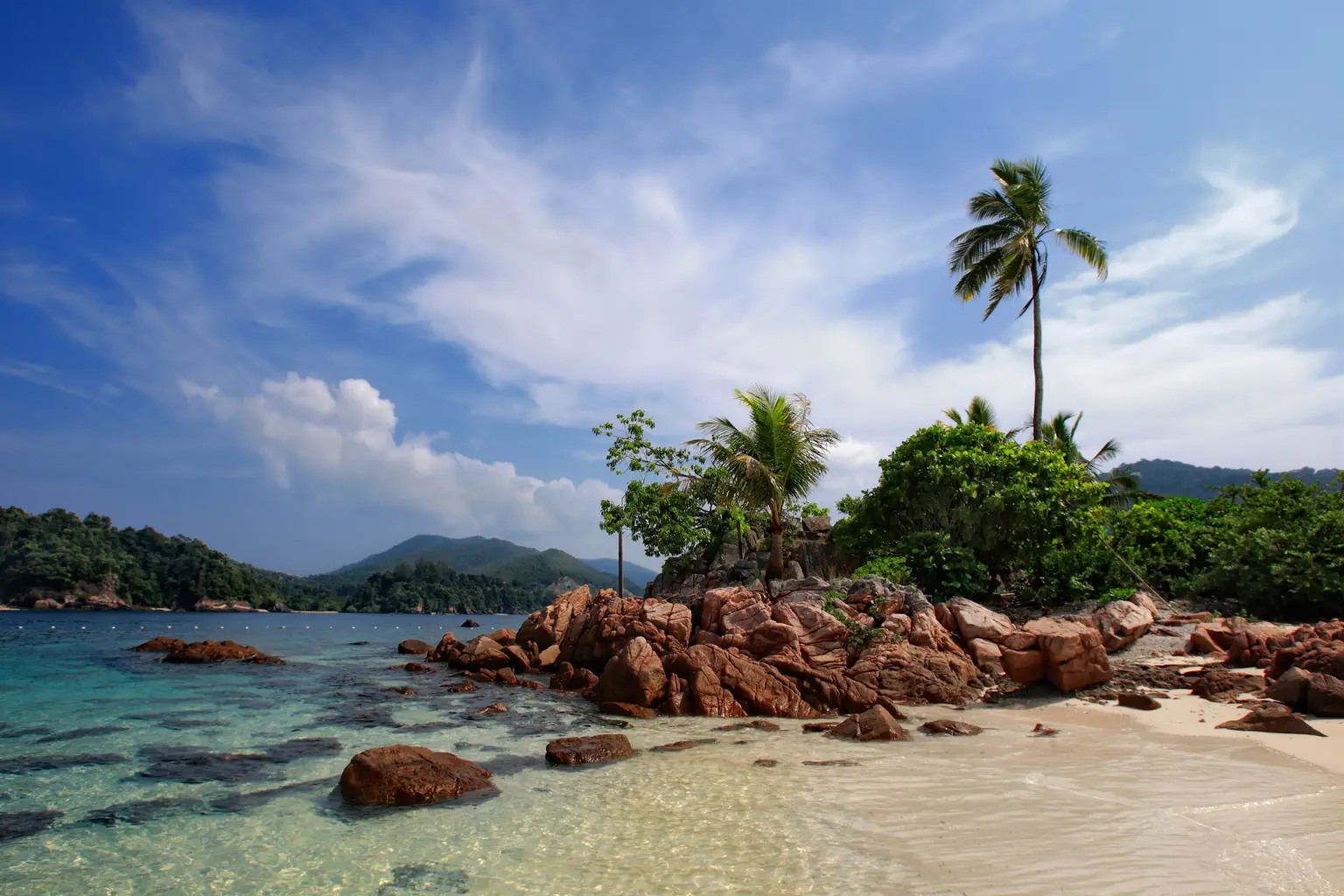
Beaches in Malaysia: Island Picks, Activities & Travel Planning
Discover Malaysia's stunning beaches from Langkawi's luxury shores to Perhentian's pristine coral reefs. Complete guide with best time to visit, activities, and travel tips.
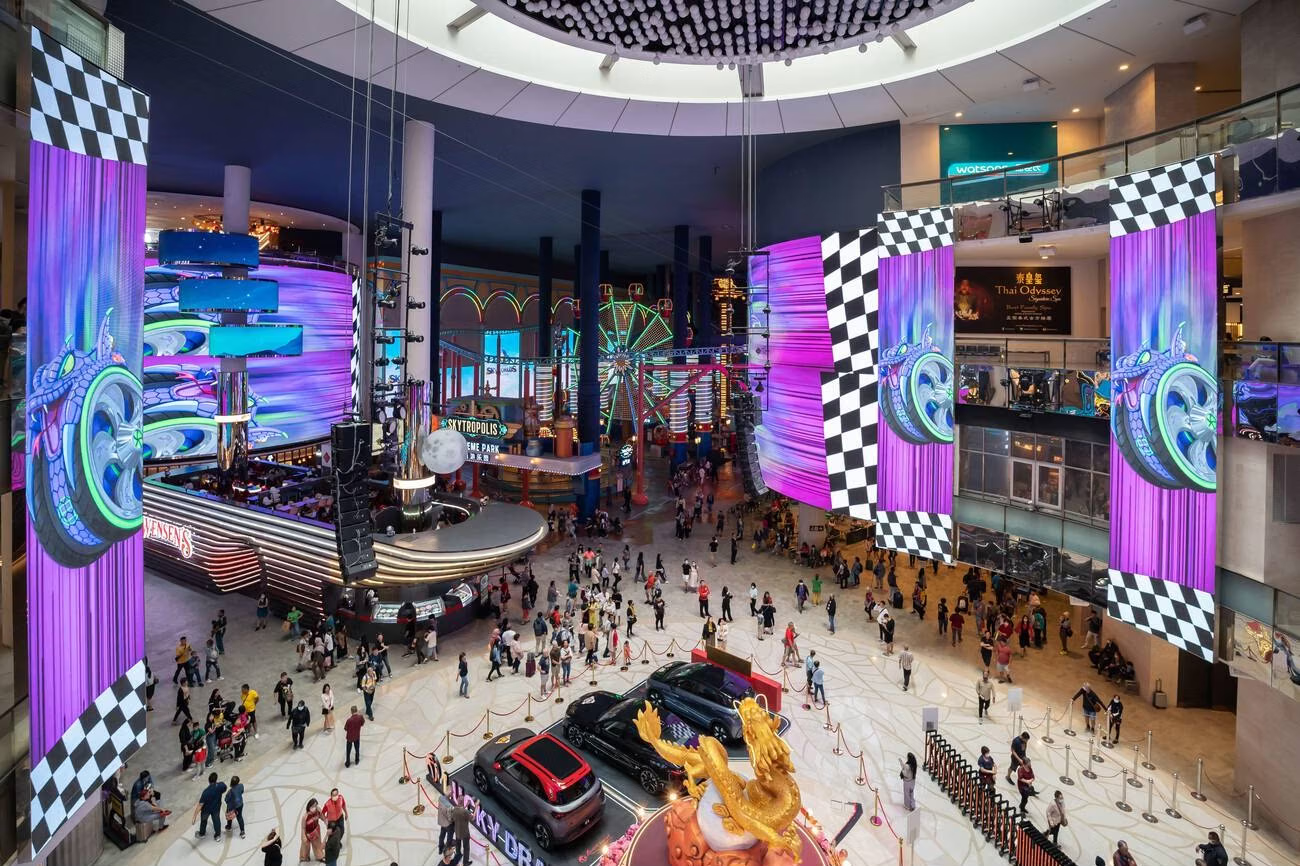
SkyAvenue Shopping Mall Genting Highlands: Complete Guide 2026
Complete SkyAvenue Mall Genting Highlands guide featuring brands, restaurants, tax-free shopping, operating hours, and travel tips for 2026.
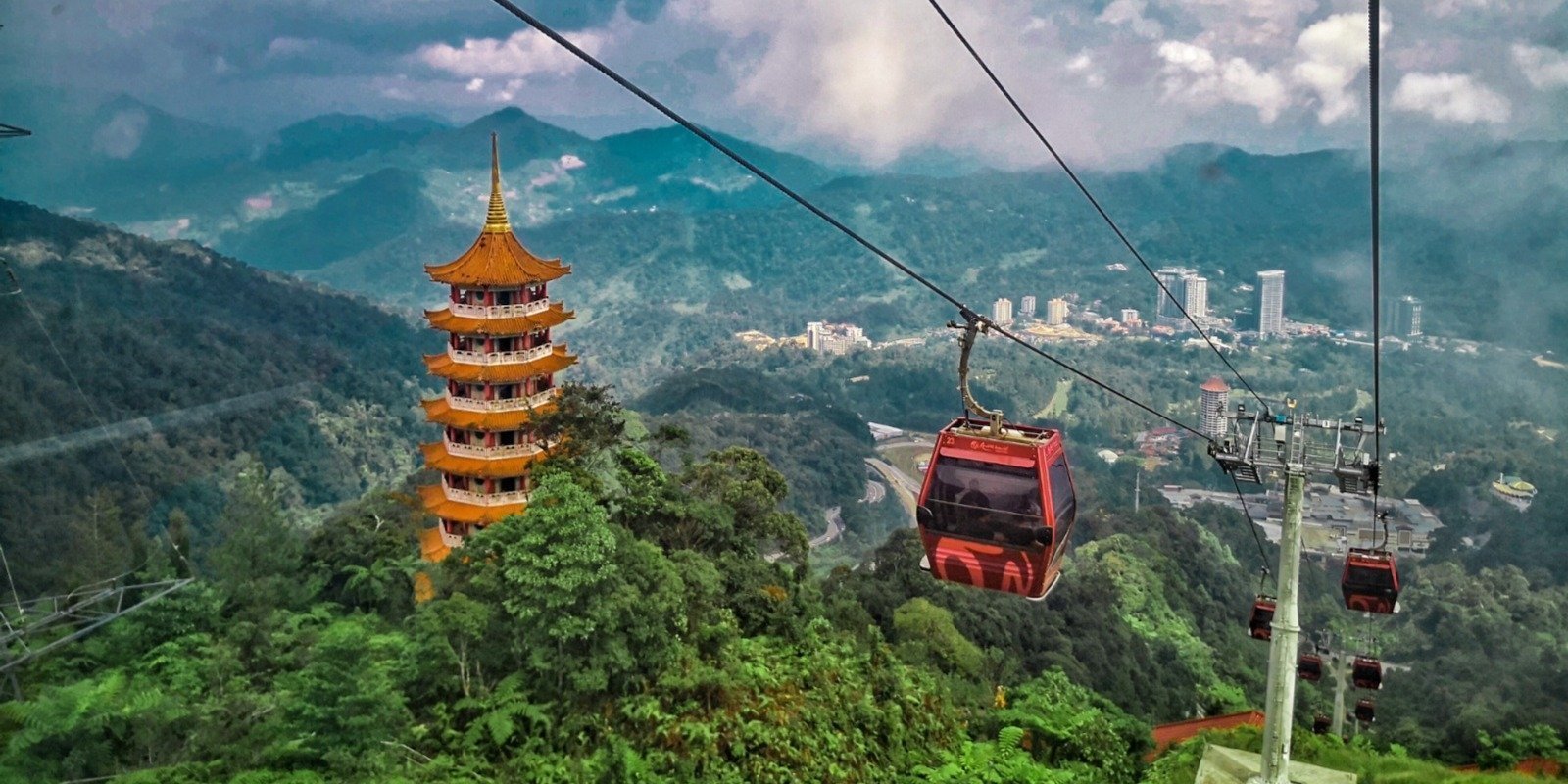
Genting Cable Car: Ticket Price, Timings & Boarding Tips
Ride Genting Cable Car - Malaysia's longest. Complete guide with ticket prices, timings, how to reach from Kuala Lumpur & best experience tips.
Never Miss an Adventure
Get the latest trekking guides, travel tips, and exclusive offers delivered straight to your inbox.
