
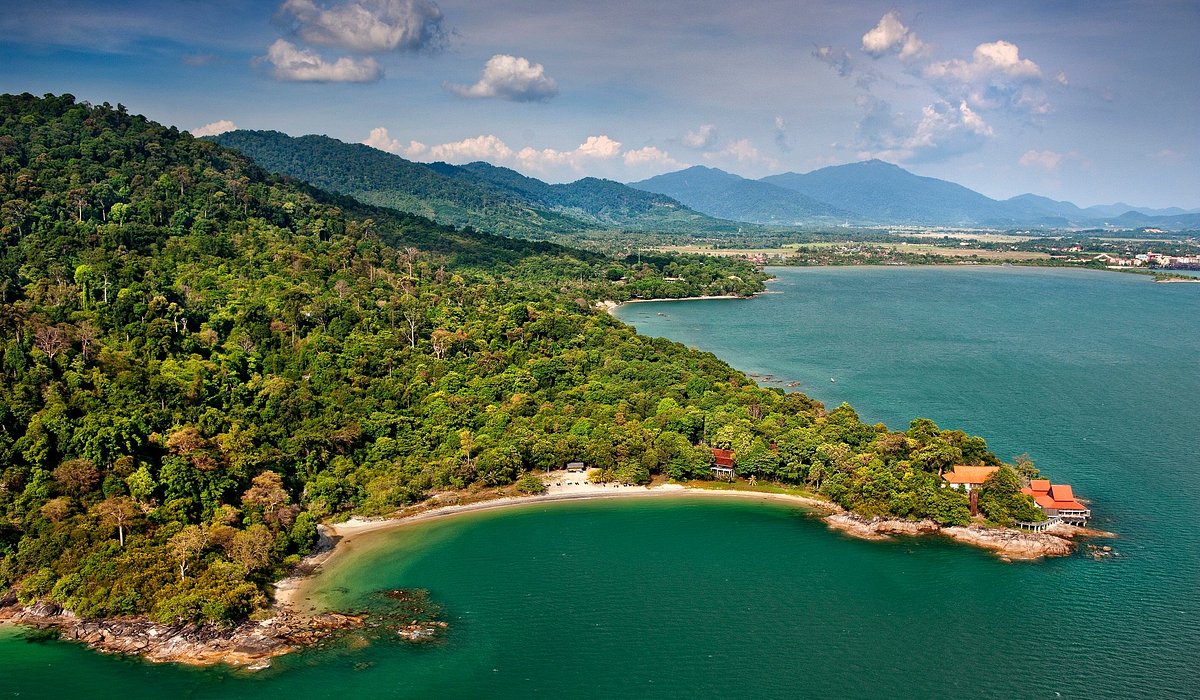
Places to Visit in Malaysia: Cities, Islands & Nature Escapes

Ananya Sharma
December 16, 2025
Discover the best places to visit in Malaysia with a complete guide covering Kuala Lumpur, Langkawi, Penang, Borneo, highlands, itinerary planning, and travel tips.
Introduction: Why Malaysia Works for First-Time and Repeat International Travelers
Malaysia is one of the easiest countries in Southeast Asia to plan for because it combines modern cities, tropical islands, heritage towns, highland escapes, and wildlife-rich rainforest regions in one destination network. If you are searching for places to visit Malaysia, the smartest approach is to plan by region instead of trying to cover everything in one short trip. Peninsular Malaysia and Malaysian Borneo offer very different experiences, so route clarity matters.
For most travelers from India and other Asian markets, Malaysia is attractive due to flight connectivity, broad accommodation choices, food diversity, and practical local transport. Families can combine city and island comfort, couples can build scenic beach-highland plans, and adventure travelers can add Borneo and marine zones for deeper exploration.
This guide covers the best places in Malaysia, when each destination works best, how to sequence a multi-stop itinerary, and key planning details like weather, costs, and entry documentation.
Malaysia at a Glance
| Planning Factor | Quick Insight |
|---|---|
| Ideal first trip length | 7 to 10 days |
| Top destination types | Cities, islands, heritage towns, rainforests, highlands |
| Best for | Families, couples, food travelers, wildlife and diving enthusiasts |
| Main entry hubs | Kuala Lumpur and major international gateways |
| Travel style tip | Pick 3 to 4 regions per trip, not the whole country at once |
1) Kuala Lumpur: Modern Capital with Culture Layers
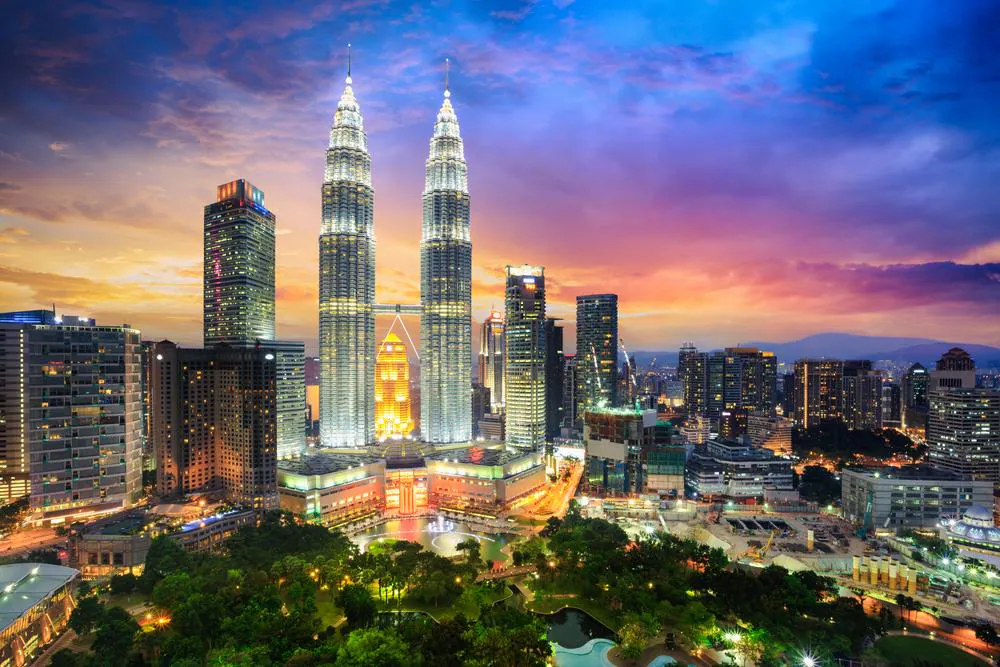
Kuala Lumpur is where most Malaysia itineraries begin. It offers iconic skyline attractions, large shopping districts, street-food zones, and cultural neighborhoods in a compact, transport-friendly city setup. First-time travelers should spend at least 2 full days here before moving to islands or highlands.
What to include in Kuala Lumpur
- Petronas and KLCC zone for skyline experiences.
- Batu Caves and temple circuits for cultural context.
- Bukit Bintang and central markets for shopping and evening energy.
- Food streets for Malaysian multi-ethnic cuisine sampling.
If you are building a city-heavy plan, include temples in Malaysia style routes and market-led evening exploration instead of only mall hopping. You can also check Petronas Twin Towers guide for attraction sequencing.
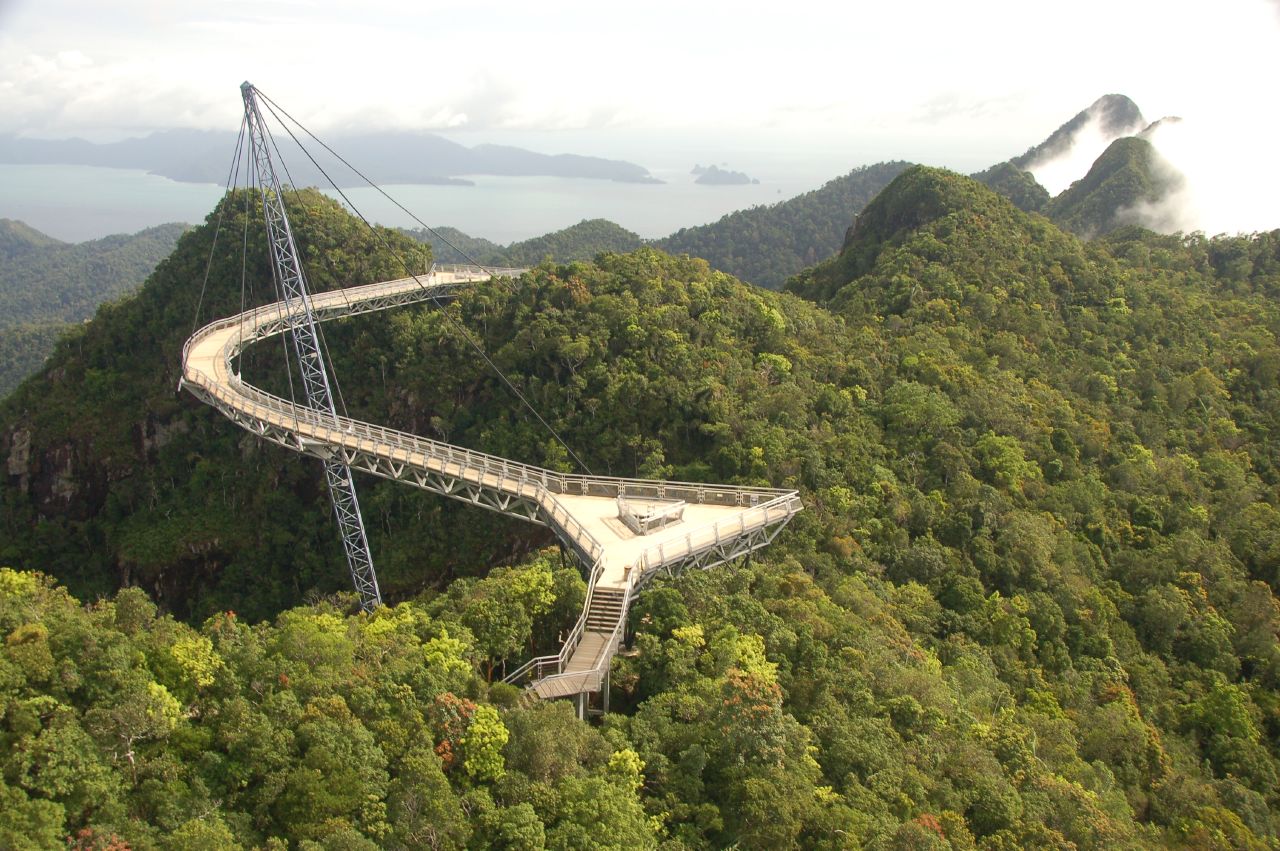
2) Langkawi: Tropical Leisure and Scenic Skybridge Views
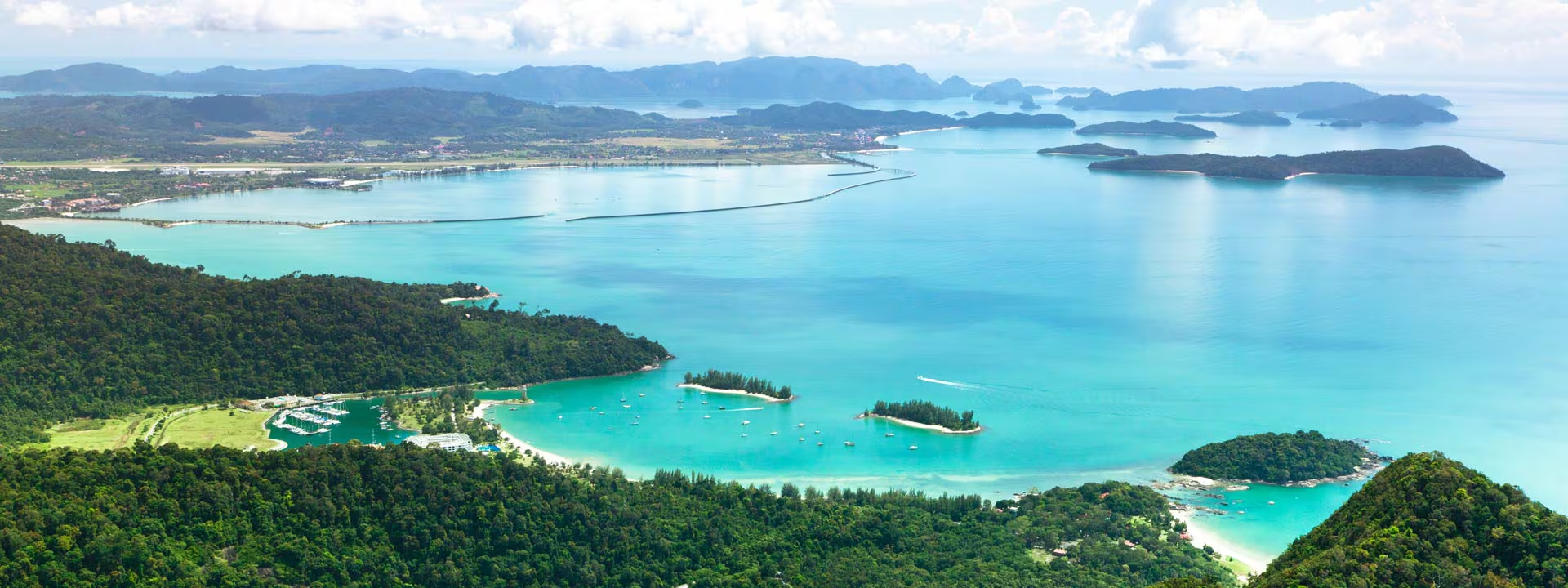
Langkawi is one of Malaysia's easiest island destinations for travelers who want beaches, resort stays, and light adventure. It works well for couples, families, and mixed-age groups because activity intensity can be adjusted easily. You can do beach recovery days, cable car viewpoints, mangrove tours, and short island excursions in a 2 to 3 day stay.
Why Langkawi is a high-value stop
- Good blend of leisure and activity options.
- Strong hotel ecosystem from budget to premium.
- Easy to combine with Kuala Lumpur in one trip.
For destination-level planning, see Langkawi travel guide and Langkawi Sky Bridge.
3) Penang (George Town): Heritage Streets and Food Capital Energy
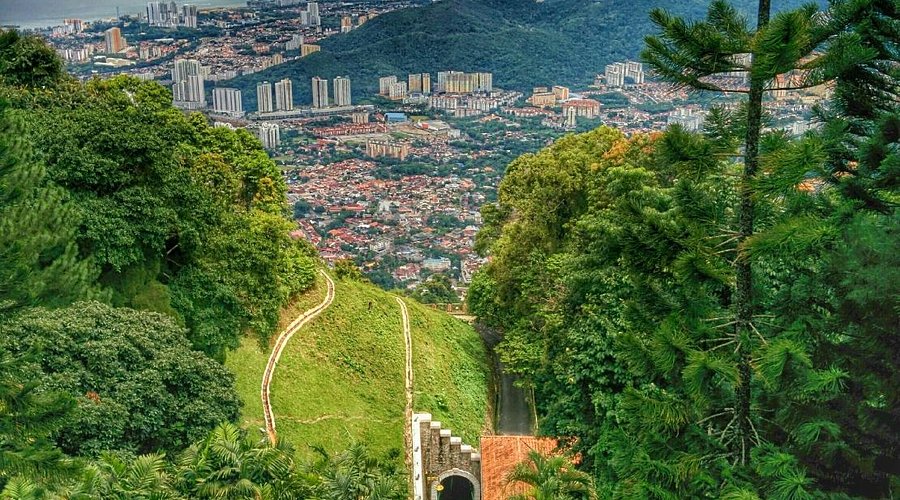
Penang is ideal for travelers who prioritize architecture, food, and culture over resort-only vacations. George Town's heritage lanes, street art, historical shophouses, and cafe clusters create one of the most walkable urban experiences in Malaysia. The city is also excellent for culinary exploration across Malay, Chinese, and Indian influences.
What makes Penang special
- UNESCO-recognized heritage urban character (George Town region).
- One of Southeast Asia's most accessible street-food scenes.
- Strong visual identity for photography and slow city walks.
If your trip is short, choose between Langkawi and Penang based on preference: beach leisure vs heritage-food depth. For planning, use places to visit in Penang.
4) Genting Highlands: Cool-Weather Entertainment Break
Genting Highlands works as a short hill retreat from the Kuala Lumpur region and is popular for entertainment, family attractions, and cooler weather. It is not a pure nature destination; it is more of a leisure-resort and theme-style zone with integrated facilities.
Best use of Genting in itinerary
- Add as a 1-day or overnight extension from KL.
- Pair cable car and indoor entertainment blocks.
- Use as a weather break from city heat and humidity.
For attraction specifics, check SkyAvenue Mall Malaysia and Genting cable car references when planning the sequence.
5) Malaysian Borneo (Sabah and Sarawak): Wildlife and Wild Landscapes
Borneo is the strongest Malaysia region for travelers focused on wildlife, rainforest ecosystems, and adventure-style exploration. It is very different from Peninsular city-island routes. If you include Borneo, allocate dedicated days instead of treating it as a quick add-on.
Why Borneo is worth the extra route planning
- Wildlife-focused experiences not found in urban circuits.
- Rainforest and mountain ecosystems with expedition flavor.
- Strong value for birding, conservation travel, and nature photography.
For safari-style planning, use wildlife safaris in Malaysia. Keep expectations realistic: wildlife sightings are never guaranteed and require patience.

6) Cameron Highlands: Tea Country and Cool Climate
Cameron Highlands is a practical inclusion for travelers who want a cooler, greener segment in an otherwise tropical itinerary. Tea estates, farm visits, local markets, and scenic drives make this region good for both families and couples. It is also useful as a pacing destination between city and coastal legs.
How to plan Cameron Highlands
- Allocate 1 to 2 nights for relaxed movement.
- Focus on tea estates, local produce, and view routes.
- Avoid overloading narrow-road travel on peak weekends.
This destination works best as a comfort-nature stop, not an ultra-fast transit halt.
7) Malacca (Melaka): Historical Layers and Riverfront Walks
Malacca is one of Malaysia's most important historical cities and offers a strong contrast to modern Kuala Lumpur. Its old-town zones, riverfront atmosphere, and layered colonial-era heritage make it an excellent short stay for culture travelers. You can do a focused one-night plan if your schedule is tight, but 2 days gives much better pace.
Why Malacca adds value
- Dense heritage zones with walkable structure.
- Strong local food and market culture.
- Useful history depth in Malaysia's broader story.
Malacca is often best included after KL and before moving toward island or highland sectors.
8) Perhentian Islands: Marine Leisure and Diving Season Focus
The Perhentian Islands are ideal for travelers who want snorkeling, diving, and low-rise beach life away from heavy urban structures. Seasonal timing is critical here because east-coast marine conditions vary significantly across the year.
Who should include Perhentian
- Divers and marine-life enthusiasts.
- Backpackers and slow beach travelers.
- Couples seeking quieter island atmosphere.
Do not add Perhentian blindly to every itinerary. It works best when weather and sea windows align with your travel month.
9) Kota Kinabalu: Gateway to Sabah Adventures
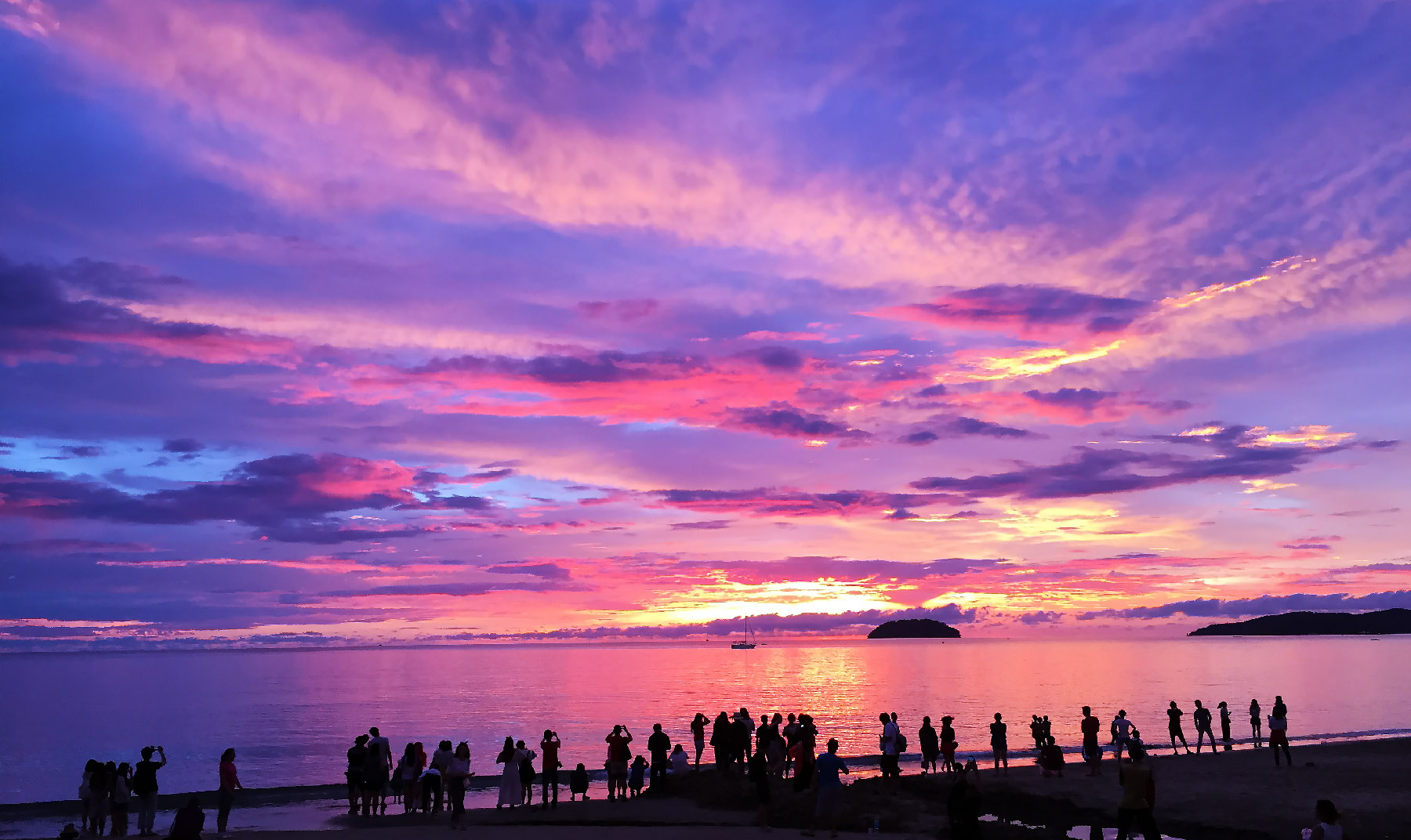
Kota Kinabalu is a key entry point for Sabah exploration and a great destination for travelers who want coastal sunsets plus nature access. It can be a complete destination by itself or a staging hub for broader Borneo routes including mountain, island, and wildlife segments.
Best use of Kota Kinabalu
- 2 to 3 day base for mixed activity plans.
- Combine city comfort with regional adventure outings.
- Use as a transition hub for deeper Sabah circuits.
If your itinerary includes Borneo, Kota Kinabalu is often the most practical place to structure logistics.
10) Bonus Destinations for Repeat Malaysia Travelers
After your first Malaysia trip, you can expand into specialized themes: Taman Negara for rainforest depth, additional island clusters, deeper Sarawak cultural routes, and city-specific shopping or food circuits. Repeat travelers usually get better experiences by slowing down and focusing on one region per trip rather than expanding too quickly.
Best Time to Visit Malaysia by Region
| Region | Favorable Travel Window | Planning Note |
|---|---|---|
| West Coast (KL, Langkawi, Penang) | Generally better from December to April | Works well for first-time city-plus-island plans |
| East Coast Islands (Perhentian side) | Generally better from April to October | Season-sensitive marine activities |
| Borneo (Sabah/Sarawak) | Often better in March to October windows | Wildlife and trekking depend on local weather patterns |
| Highlands | Can be visited year-round with rain buffers | Cooler temperatures than lowland cities |
Regional season differences are one of the biggest Malaysia planning factors. Always align destination choice with your month.
Malaysia for Indian Travelers: Visa and Entry Notes
Entry rules can change, so verify official immigration sources before booking. As of the latest widely reported updates, Indian nationals have benefited from visa-exemption windows for short visits, with entry conditions such as passport validity, onward ticket proof, and digital arrival pre-submission requirements (MDAC process). Because private paid sites often mimic official portals, use only official government links for submission.
Practical entry checklist
- Passport validity meeting current entry rules.
- Confirmed onward or return ticket.
- Accommodation confirmation details.
- Correct and timely MDAC or applicable arrival pre-registration.
This section is informational only. Reconfirm with official immigration and airline advisories before departure.
How Many Days Do You Need in Malaysia?
| Trip Length | Best Use | Suggested Combination |
|---|---|---|
| 4 to 5 days | Quick first trip | Kuala Lumpur + one nearby extension |
| 7 to 8 days | Balanced first itinerary | KL + Langkawi or Penang + one short add-on |
| 10 to 12 days | Multi-theme route | KL + heritage + island + highland or Borneo start |
Malaysia Trip Budget Planning
| Expense Head | Typical Pattern | Tip |
|---|---|---|
| Flights | Variable by season and city pair | Book earlier for holiday windows |
| Stay | Wide range across categories | Split budget between city and island nights |
| Intercity travel | Flights + buses + ferries mix | Avoid too many location jumps |
| Food | Can be very value-friendly in local setups | Mix street, hawker, and curated dining |
| Activities | Attraction-heavy cities can increase costs | Choose 1-2 paid anchor activities per day |
Malaysia can be budget-friendly or premium depending on route design. Too many city-island jumps usually increase total cost faster than hotel choice alone.
Suggested 8-Day First Malaysia Itinerary
| Day | Base | Focus |
|---|---|---|
| Day 1-2 | Kuala Lumpur | City landmarks, culture, food, shopping |
| Day 3-4 | Langkawi or Penang | Beach leisure or heritage-food route |
| Day 5 | Transfer + highland/city extension | Pace day with low intensity |
| Day 6-7 | Cameron or Malacca | Nature or historical town experience |
| Day 8 | KL departure | Buffer, shopping, outbound travel |
If you include Borneo, build a separate focused block instead of forcing it into a tight Peninsular plan.
How to Move Between Destinations in Malaysia
Malaysia's transport network is one of its biggest advantages. Domestic flights are useful for long jumps and Borneo links, while buses and rail handle many Peninsular routes efficiently. In major cities, rail and app cabs make day movement predictable. Travelers who map transfer days clearly usually save both time and budget.
Avoid stacking full sightseeing days immediately before or after long transfers. Keep at least half-day flexibility for weather, delayed arrivals, and local check-in windows. This small adjustment reduces itinerary fatigue and improves overall trip quality.
Malaysia Food Planning by Region
Malaysia is a food-first destination, and planning meals by region improves the travel experience. Kuala Lumpur works for mixed urban food trails, Penang is strong for street and heritage food culture, and coastal/island zones are excellent for seafood-led meals. Instead of random dining, assign one signature food block each day. This keeps energy stable and adds local depth without overspending.
For first-time travelers, balance local specialties with familiar options, especially on heavy transfer days. Hydration and lighter daytime meals can make tropical weather travel more comfortable.
Malaysia Itinerary Options by Traveler Type
| Traveler Type | Best Route | Recommended Duration |
|---|---|---|
| First-time couple | Kuala Lumpur + Langkawi + Malacca | 8 days |
| Family trip | Kuala Lumpur + Genting + Langkawi | 7 to 9 days |
| Food and culture | Kuala Lumpur + Penang + Malacca | 7 to 8 days |
| Wildlife and nature | Kuala Lumpur + Borneo (Sabah or Sarawak) | 9 to 12 days |
Route-by-traveler strategy usually works better than generic top-10 lists because it keeps destination choices aligned with interests and movement comfort.
Malaysia Trip Cost and Packing Reality
Trip cost in Malaysia depends more on route complexity than daily spending style. A simple two-base itinerary (for example, Kuala Lumpur plus one island or heritage city) is often significantly cheaper than multi-flight plans covering four or five regions. Travelers trying to see everything in one trip usually spend more on transfers and lose experience depth. If your budget is moderate, keep fewer bases and longer stays.
Packing should match tropical humidity and intercity movement. Quick-dry clothing, light layers for indoor air-conditioned spaces, rain-ready accessories, and comfortable walking footwear are essential. For island and marine days, keep separate waterproof pouches for documents and devices. If you are moving between highlands and coast, include one warm layer for cooler evening conditions.
A practical rule: spend on safe, reliable transfers first; optimize stays and activities second. This keeps the trip smooth, especially for families and first-time international travelers planning multi-city routes across varied climates and transport modes.
Always keep one recovery window between major region shifts to avoid fatigue.
Common Mistakes to Avoid
- Trying to cover KL, multiple islands, highlands, and Borneo in one rushed week.
- Ignoring regional weather differences while choosing destinations.
- Using unofficial paid portals for arrival documentation.
- Overpacking paid attractions and underplanning transfer time.
- Skipping local food experiences and only using mall dining.
Conclusion
Malaysia is one of the most flexible international destinations for Indian and regional travelers because it supports city breaks, tropical holidays, heritage circuits, and wildlife-led adventure in one country. The best places to visit in Malaysia depend on your travel month and style: Kuala Lumpur for city energy, Langkawi or Penang for coast-and-culture balance, and Borneo for true nature depth.
Plan by region, keep route transitions realistic, and verify entry requirements from official sources before travel. With this approach, Malaysia delivers a smoother and more rewarding experience than fast checklist itineraries.
Location
Frequently Asked Questions
Q1.How many days are needed for a Malaysia trip?
Q2.What is the best time to visit Malaysia?
Q3.Is Malaysia expensive for Indian travelers?
Q4.What are the top attractions in Malaysia?
Q5.Which is better: Langkawi or Penang?
Q6.Is Borneo worth adding to a Malaysia itinerary?
Q7.Do Indian travelers need a visa for Malaysia?
Q8.What currency is used in Malaysia?
Recommended For You
Langkawi: Complete Travel Plan Beaches And Weather
Complete Langkawi travel guide with best time to visit, top attractions, beaches, activities, accommodation, cost breakdown, and practical tips for Malaysia's duty-free island paradise.
Places to Visit in Penang: Heritage Streets, Beaches & Food Spots
Complete guide to places to visit in Penang Malaysia. Discover George Town, temples, beaches, hill station & food.

Things to Do in Malaysia: City Tours, Islands & Nature Activities
Plan top things to do in Malaysia with Kuala Lumpur highlights, Penang food and culture, Langkawi beaches, and practical multi-day itinerary guidance.
Never Miss an Adventure
Get the latest trekking guides, travel tips, and exclusive offers delivered straight to your inbox.
