
Places to Visit in Udaipur: Lakes, Palaces & Sunset Points

Rohit Verma
November 23, 2025
Explore best places to visit in Udaipur. City Palace, Lake Pichola, Jag Mandir & more. Complete guide to timings, entry fee & boat rides.
Introduction: Udaipur - The City of Lakes
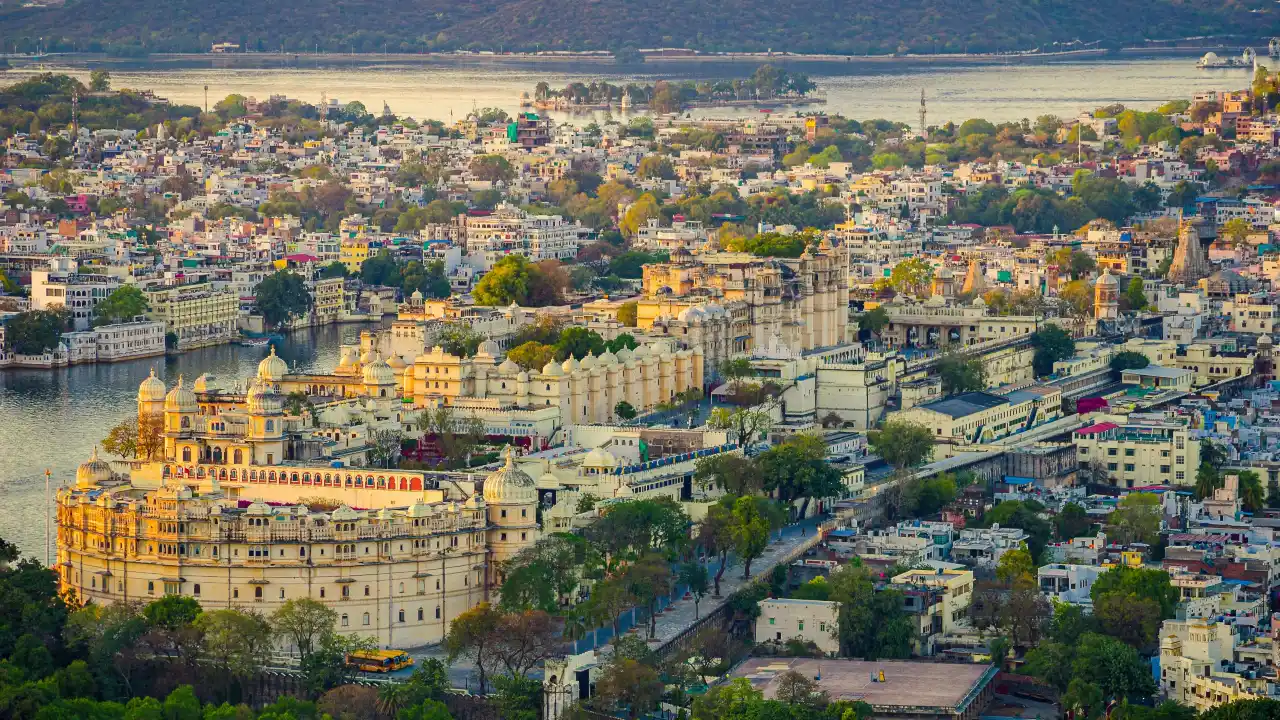
Udaipur is Rajasthan's most romantic city and one of India's most visually striking destinations. Founded in 1553 by Maharana Udai Singh II, the city was built around a series of artificial lakes that create its famous lakeside palace views. Udaipur earned its nickname the "Venice of the East" for good reason - the combination of water, white marble palaces, and Aravalli hills creates scenery that feels almost too beautiful to be real.
What sets Udaipur apart from other Rajasthan cities is its lakeside setting. While Jaipur and Jodhpur impress with desert fortresses, Udaipur offers a softer, more romantic aesthetic. The City Palace rises dramatically from Lake Pichola's edge, the Lake Palace floats like a mirage in the water, and narrow streets of the old city retain a timeless quality. This guide covers Udaipur's essential attractions, practical planning tips, and how to make the most of your visit to Rajasthan's City of Lakes.
For more Rajasthan travel planning, check out Udaipur in monsoon, best time to visit Rajasthan, and best places to visit Rajasthan.
1. City Palace Udaipur
The City Palace is Udaipur's most impressive structure and the largest palace complex in Rajasthan. Construction began in 1559 under Maharana Udai Singh II and continued over 400 years, with each ruler adding sections. The result is a sprawling complex of 11 palaces, courtyards, terraces, and gardens that blend Rajasthani and Mughal architectural styles. The palace sits directly on Lake Pichola's edge, offering views that have made it one of India's most photographed heritage sites.
Allow 2-3 hours to explore the main areas open to visitors. The palace museum displays royal artifacts, weapons, paintings, and costumes that bring Udaipur's history to life. Visit in early morning or late afternoon to avoid harsh midday light that makes photography challenging. The ticket price includes access to the main palace, though some sections require additional fees.
Key Highlights
The Mor Chowk or Peacock Square is the most photographed section, featuring mosaics of peacocks inlaid with colored glass. The Badi Mahal, or Garden Palace, offers beautiful lake views from its terrace. The Zenana Mahal, or Queen's Palace, provides insights into royal women's quarters. The Sheesh Mahal, or Mirror Palace, displays intricate mirror work typical of Rajput palaces.
Practical Information
The City Palace is open from 9:30 AM to 5:30 PM throughout the year. Entry costs around INR 300 for Indian nationals and INR 600 for foreigners, with additional charges for camera use. Audio guides are available for around INR 200 and help explain the complex's history and architecture. Combine your palace visit with a Lake Pichola boat ride from the jetty immediately outside.
2. Lake Pichola and Lake Tours
Lake Pichola is Udaipur's heart and soul. This artificial freshwater lake, created in 1362, stretches 4 kilometers long and 3 kilometers wide, lined with ghats, temples, palaces, and hotels. The lake's most famous landmarks include the Lake Palace (Jag Niwas) on Jag Niwas Island and Jag Mandir on its own island. A boat tour is the best way to experience the lake and appreciate the palace views that have made Udaipur famous.
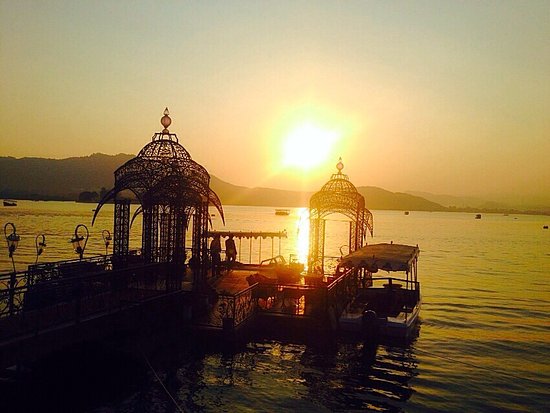
Boat rides operate from the City Palace jetty and typically last one hour, circling both islands and offering multiple photo opportunities. Sunset tours are particularly popular and slightly more expensive. The boats range from large public vessels to smaller private options. Morning rides offer calmer waters and softer light, while sunset tours capture Udaipur at its most photogenic with golden-hour light on the palaces.
Boat Ride Details
Standard public boat rides cost approximately INR 400-600 per person for the one-hour circuit. Private boat tours cost more but offer flexibility and typically include stops at Jag Mandir. The boat service operates between 9 AM and 6 PM, with the last sunset tour departing around 5 PM. Timing can vary seasonally, so check current schedules. The best viewing months for clear skies and comfortable temperatures are October through March.
View Points
Beyond boat rides, Lake Pichola can be experienced from multiple vantage points. The rooftop restaurants along the lakeside, particularly in the Lal Ghat and Gangaur Ghat areas, offer palace views while dining. Walking around the old city ghats provides close-up views of daily life by the water. The Ambrai Ghat area, across from the City Palace, offers arguably the best perspective for sunset photography.
3. Jag Mandir and Jag Niwas (Lake Palace)
Jag Mandir, also called the Lake Garden Palace, is a 17th-century palace on an island in Lake Pichola. The structure served as a refuge for Prince Khurram (later Emperor Shah Jahan) during his rebellion against his father. Today, Jag Mandir operates as a heritage hotel and restaurant, though day visitors can access certain areas with a boat tour or dining reservation. The palace features beautiful courtyards, chambers, and gardens that represent early Mewar architecture.
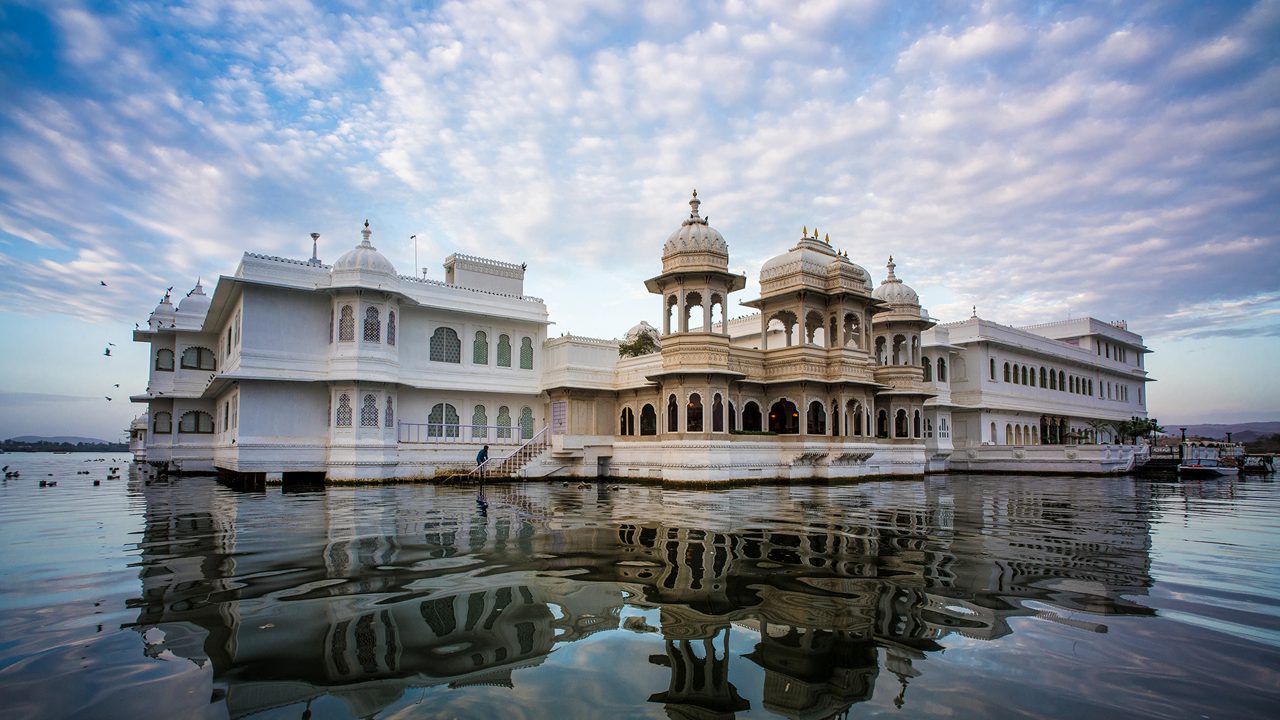
The Lake Palace, or Jag Niwas, sits on another island in Lake Pichola and is now a luxury Taj hotel. Built in 1746 as a summer palace, this white marble structure appears to float on the water and is Udaipur's most iconic image. While the hotel is not open to general visitors, non-guests can visit for dining with prior reservation or simply appreciate its beauty from the lake during boat rides.
Access and Timing
Both islands are accessible only by boat from Lake Pichola. The boats to Jag Mandir typically run as part of lake tours or for diners with reservations. Visiting the Lake Palace requires a confirmed dining reservation at one of its restaurants. These reservations should be made well in advance, particularly during peak season from October to March.
| Attraction | Entry Fee | Best Time | Duration |
|---|---|---|---|
| City Palace | INR 300 (Indians) / INR 600 (foreigners) | 9:30 AM - 5:30 PM | 2-3 hours |
| Lake Pichola Boat Ride | INR 400-600 per person | Sunset (5-6 PM) | 1 hour |
| Monsoon Palace | INR 100 | Sunset | 1-2 hours |
| Jagdish Temple | Free | Morning | 30-45 minutes |
4. Monsoon Palace (Sajjangarh)
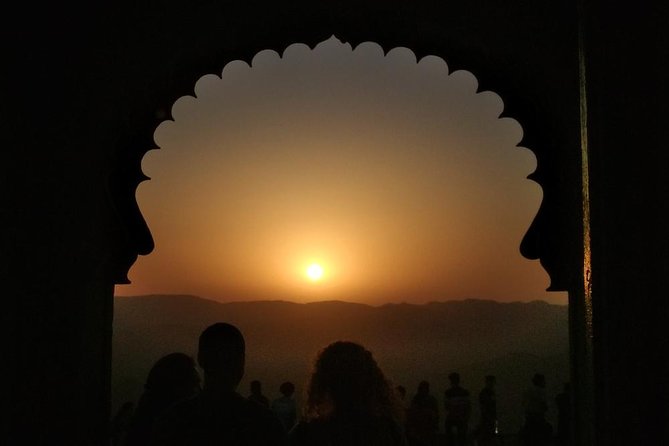
The Sajjangarh Monsoon Palace sits on a hilltop 5 kilometers west of Udaipur, commanding panoramic views of the city and its lakes. Built in 1884 by Maharana Sajjan Singh, the palace was intended as a monsoon retreat to watch clouds gathering over the surrounding hills. Though the original vision was never fully realized, the palace has become famous for its sunset views and strategic location.
The white palace structure stands out against the hillside, particularly dramatic during golden hour when light catches the white walls. On clear days, you can see across Udaipur's lakes to the distant Aravalli ranges. The 9-kilometer drive from the city center takes you through changing elevations and provides its own scenic route. Alternative access includes a trekking trail for active travelers.
Visiting Information
The Monsoon Palace is open from 9 AM to 6 PM, with INR 100 entry fee. The last entry is typically around 5 PM to allow time before sunset. The drive up offers good views, but the palace itself is largely empty inside - the attraction is primarily the location and city panoramas. Visit during clear weather for the best views; cloud and haze can significantly reduce visibility.
Wildlife and Surroundings
The Sajjangarh Biological Park near the palace houses rescued wildlife and is worth considering if traveling with children. The area is also part of a wildlife sanctuary, so visitors might spot various bird species and occasionally other wildlife on the drive up. Combine the palace visit with sunset timing to maximize your experience.
5. Jagdish Temple
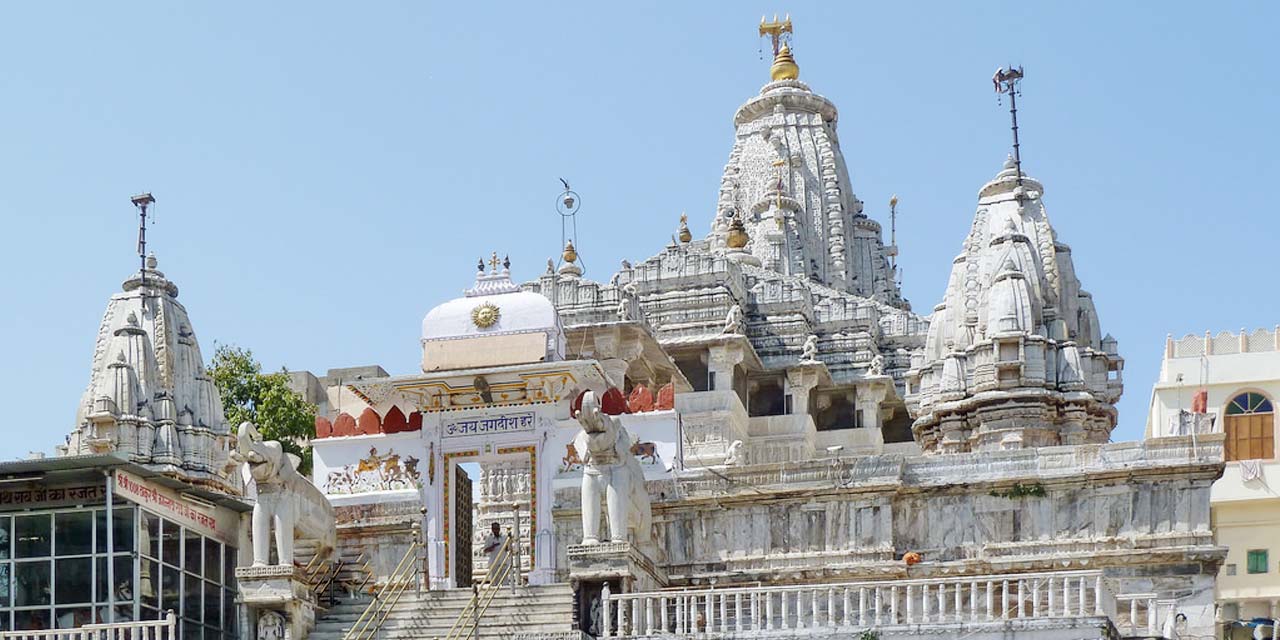
The Jagdish Temple, dedicated to Lord Vishnu, is Udaipur's largest and most prominent Hindu temple. Built in 1651 by Maharana Jagat Singh, the temple sits just north of the City Palace and represents classic Indo-Aryan architecture. The temple's 79-foot spire dominates the surrounding area and is visible from many points in the old city.
The temple features a three-story structure with beautiful stone carvings, pillars, and sculpted figures. Visitors ascend a steep marble staircase to reach the main shrine, which houses a black stone image of Lord Vishnu as Jagannath. The temple remains active with daily worship, so visitors should dress modestly and remove shoes before entering. Early morning visits are ideal for observing rituals and avoiding crowds.
Architecture and Carvings
The exterior walls feature detailed carvings of gods, goddesses, celestial musicians, and mythical creatures. The mandapa (pillared hall) has 32 carved pillars, each with distinctive designs. The pyramidal shikhara (spire) contains smaller shrines and adds vertical emphasis to the structure. For those interested in temple architecture, Jagdish Temple is one of Rajasthan's finest examples of 17th-century religious construction.
6. Saheliyon ki Bari (Garden of the Maidens)
Saheliyon ki Bari, meaning the Garden of the Maidens, was built in the 18th century for the royal ladies and their female companions. The garden features fountains, lotus pools, marble pavilions, and sculpted elephants in a tranquil setting away from the old city's bustle. According to legend, the garden included 48 maidens presented to the princess as part of her dowry, hence the name.
The garden's design includes multiple water features that would have provided cooling in Rajasthan's heat. Lotus-filled pools, fountains fed by reservoirs, and shaded pavilions create a pleasant walking experience. The site is smaller than many of Udaipur's other attractions but offers a peaceful break and represents the Mewar rulers' attention to creating comfortable spaces for royal women. Allow 30-45 minutes for a relaxed visit.
7. Fateh Sagar Lake
Fateh Sagar Lake is Udaipur's second major lake, constructed by Maharana Fateh Singh in 1889. The artificial lake offers a more local feel than tourist-heavy Lake Pichola, with parks, gardens, and walkways along its shores. Nehru Garden island, accessible by boat, provides picnic spots and lake views. The Udaipur Solar Observatory on another island is an interesting scientific site, though not typically open to casual visitors.
Several boat operators run tours on Fateh Sagar, particularly during evening hours when sunset views over the Aravalli hills create lovely scenery. The lake is popular with local families and joggers, making it a good place to observe everyday Udaipur life away from heritage tourism circuits. Combine a Fateh Sagar visit with nearby attractions like Gulab Bagh for a half-day away from the old city.
8. Bagore ki Haveli
Bagore ki Haveli is a restored 18th-century mansion on the waterfront of Lake Pichola. Built by a prime minister, the haveli contains 138 rooms and offers one of Udaipur's best cultural experiences. The building now houses a museum with exhibits on traditional Rajasthani life, including costumes, jewelry, musical instruments, and household items.
The real highlight is the evening cultural performance featuring Rajasthani folk music and dance. The show runs approximately one hour and includes performances of traditional arts like the Ghoomar dance, puppetry, and folk songs. The performances take place in an open courtyard with the lake visible beyond, creating an atmospheric setting. Book tickets in advance during peak season as the shows can sell out.
9. Other Notable Attractions
Udaipur has additional sites worth considering depending on your interests and time availability. The Moti Magri hill houses the Pratap Memorial and offers views of Fateh Sagar. Gulab Bagh, or Rose Garden, includes a zoo, library, and extensive gardens suitable for families. The Ahar Cenotaphs contain royal memorial monuments with impressive stone work. For rural arts and crafts, Shilpgram, a crafts village on the city's outskirts, showcases traditional architecture from across Rajasthan and Gujarat.
10. Best Time to Visit Udaipur
October to March is the ideal time to visit Udaipur for comfortable sightseeing weather. Winter months bring temperatures between 10°C and 30°C, making it pleasant for exploring palaces, gardens, and lakes. This is also peak season, so expect higher prices and larger crowds at major attractions.
Monsoon season from July to September brings a different but equally appealing Udaipur. Rain fills the lakes to capacity, the surrounding countryside turns green, and temperatures moderate. Cloud and humidity are higher, but the romantic lakeside atmosphere intensifies. Monsoon attracts fewer international tourists, making it a good time for those who want a quieter experience.
Summer from April to June is hot, with temperatures regularly exceeding 40°C. Sightseeing becomes challenging during midday hours, though this is the best season for budget travelers who don't mind the heat and can plan activities for early morning and evening.
11. How Many Days for Udaipur
Two days is sufficient to see Udaipur's major highlights if you plan efficiently. Use Day 1 for the City Palace, Jagdish Temple, and old city exploration, then take a Lake Pichola boat ride at sunset. Day 2 can cover the Monsoon Palace in the morning, followed by Saheliyon ki Bari and Fateh Sagar Lake in the afternoon. This pace allows for a good overview without excessive rushing.
Three days allows a more relaxed experience with time for the cultural show at Bagore ki Haveli, visits to additional sites like Gulab Bagh or Shilpgram, and more lakeside relaxation. For photography enthusiasts or those who want to experience Udaipur's rooftop dining and slower pace, four days is comfortable.
12. Practical Tips for Udaipur Visitors
- Start major attractions early to avoid both heat and crowds, especially at the City Palace.
- Cash is widely preferred - carry sufficient rupees for entrance fees and smaller vendors.
- Respect temple dress codes - cover shoulders and knees, remove shoes before entering shrines.
- Book boat rides and cultural shows in advance during peak season.
- Stay in the old city near Lal Ghat or Gangaur Ghat for easy walking access to major sites.
- Use auto-rickshaws for short trips - negotiate prices before boarding or insist on meters.
- Evening lakeside walks around Gangaur Ghat offer excellent sunset photography opportunities.
- Try rooftop restaurants for dinner with palace views - reservations are often required for prime tables.
- Bargaining is expected in markets but maintain a friendly, good-humored approach.
- Morning boat rides offer calmer water and fewer crowds than sunset tours.
13. Getting Around Udaipur
Udaipur's old city is walkable for those comfortable navigating narrow lanes and stairs. Most major attractions in the historic core can be reached on foot. For sites farther out like the Monsoon Palace or Fateh Sagar, auto-rickshaws or private cars are practical options. Ride-sharing apps operate in Udaipur and often provide transparent pricing.
Many hotels offer bicycle rentals for those who want to explore at their own pace. Bicycle lanes are limited, so cyclists need to be comfortable sharing narrow roads with vehicles. For extensive sightseeing across multiple days, consider hiring a car with a driver, which costs more but saves time negotiating and waiting.
14. Where to Stay in Udaipur
Udaipur offers accommodation options across budget ranges. For the full Udaipur experience, consider a heritage hotel or guesthouse in the old city near the lakeside. Many of these are converted havelis with rooftop terraces offering palace views. Budget travelers can find clean guesthouses and hostels with shared amenities.
For luxury experiences, the Lake Palace and other palace hotels provide unmatched heritage accommodation, though at significant cost. Mid-range travelers have numerous options in modern hotels with amenities like pools and restaurants. Location matters less in Udaipur than walkability - staying within the old city core minimizes time spent in traffic.
15. Food and Dining Experiences
Udaipur's food scene blends Rajasthani traditions with modern dining options. For traditional cuisine, try local restaurants serving dal baati churma, gatte ki sabzi, and various breads. Many rooftop restaurants offer multi-cuisine menus with palace views, making dinner both a culinary and visual experience.
Lake Palace dining requires reservations well in advance but represents one of Udaipur's most exclusive experiences. More accessible rooftop restaurants in the old city provide similar lake views at a fraction of the cost. Try a Rajasthani thali for a comprehensive introduction to local flavors. Vegetarians have excellent options throughout Udaipur.
16. Shopping in Udaipur
Udaipur is known for handicrafts, particularly miniature paintings, pottery, and textiles. The markets around Jagdish Temple and City Palace offer extensive shopping options. Miniature paintings, often depicting royal scenes or Hindu mythology, are popular souvenirs. Pichwai paintings from nearby Nathdwara are another regional specialty.
Textiles include hand-printed fabrics, bandhani work, and traditional Rajasthani clothing. Pottery shops offer blue pottery similar to Jaipur's style. Silver jewelry and gemstones attract many visitors, though buy only from reputable shops and get certificates for precious stones. Bargaining is expected, but be respectful of the craftspeople's work.
Final Take
Udaipur's combination of lakes, palaces, and Aravalli hills creates one of India's most distinctive urban landscapes. The City Palace complex, Lake Pichola boat rides, the Monsoon Palace viewpoint, Jagdish Temple, and cultural experiences at Bagore ki Haveli together form a complete introduction to Rajasthan's romantic City of Lakes. Visit in winter for ideal sightseeing weather or monsoon for atmospheric lake views. Allow at least two days for major attractions, three for a more relaxed pace. With thoughtful planning that mixes sightseeing with lakeside relaxation, Udaipur delivers the romantic Rajasthan experience that has captivated travelers for generations.
Location
Frequently Asked Questions
Q1.How many days needed for Udaipur?
Q2.What is Udaipur famous for?
Q3.Is Udaipur worth visiting?
Q4.What is best time to visit Udaipur?
Q5.Is Lake Palace hotel open to visitors?
Q6.What is cost of boat ride in Lake Pichola?
Q7.What are main attractions in Udaipur?
Q8.Can we cover Udaipur in 2 days?
Q9.What should I wear in Udaipur?
Q10.Is Udaipur safe for solo travelers?
Recommended For You
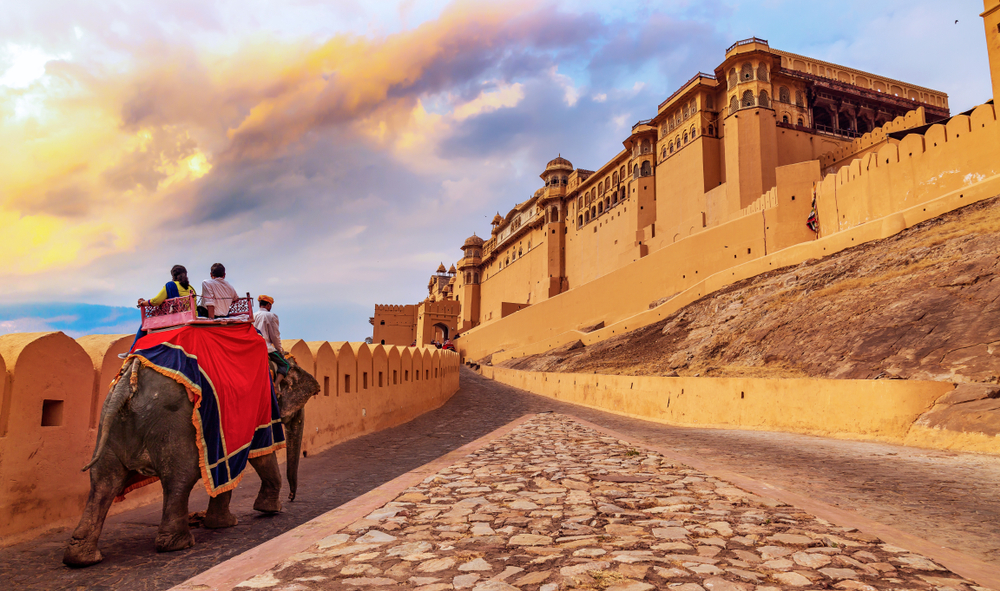
Best Places to Visit Rajasthan: Top 20 Destinations
Explore the best places to visit Rajasthan, India's royal state. Discover Jaipur's pink forts, Udaipur's romantic lakes, Jodhpur's blue streets, and Jaisalmer's golden desert with this comprehensive guide.
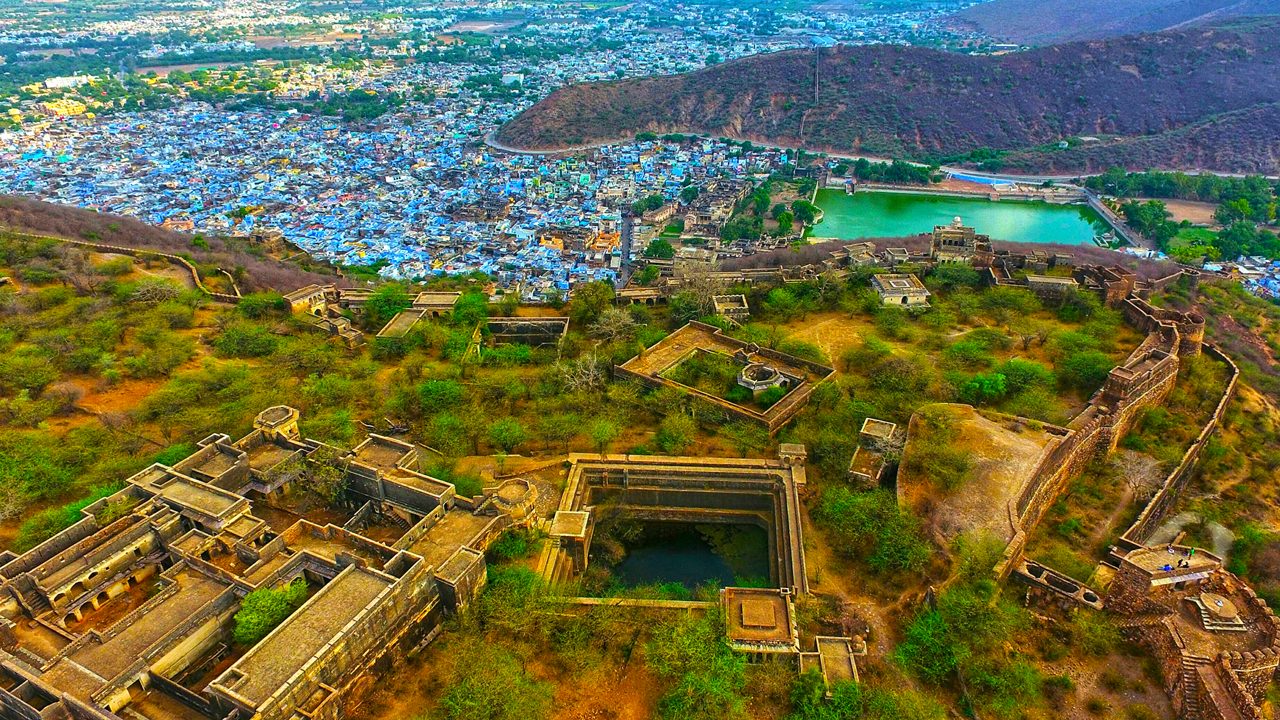
Best Time to Visit Rajasthan: Weather by City & Ideal Travel Months
Plan the best time to visit Rajasthan with season-wise weather, month-by-month insights, activity timing, festival impact, and smart itinerary guidance.
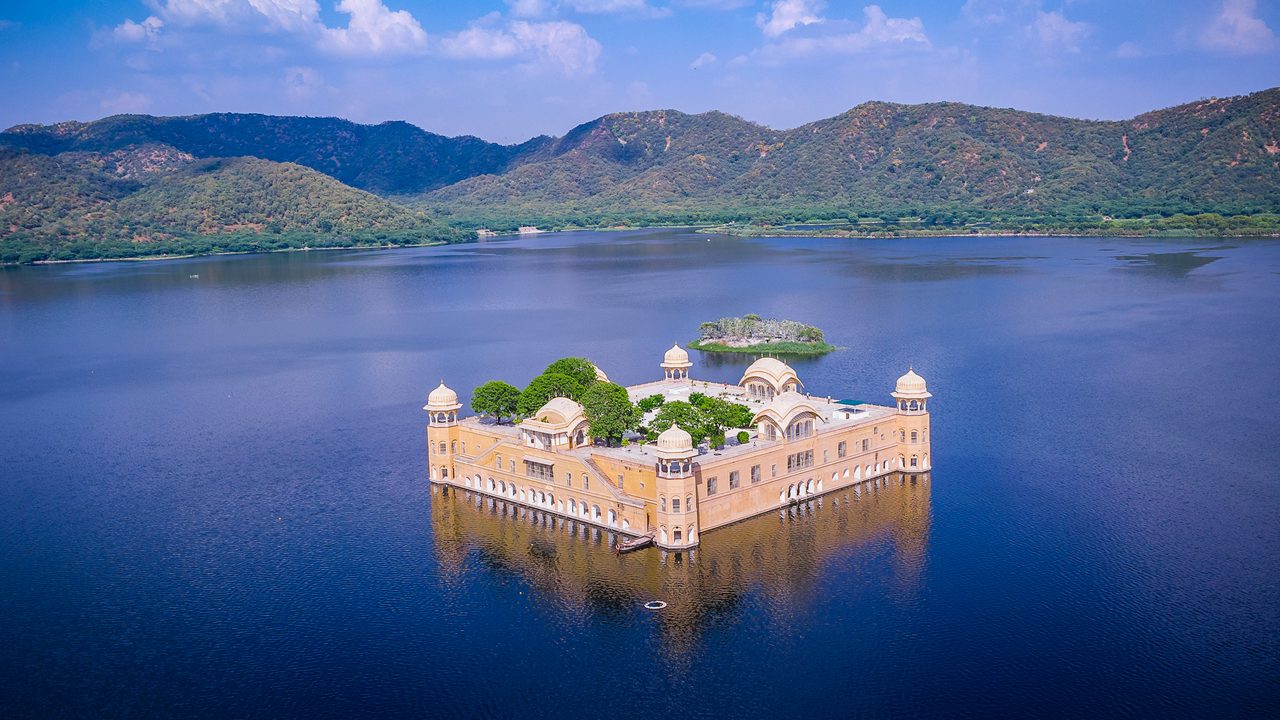
Best Time to Visit Jaipur: Weather Calendar & Peak Tourist Season
Plan the best time to visit Jaipur with season-wise weather, festival windows, sightseeing comfort, and practical monthly travel strategy.
Never Miss an Adventure
Get the latest trekking guides, travel tips, and exclusive offers delivered straight to your inbox.
