
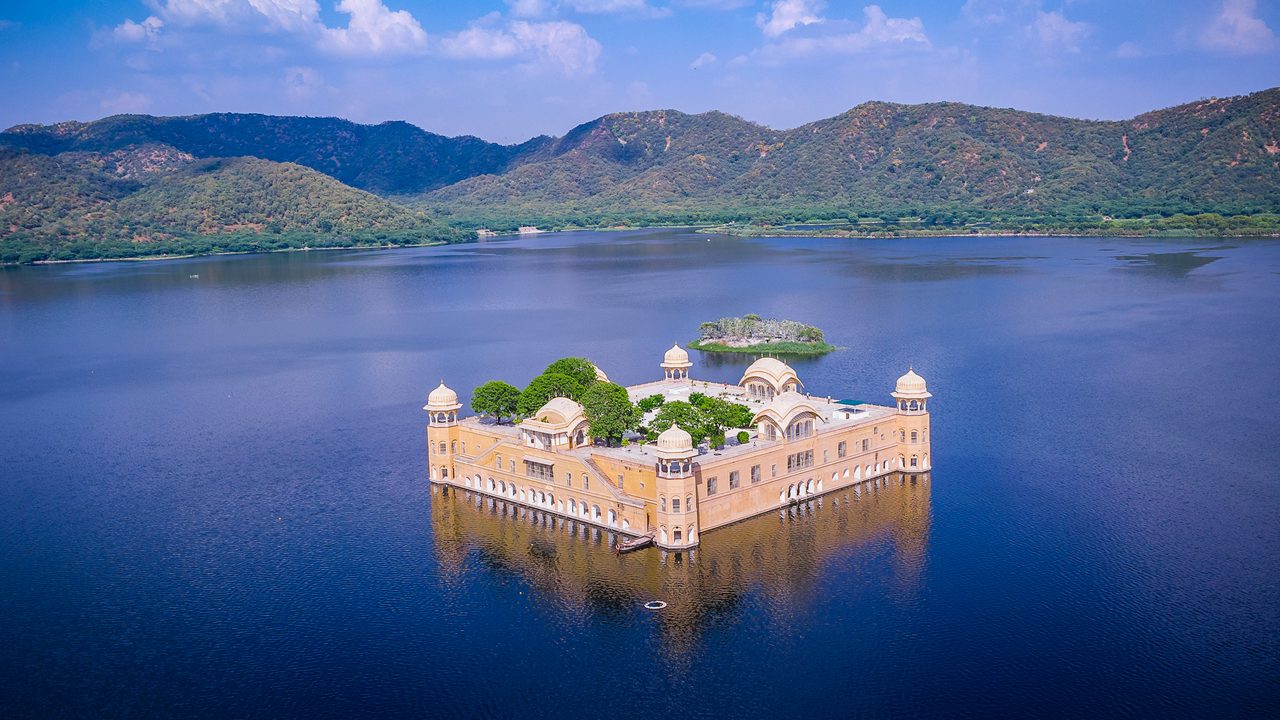
Best Time to Visit Jaipur: Weather Calendar & Peak Tourist Season

Priya Mehta
February 19, 2026
Plan the best time to visit Jaipur with season-wise weather, festival windows, sightseeing comfort, and practical monthly travel strategy.
Introduction
Jaipur is a destination where weather directly controls your experience. The Pink City is built around forts, palaces, bazaars, and open-air heritage routes, so seasonal comfort matters far more than in primarily indoor destinations. A winter morning in Jaipur is perfect for long fort walks and old-city photography, while a peak-summer afternoon can make even short sightseeing loops exhausting. That is why choosing the right month is one of the most important travel decisions for Jaipur.
This guide explains the best time to visit Jaipur by season, sightseeing comfort, festival timing, shopping conditions, and budget patterns. For practical route planning, pair this with places to visit in Jaipur, places to eat in Jaipur, and shopping places in Jaipur.
Quick Answer: Best Months to Visit Jaipur
For most travelers, the best period is October to March. Weather is significantly more comfortable than summer, daytime sightseeing is easier, and evenings are ideal for markets and food walks. If you are planning forts, local bazaars, and heritage circuits in one trip, winter and post-monsoon months are the most practical choice.
| Travel Goal | Best Months | Why It Works |
|---|---|---|
| General sightseeing | October to February | Pleasant weather for full-day exploration |
| Forts and palace circuits | November to March | Lower heat stress on open routes |
| Festival and culture travel | January to March, July-August, Oct-Nov | Event-rich periods with local atmosphere |
| Budget-focused travel | April to September | Potentially lower rates with weather trade-offs |
Winter Season (October to March): Best Overall Time
Winter is the strongest and most reliable season for Jaipur tourism. Days are comfortable for fort visits, city walks, and market shopping. Even long itineraries covering Amber Fort, Hawa Mahal, and old-city bazaars are manageable in this window. Night temperatures can dip in peak winter, so light layers are useful, especially for late evening outings.
If this is your first Jaipur visit, this season gives the best balance of weather, accessibility, and activity variety. It is also ideal for travelers combining Jaipur with broader Rajasthan routes, since many nearby destinations align with similar seasonal comfort windows.
Best Winter Use Cases
- Fort and heritage architecture routes
- Old-city market walks and food trails
- Photography-focused itineraries
- Family trips with mixed-age groups

Summer (April to June): Hot and Dry, but Possible
Summer in Jaipur can be extremely hot, especially in May and June. Outdoor sightseeing becomes physically demanding in daytime, and heat exposure can limit coverage. This season is not ideal for first-time travelers planning full outdoor itineraries.
However, summer can still work for short budget trips if you plan intelligently. Use early morning for monuments, midday for indoor or rest blocks, and evenings for market and food exploration. If your schedule is flexible and your heat tolerance is high, you can still enjoy Jaipur with a reduced-pace strategy.
Summer is mostly recommended for price-sensitive travelers who are willing to sacrifice weather comfort for lower demand periods.
Monsoon (July to September): Mixed Conditions, Better Heat Relief
Monsoon offers relief from the harsh summer peak and can make Jaipur look greener, especially around hill and garden zones. Rainfall is usually moderate, but occasional showers can affect mobility and sightseeing speed. This season can be good for travelers who want fewer crowds and don't mind flexible scheduling.
For monsoon itineraries, keep shorter route clusters and avoid overloading long-distance transfers in one day. Since weather can shift quickly, maintain one indoor fallback activity for each outdoor plan. This season is not as predictable as winter, but it can still be rewarding for repeat visitors and slower travelers.

Best Time for Sightseeing in Jaipur
For major attractions like Amber Fort, Hawa Mahal, and old-city heritage corridors, October to March is best. You can walk longer and cover more locations without heavy heat fatigue. In summer, sightseeing should be split into two blocks: early morning and late afternoon/evening.
A practical approach is to reserve mornings for forts and palaces, afternoons for food or indoor breaks, and evenings for markets. If you're planning one intense day, use a compressed route with minimal cross-city backtracking to reduce travel time loss.
Festival Calendar and Cultural Timing
Festival windows can add unique value to Jaipur trips, but they also increase crowd pressure and demand. If events are your priority, book early and keep additional transit buffer.
| Festival / Event | Typical Timing | Travel Impact |
|---|---|---|
| Jaipur Literature Festival | January | High cultural value, rising accommodation demand |
| Teej | July-August | Strong traditional atmosphere in monsoon season |
| Diwali period | October-November | Festive city lights, busy markets |
| Holi celebrations | March | Cultural vibrancy and seasonal transition |
If you want festive energy without maximum crowd density, travel just before or after peak event dates.
Best Time for Shopping in Jaipur
Jaipur shopping is best in cooler months, when long market sessions in Johari Bazaar, Bapu Bazaar, and surrounding lanes are more comfortable. Winter and post-monsoon evenings are especially good for shopping plus food combinations.
Summer shopping is possible but should be limited to evening hours. Monsoon shopping can be pleasant on light-rain days, though traffic and timing should be planned with flexibility. For structured buying routes, pair this season guide with Jaipur shopping area recommendations.

Month-by-Month Snapshot
January-February: Excellent weather and peak tourism comfort.
March: Warm transition with festival potential.
April-May: High heat; early and late exploration only.
June: Very hot with pre-monsoon transitions.
July-August: Monsoon phase with event energy and variable mobility.
September: Transitional month with improving comfort.
October-November: Strong all-round travel window, festive atmosphere.
December: Prime weather for full heritage and market itineraries.
Budget and Crowd Strategy
If comfort is your top priority, travel in winter and accept higher demand. If budget is your top priority, shoulder and low-demand months can reduce costs, but you must adapt to heat or rain. A practical middle path is late October, early November, or early March, where conditions are often good and crowd intensity can be manageable outside event spikes.
For multi-city Rajasthan trips, syncing Jaipur with state-wide seasonal windows helps avoid climate mismatch across your itinerary.
Season-Aware Itinerary Design
In winter, full-day outdoor itineraries are realistic. In summer, split plans into heat-safe blocks and include midday recovery. In monsoon, keep route clusters tight and backup options ready. This one adaptation usually improves experience more than any other planning tweak.
- Winter plan: forts + markets + evening food walk
- Summer plan: sunrise sightseeing + indoor break + sunset outing
- Monsoon plan: compact local circuits + weather buffer slots
Packing Guide by Season
- Winter: light wool layer for morning and evening.
- Summer: breathable fabrics, hydration kit, high-SPF sun protection.
- Monsoon: quick-dry footwear and rain cover for essentials.
- All seasons: comfortable walking shoes for heritage routes.
Common Planning Mistakes to Avoid
- Scheduling Amber Fort climbs in peak summer noon.
- Ignoring event-based crowd surges in January and major festival windows.
- Overloading one day with far-apart attractions.
- Skipping hydration and rest breaks in hot months.
- Underestimating evening cold in peak winter nights.
Planning by climate reality instead of calendar convenience is the best way to enjoy Jaipur properly.
Detailed Logistics for First-Time Visitors
If you are visiting Jaipur for the first time, treat weather as the core planning variable and not a background detail. In cool months, transport and walking can be combined efficiently, allowing broad city coverage. In hot months, transport-heavy itineraries with fewer walking segments are more practical. If your group includes children or seniors, avoid itinerary designs that require long unshaded transitions during afternoon hours.
A reliable structure is two major attraction windows per day with one rest-and-food buffer in between. This pattern works across all seasons and prevents itinerary collapse due to weather fatigue. For short trips, prioritize quality over attraction count: one fort, one market, one heritage corridor, and one food segment per day is usually better than an overpacked route.
Conclusion
The best time to visit Jaipur is generally October to March, when weather supports full outdoor exploration and the city's heritage character can be experienced comfortably. Summer can still work for budget and short trips with strict timing control, while monsoon suits flexible travelers who can adapt to variable conditions. Choose your month based on your main purpose, weather tolerance, and daily pace, and Jaipur will be significantly more enjoyable and efficient to explore.
Location
Frequently Asked Questions
Q1.What is the best month to visit Jaipur?
Q2.Is Jaipur worth visiting in summer?
Q3.When is the best time for sightseeing in Jaipur?
Q4.Does Jaipur get cold in winter?
Q5.When is monsoon season in Jaipur?
Q6.What is the best season for shopping in Jaipur?
Q7.Can Jaipur be combined with other Rajasthan cities in one season?
Q8.When is Jaipur least expensive to visit?
Recommended For You
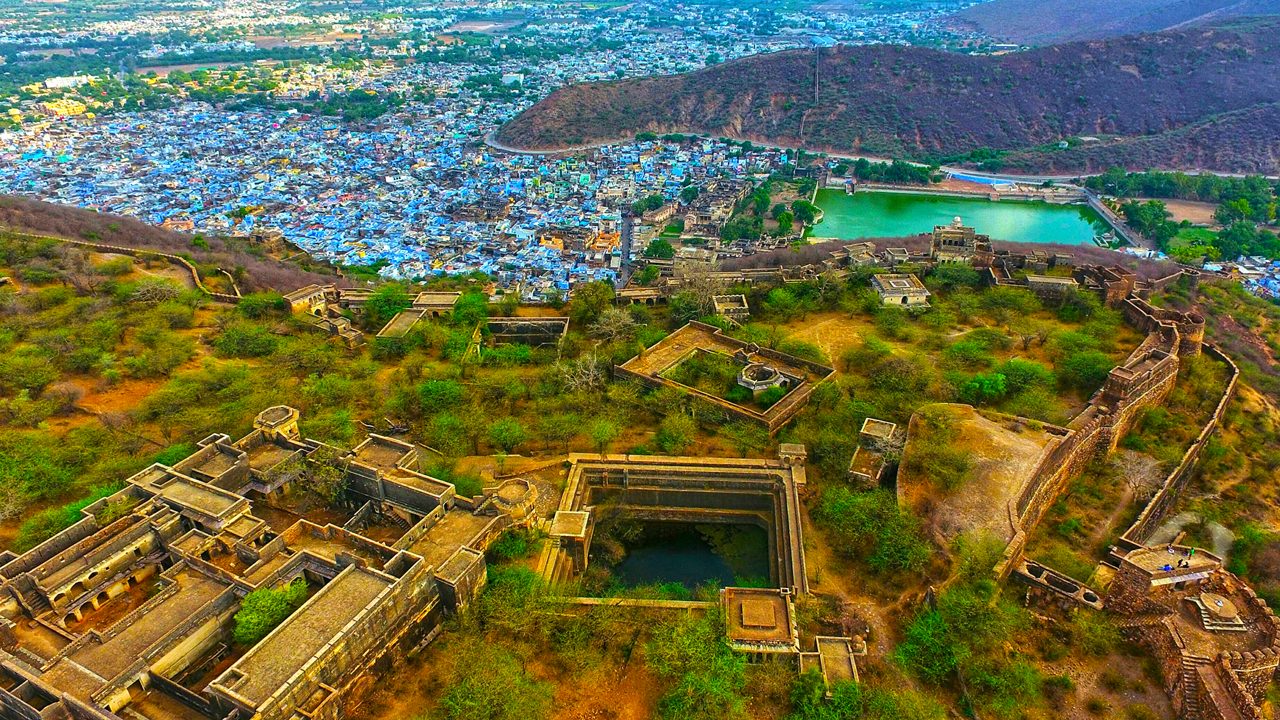
Best Time to Visit Rajasthan: Weather by City & Ideal Travel Months
Plan the best time to visit Rajasthan with season-wise weather, month-by-month insights, activity timing, festival impact, and smart itinerary guidance.
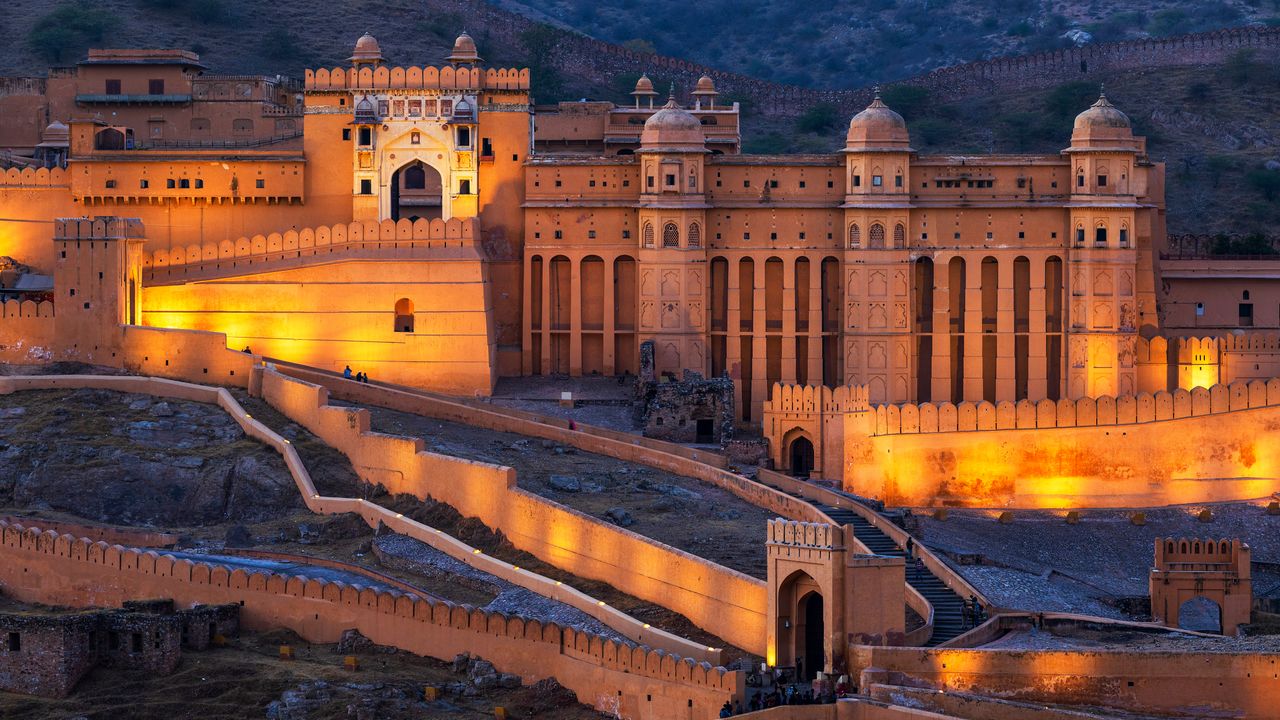
Amber Fort Jaipur: Complete Guide with Timings, Entry Fee & Tips
Explore Amber Fort Jaipur: UNESCO World Heritage Site featuring Sheesh Mahal, royal palaces, and stunning architecture. Complete guide with timings, entry fees, and travel tips.
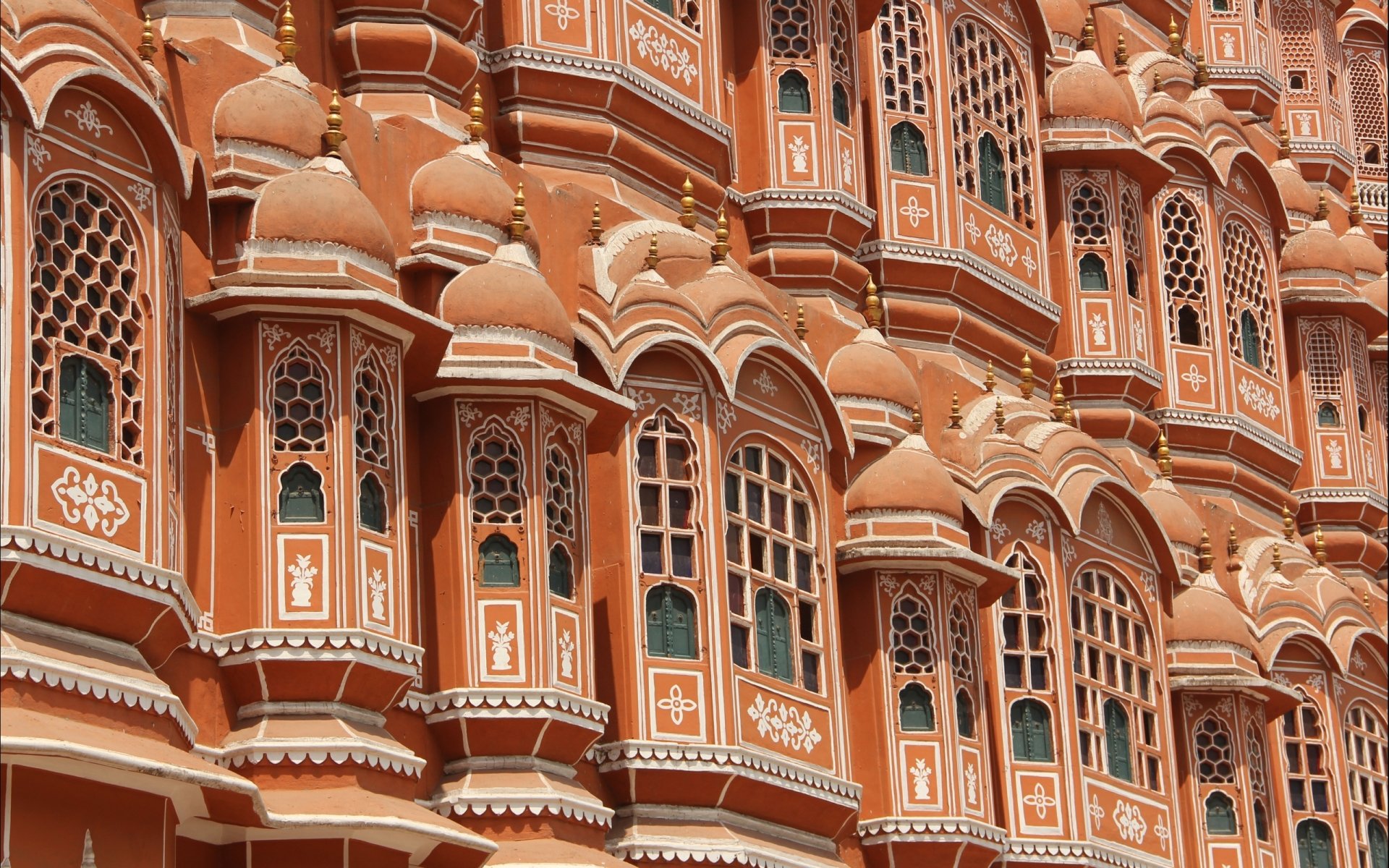
Hawa Mahal Jaipur: Complete Guide to Palace of Winds
Discover Hawa Mahal, Jaipur's iconic Palace of Winds with 953 windows. Explore its history, unique architecture inspired by Lord Krishna's crown, and practical visitor information.
Never Miss an Adventure
Get the latest trekking guides, travel tips, and exclusive offers delivered straight to your inbox.
