
Pune: Complete Travel Plan Places And Weather

Rahul Garg
February 20, 2026
Complete Pune travel guide featuring Shaniwar Wada, Aga Khan Palace, cultural attractions, day trips & practical tips.
Introduction to Pune
Pune, Maharashtra's cultural capital and one of India's fastest-growing cities, offers a fascinating blend of history, education, industry, and a vibrant contemporary culture. Once the seat of the Maratha Empire under the legendary Peshwas, Pune today is known as the "Oxford of the East" for its numerous educational institutions, as India's IT hub after Bangalore, and as a city that successfully balances its rich heritage with modern aspirations.
What makes Pune truly special is its remarkable character - a city where historic forts stand alongside glass corporate towers, where traditional Maharashtrian culture coexists with a cosmopolitan population drawn from across India and the world, where the easy-going pace of life contrasts with the intellectual energy of its academic community. The city's pleasant climate, relatively lower pollution than other Indian metros, and excellent quality of life make it one of India's most livable cities.
For those looking to explore nearby attractions, places to visit near Chandigarh offers excellent hill stations. And if you love temples, Ashtavinayak Temples is another must-visit destination in Maharashtra.
Pune's location in the Deccan plateau, approximately 150 kilometers southeast of Mumbai, places it strategically between the Western Ghats and the Indian Ocean. This location gives access to hill stations like Lonavala and Khandala, pilgrimage centers of Shirdi and Ashtavinayak, and the caves of Ajanta and Ellora. Whether you're seeking history, culture, nature, or simply want to experience a vibrant Indian city that's not overwhelming, Pune delivers.
Best Time to Visit Pune
Pune enjoys a relatively pleasant climate year-round compared to most Indian cities, but different seasons offer different experiences.
October to February is the best time to visit Pune when daytime temperatures range from 20°C to 30°C and the weather is perfect for sightseeing. The monsoon has ended, the landscape is still green, and the humidity is low. This is peak season, so expect higher hotel prices and more tourists, though Pune doesn't get as crowded as some other Indian destinations.
March to June is summer when temperatures rise to 35-40°C during the day. The heat can be intense, especially April and May, making outdoor sightseeing uncomfortable. However, this is off-season with significantly lower prices for accommodations. If visiting in summer, plan activities for early morning and late afternoon, rest during the hottest hours, and stay hydrated.
July to September is monsoon when Pune receives moderate to heavy rainfall. The city and surrounding countryside turn lush green. The nearby hill stations of Lonavala and Khandala are spectacular during monsoon with waterfalls flowing. Some outdoor activities may be disrupted by rain. This is the least popular time to visit, but you'll find the lowest prices and fewest tourists.
Top Attractions in Pune
Shaniwar Wada
Shaniwar Wada, the historic seat of the Peshwas who ruled the Maratha Empire from 1732 to 1818, is Pune's most iconic landmark. This seven-story palace fortification was built by Peshwa Baji Rao I in 1732 and served as the center of Maratha power until the British defeated the Peshwas in 1818.
Though much of the palace was destroyed by fires in the early 19th century, what remains is impressive - massive fortification walls, intricately carved doors, lotus-shaped fountains, and impressive Shaniwar Wada gate. The light and sound show in the evening brings the fort's history to life, narrating the story of the Maratha Empire.
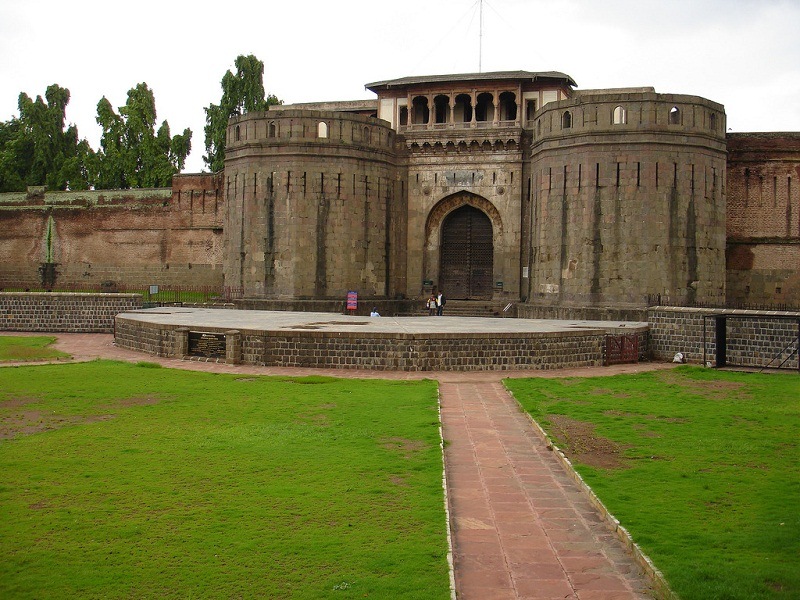
The palace's foundations were built from stone, but the superstructure was built from bricks and lime, making it vulnerable to fire. Despite the destruction, Shaniwar Wada remains Pune's most important historical site and a must-visit for anyone interested in Maratha history.
Aga Khan Palace
Built in 1892 by Sultan Muhammed Shah Aga Khan III, this beautiful palace is significant for its role in India's independence movement. Mahatma Gandhi, his wife Kasturba Gandhi, and other freedom fighters were imprisoned here by the British from 1942 to 1944 after the Quit India Movement.
The palace's Italianate architecture features elegant arches, spacious lawns, and well-maintained gardens. It now houses the Gandhi National Memorial Museum with photographs and exhibits documenting Gandhi's life and independence movement. Kasturba Gandhi's samadhi (memorial) is on the grounds - she died here during their imprisonment.
The palace is a moving place to visit, offering insight into India's freedom struggle and the personal sacrifices made by Gandhi and his family. The Italianate architecture and peaceful grounds make it a pleasant place to spend a few hours reflecting on India's history.
Dagadusheth Halwai Ganpati Temple
Dedicated to Lord Ganesha, this is one of Pune's most famous and revered temples. Built in 1893 by Dagadusheth Halwai, a sweetmaker, the temple has evolved from a small shrine to an impressive structure visited by thousands daily. The main idol of Lord Ganesha is adorned with gold jewelry, making it particularly magnificent.
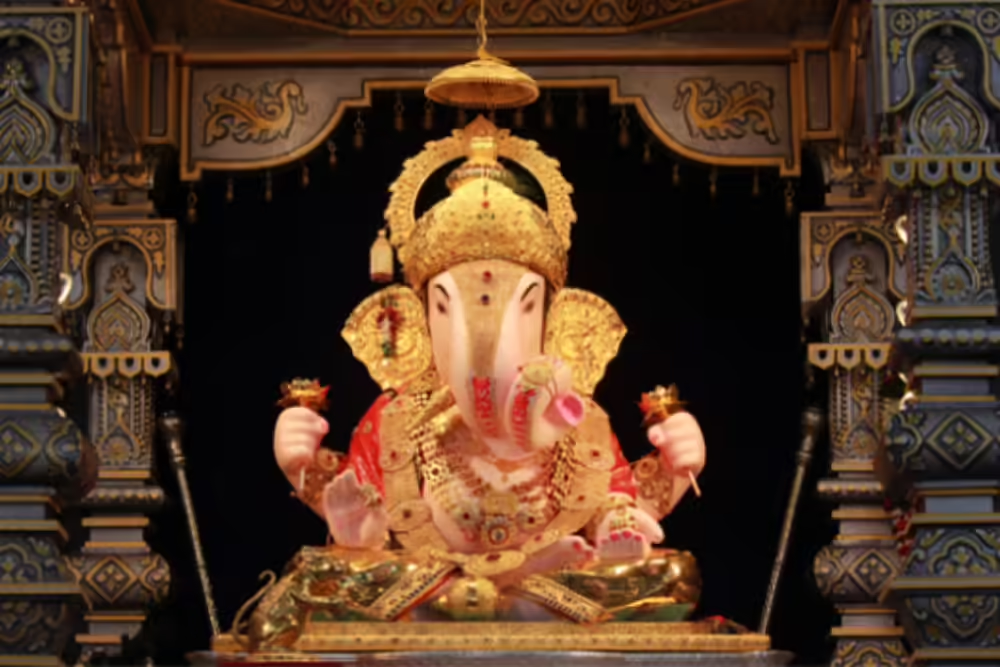
The temple is especially vibrant during Ganesh Chaturthi (August/September) when elaborate celebrations take place. The festival sees the temple decorated spectacularly, processions, and thousands of devotees. Even outside festival times, the temple is worth visiting for its spiritual atmosphere and beautiful architecture.
Sinhagad Fort
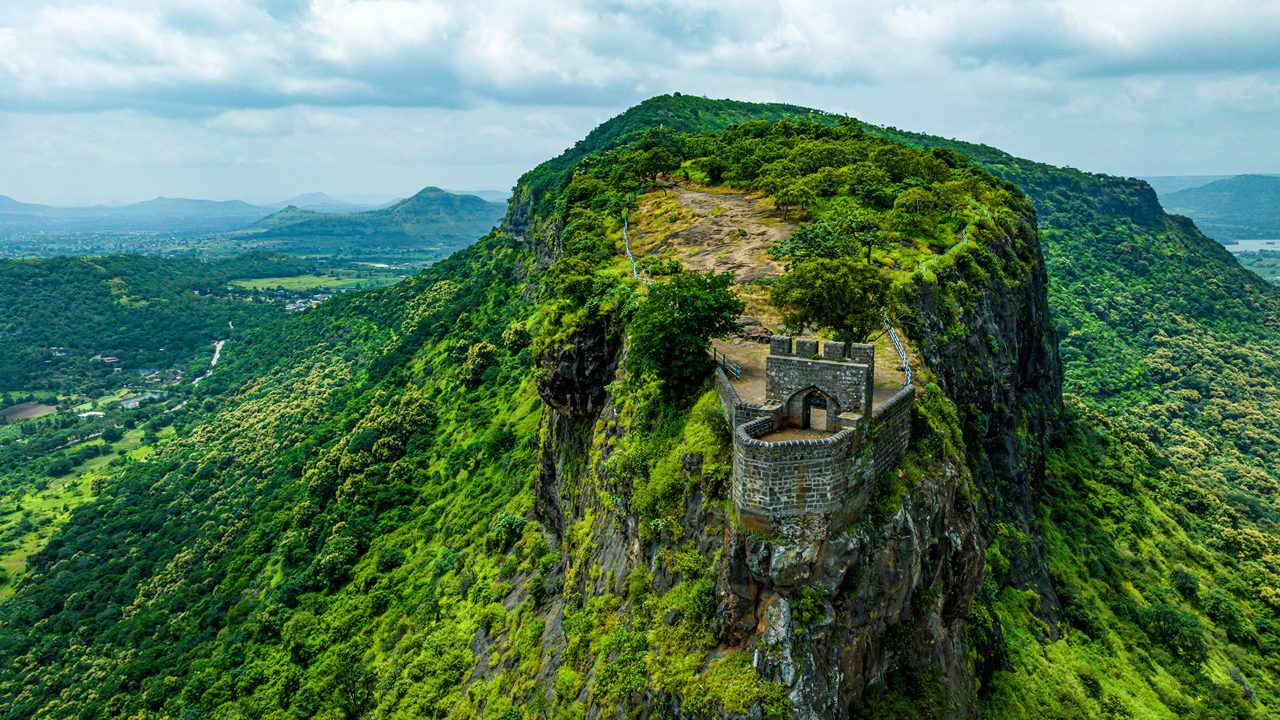
Located approximately 35 kilometers from Pune, Sinhagad (Lion Fort) is a historic hill fort that played a significant role in Maratha history. The fort is famous for the 1670 Battle of Sinhagad where Tanaji Malusare, one of Shivaji Maharaj's bravest generals, died fighting to recapture the fort. Shivaji, upon hearing of Tanaji's death, famously said, "We gained the fort but lost the lion" - hence the name Sinhagad.
The fort offers spectacular views of the surrounding countryside and Pune city in the distance. The climb to the top involves approximately 500 steps but is manageable for reasonably fit people. The ruins include old gates, temples, and bungalows. The fort is particularly beautiful during and just after the monsoon when the landscape is green.
Pataleshwar Cave Temple
Located in the heart of Pune on Jangli Maharaj Road, these rock-cut caves date back to the 8th century and are dedicated to Lord Shiva. Carved from a single rock, the caves feature a sanctum sanctorum with a Shiva linga, an Nandi bull, and intricate carvings depicting various deities.
What makes these caves special is their location - a peaceful spiritual oasis in the middle of bustling modern Pune. The caves are well-maintained and provide insight into ancient Indian rock-cut architecture. They're easily accessible and can be visited in about an hour.
Raja Dinkar Kelkar Museum
This fascinating museum houses the personal collection of Dr. Dinkar Kelkar, who spent over 60 years accumulating more than 20,000 objects of art, craftsmanship, and everyday life from the 18th and 19th centuries. The collection includes traditional lamps, musical instruments, paintings, sculptures, textiles, and household items.
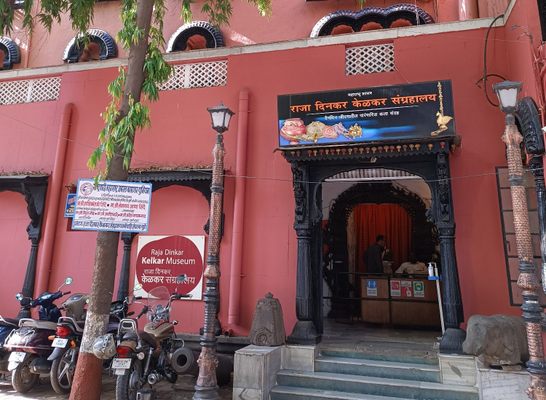
The museum provides excellent insight into Maharashtra's cultural heritage and traditional Marathi life. The sheer variety and quality of the collection make this one of India's most interesting private museums. Allow 1-2 hours for your visit.
Osho Ashram
The Osho International Meditation Resort, founded by the spiritual teacher Osho (Bhagwan Shree Rajneesh), is one of Pune's most famous and controversial attractions. The sprawling ashram in Koregaon Park offers meditation programs, various therapies, and a beautiful campus with gardens, swimming pools, and accommodation.
Even if you're not interested in Osho's teachings, the ashram's beautifully maintained grounds are worth seeing. The famous white robes worn by visitors, peaceful atmosphere, and international community create a unique experience. The ashram has strict rules - you must undergo an HIV test, wear robes on premises, and maintain silence in certain areas.
Day Trips from Pune
Lonavala and Khandala
Located approximately 65 kilometers from Pune, these twin hill stations in the Sahyadri ranges are popular weekend getaways from Pune and Mumbai. Both offer beautiful scenery, pleasant weather year-round, and numerous viewpoints including Tiger Point, Bhushi Dam, and Rajmachi Point.
Lonavala is more developed with numerous hotels and restaurants. Khandala is smaller and quieter. Both are spectacular during and just after the monsoon when waterfalls are flowing and the hills are lush green. The Karla and Bhaja caves, ancient Buddhist rock-cut caves, are located near Lonavala and worth visiting.
Shirdi
Located approximately 185 kilometers from Pune, Shirdi is one of India's most important pilgrimage sites, home to the Sai Baba Samadhi Mandir. Sai Baba, a saint who lived in Shirdi from 1858 to 1918, preached tolerance and acceptance of all religions. His samadhi (tomb) attracts millions of devotees annually.
The temple complex is well-maintained and has a peaceful, spiritual atmosphere. Other attractions include Dwarkamai mosque where Sai Baba lived, Chavadi where he slept on alternate nights, and various temples. Shirdi can be visited as a day trip from Pune, though it requires a very early start.
Shopping in Pune
Pune offers excellent shopping opportunities, particularly for handicrafts, jewelry, and traditional Maharashtrian items.
Laxmi Road is Pune's main shopping area with numerous jewelry shops selling traditional gold and silver Maharashtrian jewelry. The famous Kolhapuri chappals (leather footwear) from nearby Kolhapur are available here. Tulshibaug is another market area with traditional Maharashtrian goods.
For handicrafts, visit Maharashtra Emporium or various shops around the city. Popular items include Paithani sarees (traditional silk sarees from Paithan), Narayan Pethi sarees, traditional Maharashtrian jewelry with its distinctive temple motifs, and leather goods.
For modern shopping, Pune has several malls including Phoenix Marketcity and Amanora Mall. These have national and international brands, food courts, and multiplexes.
Pune Cuisine
Pune cuisine is predominantly Maharashtrian with influences from North Indian and international cuisines due to the cosmopolitan population.
Traditional Maharashtrian dishes to try include misal pav (spicy sprout curry served with bread), poha (flattened rice with onions and turmeric), sabudana khichdi (tapioca pearls cooked with peanuts), puran poli (sweet flatbread filled with jaggery and lentils), and various seafood dishes from the Konkan coast.
For an authentic Maharashtrian thali, try restaurants like Durvankur or Shabree. For street food, try the famous Pune misal pav at local joints. Vada pav (the Indian burger) is popular throughout the city.
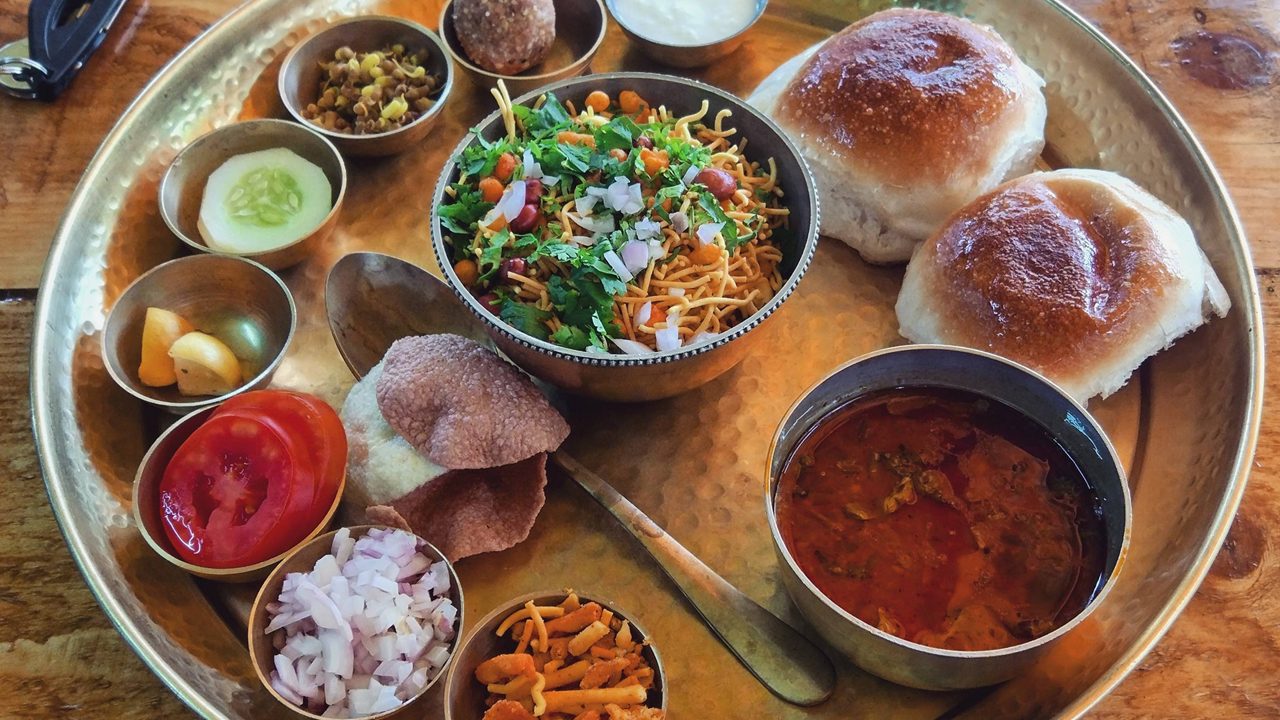
Pune also has excellent international cuisine due to its large student population and IT professionals. You'll find good Chinese, Italian, Continental, and other cuisines at various restaurants across the city.
Getting Around Pune
Pune's public transport includes buses operated by PMPML (Pune Mahanagar Parivahan Mahamandal Limited) that connect all parts of the city. However, buses can be crowded and not tourist-friendly.
Auto-rickshaws are readily available for short distances within the city. They're relatively inexpensive, but always negotiate the fare before starting your journey as meters are rarely used.
Taxis can be hired for specific trips or full days. Most hotels can arrange taxis. App-based services like Uber and Ola operate in Pune and are convenient and reasonably priced.
Where to Stay in Pune
Pune offers accommodation options for every budget. Budget travelers can find numerous guesthouses and budget hotels (₹600-1000 per night) near the railway station and in areas like Deccan.
Mid-range hotels (₹2000-4000 per night) offer comfortable rooms with amenities. Properties like President Hotel, Fort Jadhavgadh, and similar fall in this category.
Luxury travelers have excellent options including Hyatt Regency (₹6000-10000 per night), Conrad Pune, and various upscale properties near the airport and in Koregaon Park.
Travel Tips
Pune is generally safe for tourists, including solo female travelers. Standard precautions apply - avoid isolated areas at night, secure your belongings, and be aware of your surroundings.
The weather in Pune is generally pleasant but can get hot in summer. Carry sun protection and stay hydrated. Evenings are pleasant year-round.
Respect local culture and dress modestly when visiting religious sites. Pune is relatively liberal compared to some other Indian cities but still conservative by Western standards.
Conclusion
Pune, with its rich Maratha heritage, thriving contemporary culture, excellent educational institutions, and pleasant quality of life, offers a uniquely balanced Indian urban experience. The city successfully preserves its history while embracing modernity, creating an environment that's both culturally rich and economically dynamic.
Whether you're seeking history at Shaniwar Wada, spiritual experiences at Ganpati temples, culture at museums, or simply want to experience a vibrant Indian city that's not overwhelming, Pune delivers. Its proximity to hill stations, pilgrimage sites, and the rock-cut Pataleshwar Cave Temple adds to its appeal as a base for exploring Maharashtra.
Location
Frequently Asked Questions
Q1.What is the best time to visit Pune?
Q2.How many days are enough for Pune?
Q3.Is Pune safe for solo female travelers?
Q4.What is Pune famous for?
Q5.How do I reach Pune from Mumbai?
Q6.What should I buy in Pune?
Q7.What is the food like in Pune?
Q8.Is Pune better than Mumbai?
Recommended For You
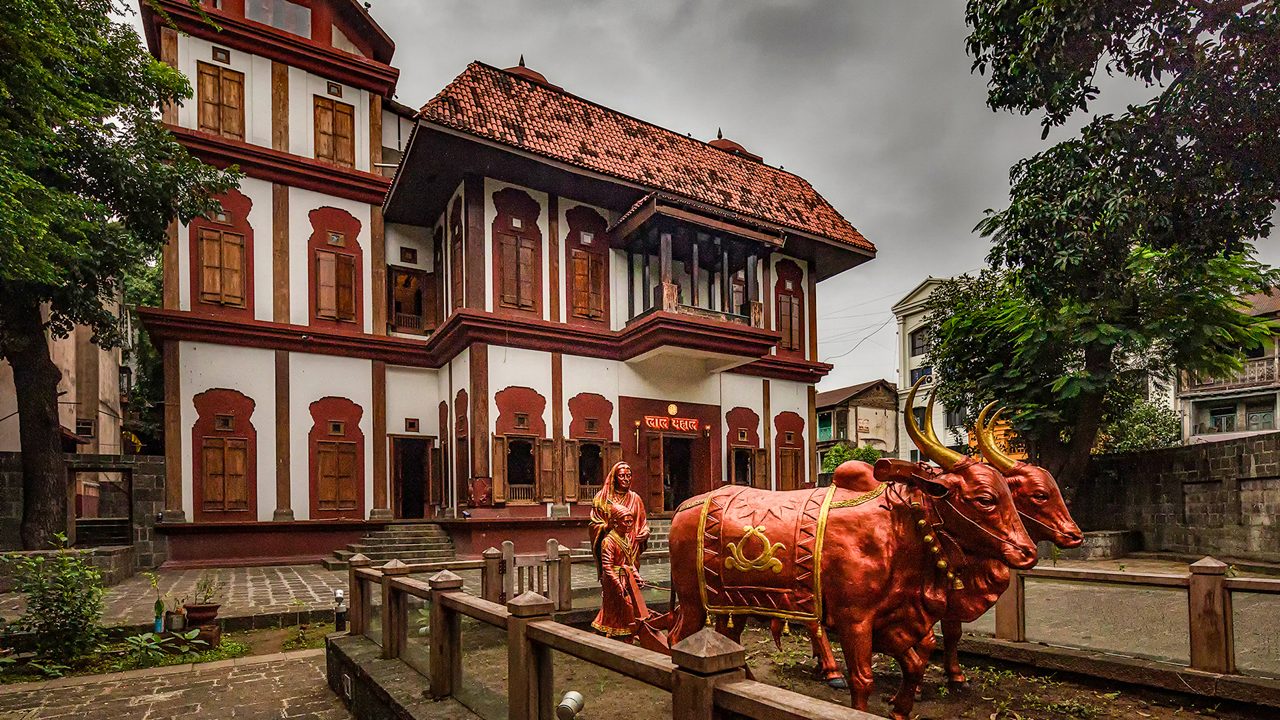
Best Places to Visit Near Pune: Weekend Trips by Distance
Discover top places to visit near Pune including hill stations, forts, lakes, and one-day road trips with practical distance, route, and timing tips.
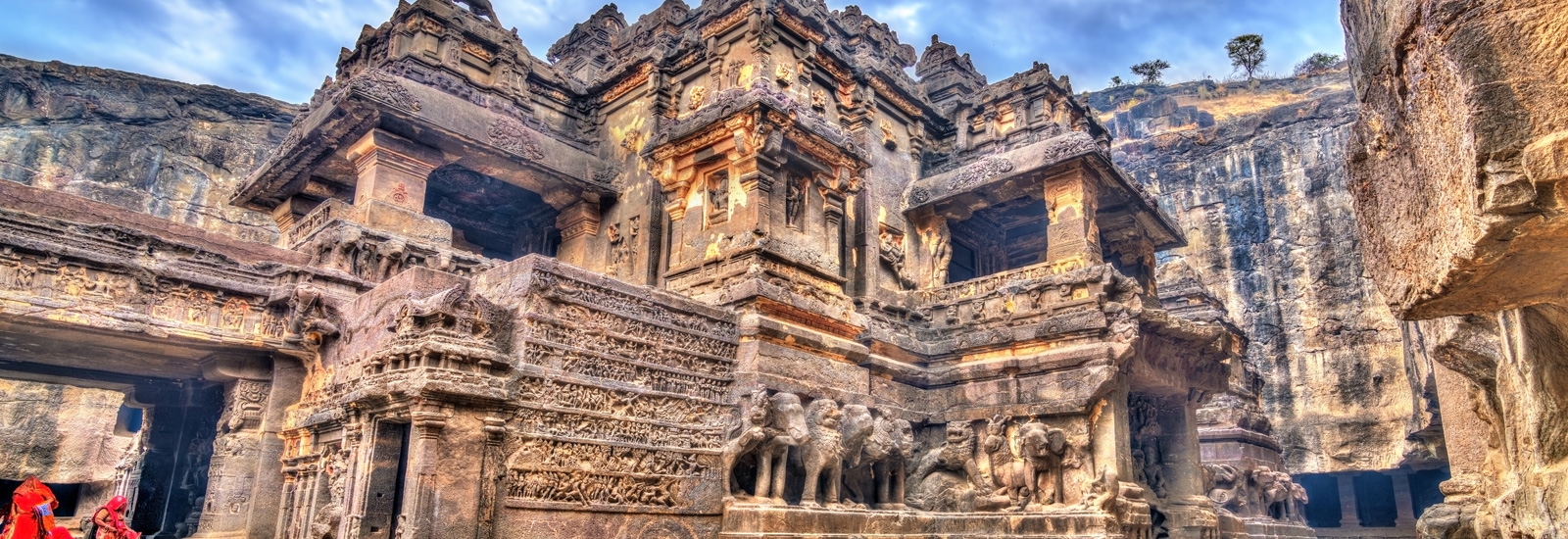
Ajanta Ellora Caves: Complete Visit And Travel Plan
Complete Ajanta Ellora travel guide featuring ancient cave temples, Buddhist paintings, Kailasa Temple, practical tips & visiting information.
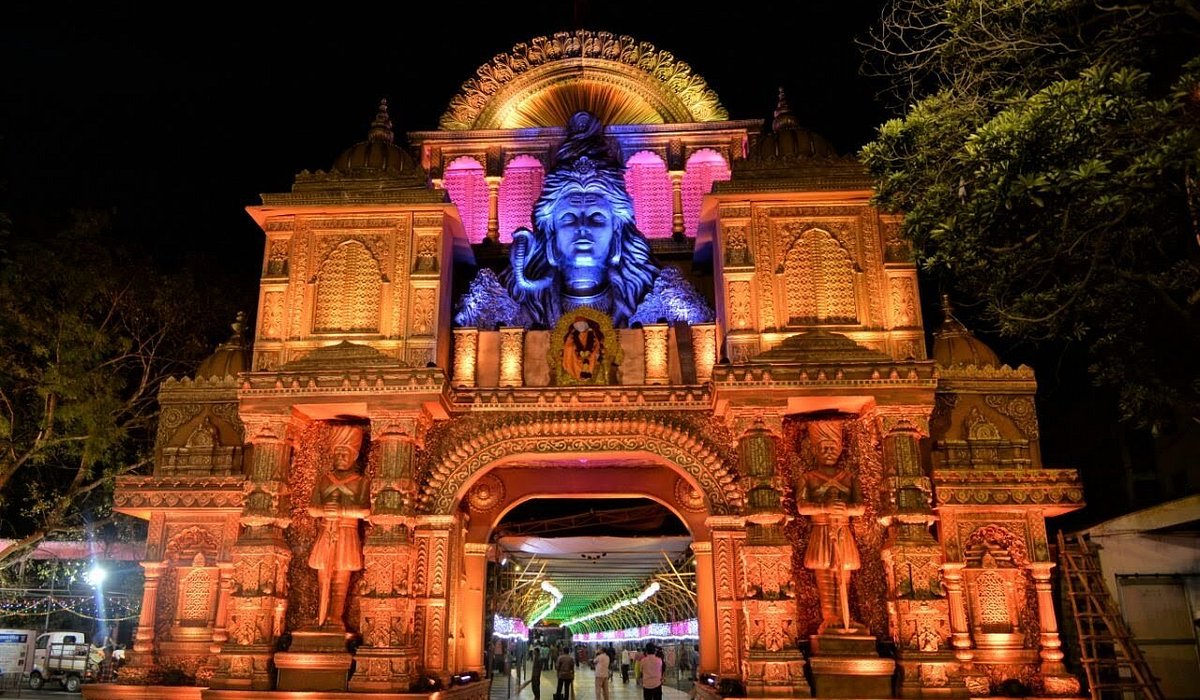
Places to Visit in Shirdi: Top Temples and Sightseeing
Discover best places to visit in Shirdi including Sai Baba temple, spiritual sites, nearby attractions, and practical one-day or two-day travel tips.
Never Miss an Adventure
Get the latest trekking guides, travel tips, and exclusive offers delivered straight to your inbox.
