
Ashtavinayak Temples Maharashtra: Darshan Order, Route Map & Itinerary

Priya Mehta
February 25, 2026
Complete Ashtavinayak yatra guide with route logic, darshan planning, season strategy, family-friendly pacing, and practical travel tips.
Introduction
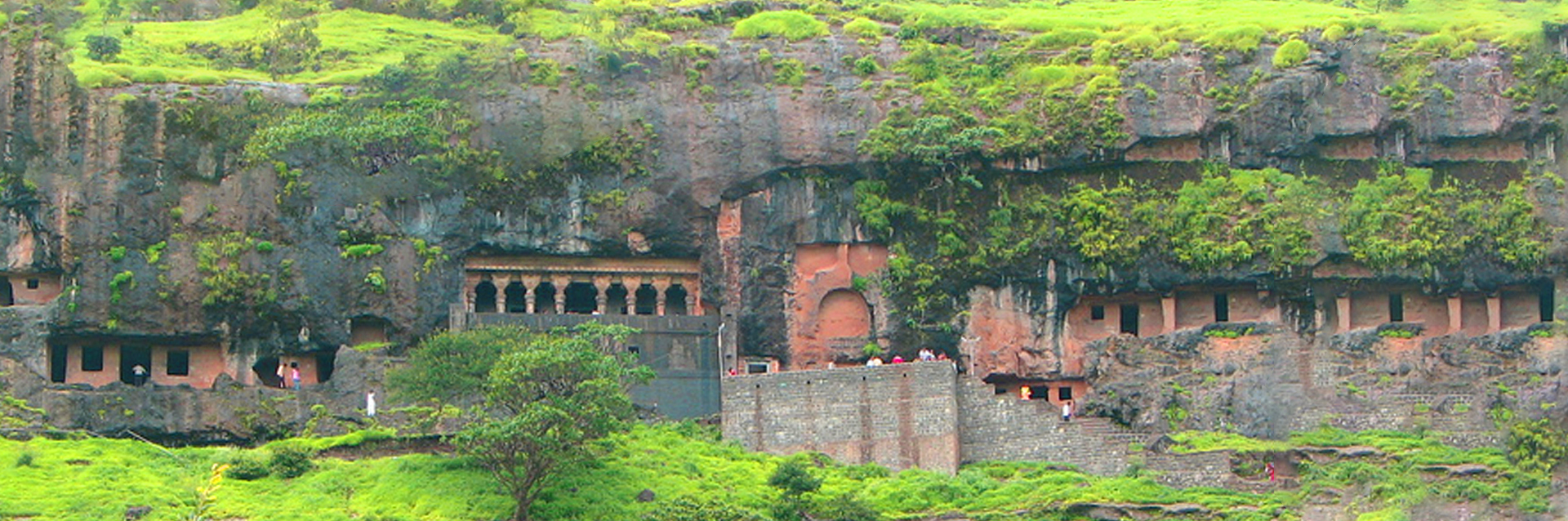
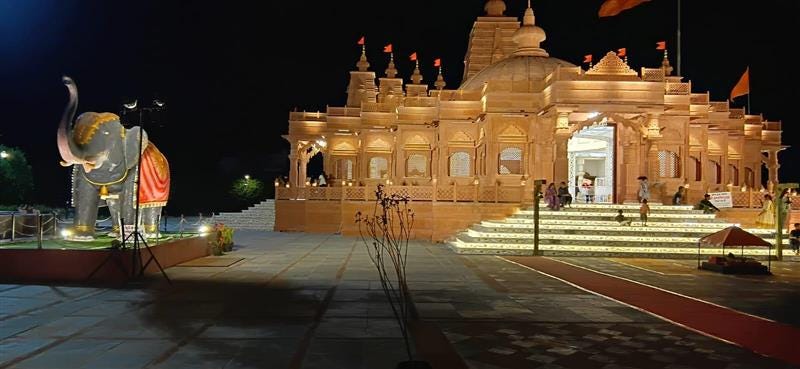
The Ashtavinayak Yatra is one of Maharashtra’s most meaningful spiritual circuits, centered around eight sacred Lord Ganesha temples spread across Pune-region districts. Many travelers and devotees begin with strong faith but weak logistics, leading to exhausting schedules, rushed darshan, and avoidable travel stress. A successful Ashtavinayak trip needs both devotion and planning: temple sequence, road timing, stay points, meal windows, crowd strategy, and realistic daily coverage. This guide is written for practical execution so you can complete the yatra with focus and calm instead of highway fatigue. Whether you are traveling with family, senior members, or a private group, route discipline matters. If you are combining temple travel with city movement, pair this with Pune travel guide and Mumbai travel guide for cleaner entry and exit planning.
What Is the Ashtavinayak Circuit?
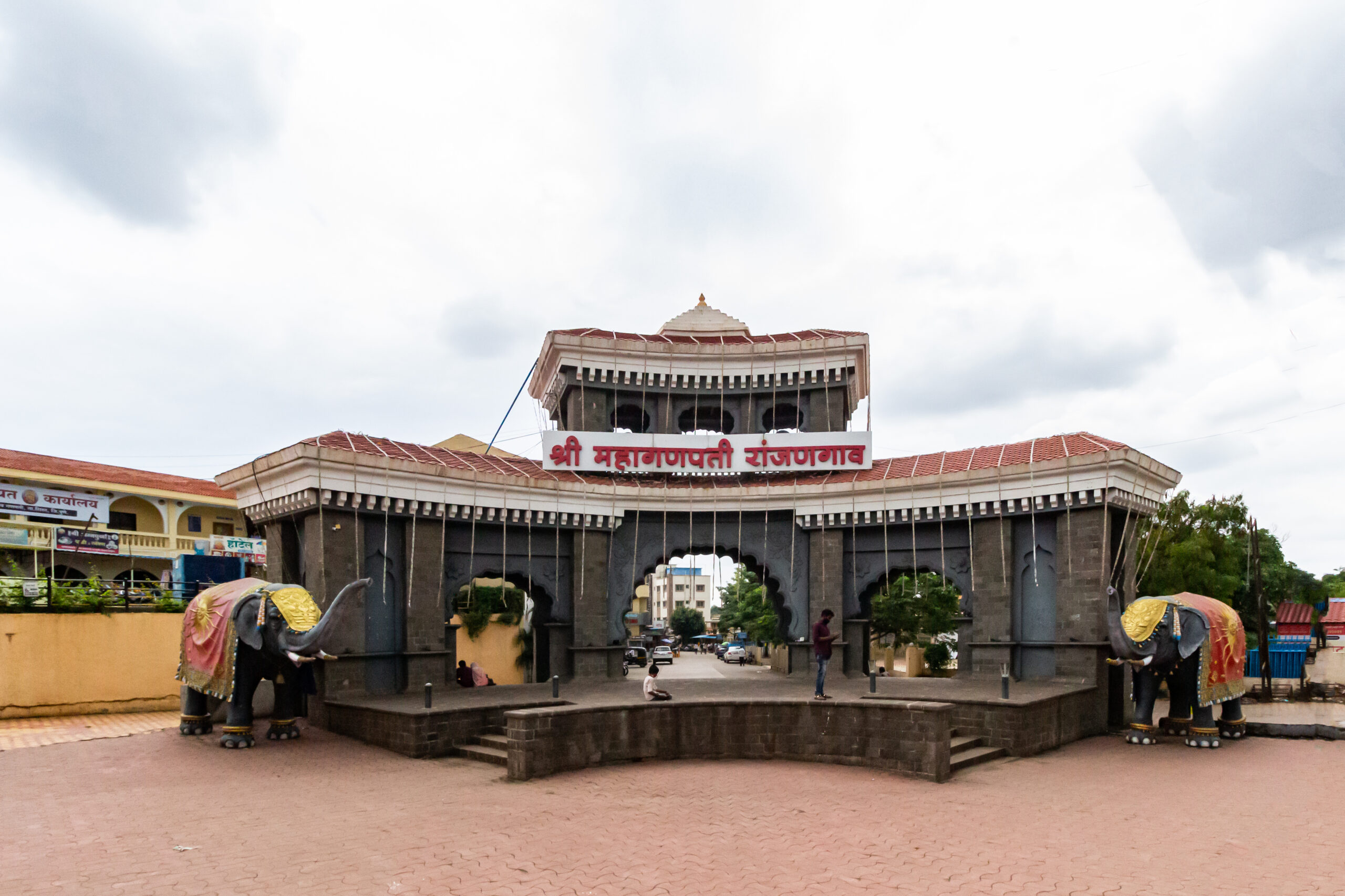
Ashtavinayak refers to eight ancient Ganesha temples with unique legends, forms, and ritual significance. The yatra is traditionally completed in a specific sequence, and many devotees prefer starting and ending at the same temple as part of devotional practice. Even if your personal tradition differs, route continuity is important because these temples are spread across different directions and road conditions. The circuit usually involves long driving hours across two to three days if done comfortably, though some groups attempt faster versions. Fast completion is possible but often reduces spiritual quality and increases fatigue. For first-timers, a paced plan gives better darshan experience and safer road execution. Keep faith at the center, but let logistics support it.
Recommended Darshan Planning Approach
A practical method is to split the yatra into manageable clusters rather than pushing all eight temples in a compressed loop. This works especially well for families and elderly travelers who need regular rest, predictable meals, and controlled wake-up times. Start early each day, keep darshan windows realistic, and avoid late-night intercity transfers unless essential. Weekends and festival periods increase queue pressure significantly, so weekday starts are usually more efficient. During Ganesh-centric festival windows, expect heavier footfall and road congestion near temple zones. If you are planning around major dates, book stay and vehicle support early. A prepared schedule protects devotional focus and reduces avoidable stress.
Best Time to Do Ashtavinayak Yatra
October to February is generally comfortable for road movement and temple visits due to milder weather. Summer months can still work but daytime heat may reduce comfort, especially for long queues and repeated footwear changes. Monsoon adds greenery and spiritual charm but introduces road unpredictability in some stretches. If you choose monsoon, maintain larger time buffers and avoid aggressive day plans. Festival periods can be spiritually powerful but operationally heavy; be ready for long waits and parking pressure. For balanced travel, choose non-peak weekdays in cooler months. Start dawn-to-morning for better movement and keep afternoons for transit and recovery.
How to Reach the Circuit Region
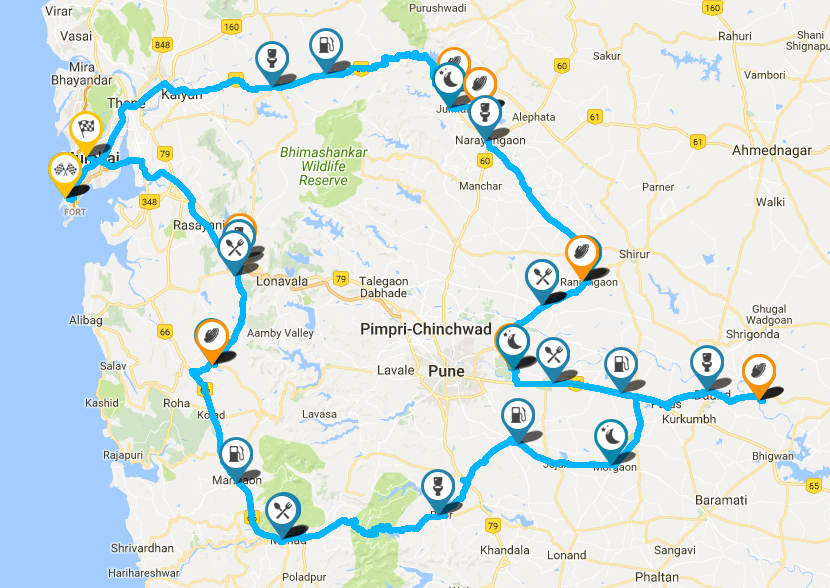
Pune is the most practical base for most travelers due to connectivity, accommodation variety, and road access to multiple temple directions. Mumbai-based travelers can also start directly, but should account for city exit delays. Private cab and self-drive are common options. Group travelers with seniors often benefit from dedicated vehicle plus driver familiar with temple routes. Public transport combinations are possible but can significantly increase travel complexity and total duration. For a smooth yatra, prioritize reliable transport over lowest-cost route if your schedule is tight. Keep fuel stops, meal breaks, and restroom breaks planned in advance rather than ad hoc. Structured movement prevents day-end fatigue spikes.
Temple Etiquette and On-Ground Discipline
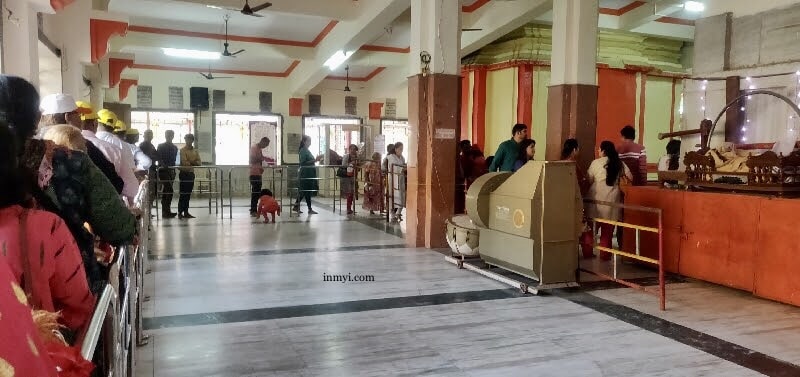
Ashtavinayak is a devotional route, so respectful conduct is essential. Dress modestly, follow local queue management, and avoid loud behavior near sanctum areas. Keep offerings simple and avoid carrying excess items that slow movement. If traveling in group, decide one regroup point outside each temple zone to avoid confusion in crowd. During peak hours, keep personal belongings secure and carry only essentials. Stay hydrated and use light, digestible meals between stops. For elderly members, avoid long standing lines without rest rotation. A spiritually meaningful trip depends as much on patience and behavior as on route completion.
Sample 3-Day Practical Itinerary
Day 1: Start from Pune early, complete first cluster temples, and halt near midpoint town. Day 2: Cover second cluster with controlled darshan timing and moderate driving hours. Day 3: Complete remaining temples and return to origin base by evening. This structure gives enough margin for queue variability and road surprises. If your group is highly efficient, you can compress to 2 days, but only when health profile and travel stamina are strong. For first attempt, do not over-compress. A devotional journey should not feel like a race. If you want to add a short relaxation extension after the yatra, a nearby break toward Lonavala travel guide routes can work well before returning to routine schedules.
Budget and Stay Strategy
Total budget depends on transport mode, stay quality, season, and group size. Major cost heads are vehicle, fuel/toll, accommodation, meals, and offerings. Families should prioritize clean, early-check-in-friendly stays near route points rather than premium luxury far off-route. Keep one contingency buffer for delays or same-day stay changes. Cash plus UPI mix works best because payment reliability varies by location. If your plan includes city extension, integrate post-yatra rest in Pune or Mumbai before long onward travel. This improves recovery and trip satisfaction significantly.
Common Mistakes to Avoid
Top mistakes are unrealistic temple count per day, late departure from base, no meal planning, and no queue buffer on peak days. Another frequent issue is ignoring senior comfort while optimizing only speed. Do not copy social-media “one-day complete” formats unless your group is specifically prepared for such pace. Also avoid long detours for non-essential stops during core yatra hours. Keep focus on darshan quality, stable timing, and safe return windows. A little discipline turns the same route from stressful to deeply fulfilling. If you enjoy comparative temple architecture, you can continue this theme later with temples in Bangalore on a separate Karnataka plan.
Ritual Planning and Personal Pace
Devotees often carry specific sankalp or prayer intentions during Ashtavinayak yatra. Keep those personal rituals realistic with your route timeline. Instead of adding too many extra ceremonies at every stop, choose key moments where your family can participate calmly. This keeps spiritual intent strong and avoids schedule collapse. A composed yatra, even if slightly slower, usually leaves deeper satisfaction than a hurried completion run.
Darshan Day Preparation Checklist
Before each yatra day, confirm departure time, temple sequence, meal stop windows, and rest points for senior members. Keep footwear management simple, carry water and basic medicines, and assign one person to track timing so the group stays coordinated. These small pre-start checks reduce confusion at crowded temple gates and preserve emotional calm. Good preparation does not reduce devotion; it protects it by preventing avoidable friction during long temple travel days.
Conclusion
Ashtavinayak Yatra is best experienced through devotion supported by strong logistics. Plan temple sequence smartly, travel in manageable clusters, respect queue realities, and keep comfort buffers for all members. When done with patience and structure, the journey becomes spiritually rich and operationally smooth. Treat this yatra as a sacred circuit, not a checklist race, and you will return with far deeper satisfaction. A slightly slower pace often creates a far more meaningful darshan memory for every traveler in the group.
Location
Frequently Asked Questions
Q1.How many days are ideal for Ashtavinayak Yatra?
Q2.What is the best base city for Ashtavinayak circuit?
Q3.Can Ashtavinayak be done in one day?
Q4.What is the correct darshan order for the Ashtavinayak Yatra?
Q5.Do I need to book Ashtavinayak temple visits in advance?
Q6.What is the total distance covered in the Ashtavinayak circuit?
Recommended For You

Festivals in South India: Top 20 Major Celebrations
Discover the top festivals in South India including Pongal, Onam, Ugadi, Mysore Dasara, Bathukamma, and temple celebrations with travel planning tips.
15 Oldest Temples in India: Ancient Architecture & Sacred Legacy
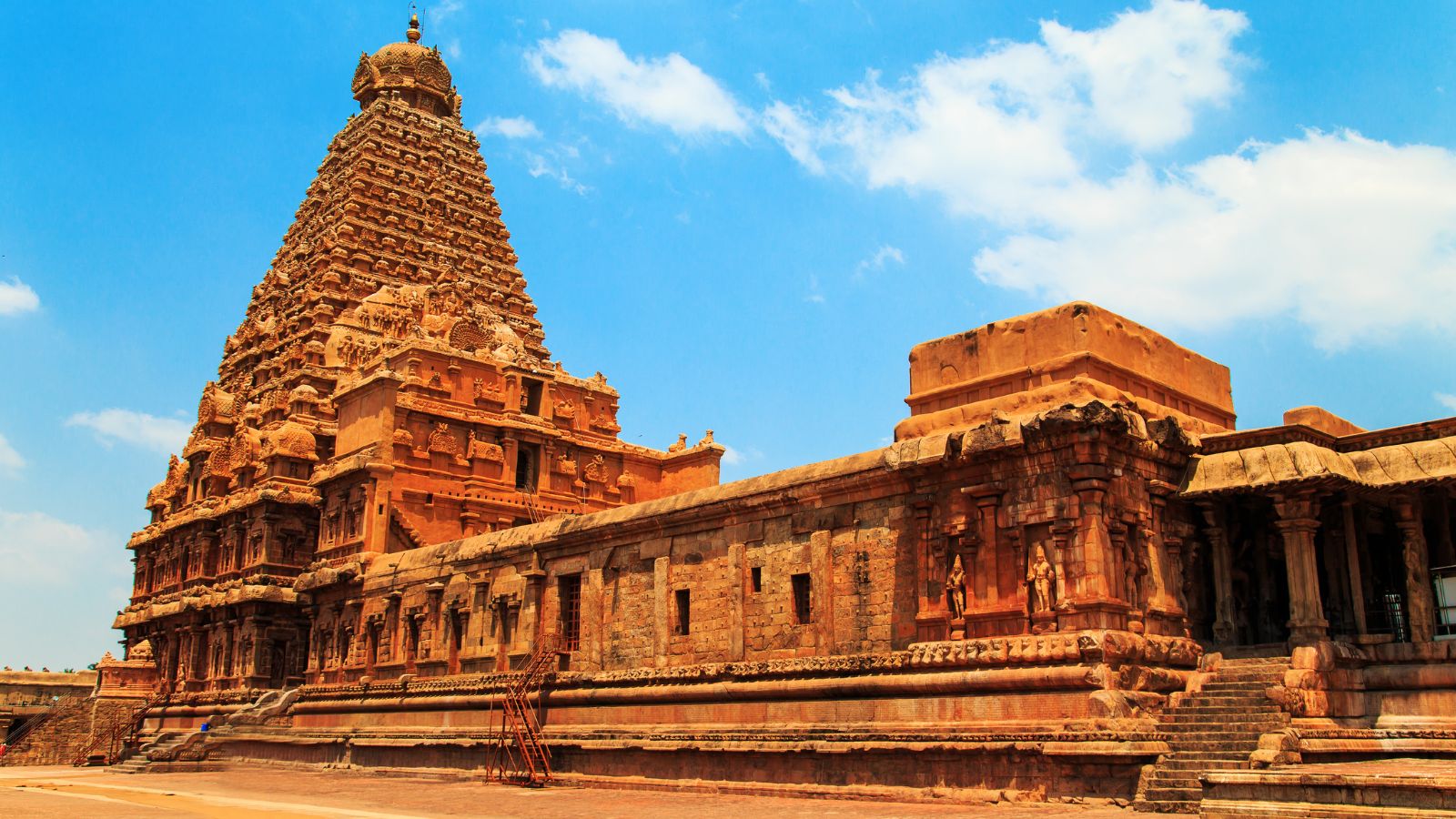
Explore 15 of the oldest temples in India with evidence-led timelines, architecture evolution, and practical heritage context for deeper temple travel planning.

Temples in Hyderabad: 20 Sacred Sites
Explore 20 famous temples in Hyderabad. From Birla Mandir to Chilkur Balaji, discover spiritual sites, timings & heritage.
Never Miss an Adventure
Get the latest trekking guides, travel tips, and exclusive offers delivered straight to your inbox.
