
Punjabi Culture and Traditions: Practical Guide to Festivals, Food, Music, and Everyday Life

Priya Mehta
February 25, 2026
Understand Punjabi culture and traditions through festivals, food, music, attire, and community life with this practical travel-focused cultural guide.
Why Punjabi Culture Feels So Distinct
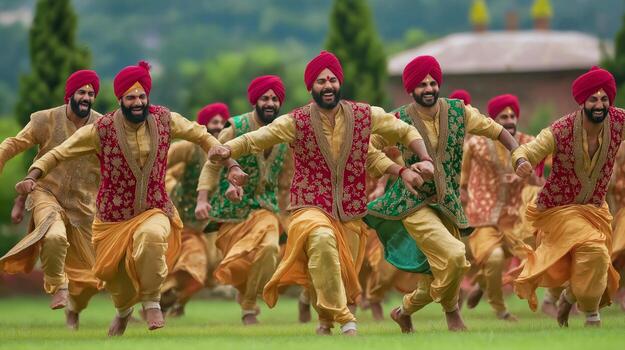
Punjabi culture is recognized quickly even by first-time travelers because it is highly expressive, community-led, and rooted in shared celebration. The state’s social rhythm combines faith, food, music, hospitality, and agricultural cycles in a way that makes daily life itself part of the travel experience. Visitors who only plan monuments miss this core layer. To understand Punjab properly, you need at least one cultural day where local routines, meals, and markets are the focus.
If you are planning a broader state route, combine this guide with places to visit in Punjab, city-level sequencing from things to do in Punjab, and practical first-trip planning from Amritsar guide. For spiritual context that deeply influences Punjabi social values, include Golden Temple visit timing in your itinerary design.
Core Values in Punjabi Social Life
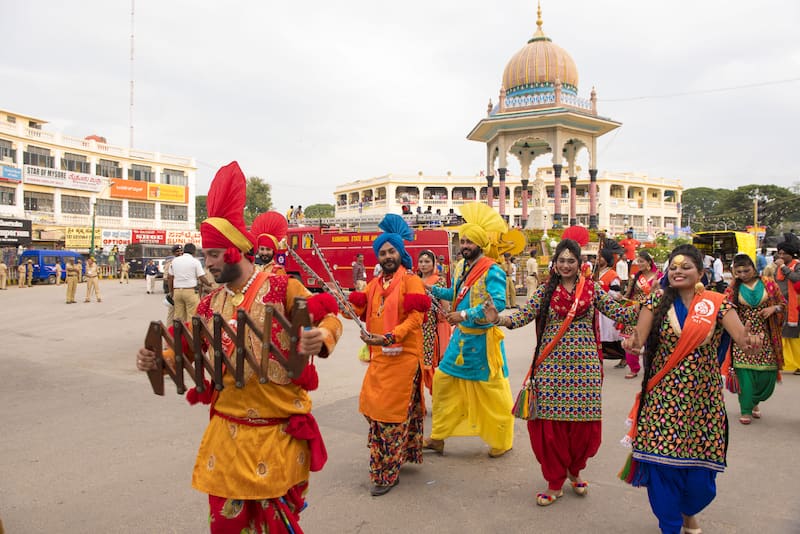
Punjabi communities are often defined by openness, collective participation, and high social energy. Hospitality is not only a courtesy but a cultural expectation, especially in family and community spaces. Food sharing, festival invitations, and cooperative celebration are strong recurring patterns. This social openness is one reason short visits can still feel immersive.
Another key value is resilience. Historical transitions, migration stories, and agricultural realities have shaped a culture that balances joy with discipline. You can observe this in both urban and rural settings where daily work ethic and festive spirit coexist naturally.
Festivals That Define Punjabi Traditions
Lohri: A winter harvest celebration marked by bonfires, folk songs, and community gatherings. It reflects gratitude and seasonal transition.
Baisakhi: A major harvest and spiritual festival with deep historical significance. It is one of the strongest expressions of community identity in Punjab.
Gurpurab observances: Important religious-cultural events with prayer, seva, and community participation.
Teeyan and regional celebration cycles: Family and community-centered observances that preserve local traditions.
Festival travel should be planned with stay and transport buffers because demand can rise quickly in major city circuits.
Music, Dance, and Performing Traditions
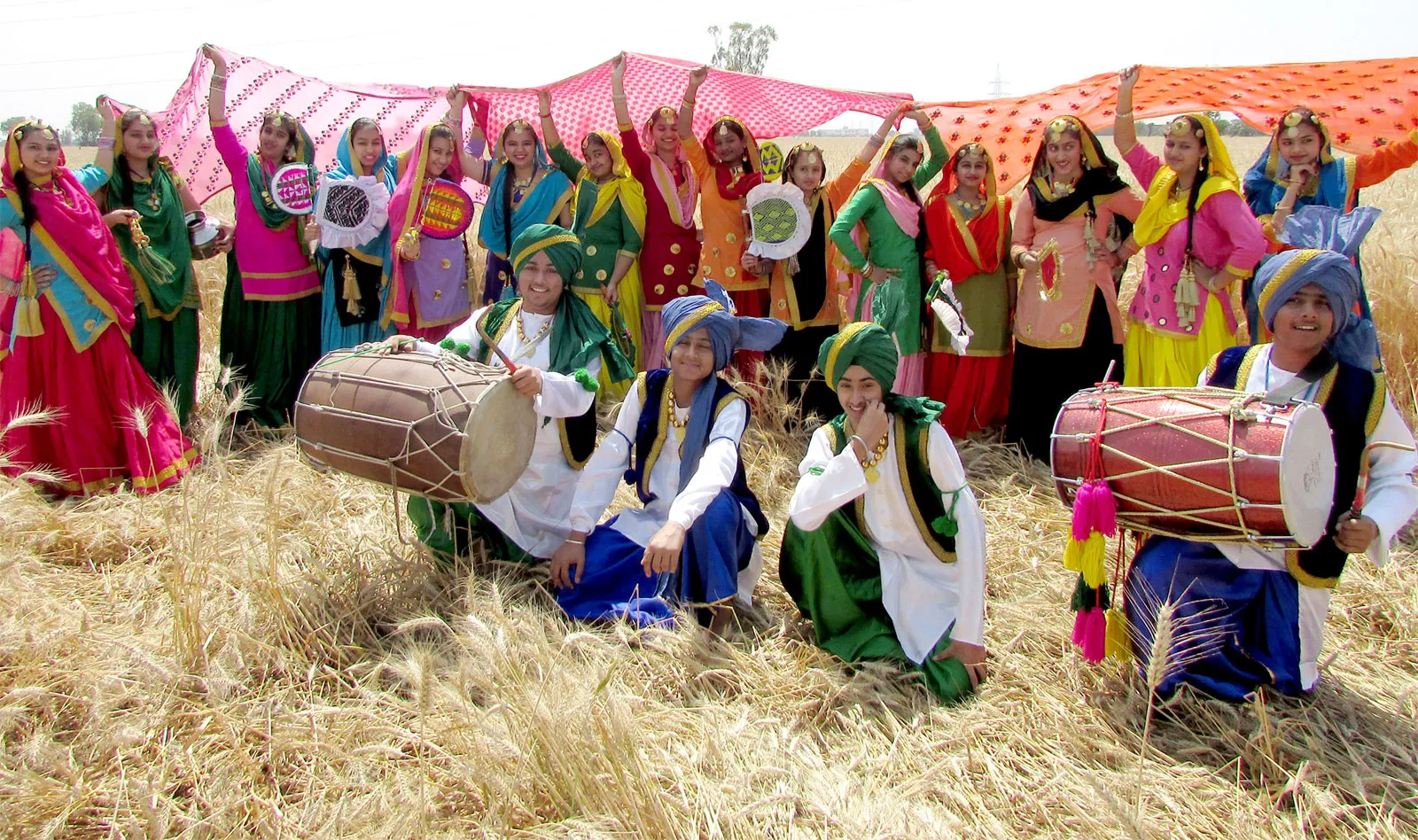
Punjabi culture has a strong performance backbone through folk and contemporary music traditions. Bhangra and Giddha are among the most visible dance forms, but regional folk singing and instrument use also carry deep heritage value. These forms are not limited to stage settings; they remain active in family events, festivals, and local social functions.
For travelers, attending one authentic cultural performance or community celebration can add far more value than repeated landmark visits. The experience gives immediate insight into emotional tone, social participation, and intergenerational continuity in Punjabi life.
Food Traditions and Daily Eating Culture
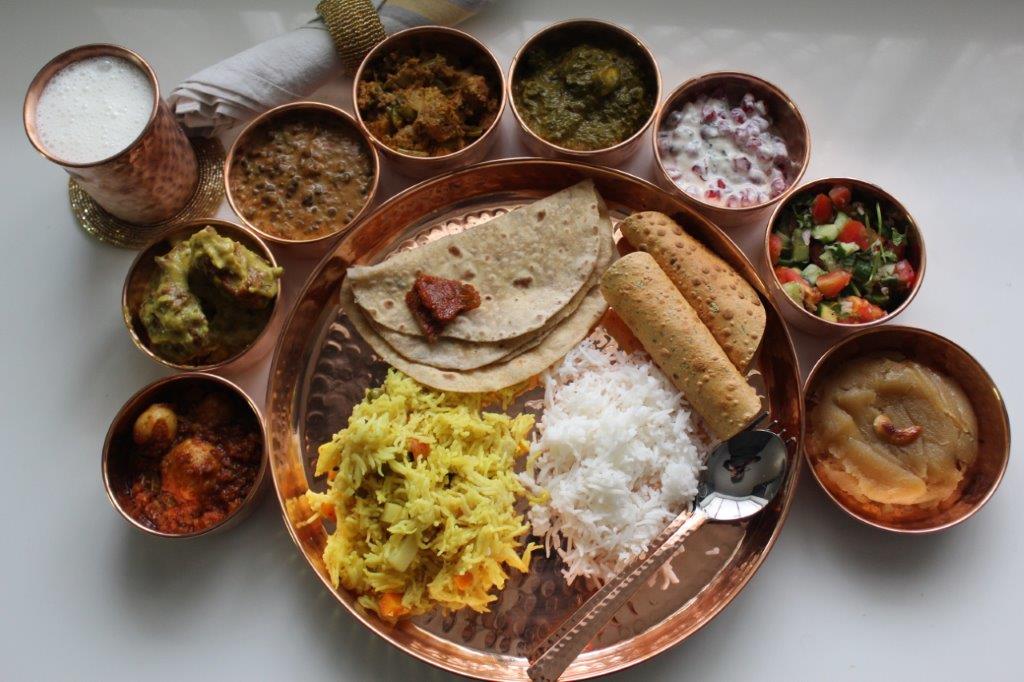
Punjabi cuisine is rich, layered, and deeply tied to agriculture and seasonality. But beyond famous dishes, the cultural point is shared eating. Family meals, community kitchens, and festival food rituals are central social practices. Plan one meal in a local setting and one in a curated city location to understand this contrast.
Travelers often over-focus on heavy meals and miss balance. A better approach is structured tasting: one breakfast specialty, one lunch or dinner anchor, and one local snack block. This keeps energy stable and improves day-long exploration quality.
Punjabi Attire, Language, and Daily Aesthetics
Traditional attire remains culturally visible in both formal and festive contexts. Clothing styles often reflect practicality, climate, and ceremonial identity. Language also plays a central role; even short exposure to common Punjabi greetings and phrases improves local engagement and interaction quality.
Color, textiles, and ornament patterns in Punjab are expressive and often associated with celebration culture. Markets and local craft stops are useful for understanding how tradition remains active in contemporary life.
Urban and Rural Cultural Contrast
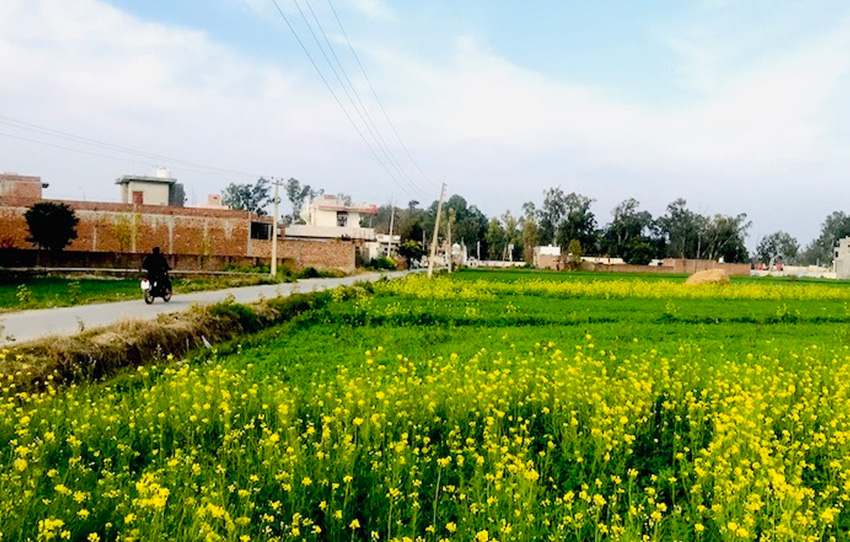
Punjab’s cities show rapid modernization, but rural areas preserve slower cultural patterns tied to agricultural cycles and community structures. The best cultural itineraries include both. One city day plus one rural or small-town context day gives a far clearer picture of Punjabi identity than city-only travel.
If your schedule is limited, prioritize one urban heritage-food day and one community-culture day. This dual format gives both comfort and depth.
How Travelers Can Experience Punjabi Culture Respectfully
Respectful participation is simple: dress appropriately for sacred spaces, follow local etiquette, ask before close-up photography, and engage with curiosity rather than assumptions. Avoid reducing culture to costume, food, or dance alone. Ask questions, observe patiently, and value context.
Supporting local vendors, artisans, and small food businesses helps keep cultural travel meaningful and economically positive for communities.
Common Mistakes to Avoid
Common mistakes include treating Punjabi culture as only nightlife and food, skipping historical context, and over-scheduling city movement without local interaction windows. Another issue is festival travel without advance planning for stays and transfers. Keep your route simple and intent-driven.
Culture-heavy travel works best with slower pace and fixed reflection windows. If you move too fast, you may see many things but understand very little.
Language, Storytelling, and Oral Tradition
Punjabi culture has a strong oral storytelling tradition that survives in folk songs, family narratives, community gatherings, and performance spaces. Even if you do not understand every word, the rhythm and emotional intensity are noticeable. Travelers who spend time in local performance contexts often understand the culture more deeply than those who only visit monuments. Oral tradition acts as a living archive, carrying memory across generations.
For cultural travelers, one practical approach is to combine a daytime heritage route with an evening folk or devotional music session. This creates both historical and emotional context in one day. It also helps connect architecture and social memory in meaningful ways.
Faith, Seva, and Community Conduct
A core pillar of Punjabi social identity is seva, the ethic of service. This is visible in community kitchens, volunteer participation, and shared responsibility during festivals and local events. Travelers who observe this respectfully gain a clearer understanding of the social values that shape daily life. Participation, when appropriate and guided, can be one of the most meaningful parts of the trip.
In religious environments, modest clothing and calm behavior are essential. These are not just formal rules but expressions of collective respect. Visitors who follow them usually receive warmer interactions and more genuine cultural exchange.
Craft, Markets, and Regional Material Culture
Punjabi cultural expression is also visible in textiles, embroidery, traditional attire details, and local market practices. A short market walk can reveal how traditional design has adapted to modern use. Rather than buying quickly, spend time understanding product origin and craftsmanship patterns. This approach supports local producers and improves purchase quality.
If shopping is part of your plan, focus on one or two meaningful items instead of broad random buying. Cultural travel is strongest when objects carry context, not just visual appeal.
Building a Better Cultural Itinerary
A practical culture-first day in Punjab can include: morning spiritual or heritage block, afternoon food and market immersion, evening music or community space, and one reflective pause to process observations. This structure gives high variety without travel fatigue. If your trip is longer, assign one theme per day rather than blending everything at once.
Ultimately, Punjabi culture is best understood through participation and observation in lived spaces. The more intentional your pace, the deeper the experience becomes.
Conclusion
Punjabi culture and traditions are best experienced through lived rhythm: festivals, food-sharing, music, faith spaces, and everyday community life. Build your trip around participation and context, not just attractions. With the right planning, Punjab offers one of India’s most energetic and meaningful cultural travel experiences.
Location
Frequently Asked Questions
Q1.What are the key festivals in Punjabi culture?
Q2.Is Punjabi culture only about food and dance?
Q3.Can travelers experience Punjabi culture in a short trip?
Q4.How should visitors behave in Punjabi religious spaces?
Q5.What is the best way to understand Punjabi traditions deeply?
Recommended For You
Places to Visit in Ludhiana Punjab: Museums, Parks & Family Spots
Discover places to visit in Ludhiana, Punjab with top attractions, museums, parks, gurdwara visits, food stops, and practical travel planning tips.
Golden Temple Amritsar: Darshan Timings, Langar & Travel Tips
Experience divine serenity at Golden Temple Amritsar. Discover its rich history, sacred rituals, and the world's largest langar serving 100,000 daily. Complete guide with timings, dress code, and travel tips.

Pathankot Punjab: Travel Guide and Places to Visit
Pathankot Punjab travel guide covering places to visit, best time, transport, nearby hill getaways, and practical first-time planning tips.
Never Miss an Adventure
Get the latest trekking guides, travel tips, and exclusive offers delivered straight to your inbox.
