
Amritsar: Complete Travel Plan Places And Weather

Ananya Sharma
February 20, 2026
Complete Amritsar travel guide featuring Golden Temple, Wagah Border, Jallianwala Bagh, Partition Museum, Punjabi cuisine & practical tips.
Introduction to Amritsar
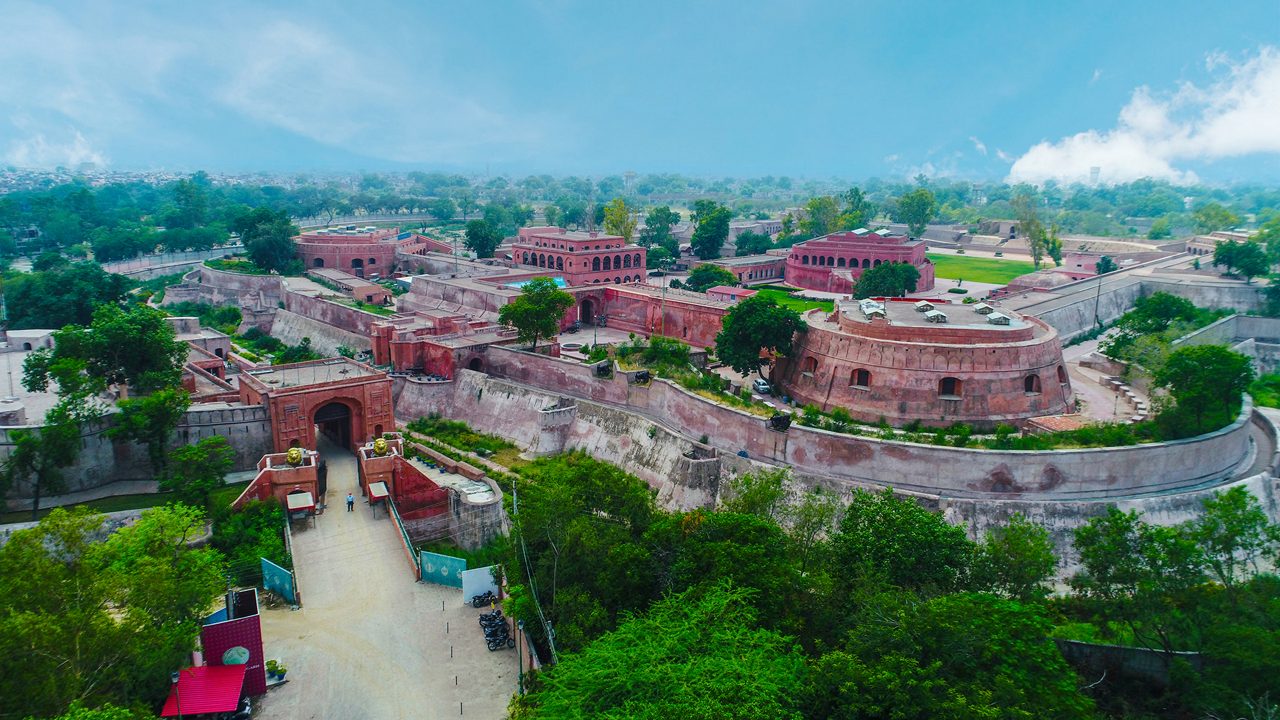
Amritsar, the spiritual and cultural center of the Sikh religion, is one of Punjab's most vibrant and historically significant cities. Founded in 1577 by the fourth Sikh Guru, Ram Das, the city derives its name from the sacred pool (Amrit Sarovar) that surrounds the Golden Temple - the holiest shrine in Sikhism. Amritsar's rich history, spiritual significance, and the legendary hospitality of Punjabi culture make it a must-visit destination for travelers from around the world.
What makes Amritsar truly special is its unique blend of spirituality, history, and culture. The city is home to the Golden Temple (Harmandir Sahib), which welcomes millions of devotees and visitors annually regardless of their religion, caste, or background. The temple's stunning golden architecture, reflected in the sacred pool, creates an otherworldly atmosphere that touches the soul of everyone who visits. Beyond the spiritual realm, Amritsar played pivotal roles in India's independence struggle and the tragic Partition of 1947.
Amritsar is also a food lover's paradise. The city's culinary scene, centered around the legendary Amritsari cuisine, offers some of the most flavorful and hearty food in India. From the famous Amritsari kulcha to the creamy dal makhani, from butter chicken to the refreshing lassi, every meal here is a celebration of Punjab's rich gastronomic heritage. The bustling streets around the Golden Temple and the iconic Hall Bazaar offer endless opportunities to sample these culinary delights.
The city's location, just 30 kilometers from the Pakistan border, adds another dimension to its character. The Wagah Border ceremony, a daily military ritual that draws thousands of spectators, showcases the intense rivalry and strange camaraderie between India and Pakistan. This unique geopolitical context, combined with the city's religious significance, creates an atmosphere unlike anywhere else in India.
Best Time to Visit Amritsar
Amritsar experiences extreme weather conditions with very hot summers, a monsoon season, and cool winters. Choosing the right time to visit significantly impacts your experience of the city.
November to March is the best time to visit Amritsar when the weather is pleasant and ideal for sightseeing. Daytime temperatures range from 15°C to 25°C, making it comfortable to explore the Golden Temple complex, visit outdoor attractions, and walk through the bustling markets. December and January can get quite chilly, especially early mornings and evenings, with temperatures occasionally dropping to 5°C or lower. This period coincides with the peak tourist season, so expect larger crowds at popular attractions and higher prices for accommodations.
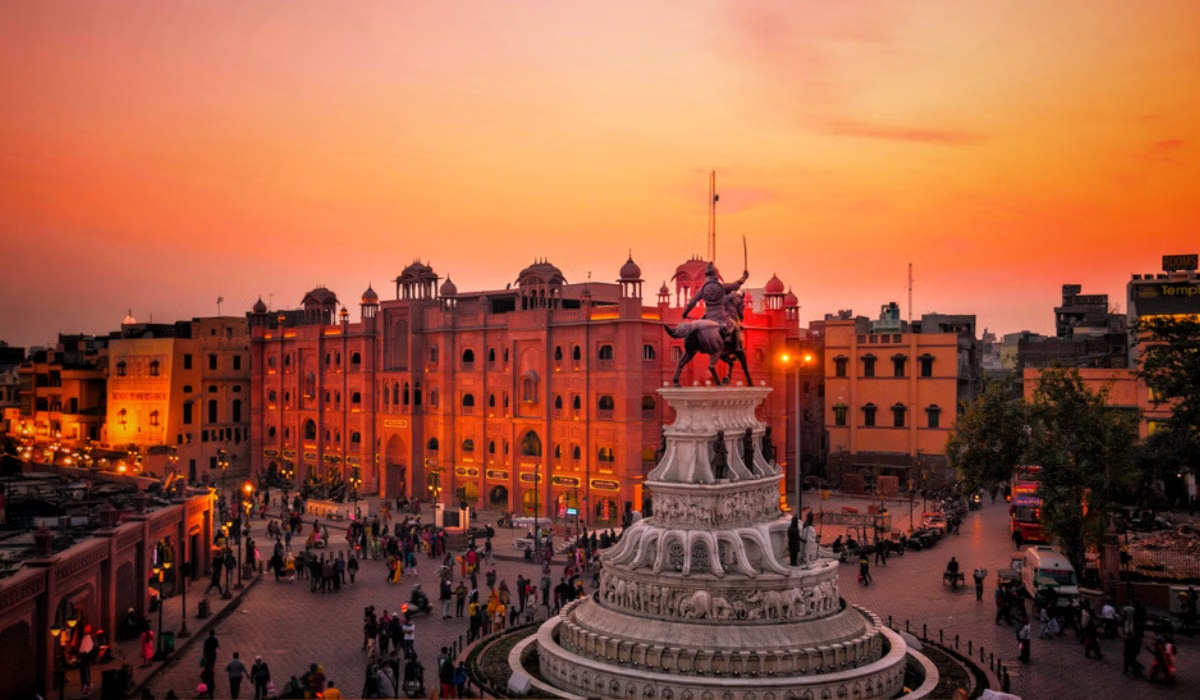
April to June brings summer heat that can be intense, with daytime temperatures often soaring above 40°C and sometimes reaching 45°C or more. The heat makes daytime sightseeing uncomfortable, especially outdoor activities. However, this is the off-season, meaning fewer tourists and significantly lower prices for hotels and flights. If you visit during summer, plan activities for early morning and evening, rest during the hottest part of the day, and stay hydrated. Many restaurants and shops close during the hottest afternoon hours.
July to September is the monsoon season when Amritsar receives moderate to heavy rainfall. The temperatures drop slightly compared to summer, but high humidity makes it feel equally uncomfortable. The rains bring relief from the heat but can disrupt travel plans and outdoor activities. This is the least popular time to visit, though some travelers appreciate the lush greenery and even lower prices. Carry an umbrella or raincoat and be prepared for potential flooding in low-lying areas.
Special consideration should be given to festival periods. Vaisakhi (April 13), the harvest festival, is celebrated with great enthusiasm in Amritsar. The Golden Temple is beautifully decorated, and special ceremonies take place. Guru Nanak Jayanti (November), the birth anniversary of the first Sikh Guru, is another major celebration. Diwali (October/November) and Bandi Chhor Divas are celebrated spectacularly at the Golden Temple with incredible illuminations. While these festivals offer unique cultural experiences, they also draw enormous crowds and require careful planning.
Top Attractions in Amritsar
Golden Temple (Harmandir Sahib)
The Golden Temple, also known as Harmandir Sahib or Darbar Sahib, is the holiest shrine in Sikhism and the heart of Amritsar. This magnificent structure, covered in real gold, sits in the middle of the sacred Amrit Sarovar (pool of nectar), from which the city derives its name. The temple's stunning architecture, with its marble inlays, golden domes, and intricate carvings, creates a mesmerizing sight, especially when illuminated at night.
What makes the Golden Temple truly special is its ethos of equality and service. The temple has four entrances, symbolizing that people from all directions and walks of life are welcome here. Unlike many religious sites, there are no restrictions based on religion, caste, or gender. The temple complex houses the Akal Takht (the highest temporal seat of Sikhism), and the Guru Granth Sahib (the holy scripture) is continuously recited here.
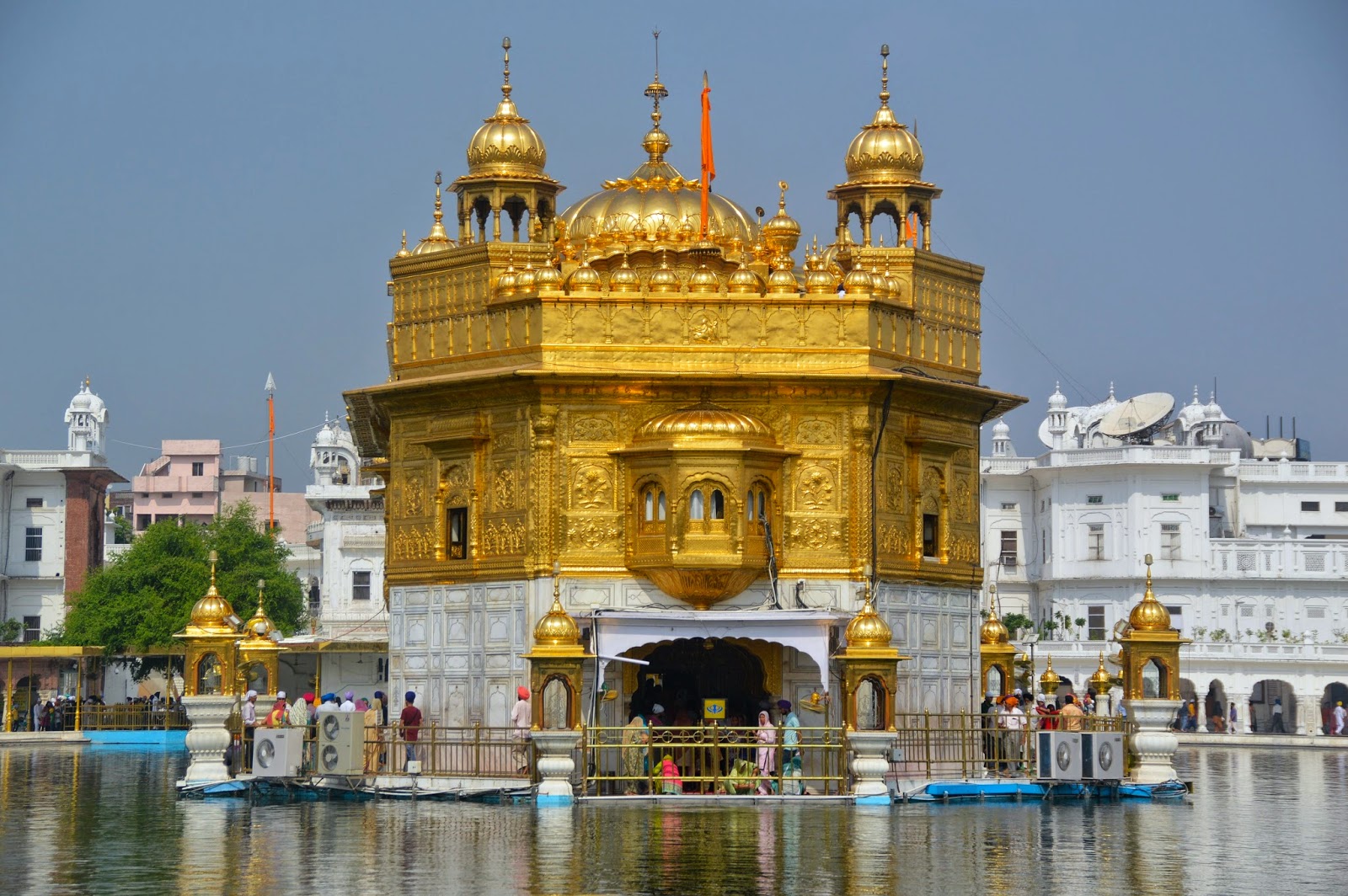
The temple operates the world's largest community kitchen (langar), serving free meals to 100,000 people daily regardless of their background. Visitors are encouraged to participate in this tradition by eating at the langar or even volunteering to help prepare food, clean dishes, or serve meals. The experience of sitting on the floor, eating simple vegetarian food alongside strangers from all walks of life, is deeply moving.
The best time to visit is early morning (5-6 AM) for a peaceful experience or late evening when the golden structure is beautifully illuminated and reflected in the sacred pool. The temple is open 24 hours, making it accessible at any time. Remember to dress modestly (cover your head, remove shoes, and wear clothes that cover knees and shoulders), and wash your feet before entering the main temple area.
Wagah Border Ceremony
Located approximately 30 kilometers from Amritsar on the India-Pakistan border, the Wagah Border ceremony is a daily military ritual that has become a major tourist attraction. Every evening before sunset, soldiers from both countries perform an elaborate flag-lowering ceremony that showcases the intense rivalry between the two nations while paradoxically also displaying a strange form of cooperation.
The ceremony begins with a procession of soldiers in elaborate uniforms, followed by a theatrical display of marching, posturing, and aggressive gestures by soldiers from both sides. The crowds on each side cheer enthusiastically for their respective countries, creating an electric, stadium-like atmosphere. The ceremony culminates with the perfectly synchronized lowering of both national flags and the closing of the border gates for the night.
The ceremony begins around 5:30 PM in winter and 6:30 PM in summer (30 minutes before sunset). However, arrive at least 1-2 hours early to secure a good seat, especially on weekends and holidays when crowds can exceed 10,000 people. The ceremony lasts about 45 minutes. Foreigners are given VIP seating closer to the gate. The atmosphere is carnival-like with patriotic songs, dancing, and cheering. While controversial to some, the ceremony is undoubtedly a unique spectacle that offers insight into the complex relationship between India and Pakistan.
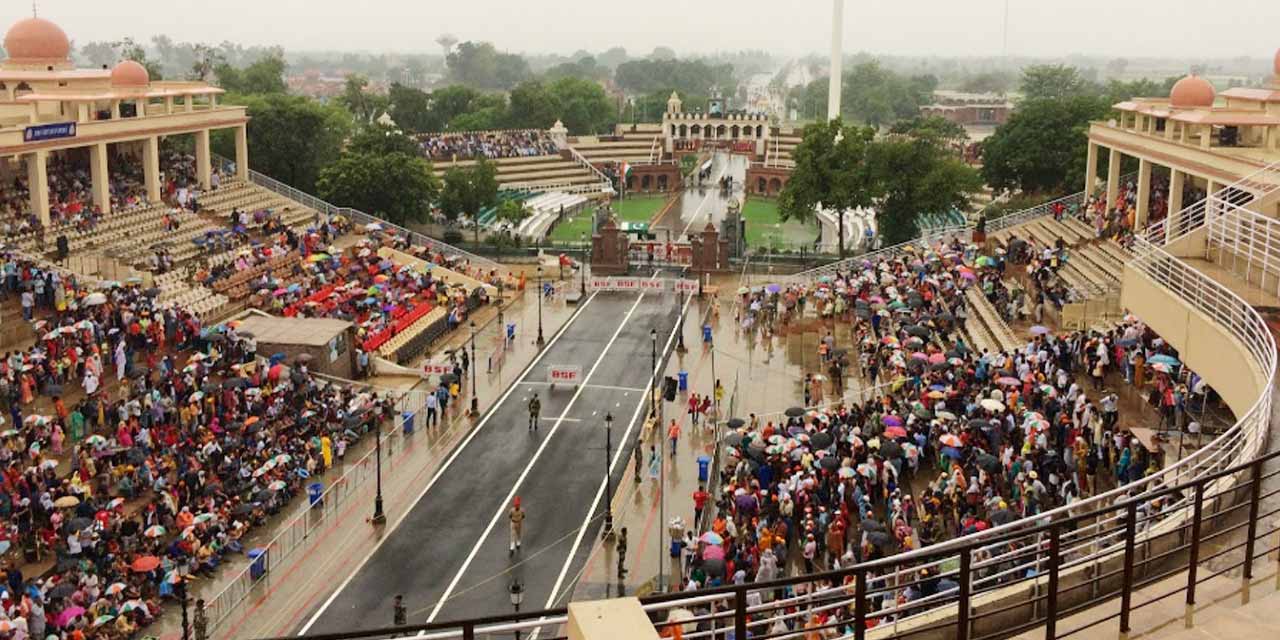
Transport to Wagah Border is available by taxi, auto-rickshaw, or organized tour. Many hotels arrange tours. The return journey can take 1-1.5 hours depending on traffic. Carry sun protection for the wait and be prepared for extensive security checks.
Jallianwala Bagh
Located just a few minutes' walk from the Golden Temple, Jallianwala Bagh is a public garden that memorializes one of the darkest chapters in British colonial history. On April 13, 1919, British troops under the command of General Reginald Dyer fired indiscriminately on a peaceful gathering of unarmed Indians celebrating Baisakhi, killing hundreds and wounding thousands. This massacre became a turning point in India's independence movement.
The garden preserves the site where the massacre occurred. The bullet marks on the walls are still visible, preserved as a grim reminder of the tragedy. A memorial built in 1951 stands in the center of the garden, commemorating the victims. An eternal flame burns in memory of those who died. The Martyrs' Well, into which many people jumped to escape the bullets, is also preserved.
A small museum on-site displays photographs, newspaper clippings, and artifacts related to the massacre and independence movement. The exhibits provide context and help visitors understand the significance of this event. The site is somber and evocative - a stark contrast to the jubilant atmosphere nearby at the Golden Temple. A visit here provides important historical context and is essential for understanding India's struggle for independence.
Entry is free, and the site is open from sunrise to sunset. Allow 30-45 minutes for your visit. The garden is well-maintained but can get crowded. Combine with a visit to the Golden Temple as they're very close to each other.
Partition Museum
Opened in 2017, the Partition Museum is the world's first museum dedicated to the Partition of India in 1947. The museum tells the heartbreaking story of the division of the Indian subcontinent and the creation of Pakistan, an event that resulted in the largest mass migration in human history and claimed over a million lives while displacing 14 million people.
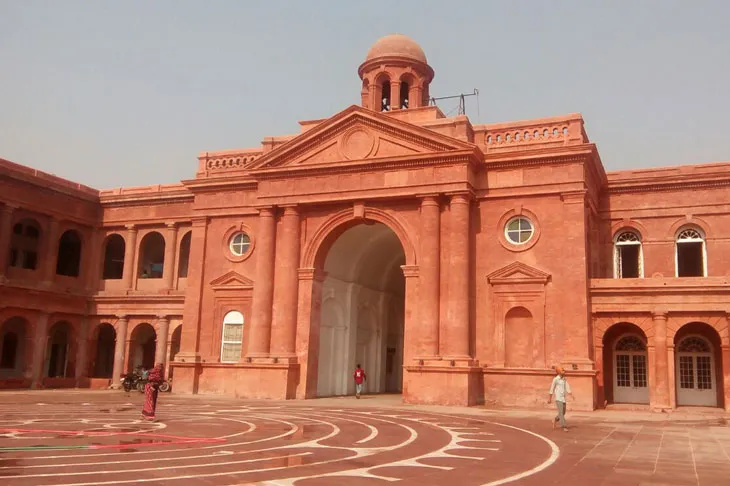
Located in the historic Town Hall building, the museum uses personal narratives, photographs, newspapers, letters, and artifacts to create a deeply emotional and moving experience. Exhibits include oral histories from survivors, refugee belongings, letters from people searching for lost family members, and artwork reflecting the trauma and hope of that era. The museum humanizes the staggering statistics, making the history accessible and relatable.
The museum is organized into several galleries covering different aspects of the Partition - from the events leading up to it, to the migration itself, to the rehabilitation efforts, to the lasting impact. The final gallery, the Gallery of Hope, features stories of reunions and rebuilding. Audio guides are available in multiple languages. Allow 2-3 hours for a thorough visit. The museum is closed on Mondays.
Akal Takht
Located within the Golden Temple complex, the Akal Takht (Throne of the Timeless One) is one of the five takhts (seats of authority) in Sikhism and represents the highest temporal authority of the Sikh faith. Unlike the Golden Temple, which is the spiritual center, the Akal Takht deals with the temporal and worldly affairs of the Sikh community.
Constructed by the sixth Sikh Guru, Guru Hargobind, in 1606, the Akal Takht symbolizes the Sikh concept of miri-piri - the fusion of temporal and spiritual authority. This was revolutionary for its time, asserting that spiritual and political authority are intertwined. The Akal Takht has been the site of many important decisions in Sikh history and has been damaged and rebuilt several times, most recently after Operation Blue Star in 1984.
The building faces the Golden Temple, and the relationship between the two structures symbolizes the balance between spiritual and temporal authority. The Akal Takht houses ancient Sikh weapons and artifacts. The Golden Temple's Guru Granth Sahib is brought to the Akal Takht every night in a ceremonial procession. Visitors to the Golden Temple complex should visit and pay respects at this important site.
Maharaja Ranjit Singh Museum
Housed in the magnificent summer palace of Maharaja Ranjit Singh, the legendary Sikh ruler who united Punjab, this museum offers insight into the life and times of one of India's most fascinating historical figures. The museum displays artifacts, paintings, weapons, and personal belongings of the Maharaja and his court.
The building itself, set amidst the beautiful Ram Bagh garden, is an example of the elegant architecture of the Sikh period. The museum's collection includes coins, manuscripts, paintings depicting court life, weapons including swords and guns, and personal items of the Maharaja. The exhibits provide context about the Sikh Empire, which Ranjit Singh established in the early 19th century, and his relatively secular and administrative governance style.
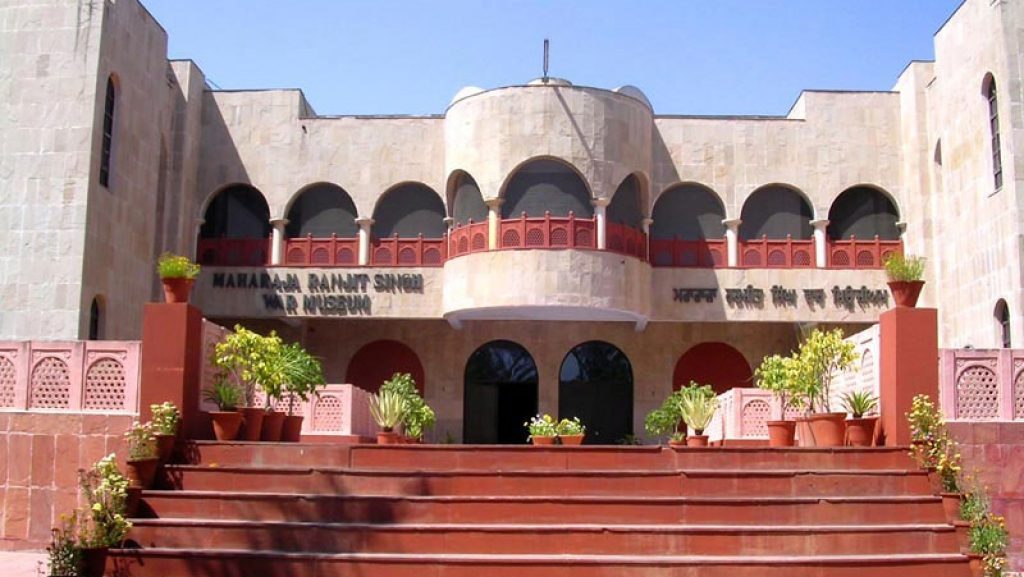
The Ram Bagh garden, modeled after the famous Shalimar Bagh in Lahore, is a pleasant place to walk. The museum is located approximately 2 kilometers from the Golden Temple. Allow 1-1.5 hours for the museum visit. The museum is closed on Mondays.
Durgiana Temple
Also known as Lakshmi Narayan Temple, Durgiana Temple is a beautiful Hindu temple dedicated to Goddess Durga. The temple's architecture bears a striking resemblance to the Golden Temple - it's built in the center of a sacred pool and has a similar style with marble inlays and golden domes. Built in 1921, the temple is an important Hindu pilgrimage site.
The temple complex is peaceful and less crowded than the Golden Temple. The sacred pool, surrounded by walkways, offers a serene setting for reflection. The temple is particularly beautiful during festivals, especially Navratri when elaborate decorations and ceremonies take place. The temple also houses shrines to other Hindu deities including Lakshmi and Narayan.
The temple is located approximately 1.5 kilometers from the Golden Temple and can be visited on the same day. Non-Hindus are welcome. Dress modestly and remove leather items before entering.
Central Sikh Museum
Located near the entrance of the Golden Temple complex, this small museum displays paintings illustrating Sikh history, particularly focusing on the lives of the Sikh Gurus and the persecution Sikhs faced under Mughal rulers. The museum also houses rare manuscripts, old coins, and weapons from various periods of Sikh history.
The paintings, though not artistically remarkable, provide important historical context for understanding the Sikh faith and the sacrifices made by early Sikhs. Exhibits cover the lives of all ten Sikh Gurus, important battles, and key events in Sikh history. The museum helps visitors appreciate the Golden Temple's significance beyond its architectural beauty. Entry is free, and photography is not allowed inside.
Food in Amritsar
Amritsari cuisine is legendary, and eating your way through the city is one of the great pleasures of visiting. The food here is characterized by rich flavors, generous use of butter and ghee, and heartwarming portions that reflect Punjab's agricultural abundance and hospitable culture.
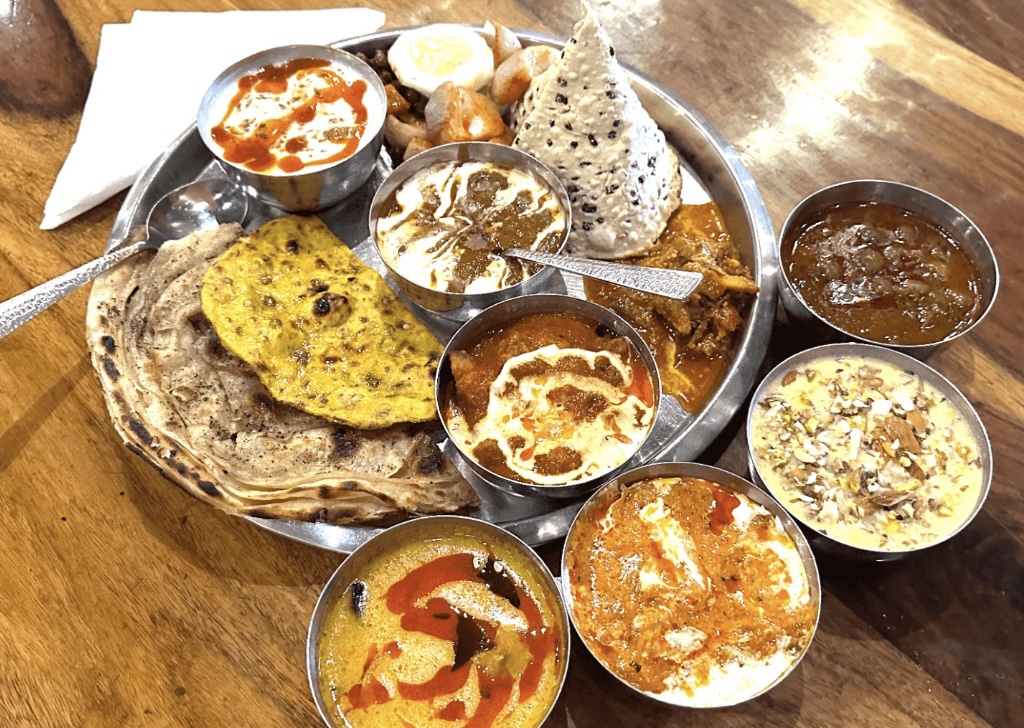
The Amritsari kulcha is the city's most famous dish - a crispy, buttery flatbread stuffed with spiced potatoes, onions, and sometimes paneer or other fillings. Served with tangy chole (chickpea curry), yogurt, pickle, and usually slathered in more butter, it's a breakfast staple that locals and visitors alike love. The best kulchas are found in the narrow lanes near the Golden Temple - try Kesar Da Dhaba, Bhai Kulwant Singh Kulchian Wale, or Kanhaiya Kulcha Wale. These iconic establishments have been serving kulchas for generations.
For non-vegetarians, Amritsari fish is a must-try. Fresh fish, usually singhara or sole, is marinated in gram flour and spices, then deep-fried to crispy perfection. It's sold as street food near the Golden Temple and is especially popular in the evenings. Other non-vegetarian delights include butter chicken (originally created in nearby Delhi but perfected in Punjab), mutton dishes, and tandoori chicken.
The langar at the Golden Temple serves simple vegetarian food - typically dal, roti, and a vegetable dish. Eating here is a spiritual experience in itself. The food is prepared by volunteers and served with love. Despite its simplicity, many find the langar meal deeply satisfying. The experience of sitting on the floor, eating with strangers, and being served by volunteers who bow to you, changes your relationship with food.
For drinks, try the famous Amritsari lassi - a thick, creamy yogurt drink available in sweet or salty versions. Some shops like Ahluwalia and Dasaprakash serve legendary lassis. Amritsar also has excellent milk shops selling milk badam (milk with almonds), kulfas (traditional Indian ice cream), and various milk-based drinks.
Don't miss the street food scene around Hall Bazaar and the lanes near the Golden Temple. Try gol gappe (pani puri), chaat, aloo tikki, and various snacks. The freshness and flavors are exceptional. For sweets, Amritsar is famous for its pinni (a sweet made from desi ghee, wheat flour, and sugar), jalebi, and various Punjabi mithais. Famous sweet shops include Sharma Sweet and Novelty Sweets.
For restaurant dining, try the legendary Kesar Da Dhaba (closed Tuesdays) for authentic Punjabi vegetarian food. Bharawan Da Dhaba, near the Golden Temple, serves excellent thalis. Beera Chicken House is famous for its butter chicken. For a modern dining experience, try Crystal Restaurant or the restaurant at Hyatt Regency. Many hotels, including Taj Swarna and Hyatt, offer excellent fine dining options.
For a balanced Amritsar itinerary, combine city shopping with sacred and historic stops like Golden Temple, Jallianwala Bagh, and family outings from this places to visit in Amritsar list. Many visitors also add Ram Tirath Temple for a quieter spiritual visit.
Shopping in Amritsar
Amritsar offers excellent shopping opportunities, particularly for textiles, handicrafts, and food items. The main shopping areas are Hall Bazaar, Guru Bazaar, and the lanes near the Golden Temple.
Punjabi textiles are famous worldwide, and Amritsar is an excellent place to buy them. The city is particularly known for phulkari (embroidered textiles) - traditional shawls and dupattas with colorful embroidery. You'll find both handmade antique pieces and machine-made modern versions. Prices vary dramatically based on quality and workmanship. Guru Bazaar is famous for phulkari and other textiles.
Amritsar is also famous for its woolens, particularly shawls and blankets. The quality is excellent, and prices are reasonable. Look for pure Pashmina shawls (expensive but incredibly soft and warm) and high-quality woolen blankets. Many shops in Hall Bazaar and near the Golden Temple sell these items.
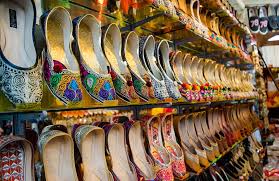
Punjabi juttis (traditional embroidered footwear) make excellent souvenirs or gifts. These colorful, intricately embroidered shoes are worn by both men and women. They're available in various designs and price points. Look for genuine leather juttis with good-quality embroidery. They're sold throughout Hall Bazaar and near the Golden Temple.
For food items to take home, buy authentic Amritsari papad and wadian (dumplings), pickles (especially mango pickle), and various spices. These make great gifts and are excellent for recreating Amritsari flavors at home. Famous shops include Phoolka's and various shops in Hall Bazaar. Packaged goods are easy to transport.
The city is also famous for its karahi (cooking vessels) and other copper and brass utensils. Traditional cooks swear by the flavor that food cooked in copper vessels acquires. These are available in various sizes and make unique kitchen decor even if not used for cooking.
For a modern shopping experience, check out the various malls that have opened in Amritsar, including Alpha One Mall and TRILLIUM. These malls have national and international brands, food courts, and multiplexes.
When shopping in traditional markets, bargaining is expected. Start by offering about half the asking price and negotiate from there. Government emporiums have fixed prices but guarantee authenticity.
How to Reach Amritsar
By Air
Sri Guru Ram Dass Jee International Airport (ATQ) is located approximately 11 kilometers from the city center and is well-connected to major Indian cities and some international destinations. Direct flights are available from Delhi (1 hour), Mumbai (2.5 hours), Bangalore (2.5 hours), Srinagar (1 hour), and several other cities. International connections include Dubai and occasional flights to other Middle Eastern destinations.
The airport is modern and efficient. Pre-paid taxis are available outside the terminal to reach the city center (approximately ₹300-500 for a taxi, depending on destination). Auto-rickshaws are cheaper but less convenient with luggage. The airport sees significant traffic, especially during pilgrimage seasons and festivals, so book flights in advance if traveling during these periods.
By Train
Amritsar Railway Station (ASR) is a major railhead well-connected to cities across India. Several important trains serve Amritsar including the Shatabdi Express from Delhi (6 hours), the Paschim Express from Mumbai (28 hours), and the Amritsar Express from Howrah (30+ hours). The train journey from Delhi, especially through the fertile plains of Punjab and Haryana, offers glimpses of rural North Indian life.
The railway station is located in the heart of the city, approximately 2 kilometers from the Golden Temple. Auto-rickshaws and cycle-rickshaws are readily available outside the station. For train reservations, book well in advance, especially for popular trains like the Shatabdi Express which often sells out weeks in advance.
By Road
Amritsar is well-connected by road to major North Indian cities. The Grand Trunk Road (NH 3) connects Amritsar to Delhi via Ludhiana, Ambala, and Karnal. The distance from Delhi is approximately 450 kilometers, and the drive takes approximately 8-9 hours depending on traffic and road conditions.
Several private bus operators run comfortable Volvo, semi-sleeper, and sleeper buses from Delhi to Amritsar. These buses typically depart from various locations in Delhi and take approximately 8-9 hours. State-run PUNBUS and HRTC buses also connect Amritsar to Delhi, Chandigarh, and other towns. The bus journey is scenic, passing through the agricultural heartland of Punjab.
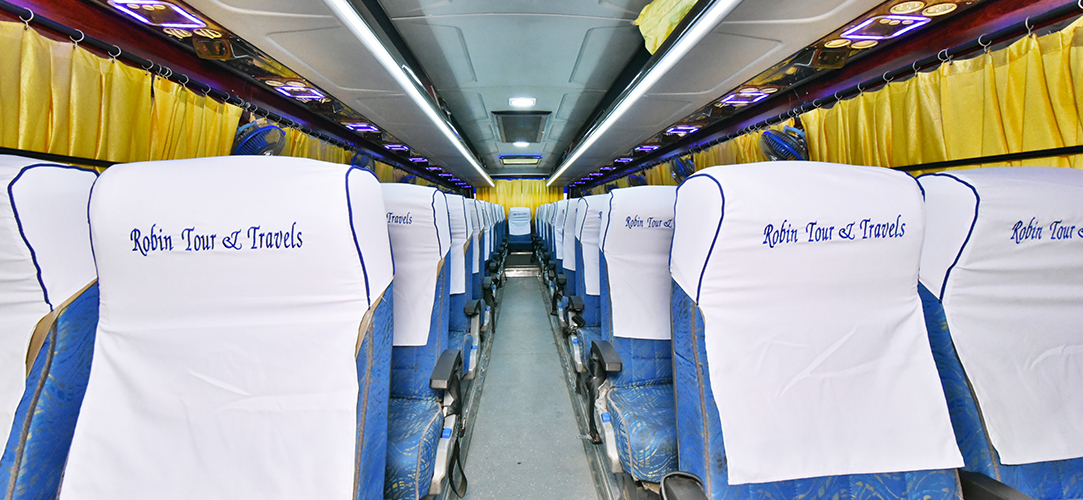
Self-driving is an option - the roads are generally good, and the terrain is flat. However, be prepared for traffic in towns and cities along the way. The journey can be broken with an overnight stop in places like Ludhiana or Chandigarh.
Getting Around Amritsar
Amritsar's city center is relatively compact, and many attractions are within walking distance of each other, particularly around the Golden Temple. However, you'll need transportation for sites like Wagah Border and the Maharaja Ranjit Singh Museum.
Auto-rickshaws are the most common way to get around for short distances. They're readily available and relatively inexpensive. Always negotiate the fare before starting your journey or insist on using the meter (though many auto-rickshaws in Amritsar don't use meters). As a rough guide, short rides within the city center cost ₹50-100, while longer rides to the railway station or bus stand cost ₹100-150.
Cycle-rickshaws are available for very short distances, especially in the crowded lanes around the Golden Temple and Hall Bazaar. They're slow but inexpensive and perfect for navigating narrow lanes where auto-rickshaws can't go. A ride typically costs ₹20-50.
Taxis can be hired for specific trips or for full-day sightseeing. Full-day taxi hire costs approximately ₹2000-2500 for 8 hours/80 kilometers. This is the most convenient option for visiting Wagah Border and other outlying attractions. Most hotels can arrange taxis, or you can book through app-based services like Uber and Ola which operate in Amritsar.
For those comfortable riding scooters or motorcycles, rentals are available (₹500-800 per day). This gives you flexibility to explore at your own pace. However, traffic in Amritsar can be chaotic, and this option is only recommended for experienced riders comfortable with Indian traffic conditions.
Where to Stay in Amritsar
Amritsar offers accommodation options for every budget, from budget guesthouses to luxury hotels. The location of your stay significantly impacts your experience.
For budget travelers, numerous guesthouses and budget hotels are available near the Golden Temple (₹500-1000 per night). Staying near the Golden Temple is convenient as most attractions are within walking distance. The area has a constant flow of pilgrims and travelers, creating a vibrant atmosphere. Some budget hotels offer views of the Golden Temple.
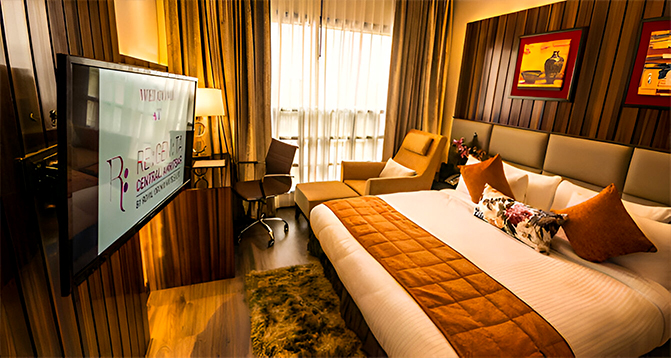
For mid-range travelers, several good hotels (₹2000-4000 per night) are located near Hall Bazaar and the railway station. These offer comfortable rooms with attached bathrooms, hot water, and sometimes restaurants. The Ramada, Country Inn & Suites by Radisson, and similar hotels fall in this category.
Luxury travelers have excellent options including Taj Swarna (₹8000-12000 per night), Hyatt Regency (₹7000-10000 per night), and similar upscale hotels. These offer luxurious rooms, excellent service, multiple restaurants, spas, and swimming pools. Most luxury hotels are located slightly away from the city center but provide easy access to attractions via taxi.
For a unique experience, consider staying at one of the heritage properties or homestays that have opened in recent years. These offer a more personal experience and insight into Punjabi culture and hospitality.
Travel Tips for Amritsar
When visiting the Golden Temple and other gurudwaras, dress modestly. Cover your head (headscarves are available free at the Golden Temple), remove shoes (free shoe storage is available), and wear clothes that cover your shoulders and knees. Wash your feet before entering the main temple area. Tobacco, alcohol, and non-vegetarian food are strictly prohibited within temple premises.
At the Golden Temple, maintain silence and respect the sacred atmosphere. Photography is allowed in most areas but prohibited inside the main sanctum where the Guru Granth Sahib is kept. Accept prasad (blessed food) with both hands or your right hand. If you eat at the langar, follow the instructions of volunteers, sit on the floor, and eat everything you take - wasting food is considered disrespectful.
Amritsar can be visited year-round, but the extreme weather in summer (temperatures above 40°C) makes it challenging for sightseeing. Winter (December-January) can get quite cold, especially early mornings and evenings. The best time to visit is between October and March when the weather is pleasant. However, this is also peak season, so book accommodations well in advance.
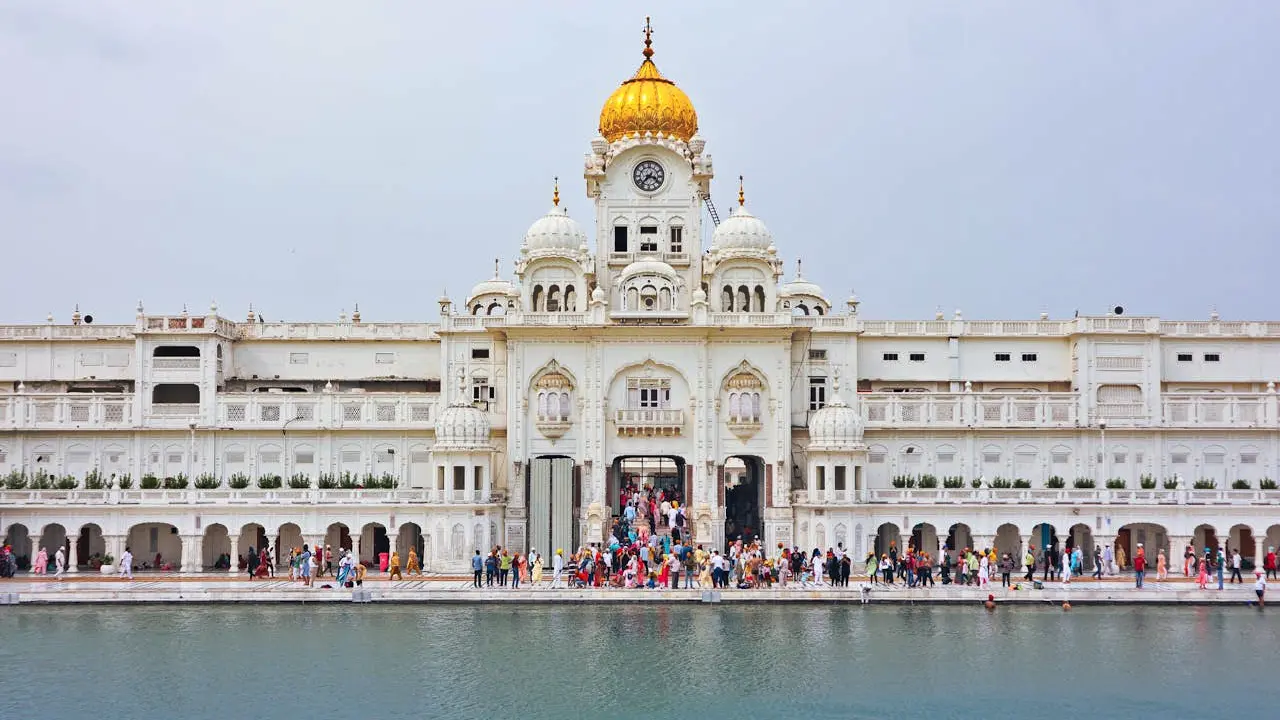
The Wagah Border ceremony requires arriving 1-2 hours early for good seats, especially on weekends and holidays. Carry sun protection and water. Foreigners are given VIP seats but must still arrive early. The return journey can take time due to heavy traffic - factor this into your plans.
Amritsar is famous for its food, and trying the local cuisine is essential. However, the rich, heavy food can be challenging for those not used to it. Start with smaller portions, drink plenty of water, and consider digestive aids. Street food is generally safe if it's freshly cooked and served hot. Avoid raw foods and peeled fruits from street vendors.
Be prepared for security checks, especially at the Golden Temple, Wagah Border, and other sensitive sites. Carry minimal items, avoid bringing bags if possible, and cooperate with security personnel. At the Golden Temple, there are separate security lines for men and women.
Respect local customs and culture. Punjab is relatively liberal compared to some other parts of India, but it's still conservative by Western standards. Public displays of affection are frowned upon. Ask permission before photographing people, especially during ceremonies or at religious sites. Be aware that the Golden Temple and other gurudwaras are places of worship, not tourist attractions - maintain appropriate behavior.
Conclusion
Amritsar offers a uniquely powerful travel experience that combines spiritual depth, historical significance, cultural vibrancy, and culinary excellence. The Golden Temple, with its message of equality, service, and devotion, touches visitors in ways that are difficult to put into words. The history of Jallianwala Bagh and the Partition Museum provides important context about India's past, while the Wagah Border ceremony offers a surreal spectacle of nationalism and spectacle.
What makes Amritsar truly special is its people. The legendary hospitality of Punjabis, combined with the city's role as a pilgrimage site, creates an atmosphere of warmth and welcome that is rare even in India's generally hospitable culture. Whether you're being served langar at the Golden Temple, sharing a table at a dhabha, or simply walking through the busy markets, you'll encounter kindness and generosity that embodies the Sikh principles of seva (selfless service) and sanghat (community).
The city's food scene alone would be worth the visit - the rich flavors of Amritsari cuisine, the fresh ingredients, the generous use of dairy products, and the skillful preparation create meals that are memorable. From the humble kulcha to elaborate restaurant dishes, every meal in Amritsar is a celebration of Punjab's agricultural abundance and culinary heritage.
Many who visit Amritsar find themselves returning, drawn back by the Golden Temple's spiritual pull, the warmth of the people, the incredible food, and the unique atmosphere that makes this city special. Whether you're seeking spiritual experiences, historical understanding, culinary adventures, or simply want to experience one of India's most vibrant cities, Amritsar delivers experiences that stay with you long after you've returned home.
Location
Frequently Asked Questions
Q1.What is the best time to visit Amritsar?
Q2.Is there any dress code for the Golden Temple?
Q3.How many days are enough for Amritsar?
Q4.Is Amritsar safe for tourists?
Q5.What is the Wagah Border ceremony?
Q6.What should I eat in Amritsar?
Q7.Can I take photos inside the Golden Temple?
Q8.Is Amritsar expensive?
Recommended For You
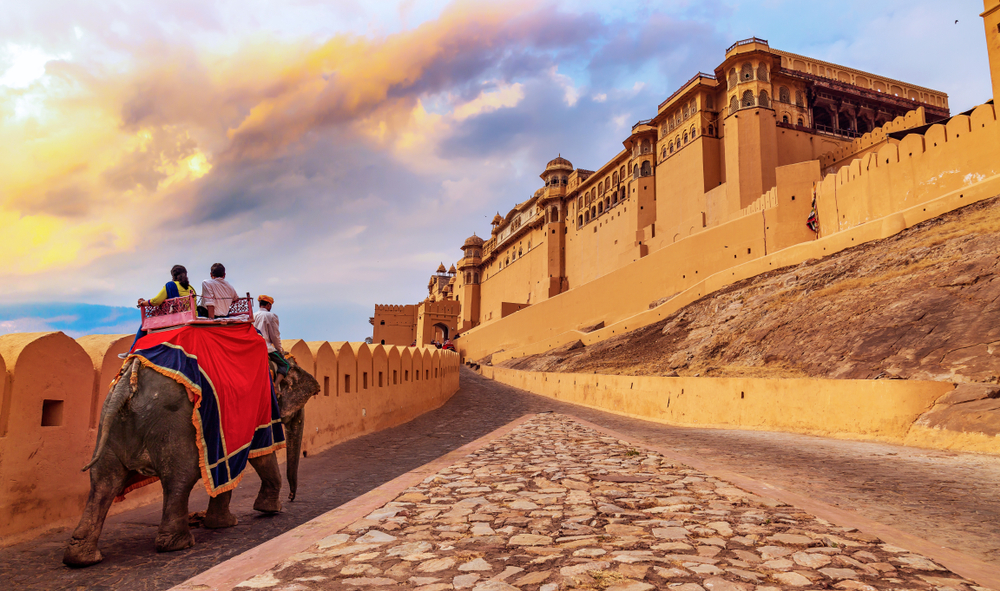
Best Places to Visit Rajasthan: Top 20 Destinations
Explore the best places to visit Rajasthan, India's royal state. Discover Jaipur's pink forts, Udaipur's romantic lakes, Jodhpur's blue streets, and Jaisalmer's golden desert with this comprehensive guide.
Jaisalmer: Complete Travel Plan Desert And Weather
Complete Jaisalmer travel guide featuring Golden Fort, havelis, desert safari, Sam Sand Dunes, best time to visit & practical tips.
Udaipur: Complete Travel Plan Places And Weather
Complete Udaipur travel guide featuring City Palace, Lake Palace, Lake Pichola, Jagdish Temple, best time to visit & practical tips.
Never Miss an Adventure
Get the latest trekking guides, travel tips, and exclusive offers delivered straight to your inbox.
