
Golden Temple Amritsar: Darshan Timings, Langar & Travel Tips

Priya Mehta
January 1, 2026
Experience divine serenity at Golden Temple Amritsar. Discover its rich history, sacred rituals, and the world's largest langar serving 100,000 daily. Complete guide with timings, dress code, and travel tips.
The Divine Abode of Golden Temple
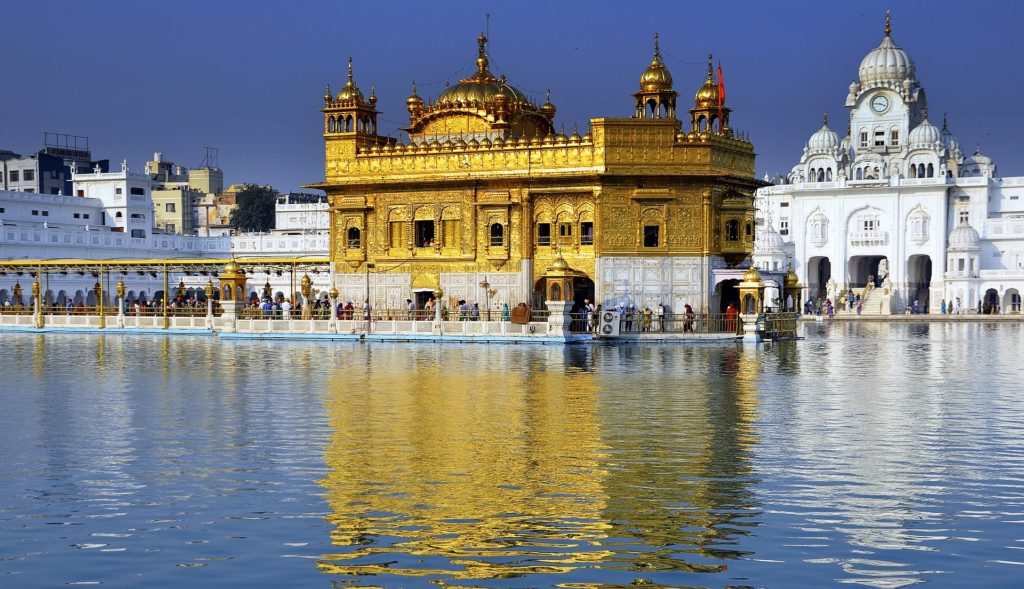
The Golden Temple, also known as Sri Harmandir Sahib or Darbar Sahib, stands as the holiest gurdwara and the most important pilgrimage site of Sikhism. Located in Amritsar, Punjab, this magnificent spiritual centre attracts millions of devotees from all faiths and backgrounds every year. The temple's stunning golden architecture, reflected in the sacred pool of Amrit Sarovar (Pool of Nectar), creates an ethereal sight that leaves visitors spellbound.
What makes the Golden Temple truly unique is its universal message of equality and service. Unlike many religious sites, the Golden Temple welcomes everyone regardless of caste, creed, religion, or gender. The temple has four entrances, symbolising openness to people from all directions and all walks of life. This spirit of inclusivity, combined with the temple's breathtaking beauty and spiritual energy, makes it one of the most revered spiritual destinations in the world.
History and Significance
The Golden Temple's history spans over four centuries and is deeply intertwined with the development of Sikhism. The temple's foundation was laid in 1577 by the fourth Sikh Guru, Guru Ram Das, who began construction of the sacred pool known as Amrit Sarovar. The city of Amritsar derives its name from this sacred pool - 'Amrit' meaning nectar and 'Sar' meaning lake.
The construction of the main temple structure was completed in 1604 under the guidance of Guru Arjan Dev, the fifth Sikh Guru. He installed the Adi Granth (the holy scripture of Sikhism) in the temple, establishing it as the central shrine of Sikh faith. Interestingly, Guru Arjan Dev invited a Muslim saint, Mian Mir, to lay the foundation stone of the temple, demonstrating the Sikh principle of interfaith harmony from the very beginning.
The temple faced numerous invasions and destruction over the centuries. Afghan invaders attacked the shrine multiple times in the 18th century. However, each time it was destroyed, the Sikh community rebuilt it with even greater devotion and grandeur. The most significant transformation came in the early 19th century when Maharaja Ranjit Singh, the founder of the Sikh Empire, renovated the temple in marble and copper, and overlaid the sanctum with gold foil - giving it the iconic golden appearance that earned it the name 'Golden Temple'.
Architecture and Layout
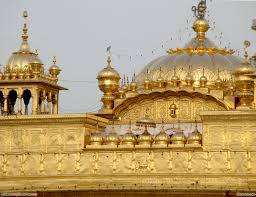
The Golden Temple is an architectural masterpiece that blends Islamic and Hindu styles with unique Sikh innovations. The temple complex is built on a 67-foot square platform in the centre of the sacred pool. The main structure, reached by a marble causeway (Guru's Bridge), is two storeys high and crowned with a golden dome flanked by several smaller golden domes.
The temple's lower walls are decorated with marble inlaid with floral and animal patterns, while the upper walls are covered with gold-plated copper sheets. The interior houses the Guru Granth Sahib, placed on a jewelled platform under a richly embroidered canopy. Notable structures include the Akal Takht (the throne of timeless God), Harmandir Sahib (main sanctum), Amrit Sarovar (sacred pool), Langar Hall (community kitchen), and the Central Sikh Museum.
The Sacred Langar - A Lesson in Equality
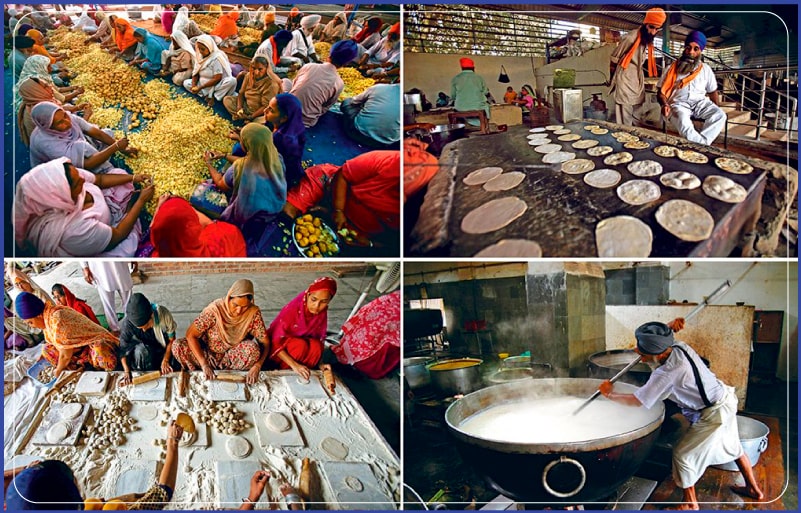
One of the most profound experiences at the Golden Temple is participating in the langar (community kitchen). The langar tradition was established by Guru Nanak, the founder of Sikhism, to challenge the caste system and promote equality. At the Golden Temple's langar, approximately 50,000 to 100,000 people are served free meals every day, with the number reaching up to 200,000 on special occasions.
What makes this extraordinary is not just the scale, but the spirit behind it. Everyone sits together on the floor, regardless of social status, wealth, or background, and eats the same simple meal. The food is prepared by volunteers (sevadars) who clean, chop, cook, and serve with joy and devotion. The langar operates 24 hours a day and is run entirely by volunteers and donations. The typical langar meal includes dal (lentils), rice, roti (flatbread), vegetables, and kheer (rice pudding). Participating in the langar - whether eating or helping prepare and serve - is a deeply humbling experience that embodies the Sikh principles of seva (selfless service) and sangat (community fellowship).
Best Time to Visit Golden Temple
The Golden Temple is open 24 hours a day, 365 days a year. For detailed timings of the ceremonies, you can check the Golden Temple timings guide. The early morning hours (3:00 AM - 6:00 AM) are considered the most spiritually potent time to visit. Witness the Prakash ceremony (morning ceremony) around 3:00 AM when the Guru Granth Sahib is woken up with great reverence and carried in a palanquin to the main sanctum. The temple is less crowded, the morning air is crisp, and the golden reflection in the holy pool at sunrise is truly magical.
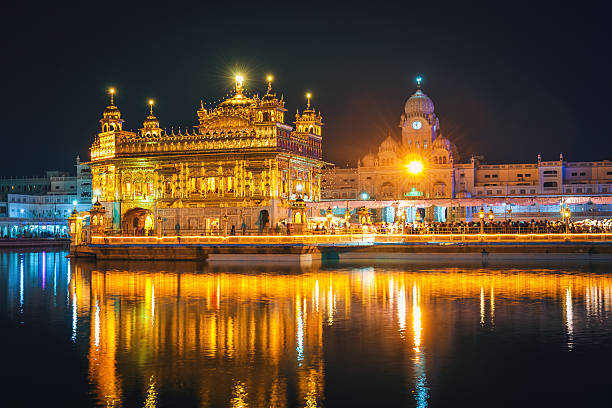
The evening (7:00 PM - 10:00 PM) is equally enchanting, especially after the sun sets when the temple is illuminated. The golden structure glows against the night sky, reflecting beautifully in the sacred pool. The Sukhasan ceremony (putting the Guru Granth Sahib to rest) takes place around 9:30 PM - 10:00 PM.
For weather, winter (October to March) offers pleasant temperatures ranging from 5°C to 20°C, though it's the peak tourist season. Summer (April to June) can be extremely hot with temperatures reaching up to 45°C. Monsoon (July to September) brings rain but fewer tourists. Special occasions like Guru Nanak Jayanti (November) and Baisakhi (April) are spiritually significant but extremely crowded.
How to Reach Golden Temple Amritsar
By Air
Sri Guru Ram Dass Jee International Airport in Amritsar is located approximately 11 kilometres from the Golden Temple. The airport is well-connected to major Indian cities and international destinations. From the airport, you can hire a taxi (₹200-300) or take an auto-rickshaw (₹100-150) to reach the temple.
By Train
Amritsar Railway Station is well-connected to major cities across India. The Amritsar Shatabdi Express and Amritsar Express are popular trains from Delhi. From the railway station, about 2 kilometres from the Golden Temple, you can easily find auto-rickshaws, cycle-rickshaws, or taxis.
By Road
Amritsar has excellent road connectivity via the Grand Trunk Road (NH 3) connecting to Delhi through Ludhiana and Jalandhar. Several private bus operators and state-run buses ply between Amritsar and major cities. The ISBT is located about 5 kilometres from the Golden Temple.
Temple Timings and Rituals
The Golden Temple operates on a continuous cycle of daily rituals and ceremonies. The Prakash ceremony begins around 3:00 AM when the Guru Granth Sahib is carried in a golden palanquin from the Akal Takht to the Harmandir Sahib. Continuous recitation of Gurbani continues throughout the day. The Sukhasan ceremony takes place around 9:30 PM - 10:00 PM when the Guru Granth Sahib is ceremoniously put to rest and carried back to the Akal Takht for the night. The temple complex remains open 24/7.
Visitor Guidelines and Etiquette
All visitors must cover their heads at all times within the temple complex - you can bring your own scarf or use the free head coverings provided. Wear modest clothing covering shoulders and knees. Avoid shorts, short skirts, and sleeveless tops. Footwear must be removed before entering - free shoe storage is available.
Smoking, alcohol, and drugs are strictly prohibited. Photography is allowed in most areas except inside the main sanctum (Harmandir Sahib). Maintain silence and decorum. Don't point your feet towards the Guru Granth Sahib or touch anything without permission. Wash your feet at the designated pool before entering the main shrine. Unlike some religious sites, the Golden Temple welcomes menstruating women without any restrictions.
Things to Do at Golden Temple
Devotees believe that bathing in the sacred pool washes away sins and brings spiritual merit. Separate areas are designated for men and women. The continuous recitation of hymns from the Guru Granth Sahib creates a divine atmosphere - sit quietly in the Harmandir Sahib or around the pool to absorb the spiritual vibrations.
Volunteering at the langar or helping with temple maintenance is a rewarding experience. You can help prepare food, serve meals, clean utensils, or assist with cleaning. The Central Sikh Museum, located on the first floor of the main complex entrance, houses paintings, manuscripts, and artifacts related to Sikh Gurus and Sikh history. It's open from 10:00 AM to 5:00 PM.
Stay until after sunset to see the temple beautifully illuminated. The golden domes glow against the dark sky, creating a stunning reflection in the sacred pool. The evening atmosphere is particularly peaceful after the daytime crowds thin out.
Accommodation Near Golden Temple
The temple complex offers free accommodation for pilgrims in the Guru Ka Langar building on a first-come, first-served basis. The SGPC manages several guest houses including the Sarai of Guru Ram Das (within the complex) and Sarai of Guru Arjan Dev. Amritsar offers accommodation for all budgets - from luxury hotels like Taj Swarna and Radisson Blu (₹5,000-₹10,000 per night) to mid-range options (₹3,000-₹5,000) and budget guest houses within walking distance (₹800-₹2,000).
Other Attractions Near Golden Temple
Wagah Border Ceremony
Located about 30 kilometres from Amritsar, the Wagah Border ceremony is a daily military practice that takes place every evening before sunset. The ceremony involves the lowering of flags of both India and Pakistan in a coordinated display. It's a patriotic spectacle that attracts huge crowds. The atmosphere is electric with chanting and cheering from both sides.
Jallianwala Bagh
A short walk from the Golden Temple, Jallianwala Bagh is a public garden that memorialises the 1919 Jallianwala Bagh massacre. On April 13, 1919, British troops fired on a gathering of unarmed Indians, killing hundreds. The site still bears bullet marks, and a memorial has been erected. It's a sombre but important reminder of India's freedom struggle.
Partition Museum
The Partition Museum, established in 2017, documents the human stories of the Partition of India in 1947. Through personal artifacts, photographs, oral histories, and artwork, it chronicles one of the most traumatic events in the region's history. A visit here provides essential context for understanding Punjab's recent past.
Durgiana Temple
Dedicated to Goddess Durga, this Hindu temple bears a striking resemblance to the Golden Temple in its architectural style, with a sacred pool and golden domes. It's an important Hindu pilgrimage site located about 1.5 kilometres from the Golden Temple.
Food and Shopping in Amritsar
Amritsar is famous for its rich Punjabi cuisine. Must-try dishes include Amritsari Kulcha (stuffed flatbread), Makki di Roti and Sarson da Saag (corn bread with mustard greens), Amritsari Fish, Lassi, and Pinni (traditional sweet). Popular eating places include Kesar Da Dhaba for vegetarian cuisine, Bharawan Da Dhaba for dal makhani, Kanha Sweets for authentic sweets, and Beera Chicken House for non-vegetarian delicacies.
For shopping, look for Phulkari embroidery (traditional Punjabi embroidery work), Punjabi Jutti (embroidered footwear), high-quality dry fruits, and woollen textiles especially sweaters and shawls. The main markets are near the Golden Temple and Hall Bazaar.
Travel Tips for First-Time Visitors
Plan to spend at least 2-3 hours at the Golden Temple complex. If you want to experience both morning and evening ceremonies, consider visiting twice. Weekends and holidays see massive crowds - visit on a weekday if possible. The temple premises are very safe with strict security checks at all entrances.
While the temple and langar are entirely free, donations are accepted and used for temple maintenance and charitable activities. The temple complex has made efforts to be accessible with wheelchairs available at the entrance and ramps in most areas. The best photographs are taken during sunrise or sunset when the reflection of the temple in the pool creates stunning shots.
The Spiritual Significance
The Golden Temple is more than just a beautiful monument - it's a living embodiment of Sikh philosophy based on equality, service, devotion, and community. A visit to the Golden Temple is a spiritual experience regardless of your religious background. The message of universal brotherhood, selfless service, and devotion resonates with people from all walks of life. Many visitors report feeling a profound sense of peace and renewal after spending time here.
The temple's beauty lies not just in its golden exterior but in its inclusive spirit and the warmth of its sevadars who serve thousands daily with a smile. It's this combination of architectural splendour and spiritual generosity that makes the Golden Temple one of the most revered destinations in the world.
As you walk barefoot on the cool marble, listen to the divine hymns, and partake in the langar, you become part of a centuries-old tradition of devotion and service. The Golden Temple is not just a place to visit - it's an experience to cherish, a lesson in humanity, and a journey into the heart of Sikh spirituality.
", "author": "Rajveer Singh", "authorBio": "Punjabi travel writer and cultural heritage expert", "date": "2024-11-05T00:00:00.000Z", "readTime": "14 min read", "category": "Spiritual", "tags": [ "golden temple amritsar", "harmandir sahib", "sikh pilgrimage", "amritsar travel guide", "golden temple timings", "langar", "sikh gurdwara", "spiritual tourism punjab", "amritsar attractions", "golden temple history" ], "image": "/blog/golden-temple-amritsar/hero.jpgLocation
Frequently Asked Questions
Q1.What is the best time to visit Golden Temple Amritsar?
Q2.Is there any dress code for visiting Golden Temple?
Q3.What is the langar at Golden Temple and can anyone participate?
Q4.How much time should I spend at Golden Temple?
Q5.Is photography allowed inside Golden Temple?
Q6.How do I reach Golden Temple from Amritsar railway station?
Q7.Can foreigners visit Golden Temple?
Q8.What is the significance of Amrit Sarovar at Golden Temple?
Recommended For You
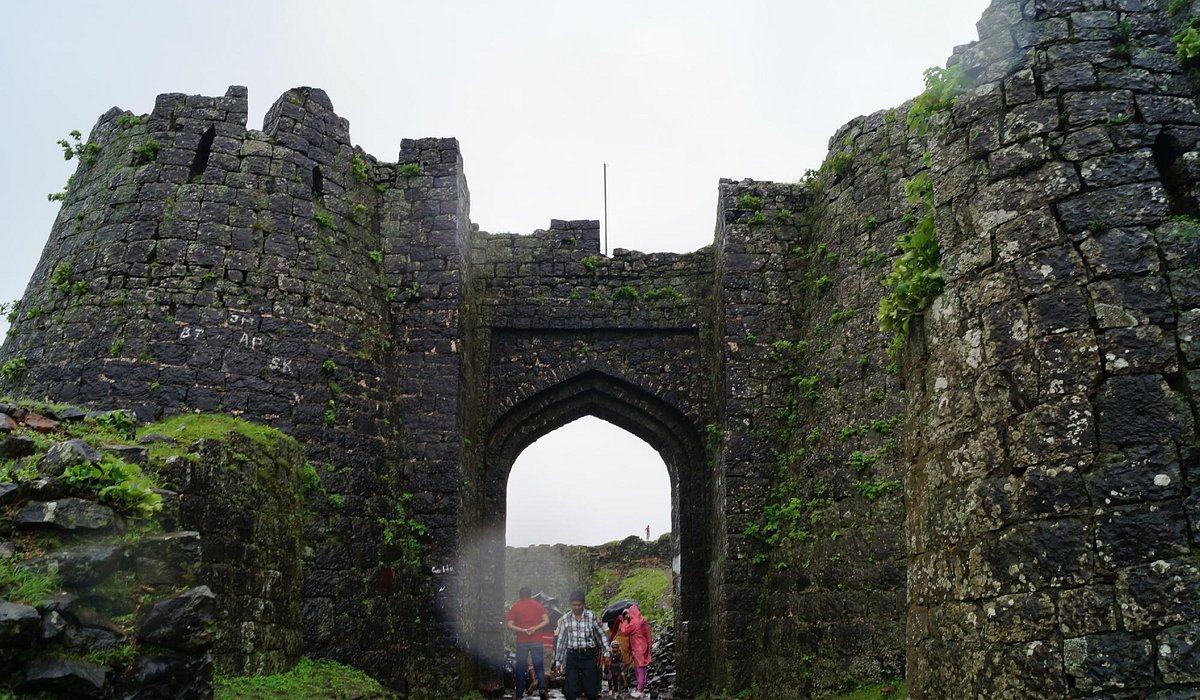
Places to Visit in Amritsar: Golden Temple Circuit & City Highlights
Best places to visit in Amritsar. Golden Temple, Wagah Border, Jallianwala Bagh & Punjab attractions.
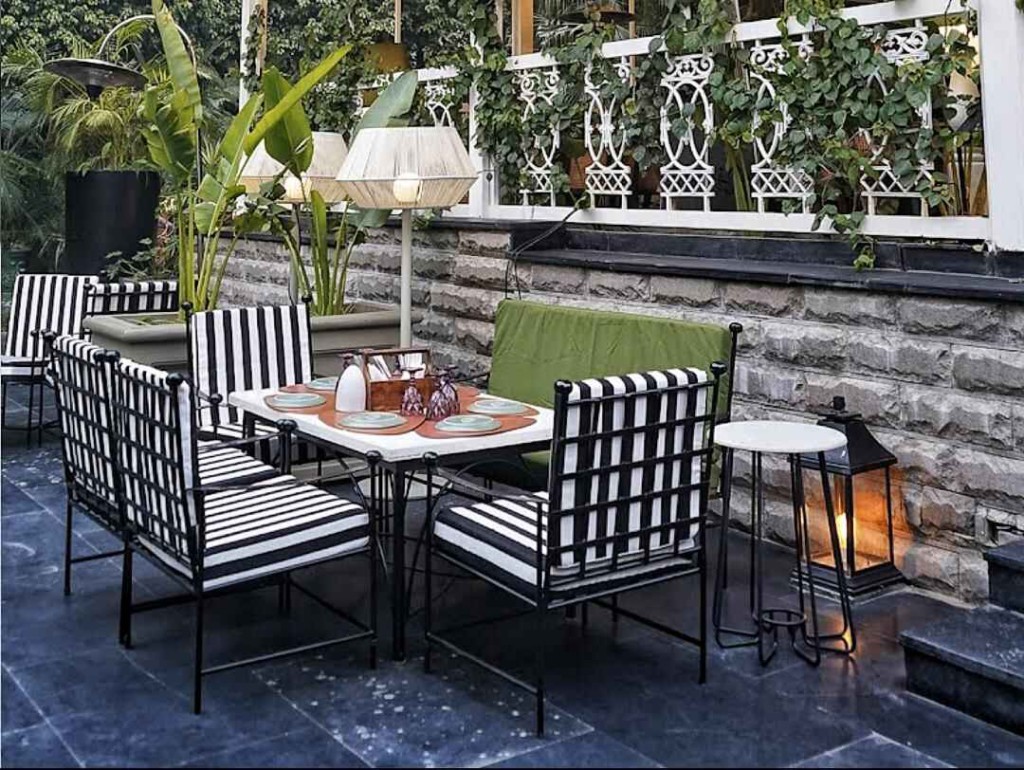
Best Cafes in Amritsar: Food Spots and Timing Tips
Explore best cafes in Amritsar with area-wise planning, timing strategy, and practical tips for balanced food-and-sightseeing days.
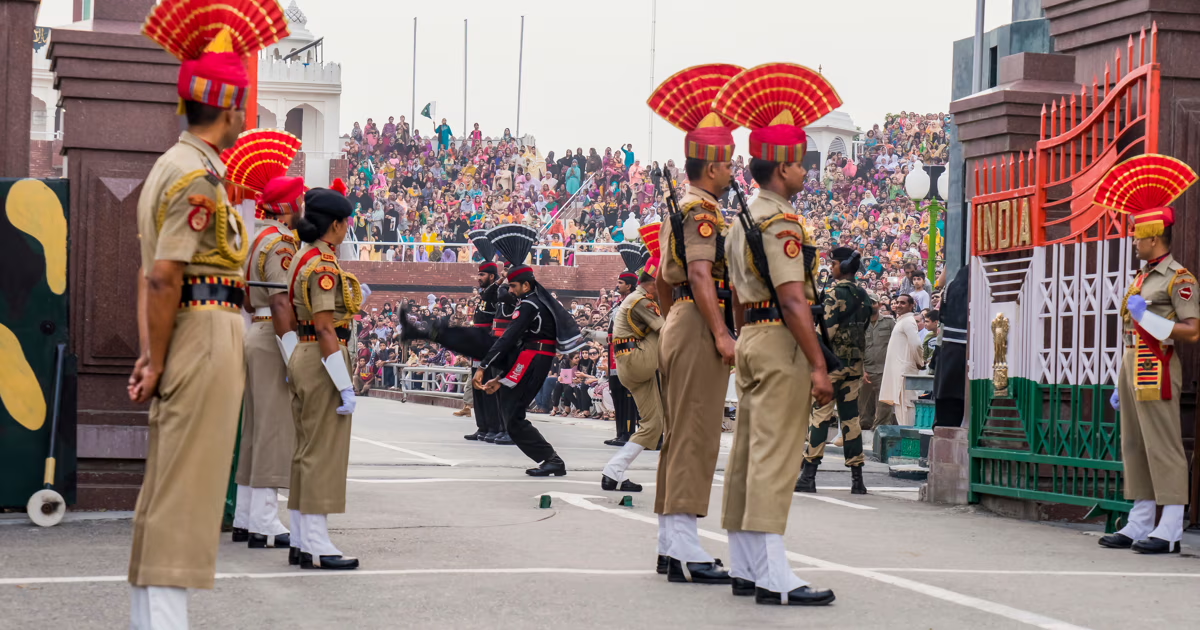
Wagah Border Ceremony: Timings, Seating & Ticket Process
Experience the patriotic Wagah Border Beating Retreat Ceremony. Complete guide to timings, entry tickets, VIP passes, how to reach from Amritsar, and tips for this spectacular India-Pakistan border ritual.
Never Miss an Adventure
Get the latest trekking guides, travel tips, and exclusive offers delivered straight to your inbox.
