

Rao Jodha Desert Rock Park: Trek Guide & Timings

Priya Mehta
December 17, 2025
Explore Rao Jodha Desert Rock Park in Jodhpur - a 72-hectare ecological wonder featuring ancient volcanic rock formations, desert trekking trails, and rare native flora. Complete guide with timings, entry fee, trek routes, and best time to visit.
Introduction
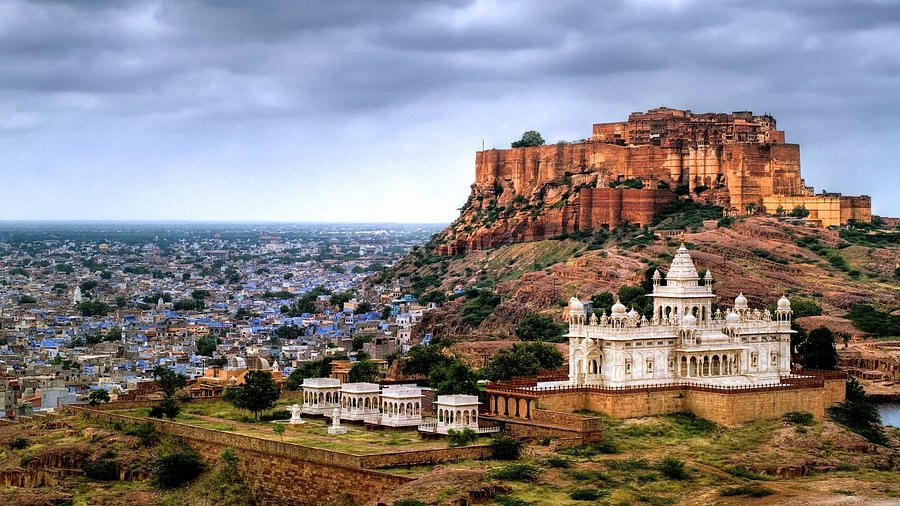
Nestled in the heart of Rajasthan's Blue City, Rao Jodha Desert Rock Park stands as a testament to nature's remarkable ability to thrive in harsh conditions. This unique ecological wonder, spread across 72 hectares, showcases the dramatic beauty of volcanic rock formations and desert ecosystems that have evolved over millions of years. Located adjacent to the magnificent Mehrangarh Fort, the park offers visitors an extraordinary opportunity to explore a landscape that seems almost otherworldly.
The park's creation in 2006 was driven by a vision to restore and preserve the natural rocky terrain that had been degraded over centuries. Today, it stands as one of Jodhpur's most unique attractions, drawing nature enthusiasts, photographers, and adventure seekers from around the world. The park's carefully designed trek routes wind through narrow passages between towering rock formations, revealing hidden valleys and rare desert flora at every turn.

What makes Rao Jodha Desert Rock Park truly special is its seamless integration of geological wonders with carefully restored native vegetation. The park serves as a living museum of Thar Desert ecology, offering insights into how life adapts and flourishes in challenging environments. Whether you're a seasoned trekker or a casual visitor, the park promises an unforgettable journey through one of Rajasthan's most fascinating landscapes.
About the Park
Rao Jodha Desert Rock Park is named after the founder of Jodhpur, Maharaja Rao Jodha, who established the city in 1459. The park was created to restore the degraded rocky wasteland surrounding the magnificent Mehrangarh Fort, transforming what was once an eyesore into a thriving ecosystem. This ambitious conservation project has successfully reintroduced over 80 native plant species to the area, creating a sanctuary for desert flora and fauna.
The park's geological foundation dates back nearly 75 million years to the volcanic activity that shaped this region. The distinctive red and yellow sandstone formations, created by millennia of wind and water erosion, provide a stunning backdrop to the carefully curated desert vegetation. Walking through the park feels like stepping into a natural amphitheater, where rocks sculpted by nature tower above you in dramatic silhouettes.
Spanning 72 hectares, the park is divided into several zones, each featuring different aspects of the desert ecosystem. The restoration work here has been remarkable, involving the removal of invasive plant species like Mexican mesquite (Prosopis juliflora) and the reintroduction of native drought-resistant plants. The park also serves as an important educational resource, teaching visitors about desert conservation and the importance of preserving unique ecological habitats.
Key Features of the Park
- Geological Marvel: Ancient volcanic rock formations dating back 75 million years
- Biodiversity Hotspot: Over 80 native plant species carefully reintroduced
- Strategic Location: Adjacent to Mehrangarh Fort, offering stunning views
- Conservation Success: Transformed degraded wasteland into thriving ecosystem
- Cultural Significance: Named after Jodhpur's founder, Maharaja Rao Jodha
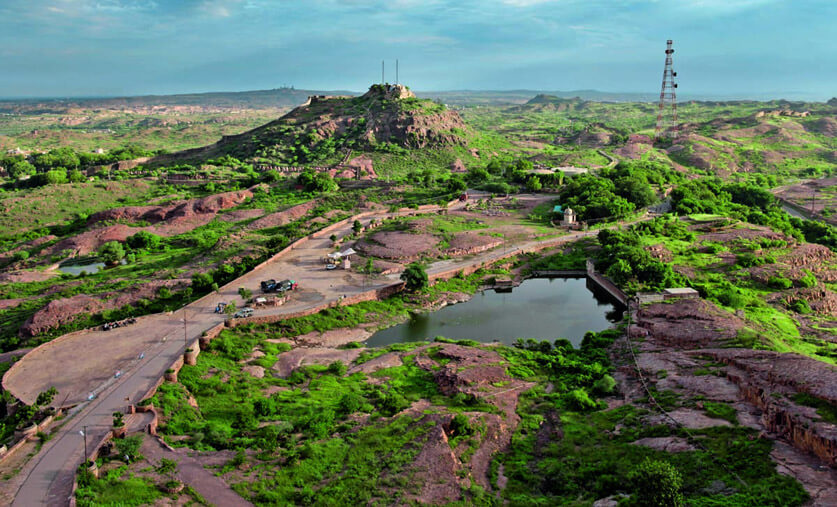
The park's design incorporates several traditional water harvesting systems, demonstrating ancient Rajasthani wisdom about living in harmony with arid environments. These features not only add to the park's visual appeal but also serve practical purposes in water conservation, an essential consideration in the desert region of Rajasthan.
Trek Routes & Trails
The trekking experience at Rao Jodha Desert Rock Park is unlike any other in India. The park features well-marked trails that cater to different fitness levels and time constraints. Each route has been carefully planned to showcase the park's unique geological features while ensuring visitor safety and comfort. The trails range from easy walks suitable for families to more challenging routes that require moderate fitness levels.
Main Trekking Routes
| Trail Name | Distance | Duration | Difficulty |
|---|---|---|---|
| Yellow Trail | 1.5 km | 30-45 minutes | Easy |
| Blue Trail | 3 km | 1-1.5 hours | Moderate |
| Rock View Trail | 2 km | 45-60 minutes | Easy to Moderate |
| Heritage Trail | 4 km | 2 hours | Moderate |

Yellow Trail
The Yellow Trail is perfect for families and those short on time. This relatively easy route covers 1.5 kilometers and takes about 30-45 minutes to complete. The trail winds through gently undulating terrain, offering beautiful views of the rock formations without requiring strenuous climbing. Along the way, you'll pass several informative signboards explaining the geological history of the area and pointing out interesting plant species.
Blue Trail
For those seeking a more substantial trekking experience, the Blue Trail offers a 3-kilometer journey through the park's most dramatic landscapes. Taking 1-1.5 hours to complete, this moderate trail includes some steep sections and narrow passages between rock formations. The Blue Trail rewards trekkers with spectacular viewpoints overlooking Jodhpur's blue cityscape and the majestic Mehrangarh Fort.
Rock View Trail
As the name suggests, the Rock View Trail is designed specifically for photography enthusiasts and nature lovers who want to appreciate the park's geological wonders. This 2-kilometer trail takes 45-60 minutes and leads to some of the park's most scenic viewpoints. The trail passes through narrow gorges and past unusual rock formations that seem to defy gravity, making it a favorite among photographers.
Trekking Experience
Trekking in Rao Jodha Desert Rock Park is an adventure that engages all your senses. The rocky terrain requires careful footing, and the narrow passages between towering rocks create an atmosphere of exploration and discovery. The trail surfaces vary from smooth sandstone to loose gravel, so wearing appropriate footwear is essential. Along the way, you'll encounter stunning viewpoints where the rocks frame perfect photos of the fort and the city beyond.
The park's naturalist guides are highly recommended for first-time visitors. These knowledgeable guides can identify rare plants, point out geological features, and share fascinating stories about the park's creation and the region's history. They know the best photography spots and can ensure you don't miss any hidden gems along the trails.
Flora & Geology
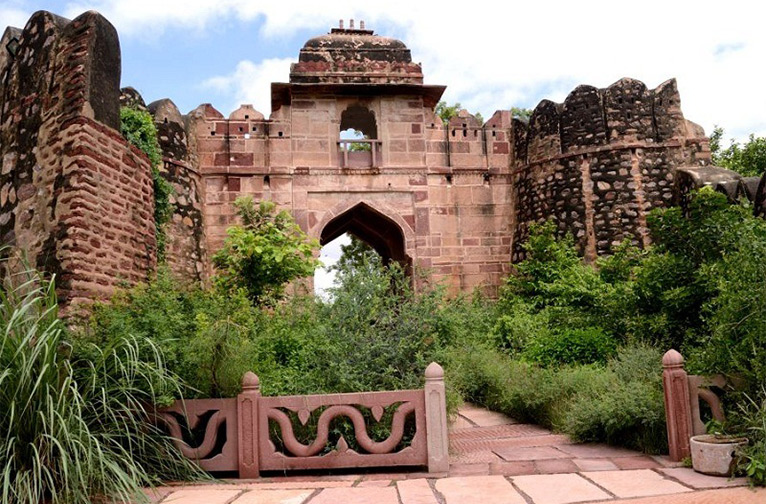
The Rao Jodha Desert Rock Park is a living laboratory of desert ecology and geology. The park's geological features are its most striking attribute, with rock formations that tell a story spanning millions of years. The distinctive red and yellow rhyolite rock formations were created by volcanic activity approximately 75 million years ago. Over millennia, wind and water have sculpted these rocks into fantastical shapes, creating natural sculptures that seem almost artistic in their composition.
Geological Features
- Volcanic Rhyolite: Ancient volcanic rock formations with distinctive red and yellow hues
- Erosion Patterns: Unique rock shapes sculpted by millions of years of wind and water
- Sandstone Layers: Intricate geological strata visible in many rock faces
- Natural Caves: Small caves and overhangs formed by erosion processes
- Rock Gorges: Narrow passages between towering rock formations
Desert Flora
The park's botanical collection is equally impressive, featuring over 80 native plant species that have been carefully reintroduced to the area. These plants have evolved remarkable adaptations to survive in the harsh desert environment, with specialized mechanisms for water conservation and heat tolerance. The park showcases the incredible biodiversity of the Thar Desert ecosystem, demonstrating how life thrives even in challenging conditions.
Notable Plant Species
The park features various cacti and succulent species that store water in their fleshy stems and leaves. Thorny shrubs dominate the landscape, their reduced leaves minimizing water loss while still allowing photosynthesis. Desert grasses create patches of greenery between the rocks, their extensive root systems helping to stabilize the soil. Rare endemic species, once nearly extinct in the region, now flourish in the protected environment of the park.
Wildlife
While the park is primarily known for its geological and botanical features, it also supports a surprising variety of wildlife. Desert foxes can occasionally be spotted in the quieter areas of the park, particularly during early morning hours. The park is a haven for birdwatchers, hosting numerous resident and migratory bird species that have adapted to the desert environment. Reptiles, including various lizard species, find ideal habitat among the rocks, while numerous insect species play crucial roles in the park's ecosystem as pollinators and decomposers.
Ecosystem Dynamics
The park demonstrates fascinating ecosystem dynamics that illustrate how life adapts to extreme conditions. Plants have evolved deep root systems to access underground water sources, while many species enter dormancy during the hottest months. The rocky terrain creates microclimates where temperature and humidity vary significantly from the surrounding desert, allowing more delicate species to survive in sheltered niches. Water conservation is paramount in this ecosystem, with every drop of precious rainfall being captured and utilized by the carefully designed landscape.
Timings & Entry Fee
Planning your visit to Rao Jodha Desert Rock Park requires understanding the operational hours and fee structure. The park maintains specific timings to ensure visitors have the best possible experience while protecting the fragile ecosystem. The management has designed a practical fee structure that makes the park accessible while supporting ongoing conservation efforts.
Opening Hours
| Season | Opening Time | Closing Time |
|---|---|---|
| Summer (April - September) | 7:00 AM | 6:00 PM |
| Winter (October - March) | 8:00 AM | 5:30 PM |
The park remains open throughout the week, including all weekends and holidays. However, it's important to note that the last entry is allowed one hour before closing time, giving visitors sufficient time to complete their chosen trail. The best time to enter the park is early morning when the rocks are beautifully lit by the rising sun and the temperature is pleasant for trekking.
Entry Fee Structure
| Category | Fee (INR) |
|---|---|
| Indian Adults | ₹100 |
| Indian Children (5-12 years) | ₹50 |
| Foreign Adults | ₹200 |
| Foreign Children | ₹100 |
| Camera Fee (Still) | Free |
| Video Camera | ₹200 |
Additional Services
Naturalist Guide: While guides are not mandatory for all trails, they are highly recommended for the complete experience. Guide services are available for an additional fee of ₹200-₹400 depending on the trail and group size. The guides are extremely knowledgeable about the park's geology, flora, and history, significantly enhancing the visitor experience.
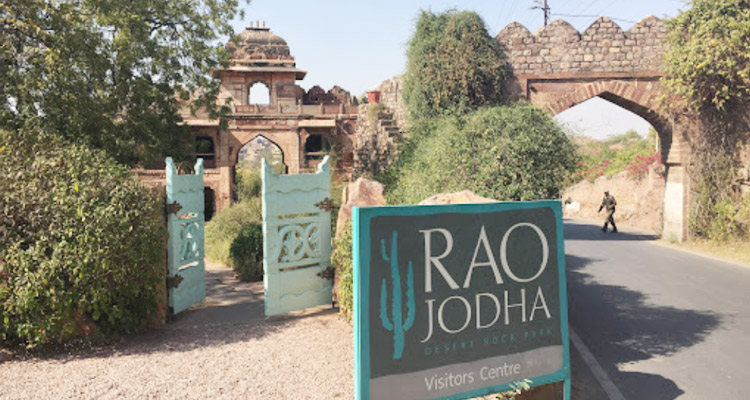
Visitor Center: The park features a well-equipped visitor center where you can purchase tickets, hire guides, and get detailed information about the trails. The center also has informative displays about the park's ecology and conservation efforts. Restrooms and drinking water facilities are available near the visitor center.
Facilities Available
- Visitor Center: Information, tickets, and guide hiring
- Rest Areas: Shaded seating areas along the trails
- Water Points: Drinking water facilities available
- Restrooms: Clean toilet facilities near the entrance
- Signage: Clear trail markers and information boards
- Parking: Paid parking available nearby
Best Time to Visit
Choosing the right time to visit Rao Jodha Desert Rock Park can significantly impact your experience. The park's beauty changes throughout the year, with each season offering unique advantages and challenges. Understanding the seasonal variations will help you plan your visit for optimal comfort and visual splendor.
Winter Season (October - March)
Winter is undoubtedly the best time to visit Rao Jodha Desert Rock Park. From October to March, the weather is pleasantly cool with daytime temperatures ranging from 15°C to 25°C. This makes trekking comfortable and allows you to spend hours exploring without being exhausted by the heat. The clear winter skies provide excellent visibility for photography, and the soft sunlight enhances the natural colors of the rock formations.
December and January are particularly popular months, though early mornings can be quite chilly (around 8-10°C). Dressing in layers is recommended during these months. The winter landscape is stark and beautiful, with the bare rocks creating dramatic silhouettes against the sky. This is also the best season for birdwatching, as many migratory species visit the region during winter months.
Summer Season (April - June)
Summer in Jodhpur is extremely hot, with daytime temperatures often exceeding 40°C. While the park remains open, trekking during summer can be challenging and potentially dangerous if you're not adequately prepared. The rocks absorb heat throughout the day, making the environment feel even hotter. However, if you do visit during summer, plan your trek for early morning (6:30-8:30 AM) when temperatures are relatively cooler.
Carry plenty of water, wear a wide-brimmed hat, and use sunscreen liberally. The summer landscape has its own stark beauty, with clear skies and dramatic shadows, but the heat makes extended exploration difficult. Most visitors avoid the peak summer months of May and June.
Monsoon Season (July - September)
The monsoon brings a unique transformation to the park. The normally dry, brown landscape bursts into life as rain prompts the germination of dormant seeds. The desert plants put on new growth, and some species bloom briefly, creating colorful displays against the rocky terrain. However, the trails can become slippery and muddy after rain, making trekking more challenging.
Monsoon photography can be spectacular, with dark clouds and dramatic lighting creating atmospheric images. The temperature during monsoon is more moderate (25-35°C), making it more comfortable than summer. However, rainfall is unpredictable, and you should be prepared for sudden downpours. The park may close temporarily during heavy rain for safety reasons.
Best Time of Day
Early Morning (7:00 - 9:00 AM): This is the ideal time for trekking. The temperature is coolest, the air is clear, and the rising sun creates beautiful lighting on the rock formations. Bird activity is also highest during early morning hours.
Late Afternoon (4:00 - 6:00 PM): The golden hour before sunset provides magical lighting for photography. The temperature begins to cool down, and the rocks take on warm hues as the sun dips lower. This is also an excellent time for spotting wildlife as animals become more active in the cooler evening air.
Midday (11:00 AM - 3:00 PM): This is the least comfortable time for trekking, especially in summer. The sun is directly overhead, shadows are minimal (less dramatic for photography), and the heat can be intense. However, midday visits are less crowded, and you might have the trails mostly to yourself.
How to Reach
Rao Jodha Desert Rock Park is easily accessible from various parts of Jodhpur, making it a convenient addition to your Jodhpur itinerary. The park's strategic location near Mehrangarh Fort means it's well-connected and can be reached by multiple modes of transport. Here's a comprehensive guide on how to reach the park from different locations.
From Mehrangarh Fort
The park is located adjacent to Mehrangarh Fort, and you can easily walk between the two attractions. The walking route from the fort entrance takes approximately 5-10 minutes and is clearly signposted. Many visitors choose to explore both attractions in a single day, as they complement each other perfectly. The fort offers historical and architectural insights, while the park provides natural and geological wonders.
From Jodhpur City Center
The distance from Jodhpur city center (Clock Tower area) to Rao Jodha Desert Rock Park is approximately 2 kilometers. Auto-rickshaws are the most convenient mode of transport for this short journey and typically cost ₹30-₹50 depending on traffic conditions. Taxis are also available but are more expensive for this short distance. If you enjoy walking, the city center to the park takes about 25-30 minutes and offers interesting views of old Jodhpur.
From Jodhpur Railway Station
The park is located approximately 4 kilometers from Jodhpur Railway Station. Auto-rickshaws are readily available outside the station and charge approximately ₹60-₹80 for the journey. Taxis charge around ₹150-₹200 for the same route. The journey takes 15-20 minutes depending on traffic conditions. During peak hours, traffic can be congested near the old city area, so allow extra time.
From Jodhpur Airport
Jodhpur Airport is approximately 8 kilometers from Rao Jodha Desert Rock Park. Pre-paid taxis are available at the airport and charge approximately ₹250-₹350 for the journey to the park. The drive takes about 20-25 minutes. Auto-rickshaws are not recommended from the airport due to the distance and luggage considerations.
Transport Options Summary
| From Location | Distance | Auto-Rickshaw | Taxi | Walking Time |
|---|---|---|---|---|
| Mehrangarh Fort | 0.5 km | ₹20 | ₹50 | 5-10 min |
| City Center | 2 km | ₹30-₹50 | ₹100 | 25-30 min |
| Railway Station | 4 km | ₹60-₹80 | ₹150-₹200 | N/A |
| Jodhpur Airport | 8 km | ₹100-₹120 | ₹250-₹350 | N/A |
Parking Facilities
If you're driving to the park, paid parking is available near the visitor center. The parking area is secure and can accommodate both two-wheelers and four-wheelers. Parking charges are approximately ₹20 for two-wheelers and ₹50 for cars. During peak tourist season (October-March), the parking lot can fill up quickly, so arriving early is recommended.
Landmarks & Navigation
The park is located in the old city area, near several well-known landmarks. The Ghanta Ghar (Clock Tower) serves as a useful reference point in the city center. From there, head towards the fort, and you'll find signs directing you to the park. The area around the fort is pedestrian-friendly, with narrow lanes characteristic of old Jodhpur. Google Maps provides accurate directions to the park entrance, though the final approach involves navigating through old city lanes.
Tips for Trekkers
Exploring Rao Jodha Desert Rock Park requires some preparation to ensure a safe and enjoyable experience. The desert environment presents unique challenges, and being well-prepared will help you make the most of your visit. Here are essential tips covering everything from what to carry to safety considerations.
What to Carry
Water: Carry at least 1-2 liters of water per person, especially during summer months. Dehydration is a real risk in the desert environment, even during winter. There are water refilling points available, but it's best to carry your own supply.
Sun Protection: High SPF sunscreen (50+), sunglasses, and a wide-brimmed hat are essential, regardless of the season. The desert sun is intense, and UV exposure is significant even on cloudy days. Apply sunscreen 30 minutes before entering the park and reapply every 2 hours.
Footwear: Wear sturdy, closed-toe shoes with good grip. The rocky terrain requires stable footing, and sandals or flip-flops are not suitable for trekking. Sports shoes or light hiking boots are ideal. The trails involve some scrambling over rocks, so ankle support is beneficial.
Camera: The park offers incredible photography opportunities. Carry your camera with extra batteries/memory cards. The best shots are during golden hour (early morning or late afternoon). A wide-angle lens is useful for capturing the dramatic landscapes.
Best Practices
- Stay on Marked Trails: The park has designated trails for safety and conservation. Venturing off-trail can damage fragile vegetation and disturb wildlife. The rocks can be unstable in areas where trails don't exist.
- Respect Wildlife: If you encounter animals, maintain distance and don't feed them. The park is a sanctuary for desert wildlife, and disturbing them affects their natural behavior.
- Don't Litter: Carry all trash back with you. The desert ecosystem is fragile, and even organic waste takes years to decompose in the arid conditions. Use the dustbins provided near the visitor center.
- Carry Trash Back: Follow the principle of "leave no trace." If you bring snacks or water bottles, ensure you carry all waste back to the visitor center where proper disposal facilities are available.
- Respect Other Visitors: The park is a place for quiet enjoyment of nature. Keep noise levels low, especially when others are trying to photograph wildlife or enjoy the peaceful atmosphere.
Photography Tips
Golden Hour: The hour after sunrise and the hour before sunset provide the most dramatic lighting. The low angle of the sun creates beautiful shadows that highlight the textures and shapes of the rock formations.
Rock Formations: Look for interesting patterns and textures in the rocks. The volcanic rhyolite creates stunning abstract patterns when photographed up close. Use a polarizing filter to enhance the colors and reduce glare.
Wildlife Shots: Be patient and quiet when photographing animals. Use a telephoto lens to maintain distance. Early morning is best for wildlife photography as animals are most active and the lighting is soft.
Wide Landscapes: The viewpoints overlooking the fort and city provide excellent panorama opportunities. Use a tripod for sharp images, especially in low light conditions during early morning or late afternoon.
Safety Guidelines
Wear Sturdy Shoes: The rocky terrain requires proper footwear. Avoid shoes with smooth soles as they won't provide adequate grip on rocky surfaces. Hiking boots or sports shoes with good tread are essential.
Stay Hydrated: Drink water frequently, even if you don't feel thirsty. The dry desert air can cause dehydration without obvious symptoms. Carry electrolyte supplements if visiting during summer.
Follow Guide Instructions: If you've hired a guide, listen to their advice carefully. They know the terrain, weather patterns, and potential hazards. Their local knowledge can significantly enhance your safety and experience.
Watch Your Step: The trails have uneven surfaces, loose gravel, and sudden changes in elevation. Pay attention to where you're walking, especially when taking photographs. Many accidents happen when photographers focus on their camera and forget their footing.
Check Weather: Before visiting, check the weather forecast. Avoid visiting during extreme heat (above 45°C) or heavy rain. The park may close temporarily during adverse weather conditions.
Combined Visit with Mehrangarh Fort
Most visitors plan a combined visit to both Rao Jodha Desert Rock Park and Mehrangarh Fort. This makes logistical sense as the attractions are adjacent and complement each other perfectly. Here's a suggested itinerary:
Morning (8:00 - 11:00 AM): Explore the desert rock park first while the temperature is cool. The morning light creates beautiful photo opportunities, and you'll have more energy for trekking in the cooler hours.
Break (11:00 AM - 12:00 PM): Return to the visitor center area, rest, and hydrate. There are small cafes near the fort entrance where you can grab refreshments.
Midday (12:00 - 3:00 PM): Explore Mehrangarh Fort's interior museums and covered areas during the hottest part of the day. The fort's thick walls provide cool respite from the sun.
Late Afternoon (4:00 - 6:00 PM): If you have energy, return to the park for golden hour photography, or enjoy sunset views from the fort's ramparts.
This combined itinerary makes for a fulfilling day exploring Jodhpur's most iconic attractions, blending natural wonders with historical grandeur. Both attractions offer audio guides in multiple languages, providing deeper context to your exploration.
Location
Frequently Asked Questions
Q1.What are Rao Jodha Park timings?
Q2.What is the entry fee for Rao Jodha Park?
Q3.Where is Rao Jodha Desert Rock Park located?
Q4.What is the best time to visit Rao Jodha Park?
Q5.Is Rao Jodha Park safe for families?
Q6.How to reach Rao Jodha Park from Mehrangarh Fort?
Q7.Is there parking available at Rao Jodha Park?
Q8.Are food and water available in the park?
Recommended For You

Jodhpur: Complete Travel Plan Forts And Weather
Complete Jodhpur travel guide featuring Mehrangarh Fort, Blue City, Jaswant Thada, Umaid Bhawan, desert safaris & shopping tips.

Best Places to Eat in Jodhpur: Food Guide and Tips
Best places to eat in Jodhpur guide with heritage-aware routing, meal timing, budget control, and practical one-day food planning.

Shopping in Jodhpur: Sardar Market, Textiles & Budget Shopping Tips
Discover shopping in Jodhpur with our guide to Sardar Market, textiles, handicrafts, lac bangles, spices, and budget tips.
Never Miss an Adventure
Get the latest trekking guides, travel tips, and exclusive offers delivered straight to your inbox.
