
Historic Forts in Rajasthan: Top 20 Majestic Forts

Ananya Sharma
November 28, 2025
Discover 20 historic forts in Rajasthan with UNESCO highlights, architecture insights, practical circuits, seasonal guidance, and smart travel tips for first-time and repeat visitors.
Introduction to Rajasthan's Historic Forts
Rajasthan is one of the strongest fort landscapes in India, where military strategy, royal life, and architecture evolved together over centuries. If you are searching for historic forts in Rajasthan, the biggest planning mistake is trying to see everything without a route system. The state is vast, and fort experiences vary by terrain: hill forts, desert forts, river-edge forts, and city forts all feel different.
This guide gives you a practical and history-aware framework: UNESCO hill forts, top 20 forts worth prioritizing, architecture styles to notice on-site, and realistic circuit planning for 5 to 8 days. Timings and ticket rates can change by authority, season, and nationality category, so treat fee details as planning ranges and recheck official counters before travel.
For broader trip planning, pair this with best time to visit Rajasthan and keep city transfers realistic.
UNESCO World Heritage: Hill Forts of Rajasthan
The UNESCO-inscribed Hill Forts of Rajasthan (inscribed in 2013) include six major sites that represent Rajput military architecture between the 8th and 18th centuries. These forts are:
- Amer Fort (Jaipur)
- Chittorgarh Fort (Chittorgarh)
- Kumbhalgarh Fort (Rajsamand)
- Ranthambore Fort (Sawai Madhopur)
- Gagron Fort (Jhalawar)
- Jaisalmer Fort (Jaisalmer)
Across these forts, you will see recurring design logic: elevated defensive positions, layered gates, internal palaces, temples, reservoirs, and settlement zones inside fortified walls.
Top 20 Historic Forts in Rajasthan
The list below is arranged by visitor value, historical weight, and circuit convenience.
| Fort | City/Region | Best Known For | Typical Visit Time |
|---|---|---|---|
| Amer Fort | Jaipur | Sheesh Mahal, palace courtyards | 2-3 hours |
| Nahargarh Fort | Jaipur | City sunset views | 1.5-2 hours |
| Jaigarh Fort | Jaipur | Cannon foundry, defensive scale | 1.5-2 hours |
| City Palace Complex | Jaipur | Royal court architecture | 2 hours |
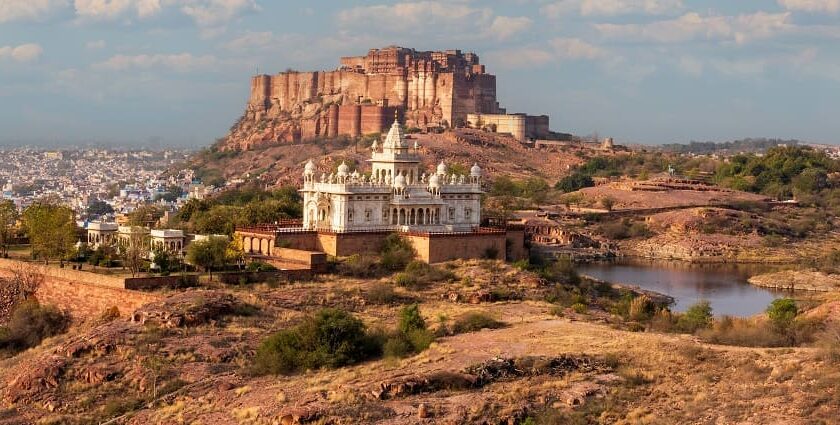
| Mehrangarh Fort | Jodhpur | Massive hill fort and museum | 2-3 hours |
| Mandore Fort Zone | Jodhpur | Old capital remains and cenotaphs | 1-2 hours |
| Balsamand Fort Area | Jodhpur | Lake-facing heritage setting | 1 hour |
| Jaisalmer Fort | Jaisalmer | Living desert fort | 2-3 hours |
| Patwon ki Haveli Cluster | Jaisalmer | Merchant architecture | 1-1.5 hours |
| Salim Singh ki Haveli | Jaisalmer | Distinct facade style | 45-60 min |
| Chittorgarh Fort | Chittorgarh | Largest fort complex narrative | 3-4 hours |
| Kumbhalgarh Fort | Rajsamand | Long defensive wall | 2-3 hours |
| Sajjangarh Fort | Udaipur | Monsoon Palace views | 1.5 hours |
| Junagarh Fort | Bikaner | Non-hill fort with rich interiors | 2 hours |
| Lalgarh Palace Precinct | Bikaner | Late royal-era architecture | 1 hour |
| Ranthambore Fort | Sawai Madhopur | Fort + wildlife landscape | 2-3 hours |
| Taragarh Fort | Bundi | Steep hilltop fortification | 1.5-2 hours |
| Lohagarh Fort | Bharatpur | Defensive resilience history | 1.5 hours |
| Bala Quila | Alwar | Aravalli ridge fort | 1.5 hours |
| Gagron Fort | Jhalawar | Hill-and-water fort setting | 1.5-2 hours |
1) Amer Fort, Jaipur
Amer Fort is one of the most iconic rajasthan forts for first-time visitors because it combines military layout with palace-scale interiors. Sheesh Mahal, Ganesh Pol, and layered courtyards show how defense and royal aesthetics coexisted. Typical ticket structures vary by citizen category and combined-monument passes.
Detailed guide: Amber Fort Jaipur.
2) Nahargarh Fort, Jaipur
Nahargarh is known for ridgeline views over Jaipur, especially late afternoon. It works best as a half-day circuit with Amer and Jaigarh. The fort is more about vantage and strategic location than dense palace interiors.
3) Jaigarh Fort, Jaipur
Jaigarh sits above Amer and reflects pure defensive logic: thick walls, storage, and military installations. It is often visited for foundry history and the scale of its fortification lines.
4) City Palace Complex, Jaipur
While functionally different from a pure battlefield fort, this royal complex is crucial for understanding Rajput court culture, ceremonial spaces, and administrative planning inside defended urban cores.
5) Mehrangarh Fort, Jodhpur
Mehrangarh rises dramatically over Jodhpur and remains one of the strongest examples of hilltop fort planning in India. Museum galleries, gateways, and battlements make it a high-depth heritage visit, not just a photo stop.
Read more: Mehrangarh Fort Jodhpur.

6) Mandore Fort Zone, Jodhpur
Mandore represents the older political layer before Jodhpur's later fortified profile became dominant. The cenotaph architecture and remnants offer context for Marwar's transition period.
7) Balsamand Fort Area, Jodhpur
Balsamand is usually combined with Jodhpur heritage routes for travelers who want a lighter royal stop with lake-facing atmosphere rather than a full fort climb.
8) Jaisalmer Fort
Jaisalmer Fort remains one of the most discussed living forts in the world, with active settlement inside the fort walls. This changes the visitor experience: it is not only a monument, but a functioning urban heritage zone.
Trip context: Jaisalmer Fort Rajasthan.
9) Patwon ki Haveli Cluster
Not a military fort, but a vital companion stop for architectural continuity in Jaisalmer. The facades and merchant-house geometry add social-history depth to the fort visit.
10) Salim Singh ki Haveli
This site is often added for its distinctive front projection style and urban historic character in the old settlement belt.
11) Chittorgarh Fort
Chittorgarh is usually regarded as the largest fort complex in Rajasthan and carries some of the strongest narratives of siege, resistance, and sacrifice in Rajput history. Keep at least half a day.
12) Kumbhalgarh Fort
Kumbhalgarh is known for its long defensive wall and mountain isolation logic. The fort is ideal for travelers interested in topography-driven defense planning.
Planning guide: Kumbhalgarh Fort Udaipur.

13) Sajjangarh Fort (Monsoon Palace)
Sajjangarh is chosen for panoramic Udaipur basin views and sunset photography. It is less battle-heavy and more scenic in visitor experience.
14) Junagarh Fort, Bikaner
Junagarh stands out because it is a major fort not built on a hilltop. Interiors, court spaces, and decorative detail make it one of Rajasthan's strongest museum-style heritage stops.
15) Lalgarh Palace Precinct, Bikaner
Lalgarh represents later-era royal architecture and is useful as a comparative stop after Junagarh to understand changing design preferences.
16) Ranthambore Fort
Ranthambore blends fort heritage with forest landscape. Many travelers visit for safari first and fort second, but the hilltop structure itself is historically significant and part of the UNESCO hill-forts grouping.
17) Taragarh Fort, Bundi
Taragarh's steep approach and commanding views give it strong defensive character. Bundi travelers usually combine it with stepwells and painted palace sites for a compact heritage day.
18) Lohagarh Fort, Bharatpur
Lohagarh is famous for defensive resilience and differs from ornate palace-centric forts. It is important for understanding how plainland fortification strategies worked.
19) Bala Quila, Alwar
Bala Quila sits on an Aravalli ridge and is usually paired with Alwar city heritage stops. Its value is strategic siting and long visual command over surrounding terrain.
20) Gagron Fort, Jhalawar
Gagron is known as a hill-and-water fort where natural water boundaries reinforce defense. It is one of the most distinct fort geographies in Rajasthan's larger fort map.

Fort Architecture Styles to Notice
Most famous forts Rajasthan visitors remember are not defined by one style, but by layered additions across centuries. On site, focus on these recurring elements:
- Massive perimeter walls: often adapted to ridge lines and natural slope.
- Pol gateways: sequential gate systems designed to slow attackers.
- Palace-inside-fort planning: public court spaces and private royal quarters.
- Water systems: stepwells, tanks, and reservoirs essential for siege survival.
- Temple integration: sacred spaces within fortified settlements.
- Jharokha and jali work: climate and privacy functions with decorative expression.
These features help you read forts as functional cities, not isolated monuments.
Best Rajasthan Fort Circuit Itineraries
5-Day Golden Fort Circuit
- Day 1-2: Jaipur (Amer, Nahargarh, Jaigarh)
- Day 3: Jodhpur (Mehrangarh)
- Day 4: Udaipur side transfer and Kumbhalgarh
- Day 5: Buffer and return movement
7-Day Deep Heritage Circuit
- Jaipur cluster (2 days)
- Jodhpur cluster (1 day)
- Jaisalmer Fort zone (1-2 days)
- Chittorgarh or Kumbhalgarh (1 day)
- Bundi or Bikaner add-on (1 day)
Pick one geography block first, then add extras. Rajasthan transfer time is the main constraint.
Best Time to Visit Rajasthan Forts
| Season | Typical Weather | Fort Experience | Recommendation |
|---|---|---|---|
| October-March | Cool to mild | Best for full-day exploration | Best season |
| April-June | Hot to very hot | Early-morning visits only | Manageable with planning |
| July-September | Monsoon variation | Greener landscapes, occasional access delays | Good for photographers |
If you are planning city combinations, use Jaipur travel guide and Jodhpur travel guide for transfer pacing.
Photography and Practical Travel Tips
- Arrive early for major forts to avoid heat and crowd build-up.
- Use one dedicated half-day for large complexes like Chittorgarh or Mehrangarh.
- Carry water and sun protection; shaded zones are limited in many fort routes.
- Keep footwear suitable for uneven stone pathways and ramps.
- Some sites may apply separate camera/video rules, so confirm at entry.
- For sunset views, keep exit logistics ready because transport wait times can increase.
Before You Go: Ticket and Access Checklist
Carry a digital and physical ID copy, keep cash backup for smaller counters, and check monument closure days in advance. If you are visiting multiple forts in one city, start with the largest complex first, then move to smaller sites in late afternoon to reduce crowd pressure and improve photo conditions.
Final Take
The best forts in Rajasthan to visit depend on your route logic, not only popularity lists. Start with UNESCO hill forts and add city-specific icons like Mehrangarh, Junagarh, and Taragarh based on available days. A well-planned fort circuit gives you architecture, military history, landscape diversity, and living heritage in one journey.
Plan by region, keep transfer buffers, and verify current ticketing at the monument level for a smoother and more trustworthy experience.

Location
Frequently Asked Questions
Q1.Which is the best fort in Rajasthan?
Q2.How many forts are there in Rajasthan?
Q3.Which forts in Rajasthan are UNESCO World Heritage Sites?
Q4.Which is the largest fort in Rajasthan?
Q5.What is the best Rajasthan fort circuit?
Q6.How many days are needed to visit major forts in Rajasthan?
Q7.What is the best time to visit Rajasthan forts?
Q8.What are the entry fees for major forts in Rajasthan?
Recommended For You
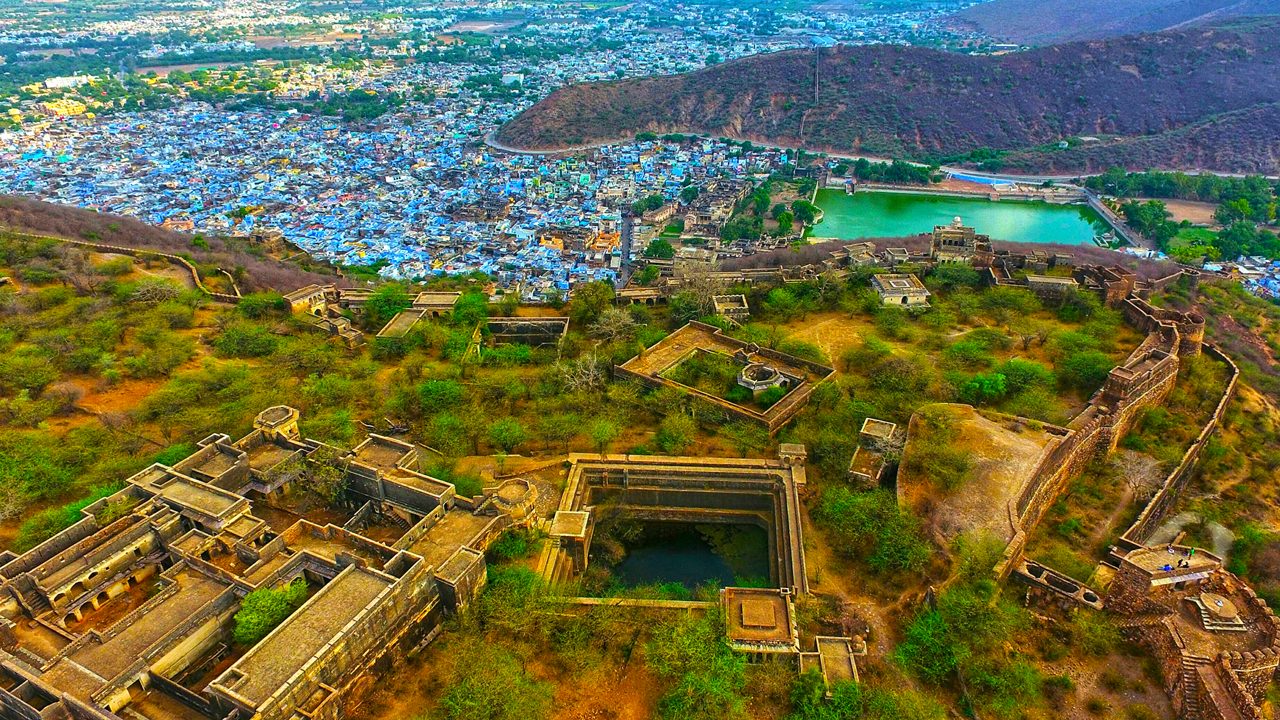
Best Time to Visit Rajasthan: Weather by City & Ideal Travel Months
Plan the best time to visit Rajasthan with season-wise weather, month-by-month insights, activity timing, festival impact, and smart itinerary guidance.
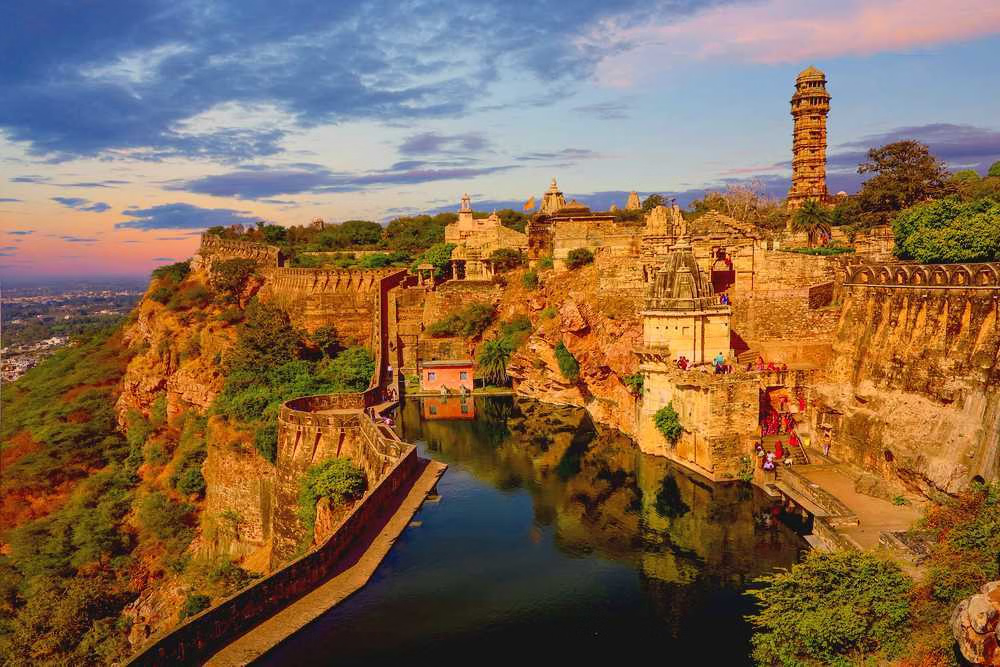
Chittorgarh Fort: Complete Travel Plan And History
Plan your Chittorgarh trip with practical fort-circuit timing, one-day and two-day itinerary formats, season strategy, and route-first budgeting tips.
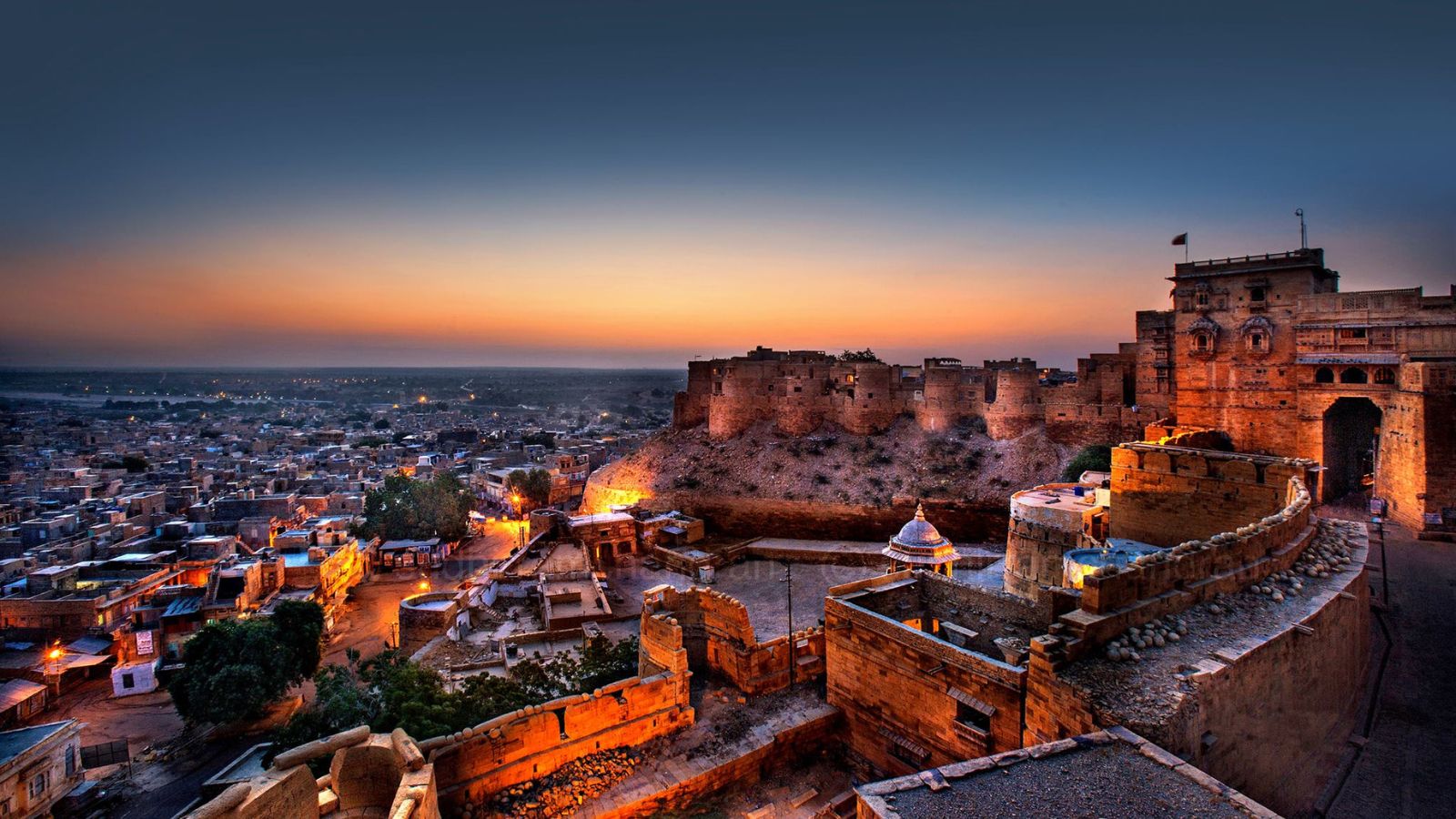
Jaisalmer Fort Rajasthan: Timings, Entry Fee & History
Visit Jaisalmer Fort (Sonar Quila). Discover timings, entry fee, history, Jain temples, and inside guide to Rajasthan's only living fort.
Never Miss an Adventure
Get the latest trekking guides, travel tips, and exclusive offers delivered straight to your inbox.
