
Jodhpur: Complete Travel Plan Forts And Weather

Neha Kapoor
February 20, 2026
Complete Jodhpur travel guide featuring Mehrangarh Fort, Blue City, Jaswant Thada, Umaid Bhawan, desert safaris & shopping tips.
Introduction to Jodhpur
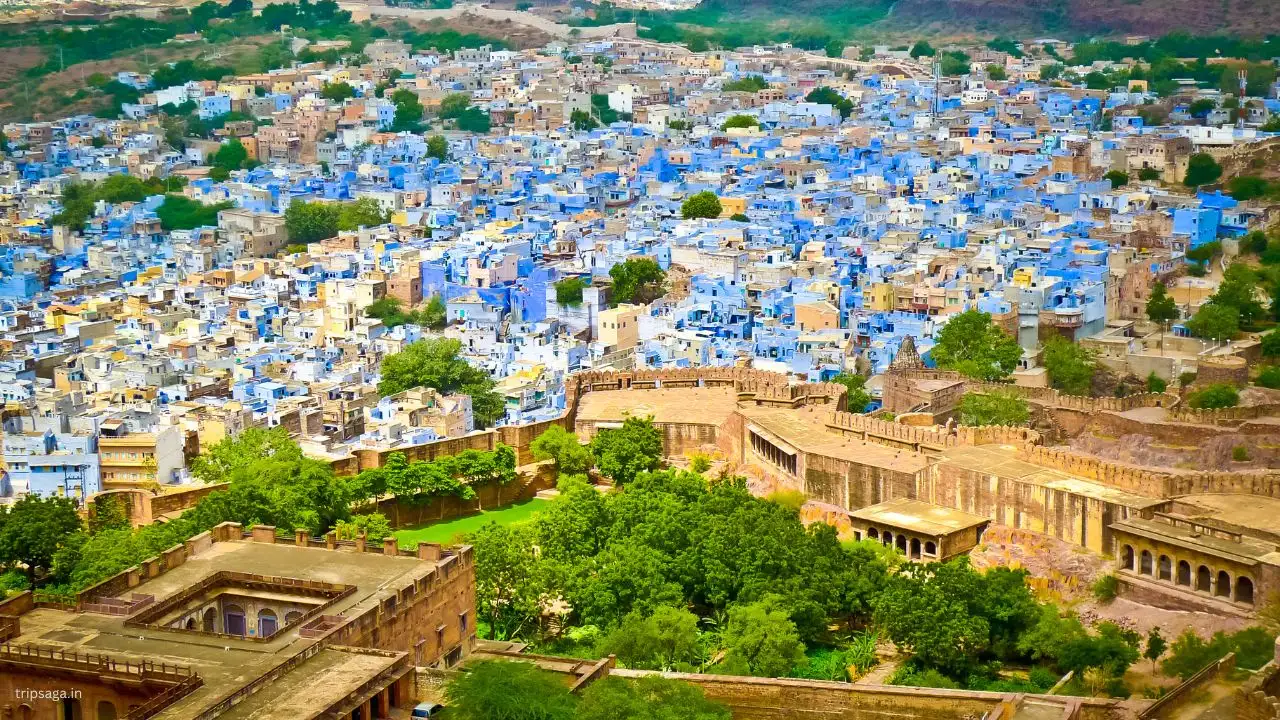
Jodhpur, the second-largest city in Rajasthan and often called the "Sun City" due to its bright, sunny weather throughout the year, is one of India's most captivating destinations. But it's perhaps better known by its more romantic epithet - the "Blue City" - for the hundreds of indigo-colored houses that cluster around the magnificent Mehrangarh Fort, creating a stunning visual spectacle from above. Founded in 1459 by Rao Jodha, the chief of the Rathore clan, Jodhpur served as the capital of the Marwar kingdom and remains a vital center of Rajasthani culture, arts, and crafts. If you're exploring the best places to visit in Rajasthan, Jodhpur should definitely be on your list.
What makes Jodhpur truly special is its remarkable character that combines royal heritage with vibrant street life, architectural splendor with the warmth of Rajasthani hospitality. The city dominates the landscape with Mehrangarh Fort, one of the largest and most imposing forts in India, perched on a 400-foot-high hill overlooking the blue-washed old city below. The fort's massive walls, some of which are 36 meters high and 21 meters thick, have withstood centuries of battles and today house one of India's most well-maintained and interesting museums.
Beyond the fort, Jodhpur offers a rich tapestry of experiences. The old city, with its narrow winding lanes, bustling markets, and blue-painted houses, is a photographer's dream and a cultural explorer's paradise. The city's vibrant bazaars sell everything from handicrafts and textiles to spices and jewelry, offering excellent shopping opportunities. The city is also famous for its cuisine - the spicy, flavorful Marwari food that reflects the harsh desert environment and the ingenuity of its people.
Jodhpur's location on the edge of the Thar Desert gives it a distinct character. The desert influences everything from the architecture designed to provide cooling in the scorching summers to the cuisine that makes use of ingredients that could survive the harsh climate. Yet the city is also surprisingly green, thanks to ingenious water harvesting systems developed over centuries. This blend of desert harshness and human ingenuity, of royal grandeur and everyday vibrancy, creates a destination that rewards deep exploration.
Best Time to Visit Jodhpur
Jodhpur experiences extreme desert climate with very hot summers, a brief monsoon season, and pleasant winters. Choosing the right time to visit significantly impacts your experience of the city.
October to March is undoubtedly the best time to visit Jodhpur when the weather is pleasant and ideal for sightseeing. Daytime temperatures range from 20°C to 30°C, making it comfortable to explore the fort, walk through the old city's narrow lanes, and enjoy outdoor activities. December and January can get quite chilly, especially early mornings and evenings, with temperatures occasionally dropping to 5°C or lower. You'll need light woolens for these months. This period coincides with peak tourist season, so expect larger crowds at popular attractions and higher prices for accommodations.
The best months within this period are October, November, February, and March when the weather is most pleasant. December and January are cooler but also the busiest, as many travelers visit during the winter holidays. The Rajasthan International Folk Festival (RIFF) in October is a special time to visit, featuring incredible music performances in and around Mehrangarh Fort.
April to June brings extreme summer heat with daytime temperatures often soaring above 40°C and sometimes reaching 45-47°C. The scorching heat makes daytime sightseeing extremely uncomfortable, especially visiting the fort which involves climbing and walking in the sun. However, this is the off-season, meaning fewer tourists and significantly lower prices for hotels and flights. If you visit during summer, plan activities for very early morning (6-8 AM) and late evening (after 5 PM), rest during the hottest part of the day, stay hydrated, and use sun protection. Many locals leave the city during peak summer, so some restaurants and shops may have limited hours.
July to September is the monsoon season when Jodhpur receives moderate rainfall. The temperatures drop slightly compared to summer but the humidity makes it feel equally uncomfortable. The rains bring relief from the scorching heat and the surrounding countryside turns green, creating a beautiful contrast with the desert landscape. However, rainfall can be unpredictable and heavy showers can disrupt outdoor activities. This is the least popular time to visit, though some travelers appreciate the cooler temperatures, green landscape, and even lower prices. The monsoon also brings impressive cloud formations and dramatic light for photography.
Top Attractions in Jodhpur
Mehrangarh Fort
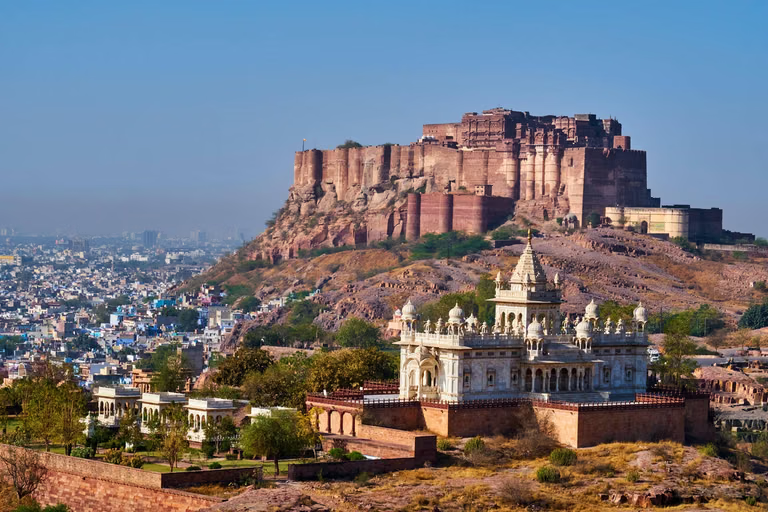
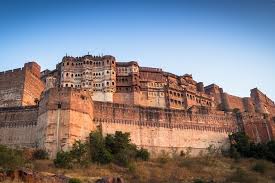
Undoubtedly Jodhpur's most iconic attraction and one of India's most impressive forts, Mehrangarh Fort dominates the city's skyline and its history. Built in 1459 by Rao Jodha, the fort sits atop a 400-foot-high hill and spreads over an area of 5 kilometers. The fort's massive walls, some 36 meters high and 21 meters thick, have withstood centuries of battles and are testament to the military might of the Rathore dynasty.
The fort's construction is a marvel of medieval engineering. Built directly into the rock face of the hill, the fort's walls seem to grow organically from the hill itself. The seven fortified gates (pols) leading to the fort are imposing structures with spikes designed to prevent elephant charges during attacks. Each gate commemorates a victory - Jayapol (Gate of Victory) was built by Maharaja Man Singh to celebrate his victory over Jaipur and Bikaner armies, while Fatehpol (Gate of Victory) commemorates Maharaja Ajit Singh's defeat of the Mughals.
Inside the fort, a well-maintained museum displays an impressive collection of palanquins, howdahs (elephant seat), royal cradles, miniatures, musical instruments, costumes, and furniture. The Palanquin Gallery displays a collection of ornate palanquins that once carried royal ladies. The Howdah Gallery features elaborate elephant seats used by the Maharajas. The Paintings Gallery has beautiful Rajasthani miniatures depicting court scenes, battles, and religious themes.
The fort's various palaces within the complex showcase different architectural styles and periods. Moti Mahal (Pearl Palace) was built by Raja Sur Singh and features beautiful mirror work and stained glass. Phool Mahal (Palace of Flowers) was the private pleasure dome of the Maharajas with gold filigree ceiling and stained glass. Sheesh Mahal (Mirror Palace) has exquisite mirror work. The Chamunda Mataji Temple, dedicated to the goddess Durga, is still worshipped and is the fort's oldest temple.
The fort offers spectacular views of the blue city below - the best viewpoint is from the fort's ramparts. The contrast between the imposing brown fort and the blue houses below creates one of India's most iconic urban views. The fort is particularly beautiful at sunset when the golden light bathes the sandstone structures and the blue houses seem to glow.
The Mehrangarh Museum Trust, established by the current Maharaja, has done an excellent job maintaining and interpreting the fort. Audio guides are available in multiple languages and are highly recommended for understanding the fort's rich history. The fort also has a excellent cafe and gift shop.
Jaswant Thada
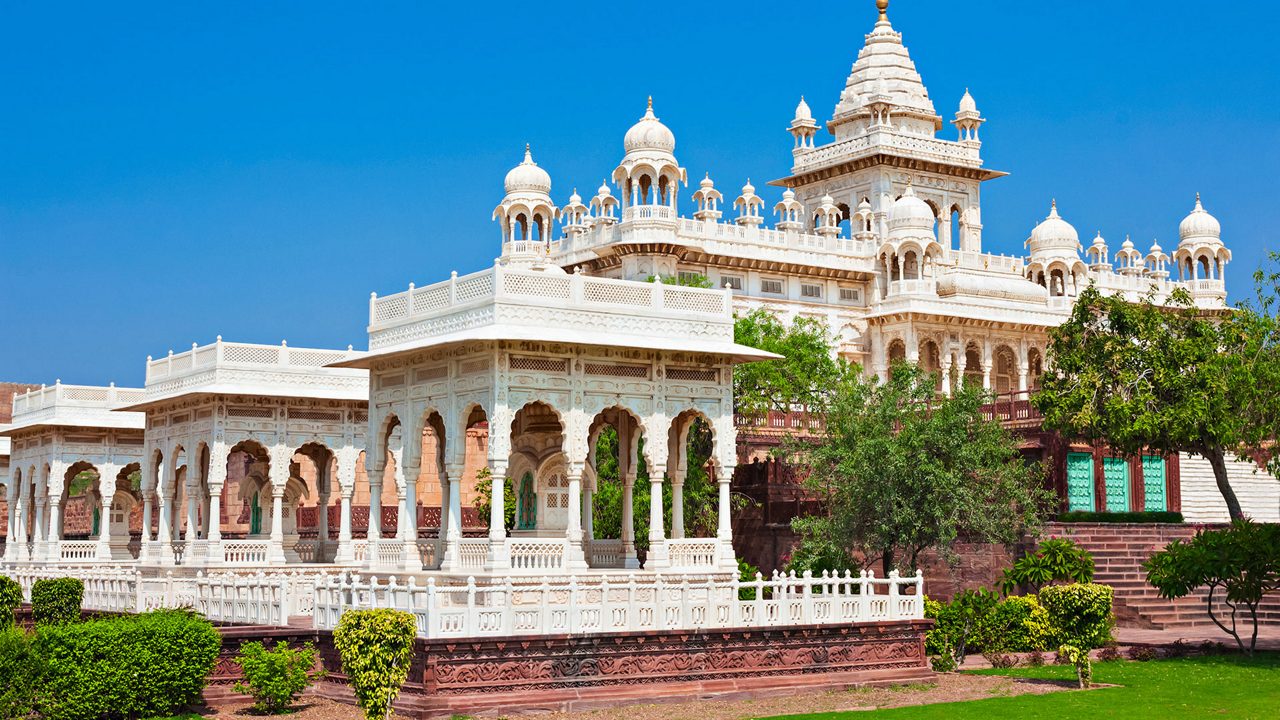
Located just north of Mehrangarh Fort, Jaswant Thada is a beautiful white marble cenotaph built in 1899 in memory of Maharaja Jaswant Singh II by his son Maharaja Sardar Singh. Often called the "Taj Mahal of Marwar," this elegant structure features intricate marble carvings, latticework screens (jaalis), and beautiful domes.
The cenotaph is built from thin sheets of marble that are so highly polished that they appear translucent. The main memorial contains portraits of Rathore rulers, and the grounds house several other cenotaphs of Jodhpur's royalty. The intricate carvings depict scenes from mythology and daily life, showcasing the exceptional skill of Rajasthani craftsmen.
The memorial is set in serene gardens with a small lake, offering a peaceful respite from the bustling city below. The reflection of the white marble in the lake's waters is particularly beautiful. The site offers excellent views of Mehrangarh Fort and is a great place for photography, especially during the golden hours of sunrise and sunset.
The grounds also contain a small but interesting museum displaying various artifacts. Jaswant Thada is a short walk from Mehrangarh Fort and can easily be combined with the fort visit. The peaceful atmosphere and beautiful architecture make it a favorite spot for photographers and those seeking a quiet moment.
Umaid Bhawan Palace
One of the world's largest private residences, Umaid Bhawan Palace is an architectural marvel and a symbol of Jodhpur's modern history. Built between 1929 and 1943, the palace was commissioned by Maharaja Umaid Singh as a public works project to provide employment during a famine. Named after the Maharaja, the palace is an excellent example of Indo-Saracenic architecture blended with Art Deco elements.
The palace is divided into three sections - a luxury Taj hotel, a museum, and the royal family's private residence. The museum displays an interesting collection of clocks, photographs, and royal memorabilia including weapons, crockery, and trophies. The architecture itself is fascinating - the palace used no cement or mortar in its construction, instead using interlocking stones.
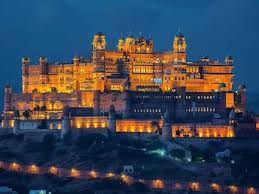
The palace's golden-yellow sandstone contrasts beautifully with Jodhpur's blue houses and the desert landscape. Set amidst 26 acres of lush gardens, the palace offers spectacular views of the city and Mehrangarh Fort in the distance. The property is particularly beautiful at sunset when the golden sandstone glows.
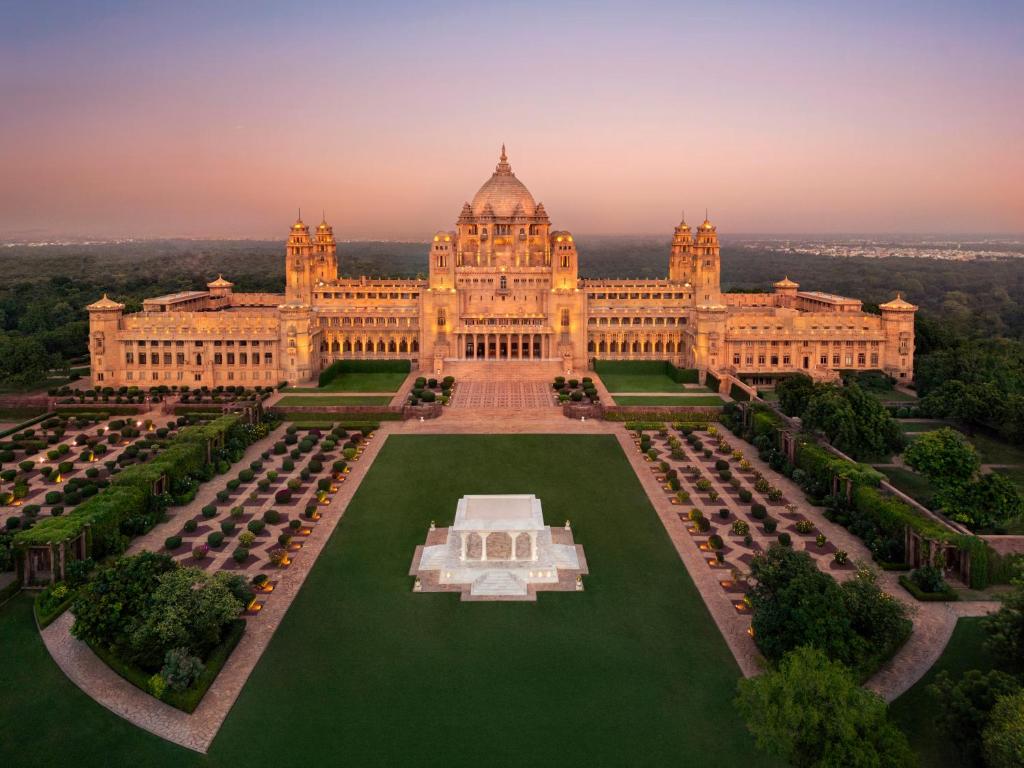
Even if you're not staying at the hotel, you can visit the museum and enjoy the palace's public areas, including the impressive foyer and gardens. The palace also has several excellent restaurants that are open to non-residents, offering a chance to experience royal dining in a spectacular setting.
Old City and Blue Houses
The old city of Jodhpur, with its narrow winding lanes and blue-painted houses, is one of India's most atmospheric urban spaces. The blue color traditionally signified Brahmin households (the highest caste), though today many non-Brahmin houses are also painted blue. The practical reason for the color is that it reflects heat and keeps houses cool in the scorching summers. It's also said to repel insects.
Exploring the old city is an immersive experience. The lanes, too narrow for cars, are bustling with life - children playing, women in colorful Rajasthani attire, shopkeepers selling their wares, the occasional cow or sacred bull wandering through. The houses, painted in various shades of blue ranging from deep indigo to pale azure, create a striking visual spectacle.
The best way to explore the old city is on foot. Start from the Clock Tower (Ghanta Ghar), the old city's landmark, and wander through the lanes leading up to Mehrangarh Fort. The Navchowkiya area is particularly blue and photogenic. Look up as you walk - the houses have beautiful traditional architecture with carved balconies, jharokhas (overhanging enclosed balconies), and intricate latticework.
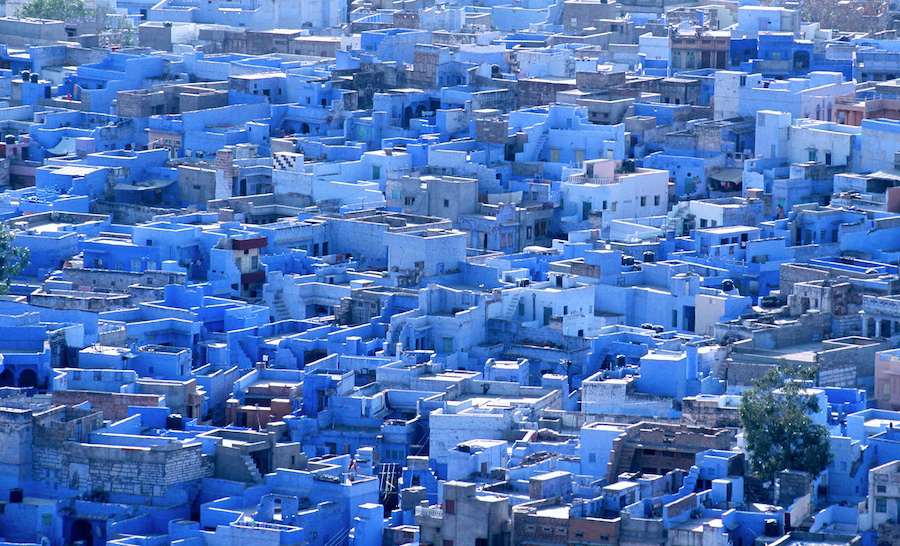
For the best views of the blue city, take a sunset walk up to Mehrangarh Fort's ramparts, or book a room at one of the heritage hotels within the old city. Several rooftop restaurants offer excellent views over the blue houses and towards the fort. The old city is particularly beautiful in the evening when the houses are illuminated and the fort looms above.
Clock Tower and Sardar Market
The Clock Tower (Ghanta Ghar), built by Maharaja Sardar Singh in the late 19th century, is the old city's central landmark and the heart of Jodhpur's commercial life. The tower dominates the Sardar Market, a bustling bazaar that has been operating for centuries.
The market is a sensory explosion - colorful spices piled in mounds, vibrant textiles, handicrafts, the aroma of street food, the sounds of bargaining, and the energy of thousands of shoppers. The market is organized by product - lanes dedicated to spices, others to textiles, to jewelry, to shoes. It's an excellent place for shopping and people-watching.
The spice market is particularly impressive with huge piles of turmeric, chilies, cumin, coriander, and various spice blends. Rajasthani spices, especially the famous Mathaniya's red chilies and various masalas, make excellent souvenirs. The textile market sells bandhani (tie-dye), leheriya (wave pattern), and other traditional Rajasthani textiles.
The market is also home to several famous food establishments. Mishrilal Hotel, located near the clock tower, is legendary for its makhaniya lassi (a thick, creamy sweet lassi). The market's street food scene is excellent - try mirchi vada (chili fritters), pyaaz kachori, and various chaat items.
Osian
Located approximately 65 kilometers from Jodhpur, Osian is an ancient oasis town that was once a major trading center on the Silk Route. Today, it's known for its beautifully preserved cluster of Hindu and Jain temples dating from the 8th to 11th centuries.
The temples, built in the Gurjar-Pratihara style, feature exquisite carvings and sculptures. The Sachiya Mata Temple complex, dedicated to the goddess Sachiya, is particularly impressive with its ornate carvings and multiple shrines. The Jain temples, particularly the Mahavira Temple and the Jain Temple dedicated to Lord Mahavira, showcase exceptional craftsmanship with detailed sculptures depicting Jain mythology.
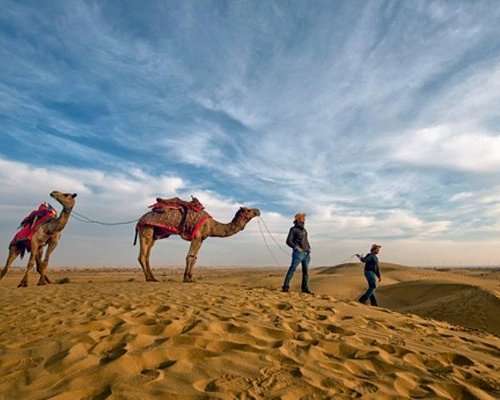
Osian also offers camel safaris into the Thar Desert. The sunset camel safari, riding over sand dunes with the ruins of ancient temples in the background, is a memorable experience. The town can be visited as a day trip from Jodhpur, or you can stay overnight at one of the desert camps to experience the desert at night.
Mandore Gardens
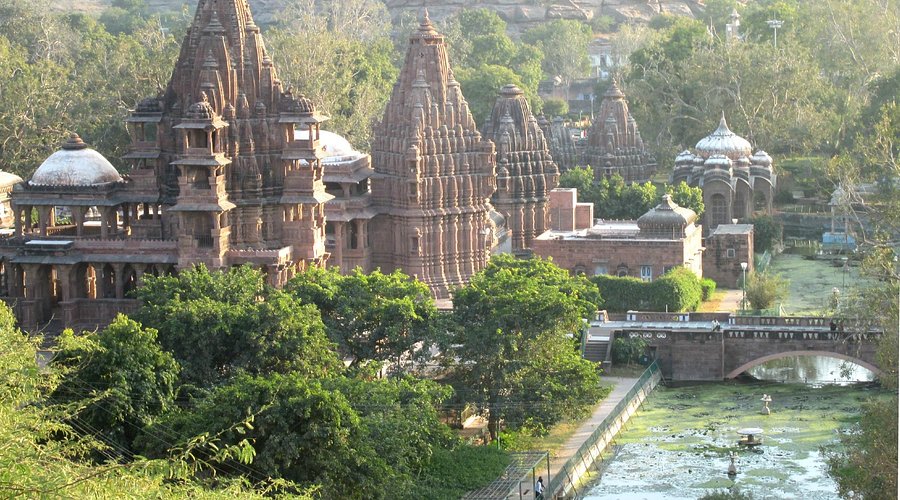
Located approximately 9 kilometers north of Jodhpur, Mandore was the ancient capital of Marwar before Jodhpur was founded. The Mandore Gardens house a collection of ancient temples, memorials (cenotaphs) of Jodhpur's rulers, and rock-cut sculptures.
The cenotaphs (chattris), built in red sandstone, are architectural marvels with intricate carvings, high domes, and pillars. Unlike the white marble cenotaphs at Jaswant Thada, these are earthier and more imposing. The Ravan Kund cave temple, dedicated to the demon king Ravana from the Ramayana epic, is unusual and interesting.
The gardens are beautifully maintained with monkeys (be cautious, they can be aggressive), peacocks, and various bird species. The Hall of Heroes, containing rock-cut sculptures of various deities and Rajput heroes, is fascinating. Mandore is less visited than other Jodhpur attractions and offers a peaceful break from the city's hustle. It can be combined with a visit to Osian if you have a full day.
Kaylana Lake
Located approximately 8 kilometers west of Jodhpur, Kaylana Lake is an artificial lake built by Pratap Singh in 1872. The lake, surrounded by rocky hills and lush gardens, is a peaceful retreat from the city and offers spectacular sunsets.
The lake is a popular spot for birdwatching, especially during winter when migratory birds arrive. You might spot various species including cranes, pelicans, and flamingos. Boating is available on the lake. The surrounding area has several gardens and walking paths, making it a pleasant place for a morning or evening walk.
The lake offers beautiful views of the surrounding landscape and is particularly photogenic during sunset when the water reflects the changing colors of the sky. It's a good place to escape the city's hustle and enjoy some quiet time. The lake can be combined with a visit to nearby Mandore Gardens.
Adventure Activities in Jodhpur
Zip Lining at Mehrangarh Fort
One of India's most thrilling zip-lining experiences, the Flying Fox at Mehrangarh Fort offers a unique perspective of this incredible fort and the blue city below. The zip line course consists of six lines ranging from 130 to 300 meters in length, with the longest and final line offering spectacular views of the fort and city.
The zip line takes you over the fort's ramparts, lakes, and ravines, at speeds up to 80 km/h. The views of Mehrangarh Fort's architecture and the blue city below are unmatched. The experience lasts approximately 1.5 hours including safety briefing and gear. The activity is operated by professional instructors with international safety standards and is suitable for most fitness levels (there are some weight and age restrictions).
The zip line operates from early morning to sunset, with the early morning and late afternoon slots offering the best light for photography and more comfortable temperatures. The experience is particularly memorable at sunset when the golden light bathes the fort. Booking in advance is recommended, especially during peak season.
Desert Safari
While Jaisalmer is more famous for desert safaris, Jodhpur offers excellent desert safari experiences, particularly in the Osian area. Camel safaris are the traditional way to explore the Thar Desert, riding over sand dunes at sunset with the ruins of ancient temples as backdrop.
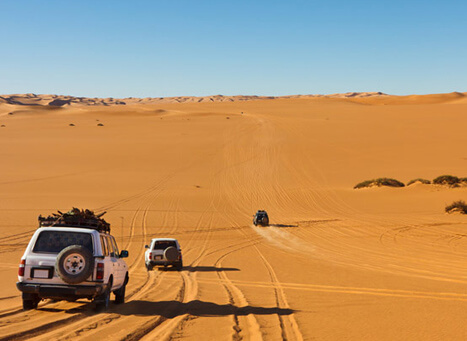
Jeep safaris offer a faster way to explore larger areas of the desert. You can visit remote villages, spot wildlife (including desert foxes, chinkara gazelles, and various bird species), and experience the vastness of the Thar Desert. Overnight camping options are available, allowing you to sleep under the stars in the desert and experience the silence and grandeur of the desert night.
Village Safari
Village safaris offer insight into rural Rajasthani life, visiting villages inhabited by various communities including Bishnois (known for their environmental conservation efforts), potters, weavers, and shepherds. These safaris typically include visits to traditional homes, demonstrations of crafts like pottery and weaving, and opportunities to see wildlife like blackbucks, chinkaras, and various bird species.
Most village safaris include lunch or dinner at a village home, offering authentic Rajasthani cuisine. It's a great way to experience rural Rajasthan and learn about traditional lifestyles that have remained largely unchanged for centuries.
Shopping in Jodhpur
Jodhpur is a shopper's paradise, particularly for textiles, handicrafts, and spices. The main shopping areas are the old city's markets around the Clock Tower and the various bazaars specializing in different products.
Jodhpur is famous for its textiles, particularly bandhani (tie-dye), leheriya (wave pattern), and other traditional Rajasthani printing and dyeing techniques. Colorful dupattas, sarees, and fabrics make excellent purchases. The quality and variety are exceptional. Look for the vibrant colors and intricate patterns that characterize Rajasthani textiles.
Handicrafts are another Jodhpur specialty. The city is particularly known for its metalwork, including brass, copper, and silver items. Lamps, figurines, boxes, and other decorative items make excellent gifts and souvenirs. Jodhpur is also famous for its wooden furniture and handicrafts - carved furniture, boxes, and decorative items. The craftsmanship is exceptional, and prices are reasonable compared to other tourist destinations.
For spices, the markets around the Clock Tower are unbeatable. Buy Mathaniya's red chilies (a local variety famous throughout India), various masala blends, saffron, cardamom, and other spices. The spices sold here are fresh, aromatic, and much cheaper than in metropolitan cities. Packaged spices make great gifts and are easy to transport.
Footwear is another Jodhpur specialty. Jodhpuri jootis (traditional embroidered shoes) are famous throughout India. Available in various colors and designs, they make excellent gifts or unique footwear. Look for genuine leather jootis with good-quality embroidery. Mojari (another style of traditional footwear) is also available.
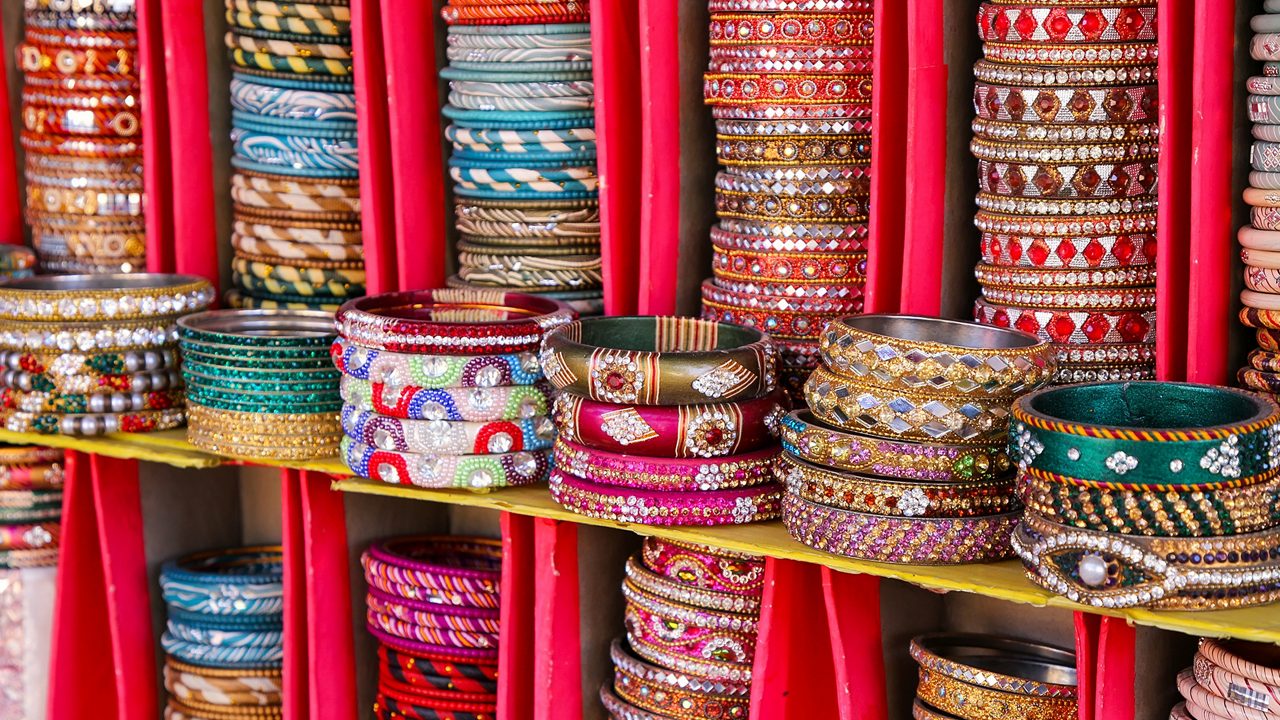
For jewelry, Jodhpur offers excellent silver jewelry and lacquer bangles (traditional bangles made from lac). The silver jewelry, particularly tribal pieces with traditional designs, is beautiful and reasonably priced. The lacquer bangles, worn in sets, are uniquely Rajasthani and make colorful souvenirs.
The markets are generally open from 10 AM to 8 PM, though some shops close for an afternoon break. Bargaining is expected in private shops but not in government emporiums. Start by offering about half the asking price and negotiate from there.
Food in Jodhpur
Jodhpuri cuisine, also known as Marwari cuisine, is famous for its bold flavors, generous use of spices, and ingenious use of ingredients that could survive the harsh desert climate. The food here is predominantly vegetarian (reflecting the influence of Jainism and the scarcity of meat in the desert), though some non-vegetarian dishes are also available.
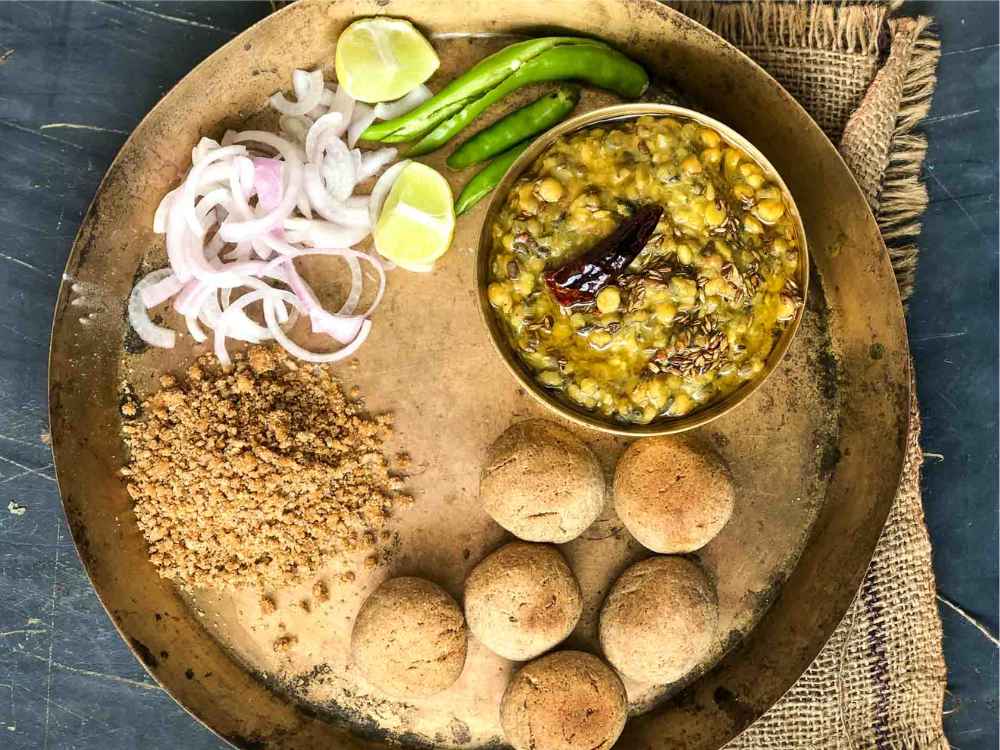
The most iconic Jodhpuri dish is dal baati churma - a combination of spicy dal (lentil curry), baati (hard, round wheat bread baked in traditional ovens), and churma (sweetened crushed wheat). The baatis are traditionally baked in cow dung fires or in the desert sand, giving them a unique smoky flavor. The dish is liberally doused in ghee (clarified butter) and is incredibly filling. Try it at traditional restaurants like Chanan Ki Mashoor Kulfi or various dhabhas.
Another local specialty is mawa kachori - a fried pastry filled with sweetened milk solids (mawa) and soaked in sugar syrup. It's essentially dessert in savory form and is uniquely Jodhpuri. Try it at Janta Sweet Home or Rawat Mishtan Bhandar. Pyaaz ki kachori (onion kachori) is another popular breakfast item - spicy fried pastry filled with seasoned onions, typically eaten with tamarind and green chutney.
For snacks, try mirchi vada - large green chilies stuffed with spiced potato, dipped in gram flour batter, and deep-fried. It's spicy, crispy, and absolutely delicious. Try it at the street stalls near the Clock Tower. Gatte ki sabzi (gram flour dumplings in yogurt-based curry) and ker sangri (a dish made from desert berries and beans) are traditional Marwari dishes that reflect the ingenuity of desert cooking.
For something sweet, try makhaniya lassi - a thick, creamy sweet lassi topped with malai (clotted cream) and sometimes dry fruits. Mishrilal Hotel near the Clock Tower is legendary for its makhaniya lassi. Other sweets to try include malpua (sweet pancakes), ghevar (a honeycomb-like sweet made during festivals), and various mithais at the city's many sweet shops.
Non-vegetarians should try laal maas (spicy red meat curry) and jungli maas (game meat curry), though these are more commonly found in restaurants than in homes. Marwar Hotel and Indique Restaurant are known for their non-vegetarian offerings.
For restaurant dining, try the rooftop restaurants at the Haveli Hotel Pal Haveli or similar heritage properties for atmospheric dining with fort views. For fine dining, try the restaurant at Umaid Bhawan Palace or the various restaurants at Taj Hari Palace. For street food, the area around the Clock Tower is unbeatable.
How to Reach Jodhpur
By Air
Jodhpur Airport (JDH) is a civil enclave airport located approximately 5 kilometers from the city center. The airport has good connectivity to major Indian cities including Delhi, Mumbai, Jaipur, Udaipur, and Ahmedabad. Airlines like Air India, IndiGo, and SpiceJet operate regular flights. Flight time from Delhi is approximately 1 hour 15 minutes.
The airport is small but efficient. Pre-paid taxis and app-based cabs (Uber, Ola) are readily available outside the terminal to reach the city center (approximately ₹150-250 for a taxi). Auto-rickshaws are also available but less convenient with luggage. Book flights in advance during peak season (October-March) as flights often sell out.
By Train
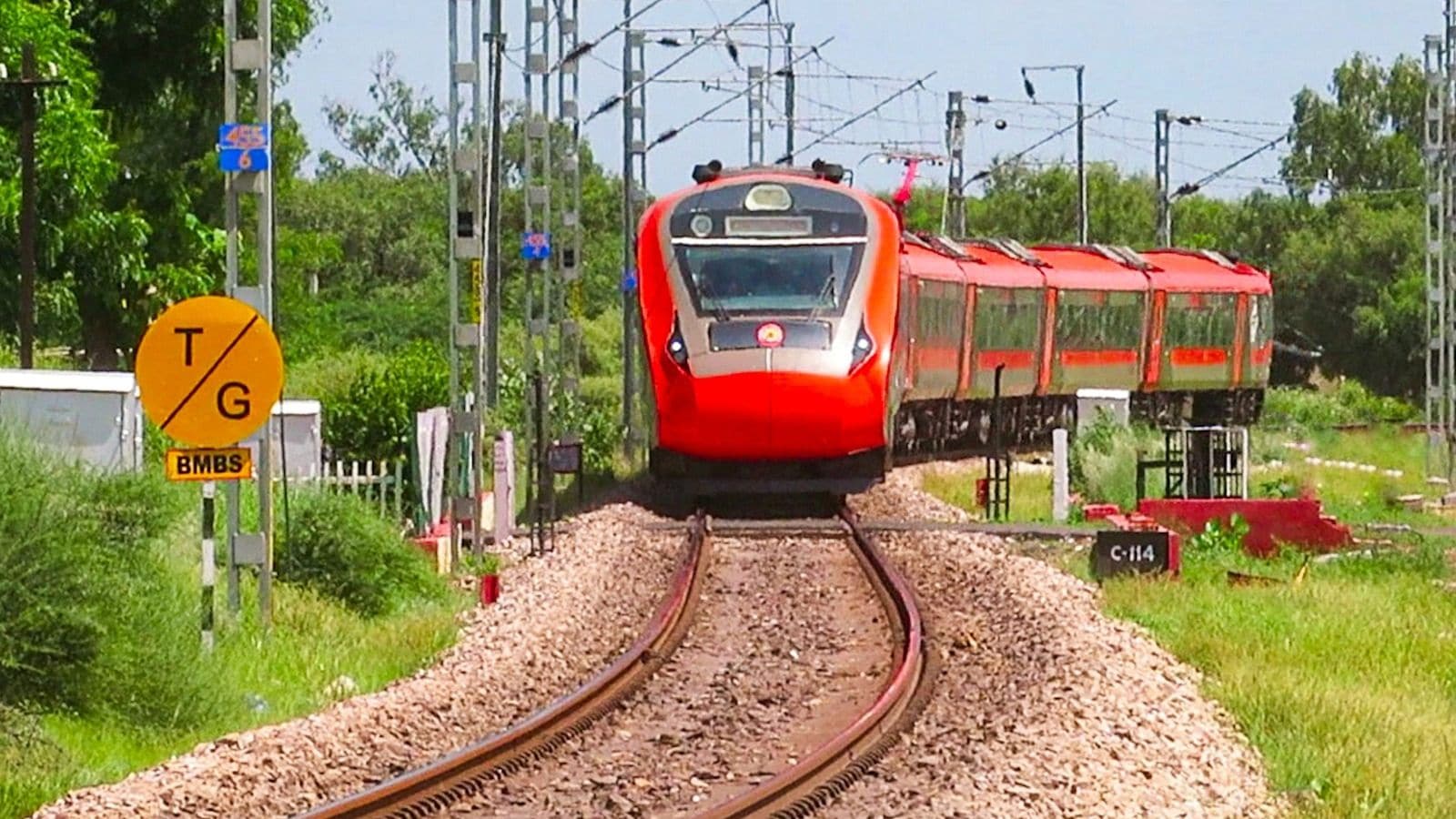
Jodhpur Railway Station is a major railhead well-connected to cities across India. Several important trains serve Jodhpur including the Mandor Express from Delhi (10 hours), the Suryanagari Express from Mumbai (16 hours), and the Ranakpur Express from Bikaner. The train journey offers views of Rajasthan's desert landscape.
The railway station is located in the city center, approximately 3 kilometers from the old city. Auto-rickshaws and cycle-rickshaws are readily available outside the station. For train reservations, book well in advance, especially for popular trains and during peak season. The Palace on Wheels, a luxury tourist train, also stops at Jodhpur.
By Road
Jodhpur is well-connected by road to major North Indian cities. The distance from Delhi is approximately 600 kilometers, and the drive takes approximately 10-11 hours via NH 58. The distance from Jaipur is approximately 340 kilometers (5-6 hours drive), from Udaipur approximately 250 kilometers (4-5 hours), and from Jaisalmer approximately 285 kilometers (5-6 hours).
Several private bus operators run comfortable Volvo, semi-sleeper, and sleeper buses from Delhi to Jodhpur. State-run RSRTC buses also connect Jodhpur to Jaipur, Udaipur, Jaisalmer, and other towns. The bus journey is scenic, passing through the desert landscape of Rajasthan.
Self-driving is an option - the roads are generally good, though the last stretch into Jodhpur can be congested. The landscape of rural Rajasthan is fascinating. However, be prepared for highway driving in India, which can be challenging for those not used to it.
Getting Around Jodhpur
Jodhpur's city center is relatively compact, and the old city can be explored on foot. However, you'll need transportation for visiting outlying attractions like Umaid Bhawan Palace, Mandore, and Osian.
Auto-rickshaws are the most common way to get around for short distances. They're readily available and relatively inexpensive. Always negotiate the fare before starting your journey. As a rough guide, short rides within the city center cost ₹50-80, while longer rides to Umaid Bhawan or the railway station cost ₹100-150. Some auto-rickshaws operate on shared routes, particularly to popular tourist destinations.
Taxis can be hired for specific trips or for full-day sightseeing. Full-day taxi hire costs approximately ₹2000-2500 for 8 hours/80 kilometers. This is the most convenient option for visiting multiple attractions including Mehrangarh Fort, Jaswant Thada, Umaid Bhawan, and Mandore. Most hotels can arrange taxis. App-based services like Uber and Ola also operate in Jodhpur.
For those comfortable riding scooters or motorcycles, rentals are available from several shops in the city (₹500-800 per day). This gives you flexibility to explore at your own pace. However, traffic in Jodhpur can be chaotic, especially in the narrow lanes of the old city, and this option is only recommended for experienced riders.
Cycle-rickshaws are available for very short distances, especially in the old city's narrow lanes. They're slow and inexpensive, perfect for the chaotic lanes where auto-rickshaws have trouble navigating. A ride typically costs ₹20-40.
Where to Stay in Jodhpur
Jodhpur offers excellent accommodation options across budget ranges, with many heritage properties that allow you to experience royal Rajasthan.
For budget travelers, numerous guesthouses and budget hotels are available in the old city near the Clock Tower (₹600-1000 per night). Staying in the old city puts you within walking distance of the main attractions and allows you to experience the atmospheric blue lanes. Many guesthouses are housed in converted old havelis (traditional mansions) with beautiful architecture and rooftop views. Popular options include Moustache Hostel, Zostel, and various family-run guesthouses.
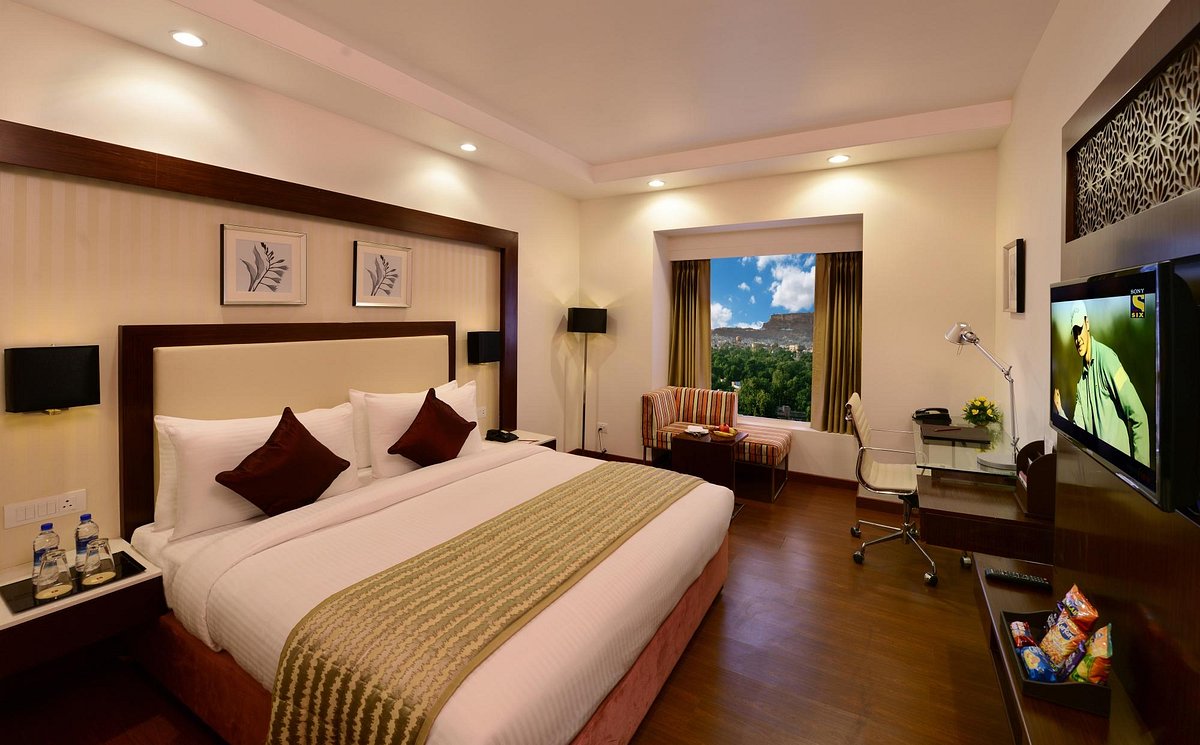
For mid-range travelers, several excellent heritage hotels (₹2000-4000 per night) offer a blend of traditional architecture and modern amenities. Properties like Haveli Hotel Pal Haveli, Raas Jodhpur (a stunning luxury boutique hotel near Mehrangarh Fort), and Ajit Bhawan Palace (the first heritage hotel in India) fall in this category. These offer beautiful architecture, courtyards, rooftop restaurants with fort views, and a taste of royal Rajasthan.
Luxury travelers have exceptional options. The Taj Hari Palace (₹8000-12000 per night) offers luxurious rooms, excellent service, and beautiful architecture. The Umaid Bhawan Palace, managed by Taj (₹15000-25000+ per night), is one of India's most luxurious hotels and offers an unparalleled royal experience. The Ranvas, located within Mehrangarh Fort itself, offers a unique opportunity to stay within the fort walls.
For a truly unique experience, consider staying at one of the many heritage havelis that have been converted into boutique hotels. These range from budget to luxury and offer an authentic Rajasthani experience with traditional architecture, courtyards, and warm hospitality.
Travel Tips for Jodhpur
The weather in Jodhpur can be extreme. In summer (April-June), temperatures can exceed 45°C, making sightseeing extremely uncomfortable. In winter (December-January), early mornings and evenings can be chilly (5-10°C). Dress accordingly. The best time to visit is October-March when the weather is pleasant. However, this is also peak season, so book accommodations well in advance.
When visiting Mehrangarh Fort, wear comfortable walking shoes as there's considerable walking and climbing. The fort's paths are uneven and can be slippery. Carry water, especially in summer, as it can get very hot. The fort takes at least 2-3 hours to explore properly, more if you're interested in history and architecture. Audio guides are highly recommended.
Jodhpur is generally safe for tourists, including solo female travelers. However, standard precautions apply. Avoid isolated areas at night, secure your belongings, and be aware of your surroundings in crowded areas. The old city's narrow lanes can get confusing - consider carrying a map or using your phone's GPS. The area around Mehrangarh Fort and the Clock Tower is particularly safe due to constant tourist presence.
Respect local customs and dress modestly, especially when visiting religious sites. Rajasthan is conservative by Western standards. Public displays of affection are frowned upon. Ask permission before photographing people, especially women. Be prepared for attention from locals, especially if you're a foreigner - this is usually friendly curiosity rather than threatening.
The food in Jodhpur is spicy and rich. If you're not used to spicy food, request your food to be made "less spicy" (kam mirch). Carry digestive aids, especially if trying street food. Drink only bottled or filtered water. Avoid salads and raw foods that may have been washed in tap water. The food is often liberally cooked in ghee - if you're watching your cholesterol, request less ghee.
Be prepared for persistent shopkeepers and touts, especially around tourist areas. A polite but firm "no, thank you" usually works. Don't feel pressured into buying something you don't want. Bargaining is expected in markets - start by offering about half the asking price and negotiate from there. Government emporiums have fixed prices.
Conclusion
Jodhpur, with its imposing fort, blue-washed old city, rich cultural heritage, and warm Rajasthani hospitality, offers one of India's most rewarding travel experiences. The city somehow balances grandeur with accessibility - you can explore royal palaces and walk through ancient lanes, dine in luxury hotels and eat street food, shop for handicrafts and watch artisans at work. This diversity of experiences makes Jodhpur appealing to all types of travelers, from history buffs to culture seekers to photographers to food enthusiasts.
What makes Jodhpur truly special is its authenticity. Unlike some tourist destinations that feel designed for visitors, Jodhpur is a living, working city where tourism coexists with everyday life. The blue houses are real homes, not movie sets. The markets sell to locals as much as to tourists. The restaurants serve food that Rajasthani families actually eat. This authenticity gives the city a vibrancy and energy that manufactured tourist destinations lack.
The Mehrangarh Fort alone would make Jodhpur worth visiting - it's one of India's most impressive forts, with excellent interpretation, beautiful architecture, and spectacular views. But the city offers so much more - the peaceful Jaswant Thada, the imposing Umaid Bhawan Palace, the atmospheric old city with its blue lanes, the bustling markets, the delicious food, the warm hospitality.
Many who visit Jodhpur find themselves returning, drawn back by the fort's imposing presence, the blue city's charm, the food's bold flavors, and the warmth of the people. Whether you're spending a few days as part of a larger Rajasthan itinerary or dedicating a week to exploring Jodhpur and its surroundings, the Sun City will leave you with memories and photographs that last a lifetime.
Location
Frequently Asked Questions
Q1.What is the best time to visit Jodhpur?
Q2.Why are houses in Jodhpur painted blue?
Q3.How many days are enough for Jodhpur?
Q4.Is Jodhpur safe for solo female travelers?
Q5.Is it worth doing the zip line at Mehrangarh Fort?
Q6.What should I buy in Jodhpur?
Q7.What is the food like in Jodhpur?
Q8.Can I visit Jodhpur in summer?
Recommended For You
Amritsar: Complete Travel Plan Places And Weather
Complete Amritsar travel guide featuring Golden Temple, Wagah Border, Jallianwala Bagh, Partition Museum, Punjabi cuisine & practical tips.
Jaipur: Complete Travel Plan Places And Weather
Complete Jaipur travel guide covering top attractions, best time to visit, shopping, accommodation, costs, and practical tips for exploring the Pink City of Rajasthan.
Pushkar: Complete Travel Plan Places And Weather
Complete Pushkar travel guide featuring Brahma Temple, Pushkar Lake, Camel Fair, spiritual experiences, shopping & practical tips.
Never Miss an Adventure
Get the latest trekking guides, travel tips, and exclusive offers delivered straight to your inbox.
