
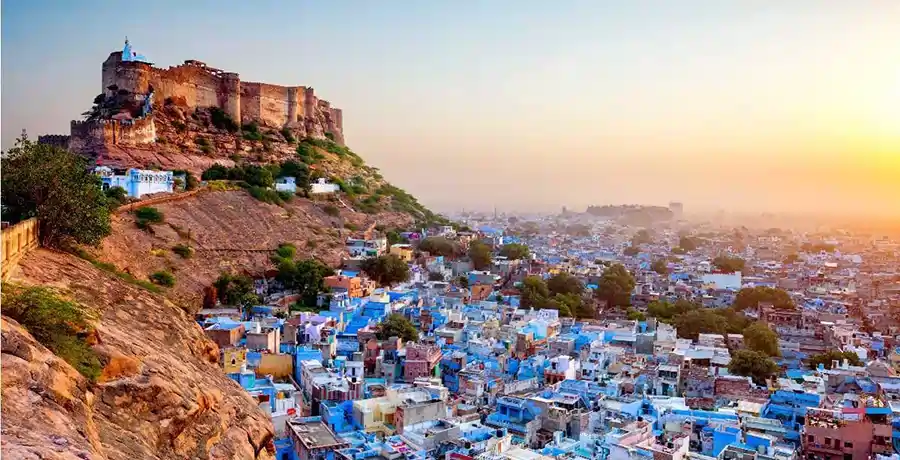
Jodhpur: 15 Best Places to Visit in the Blue City

Ananya Sharma
February 18, 2026
Explore Jodhpur! From Mehrangarh Fort to Umaid Bhawan, discover blue city, forts, palaces, markets & desert with complete guide.
Welcome to the Sun City of Rajasthan
Jodhpur, the second-largest city in Rajasthan, stands as a magnificent gateway to the Thar Desert and one of India's most captivating travel destinations. Founded by Rao Jodha in 1459, this historic city has earned the romantic nickname "Sun City" for its year-round sunny weather and "Blue City" for the indigo-washed houses that cluster around its towering fortress. Dominated by the imposing Mehrangarh Fort, Jodhpur creates a dramatic first impression that stays with visitors long after they've returned home. Travelers exploring Rajasthan may also want to visit places to visit Rajasthan.
What makes Jodhpur special is its seamless blend of royal heritage and vibrant contemporary life. Unlike some tourist destinations that feel preserved in time, Jodhpur is a living, breathing city where ancient traditions coexist with modern life. The blue-painted houses of the old city, originally indicating Brahmin households, create a unique aesthetic that photographers and culture enthusiasts find irresistible. Wandering through the narrow lanes of the old city, you'll encounter ancient temples, bustling markets, and friendly locals who are proud to share their city's rich history.
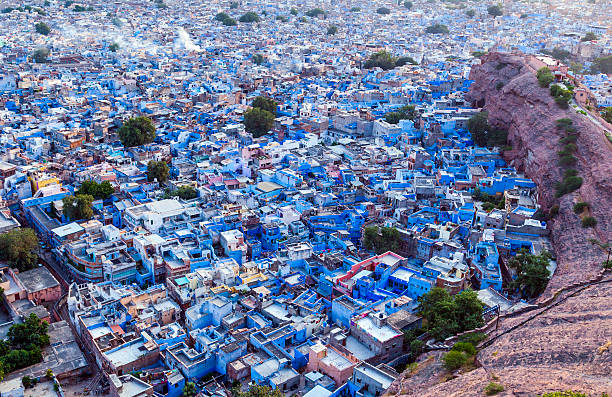
The city's royal legacy is visible everywhere, from the magnificent Mehrangarh Fort that dominates the skyline to the elegant Umaid Bhawan Palace that represents Rajasthan's 20th-century aristocracy. Yet Jodhpur is more than its monuments – it's a city of artisans, with handicraft traditions ranging from textiles and leather to metalwork and spices. Whether you're a history buff, photography enthusiast, or simply someone seeking an authentic Rajasthani experience, Jodhpur offers something special for every type of traveler. Those planning a multi-destination trip might combine Jodhpur with places to visit Jaipur or places to visit Udaipur.
Mehrangarh Fort
Towering 400 feet above the city, Mehrangarh Fort stands as one of India's most impressive and best-maintained forts. Built by Rao Jodha in 1459, the fort has witnessed centuries of Rajput valor and has been expanded by successive rulers. Its massive walls, some of which are 21 meters high and 36 meters wide, have never been breached, making it a testament to Rajput military architecture and strategic brilliance.
The fort's name translates to "Fort of the Sun," and the structure indeed seems to grow from the rocky outcrop on which it's built. Entering the fort requires passing through seven gates, each built by different rulers to commemorate victories. Jayapol Gate, built by Maharaja Man Singh to celebrate his victory over Jaipur and Bikaner armies, and Fateh Pol Gate, commemorating the defeat of the Mughals, are particularly impressive.
Inside the fort, you'll find a remarkably well-preserved palace complex that houses one of Rajasthan's finest museums. The museum's collections include royal palanquins, elaborate howdahs (elephant seats), weapons, paintings, and textiles that offer insights into the royal lifestyle. The Moti Mahal (Pearl Palace) features stained glass windows that create beautiful patterns of colored light on the floor. The Sheesh Mahal (Mirror Palace) is decorated with thousands of tiny mirrors that would have reflected torchlight in ancient times.
Practical Information: The fort is open from 9:00 AM to 5:00 PM daily. Entry fees are ₹200 for Indians and ₹700 for foreign tourists (including audio guide). Plan 3-4 hours for a thorough visit. The fort has an elevator for those who have difficulty with stairs, though some sections require climbing. Early morning visits offer the best lighting for photography and fewer crowds.
Jaswant Thada
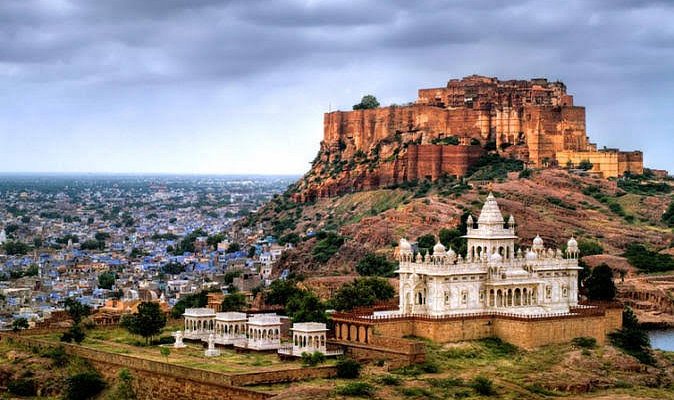
Often called the "Taj Mahal of Marwar," Jaswant Thada is a beautiful white marble cenotaph built by Maharaja Sardar Singh in 1899 in memory of his father, Maharaja Jaswant Singh II. Located just north of Mehrangarh Fort, this serene monument offers a peaceful contrast to the imposing fort and provides some of the best views of Jodhpur's blue city.
The monument's architecture features intricate marble carvings that demonstrate the exceptional skill of Rajasthani artisans. The main cenotaph is shaped like a temple and features beautifully carved marble lattice work. Inside, portraits of Jodhpur's rulers provide a historical context that helps visitors understand the lineage that built this magnificent city.
Surrounding the main structure are smaller cenotaphs of other royals, set in beautifully maintained gardens. The complex includes a small lake that reflects the white marble, creating picture-perfect scenes especially during early morning hours. The gardens are filled with chirping birds and offer welcome shade from Jodhpur's sun.
Practical Information: Jaswant Thada is open from 9:00 AM to 5:00 PM daily. Entry fee is nominal (₹50 for Indians, ₹100 for foreigners). The monument can be covered in 1-2 hours, though many visitors choose to linger longer to enjoy the peaceful atmosphere. It's an excellent spot for photography, particularly during the golden hour when the white marble glows in the setting sun.
Umaid Bhawan Palace
Umaid Bhawan Palace represents a different era of Jodhpur's history – the 20th century. Built between 1929 and 1943, this Art Deco masterpiece was commissioned by Maharaja Umaid Singh to provide employment during a severe drought. The result was one of the world's largest private residences, featuring 347 rooms and an architectural style that seamlessly blends Western and Indian elements.
What makes Umaid Bhawan particularly interesting is its continued relevance. The palace is divided into three parts: a luxury hotel operated by Taj Hotels, the royal family's private residence, and a museum open to the public. The museum showcases the royal family's history, with fascinating collections including vintage cars, clocks, and personal belongings that offer insights into 20th-century royal life.
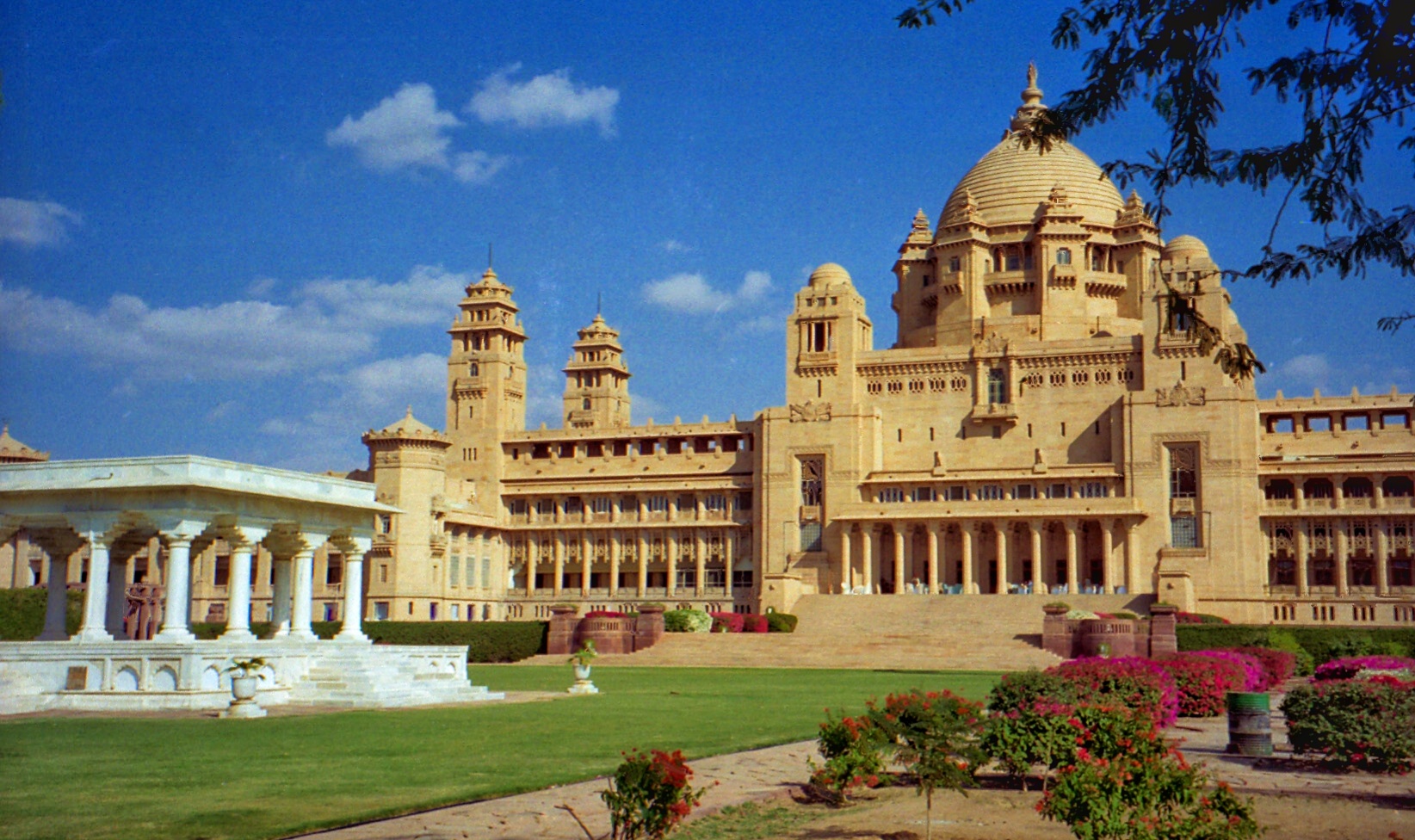
The architecture is remarkable for its departure from traditional Rajput style. The yellow sandstone building features Art Deco elements that were fashionable in the 1920s and '30s. The central dome rises to 105 feet, and the palace's design incorporated modern amenities unheard of in India at the time, including elevators, central heating, and an indoor swimming pool.
Practical Information: The museum section is open from 9:00 AM to 5:00 PM daily. Entry fees are ₹50 for Indians and ₹100 for foreign tourists. Photography is permitted in most areas. The museum can be covered in 1-2 hours. Those interested in experiencing the palace more thoroughly can book high tea at the hotel section, though this requires advance reservation and is considerably more expensive.
Clock Tower & Sardar Market
The heart of old Jodhpur beats around the Clock Tower and Sardar Market, a bustling commercial area that has operated for centuries. The Clock Tower itself, built by Maharaja Sardar Singh, dominates the area and provides a landmark for navigating the old city's maze-like streets. But the real attraction is the market that spreads around it, one of Rajasthan's most vibrant and authentic shopping experiences.
Sardar Market is organized by trade, with specific areas dedicated to different goods. The spice market is particularly famous, with mounds of turmeric, chili powder, cumin, and other spices creating colorful displays. The textile section offers everything from bandhani (tie-dye) fabrics to embroidered mojris (traditional footwear). This is an excellent place to shop for souvenirs, though bargaining is expected and necessary.
The market's architecture features narrow lanes shaded by fabric canopies that protect shoppers from Jodhpur's intense sun. The upper floors of many buildings are painted blue, contributing to the city's distinctive character. Food vendors sell traditional Rajasthani snacks, and the aroma of spices fills the air.
Practical Information: The market is most active from 10:00 AM to 8:00 PM, with the evening hours being particularly lively. Entry is free. Bring cash, as most vendors don't accept cards. Be prepared to bargain – start at about half the asking price and negotiate from there. The market can be crowded and overwhelming, so consider hiring a local guide for your first visit.
The Blue City Walk
Walking through the blue-painted streets of old Jodhpur offers one of the city's most authentic experiences. The blue color traditionally indicated Brahmin households, though today many non-Brahmin houses have also adopted the color, creating a cohesive aesthetic that makes the old city particularly photogenic. Walking these narrow lanes gives you insight into how Jodhpuris have lived for centuries.
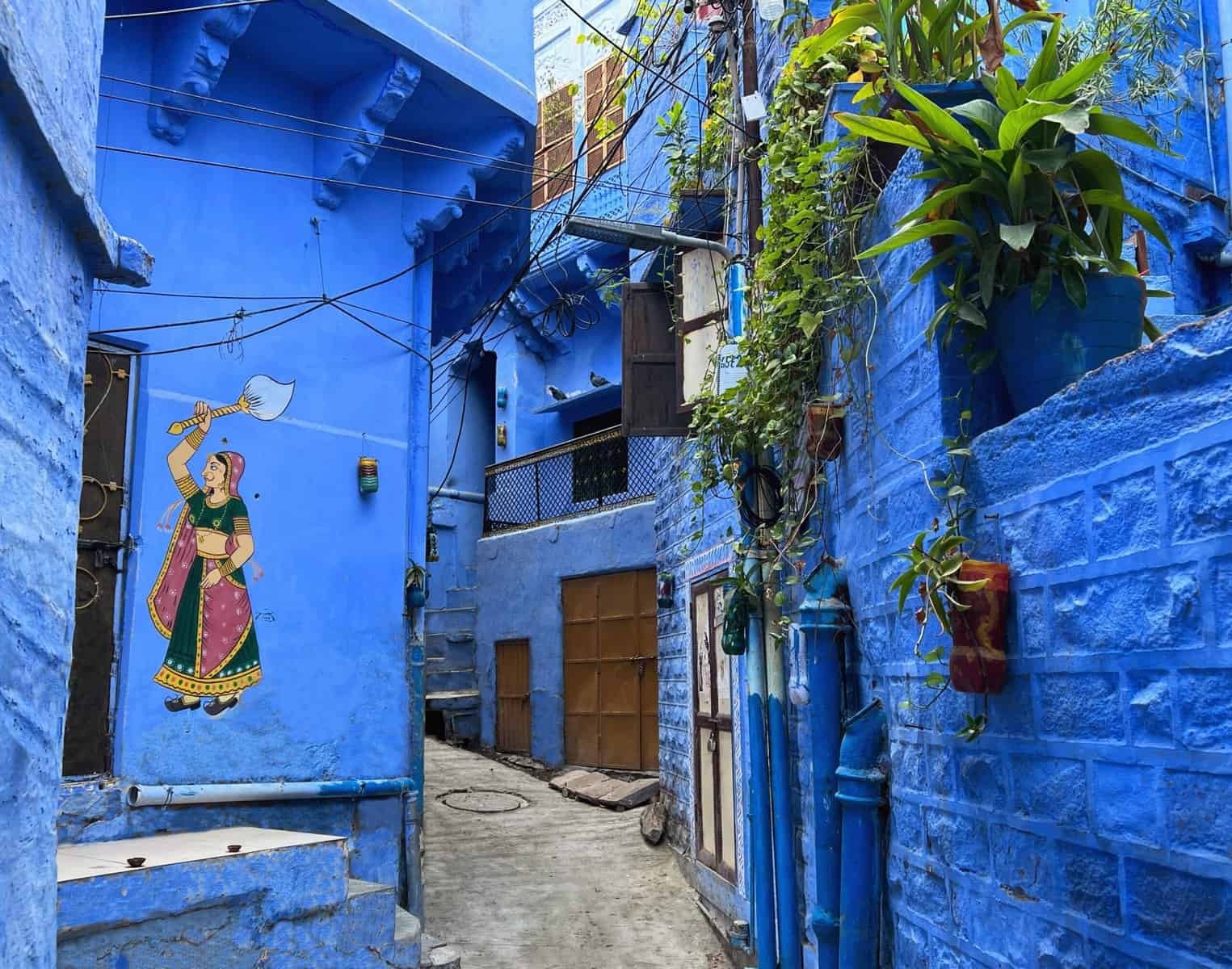
A blue city walk typically starts near the Clock Tower and winds through neighborhoods where traditional life continues undisturbed by modernization. You'll pass ancient step wells (baoris), small temples where priests perform daily rituals, and houses where women sit in doorways preparing food or embroidering textiles. The climb uphill toward Mehrangarh Fort offers progressively better views of the blue houses below.
The walk is moderately strenuous due to Jodhpur's hilly terrain and narrow staircases. Wear comfortable shoes with good grip, as the polished stones can be slippery. Carry water and sun protection, as there's little shade in the upper sections of the old city.
Practical Information: A self-guided walk can take 2-3 hours, depending on how often you stop for photography and exploration. Guided walking tours are available and highly recommended for first-time visitors. Early morning (8-10 AM) is the best time, when the light is soft and the temperature is cooler. The old city can be confusing to navigate, so consider hiring a guide or downloading a detailed map.
Mandore Gardens
Located 9 kilometers north of Jodhpur, Mandore served as the capital of Marwar before Jodhpur was founded. Today, the Mandore Gardens complex houses beautiful royal cenotaphs (called chhatris), temples, and a small museum. The site is considerably less crowded than Mehrangarh Fort, offering a more peaceful historical experience.
The cenotaphs at Mandore are architecturally distinct from those found elsewhere in Rajasthan. Built on high platforms, these temples feature intricate carvings of deities and scenes from Hindu mythology. The largest cenotaph was built for Maharaja Ajit Singh and features impressive architectural details.
The gardens themselves are beautifully maintained, with hundreds of leafy trees providing welcome shade. Rock terraces and native plants create a pleasant environment for walking. A small museum houses artifacts found in the area, though it's not as comprehensive as the museum at Mehrangarh.
Practical Information: Mandore is open from 8:00 AM to 6:00 PM daily, and entry is free. Plan 1-2 hours for a visit. The site can be reached by auto-rickshaw (about ₹150-200 round trip) or taxi. Combine a visit to Mandore with other northern attractions to make the journey worthwhile. The best time to visit is late afternoon when the light is beautiful for photography and the temperature is cooler.
Other Notable Attractions
Balsamand Lake and Palace: Located 5 kilometers from Jodhpur, this 13th-century artificial lake is surrounded by gardens and a summer palace. It's a peaceful spot for picnicking and birdwatching, particularly in winter when migratory birds arrive. The palace has been converted into a heritage hotel.
Kaylana Lake: Another artificial lake, this one built in 1872 by Pratap Singh. Located 8 kilometers from the city, it's a popular spot for picnics and offers sunset views. Boating is available when water levels permit.
Rao Jodha Desert Rock Park: Located near Mehrangarh Fort, this ecological restoration project showcases the desert ecosystem of the region. The park features walking trails through rocky terrain populated by indigenous plant species. It's particularly beautiful after monsoon rains when desert plants bloom.
Sardar Government Museum: Located in the Umaid Public Gardens, this museum houses collections of textiles, weapons, miniature paintings, and local crafts. It's smaller than the Mehrangarh museum but worth visiting if you have extra time in Jodhpur.
Mahanidhi Temple: An ancient temple dedicated to Lord Shiva, featuring beautiful architecture and a peaceful atmosphere. It's less visited than some other temples but offers a genuine spiritual experience.
Best Time to Visit Jodhpur
Jodhpur's location in the Thar Desert region means it experiences extreme temperatures. Choosing the right season for your visit significantly impacts your experience.
October to March (Winter): This is the best time to visit Jodhpur. Daytime temperatures range from 15-25°C (59-77°F), making sightseeing comfortable. November to February are particularly pleasant, though nights can be chilly (as low as 5°C/41°F in December-January). This is peak tourist season, so book accommodations well in advance.
April to June (Summer): Extremely hot with daytime temperatures often exceeding 40°C (104°F) and sometimes reaching 45°C (113°F). Sightseeing is challenging during these months. However, this is off-season, so hotels offer significant discounts. If you visit in summer, plan activities for early morning and late afternoon, resting during the hottest mid-day hours.
July to September (Monsoon): Jodhpur receives moderate rainfall during the monsoon. Temperatures are more moderate than summer, and the landscape becomes temporarily green. However, rain can disrupt outdoor activities, and humidity can be high. This is shoulder season with fewer tourists and reasonable hotel rates.
How to Reach Jodhpur
By Air: Jodhpur Airport (JDH) is well-connected to major Indian cities including Delhi, Mumbai, Jaipur, and Udaipur. Taxis from the airport to the city center cost approximately ₹400-500 and take 15-20 minutes. If you're in Jaipur, don't miss the Amber Fort.
By Train: Jodhpur Junction is an important railway station on the North Western Railway zone. Direct trains connect Jodhpur to Delhi, Mumbai, Jaipur, Ahmedabad, and other major cities. The Palace on Wheels luxury train also stops here. From the station, auto-rickshaws to the old city cost around ₹100-150.
By Road: Jodhpur is well-connected by road to major Rajasthan cities. From Jaipur: 335 km (5-6 hours via NH62). From Udaipur: 250 km (5 hours). From Jaisalmer: 285 km (5-6 hours). Regular bus services operate from these cities. Driving yourself gives flexibility, but be prepared for single-lane highways and unpredictable traffic.
Accommodation & Transport
Where to Stay: Jodhpur offers accommodation options ranging from heritage hotels in converted havelis to modern luxury properties and budget guesthouses. For a unique experience, consider staying in a heritage property within the old city. Many of these hotels are located in old blue-painted buildings and offer rooftop restaurants with fort views. Budget options are available outside the old city near the Clock Tower area.
Getting Around: Auto-rickshaws are the most convenient way to get around for short distances. Negotiate fares before starting your journey – typical in-city fares range from ₹50-150. For full-day sightseeing, hire an auto-rickshaw for approximately ₹1,200-1,500 or a taxi for ₹2,000-2,500. Walking is the best way to experience the old city, though be prepared for hills and stairs.
Trip Duration: A minimum of 2 days is needed to cover Jodhpur's main attractions at a relaxed pace. Most visitors spend 2-3 days, which allows time to explore the old city, visit Mehrangarh Fort and Umaid Bhawan Palace, and enjoy the markets. Jodhpur can also be combined with Jaisalmer (2 nights) and Jaipur (2 nights) for a comprehensive Rajasthan experience.
Jodhpur's combination of royal heritage, architectural marvels, and vibrant contemporary culture makes it one of Rajasthan's most rewarding destinations. Whether you're exploring the imposing Mehrangarh Fort, getting lost in the blue-painted lanes of the old city, or shopping in the bustling Sardar Market, Jodhpur offers experiences that capture the essence of Rajasthan in a way that few other cities can match.
Location
Frequently Asked Questions
Q1.How many days are needed for Jodhpur?
Q2.What is the best time to visit Jodhpur?
Q3.How do I reach Jodhpur?
Q4.Is Mehrangarh Fort worth visiting?
Q5.Can we visit Umaid Bhawan Palace?
Q6.Why is Jodhpur called Blue City?
Q7.What to buy in Jodhpur markets?
Q8.Is Jodhpur safe for tourists?
Recommended For You
Hill Stations in Rajasthan: Weather, Routes & Best Time to Visit
Discover Rajasthan hill-station travel with a complete Mount Abu guide, season breakdown, routes, and practical tips for a smooth 2-3 day itinerary.
Shopping Rajasthan: Cities, Markets, and Buying Tips
Plan shopping in Rajasthan with city-wise market strategy, category focus, and practical buyer tips.
Rajasthan in Monsoon: Top Places to Visit
Discover the best places to visit in Rajasthan in monsoon with city-wise ideas, seasonal highlights, and practical travel tips.
Never Miss an Adventure
Get the latest trekking guides, travel tips, and exclusive offers delivered straight to your inbox.
