
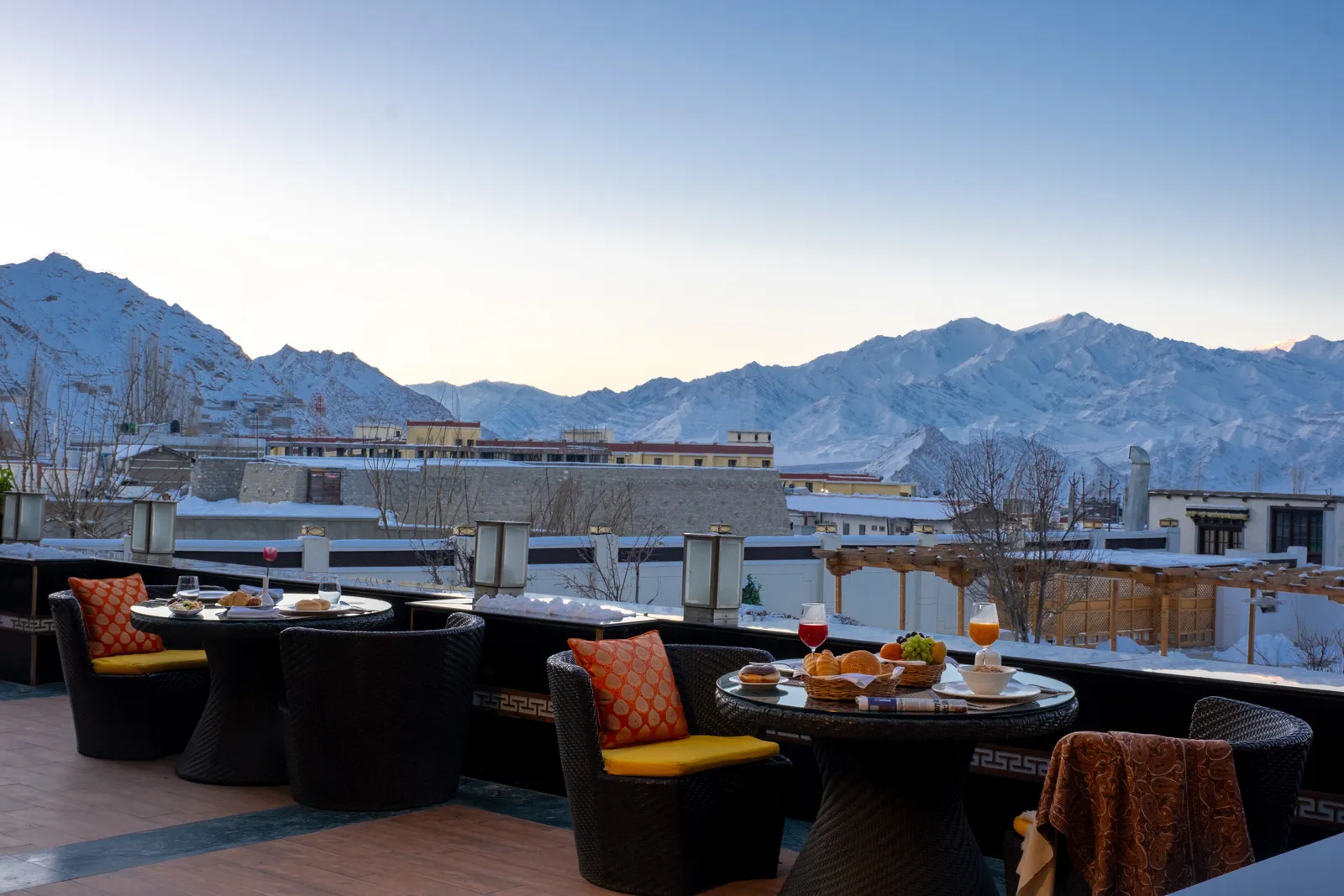
Restaurants in Uttarakhand: Regional Cuisine, Cafes & Scenic Dining

Rahul Garg
February 20, 2026
Restaurants in Uttarakhand guide with Kumaoni and Garhwali food recommendations, dining patterns by region, and practical mountain travel meal tips.
Introduction: Eating in Uttarakhand Beyond Tourist Menus
Restaurants in Uttarakhand can be deeply rewarding when you move beyond generic hill-station menus and actively seek regional dishes. The state's food identity is shaped by mountain climate, local grains, lentils, and practical cooking traditions from Kumaon and Garhwal. This means many of the best meals are simple, seasonal, and nutritionally balanced rather than heavily restaurant-styled.
Travelers who plan food stops by region usually enjoy better results. In larger towns, you get multi-cuisine comfort plus selected Pahadi dishes. In smaller mountain zones, menus are shorter but authenticity is often stronger. Understanding this tradeoff helps set realistic expectations.
This guide covers where to eat, what regional dishes to prioritize, vegetarian and non-vegetarian patterns, and practical dining tips by travel style. For related planning, see places to visit in Rishikesh, Rishikesh travel guide, and valleys in Himachal for mountain-route comparisons.
Kumaoni and Garhwali Food: What to Try First
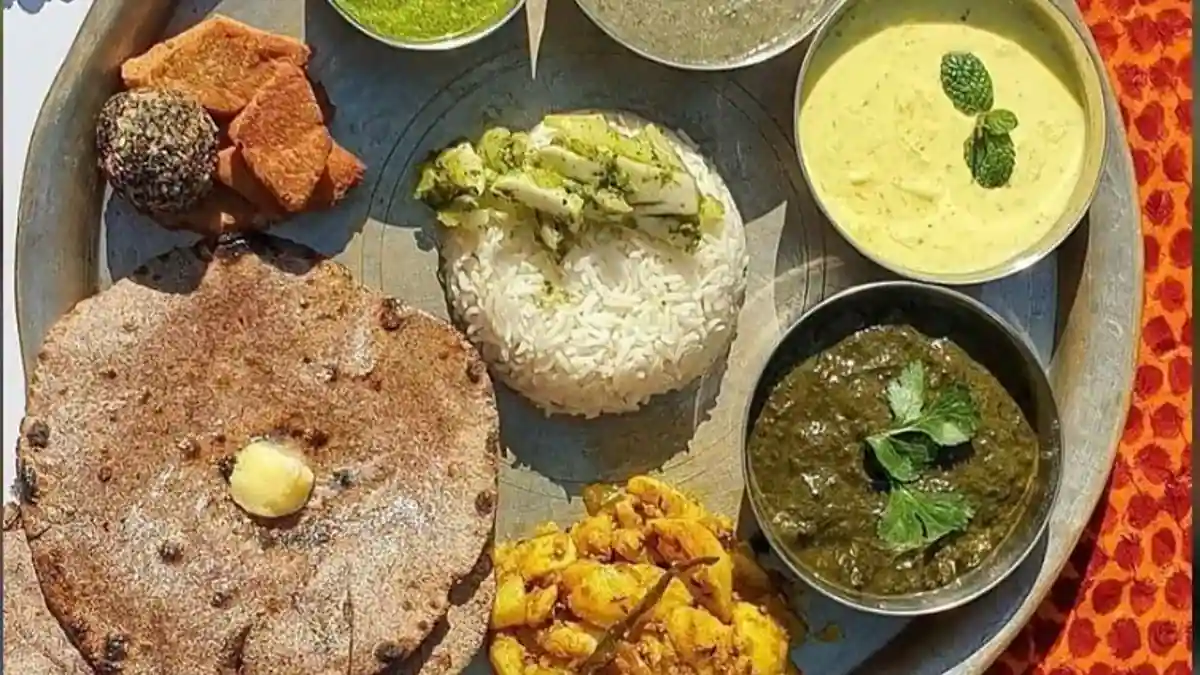
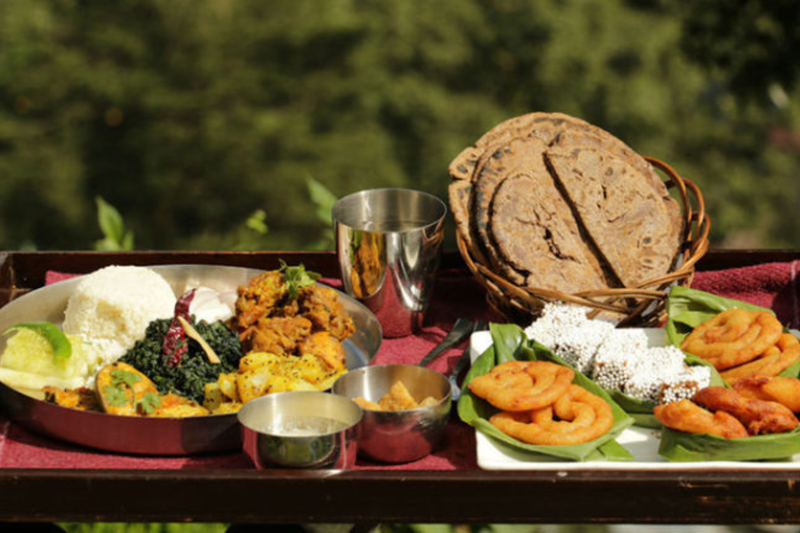
Uttarakhand cuisine can be broadly approached through Kumaoni and Garhwali influences. Both rely on practical mountain ingredients, but flavor profiles and preparation styles can vary by sub-region and household tradition.
Common regional dishes worth trying
- Kafuli: Leafy green-based preparation with local flavor profile.
- Chainsoo: Roasted lentil style dish with earthy notes.
- Phanu: Lentil-rich comfort food with mountain texture.
- Aloo preparations: Regional masala-driven potato dishes.
- Local sweets: Traditional dessert options depending on town.
Ask restaurants for regional thali options. This is the easiest way to sample multiple dishes in one meal.
Best Types of Restaurants by Region
| Area Type | Dining Strength | What to Expect |
|---|---|---|
| City hubs | Menu variety | Regional + North Indian + café mix |
| Pilgrimage routes | Vegetarian reliability | Simple, fast, practical meals |
| Hill station zones | Scenic dining | Mixed quality; choose by reviews |
| Local market pockets | Authentic value meals | Less decor, stronger local flavor |
Food quality in mountain states depends more on kitchen consistency than branding. Shortlist by local reputation, freshness, and turnover.
Vegetarian Dining in Uttarakhand
Vegetarian food is widely available and often excellent, especially in pilgrimage-linked corridors and family-run restaurants. Many travelers find that regional vegetarian dishes are the easiest way to experience authentic mountain cuisine.
- Thali-focused local eateries
- Temple-town meal setups
- Small cafés with regional add-ons
- Simple dhaba-style stops on route
For safe and satisfying meals on road trips, prioritize places with steady customer flow and fresh batch turnover.
Non-Vegetarian and Mixed-Cuisine Options
Non-vegetarian options are available in many urban and tourism-heavy zones, but menu depth varies by location. In some routes, non-veg choices may be limited due to local customs and demand patterns, so do not assume uniform availability everywhere.
If non-veg preferences are important, research destination-specific options before reaching remote sectors. In metro-linked entry towns, variety is usually stronger.
Street Food and Snack Culture
Street-food quality differs by town and season. In high-footfall urban points, you can find dependable snack options, but in smaller areas it is better to prioritize hygiene and turnover over novelty.
- Prefer hot, freshly prepared items.
- Avoid uncovered products in low-turnover stalls.
- Carry hydration support for long road legs.
Temple-Food Influence and Pilgrimage Corridors
Pilgrimage networks shape food culture in Uttarakhand. Many temple-route eateries focus on simple vegetarian food designed for accessibility, quick service, and digestive comfort during travel. This produces a different dining style than leisure hill-station cafés.
Travelers doing spiritual circuits should plan for straightforward meals instead of expecting broad restaurant menus at every stop.
Dining Tips for Mountain Road Trips
- Eat early on long travel days to avoid late closures.
- Carry backup snacks and hydration packs.
- Avoid very heavy meals before winding road segments.
- Use review cross-checking for first-time stops.
- Keep cash/UPI options ready depending on network availability.
Sample Food-Focused 2-Day Plan
| Day | Meal Focus | Goal |
|---|---|---|
| Day 1 | Regional thali + local snack trail | Kumaoni/Garhwali introduction |
| Day 2 | Temple-route vegetarian + café meal | Balanced spiritual + leisure dining |
Regional Dining Strategy by Route Type
Uttarakhand dining quality improves when you plan by route, not by random online list. Broadly, there are three route types: pilgrimage corridors, leisure hill-station circuits, and mixed town-to-valley road trips. Each has different food behavior. Pilgrimage corridors prioritize vegetarian reliability and service speed. Leisure hill stations offer more menu variety but greater quality variation. Mixed routes provide authentic local stops but require tighter hygiene judgment. Understanding this pattern helps you choose better without over-researching every meal.
For pilgrimage routes, use simple meal logic: early breakfast, controlled lunch, and light dinner. This supports movement and digestion at altitude or during long road segments. For leisure routes, reserve one or two meal slots for regional dishes and use other slots for comfort food. This keeps balance between exploration and digestive safety. For mixed routes, keep backup snacks and hydration always ready because high-quality options may cluster unevenly.
If you are traveling with family groups, pre-agree one food decision maker per day. This avoids repetitive menu delays and improves timing efficiency, especially when day plans include temple visits or long transfers.
How to Identify Better Local Restaurants Quickly
- Look for steady local footfall at meal hours.
- Check cleanliness of serving counters and water handling.
- Prefer places with shorter but clearer menu strengths.
- Ask for regional specials first, then build order.
- Avoid low-turnover cooked items during off-hours.
In mountain regions, freshness beats menu size. Restaurants trying to serve everything often struggle with consistency. A focused kitchen usually performs better.
Practical Meal Planning for Weather and Altitude
Weather and altitude affect appetite and hydration. In colder zones, warm soups, lentil-rich dishes, and simple carbs often work better than oily heavy meals. Keep caffeine and sugar intake balanced and drink enough water, especially on trek-linked or high-elevation days. Travelers frequently mistake dehydration for fatigue or low mood.
If your itinerary includes early starts, arrange packed essentials the previous night. This prevents meal skipping and protects energy stability through the day. Good food planning is not only about taste; in mountain travel, it directly affects comfort, recovery, and overall trip quality.
How to Build a Regional Food Trail in Uttarakhand
Most travelers eat randomly between attractions and miss the regional depth of Uttarakhand cuisine. A better approach is to build a food trail by zone: Garhwal-focused meals in one leg, Kumaon-focused meals in another, and city-specific cafe experiences in transit hubs like Dehradun. This method improves variety, supports local kitchens, and helps you understand how terrain influences flavor and ingredients.
In higher altitude stretches, meal timing matters more than in city travel. Eat warm, simple plates during active hours and avoid very heavy experimentation before long road journeys. Mountain roads can amplify discomfort after rich food. Local staples often work best because they are naturally adapted to climate, digestion, and available produce.
What to Order Beyond Generic North Indian Menus
Many restaurants in Uttarakhand serve common Punjabi-style menus for broad tourist demand. While convenient, relying only on those options means missing regional signatures. Look for dishes such as kafuli, chainsoo, phaanu, aloo ke gutke, jhangora kheer, and bhatt-based preparations when available. Ask staff for seasonal specials and house recommendations; smaller kitchens often have off-menu items rooted in local cooking traditions.
If you are unsure about spice tolerance, request medium heat and add accompaniments gradually. Balanced ordering lets you taste more dishes without meal fatigue. Pair traditional items with simple rice, local rotis, or curd to keep digestion steady on multi-day trips.
Hygiene and Safety Checks for Mountain Dining
Food quality in hill travel is not only about taste; it directly affects the rest of your itinerary. Prioritize places with visible kitchen hygiene, clean serving practices, and strong review consistency for freshness. During peak season, avoid outlets that seem overstretched beyond service capacity. A slightly slower but cleaner kitchen is usually the better choice.
Drink sealed bottled water or verified filtered water, and avoid raw salads at places where freshness turnover is unclear. For roadside stops, choose high-rotation dishes prepared hot-to-order. These practical filters reduce risk without limiting culinary exploration.
Budgeting for Food Without Compromising Quality
Uttarakhand offers every budget tier, but value comes from selection logic. Keep breakfast simple, choose one destination-specific lunch, and reserve dinner for either comfort dining or local specialty tasting. This structure controls spend while preserving memorable meals. Solo travelers can save further by choosing lunch thalis and splitting larger dinner plates when possible.
Families can improve both cost and convenience by pre-marking two trusted dining options per day route. This avoids last-minute hunger decisions that lead to overpriced or low-quality choices. Consistent meal planning creates better energy, safer travel days, and richer food experiences across the trip.
Quick Ordering Framework for First-Time Visitors
If you are new to regional mountain food, use a simple ordering framework: one familiar dish, one local specialty, and one light side. This reduces decision pressure while still expanding your food experience. It is also useful for mixed groups where everyone has different preferences. Balanced ordering helps maintain comfort and keeps your travel day productive.
Conclusion
Restaurants in Uttarakhand are best enjoyed with a regional mindset. Focus on authentic local dishes, practical route planning, and realistic expectations based on destination type. This approach turns dining from a routine stop into a strong part of mountain travel.
Whether you are on a spiritual route or a scenic hill vacation, Uttarakhand's food scene rewards travelers who choose quality and cultural depth over generic menu convenience.
If you're extending this trip, Places to Visit in Rishikesh is worth adding to your plan. Many travelers also pair this with Airbnbs in Rishikesh for a fuller itinerary.
Location
Frequently Asked Questions
Q1.What is Uttarakhand famous for in food?
Q2.Where can I find authentic Kumaoni cuisine?
Q3.Are vegetarian restaurants common in Uttarakhand?
Q4.Can I find non-veg restaurants in Uttarakhand?
Q5.What should I try first in Uttarakhand food?
Q6.Is street food safe in Uttarakhand?
Q7.How should I plan food on mountain road trips?
Q8.Can I get modern cafe food in Uttarakhand?
Recommended For You

Best Restaurants in Nainital: Lake-View Cafes & Dinner Places
Explore the best restaurants in Nainital with Mall Road picks, lake-view dining, Kumaoni food recommendations, and practical budget and itinerary tips.
Local Food in Nainital: 15 Must-Try Dishes & Best Places to Eat
Discover the authentic local food in Nainital with our guide to 15 must-try Kumaoni dishes including Bal Mithai, Bhatt ki Churdkani, and Kafuli. Find the best places to eat in Nainital.
Things to Do in Uttarakhand: 30 Best Experiences & Attractions
Discover the 30 best things to do in Uttarakhand - from spiritual Char Dham pilgrimage and yoga in Rishikesh to adventure sports, wildlife safaris, and offbeat Himalayan villages. Complete guide with costs and tips.
Never Miss an Adventure
Get the latest trekking guides, travel tips, and exclusive offers delivered straight to your inbox.
