
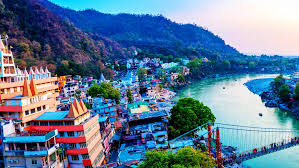
Things to Do in Uttarakhand: 30 Best Experiences & Attractions

Priya Mehta
January 10, 2026
Discover the 30 best things to do in Uttarakhand - from spiritual Char Dham pilgrimage and yoga in Rishikesh to adventure sports, wildlife safaris, and offbeat Himalayan villages. Complete guide with costs and tips.
Things to Do in Uttarakhand: Complete Travel Experience Guide
Uttarakhand is one of India’s most diverse travel states, where spiritual circuits, adventure routes, wildlife landscapes, river experiences, and mountain towns all exist within one broad geography. If you are searching for things to do in Uttarakhand, the biggest challenge is not lack of options. The challenge is selecting experiences that match your trip style, season, and available days.
This guide helps you plan that clearly. It is organized by experience type, not random lists, so you can build a realistic itinerary whether you are planning pilgrimage, trekking, family vacation, or a weekend mountain escape. If your plan includes Char Dham-style routes, also review Delhi to Kedarnath for high-value route planning fundamentals.
Pilgrimage and Spiritual Experiences
Uttarakhand’s spiritual identity is central to its tourism. Devotional travel here ranges from iconic yatra routes to calmer temple-town visits suitable for families and senior travelers.
Char Dham Circuit Planning
The Char Dham route is one of India’s most significant pilgrimage journeys and requires route, weather, and health planning. Keep buffer days, start early, and avoid tight same-day transfer assumptions in mountain zones.
Haridwar and Rishikesh Spiritual Stops
Haridwar ghats and evening aarti experiences are emotionally powerful and logistically easier than high-altitude pilgrimages. Rishikesh adds ashram culture, yoga, and spiritual calm alongside adventure options.
Hemkund and Other Sacred Routes
Higher-altitude spiritual routes need fitness awareness and season checks. Prioritize safety and acclimatization over pace.

Trekking and Adventure in Uttarakhand
Uttarakhand is one of India’s strongest destinations for trekking across beginner to advanced levels. Choose treks based on fitness, altitude tolerance, and season.
Popular Trekking Zones
Valley landscapes, alpine meadows, and high mountain trails offer multiple formats from day hikes to multi-day expeditions. Always prefer verified operators and keep weather buffers.
River Rafting and Adventure Sports
Rishikesh is a major adventure hub for rafting and related activities. Conditions vary with season and river flow, so choose certified operators only. Adventure days should include hydration, safety briefing compliance, and no overstacking of high-intensity activities.
Camping and Nature Nights
Camping is a popular way to experience Uttarakhand’s natural setting, but location, weather, and campsite quality matter. Book trusted properties with clear facility details.
Wildlife and National Park Experiences
Wildlife lovers can plan dedicated forest circuits in Uttarakhand. Safaris, birding, and forest-edge stays are best done with advance permit and zone planning.
Early morning and late afternoon slots are typically strongest for wildlife activity. Keep expectations realistic and focus on full ecosystem experience rather than only tiger-chase mindset.
If you are combining forest stays with hill routes, keep transfer days lighter to reduce fatigue.
Hill Stations and Scenic Retreats
Uttarakhand has multiple hill stations and mountain towns suitable for different travel moods. Some are activity-rich, others are pace-driven and better for rest.
Family-Friendly Hill Escapes
Lake-town experiences, easy viewpoints, cable routes, and market walks are ideal for families and short vacations.
Slow-Travel Mountain Towns
Travelers seeking quiet stays should choose towns with lower crowd pressure and scenic walking potential. Two-night minimum stays usually work better than rushed one-night hops.
Photography and Sunrise Routes
Early starts and weather-aware planning are key for clear mountain views. Avoid overloading too many sunrise points in one trip segment.
River and Water-Based Experiences
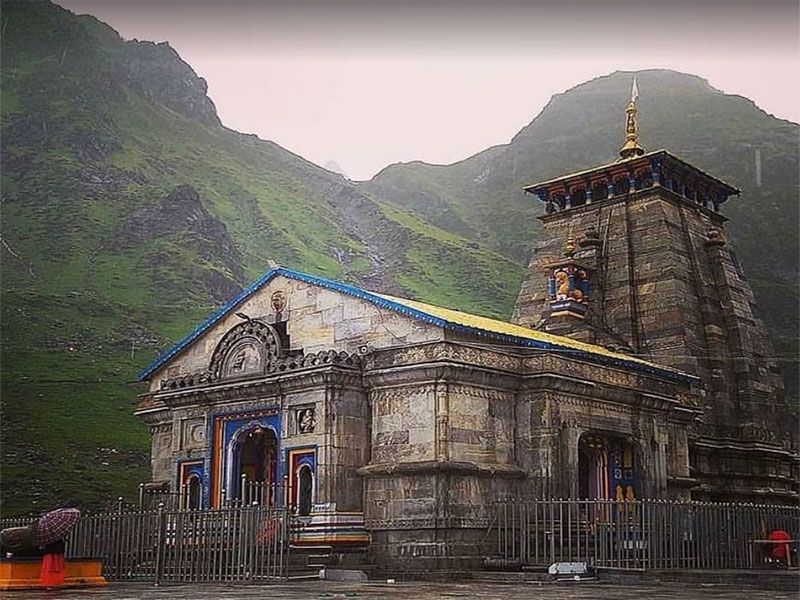
Rivers define Uttarakhand’s spiritual and adventure identity. You can experience them through rafting, ghat culture, riverside stays, and photography-driven walks. Always prioritize safety in monsoon and post-monsoon windows when flow conditions vary.
For family travelers, calmer riverside experiences and ghat zones are often better than high-intensity adventure sessions.
Cultural and Local-Life Experiences
Beyond famous spots, Uttarakhand offers rich cultural layers through local food, seasonal festivals, folk traditions, village markets, and regional crafts. Keep one flexible half-day for non-checklist exploration in each major stay location. These moments often become the most memorable part of the trip.
Respect local customs in temples and rural zones, and choose community-sensitive travel behavior over rushed content-focused movement.
Things to Do in Uttarakhand by Trip Type
| Trip Type | Best Experience Mix |
|---|---|
| Pilgrimage-focused | Temple circuits + buffer days + low-speed route planning |
| Adventure-focused | Trek + rafting + one rest day |
| Family vacation | Hill town stay + easy sightseeing + local market evenings |
| Nature retreat | Forest stay + village walks + scenic drives |
This table helps you avoid incompatible activity combinations in short trips.
How Many Days Do You Need in Uttarakhand?
Uttarakhand can be explored in many formats:
3-4 days: one region only (hill station or spiritual city pair).
5-7 days: two-region trip with one buffer day.
8-10 days: broad circuit with spiritual + nature + light adventure mix.
Trying to cover too many distant zones in one trip reduces experience quality due to mountain transit time.
Best Time to Visit Uttarakhand
Season choice should match your activity goals. Spring and early summer are popular for hill and general tourism. Monsoon brings lush landscapes but needs caution for road movement. Autumn offers strong clarity in many mountain zones. Winter works for select destinations and snow-focused experiences.
Always check route-specific weather, not state-level generalized forecasts.
Sample 7-Day Uttarakhand Itinerary
Day 1: Arrival in gateway city and light local experience.
Day 2: Spiritual/cultural day.
Day 3: Move to hill or river zone.
Day 4: Nature/adventure day.
Day 5: Slow exploration or wildlife circuit.
Day 6: Transfer with flexible stop.
Day 7: Return.
Adjust by season and avoid rigid same-day long transfers after activity-heavy days.
Transport and Route Planning Tips
Mountain travel in Uttarakhand runs on real road conditions, not map-only estimates. Start early, avoid late night driving in unknown stretches, and keep extra time for weather and traffic variation. For airport-led access planning, you can use frameworks from Pantnagar Airport guide.
Private cabs improve flexibility, while mixed public transport can work for budget travelers who keep lower destination density.
What to Pack for Uttarakhand Trips
Carry layered clothing, weather-ready footwear, rain/wind support based on season, reusable water bottle, basic medicines, and identity documents. For trekking plans, pack route-specific gear and avoid last-minute improvisation.
In mountain states, smart packing is less about quantity and more about versatility.
Budget Planning for Uttarakhand
Trip cost varies heavily by route choice, stay type, and transport mode. Pilgrimage routes and remote trekking segments may include additional transfer and buffer costs. Keep separate budgets for travel, stay, food, and activity permits.
Budget control tips that work:
1. Travel weekdays where possible.
2. Book core transfers early in peak season.
3. Keep one emergency reserve for route delays.
4. Avoid frequent hotel changes in short trips.
Common Mistakes Travelers Make
1. Overloading too many destinations in one itinerary.
2. Ignoring altitude and weather conditions.
3. Starting mountain drives too late.
4. Skipping buffer days.
5. Choosing attraction quantity over experience quality.
Fixing these five issues transforms your Uttarakhand trip.
Final Recommendation
The best things to do in Uttarakhand depend on your travel intent: spiritual, adventurous, scenic, or restorative. The state rewards depth, not speed. Choose one or two regions per trip, align activities with season, and keep practical route buffers.
If planned thoughtfully, Uttarakhand can deliver one of the richest travel experiences in India. For complementary mountain itinerary references, check things to do in Kaza and Spiti in October to compare high-altitude planning styles.
Regional Planning: Kumaon vs Garhwal
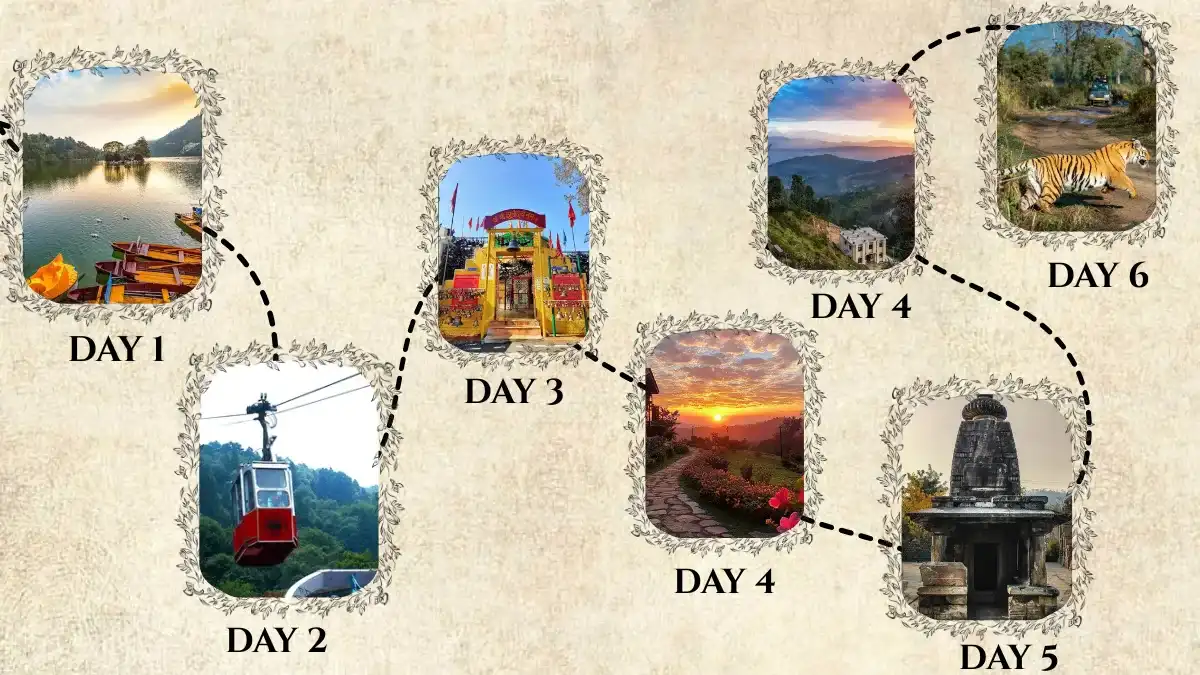
One of the smartest ways to plan Uttarakhand is to choose a regional focus instead of mixing distant zones in one short trip. Kumaon-side plans often work for lake towns, forest retreats, and family-paced mountain holidays. Garhwal-side plans are often preferred for spiritual circuits, river adventure, and deeper pilgrimage routes. Both regions are rich, but trying to cover both quickly usually leads to long road fatigue.
If your trip is 4-5 days, choose one region. If your trip is 8-10 days, combine regions with at least one recovery day between long transfers.
Uttarakhand for Families, Couples, and Solo Travelers
Families: choose easy-access hill towns, short drives, and mixed activity days.
Couples: choose scenic stays with slower pace and sunrise/sunset-oriented planning.
Solo travelers: combine spiritual hubs, trekking circuits, and coworking-friendly mountain stays where available.
Matching trip design to traveler profile improves experience quality far more than adding extra destinations.
Festival and Seasonal Culture in Uttarakhand
Uttarakhand travel becomes richer when aligned with local cultural calendars. Festivals, temple events, and seasonal mountain traditions add context that typical sightseeing misses. If your dates overlap with major pilgrimage windows, plan crowd and stay logistics early. If your dates are off-peak, use the quieter setting for deeper local interaction and village-level experiences.
Culture is often best experienced through markets, local food stops, and respectful community engagement rather than rushed social-media-style stops.
Uttarakhand Final Planning Rule
Pick fewer regions, start earlier, and keep one weather buffer. This simple rule improves safety, comfort, and trip satisfaction across almost every Uttarakhand itinerary.
Location
Frequently Asked Questions
Q1.What is the best time to visit Uttarakhand?
Q2.How many days are required for Uttarakhand trip?
Q3.Is Uttarakhand safe for solo female travelers?
Q4.What is Uttarakhand famous for?
Q5.Do I need permits for visiting Uttarakhand?
Q6.What is the budget for a Uttarakhand trip?
Q7.Which is better - Garhwal or Kumaon region of Uttarakhand?
Q8.What adventure activities can I do in Uttarakhand?
Recommended For You
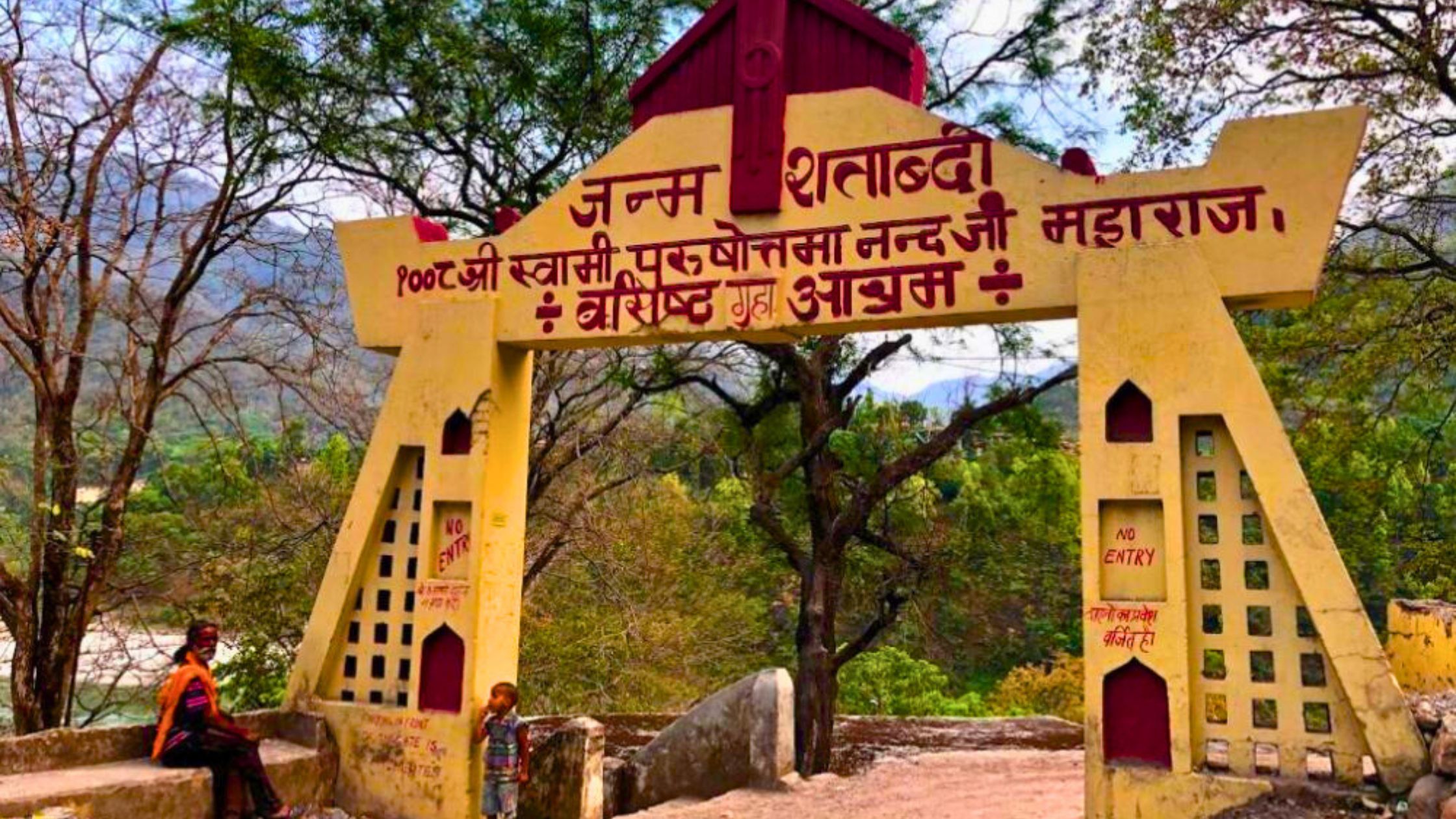
Vashishta Gufa Rishikesh: Meditation Experience, Timings & Route
Visit Vashishta Gufa in Rishikesh, where Sage Vashishta meditated for thousands of years. Discover this ancient cave's spiritual significance, meditation practices, and complete travel guide.
Photography Spots in Nainital: Lake Views, Sunrise Points & Trails
Explore the best photography spots in Nainital with lake viewpoints, mountain panoramas, sunrise-sunset timing, and practical camera tips.
Himachal vs Uttarakhand: Which Is Better For Your Trip?
Can't decide between Himachal vs Uttarakhand? Our comprehensive guide compares scenery, budget, best time, trip types, and top destinations with expert recommendations.
Never Miss an Adventure
Get the latest trekking guides, travel tips, and exclusive offers delivered straight to your inbox.
